Lygus Bugs
Identification
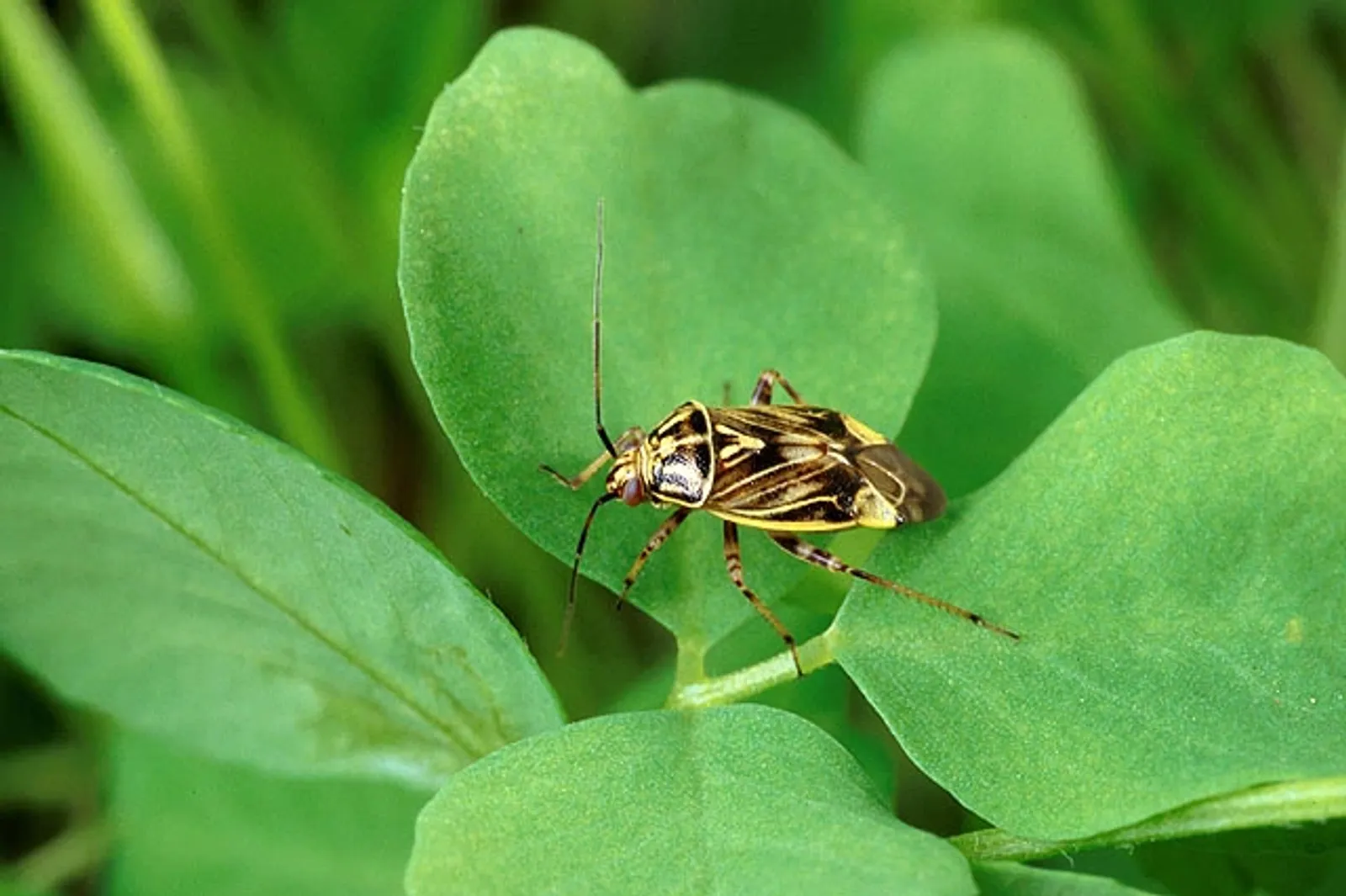
Lygus bugs are piercing-sucking insects that damage plants by sucking out plant sap and nutrients and at the same time injecting toxins at the feeding site. They tend to feed on the most tender parts of the plants such as buds, flowers, and newly developing stems and leaves. The most common species of lygus bug, Lygus lineolaris, is commonly called tarnished plant bug. Lygus bugs feed on an unusually wide range of plants- over 385 plant species have been recorded as hosts for lygus bugs! Lygus bugs cause damage to fruits and other edible plant parts that ranges from minor cosmetic flaws to yield losses and rendering the remaining crop mostly inedible. Lygus bugs can also transmit plant diseases. There are several insects that can closely resemble Lygus bugs, and not all of them are harmful, so be sure that you are dealing with Lygus bugs before taking specific steps to control the problem. How lygus bugs look can vary depending on the species (and the stage of development) but in general the adults are roughly 1/4" (0.6 cm) long with flattened bodies. They have a distinctive triangle shape in the middle of the back. Their overall coloring can vary from dark brown, to yellowish, to pale green. Lygus bugs can be difficult to catch 'in the act'. Often by time damage is apparent the bugs have moved elsewhere. If you do happen to identify lygus bugs feeding, takes steps to control them, otherwise act preventatively if lygus bugs have been an issue in your garden in the past.
Damage
Lygus bugs can cause gray lesions on fruit, 'catfacing', deformed or dimpled fruit, stunted plants, and reduced yields. They can also cause flowers to fail to form or become distorted, discolored, or spotted.
Prevention
If you suspect lygus bug feeding but cannot find the bugs, gently shake the plant over a piece of white paper or cloth- if lygus bugs are present they will fall on the cloth. Lygus bugs overwinter especially in weedy areas. Because many weeds are potential hosts for Lygus bugs, good weed control both in the garden and near the garden is one of the main ways to reduce lygus bug populations. Don't let weeds go at the end of the season even if your garden is winding down. If you use overwintering cover crops in the garden be sure to terminate the crops in spring before they start to flower and provide a food source for the next generation of lygus bugs. You may also choose to clear away fallen plant debris at the end of the season if lygus bugs tend to be a problem in your garden. If lygus bugs are a known problem in your garden, apply insect netting or row cover to affected plants (not bushes or trees) at the time of planting. Be sure to not leave covers or netting on flowering plants that require pollination. Do not use heavy-duty row covers when the weather gets hot to prevent overheating. Plant companion plants that attract predators of lygus bugs such as parasitic wasps, minute pirate bugs, and damsel bugs.
Physical control
On sturdier plants you may be able to use a shop vac to vacuum up lygus bugs (in large commercial operations they have specialized “bug vacs” that do this job!) You’ll either need a portable shop vac or an extension cord that allows you to reach your whole garden. You can attach a nylon stocking (with no holes!) to the end of the hose inside the vacuum using a tight rubber band to catch the bugs to avoid having them inside your vacuum unit or vacuum bag. Test the intensity of your vacuum to ensure you are able to suck up bugs without damaging your plants. You’ll likely need to repeat the operation regularly as new generations of lygus bugs emerge throughout the season.
Chemical control
Insecticides are not generally recommended to control lygus bugs in home gardens. It is very difficult to get the timing right to have a significant impact on lygus bug populations and because of potential negative impacts on pollinators visiting the flowering plants that lygus bugs tend to love.
Plants Affected









...and 33 more plants
Put away the pen and paper
Plan your veggie garden in minutes with Planter's easy drag and drop planner.
Try Planter for Free