Apple
Malus domestica
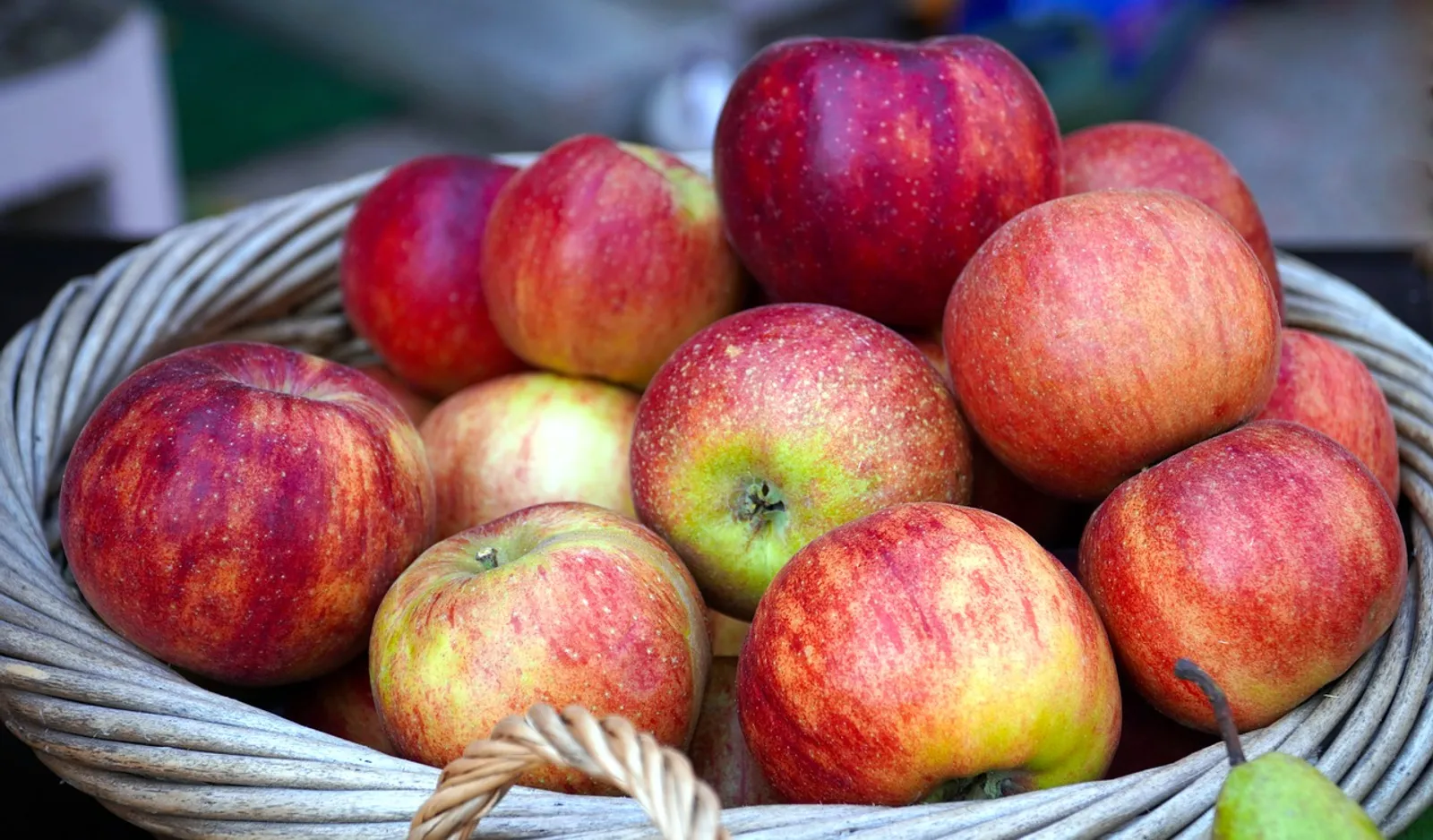
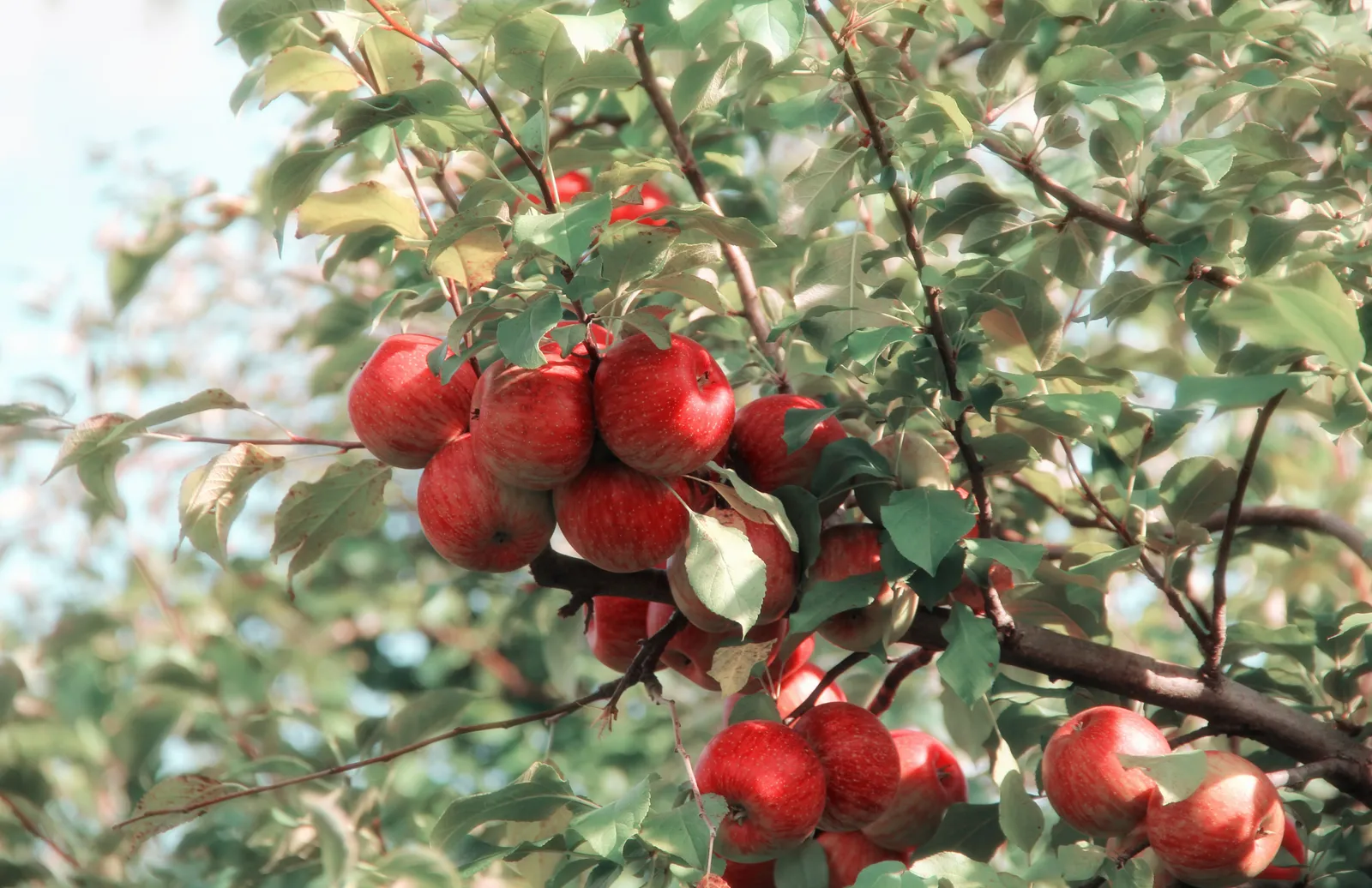
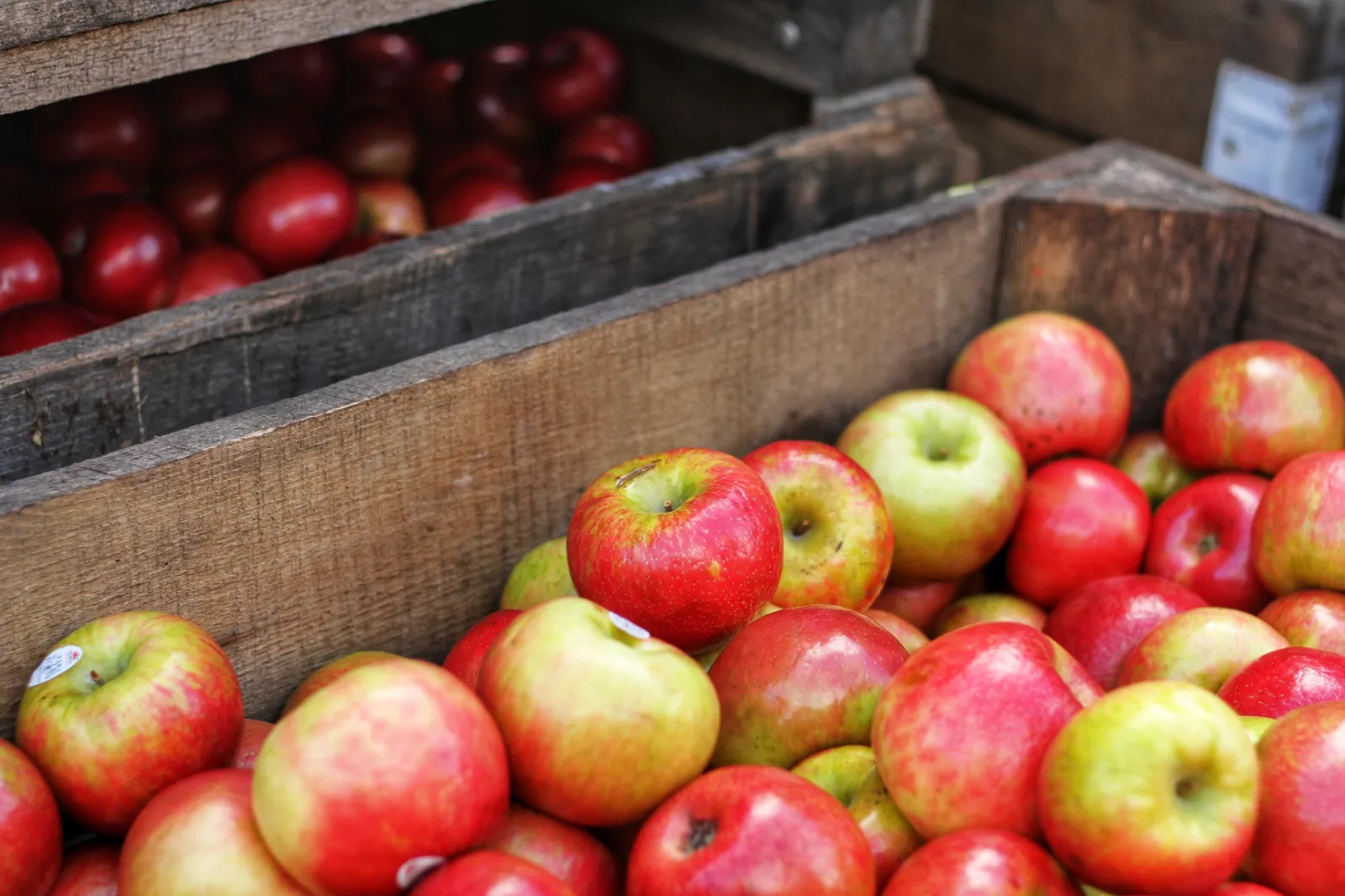
Apples are one of the most commonly grown fruit trees. They make an excellent snack on their own, and also take well to cooking and canning for long-term storage. There are a myriad of different apple varieties suited for different climates and culinary uses. It is worth noting that apples are one of the most pest-susceptible fruits, so some form of pesticide use is almost always necessary.
How to Grow Apple
Quick Info
Put away the pen and paper
Plan your veggie garden in minutes with Planter's easy drag and drop planner.
Try Planter for Free
Varieties
Related Articles
Companion Plants




Combative Plants

Nutrition
Vitamins

Nutrients





Pests
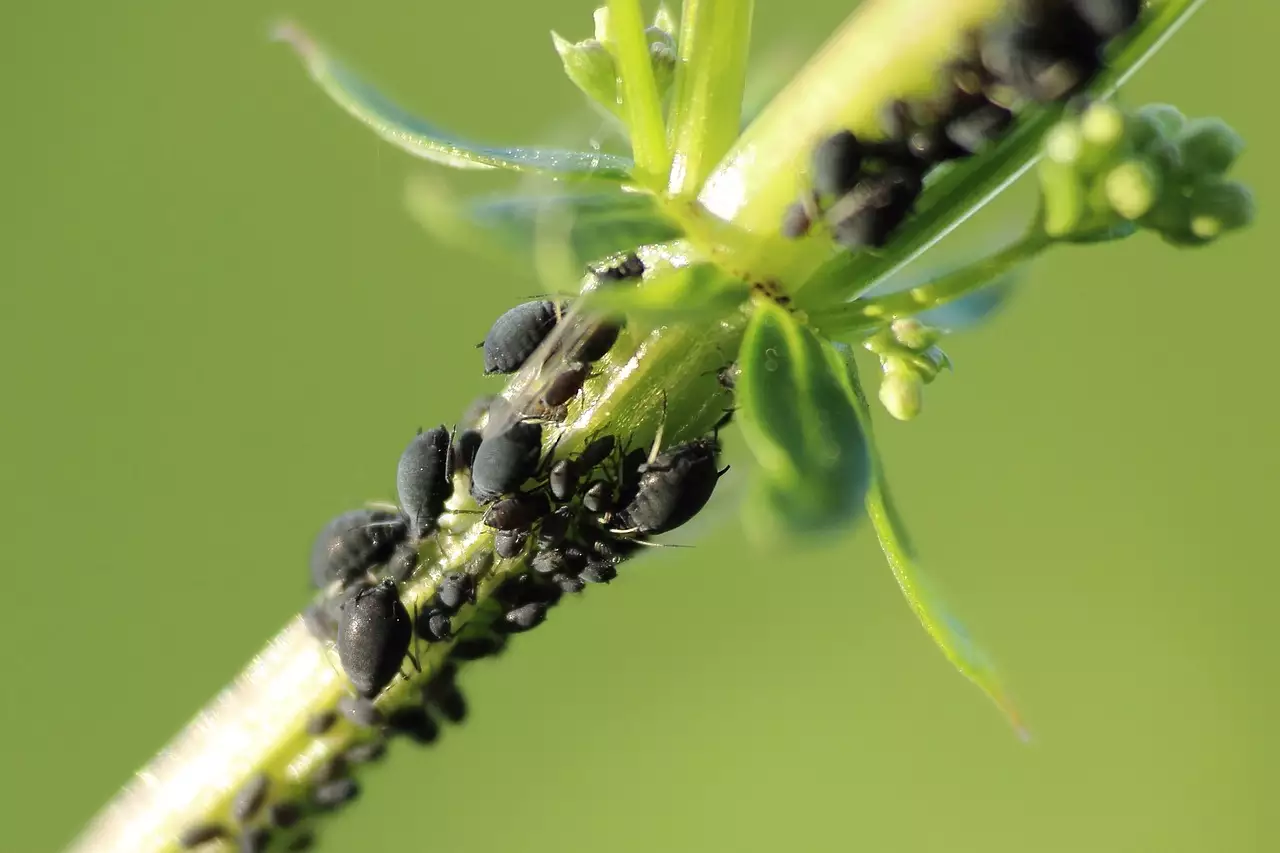
Diseases
Beneficial Critters
Growing from Seed
Most home gardeners do not grow apples from seeds. Apple trees grown from seed are often vastly different from their parent plant, and can take 8-10 years to grow to full size.
Planting Considerations
Climate is an important factor when selecting apple varieties suitable for your region. Apple trees described as “hardy” grow best in USDA Hardiness Zones 3-5. “Long-season” varieties are best for USDA Hardiness Zones 5-8. In most regions, apple trees should be planted in the spring. In USDA Hardiness Zones of 7 or greater, apple trees can also be planted in the fall. Most apples need to cross-pollinate in order to produce fruit. This means you must grow at least two apple trees of different cultivars for the trees to produce fruit. Additionally, the two trees must have approximately the same flowering time. To plant an apple tree, dig a hole that is twice the width of the tree’s root spread and 2 feet deep. Gently spread the tree roots loose and lower the tree into the hole. Gradually replace the soil around the root system. Try to fill in any air pockets by gently tamping the soil. Mulch around the base of the tree to prevent weeds.
Feeding
Do not add fertilizer at planting time. Apple trees generally require minimal fertilization. Nitrogen can be added through a yearly application of compost.
Harvesting
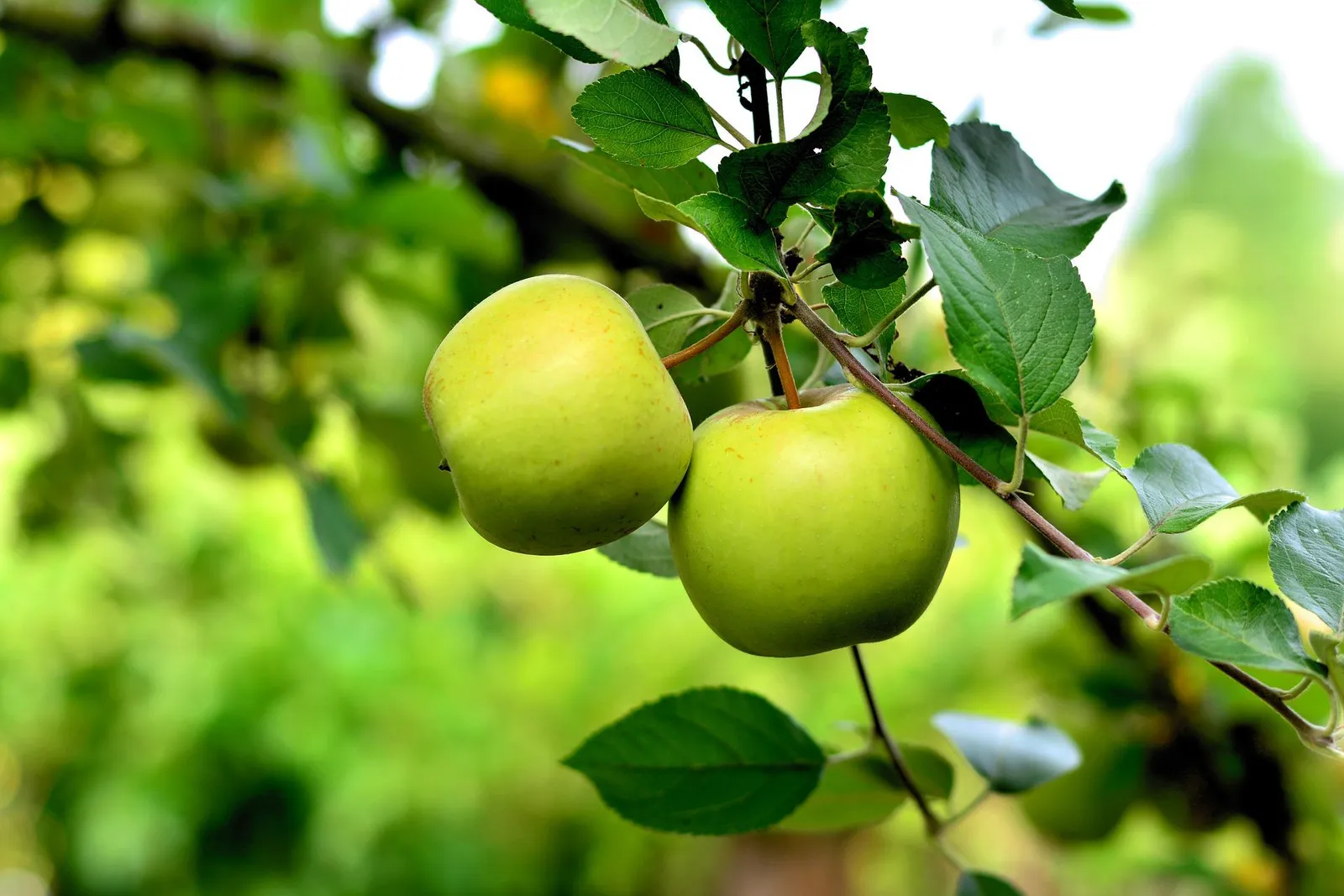
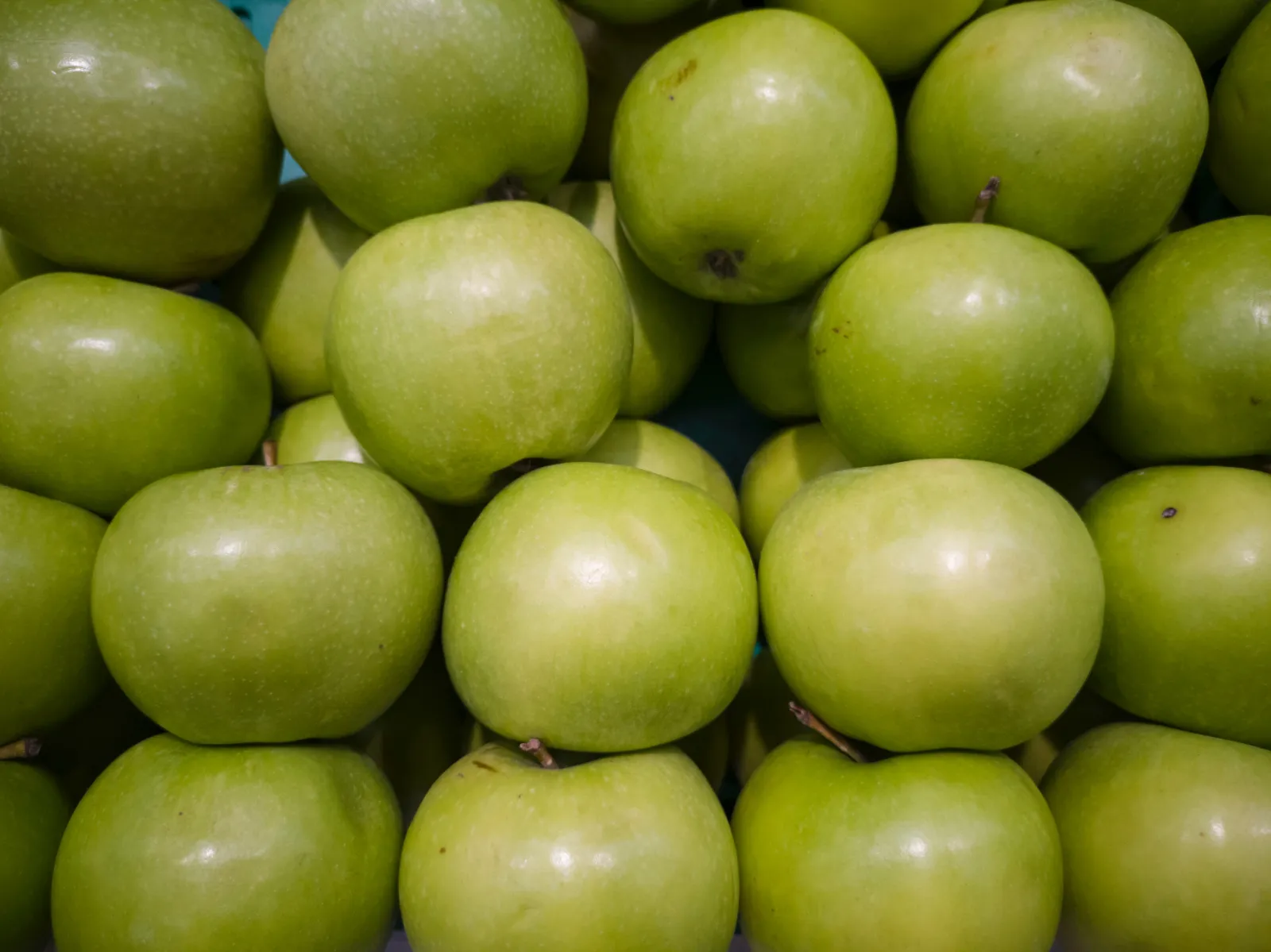
Harvest apples in the fall when their main color is no longer green (unless, of course, you are growing green apples such as Granny Smiths). This can be anywhere from August to October, depending on both climate and apple variety. The apples should easily break from the branch with a gentle twist.
Storage
Early season apples do not store well. Mid-late season apples can store anywhere from a few weeks to a few months in a root cellar. Do not store apples with visible bruises or blemishes, as they will quickly rot. When storing apples, wrap them in paper and place them onto trays that allow good air circulation. Keep the trays in a cool, dark area. Overripe apples can be used for cooking and canning.