Squirrels
Identification
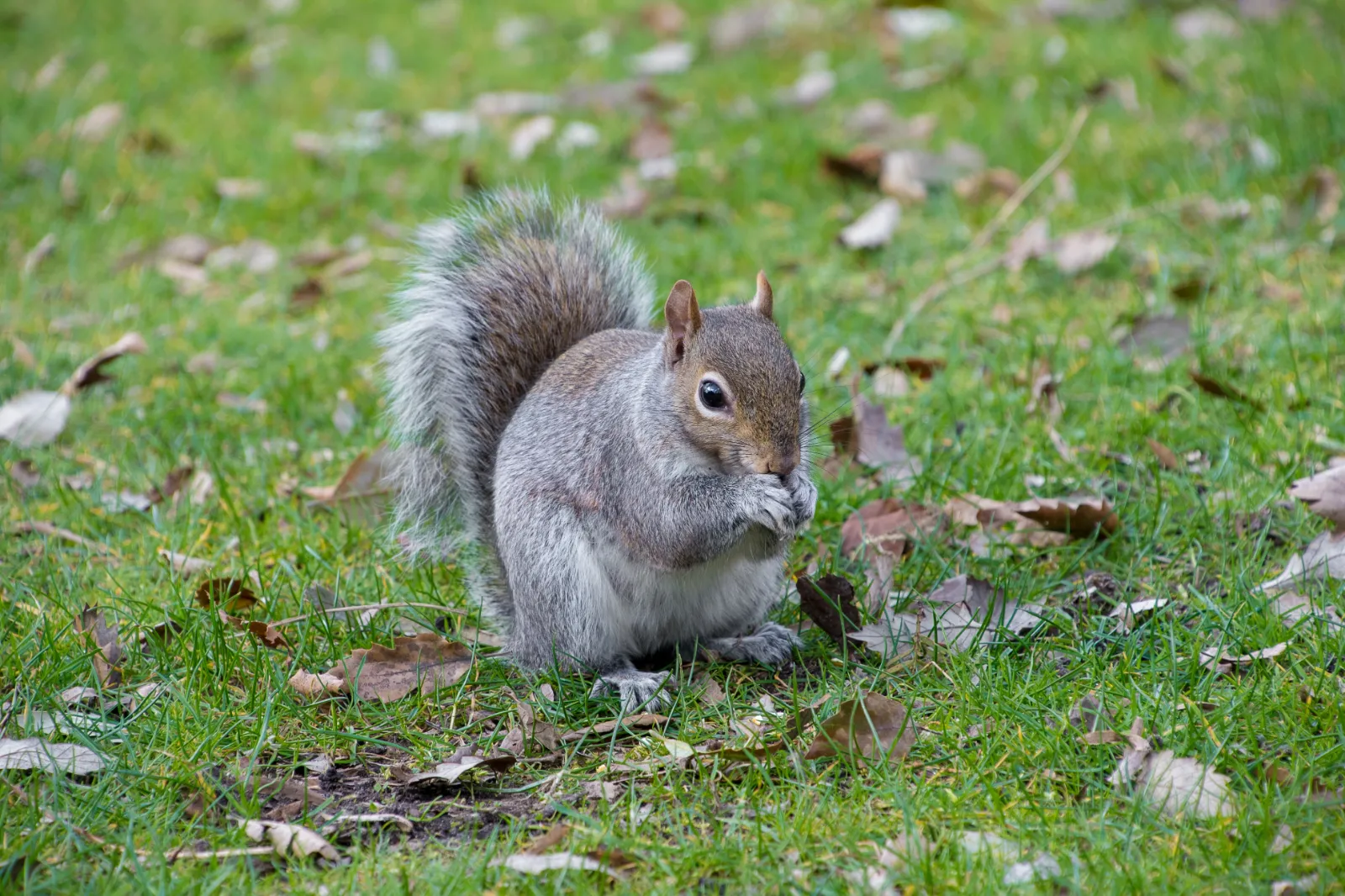
Squirrels are amongst the most common garden pests. While the mere presence of squirrels scampering around the yard doesn't necessarily mean sudden death for your plants, they will go after fruit and nut trees, berry bushes, and occasionally juicy vegetables. Perhaps the more destructive squirrel behavior is digging in the garden- either looking for bulbs and seeds that they can dig up or just disturbing the soil and uprooting plants in the process of hiding their food. Squirrels may also strip bark off of trees and eat tree buds. There are several methods that can be used to help minimize the impact of squirrels in the garden, although it is challenging to prevent all squirrel damage entirely as their populations are so numerous and as they often feed on trees and shrubs that can be difficult to completely protect. Accepting squirrels as members of the garden 'ecosystem'- to some extent- may be necessary!
Damage
Squirrels can: dig up seeds and bulbs, disturb soil and uproot plants, eat nuts and berries, leave holes and chew marks in produce, strip off tree bark and chew off buds. Squirrels have also been known to damage buildings and chew wires.
Prevention
Squirrels tend to hide in brush piles and tall weeds; clear up any potential squirrel habitat near the garden. If you have a cat or dog that you can safely let in the garden (meaning you can keep both them safe and your plants safe!) their regular presence and scent may convince squirrels to look elsewhere for a meal. There are some plants that are reputed to deter squirrels- such as onions or daffodils- and planting them amongst your edible garden may help. Keep in mind a determined squirrel may still find its way to your prized plants hidden amongst the deterrents. Row cover or insect netting may be enough of a deterrent to keep squirrels away from your plants- while squirrels can theoretically get under or through these barriers they may not bother if they can find easier access to food elsewhere. Be sure to not leave covers or netting on flowering plants that require pollination. Do not use heavy-duty row covers when the weather gets hot to prevent overheating. Information is mixed on whether providing alternate food and water sources can help keep squirrels away from your garden. Many sources say this may increase squirrel populations around your garden. If you choose to try this, keep the food and/or water source far away from your garden area and be sure there is consistent supply so that squirrels don't come looking through your garden. Ideally, plant plants that squirrels enjoy and you don't mind them eating (away from your garden). Water supply is also important as often squirrels that munch on fresh produce are looking for moisture. Employ other deterrent techniques at the same time to make the garden space relatively less enticing. Harvest produce that is ready as soon as possible to avoid leaving it open to attack from squirrels and other pests.
Physical control
Physical 'scaring' devices do not tend to work as squirrels eventually become accustomed to them. They may work for a short period of time, and could be more effective if you regularly move them or change tactics. Some gardeners use motion-activated sprinklers to scare critters away although it may be hard for them to detect a small squirrel. If you want to completely protect your veggie garden from squirrels you'll need a chicken wire or hardware cloth enclosure that covers all sides of the garden as well as the top- since tree squirrels can easily climb any fence. You'll also want a way to secure the enclosure to the ground or bury the bottom edge to make it difficult for squirrels to tunnel under (although you'll still need a way to access inside!) This likely only makes sense for a very small veggie garden. For newly planted seeds, bulbs, and young plants you can make a temporary anti-squirrel enclosure by tenting chicken wire or hardware cloth above the garden bed and securing it to the ground. Remove the 'tent' once the plants become established so they have room to continue growing. Bird netting may be of some help to keep squirrels from plucking off fruits and nuts from trees and shrubs. A determined squirrel will likely be able to break through the netting, but if there are other food sources available they may find it too much of a hassle. Be sure to choose netting with small holes that will not accidentally trap or injure birds and squirrels. Live trapping and relocating squirrels is not recommended as: it is illegal in some areas (or a permit is needed), the squirrel may simply return or other squirrels may move in, the squirrel may become a nuisance for someone else, and squirrels may not survive relocation to an unfamiliar area. Killing squirrels is not recommended for home gardeners.
Chemical control
There are scent and taste repellants for sale that can help deter squirrels. Be sure to choose a product that is safe to use around edible plants. The product will have to be re-applied regularly especially after rainfall.
Plants Affected
...and 5 more plants
Put away the pen and paper
Plan your veggie garden in minutes with Planter's easy drag and drop planner.
Try Planter for Free