Peanuts
Arachis hypogaea
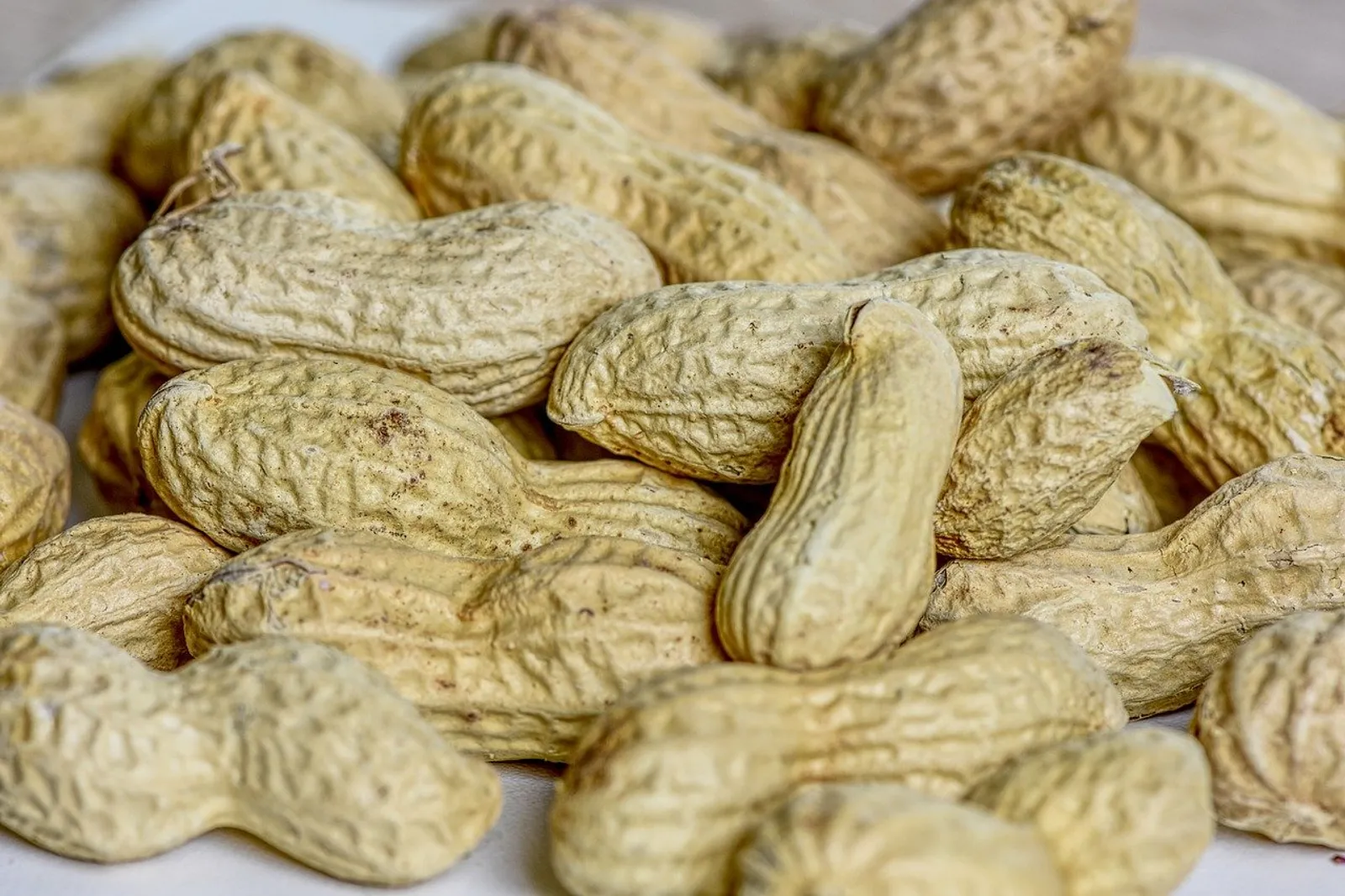
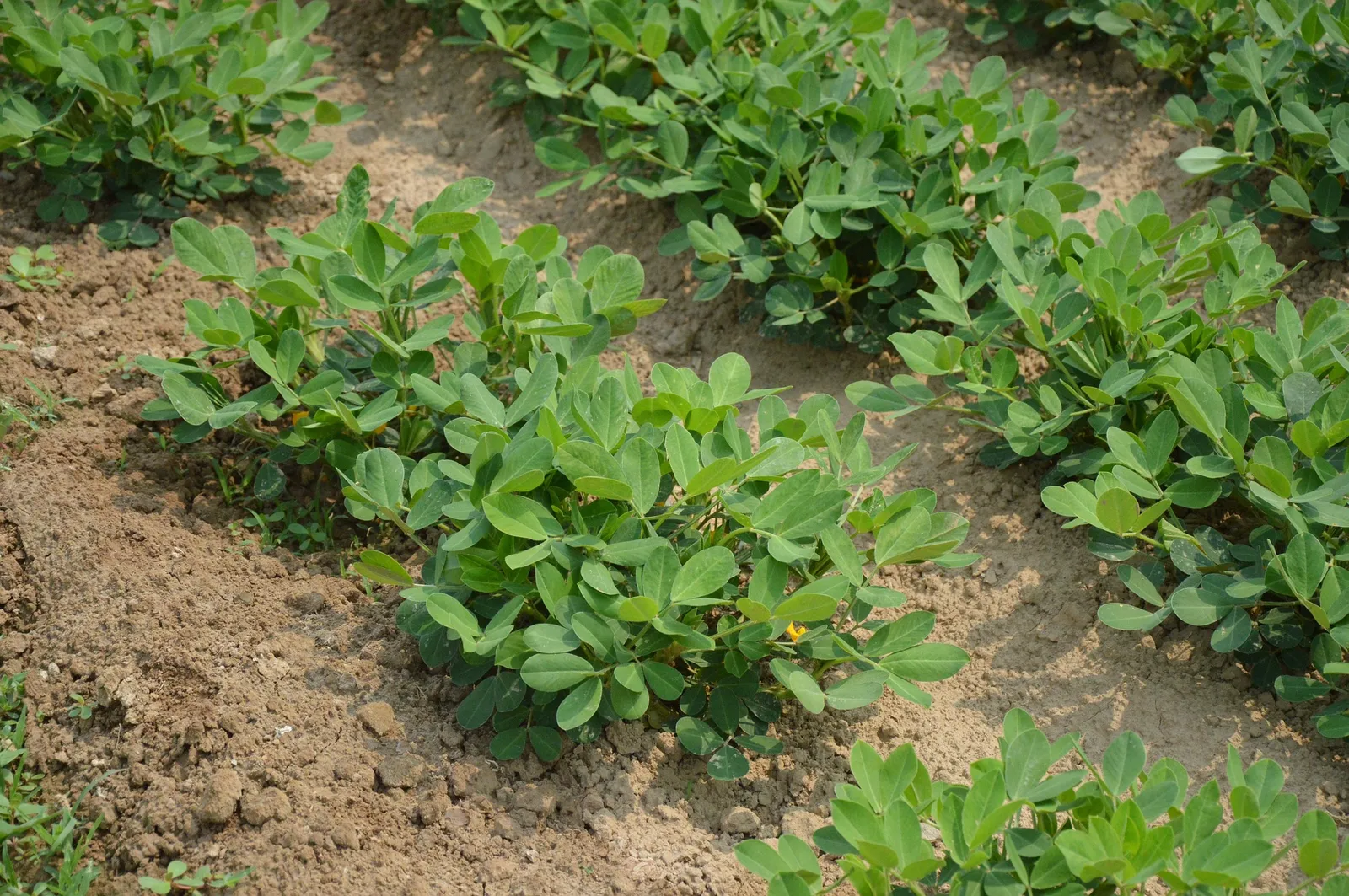
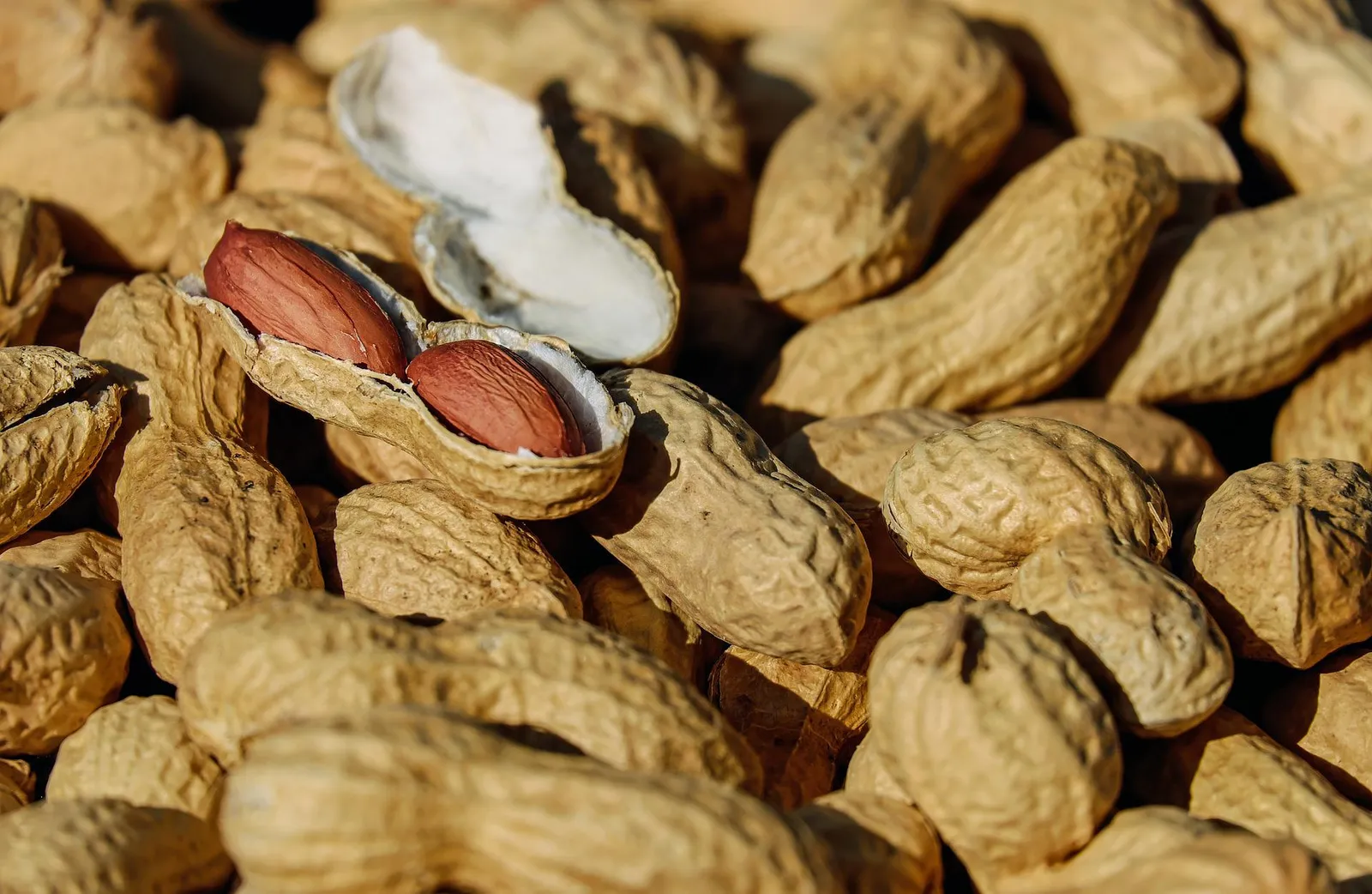
Despite their name peanuts are not technically nuts; they are legumes related to peas and beans. Peanut pods are formed underground through an unusual process called 'pegging'. Pollinated peanut flowers bend over and push into the soil where the peanut pod then forms. Peanuts are long-growing crops typically grown in warmer climates, although some varieties can be grown in certain cooler climates (and it is possible to start peanuts indoors). There are four general types of peanuts: Valencia, Spanish, Virginia, and runner peanuts. Runner peanuts are the most common type grown commercially and mostly used for peanut butter. Valencia and Spanish types produce smaller peanuts and are suited for shorter seasons. Virginia types produce larger peanuts that are a favorite for snacking, but they do take longer to grow.
How to Grow Peanuts
Quick Info

Put away the pen and paper
Plan your veggie garden in minutes with Planter's easy drag and drop planner.
Try Planter for Free
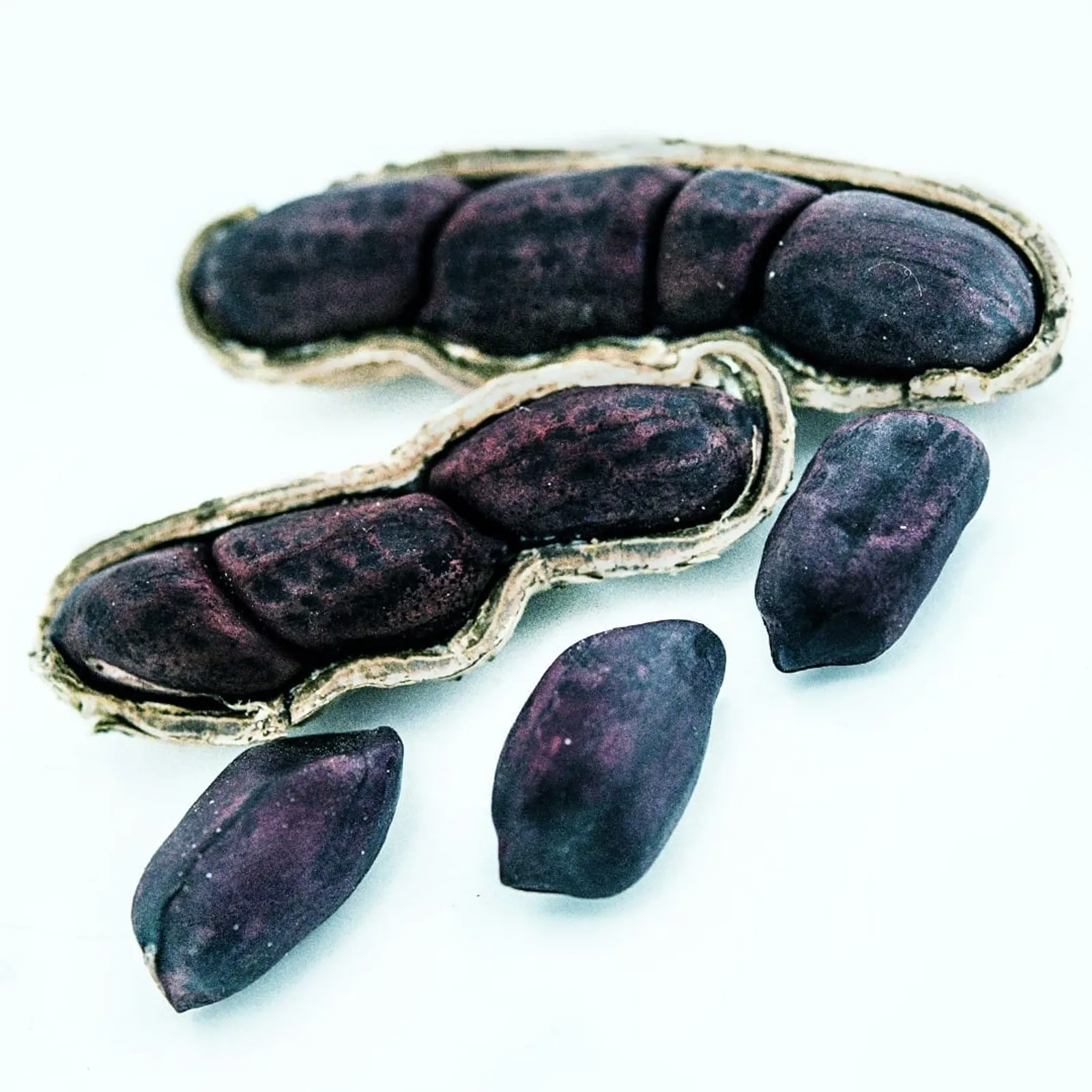
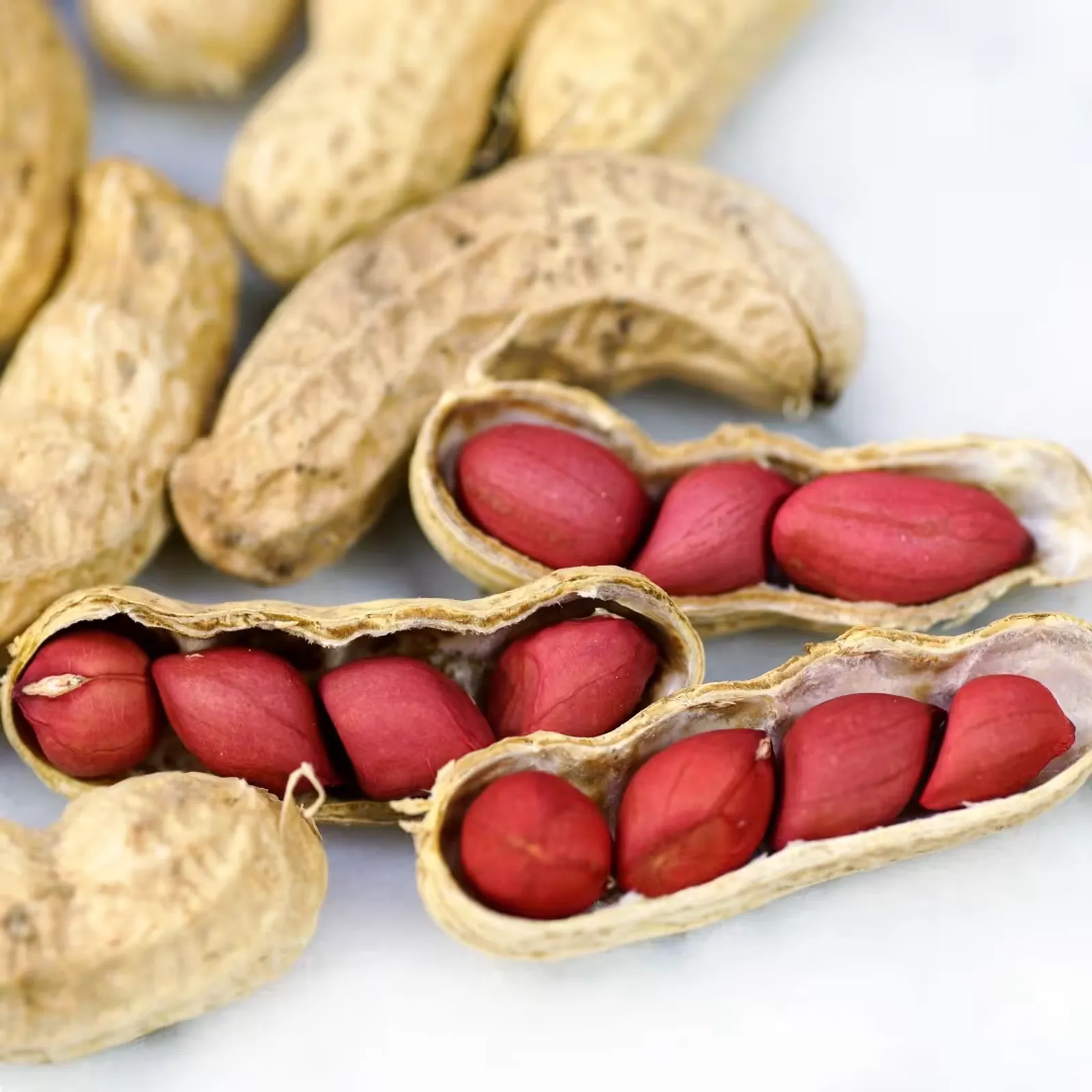
Varieties
Related Articles
Companion Plants









Combative Plants


Nutrition
Vitamins





Nutrients








Pests
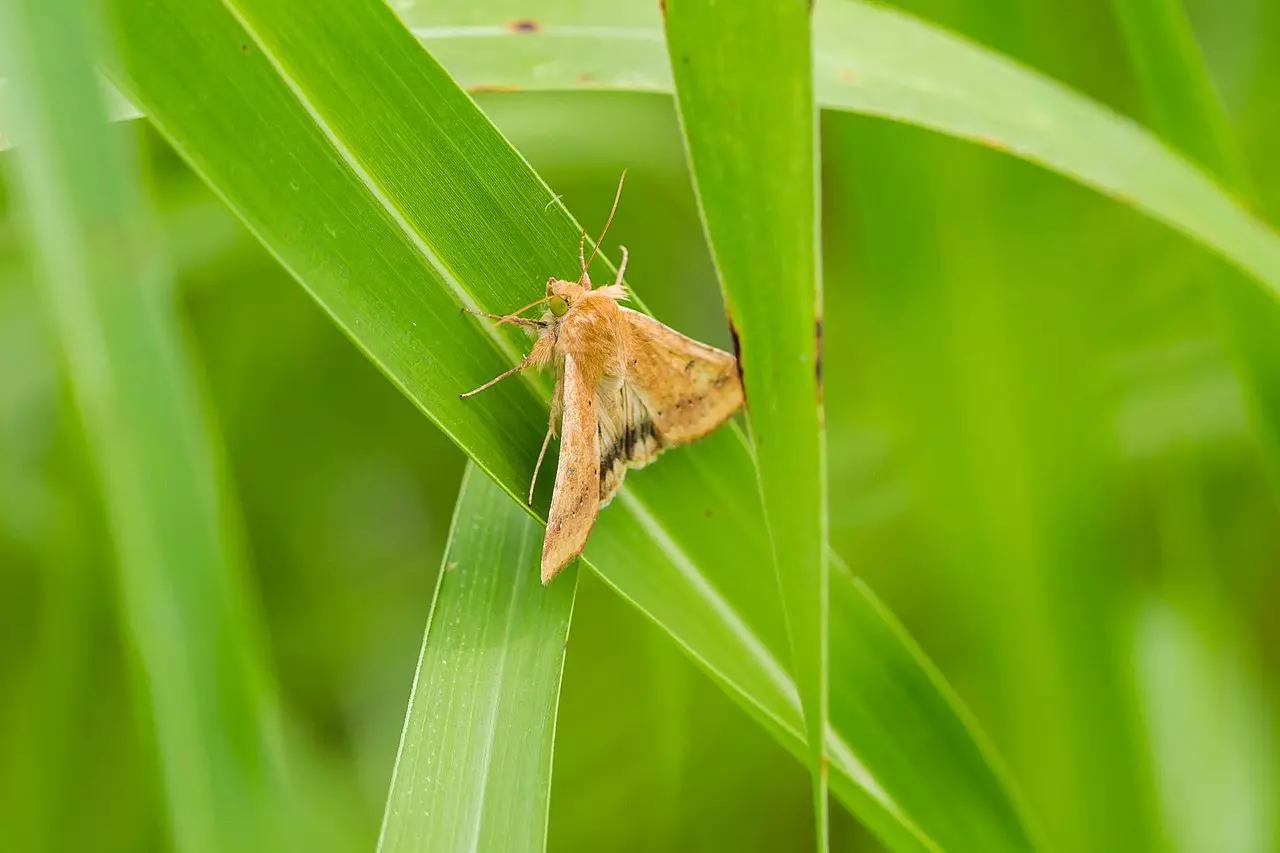
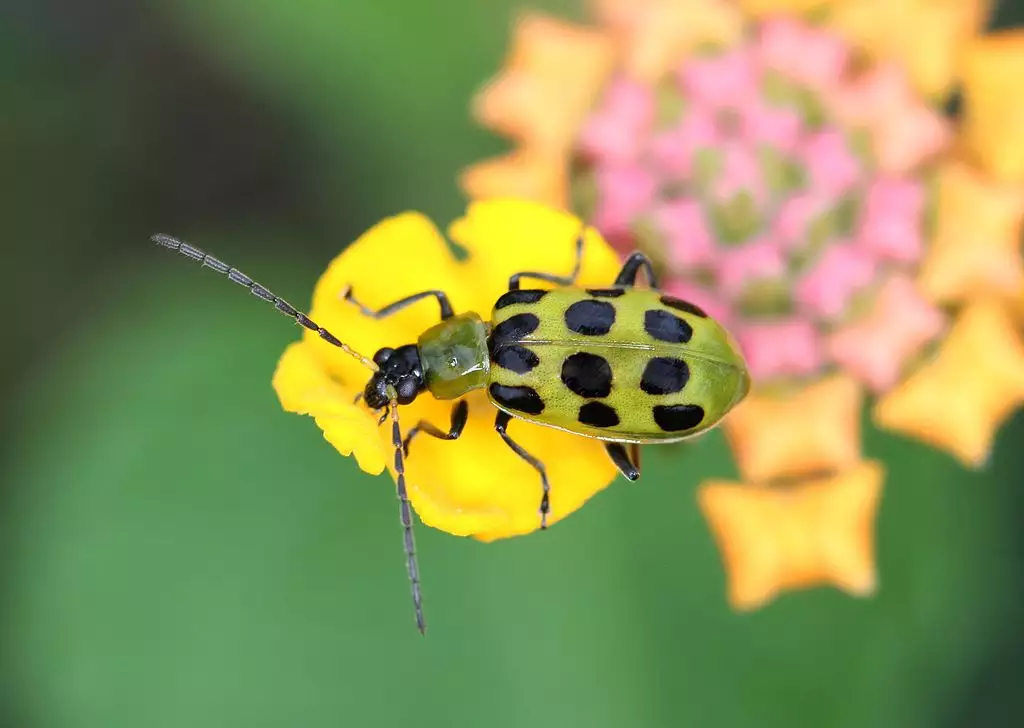
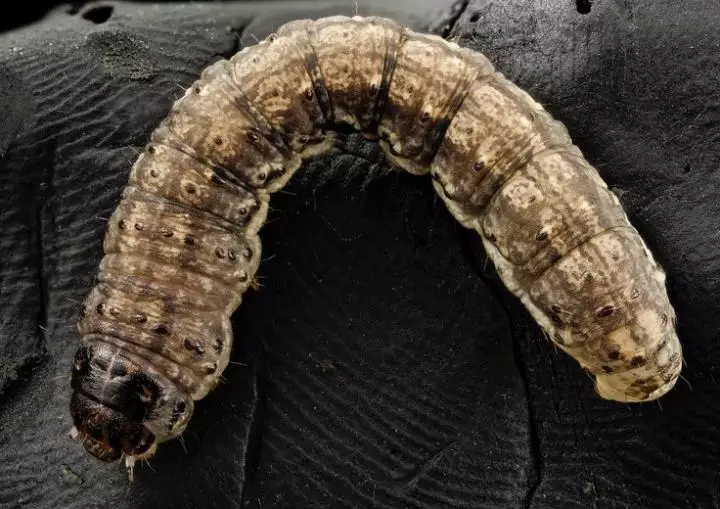
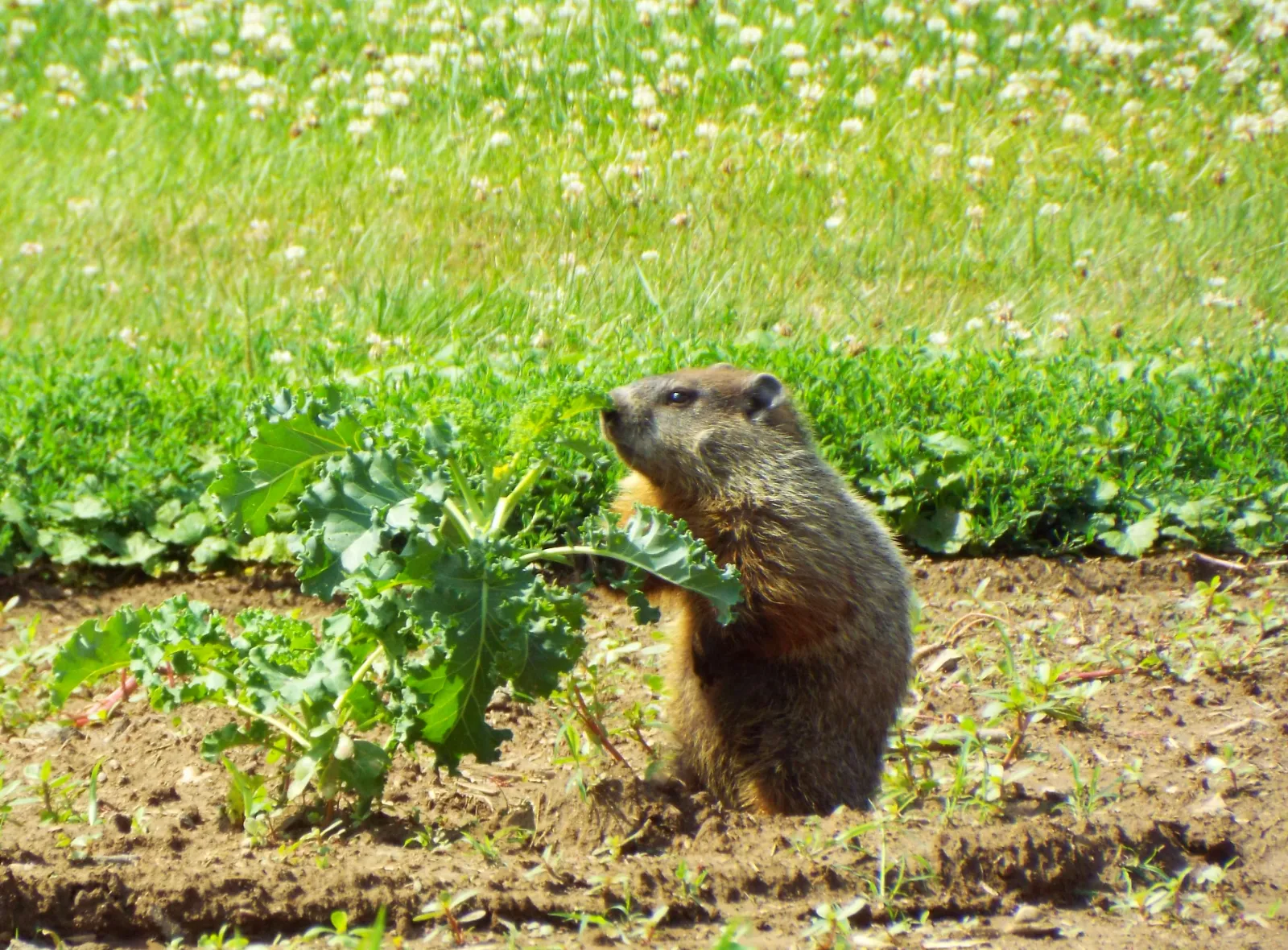
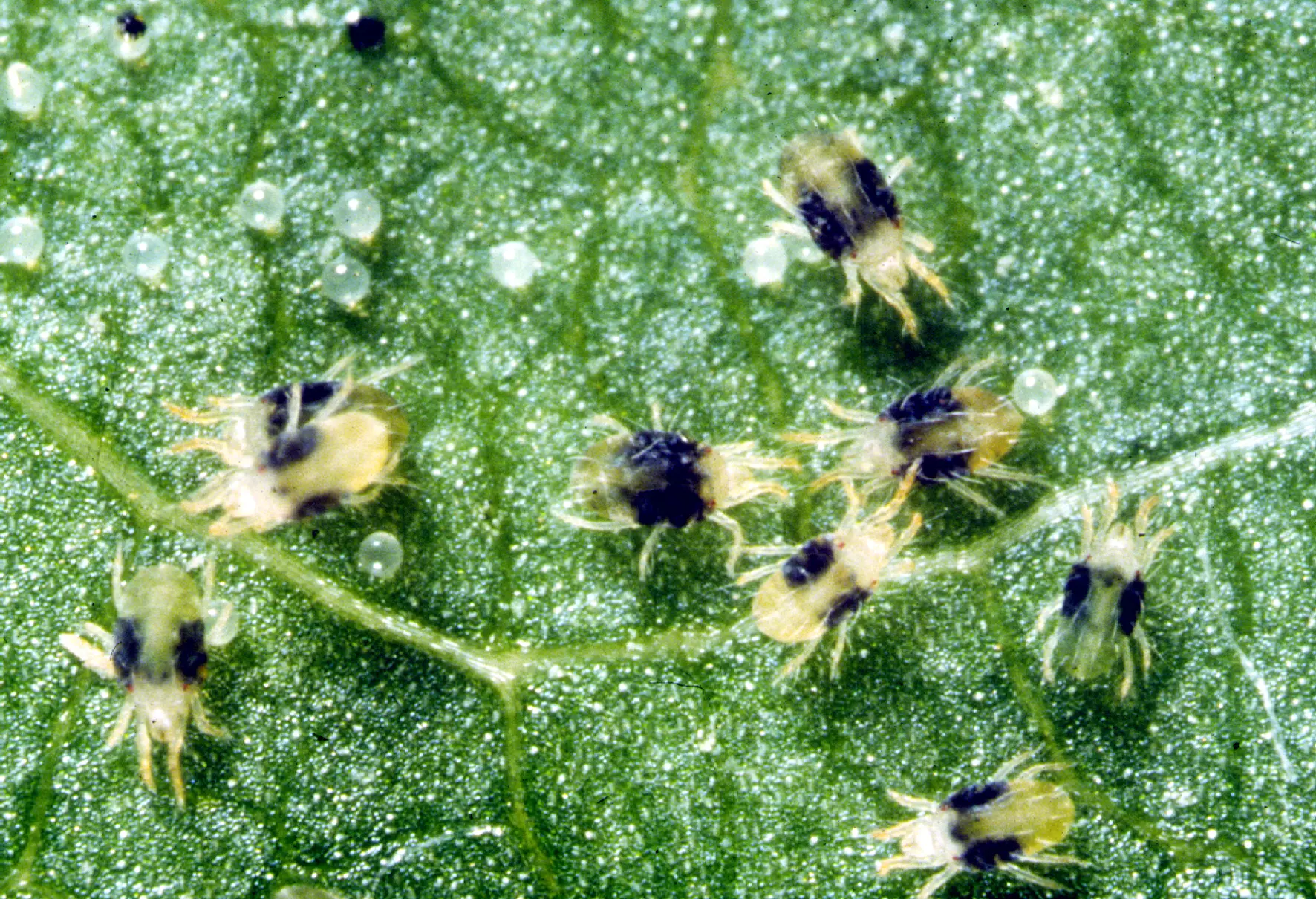
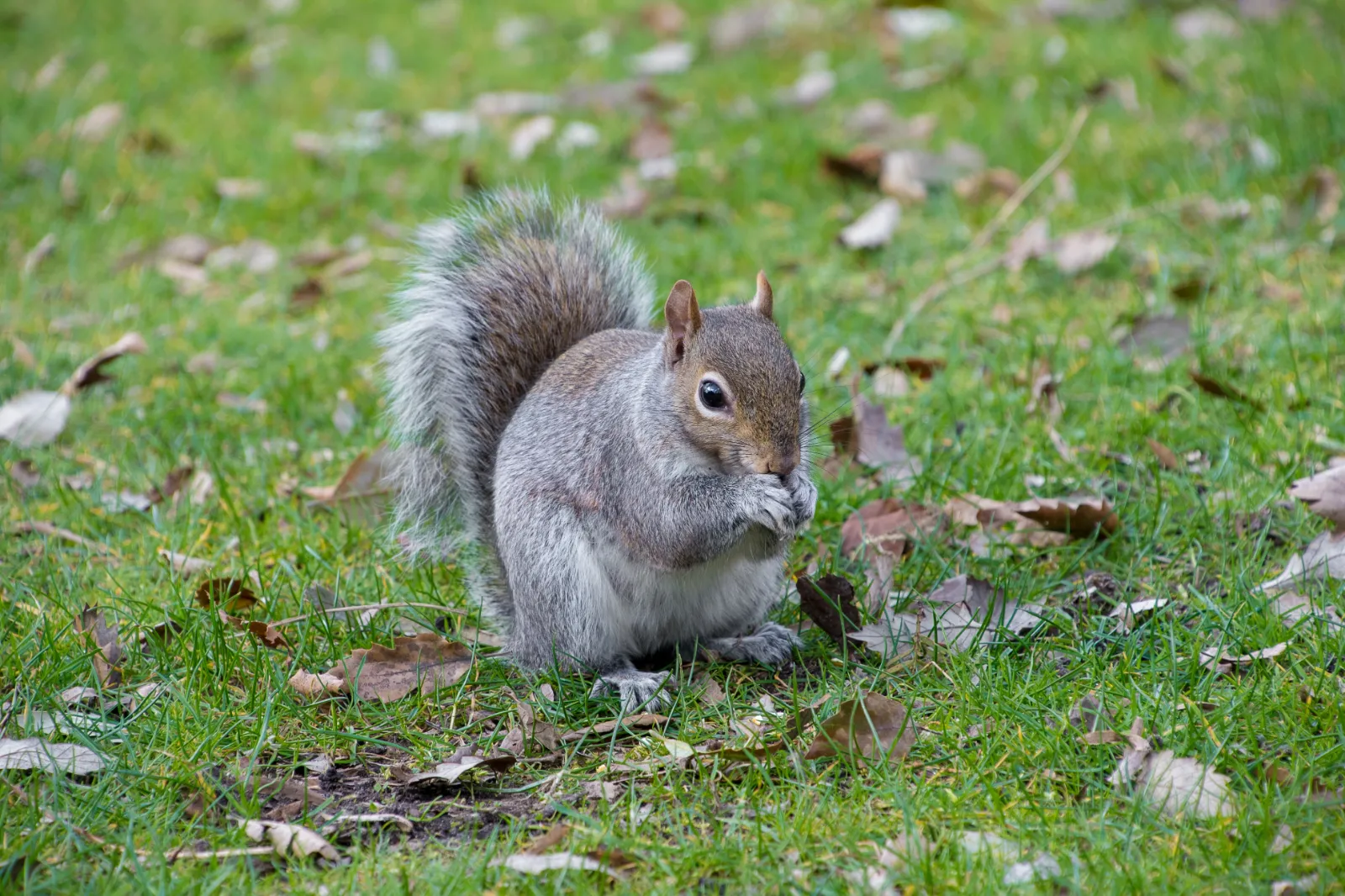
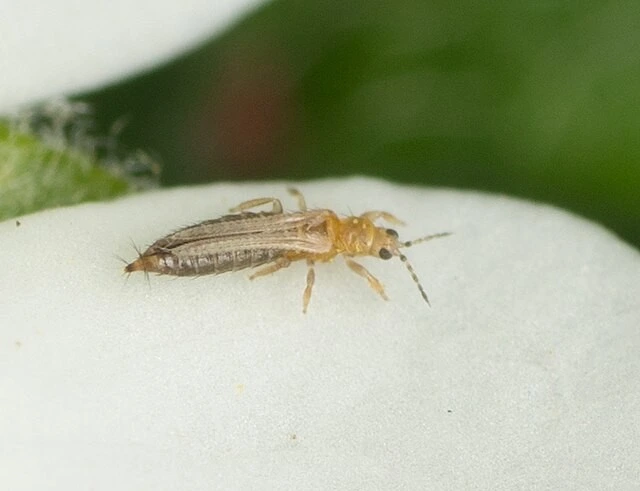
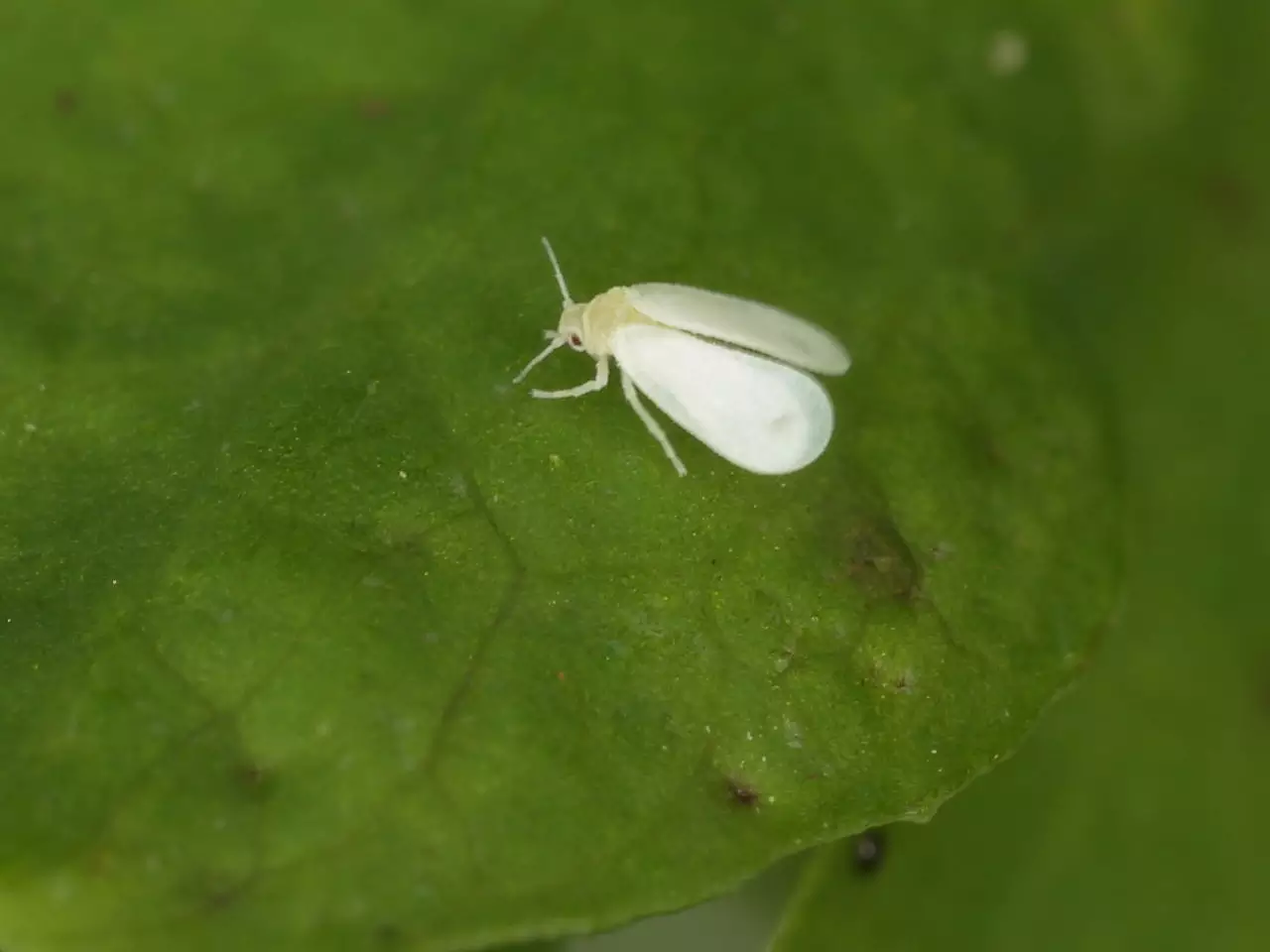
Diseases
Beneficial Critters
Growing from Seed
Peanut are typically sown directly outdoors after the last frost date, although they can be started indoors and carefully transplanted outside. Purchase seed peanuts from a reputable seed company. Raw, in-shell peanuts from a grocery store or animal feed store might germinate, but the variety may not be suited for your area. Some sources recommend planting peanuts in their shells however they can be planted out of the shell as well (and some seed peanuts come already shelled). If you are planting shelled peanuts be sure to not damage the skin or split the seed; split peanut seeds will not germinate.
Planting Considerations
Peanuts are self-fertile, so even a single peanut plant can produce pods. Peanuts prefer loose, well-draining soil. Add compost to the soil at the time of planting. Peanut plants are compact and do not need trellising. Peanuts can be grown in containers; choose a container that is at least 18 in (45 cm) wide and deep. When the plants start to flower, hill up loose soil around the base of the plants to make it easier for the pegs to push into the soil. Keep weeds under control while the plant is developing. Once plants start pegging any weeds near the plants will need to be carefully pulled by hand.
Feeding
Peanuts are able to fix a portion of their own nitrogen from the air with the help of Rhizobium bacteria in the soil. Because of this, peanuts usually do not need regular fertilizing. Unless your soil is very poor, applying compost at the time of planting should provide enough fertility to carry peanuts through the season. Peanuts do require ample calcium, though. If your soil test indicates a deficiency be sure to amend your soil prior to planting peanuts. Peanuts are susceptible to fertilizer burn so if you do apply fertilizer do not apply it directly on the seeds or at the base of the plants.
Harvesting
Stop watering peanuts 10-14 days before harvesting so the soil is dry. Use the days to maturity on the seed packet as a guideline for when the plants might be ready to harvest. Peanuts are getting ready to harvest when the foliage turns yellow. Pods do not all mature at the same time so harvesting is a balancing act of trying to get the most mature pods possible before pod rot or cold weather sets in. Pull up a sample plant to check how many pods are ready. The peanuts are ready once they have completely filled out the shell. If the soil is loose you may be able to pull up the plant by hand, otherwise use a garden fork to gently loosen the soil first. Shake off the soil then place the plants in loose piles to air dry in a sheltered but well ventilated space for a week (they can also be dried in the sun provided the weather cooperates). Then remove the pods from the plants, brush off any remaining dry soil, then spread them out to dry in a well-ventilated place for another 2 to 3 weeks. It is very important that the peanuts do not have a chance to grow mold. Peanuts can be infected with soil-borne fungi that produce aflatoxin, a compound which can be fatal in a high enough dose and is a known carcinogen. Inspect peanuts carefully when harvesting and during curing and if any appear moldy dispose of them in an outdoor garbage container.
Storage
Once peanuts are completely dry they can be stored in a breathable container or bag and kept in a cool, dry area for up to several months. There is conflicting information on whether peanuts should be eaten raw, due to the potential for bacterial illness, aflatoxin contamination, and the levels of anti-nutrients in raw peanuts. To be cautious, we do not recommend eating raw peanuts. Peanuts can be roasted, either in the shell or shelled. They can also be boiled in the shell. Peanuts can be boiled immediately after harvesting as 'green peanuts', or after they have been dried- either way be sure the shells are thoroughly cleaned before boiling.