Rabbits
Identification
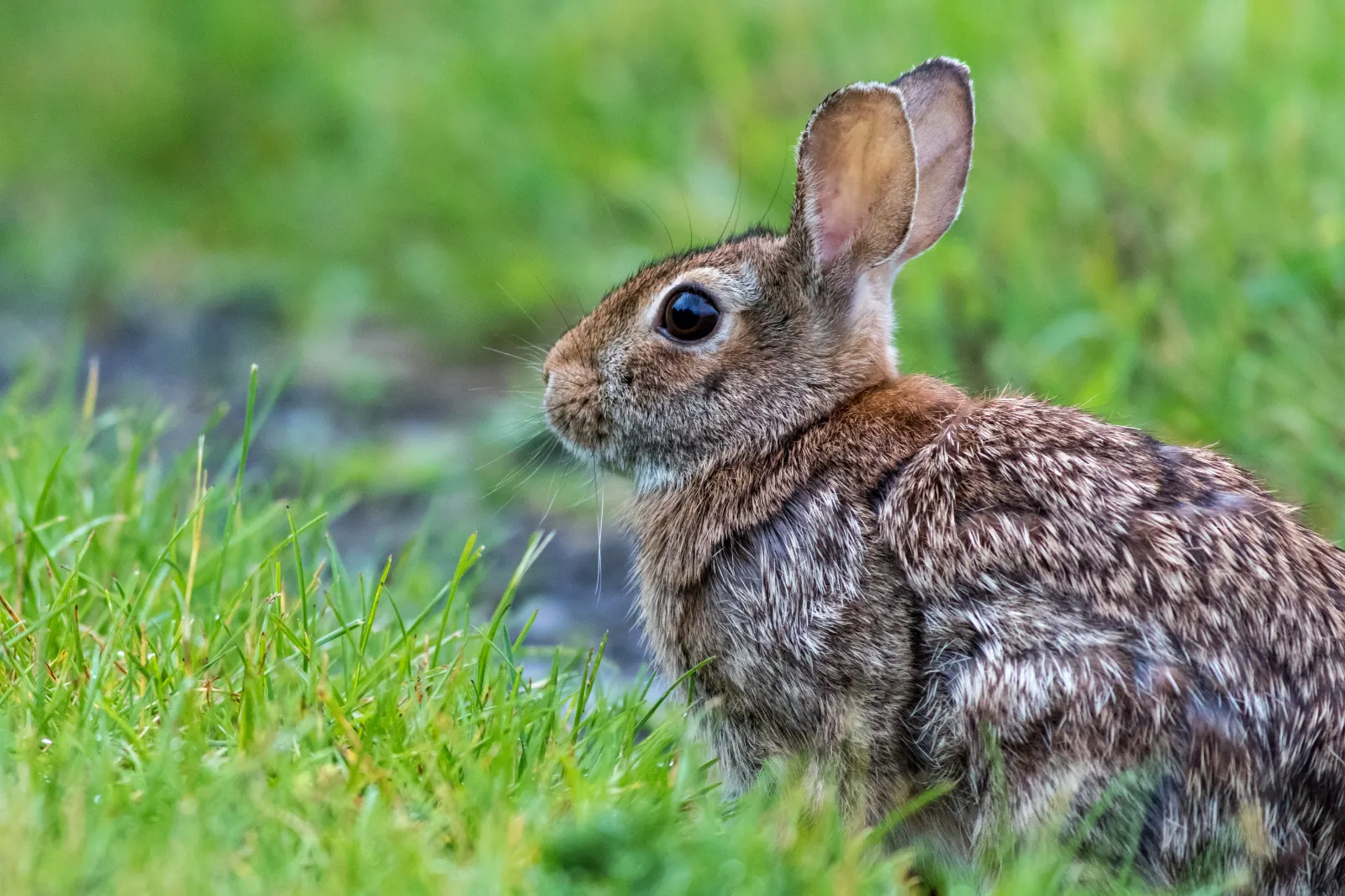
Rabbits are a cute-yet-very-destructive garden pest. Rabbits will not only mow down tender leafy veggies, they will also go after bushes and chew the bark of young trees- especially in the winter when food is scarce. Rabbits have preferences and some garden crops, such as peas, beans, lettuce, and spinach, are extra enticing for them. Rabbits don't tend to go after onions, squash, cucumbers, tomatoes, and many types of herbs. That being said, not all rabbits are the same and some have been reported to feed on crops that typically rabbits dislike. Rabbit damage can often be identified by how cleanly they can mow down tender veggies and young shrubs- almost as if they've been cut with a knife or snips. There are a few techniques you can use to deter rabbits from your garden. If rabbits are regularly attacking your plants and deterrent tactics fail you may need to invest in rabbit-proof fencing to keep them out.
Prevention
If you see rabbits milling around the neighborhood or garden, or if you’ve had rabbit damage in the past, take steps to protect your plants. Keep a keen eye out for rabbit droppings in the yard as this can be an early sign of rabbit activity. Check regularly for rabbit damage in your plants. Damage often occurs at dawn and dusk so you might not catch rabbits in the act. Protect all susceptible shrubs and young trees at the time of planting as rabbit damage can easily kill them and they are expensive and time consuming to replace. Rabbits tend to hide in brush piles and tall weeds; clear up any potential rabbit habitat near the garden. If you have a cat or dog that you can safely let in the garden (meaning you can keep both them safe and your plants safe!) their regular presence and scent may convince rabbits to look elsewhere for a meal. There are some plants that are reputed to deter rabbits and planting them amongst your edible garden may help encourage rabbits to look elsewhere for food. Keep in mind though that some rabbits have been reported to eat plants that most rabbits do not. Also a determined rabbit might still find its way to your prized plants. Gardening in tall raised beds can help to keep rabbits out of your plants. Row cover or insect netting may also be enough of a deterrent to keep rabbits away from your plants- while rabbits can theoretically get under or through these barriers they may not bother if they can find easier access to food elsewhere. Be sure to not leave covers or netting on flowering plants that require pollination. Do not use heavy-duty row covers when the weather gets hot to prevent overheating.
Physical control
Physical 'scaring' devices do not tend to work as rabbits eventually become accustomed to them. They may work for a short period of time, and could be more effective if you regularly move them or change tactics. Motion-activated sprinklers can be used to scare rabbits away; choose one that is able to detect rabbits and move it around periodically so the rabbits don't learn how to avoid it. To construct a rabbit-proof fence around your veggie garden use hardware cloth or chicken wire and be sure the fence is at least 2' (60 cm) high. Ideally bury the bottom of the fence into the ground at least 6" (15 cm) to prevent rabbits from digging under, or at least form a "skirt" around the bottom and use landscape staples to fasten it securely to the ground. To protect young trees and shrubs from rabbits either construct a round fence out of chicken wire or hardware cloth and pin it to the ground or buy a commercially available tree guard. Be sure that the fence is tall enough to protect shrubs and trees as the snow builds up. Live trapping and relocating rabbits is not recommended as it is illegal in some areas (or a permit is needed), the rabbit may simply return or other rabbits may move in, the rabbit may become a nuisance for someone else, and rabbits may not survive relocation to an unfamiliar area. Killing rabbits is not recommended for home gardeners.
Chemical control
There are scent and taste repellants for sale that can help deter rabbits. Be sure to choose a product that is safe to use around edible plants. The product will have to be re-applied regularly especially after rainfall.
Plants Affected






...and 11 more plants
Put away the pen and paper
Plan your veggie garden in minutes with Planter's easy drag and drop planner.
Try Planter for Free