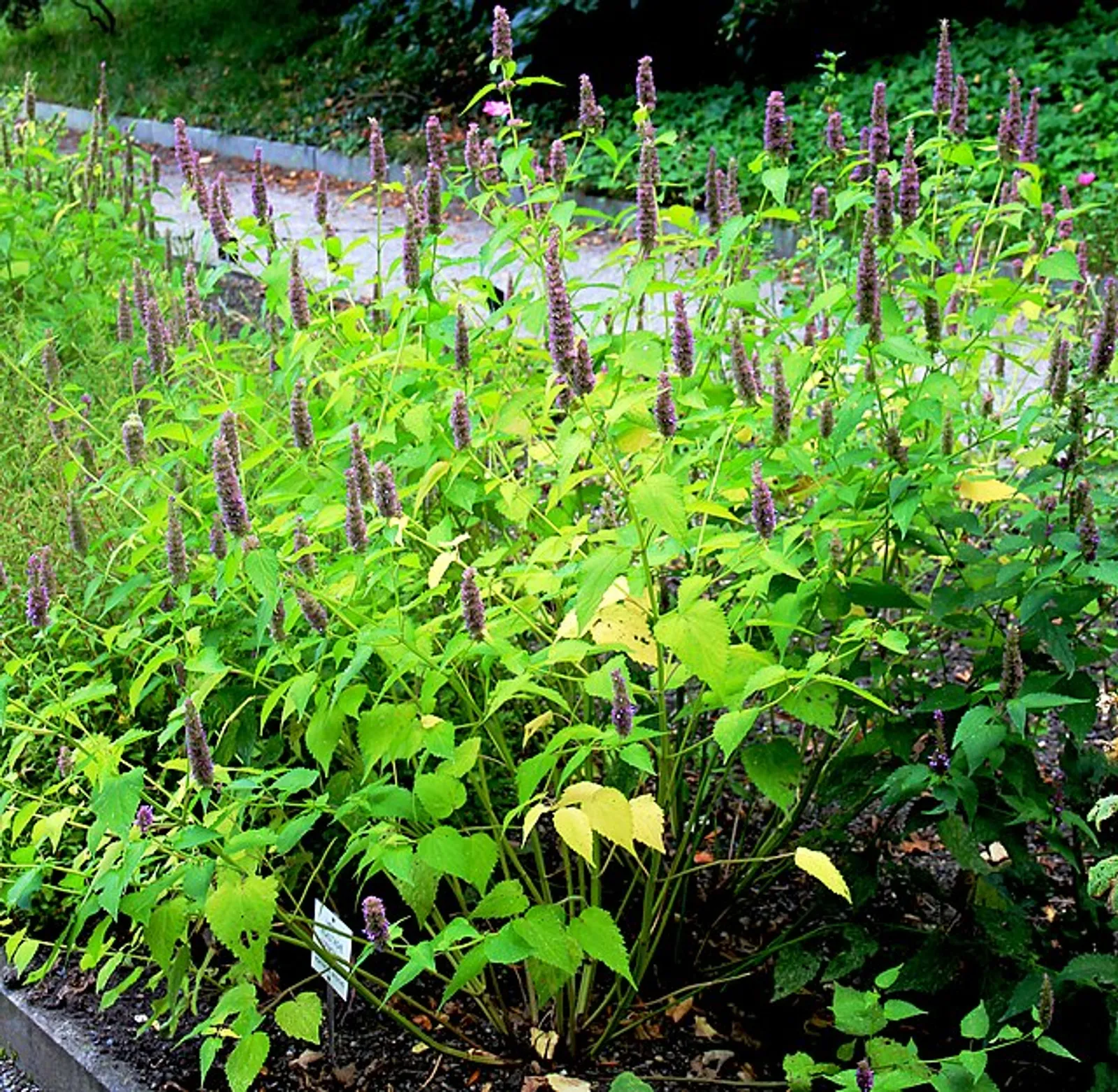
Agastache
Agastache spp.
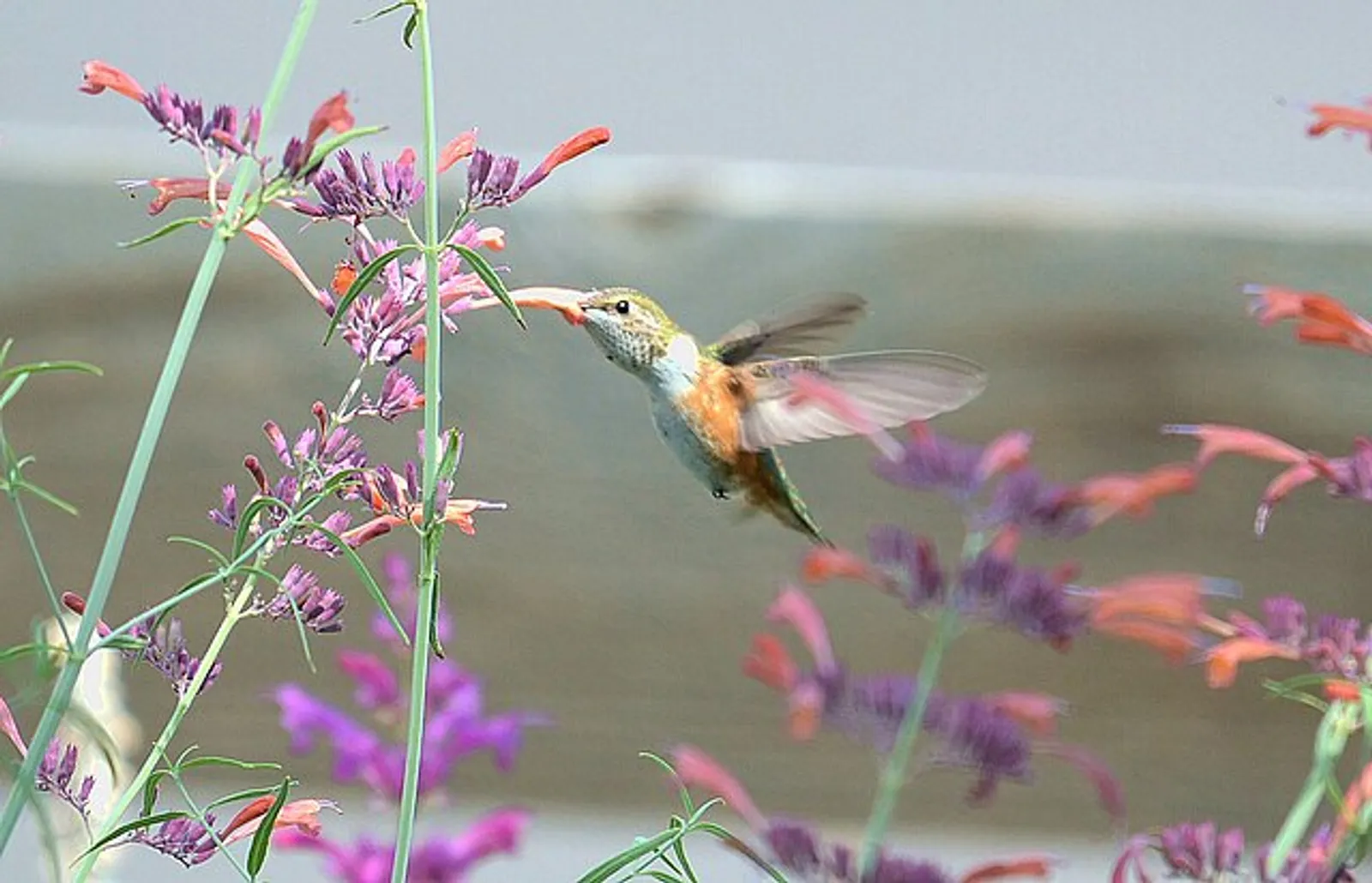
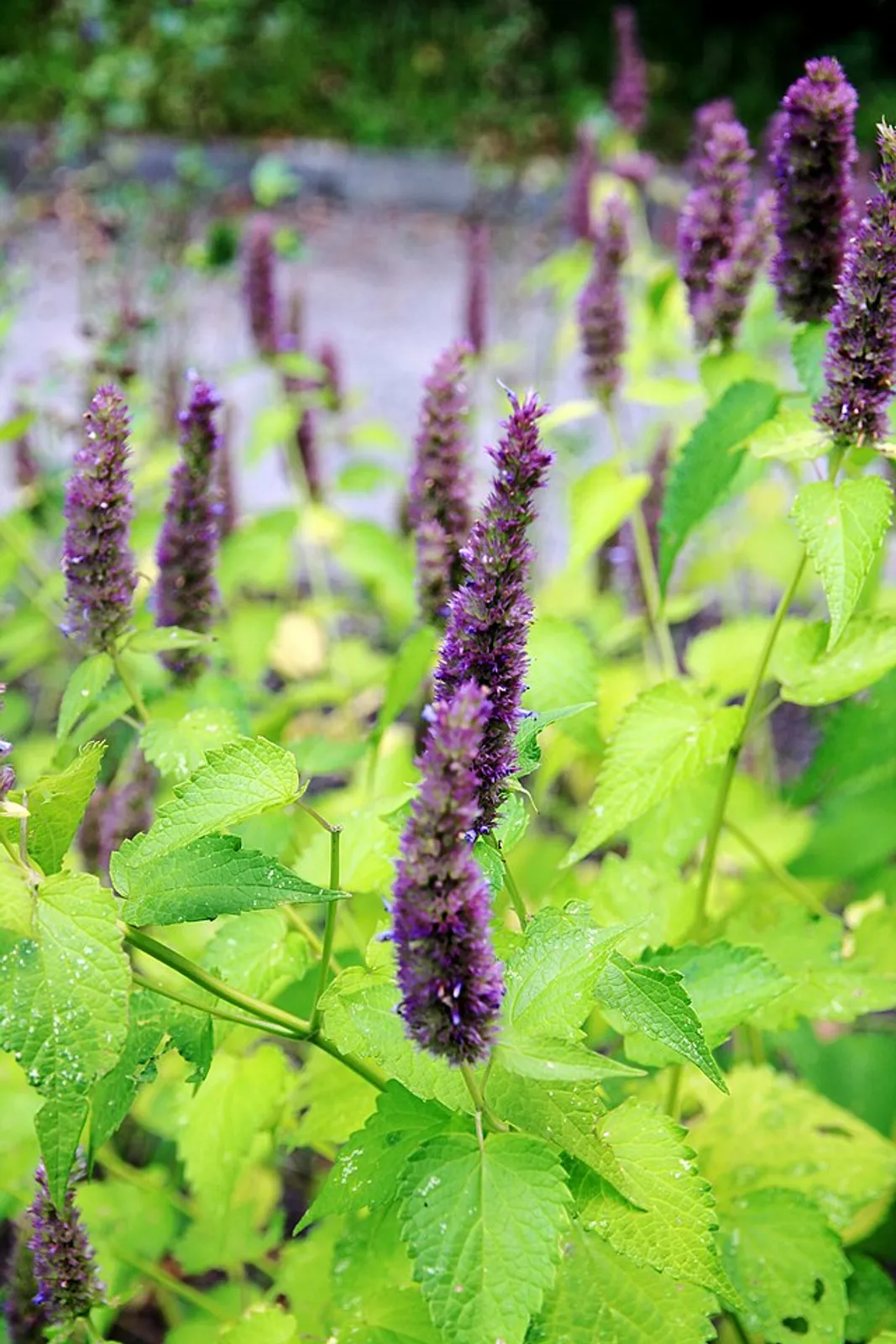
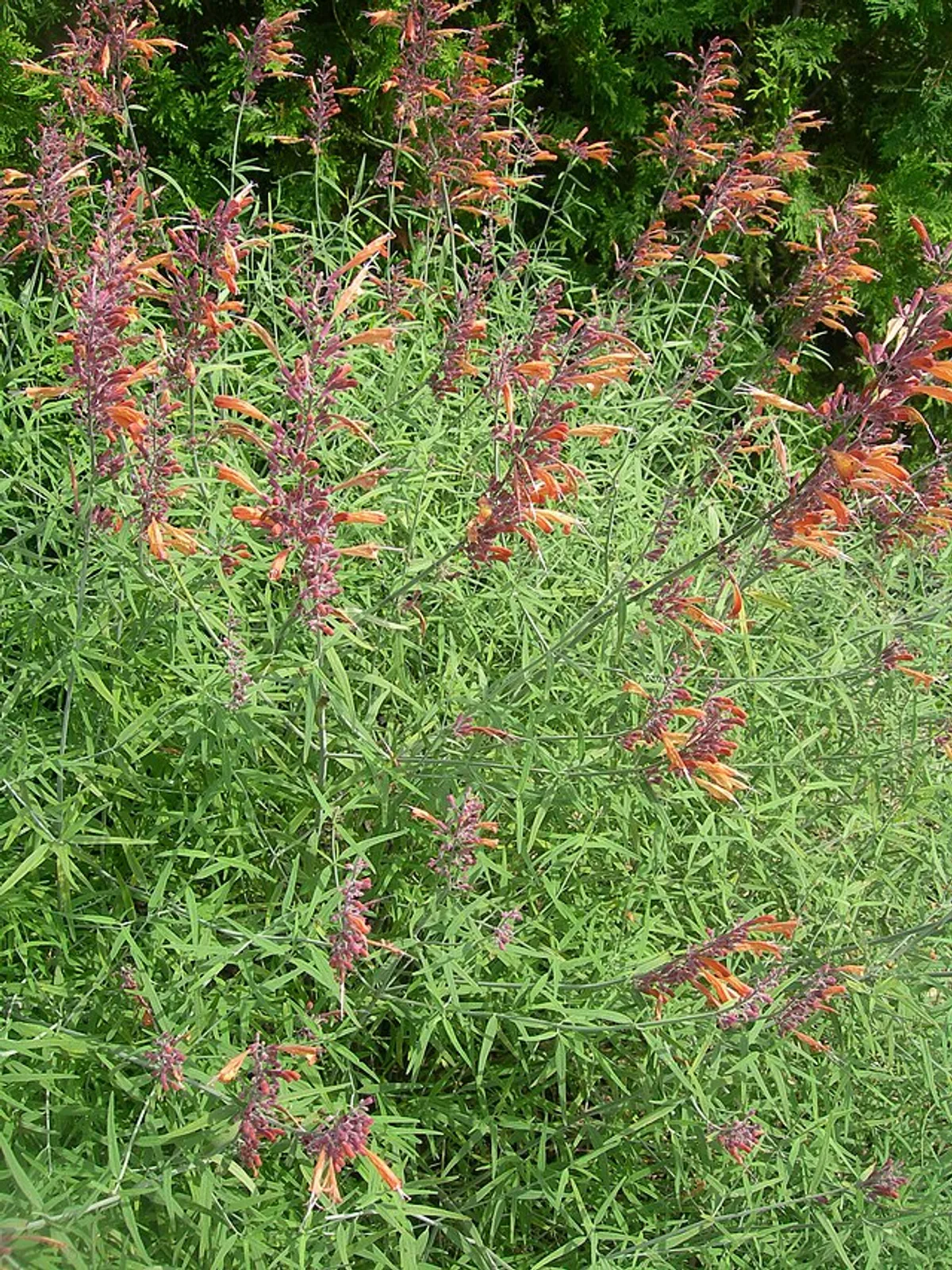
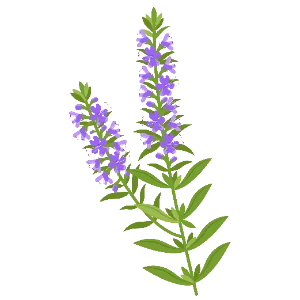
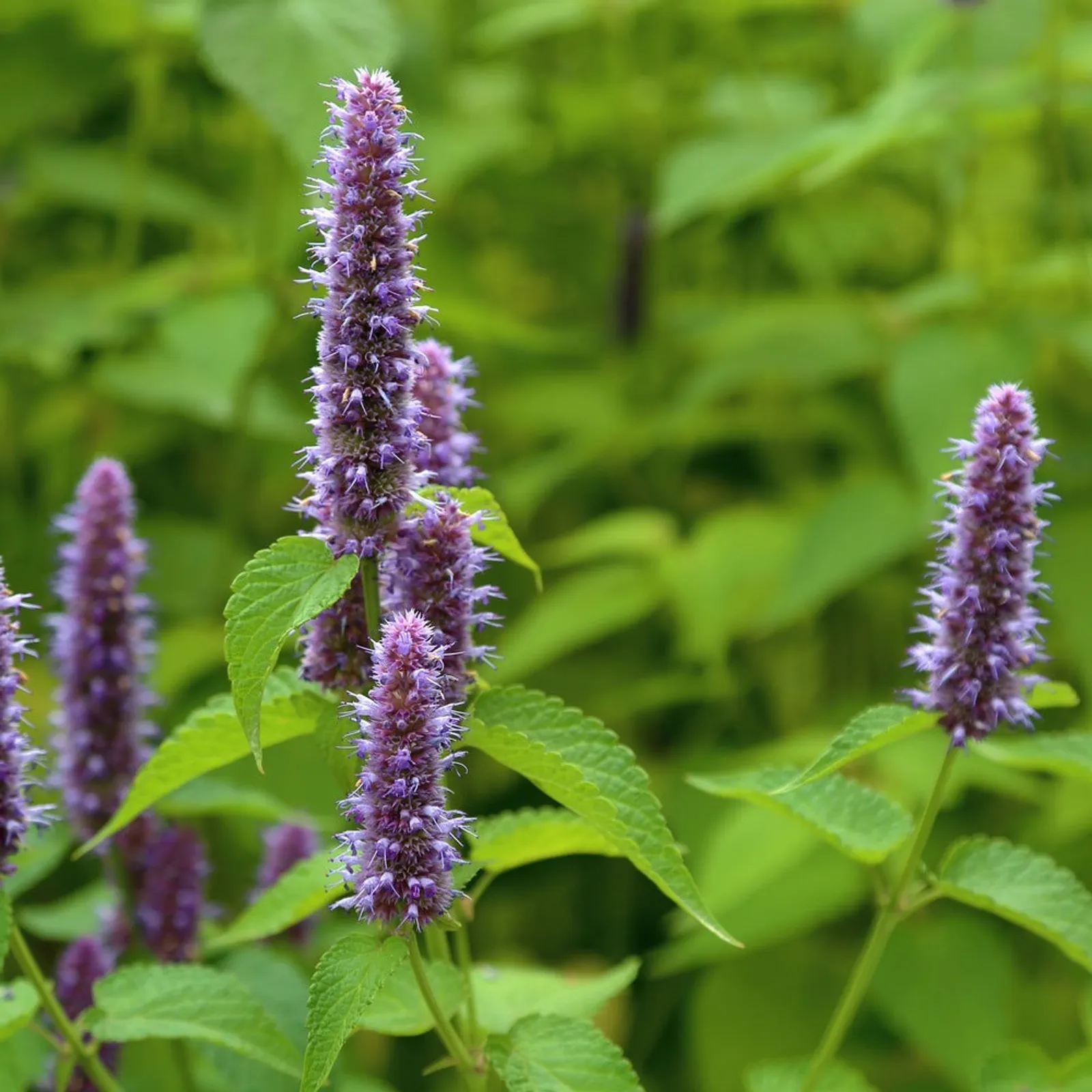
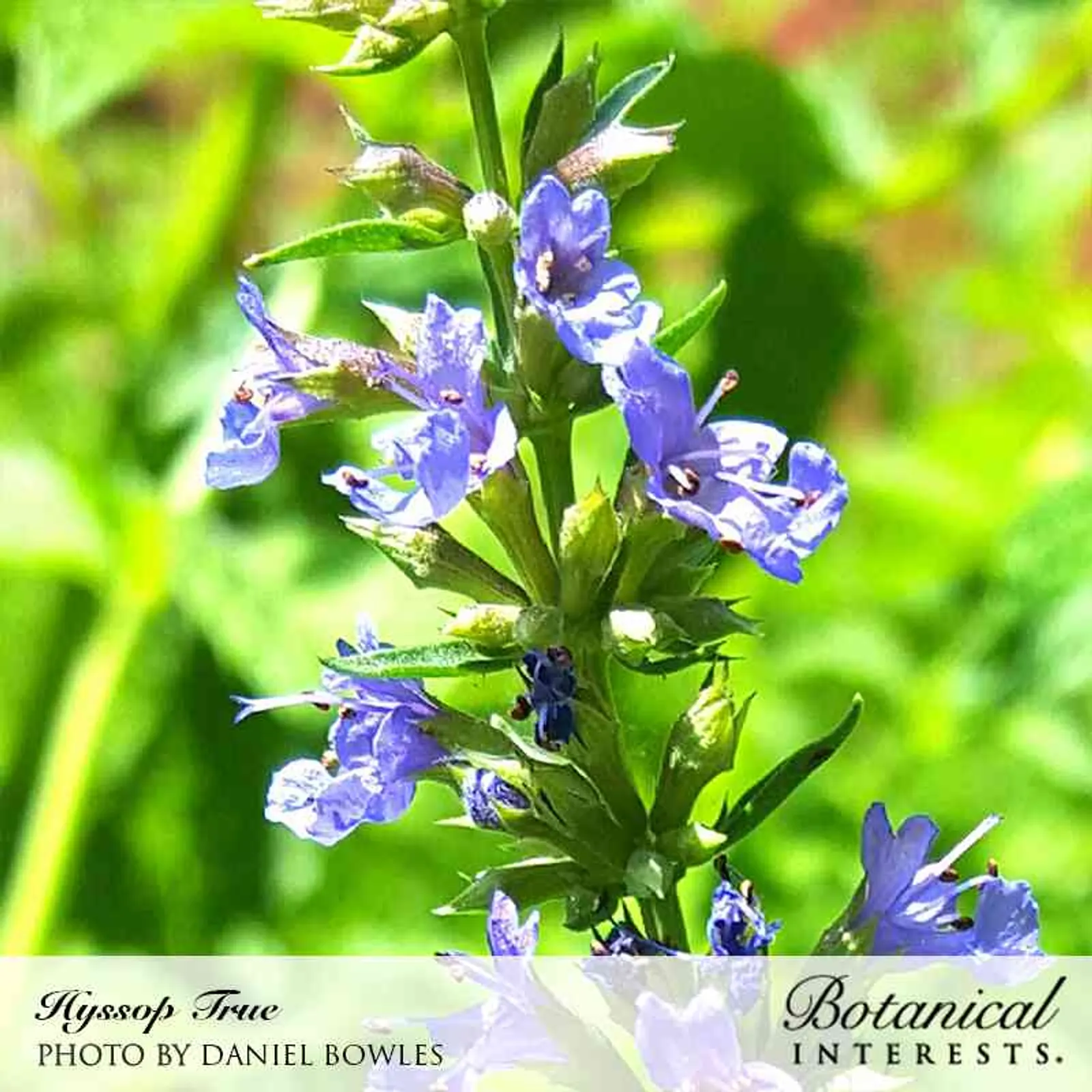
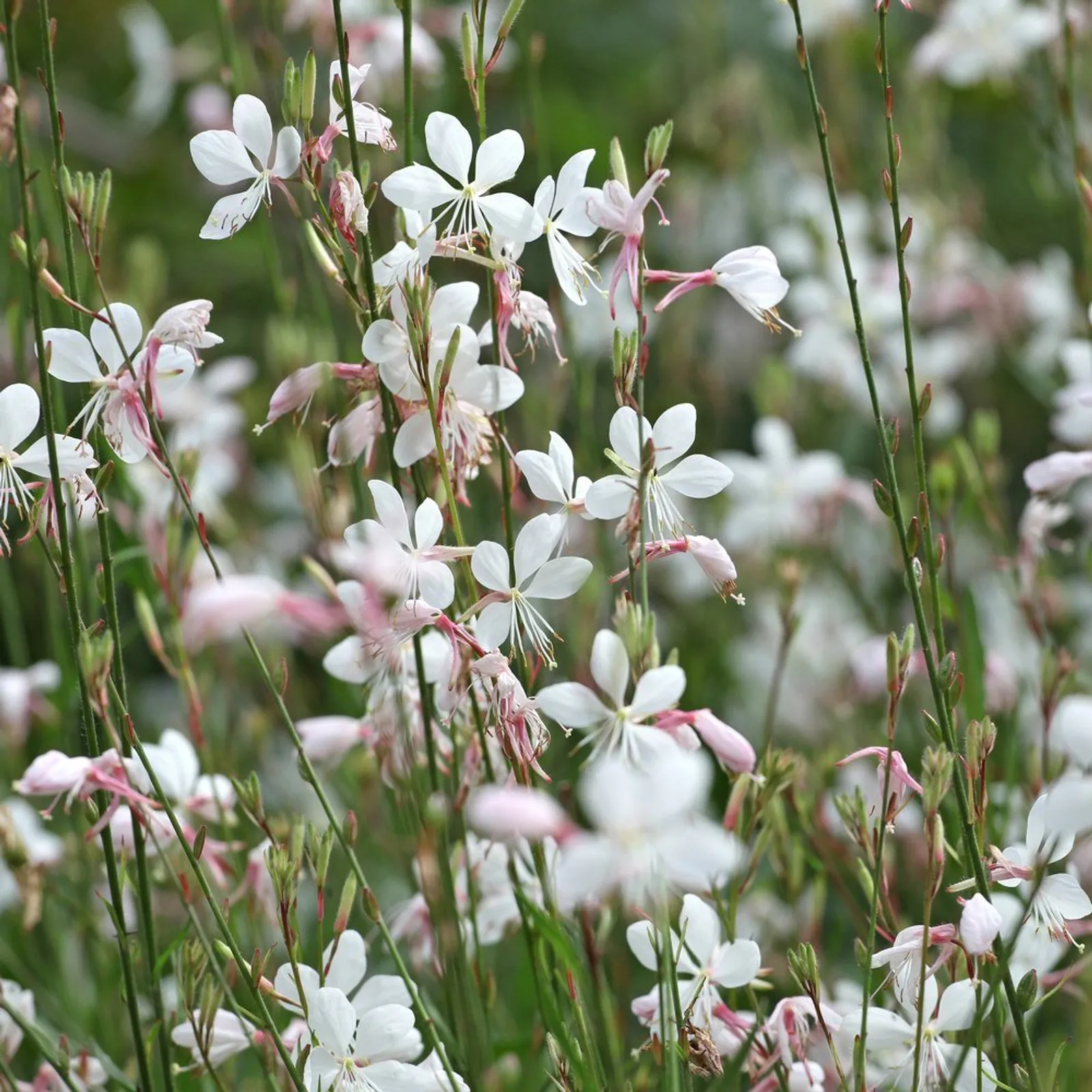
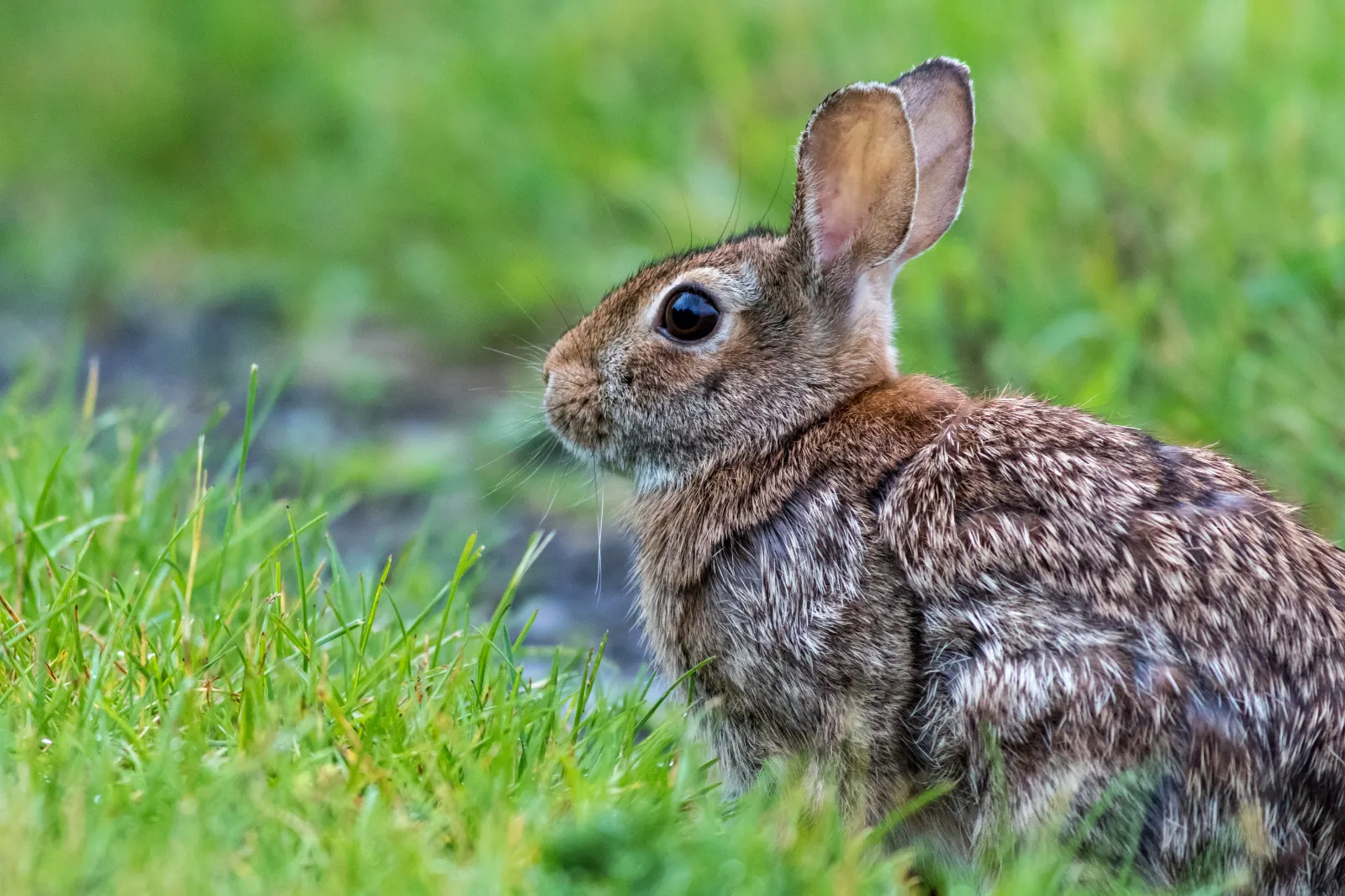
Agastache (ag-ah-STA-kee), also known as anise hyssop or giant hyssop, is an essential plant for pollinator gardens. Interestingly, while agastache is sometimes referred to as just 'hyssop', 'hyssop' is actually a different plant, Hyssopus officinalis. Both are in the mint family. Excellent in drought and heat conditions, agastache does not like wet feet! Deer generally avoid eating hyssop although it might be eaten by rabbits. Agastache features showy spikes of white, blue, reds, and purples. There are about 22 different species of agastache. They are good for cut flowers, although the licorice-like fragrance is unpleasant to some. Use in rock gardens, drought tolerant gardens, or naturalized areas.
How to Grow Agastache
Quick Info

Put away the pen and paper
Plan your veggie garden in minutes with Planter's easy drag and drop planner.
Try Planter for Free
Varieties
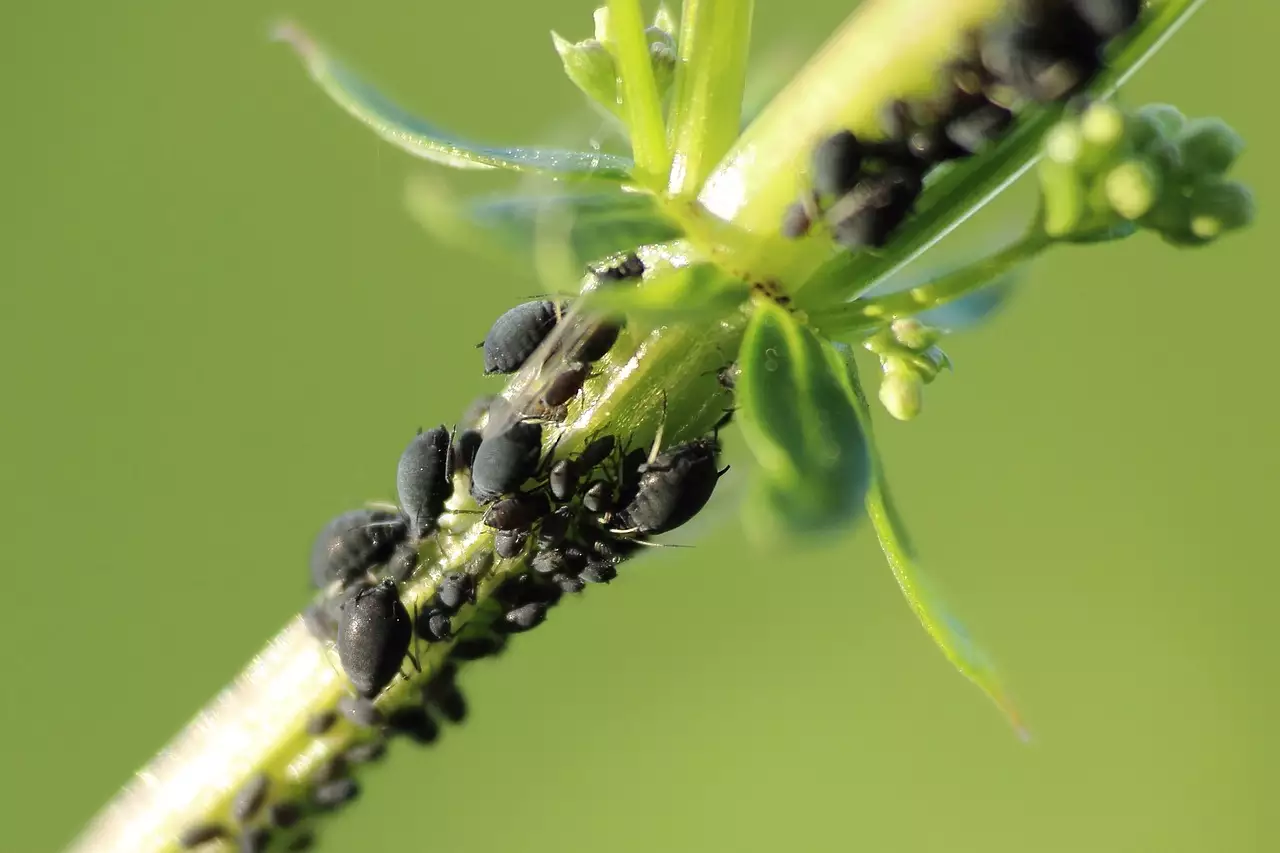
Pests
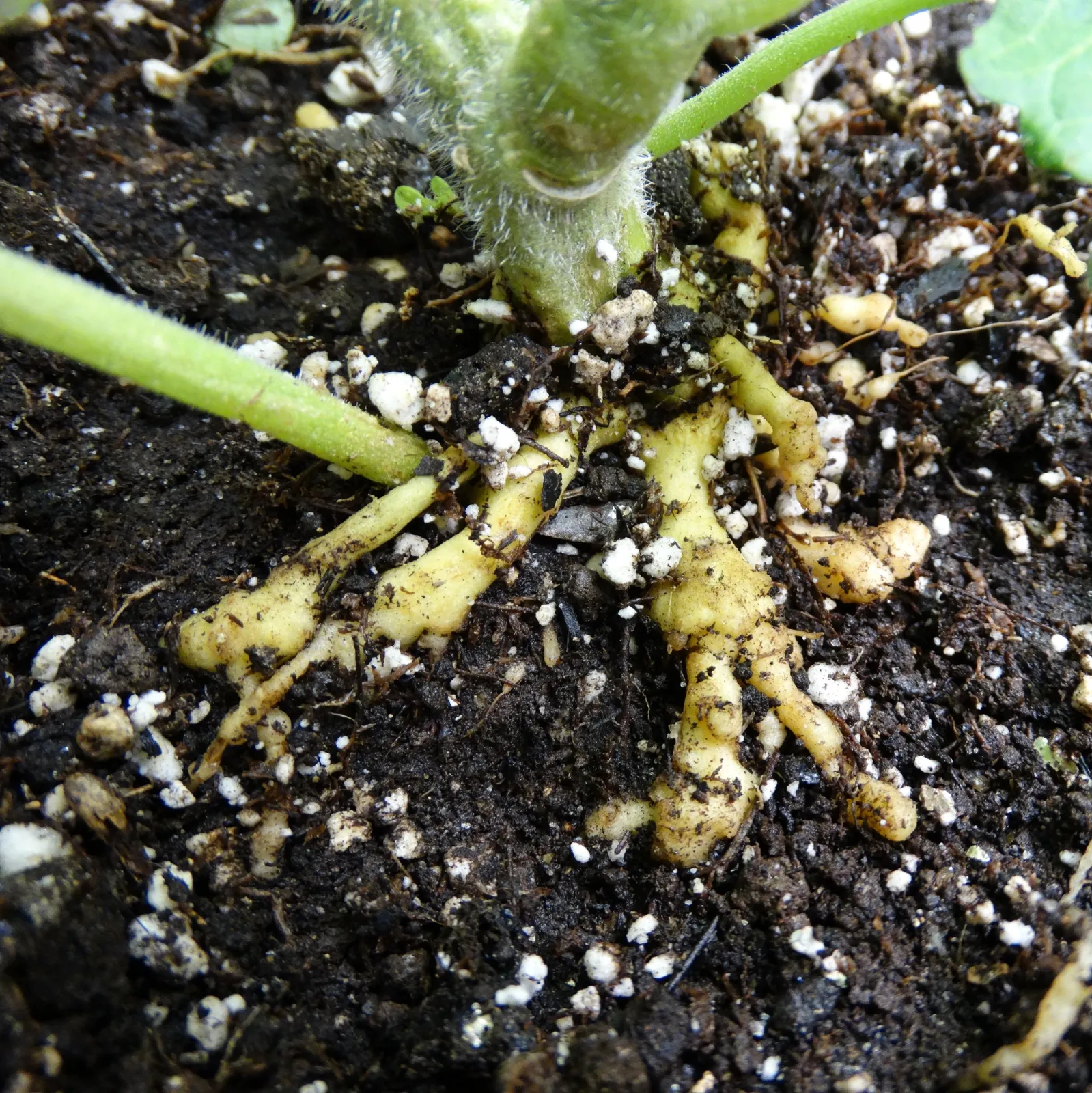
Diseases
Beneficial Critters
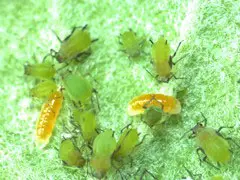
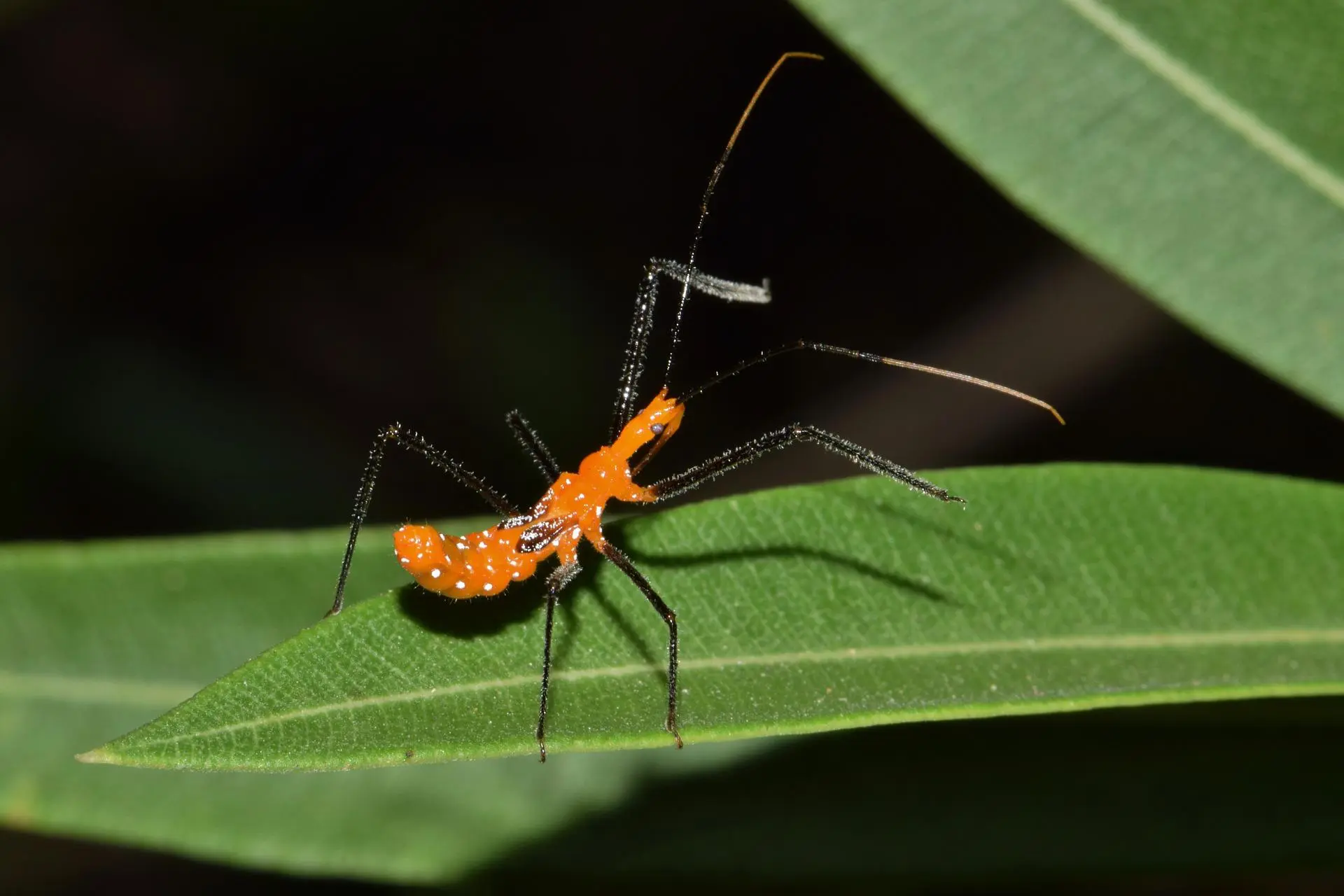
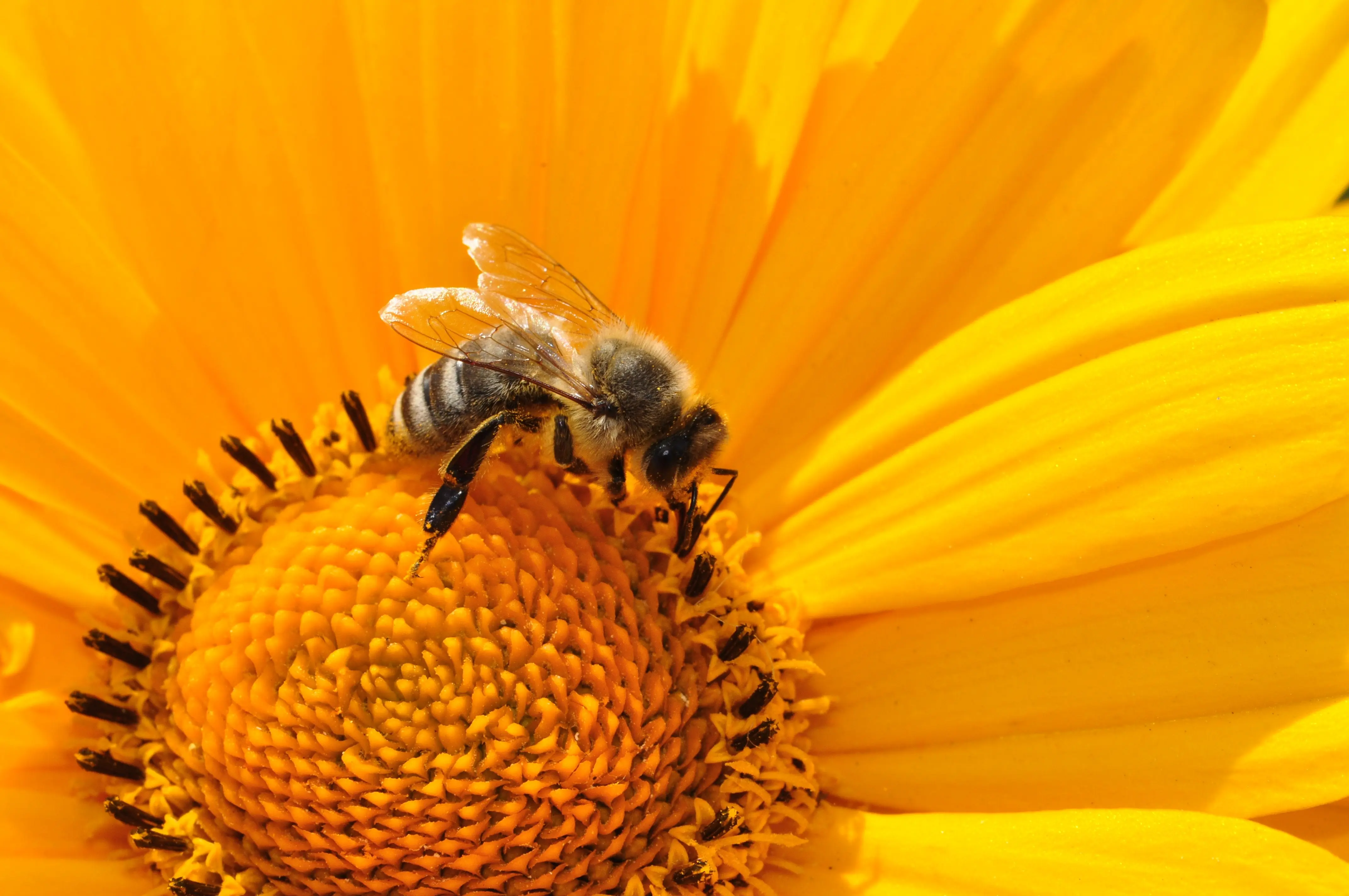
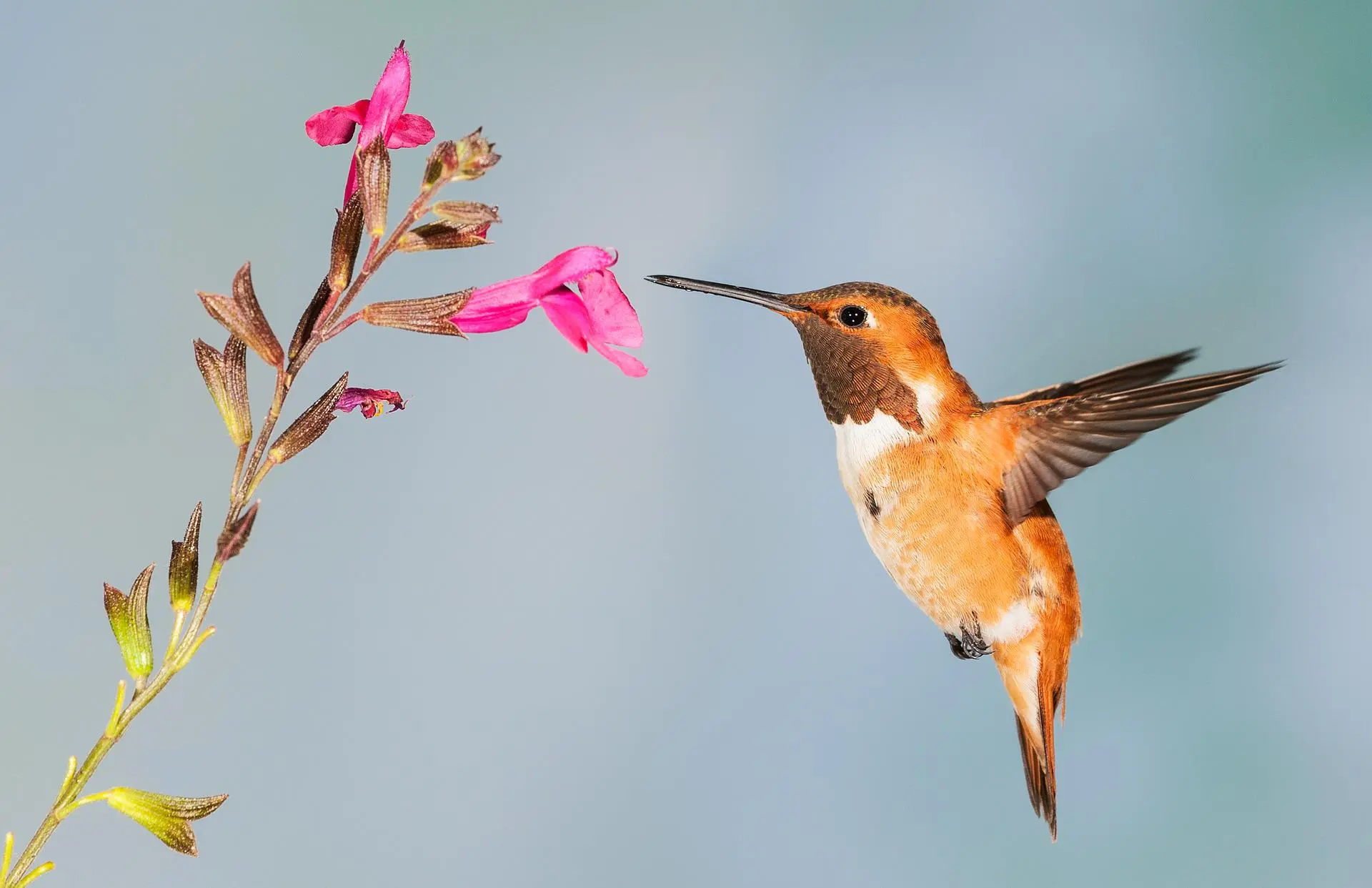
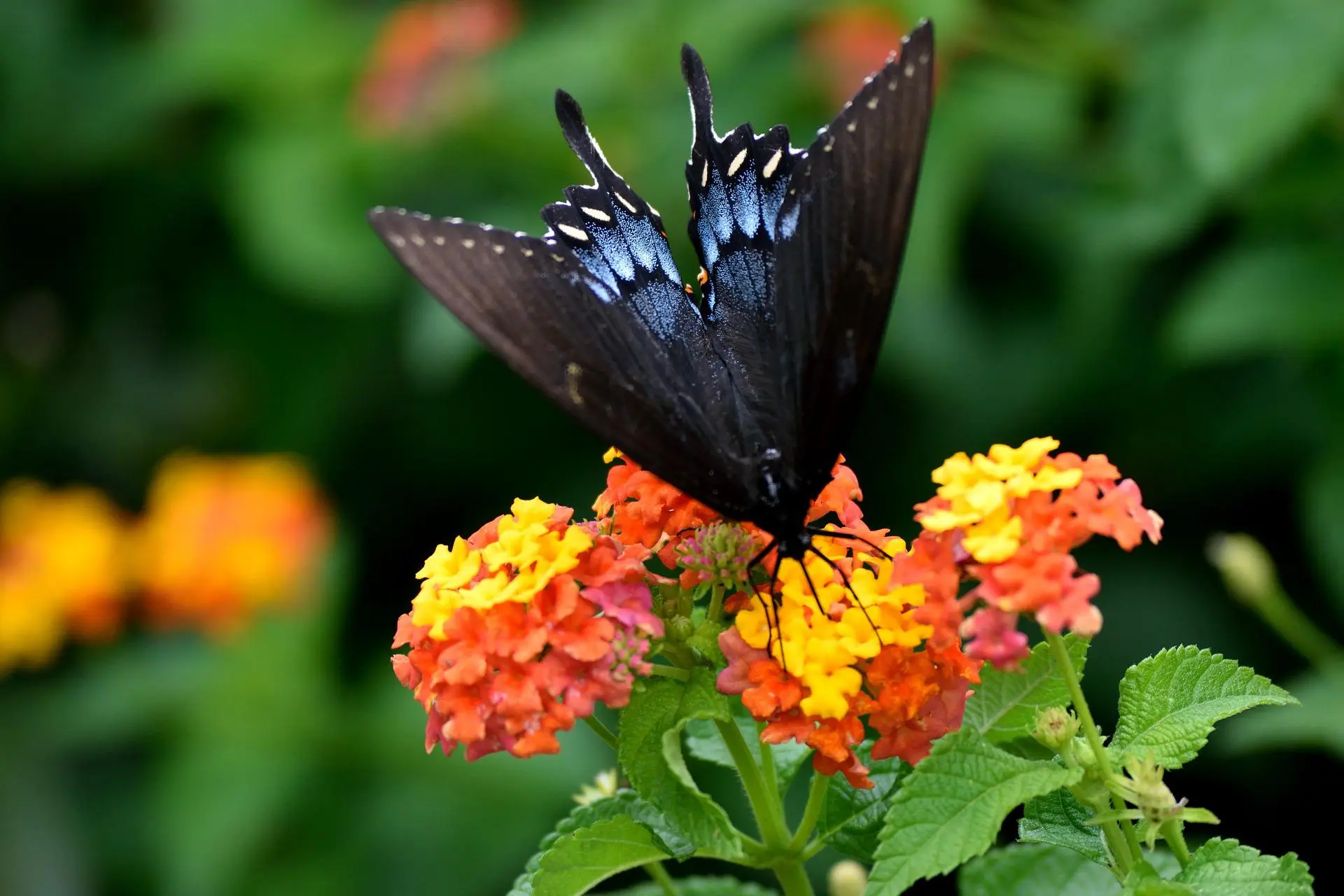
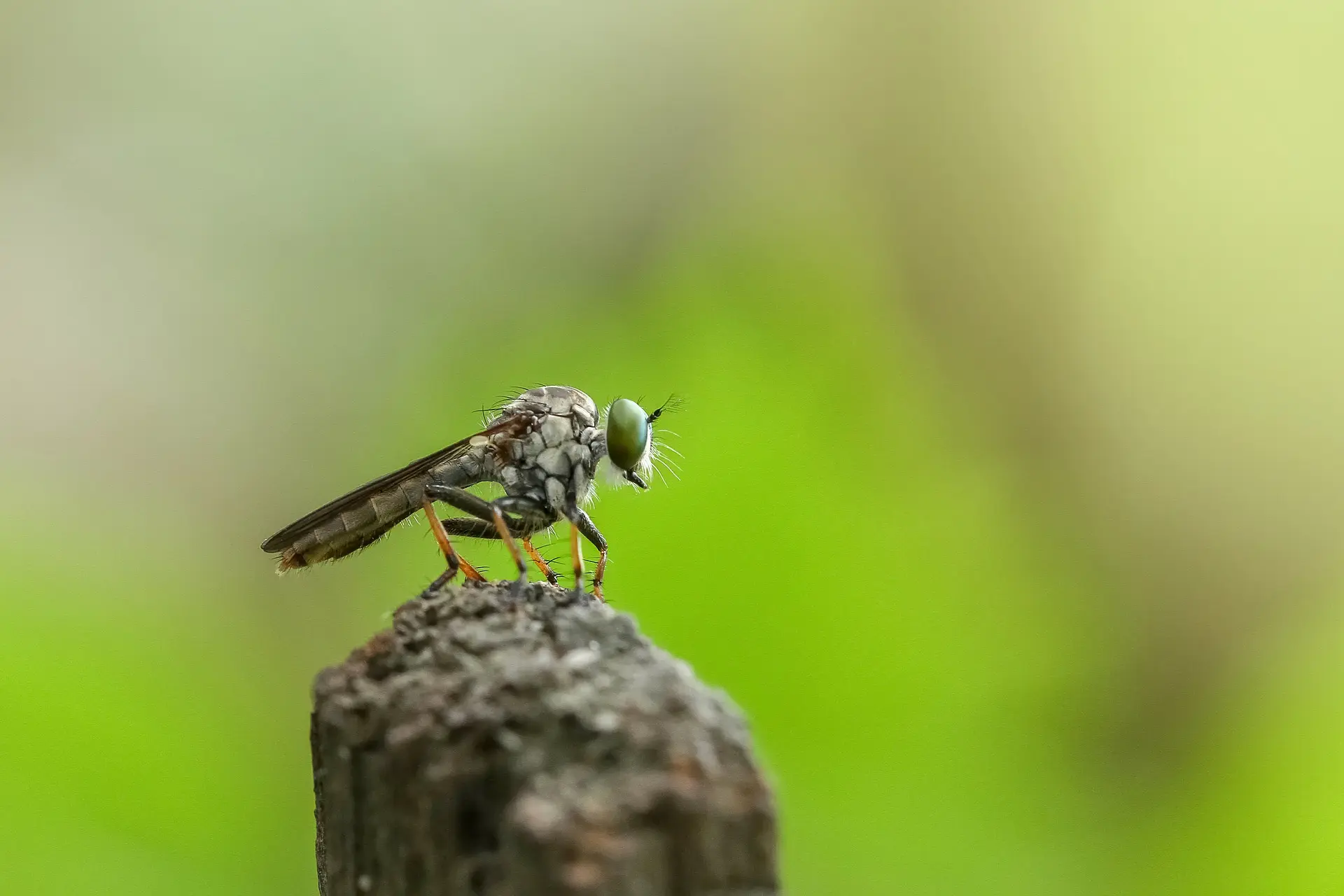
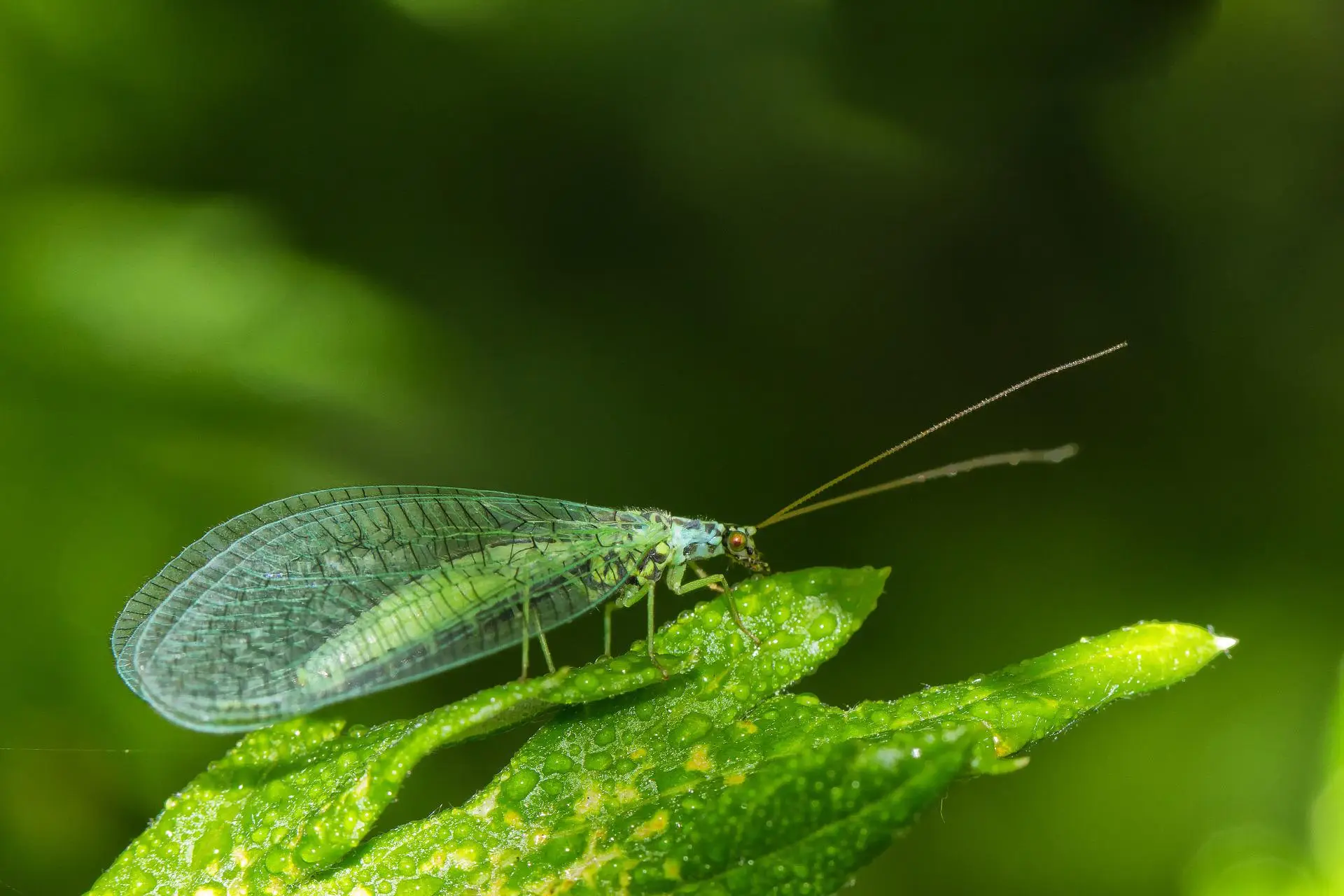
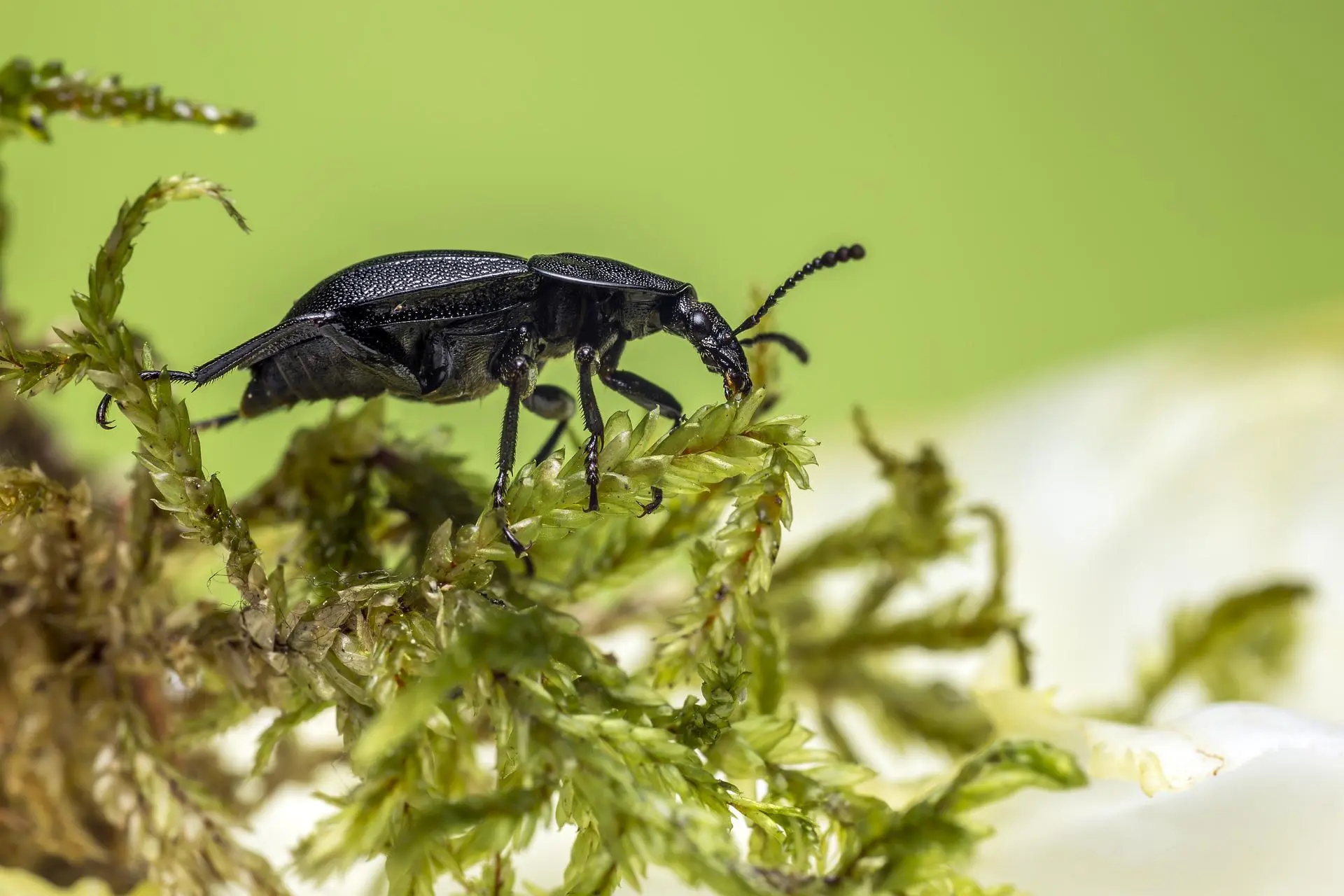
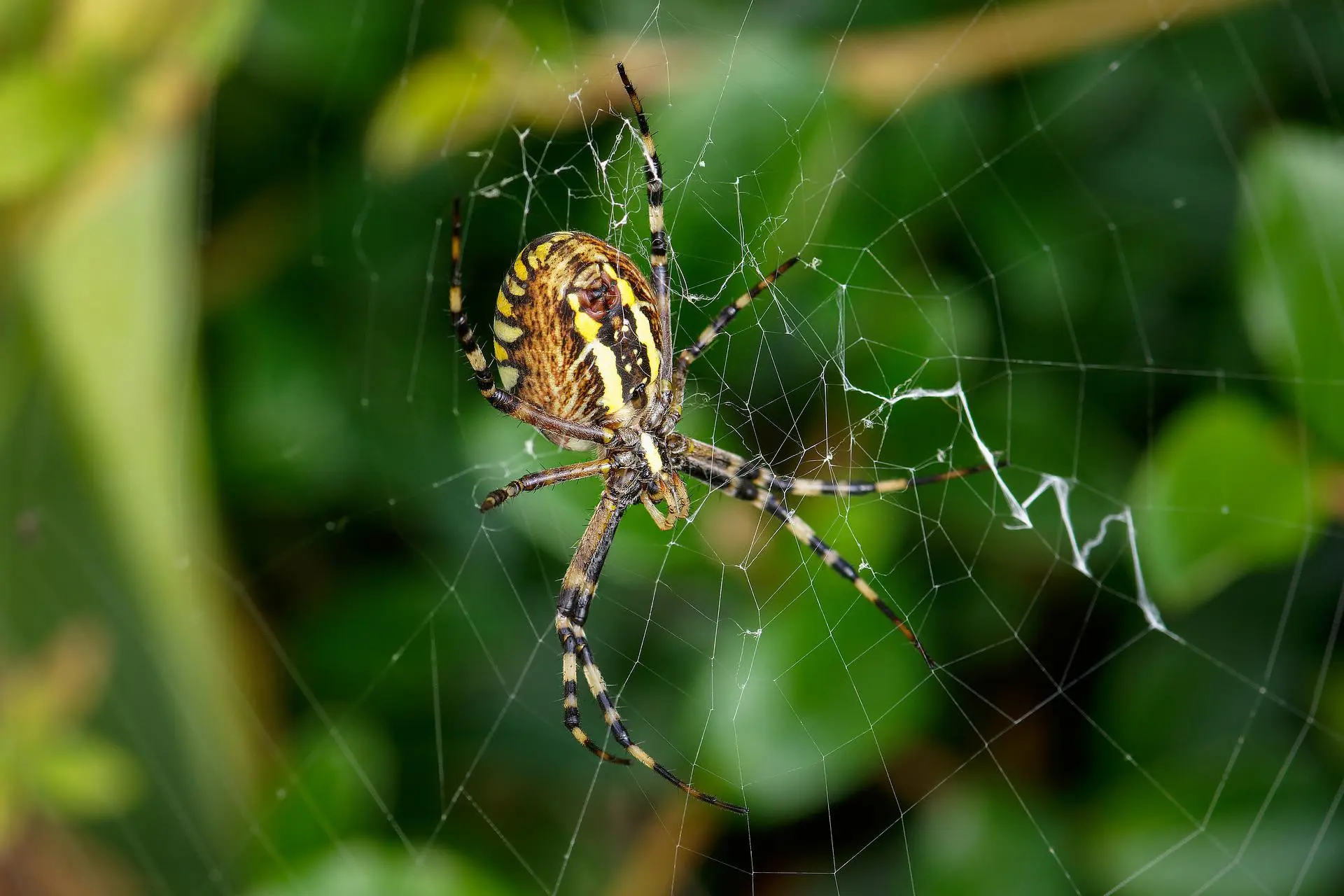
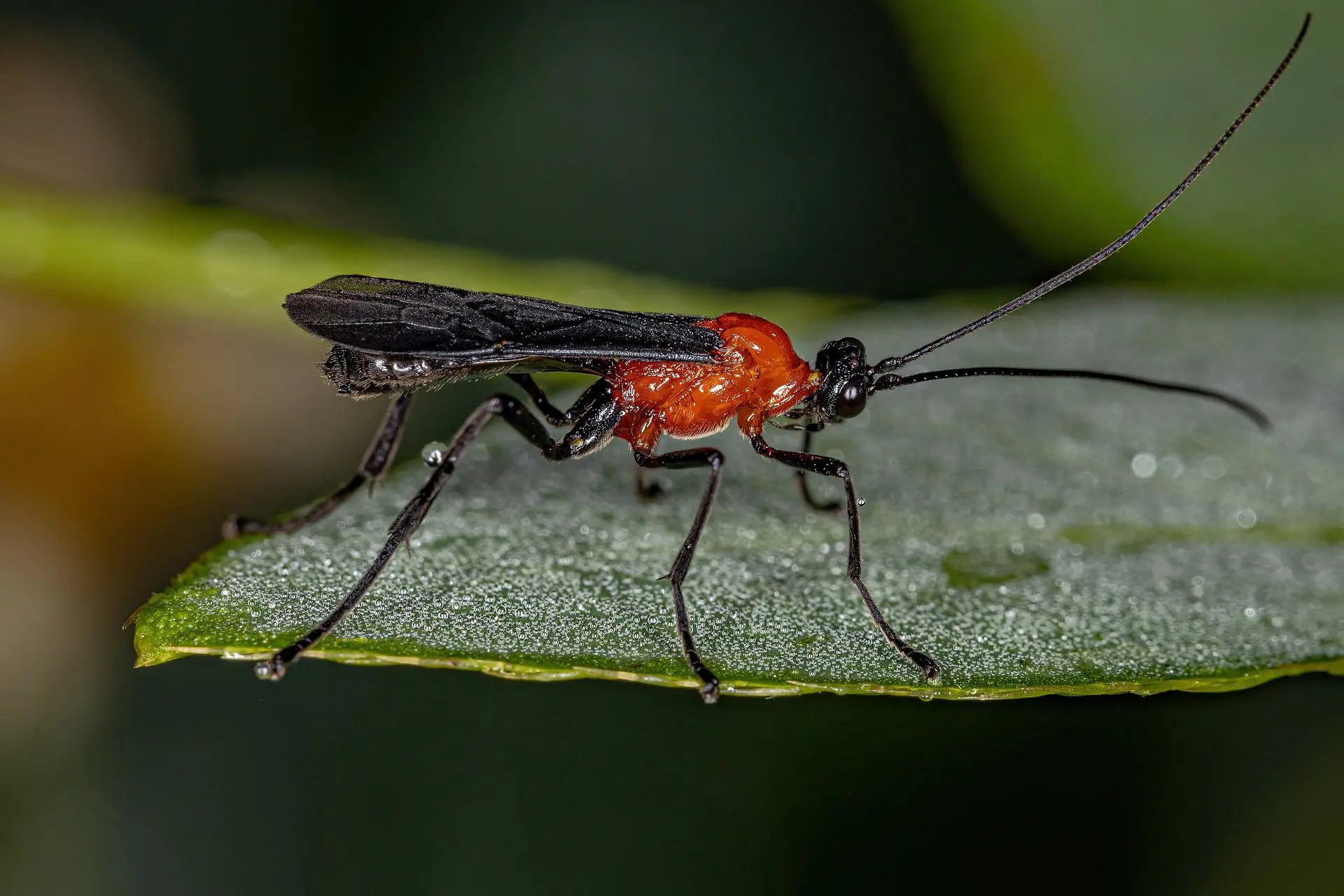
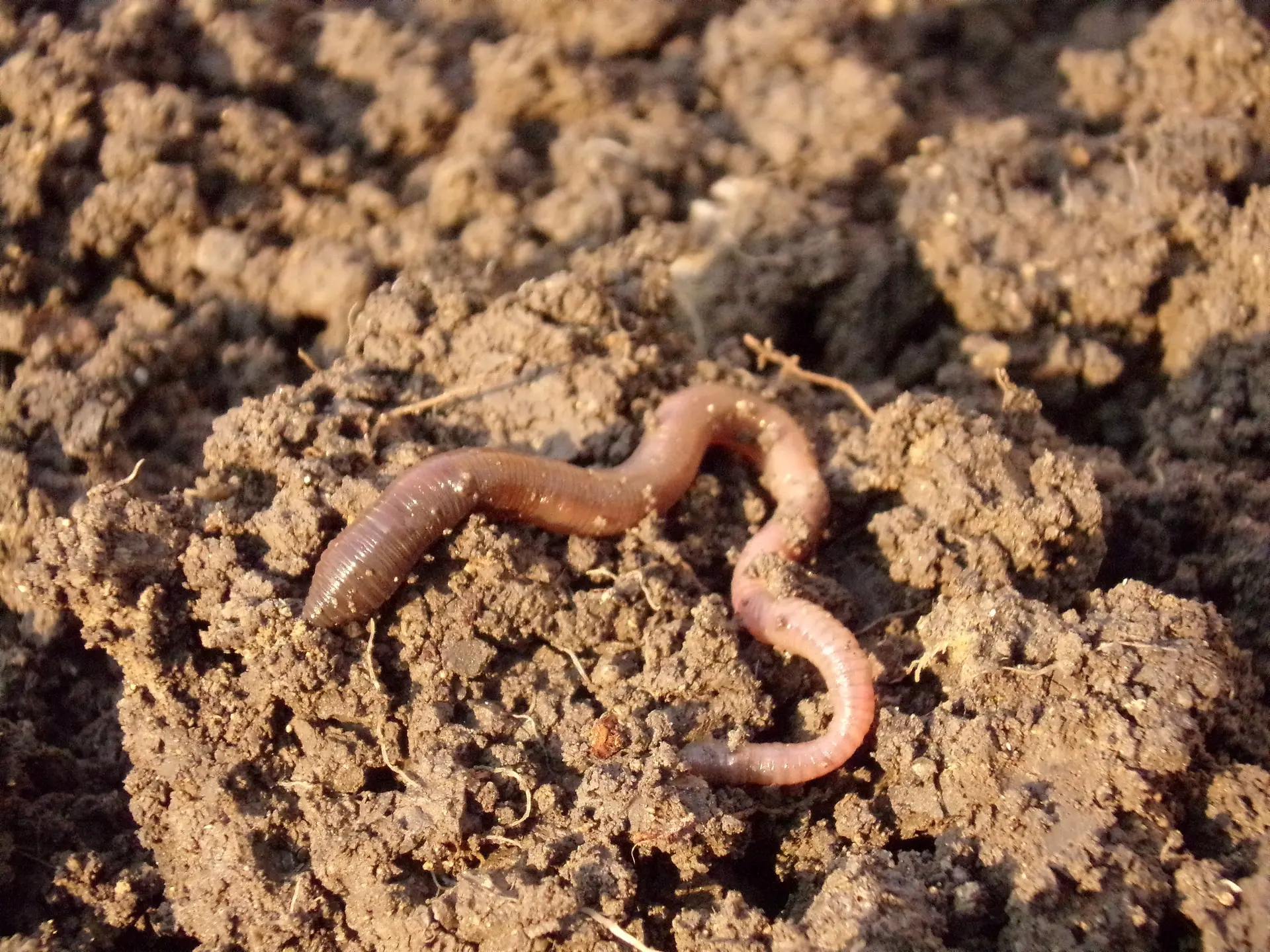
Growing from Seed
When starting indoors, tamp (press) seeds into moist soil mix. Transplant outside at any size. Direct sow at 1/4" (0.6 cm) deep at a rate of one seed per inch, then thin to 6-12" (15-30 cm).
Harvesting
For bouquets, cut when florets are opening.
Leaves and flowers can be used fresh or dried to flavor drinks, salads, soups, pasta, and desserts. Leaves can be used in teas.
Herbal Use
Sometimes confused with "true hyssop" (Hyssopus officinalis), which also has herbal uses, anise hyssop (Agastache foeniculum) is an herb with a long history of use among Native Americans. It is a good choice for herbal tea gardens due to its licorice-like flavor. Native Americans used anise hyssop frequently when dealing with respiratory problems, burns, fevers, and for burning in herbal smudges. There is evidence that anise hyssop is rich in antioxidants and possesses antiviral and antibacterial properties. Since it is highly aromatic, it is perfect for making tea infusions for bathwater, for use in herbal salves, and as a base in potpourri. Tea can support digestion due to the bitterness of the herb. Harvest the leaves and flowers of the plant in the morning to ensure you get peak aromatic properties. Always consult with your healthcare professional before using herbs.