Dahlia
Dahlia x hortensis
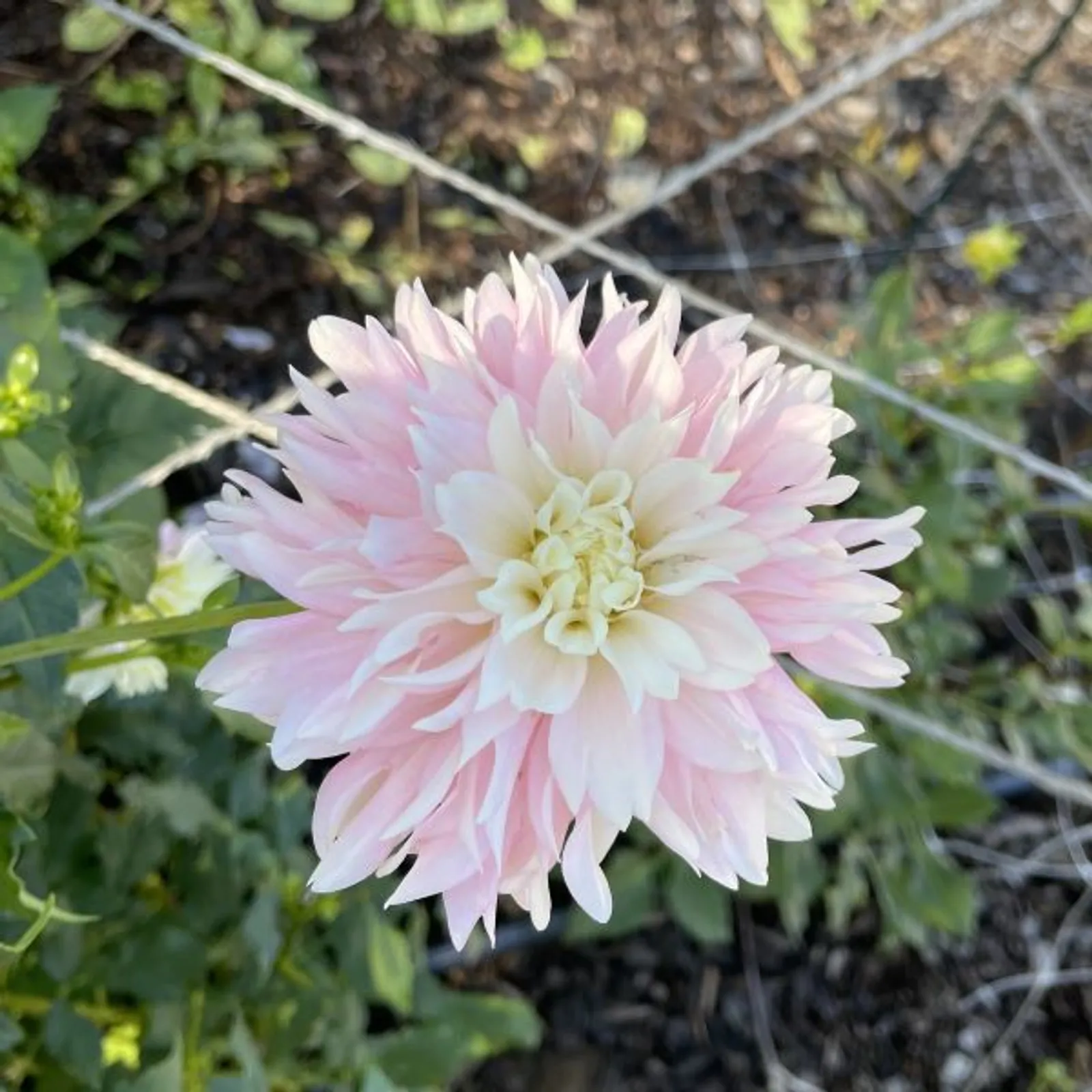
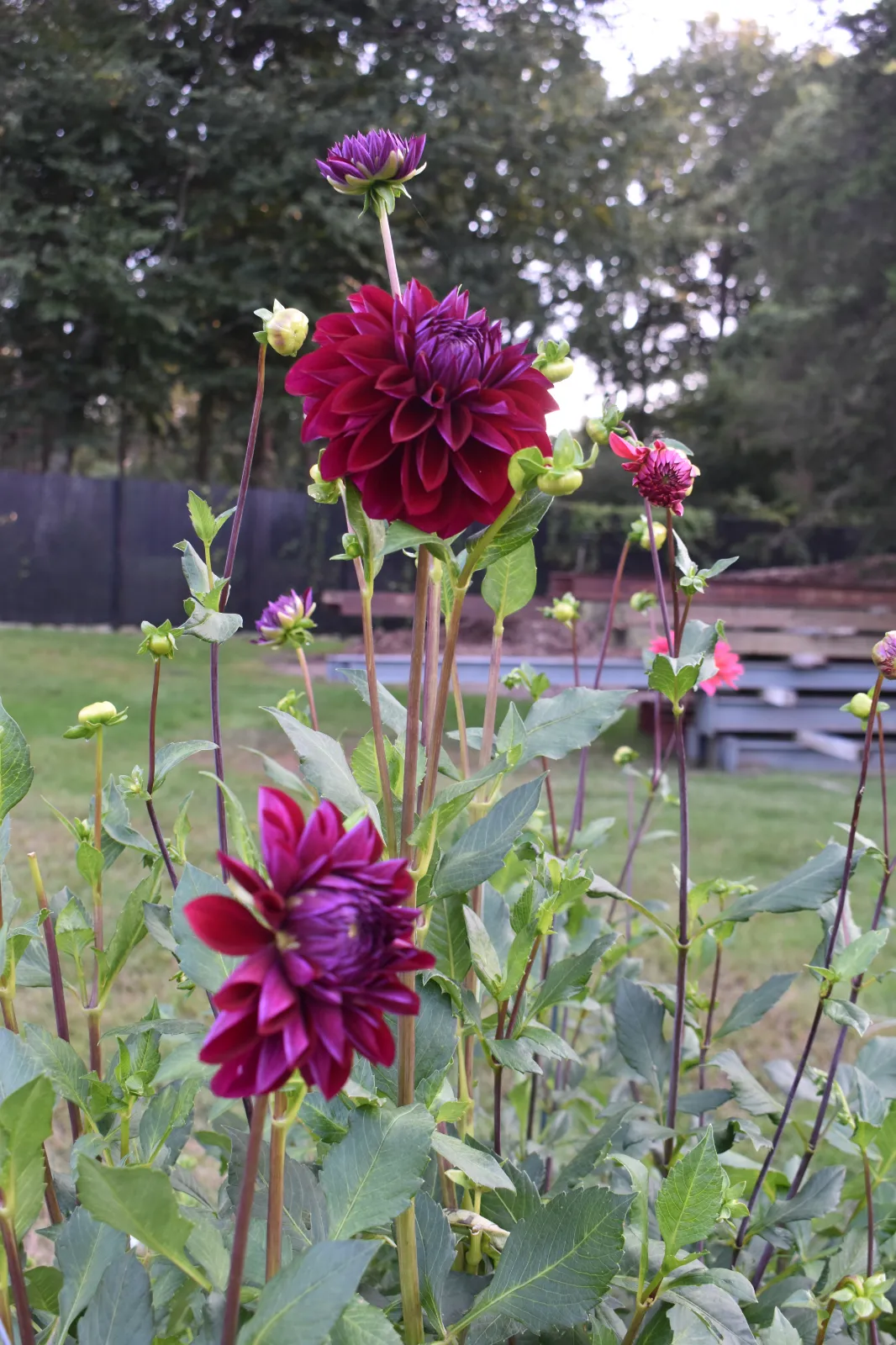
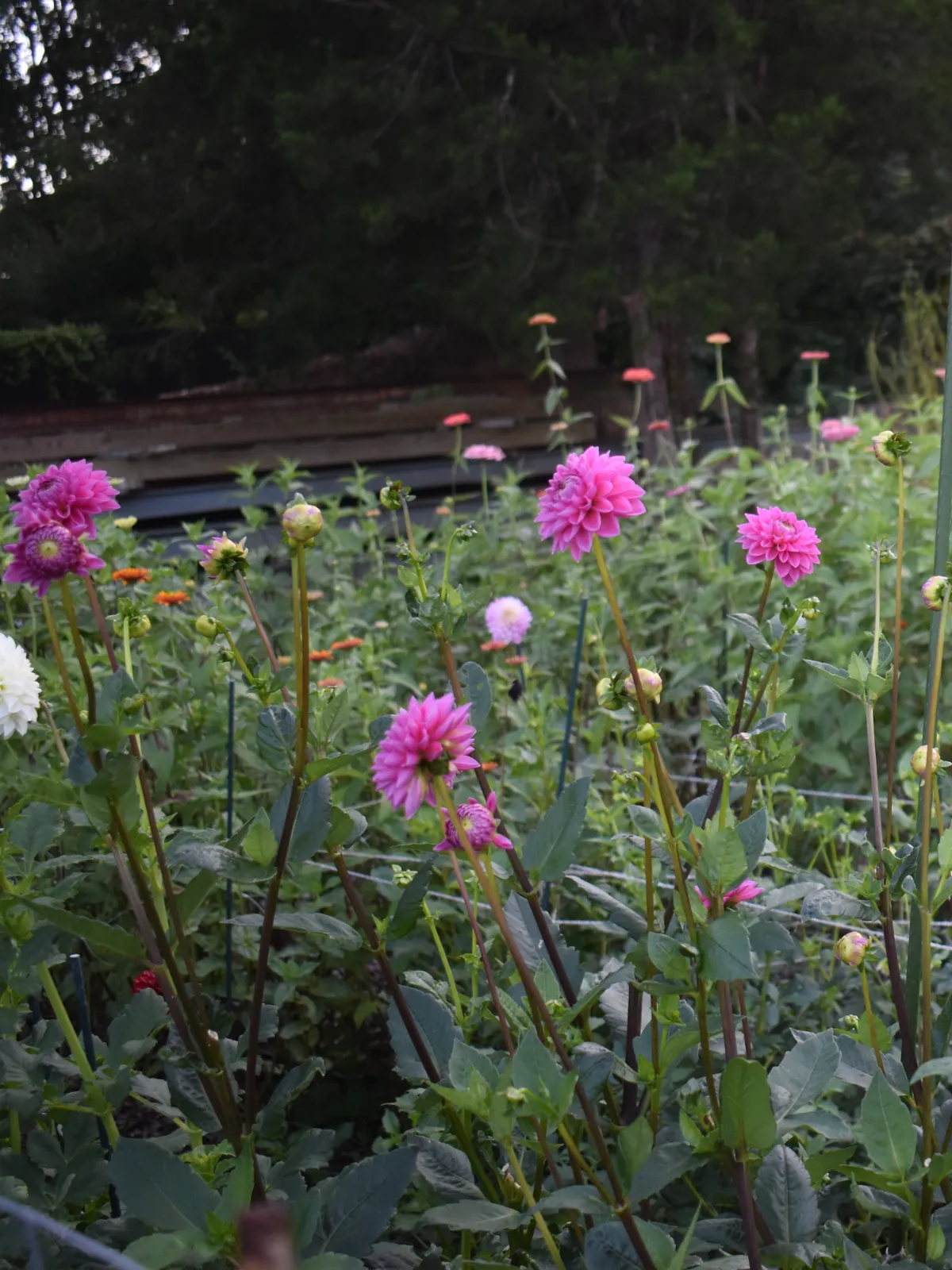
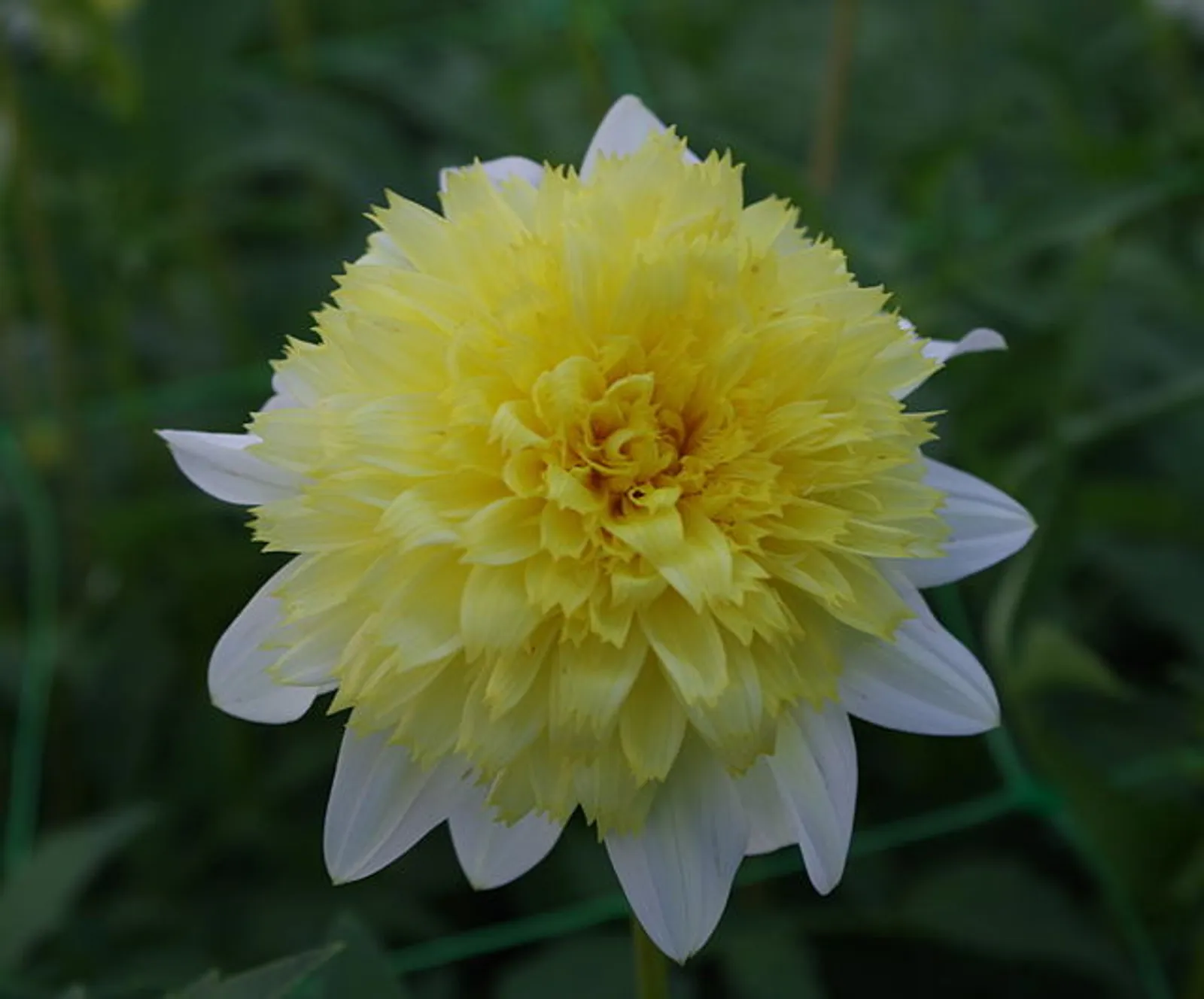
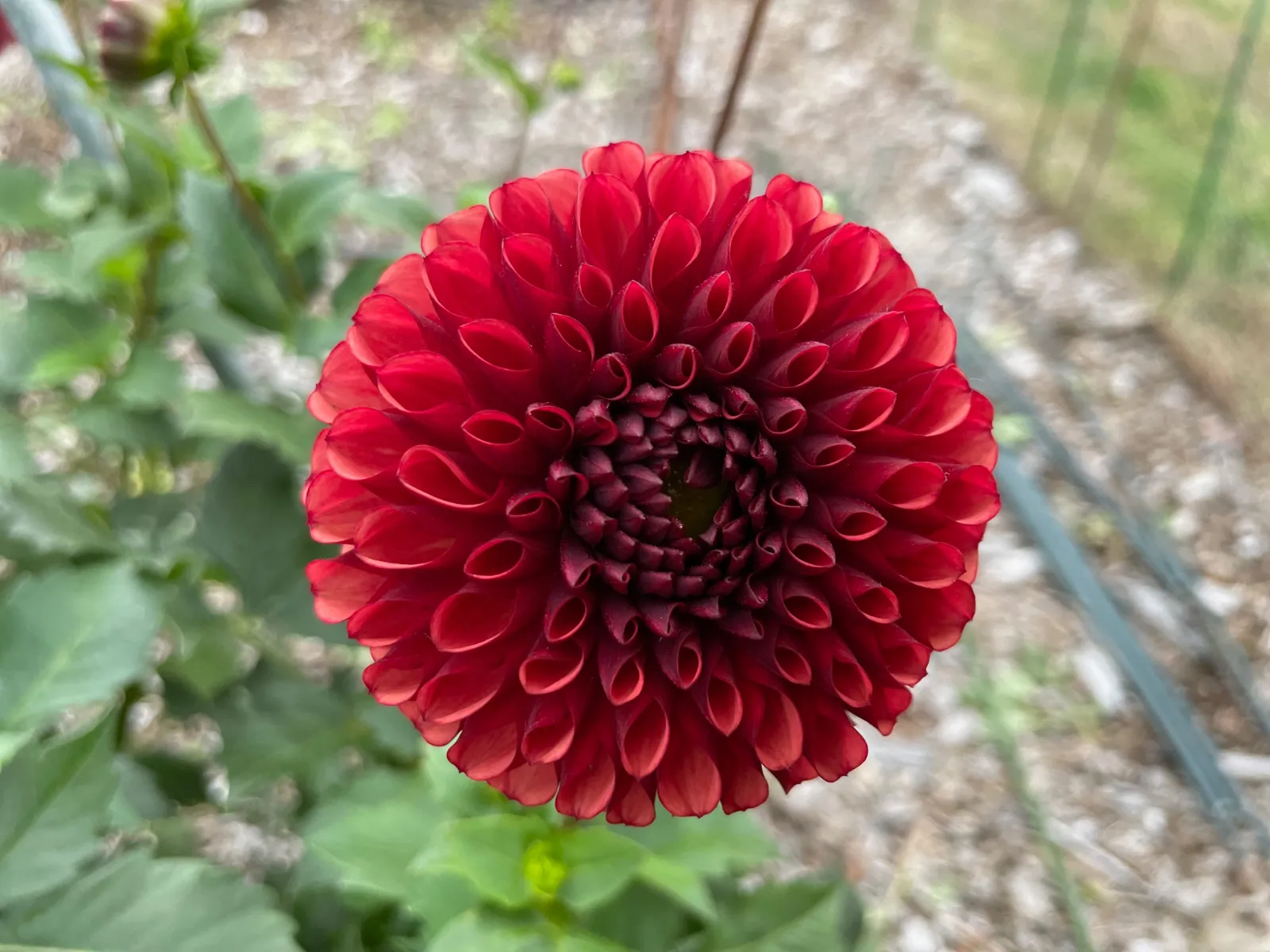
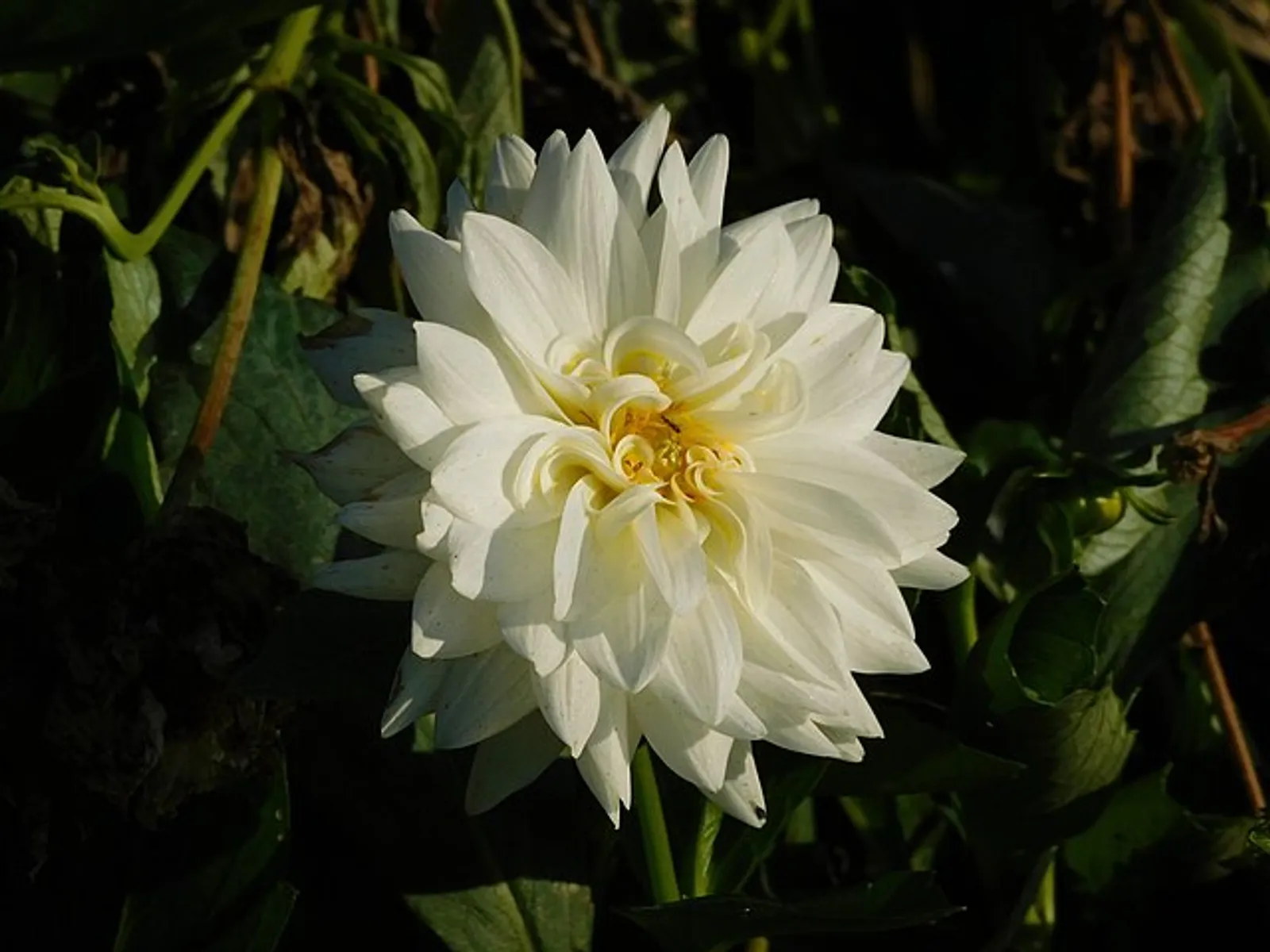
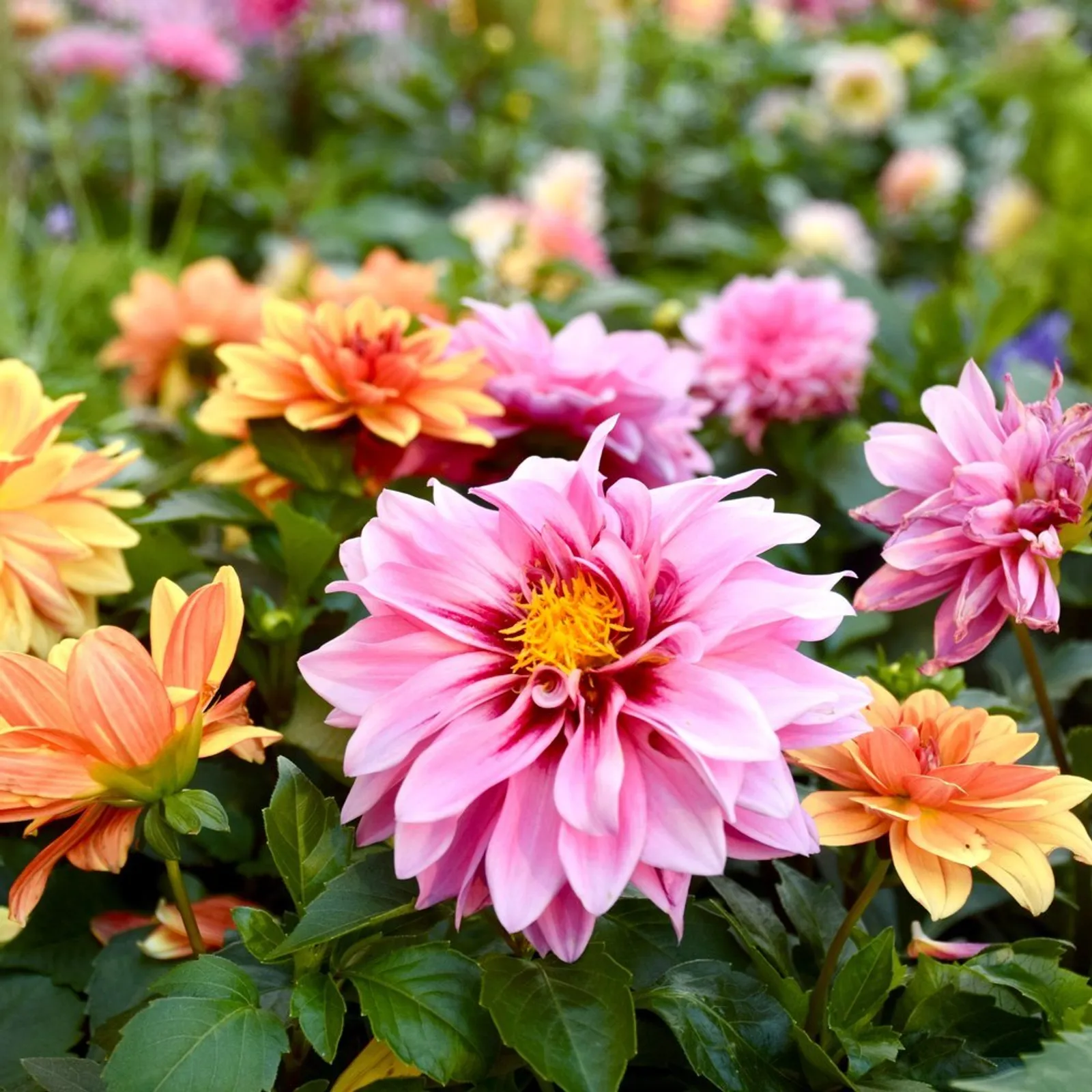
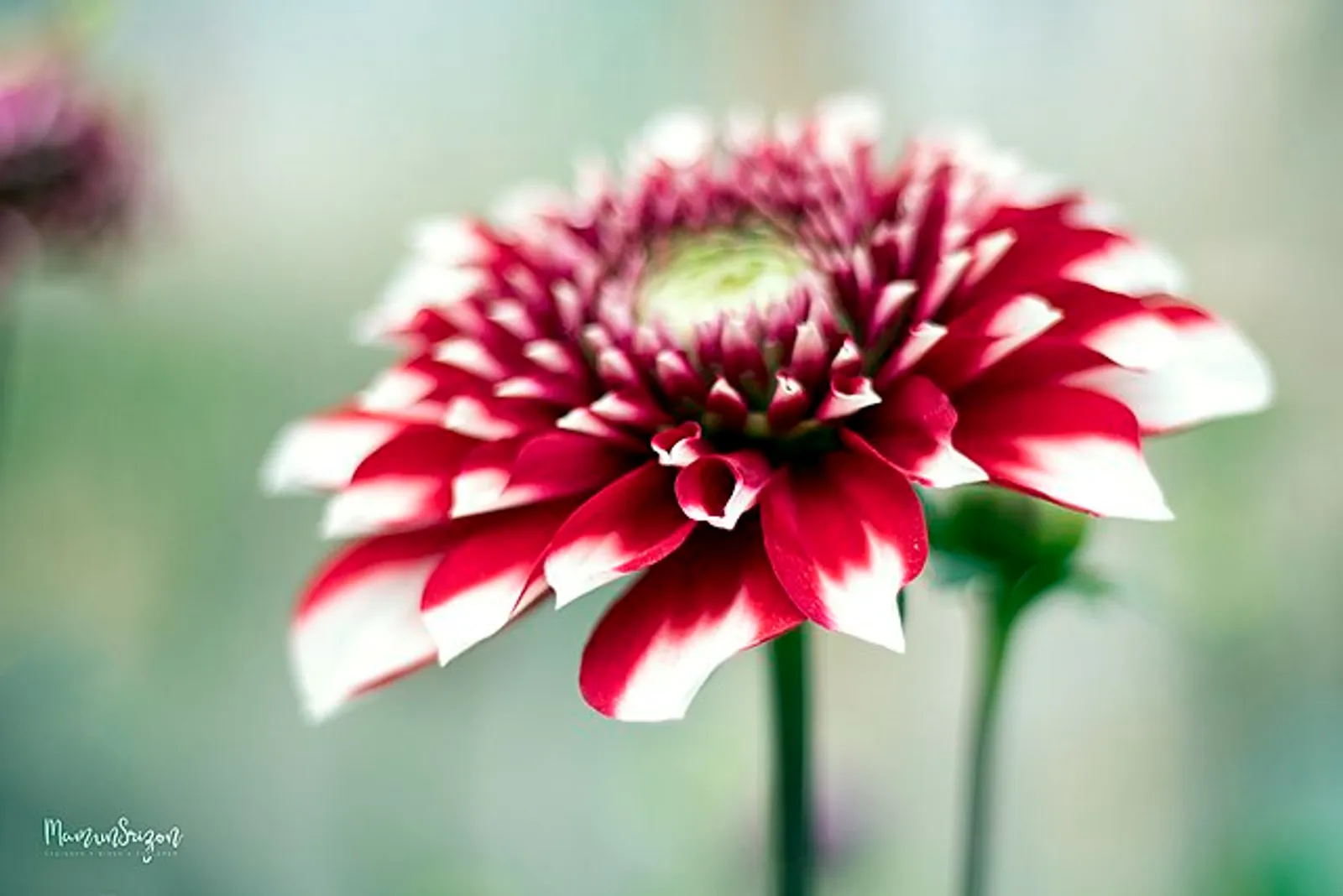
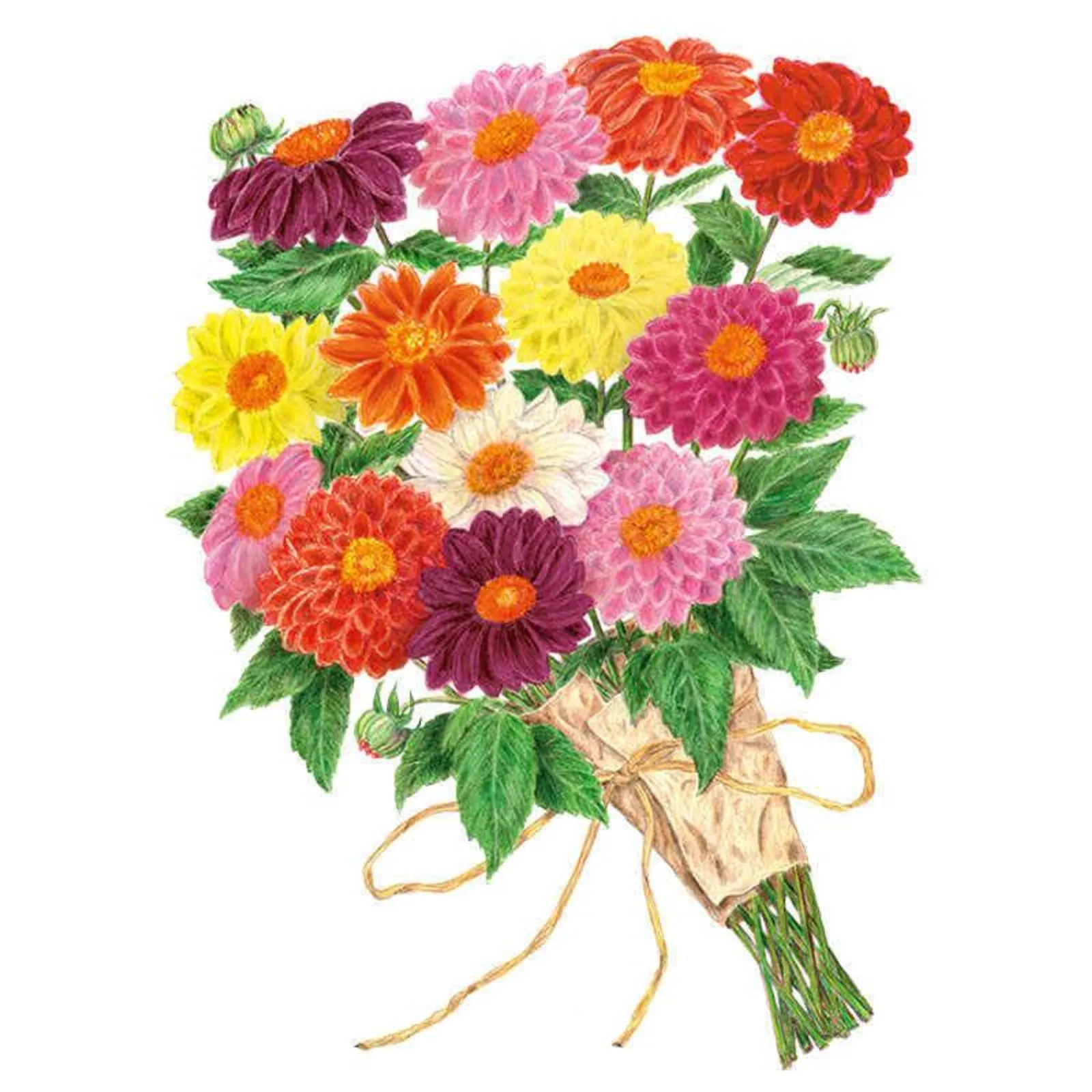
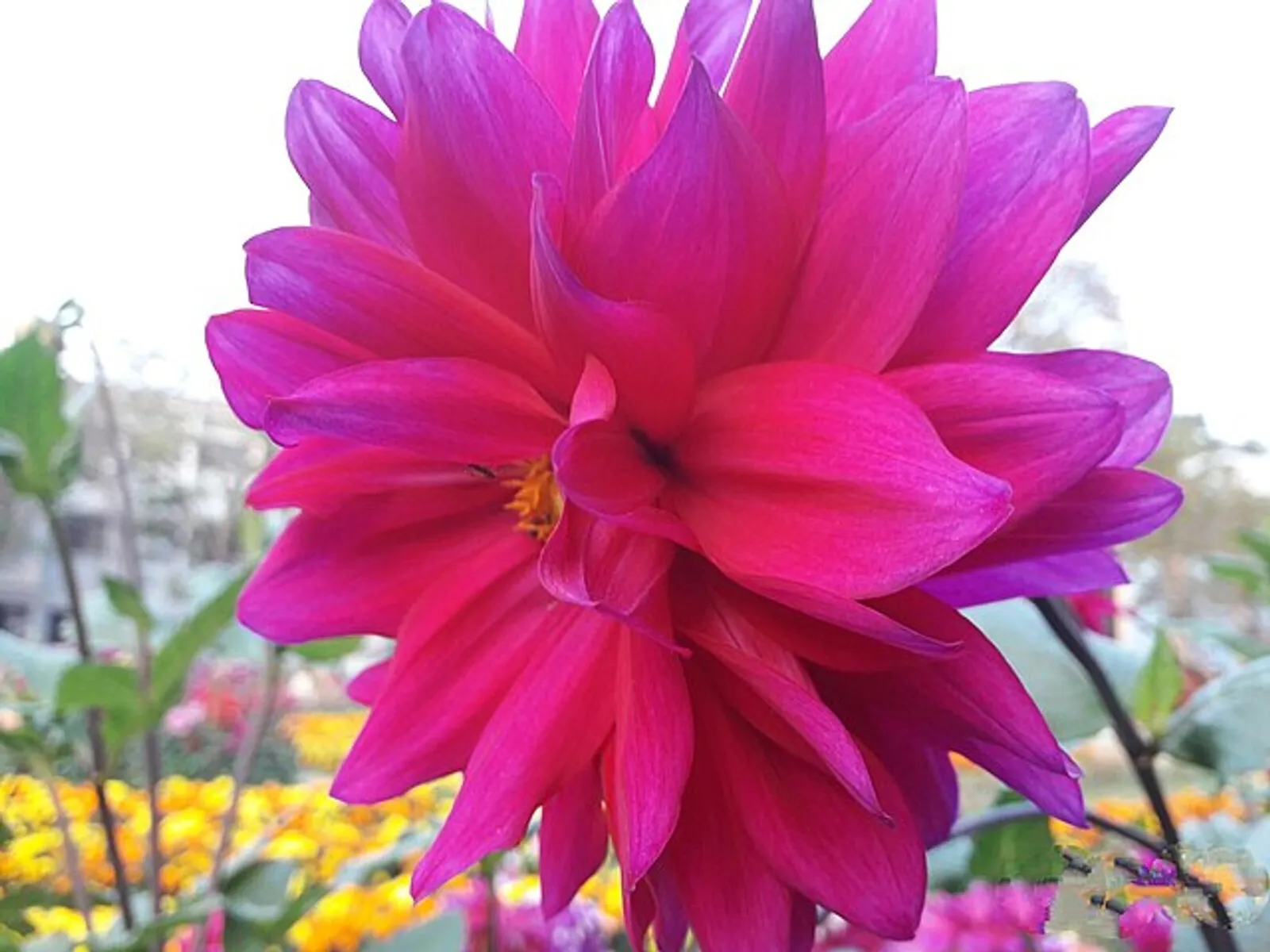
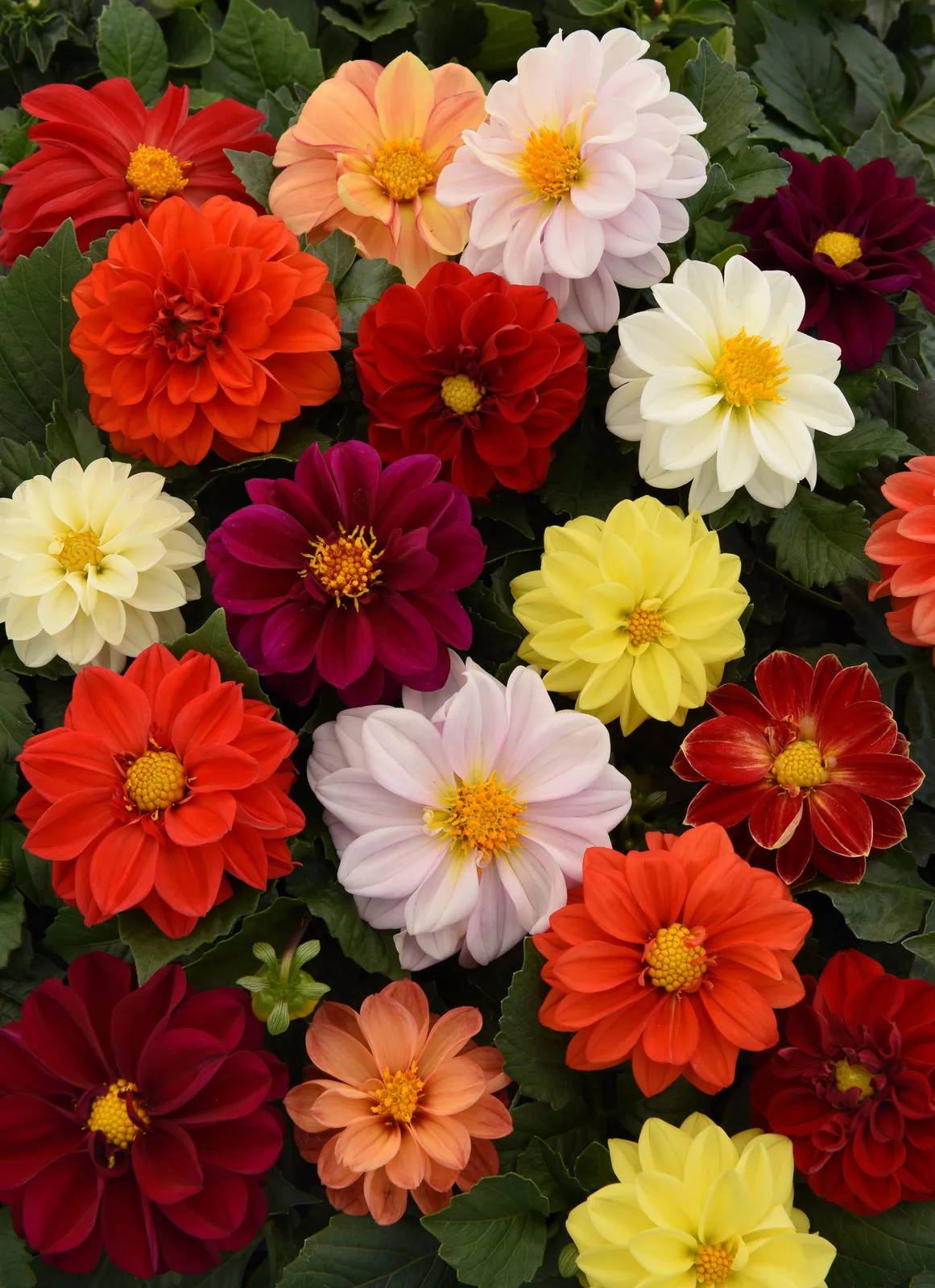
Dahlias are a fall garden show-stopper. Flowers range from tiny 1" (2.5 cm) ball dahlias to dinner-plate blooms at 14" (35 cm) wide. There are 8 most common styles of dahlia (see varieties). Cultivated dahlias number in the hundreds, with any color, color marking, and size you can imagine. When choosing dahlias for cutting gardens, check plant specifications for sturdy stems, stem length, and flower production. For reliable blooms, grow plants from tubers. In climates with winter temperatures less than 25°F (-3°C), tubers will freeze and rot, so they must be dug up and stored.
How to Grow Dahlia
Quick Info


Put away the pen and paper
Plan your veggie garden in minutes with Planter's easy drag and drop planner.
Try Planter for Free
Varieties
Related Articles
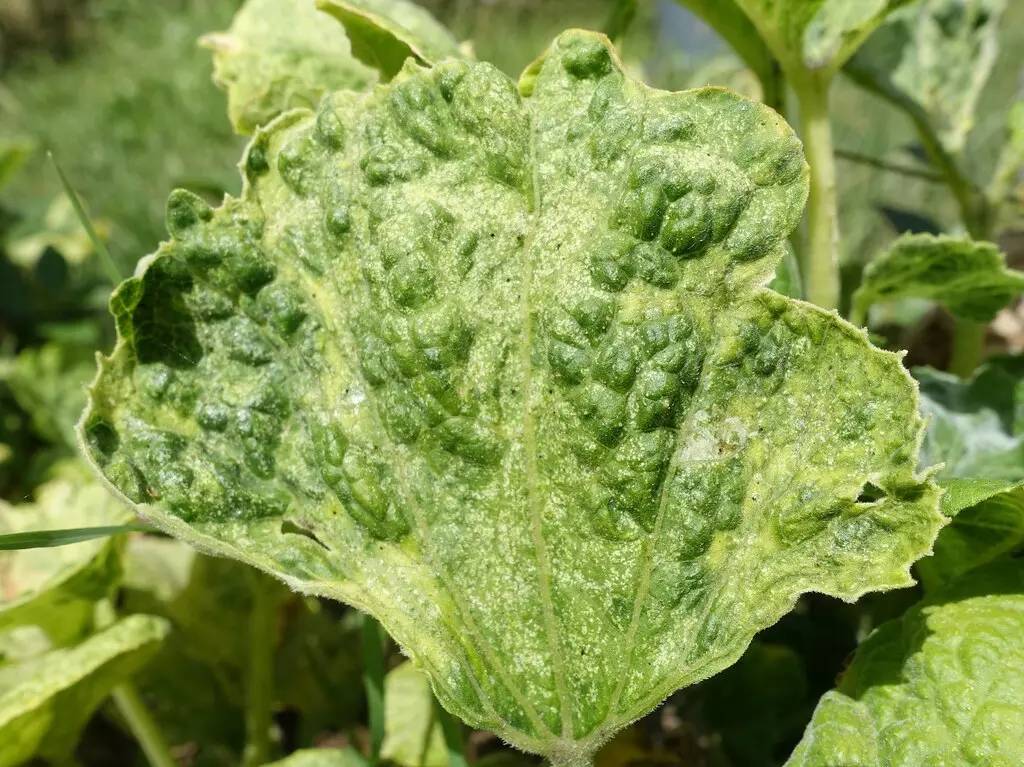
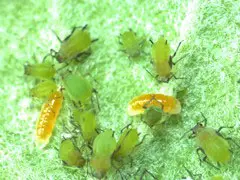
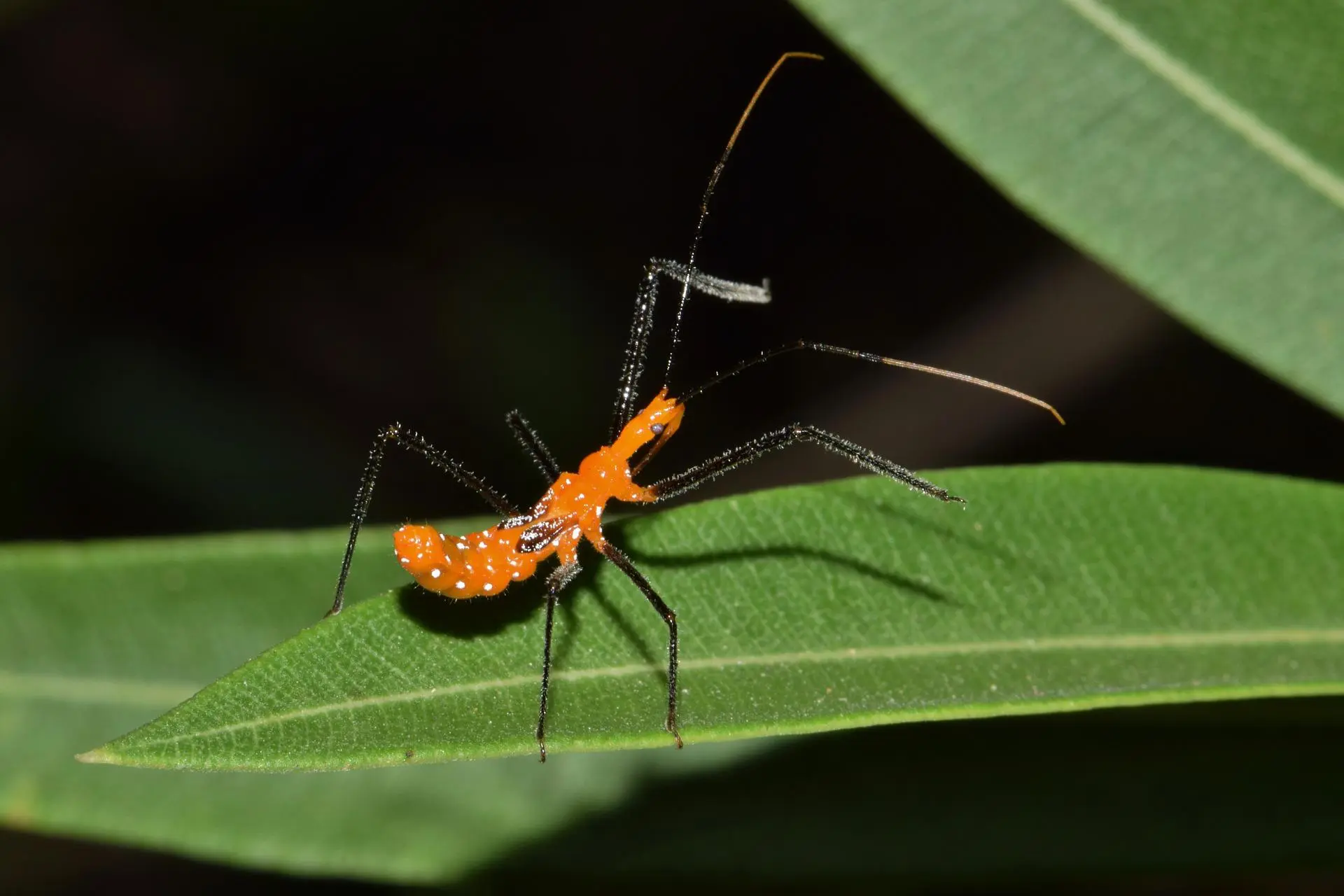
Pests
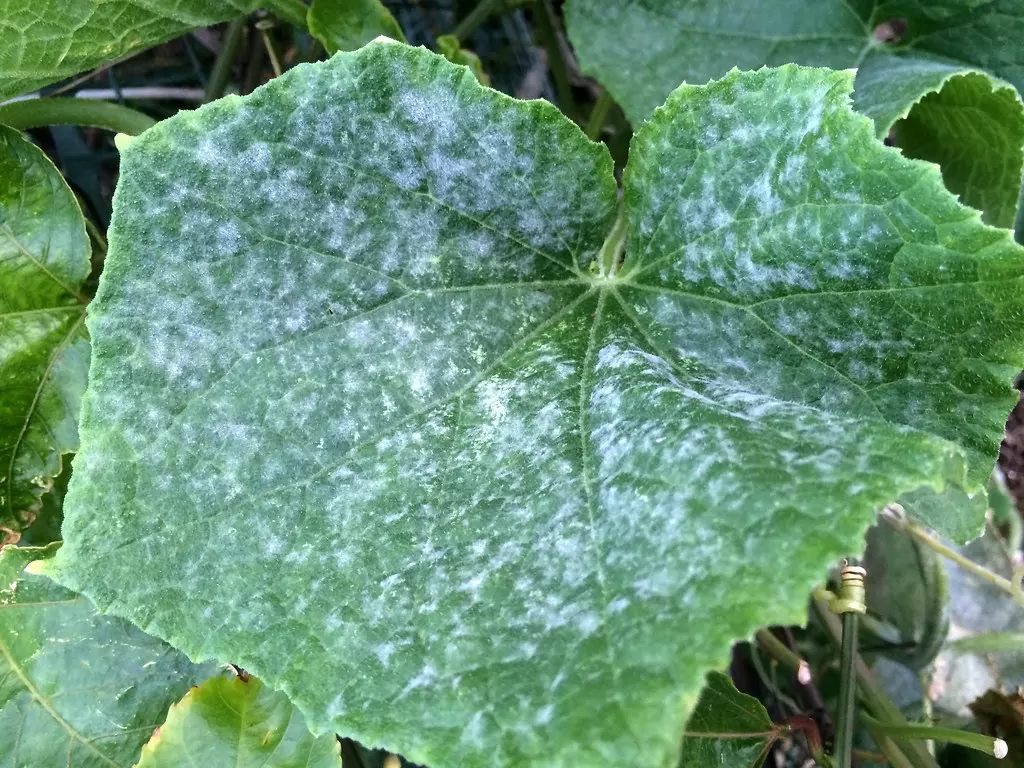
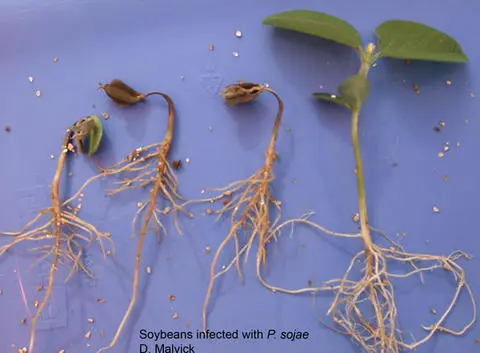
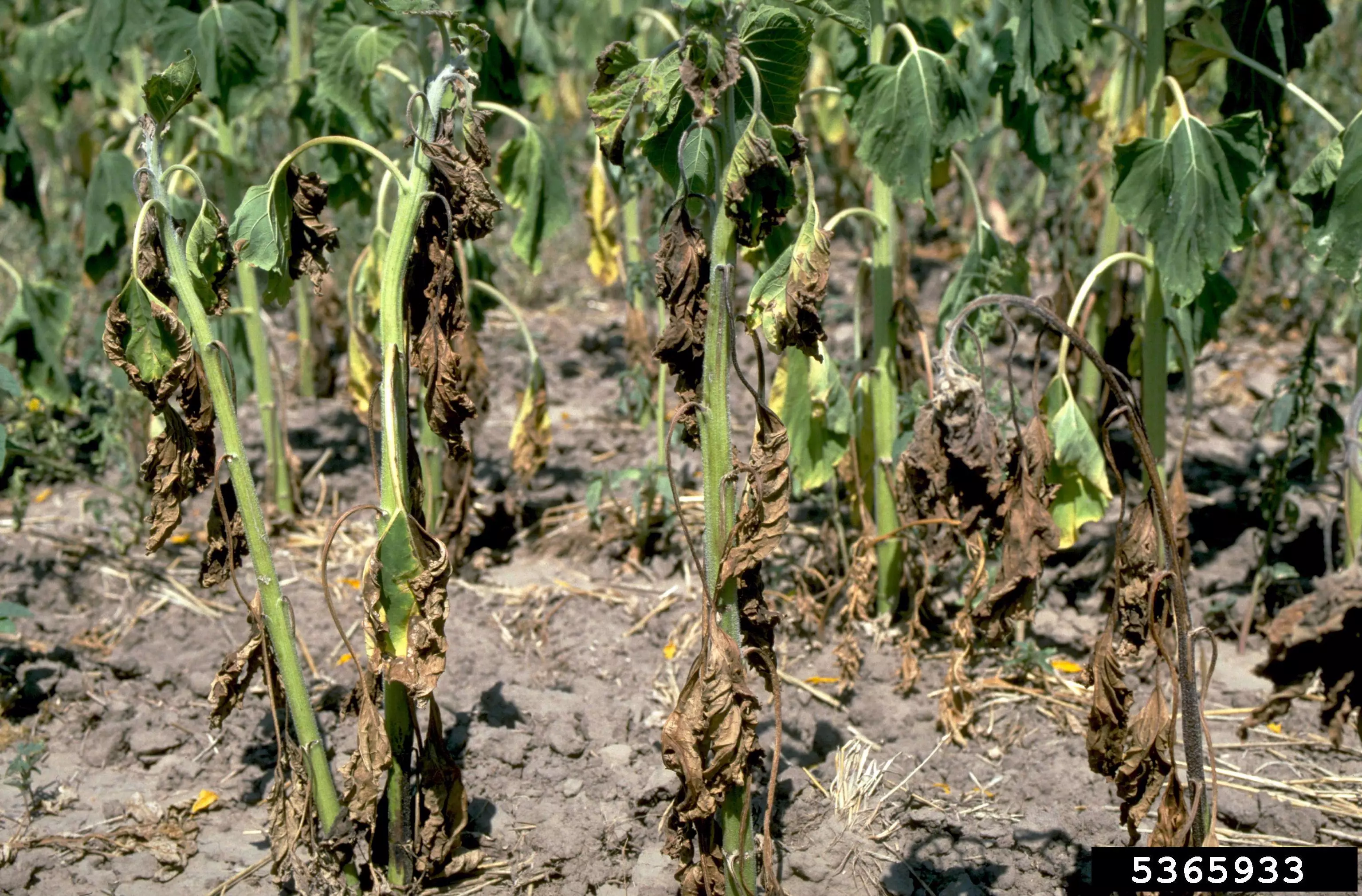
Diseases
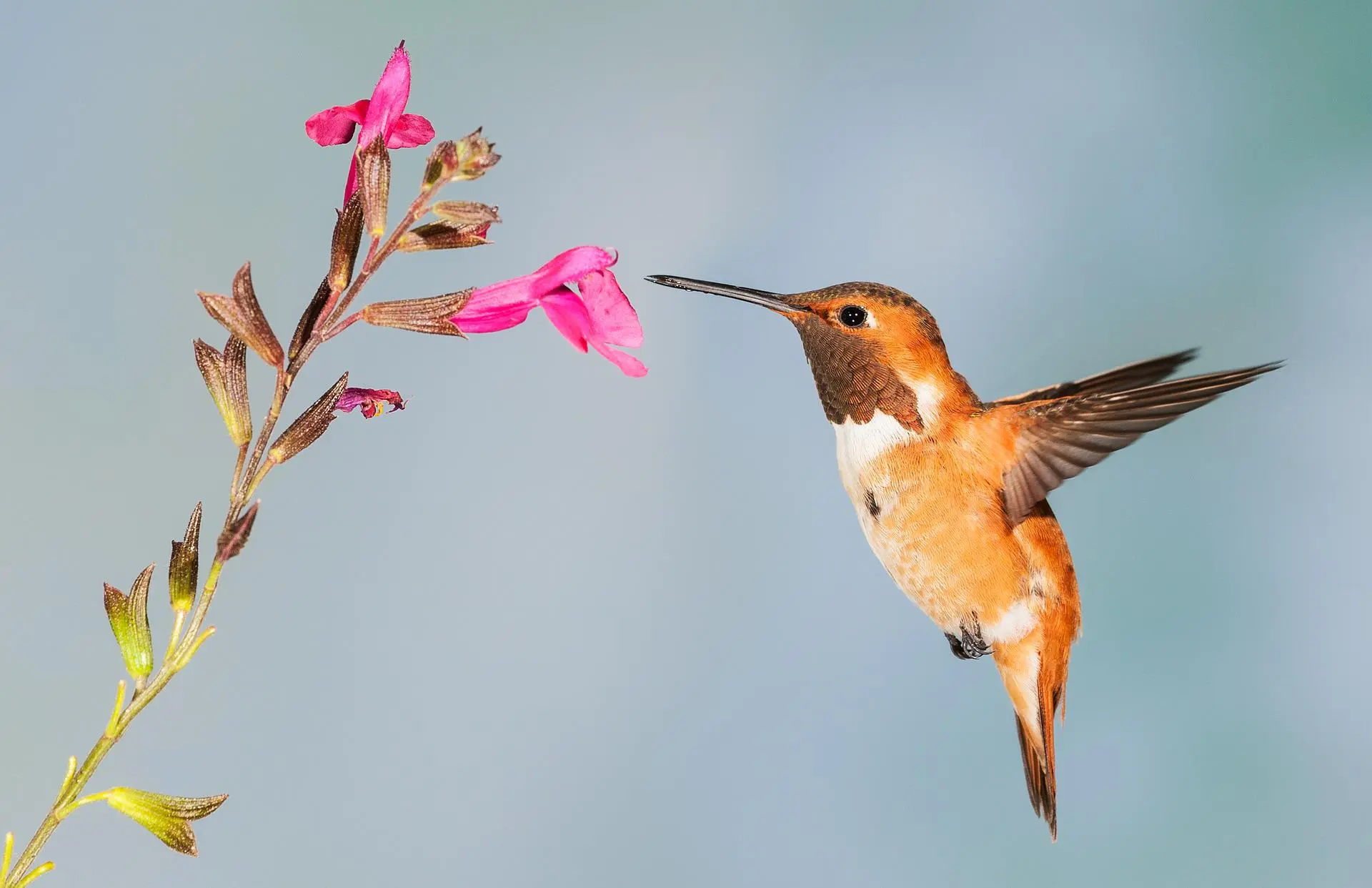
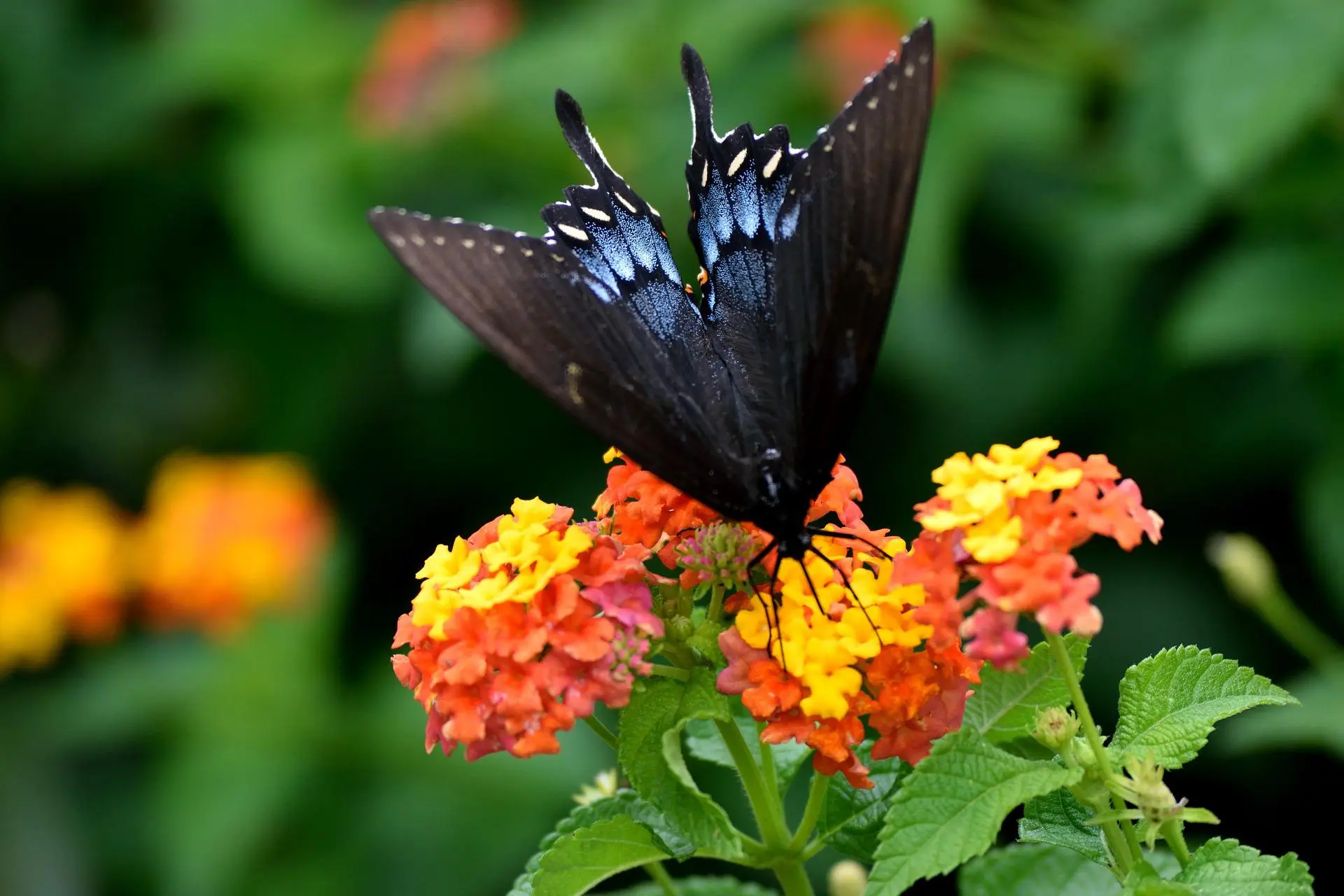
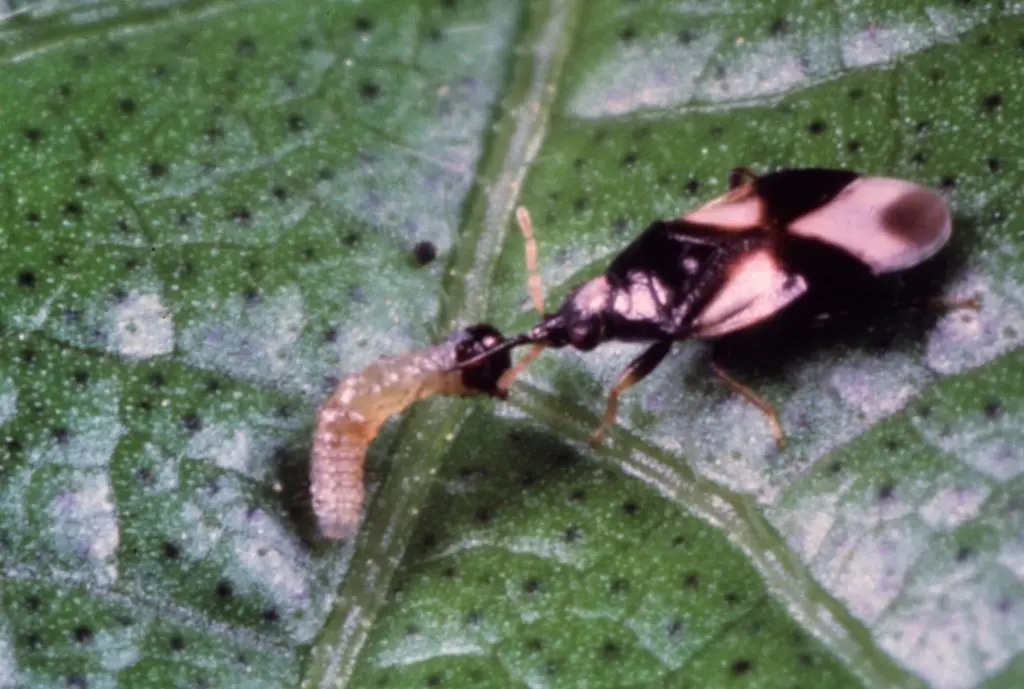
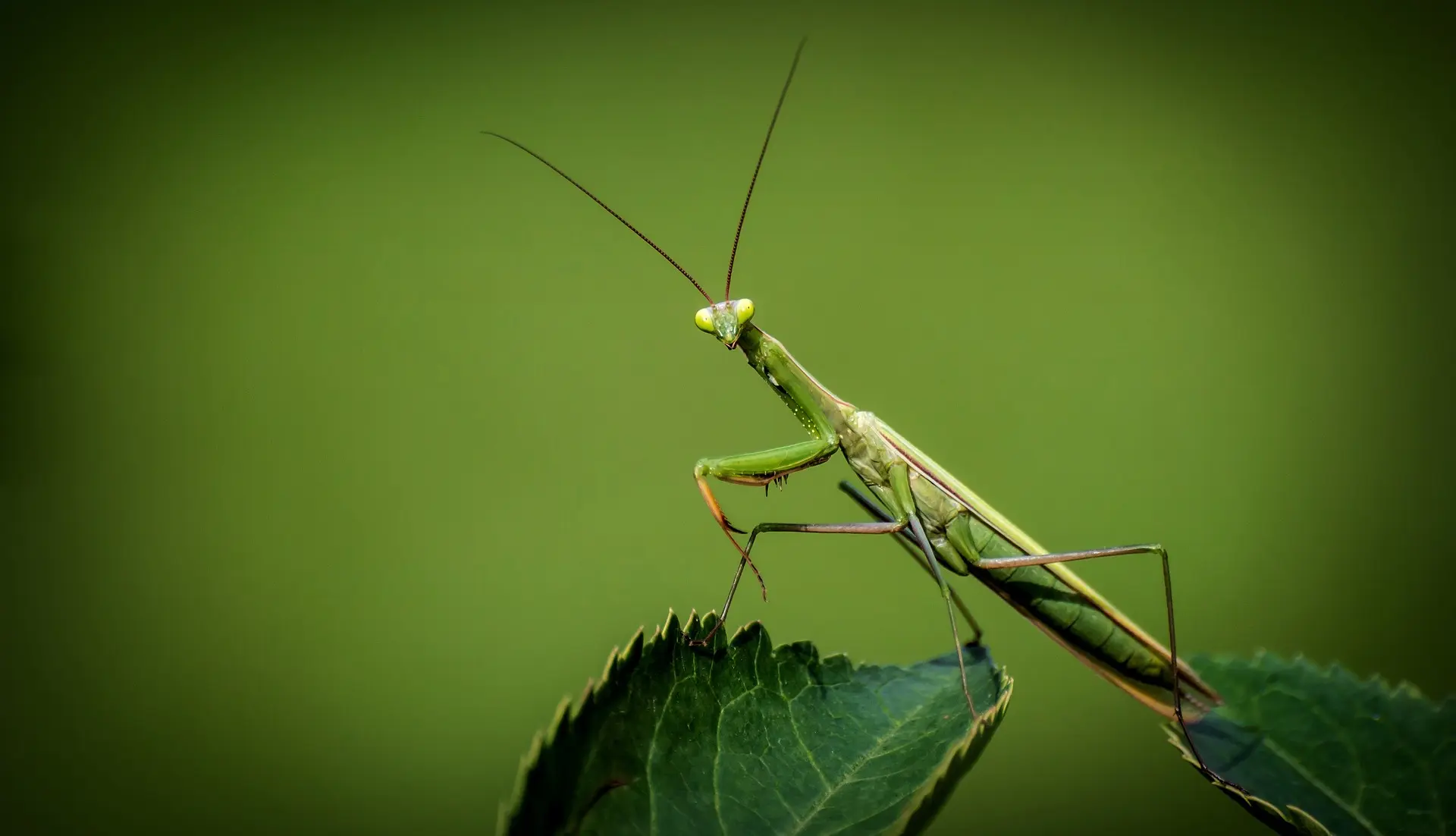
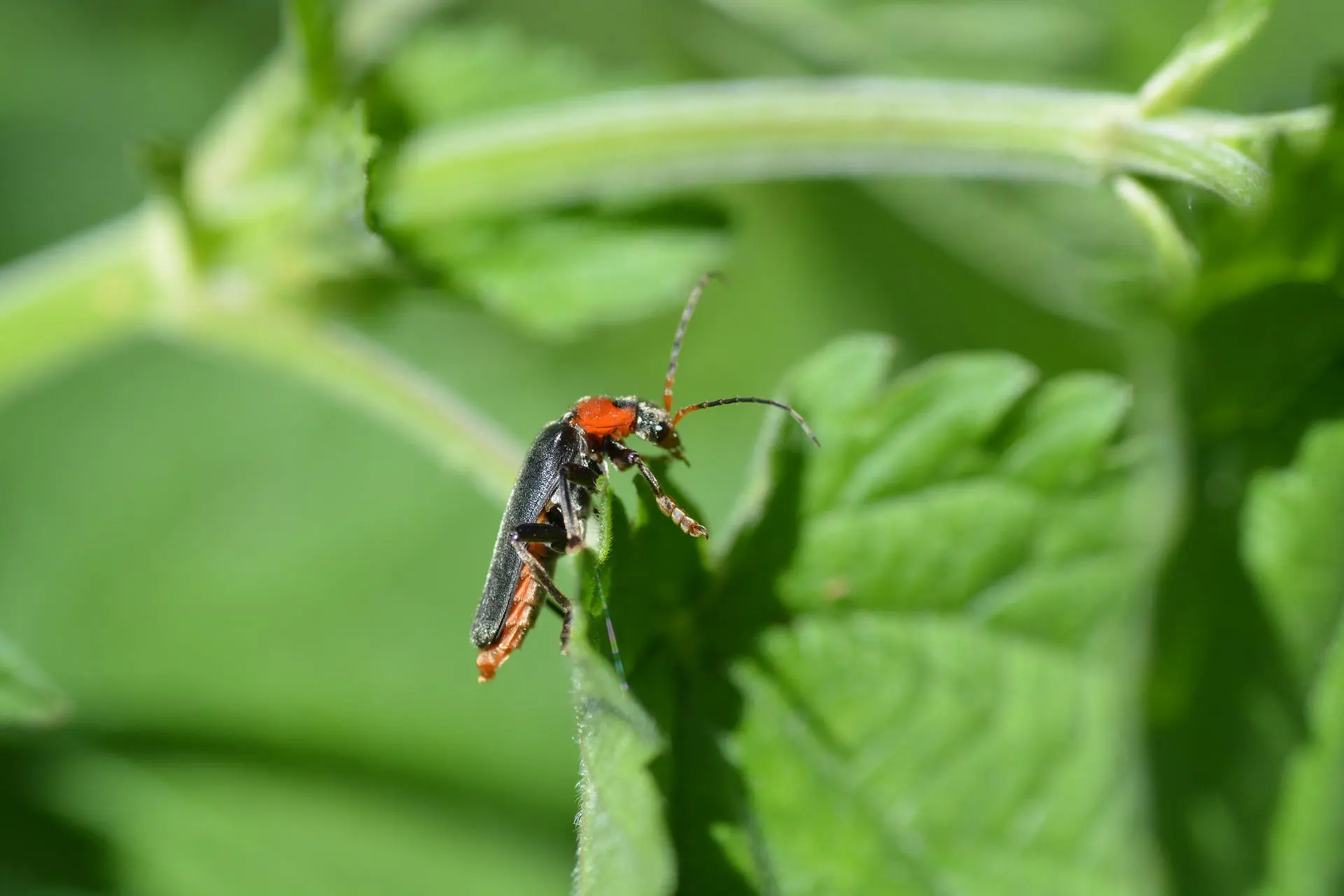
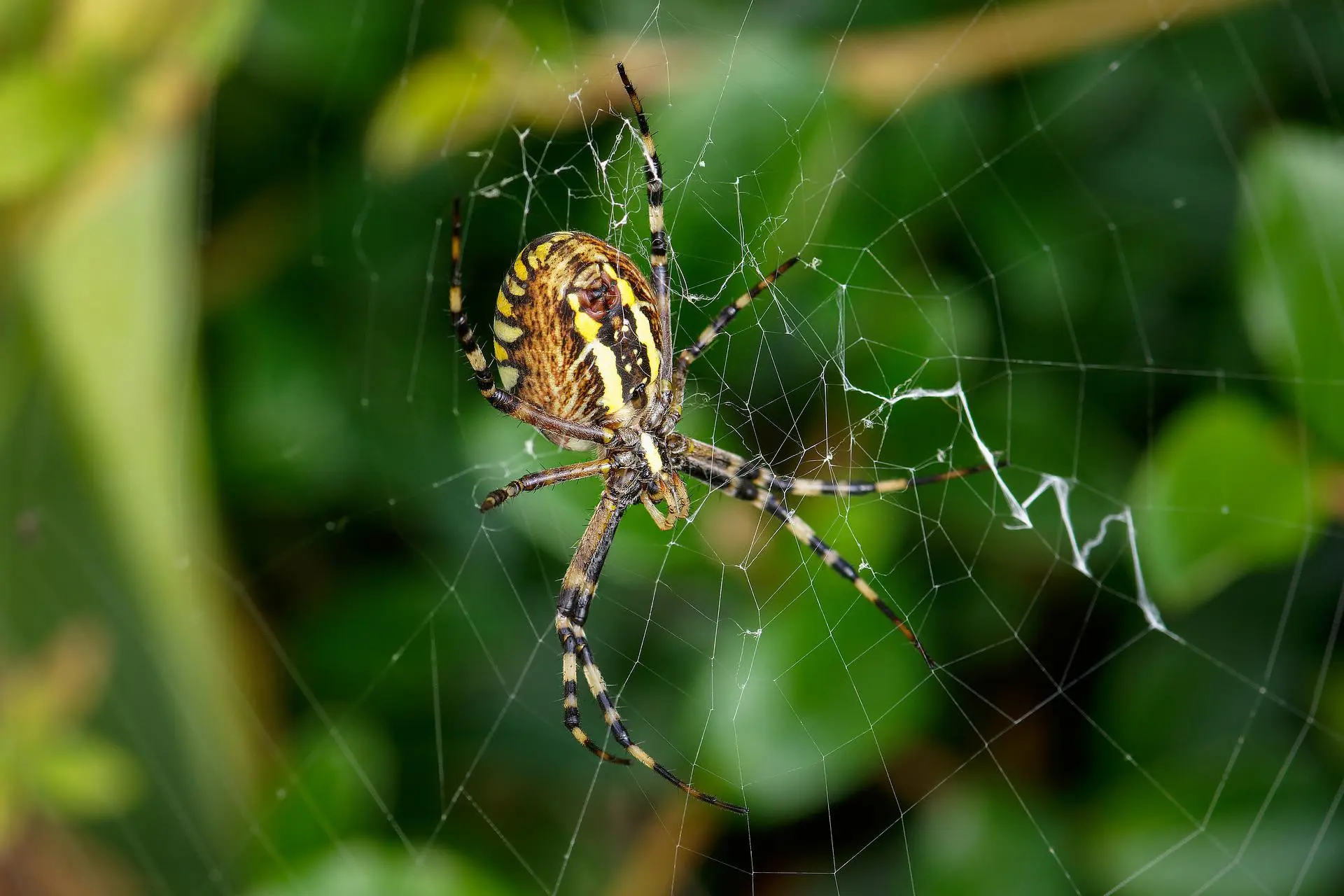
Beneficial Critters
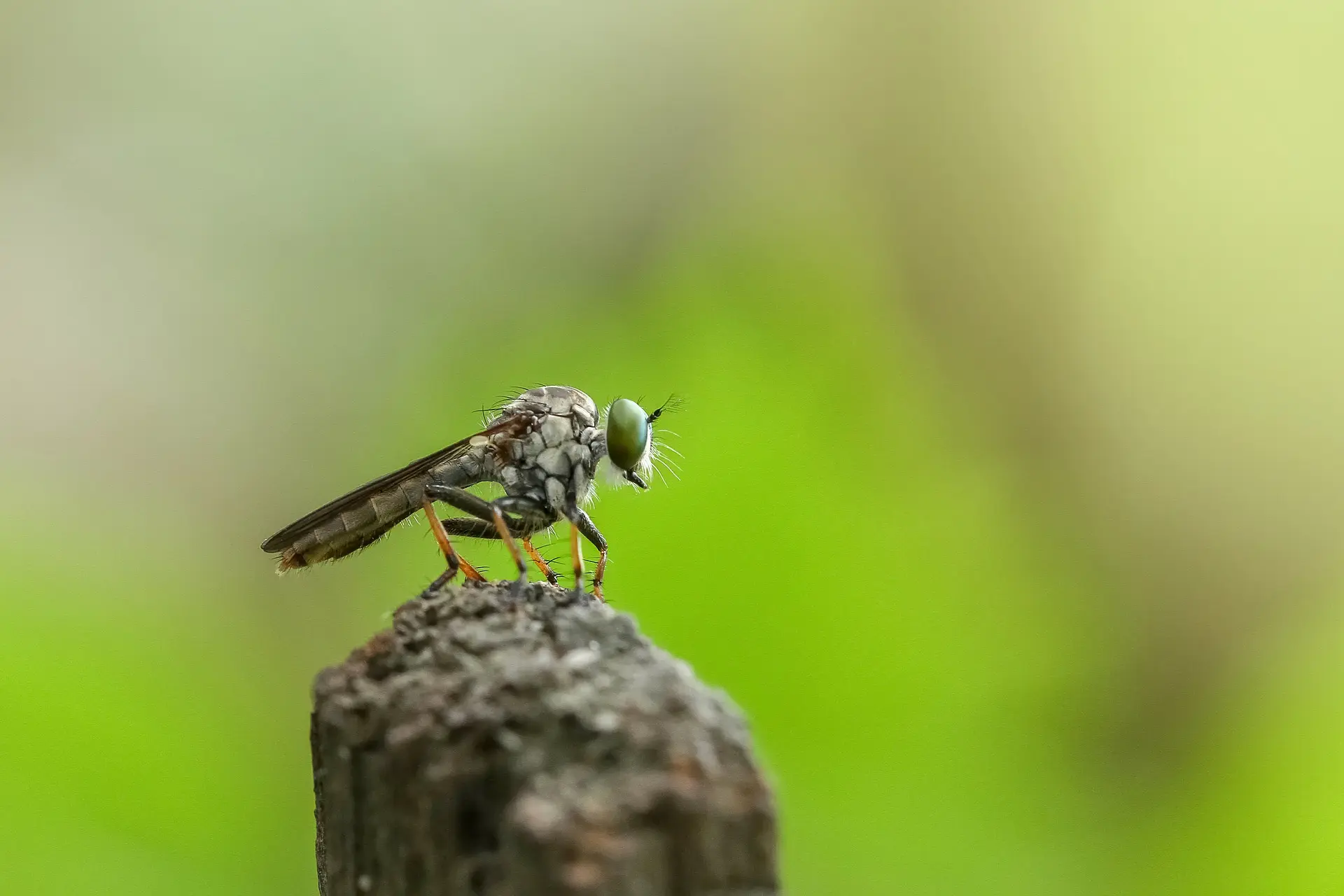
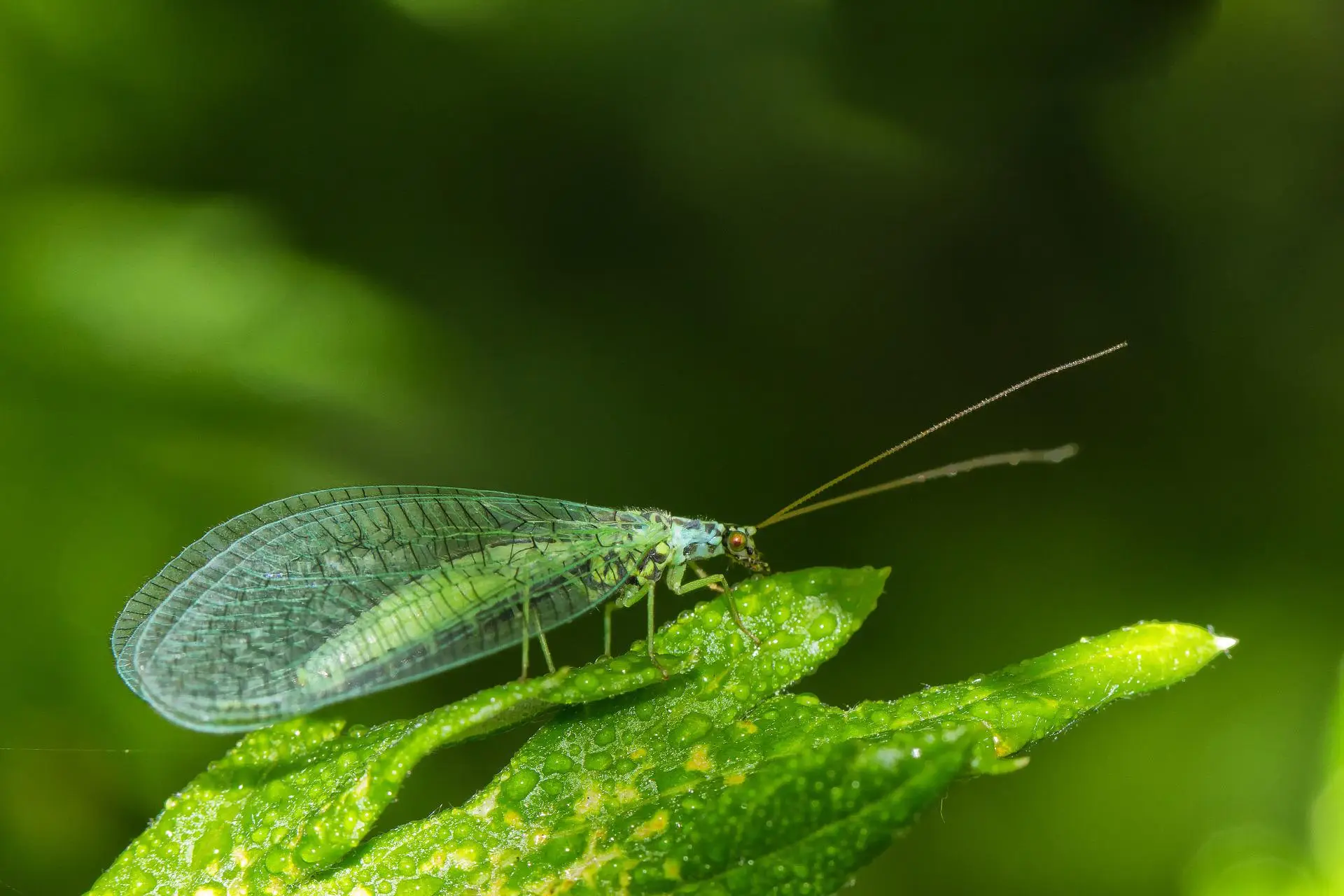
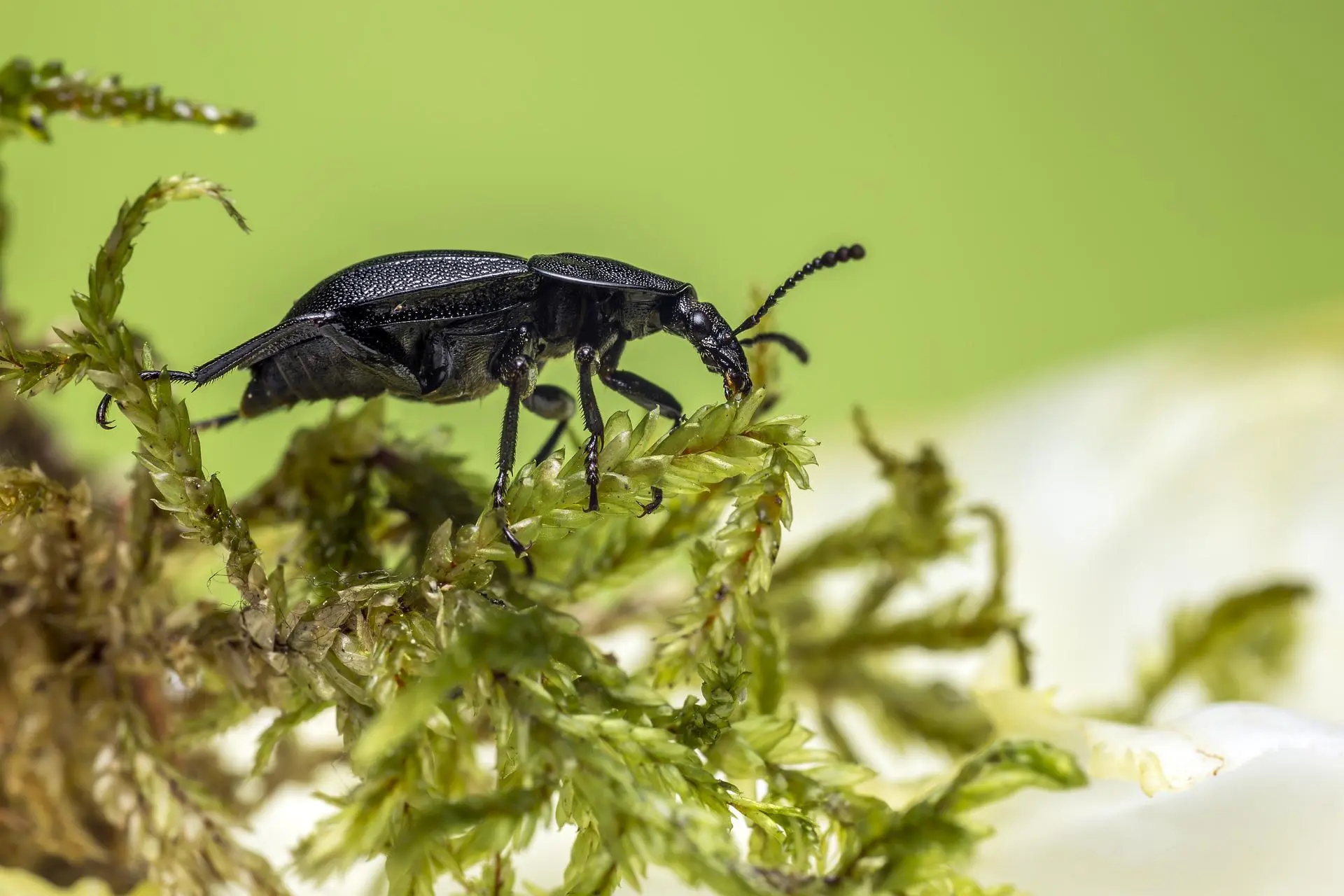
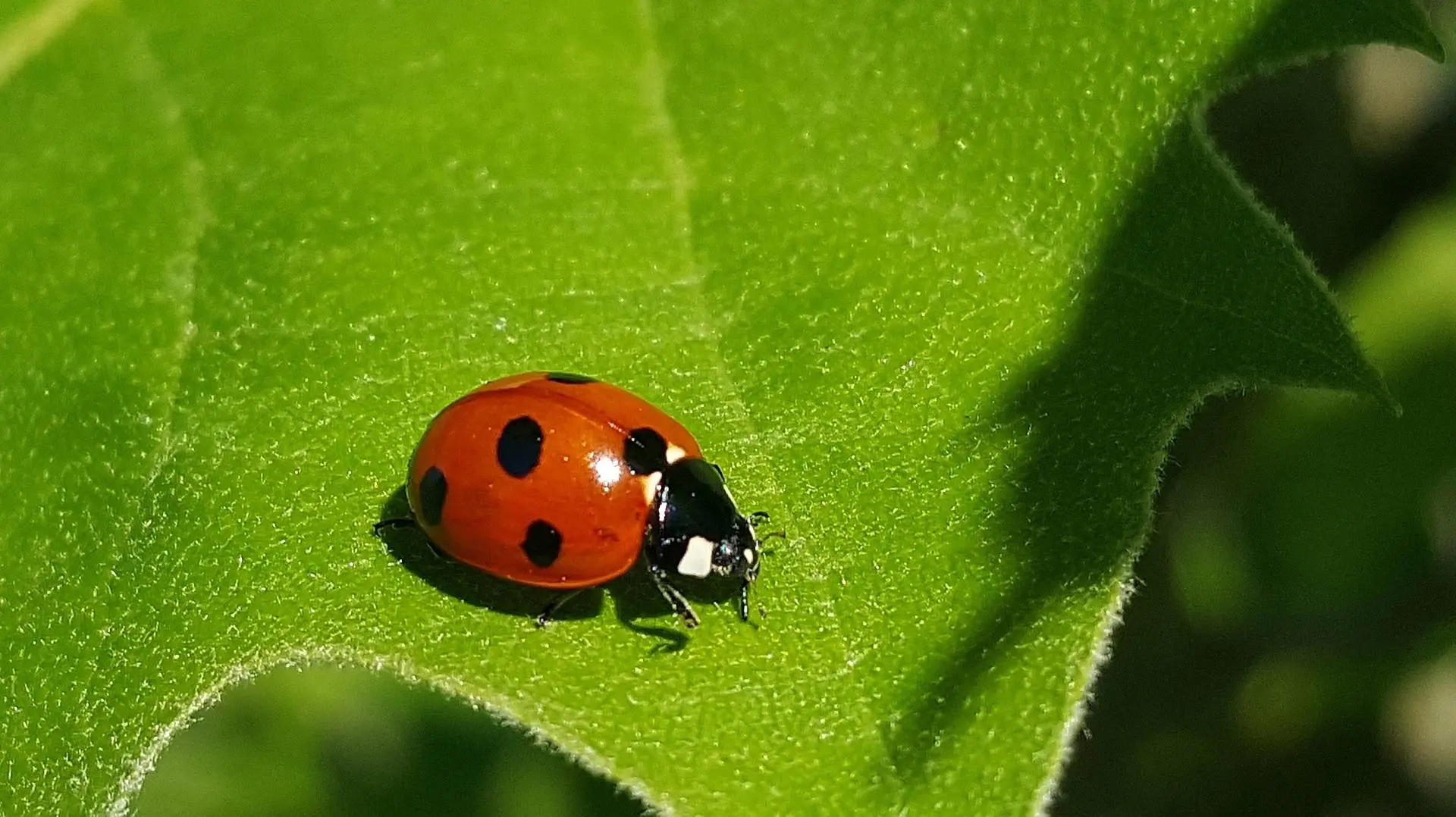
Growing from Seed
Dahlias can be grown from seed, but due to cross pollination, seeds will not necessarily flower true to parent plant. Some gardeners love the surprise of not knowing what the flowers will look like! Dahlias are usually grown from tubers.
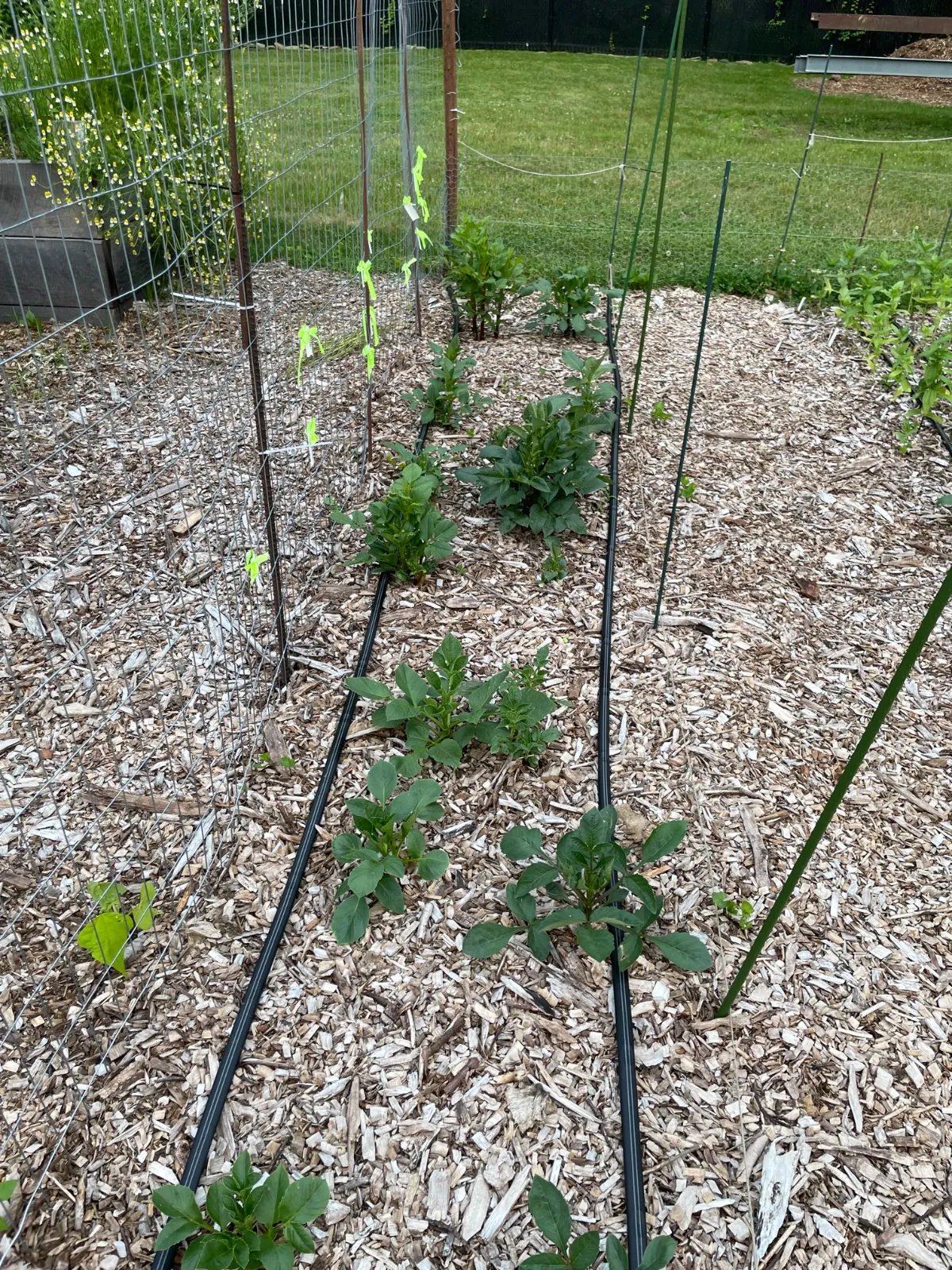
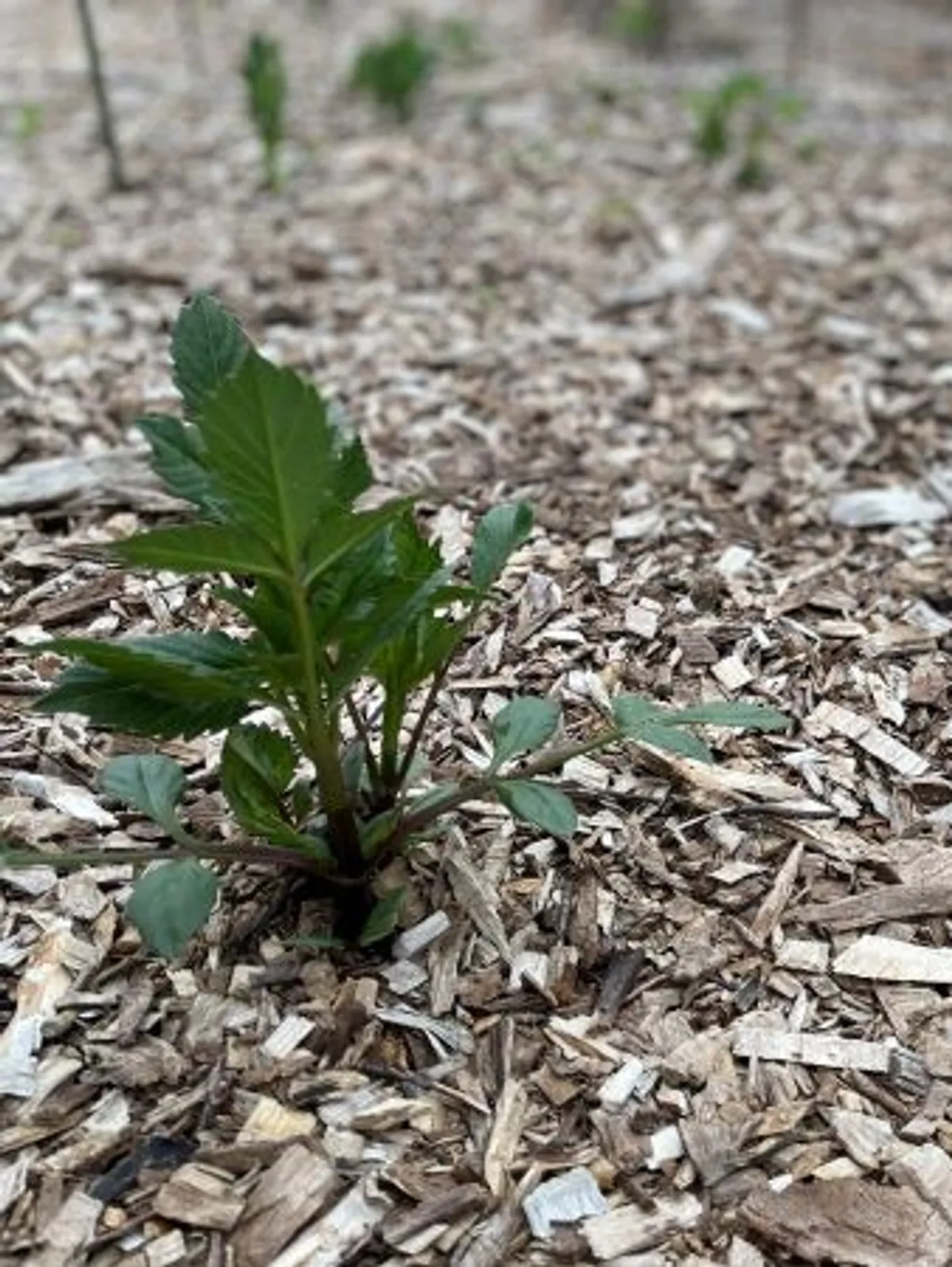
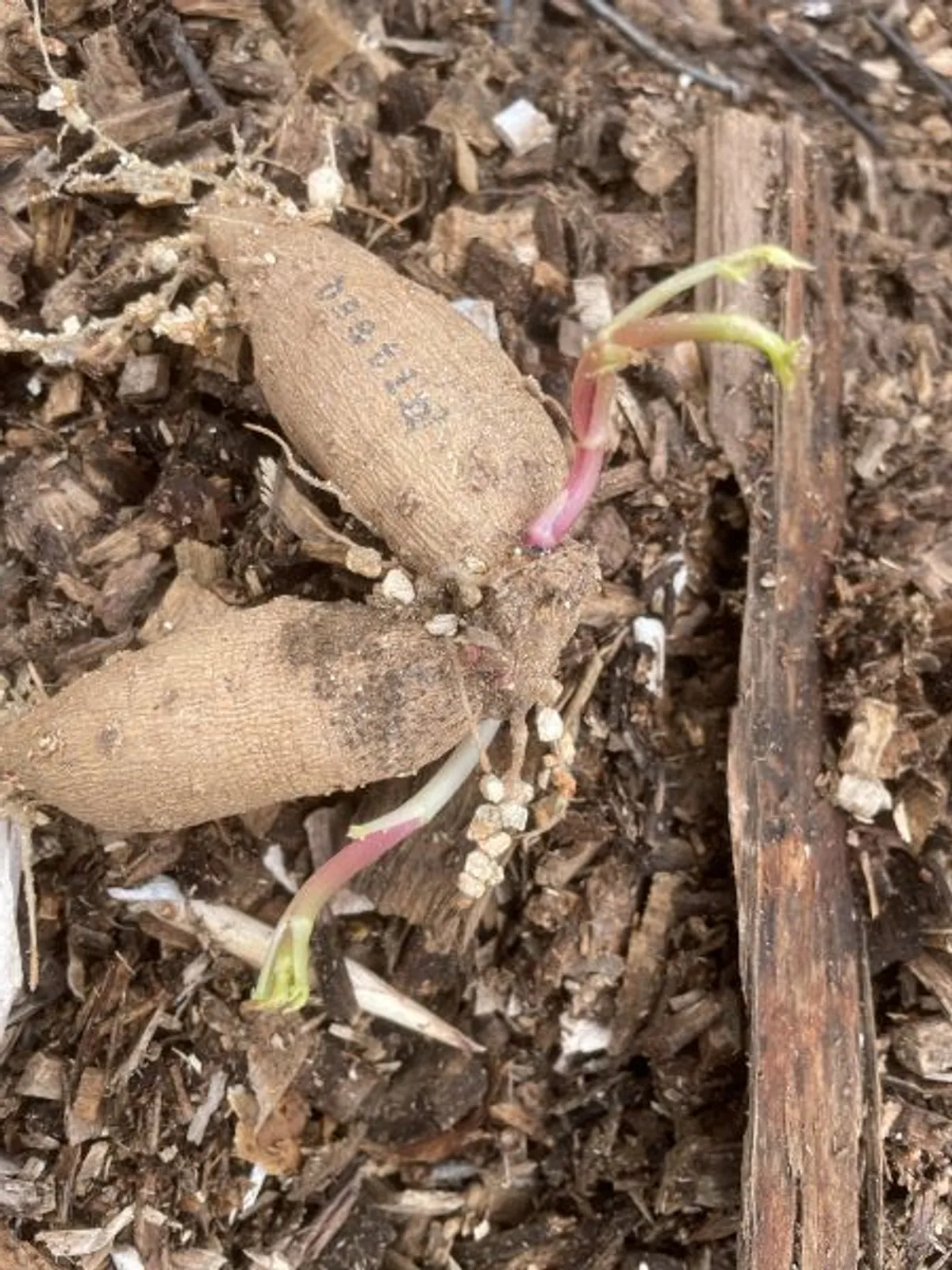
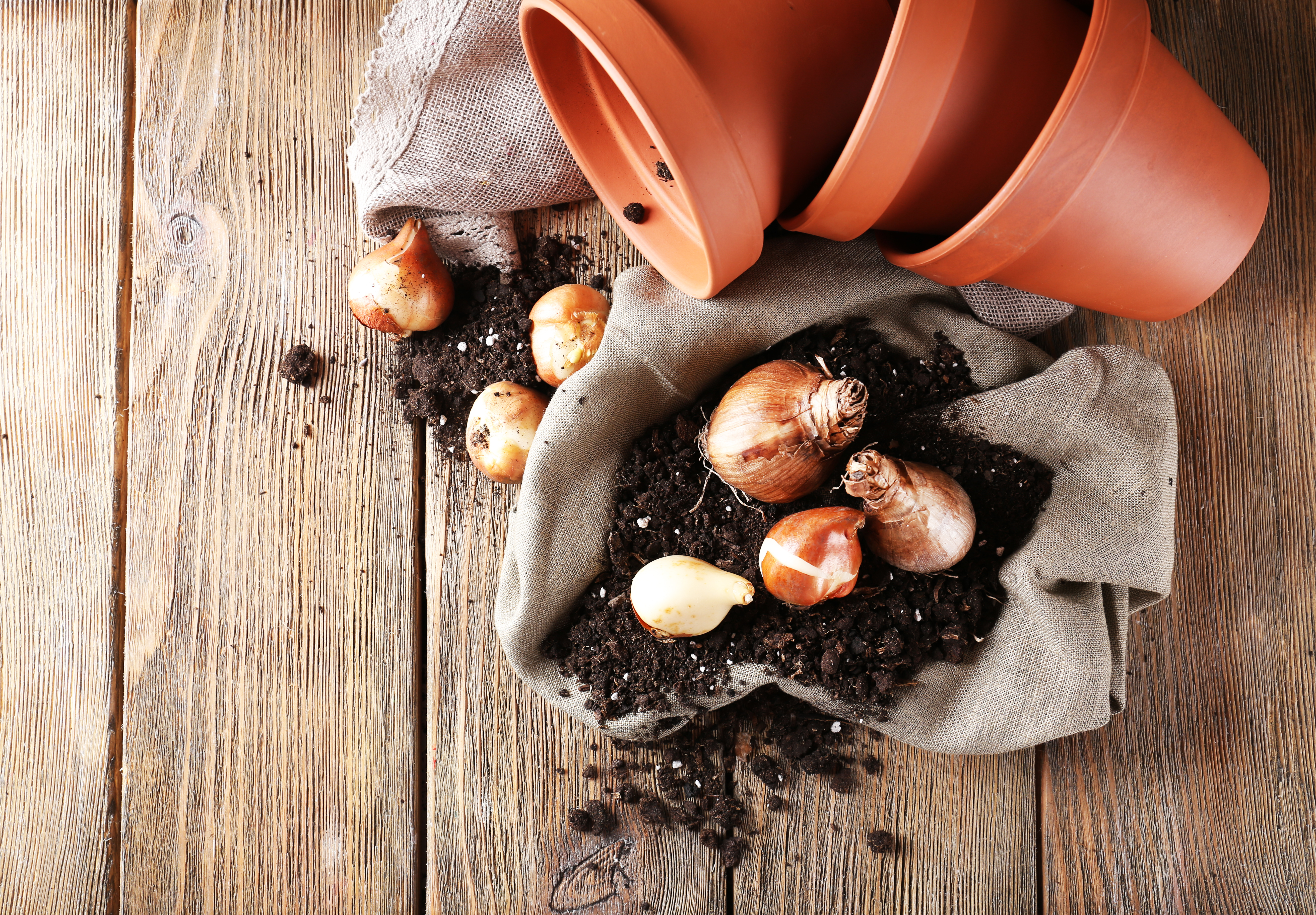
To plant dahlia tubers: Dahlia tubers need warm days (75°F or 24°C) and nights (60°F or 15°C), and warm soil temperatures (65° or 18°C ) to sprout. Plant dahlia tubers around the same time as you would transplant your tomatoes. Planting in black landscape fabric and covering with frost cloth can help to hold in heat. Plant tubers so eyes (they look like potato sprouts) are pointing up, 3-6" (7.5-15 cm) below the soil. Plant smaller tubers more shallowly and larger tubers slightly deeper. Do NOT water tubers until they are producing stems at least 1' (30 cm) tall. Tubers will rot in too moist soil. Germination for tubers is 2-4 weeks.
Planting Considerations
Dahlias like well drained soil, rich in organic matter, in full sun. Spacing plants 18" (46 cm) apart will help with air circulation. Plants thrive with mulching. Plants (except border dahlias) will require staking. Dahlias may cause contact dermatitis and are midly toxic to humans, cats, dogs, and horses.
Feeding
Dahlias benefit from regular feeding (when plants are mature) with compost or balanced (10-10-10 ) fertilizer to encourage blooms.
Harvesting
Dahlia flowers will not open after cutting, so be sure to pick the flowers when they are just shy of fully opening for longer vase (pollination will shorten vase life). Deep first cuts or early dis-budding are recommended to encourage longer stems.
Storage
Cover clean, dry tubers in peat moss or vermiculite (plastic tubs with lids work well). Store in a dark, cool area (40-45°F or 4-7°C) in winter.
Pruning
Pinching plants at 12-18" (30-46 cm) will encourage longer stems.