Iris
Iris
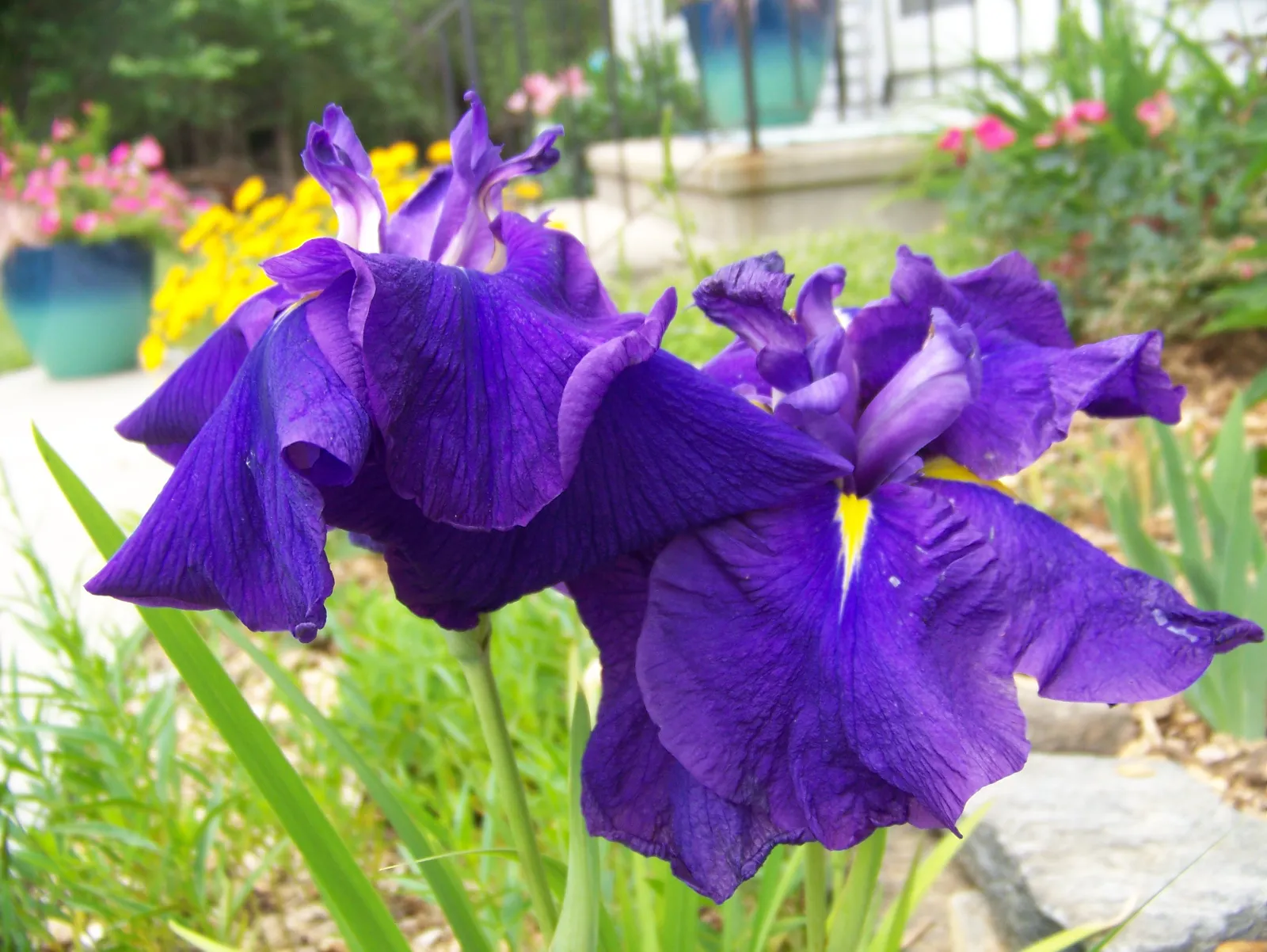
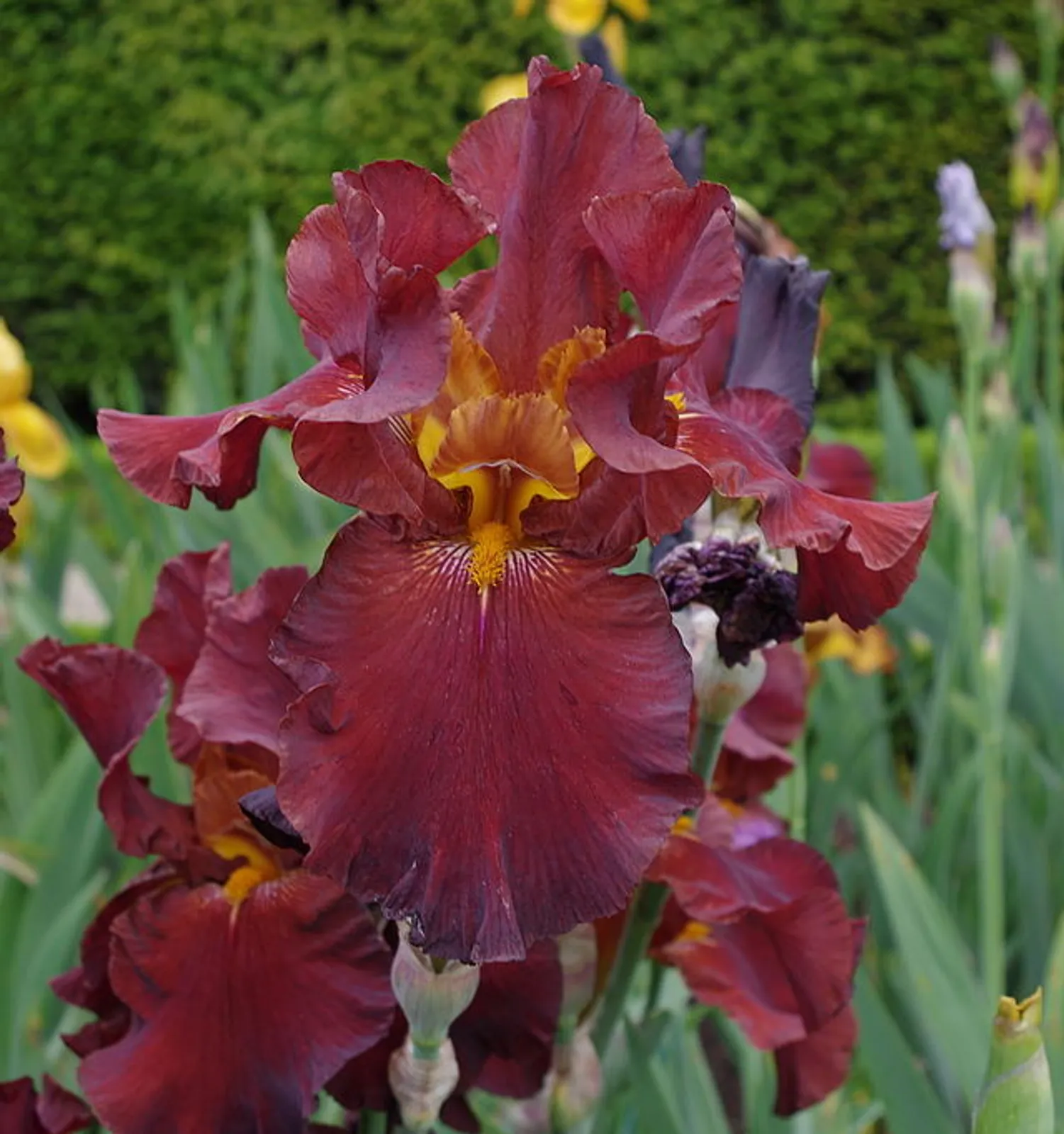
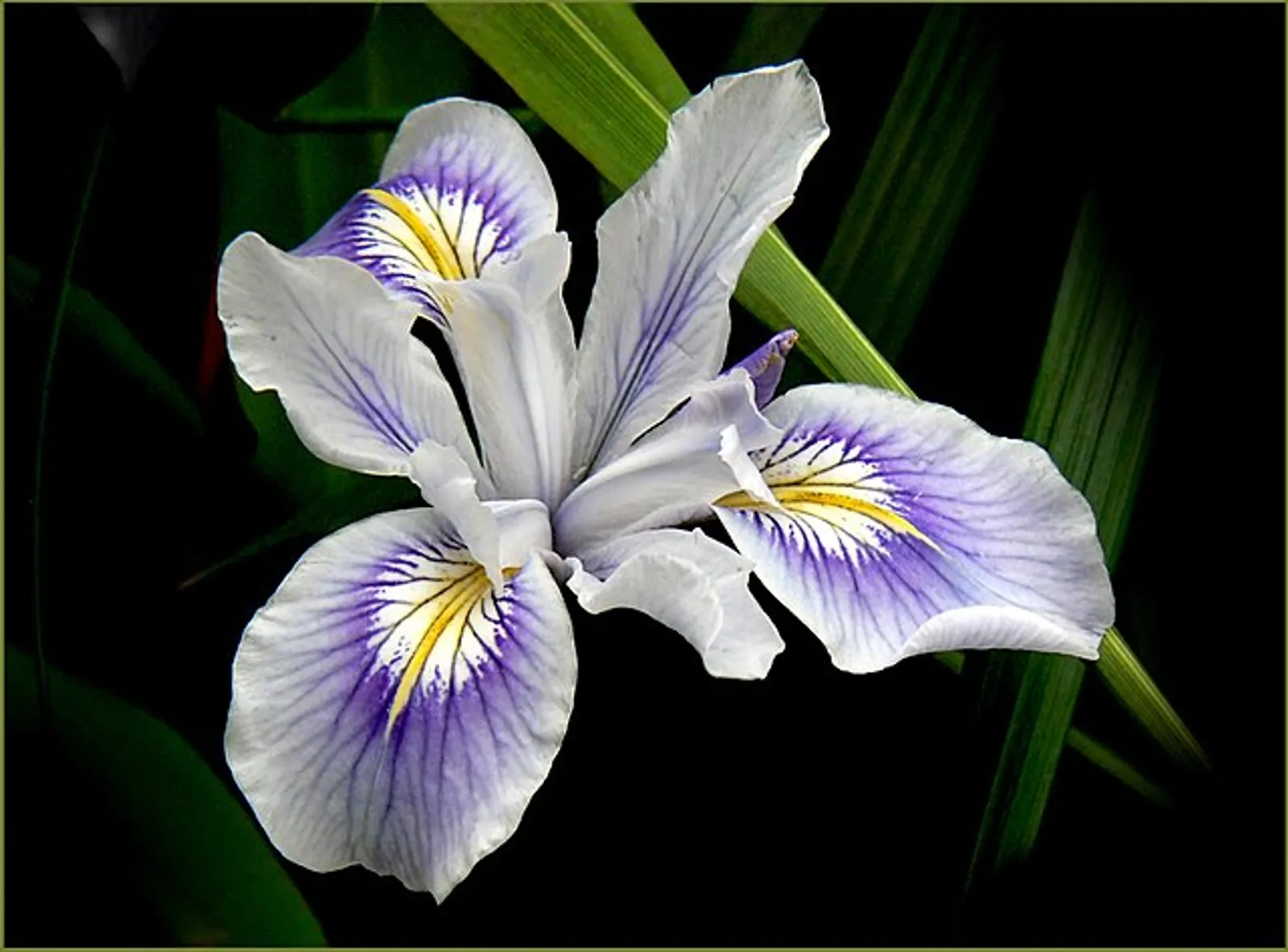
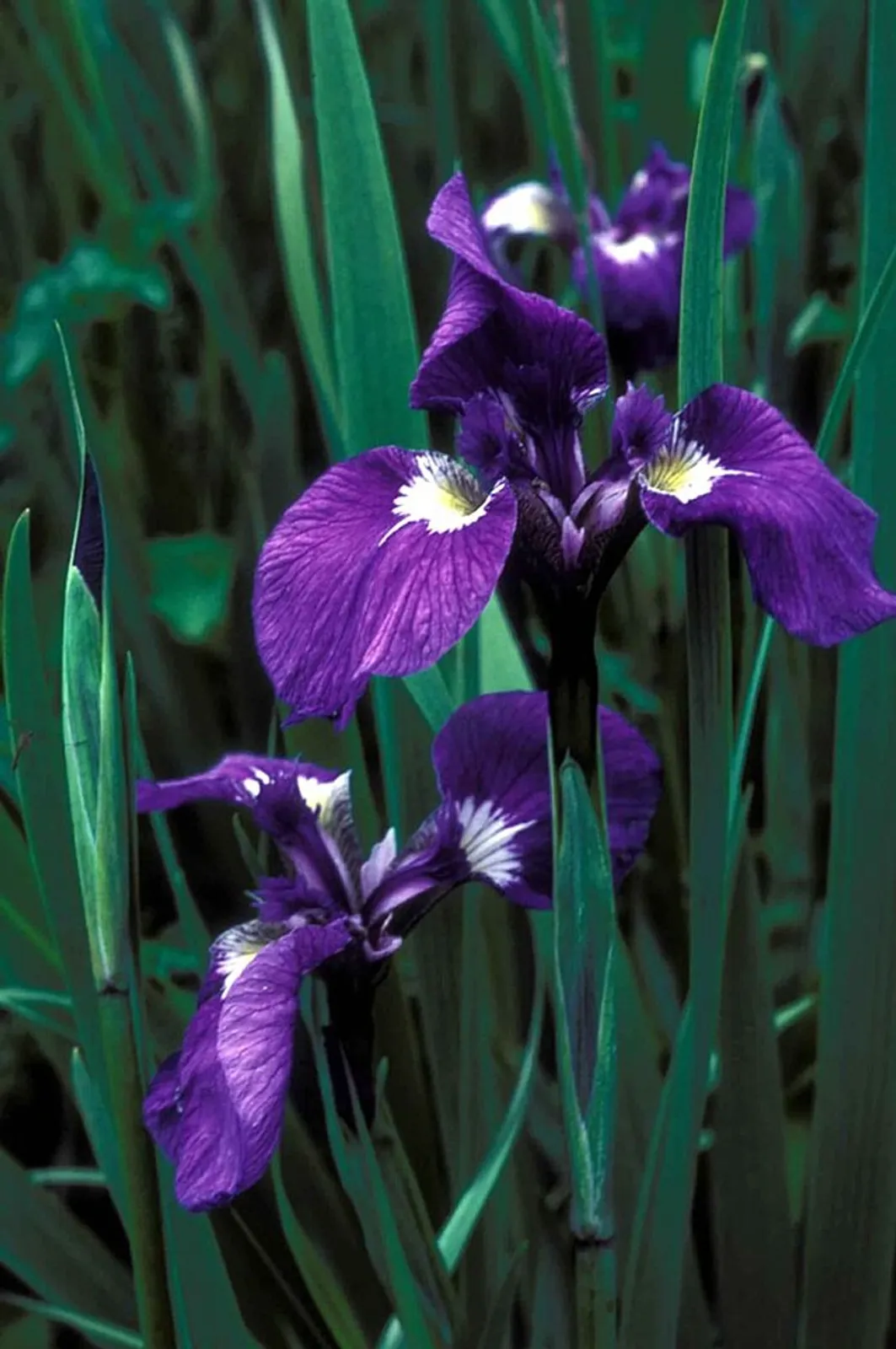
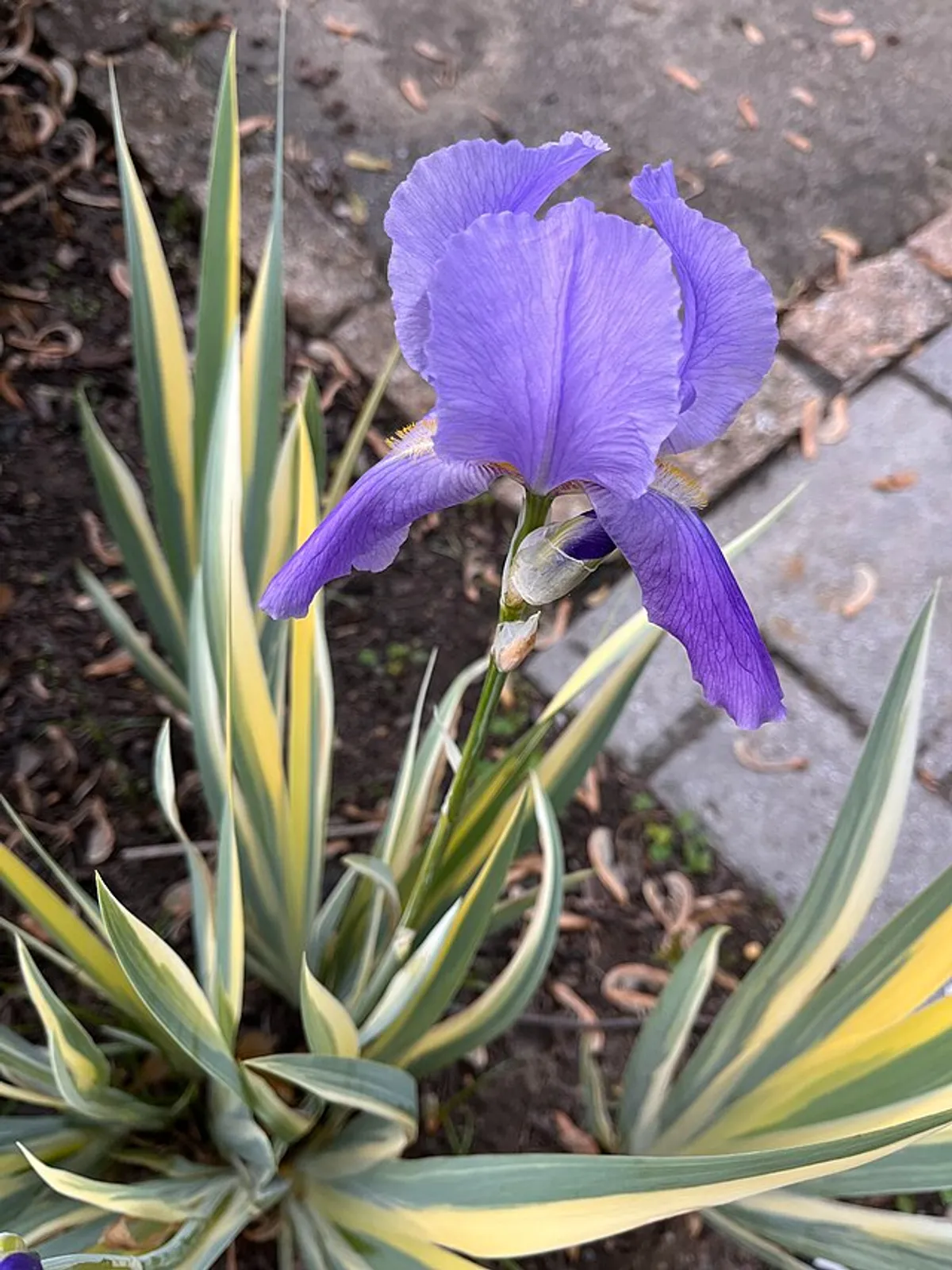
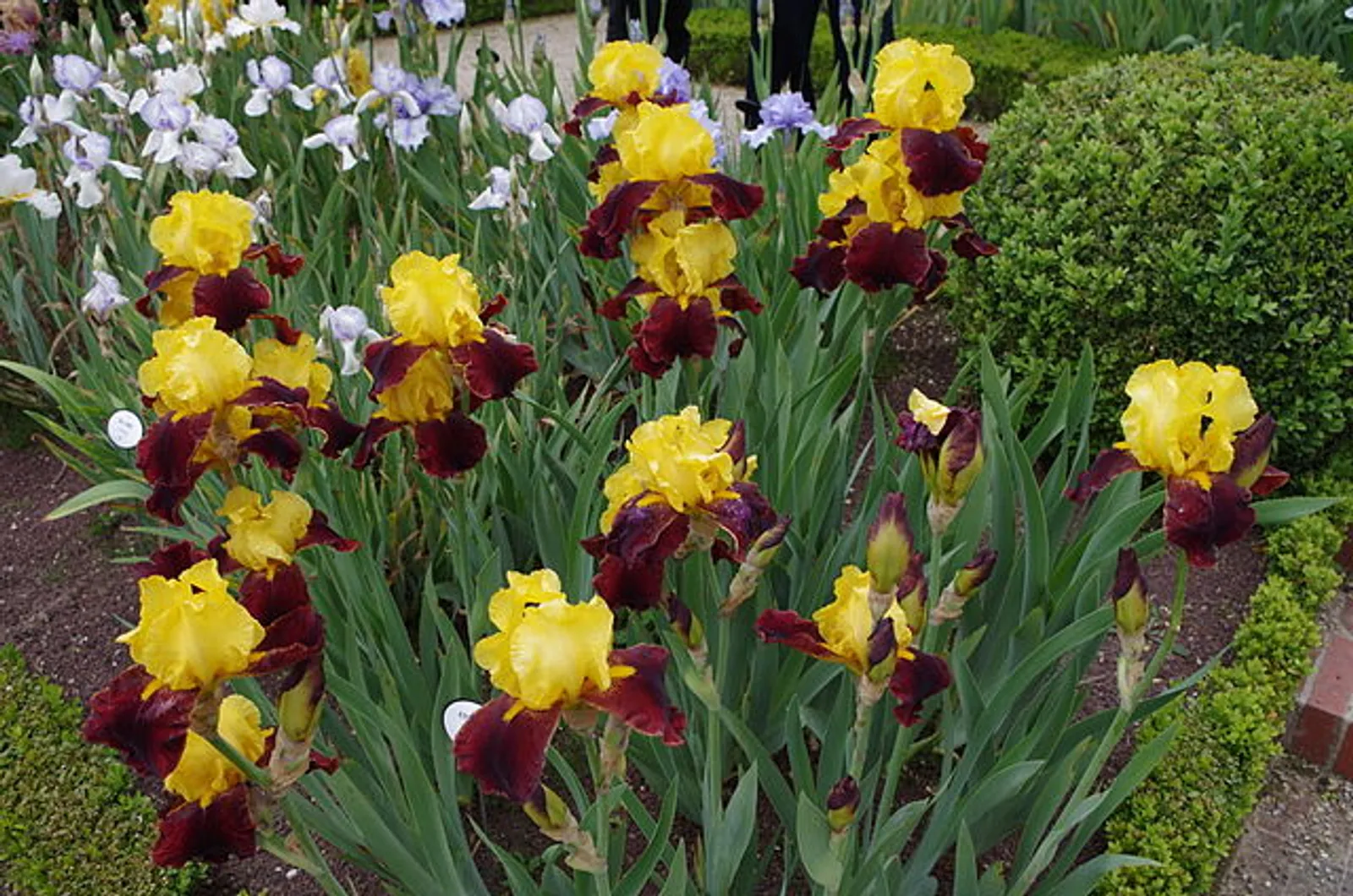
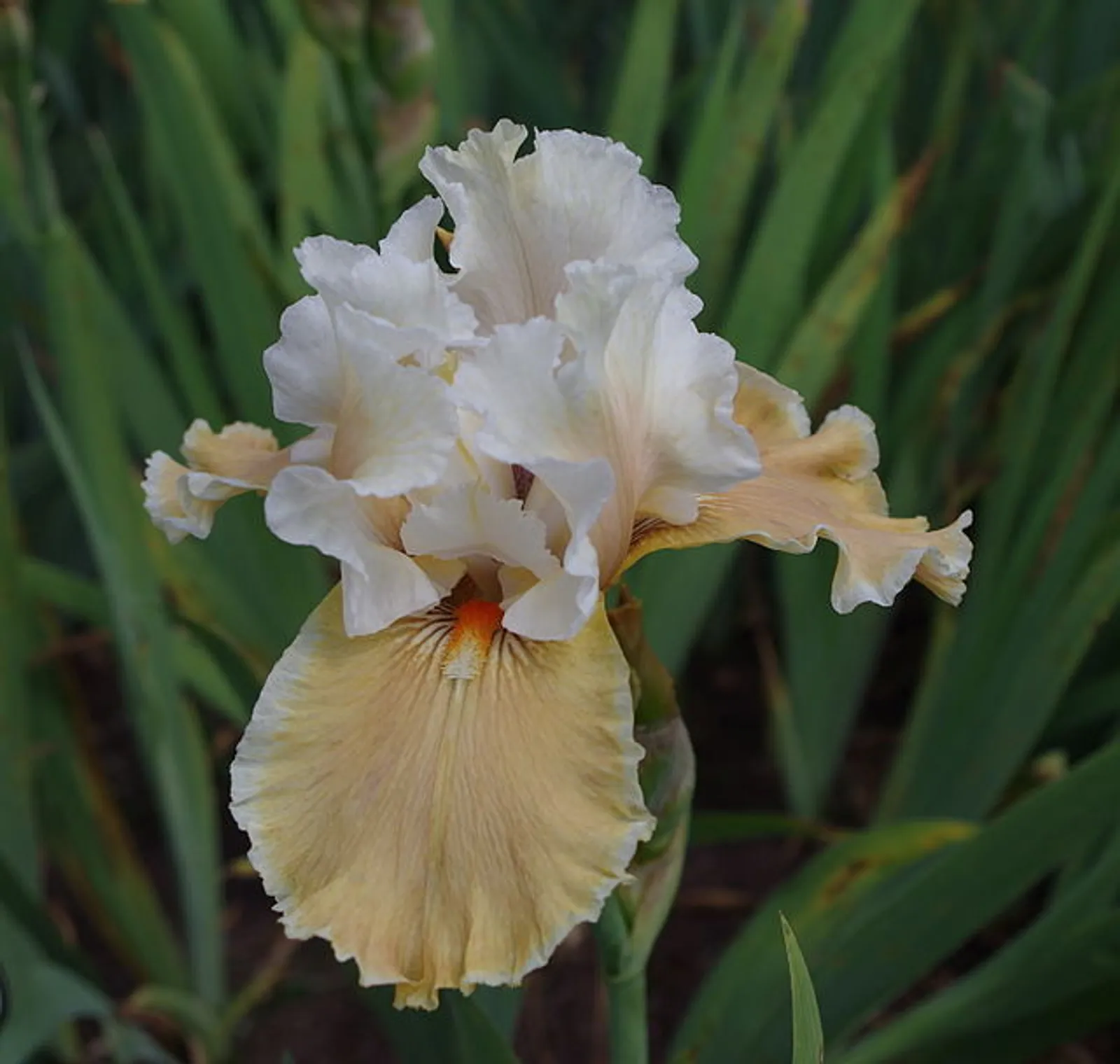
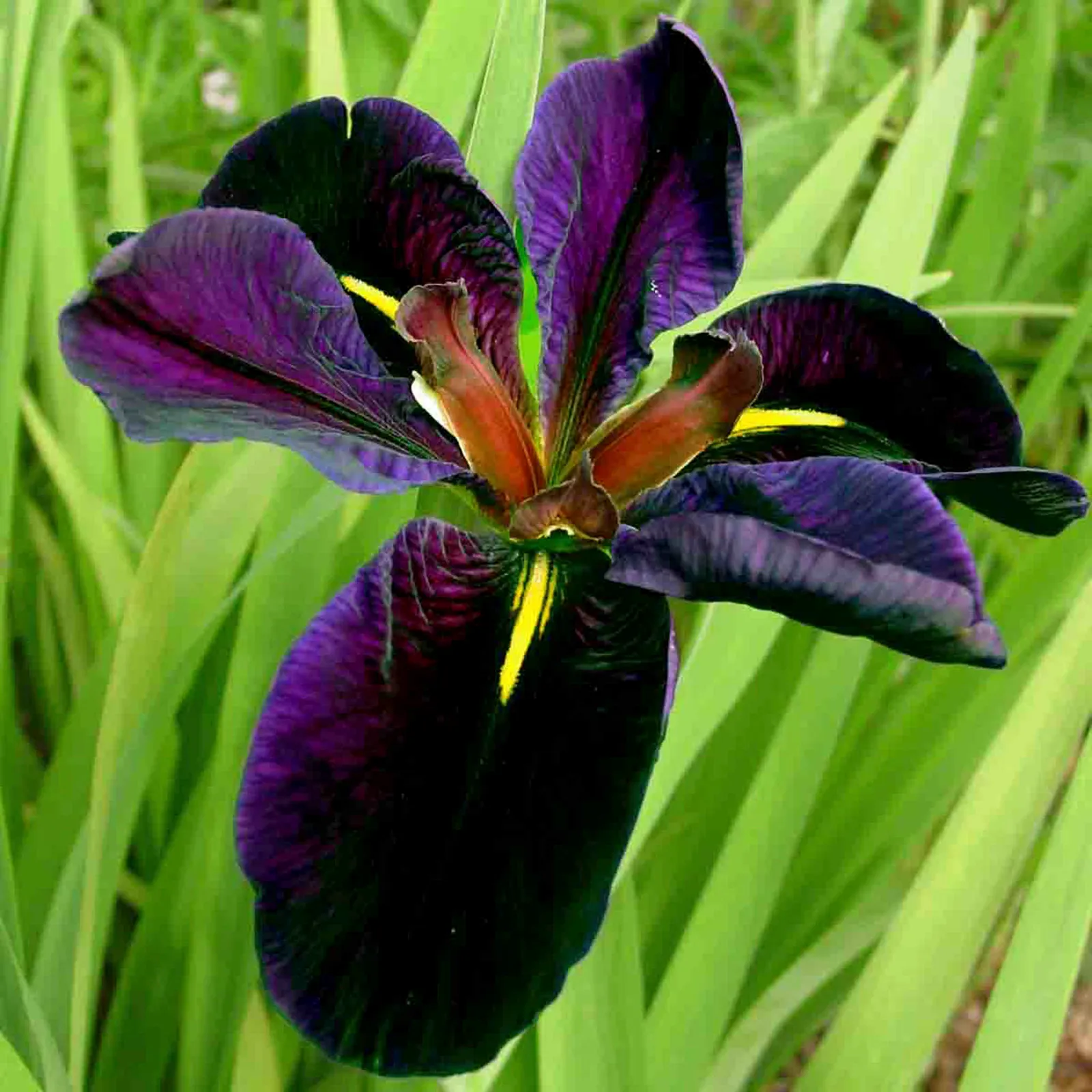
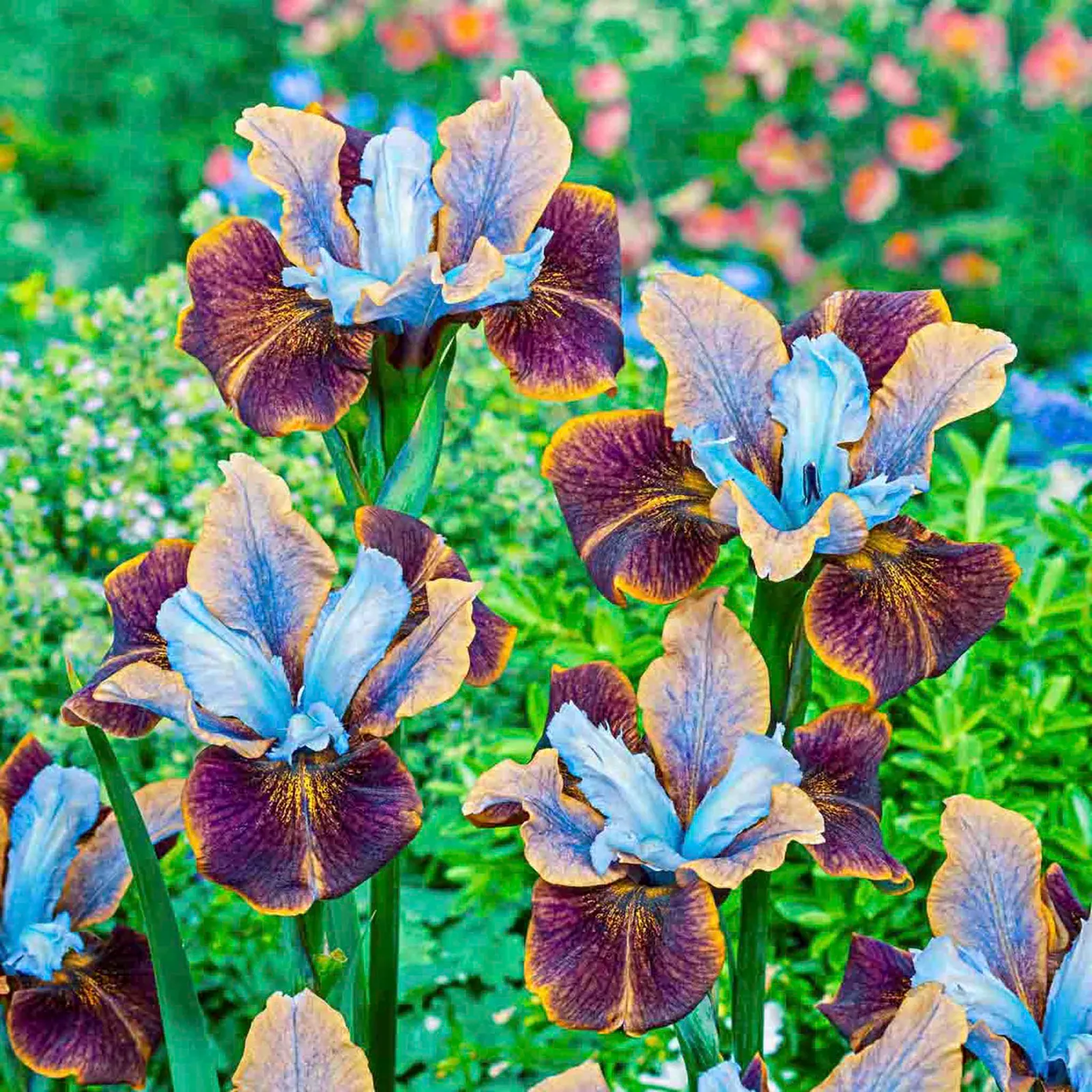
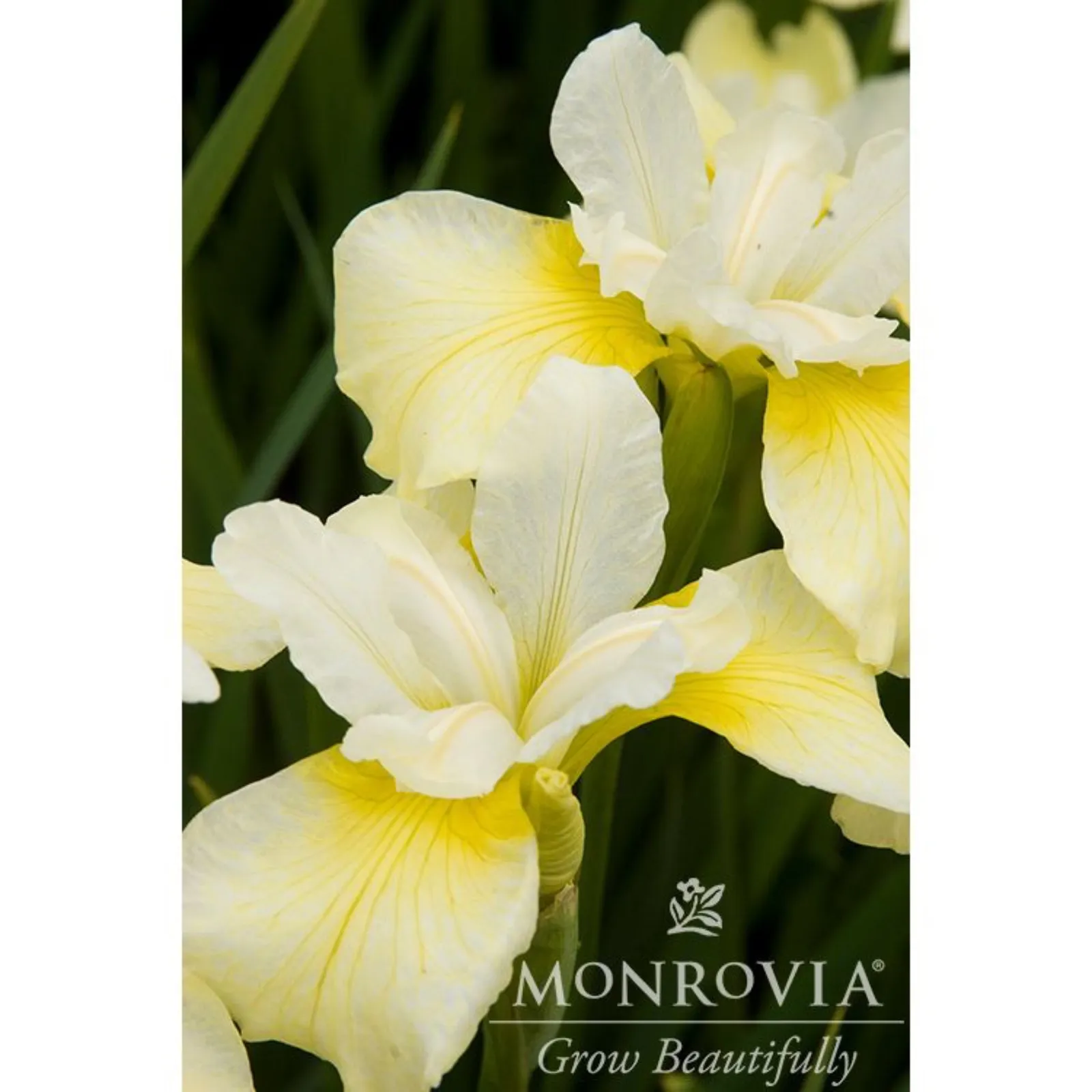
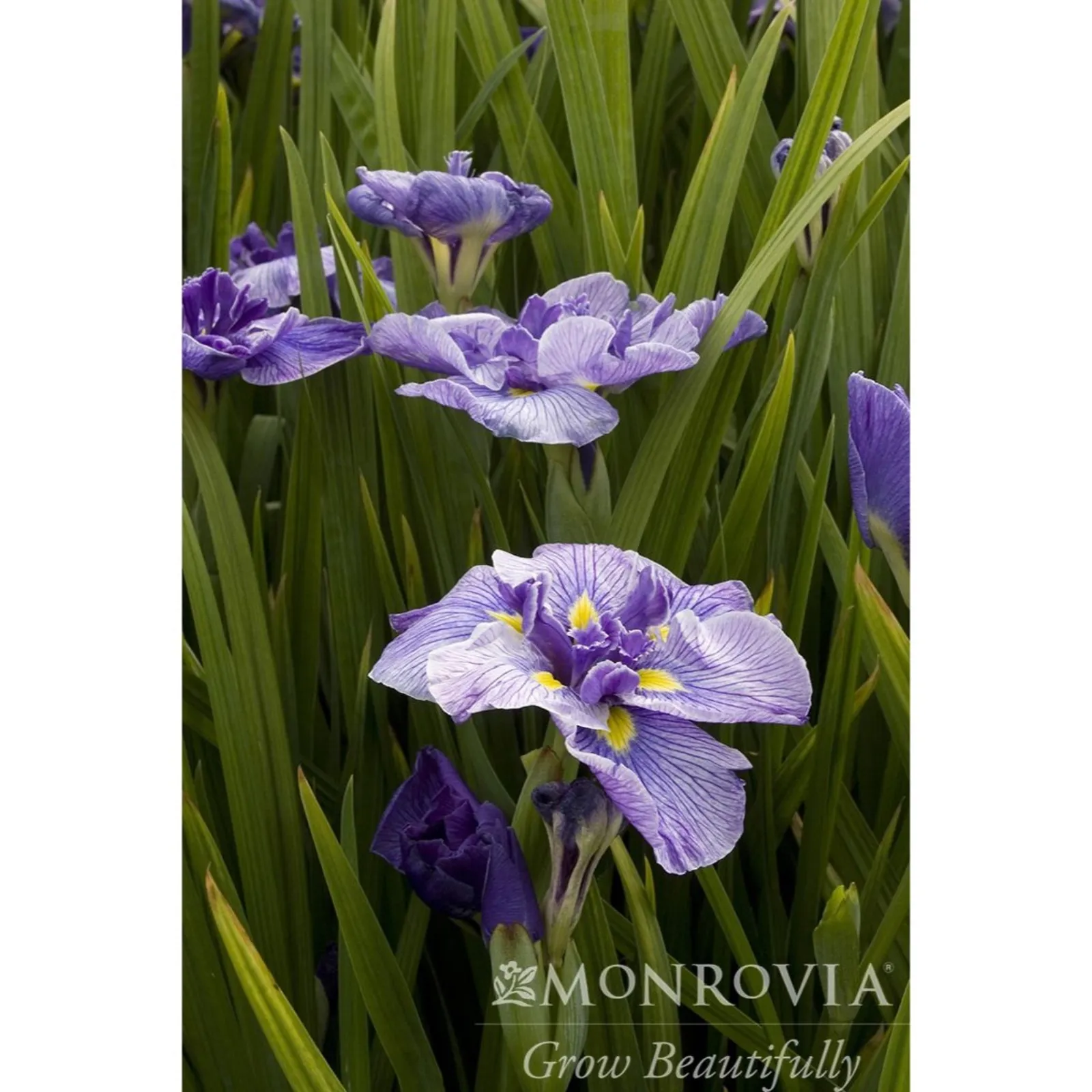
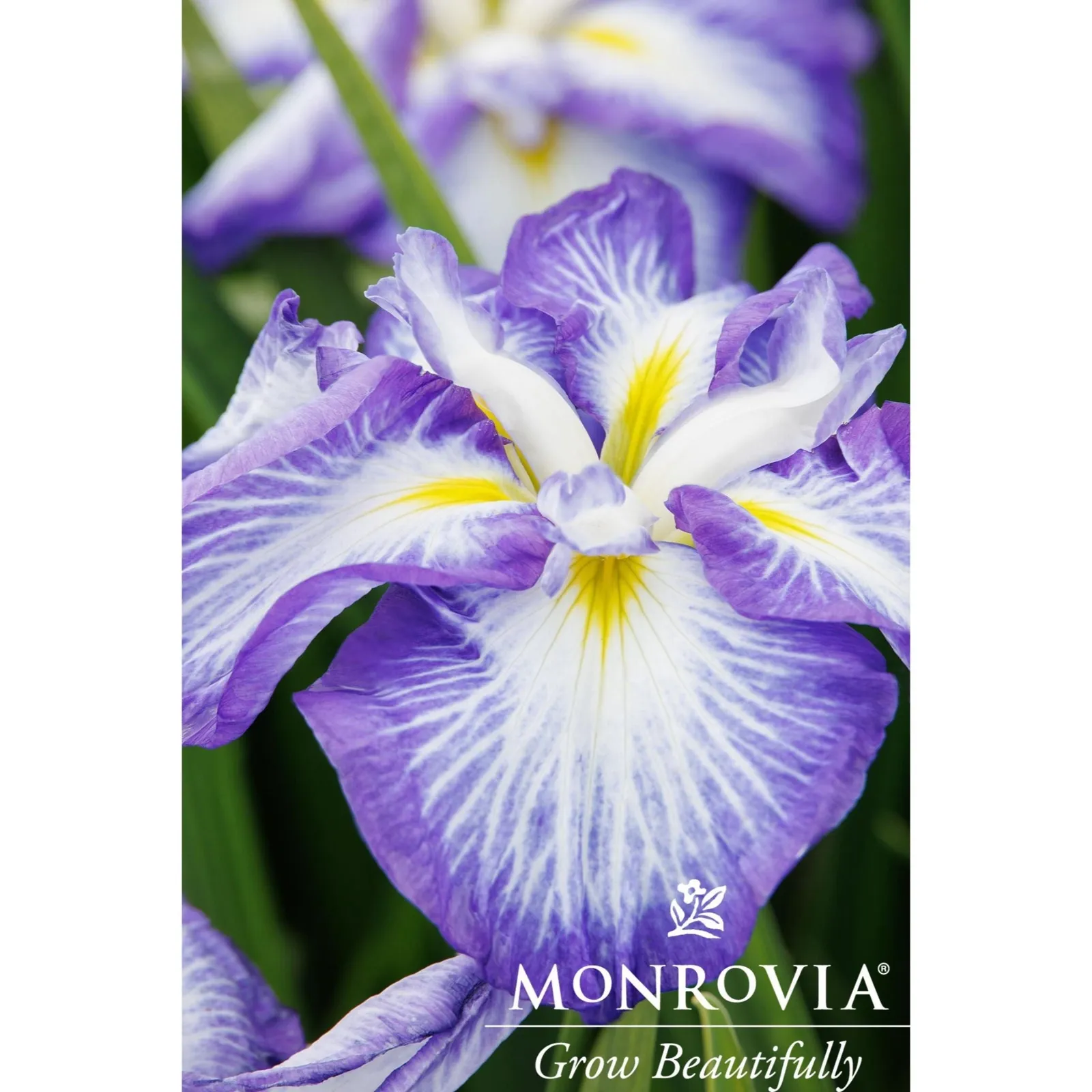
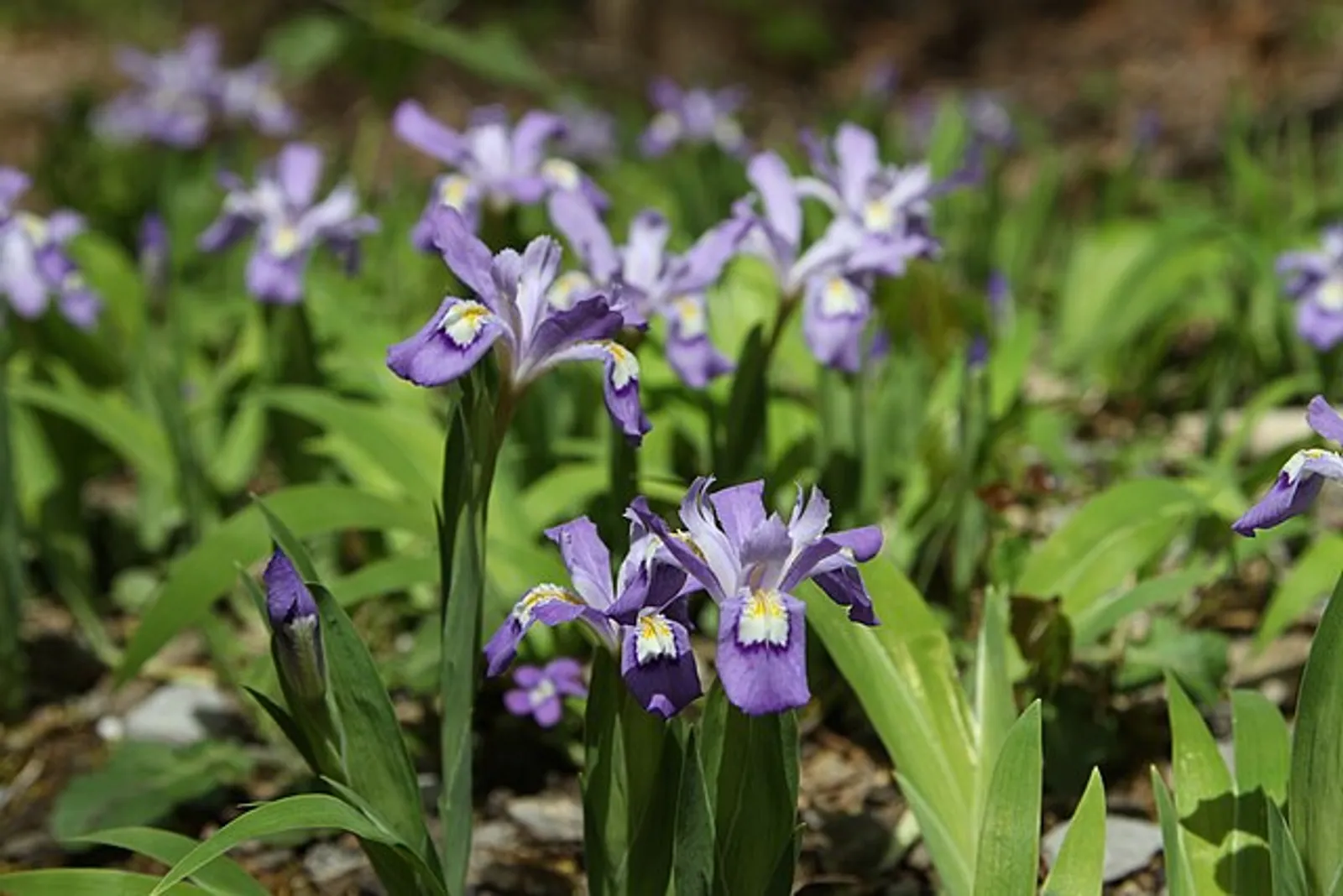
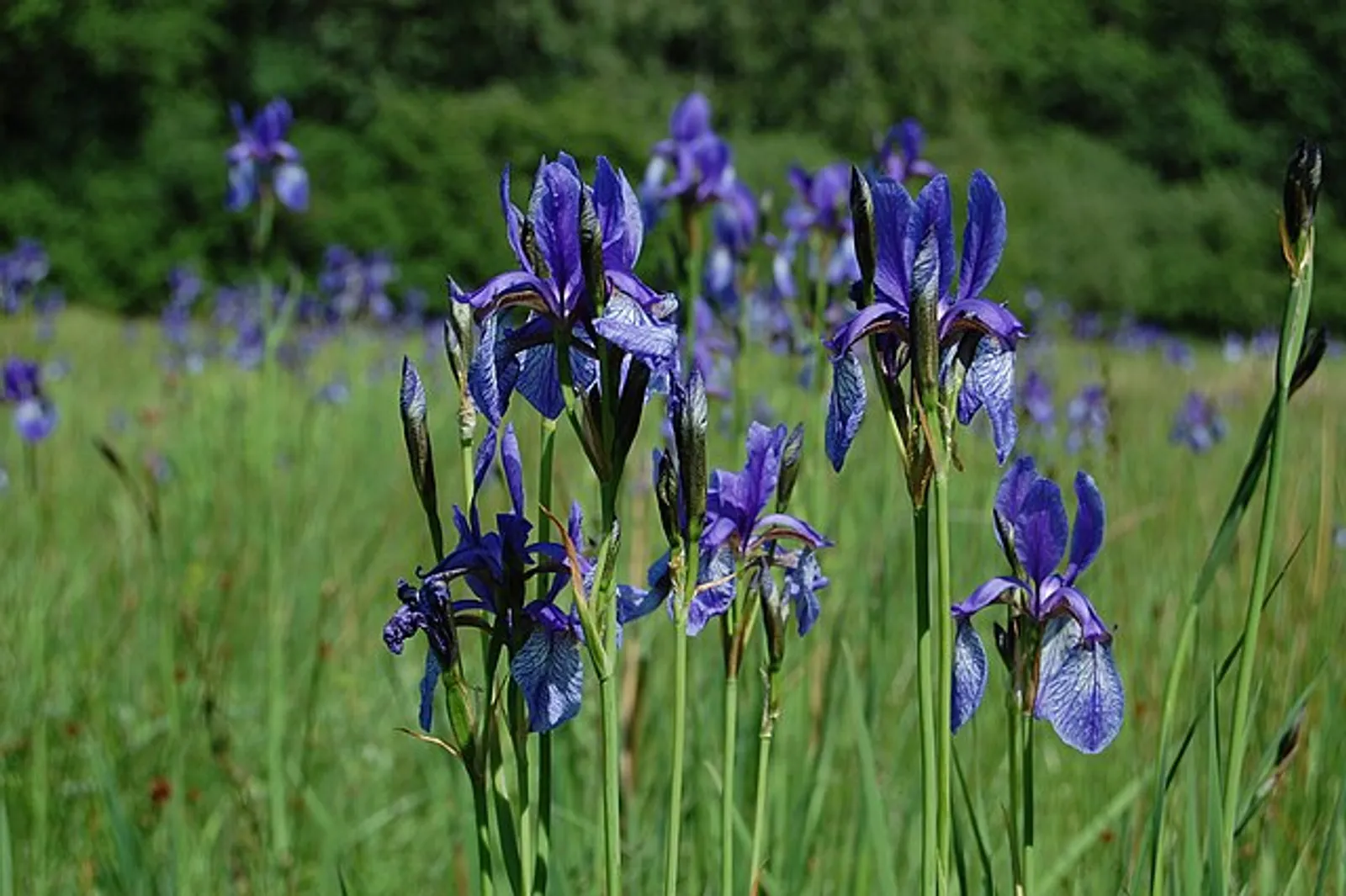
Iris are one of the most popular perennials with about 300 species and thousands of cultivars. Often identified by their potato-like rhizomes, the plants have long, sword-like leaves of different widths, and flowers that bloom on a naked stem. The distinctive flower shape is comprised of 3 outer, downward facing sepals called "falls" and 3 inner, erect petals called "standards." Irises are a stunning cut flower. Plants are suitable for cottage and perennial gardens, mixed beds, and rainwater gardens.
How to Grow Iris
Quick Info


Put away the pen and paper
Plan your veggie garden in minutes with Planter's easy drag and drop planner.
Try Planter for Free
Varieties
Pests
Diseases
Beneficial Critters
Growing from Seed
Some seeds will germinate after 10 years. Propagation from divisions is recommended.
Seeds need 60 days of cold stratification followed by a warming period. The easiest method is direct sow in fall. Collect seed pods after flowering.
Bearded (German) iris rhizomes should be planted long-ways at the soil line. Half will be under soil (roots grow vertically from the rhizhome) and half above (where the leaf nodes send leaves).
Planting Considerations
Most cultivars prefer evenly moist, rich soils but most thrive in any type of soil. Rhizomes will struggle in heavy clay.
Feeding
Feeding is not needed: fertilization will result in vigorous foliage and few blooms.
Harvesting
Pick stems when buds have broken the papery covering.
Storage
Rhizomes can be stored in peat.
Pruning
Plants are easily divided every few years by cutting apart the rhizomes, although clumping varieties may need to be divided with a spade.