Birds
Identification
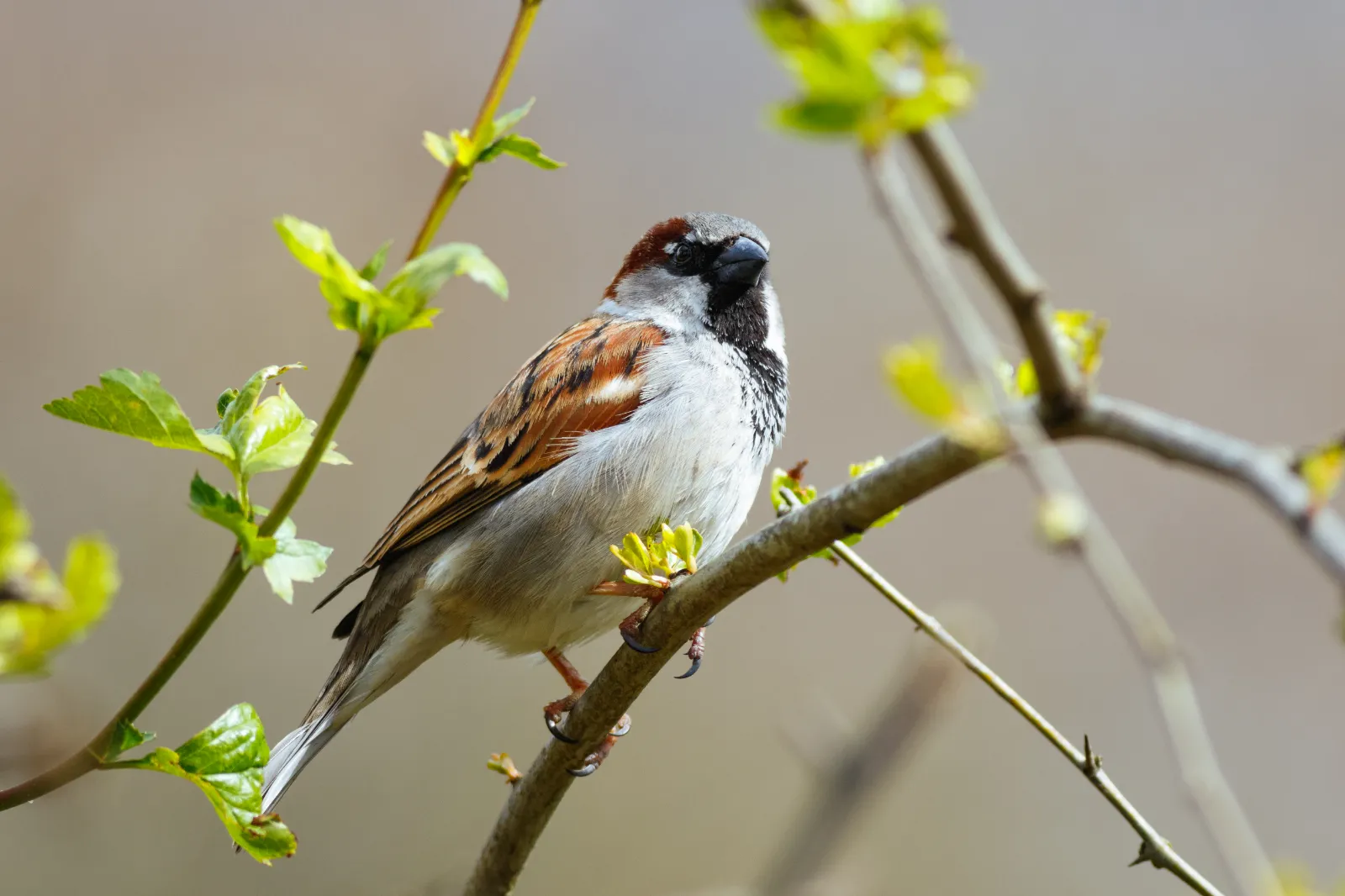
Birds are beneficial in the garden- they are voracious predators of many insect pests, and the site and sound of birds in the garden is a source of great joy for many gardeners. Some birds, especially hummingbirds, are also important pollinators. Unfortunately birds can also be a garden pest. In many cases the damage from birds in the home garden is minimal- they often go for the top-most fruits and berries that are tricky for us to reach anyways! But sometimes they can be a bit too destructive and action needs to be taken to protect your harvest. Since birds can fly it is tricky to completely exclude them from your garden, but there are steps you can take to help minimize the damage and co-exist with our feathered friends!
Damage
Birds can pluck off juicy berries and poke holes in ripening fruit. They can also snip at young seedlings with their beaks, defoliating them or even killing them. Bird droppings can be a nuisance and in some cases a food safety concern. A recent University of California study suggests that smaller bird droppings pose minimal food safety risks (provided the produce is properly washed and stored) however larger droppings can be a concern.
Prevention
Keep a watchful eye on fruit trees, berry bushes, and young seedlings for bird damage. The mere presence of birds is not a problem, it only becomes a problem if they're eating too much of your harvest or harming young seedlings. Row cover or insect netting may be enough of a deterrent to keep birds away especially from young seedlings. While birds can theoretically peck through these barriers they may not bother if they can find easier access to food elsewhere. Be sure to not leave covers or netting on flowering plants that require pollination. Do not use heavy-duty row covers when the weather gets hot to prevent overheating. Information is mixed on whether providing alternate food and water sources can help keep birds away from your garden. Many sources say this may increase bird populations around your garden. If you choose to try this, keep the food and/or water source far away from your garden area and be sure there is consistent supply so that birds don't come looking through your garden. Ideally, plant plants that birds enjoy and you don't mind them eating. Water supply is also important as often birds that munch on fresh produce are looking for moisture. Employ other deterrent techniques to make the garden space relatively less enticing. Harvest produce that is ready as soon as possible to avoid leaving it open to attack from birds and other pests. If you have a dog that you can safely let in the garden (meaning you can keep both them safe and your plants safe!) their regular presence may convince birds to stay away.
Physical control
Bird netting can be used to minimize bird damage with some effectiveness. For veggie gardens bird netting can be secured over garden beds either on hoops or frames made out of wood or metal. Choose a sturdy, UV-resistant bird netting with holes less than 1/4" (6 mm) wide. Be sure to pull the netting taught to avoid accidentally trapping and strangling birds. On trees and shrubs, bird netting can also be applied although it can be costly and labor intensive, as well as making harvesting difficult. Again be sure the netting is pulled taught to avoid casualties. Killing garden birds is illegal in many places and trapping is not a viable solution. Neither are recommended.
Chemical control
Some studies show that the active ingredient in "Bird-Stop" spray (methyl anthranilate, a derivative of concord grapes) can be effective at deterring birds, while other studies do not support this claim. This is also an active ingredient in grape Kool-Aid so if you only have a couple small shrubs or trees to protect it may be worth a try. Mix four packets of grape Kool-Aid in a gallon (3.8L) of water, then spray the plant and the ripening fruit. There is also some evidence to suggest spraying plants and fruits with a mixture of 5 pounds of table sugar dissolved in 2 quarts (1.9L) of hot water can help to repel birds. Repellant products usually need to be re-applied regularly especially after rainfall.
Plants Affected
...and 6 more plants
Put away the pen and paper
Plan your veggie garden in minutes with Planter's easy drag and drop planner.
Try Planter for Free