Currants
Ribes
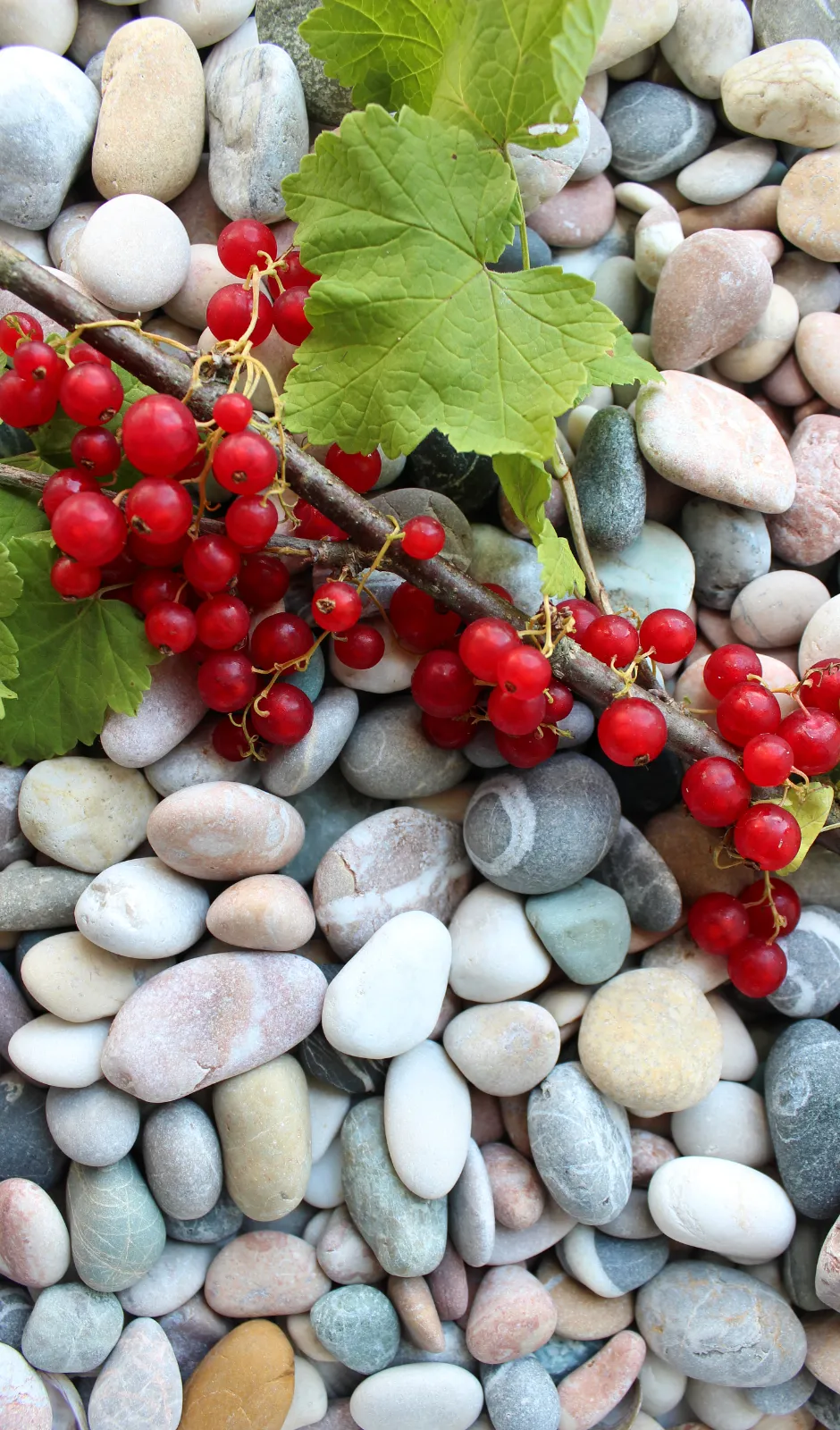
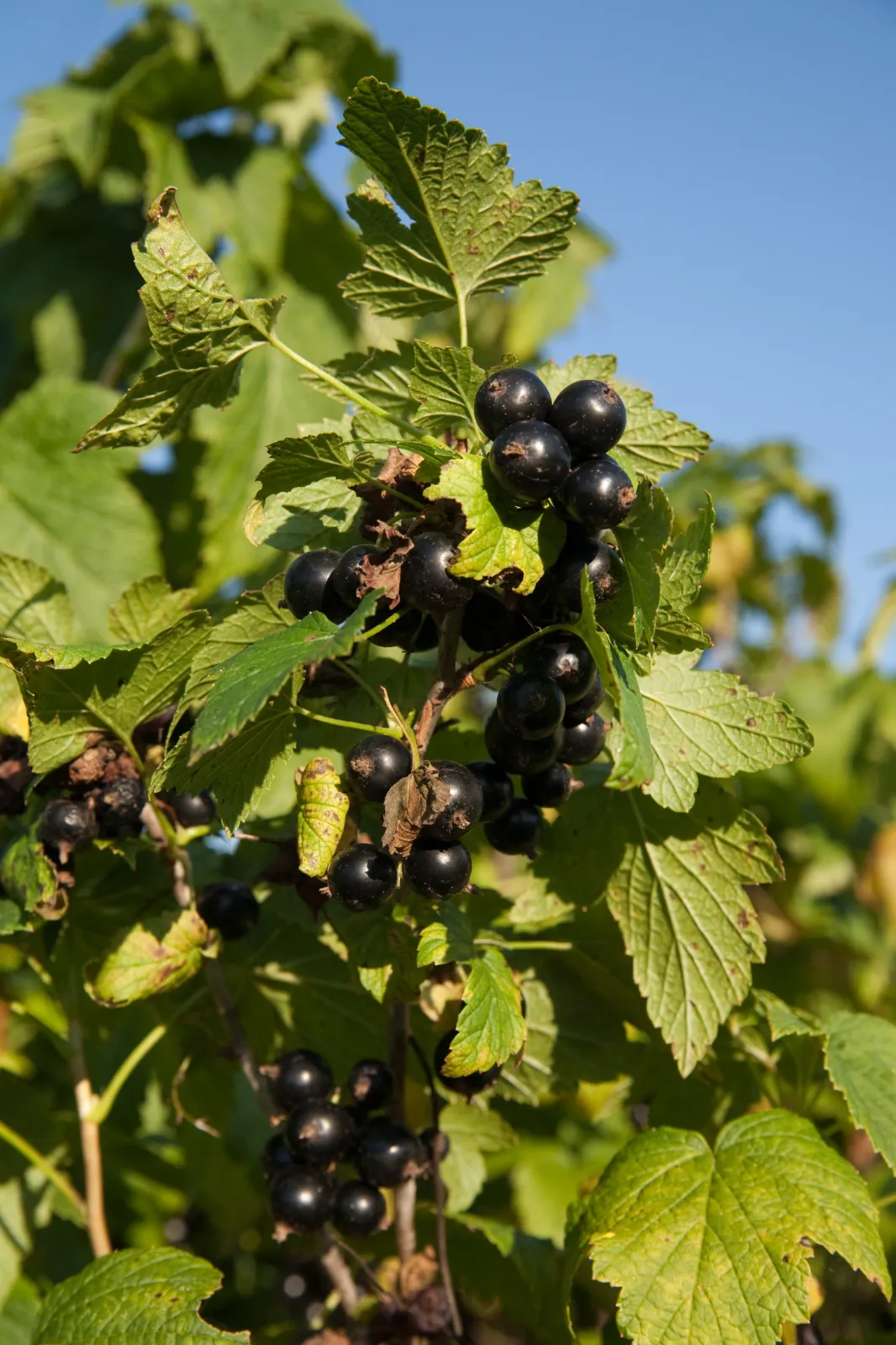
Currants are bright, round little fruits that come in black, red, or white colors. Robust and undemanding, currant bushes are a staple for gardeners seeking low-maintenance yet productive additions. Currants were once prohibited in the US due to their association with the white pine rust disease. However, advancements in horticulture practices have mitigated this concern, allowing currant bushes to reclaim their place in American gardens. Now recognized for their versatility and resilience, currants stand as a captivating addition, transforming your garden into a vibrant and tasteful sanctuary.
How to Grow Currants
Quick Info
Put away the pen and paper
Plan your veggie garden in minutes with Planter's easy drag and drop planner.
Try Planter for Free
Pests
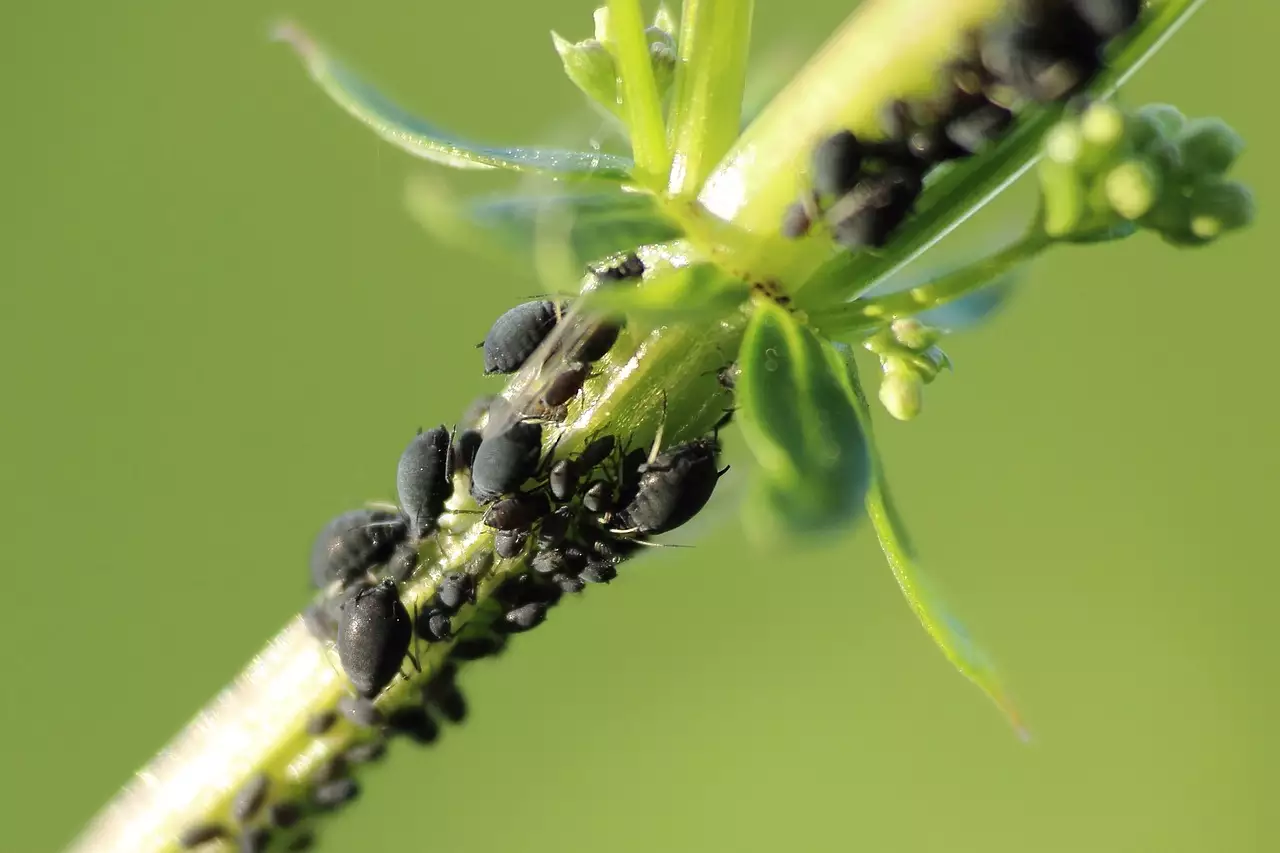
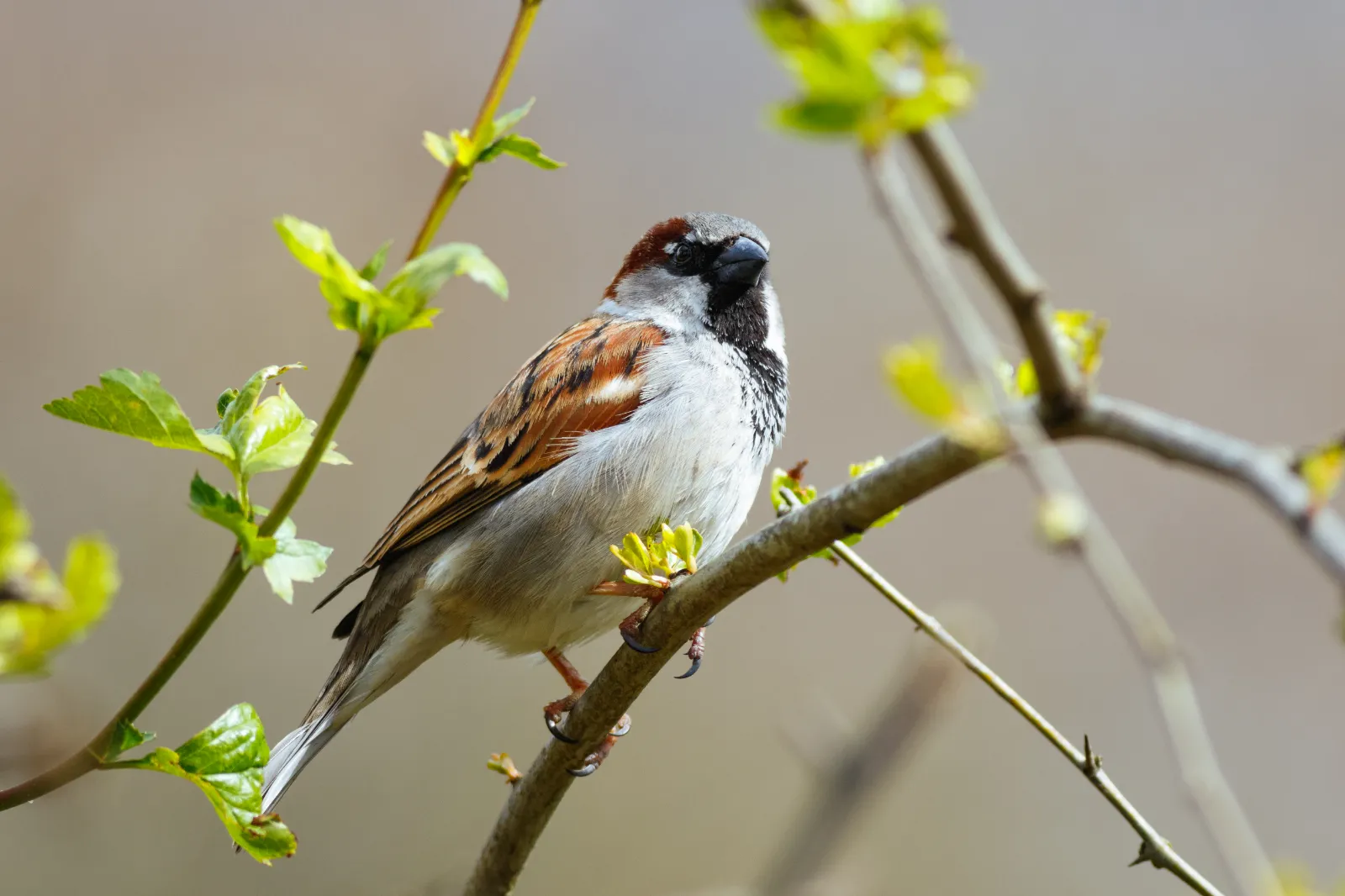
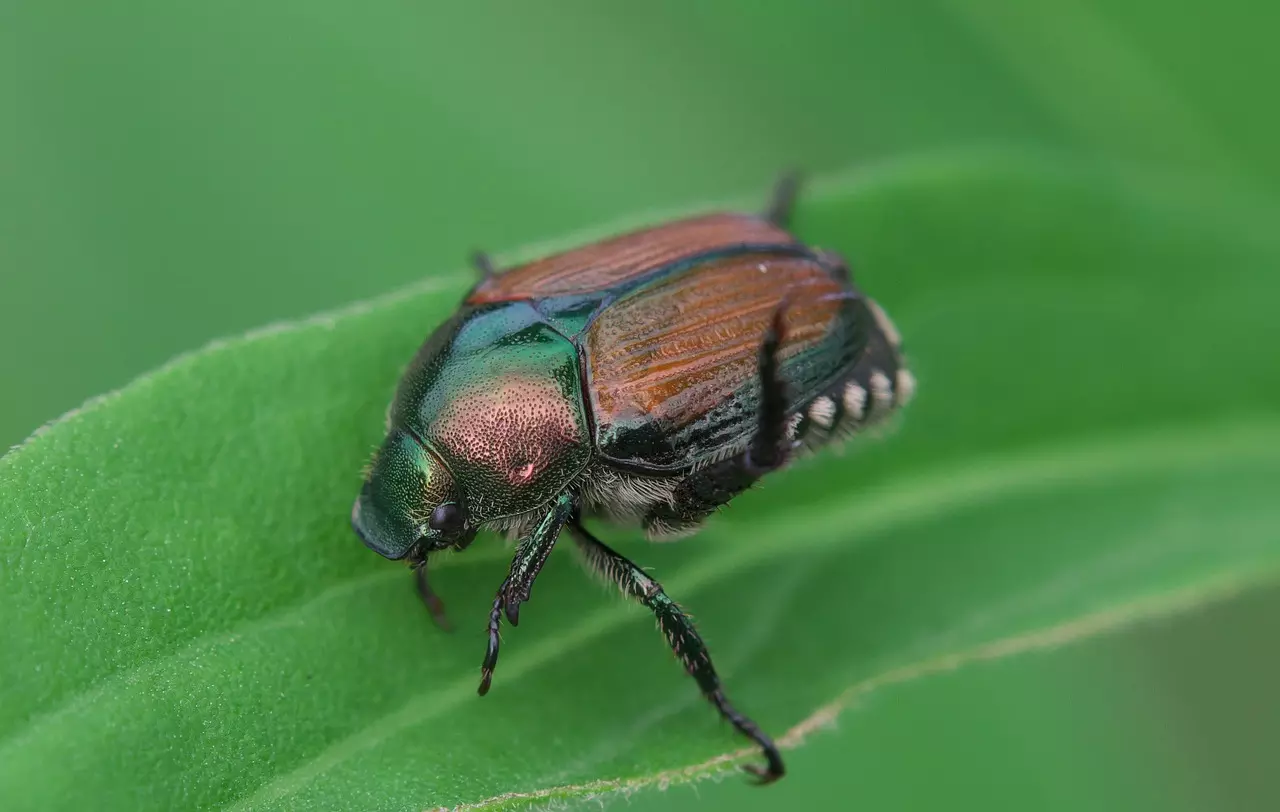
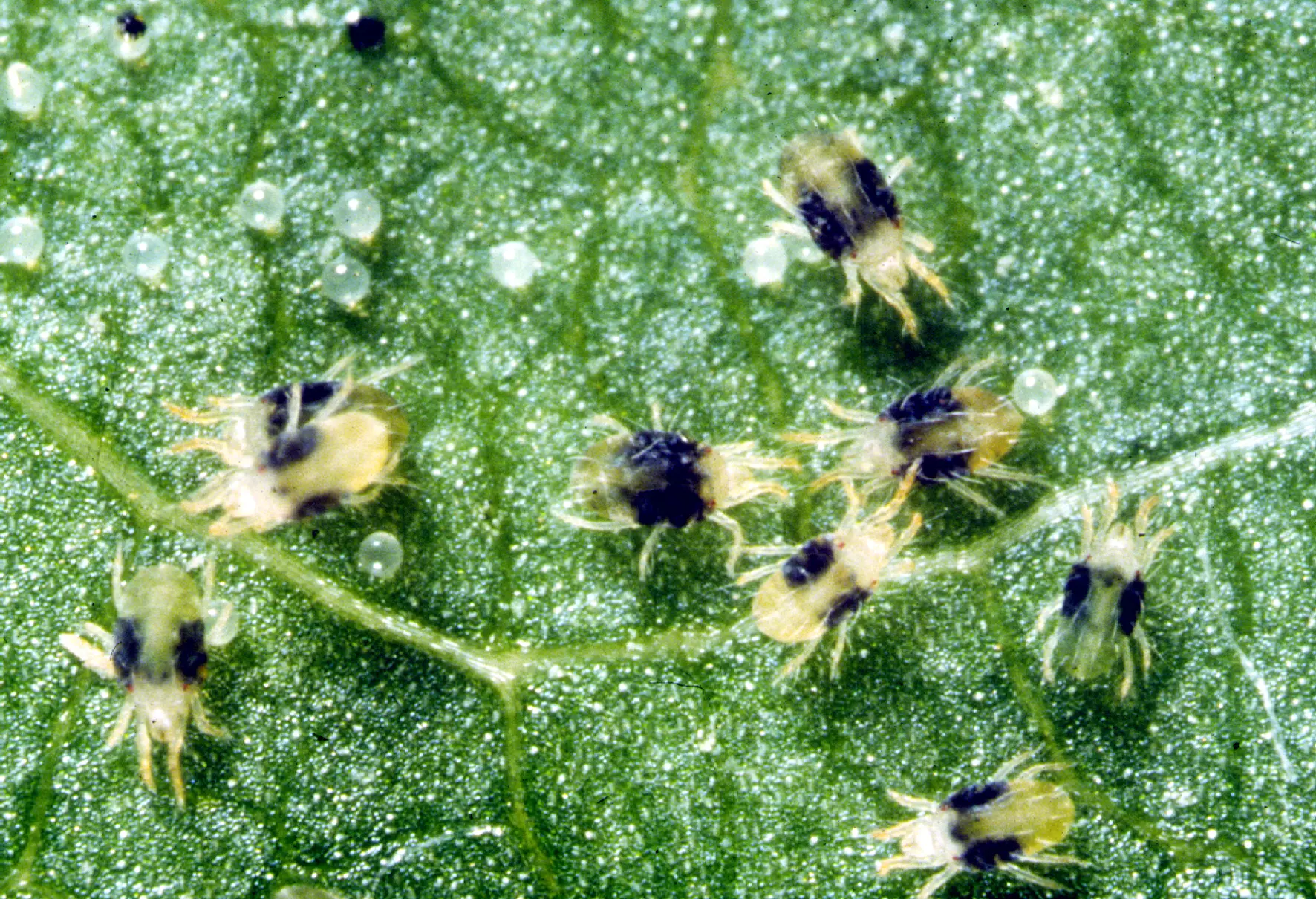
Diseases
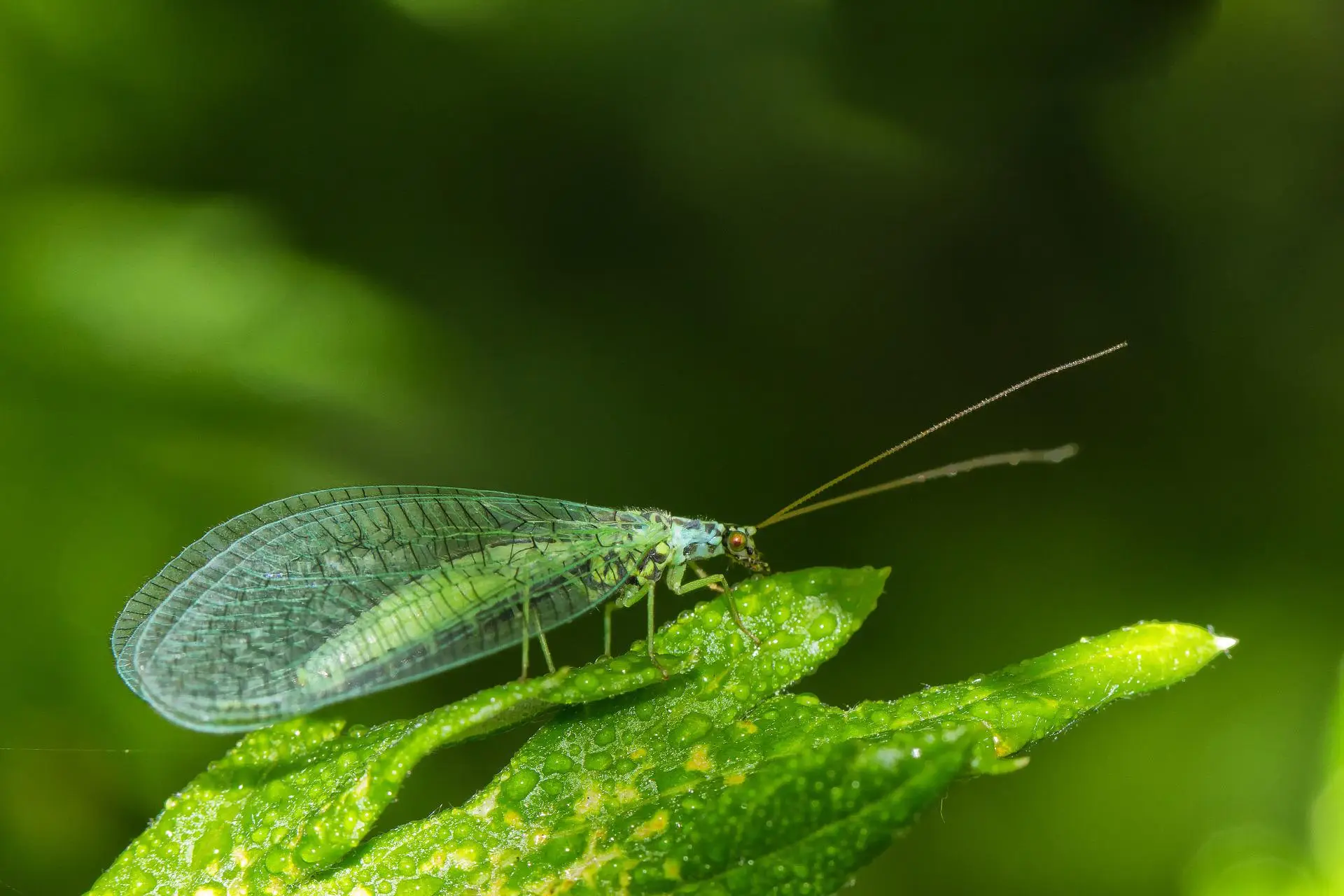
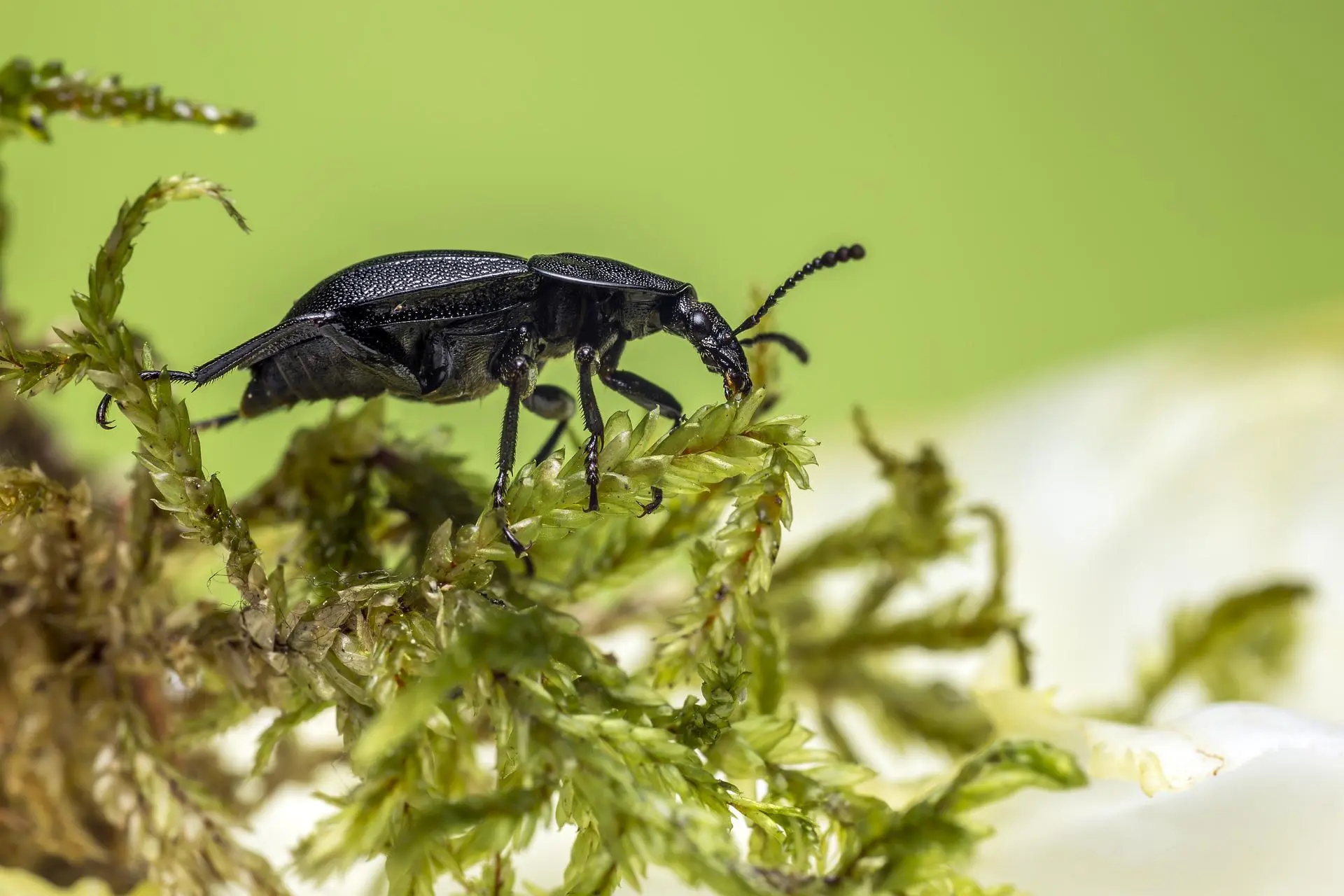
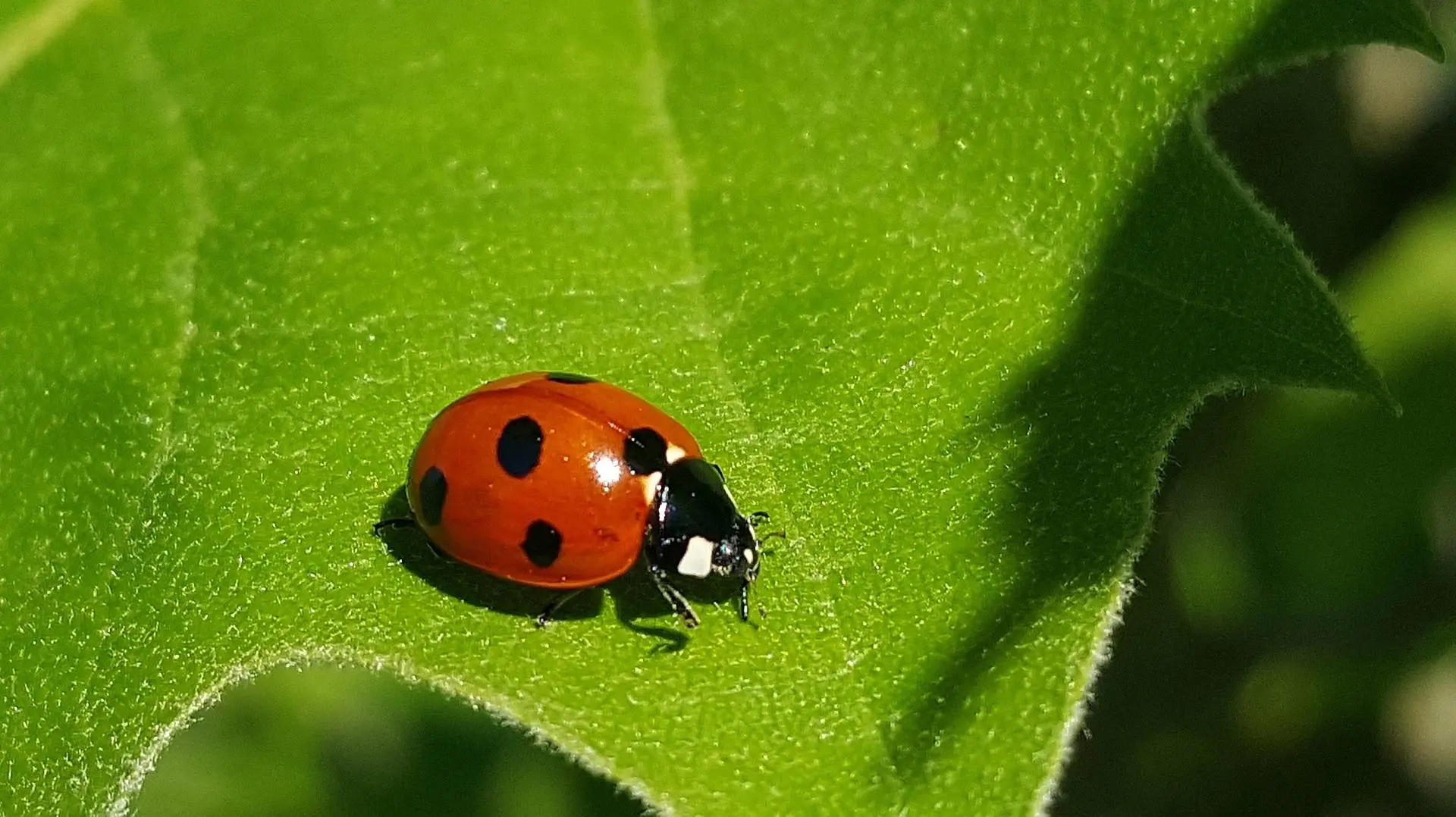
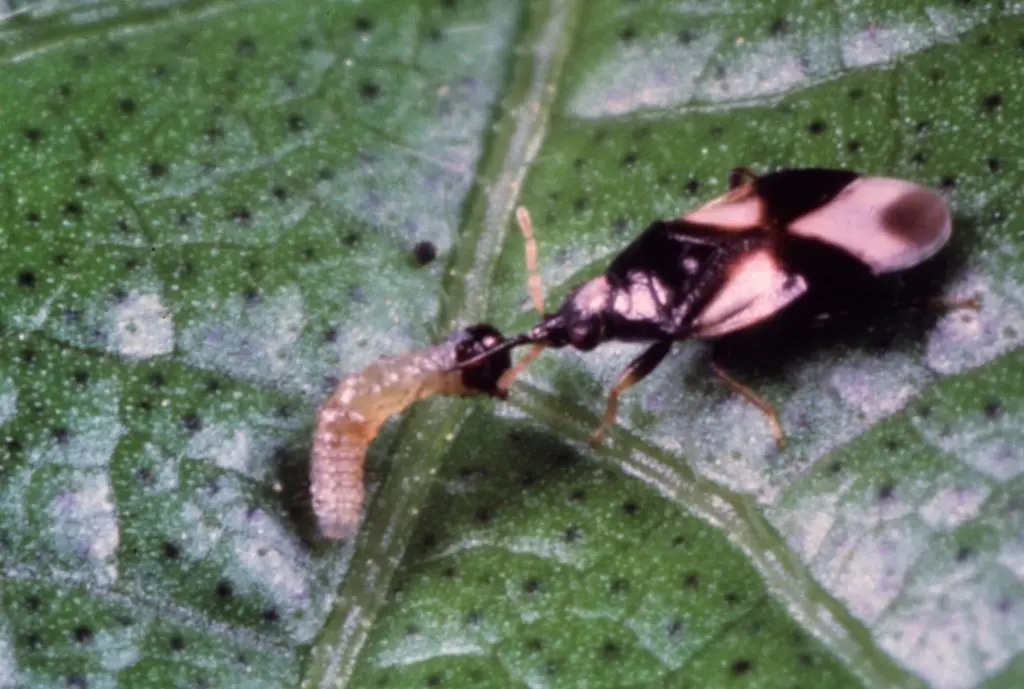
Beneficial Critters
Growing from Seed
Currants are not typically grown from seed.
Planting Considerations
Some states do not allow the growing of currants because of the white pine rust disease. Check state regulations for restrictions before planting. Currants are self-pollinating, so you don't have to plant more than one for fruits!
Feeding
Feed currants once a year in the spring with a potassium-rich fertilizer.
Harvesting
Currants typically ripen in June or July, and once they're fully colored they're ready to harvest! You can pick them off in their clusters, and strip them from the stems. If you want to preserve them in jam, make sure to pick it before it is ripe.
Storage
Place your fruit in a sealed container or bag and store it in your refrigerator. Currants will remain good for a few days once inside a refrigerator, but if you want them to last longer, you'll have to freeze them.
Pruning
Pruning is very useful for maintaining healthy currants. After each year, prune all but the best handful of canes.