Elderberries
Sambucus
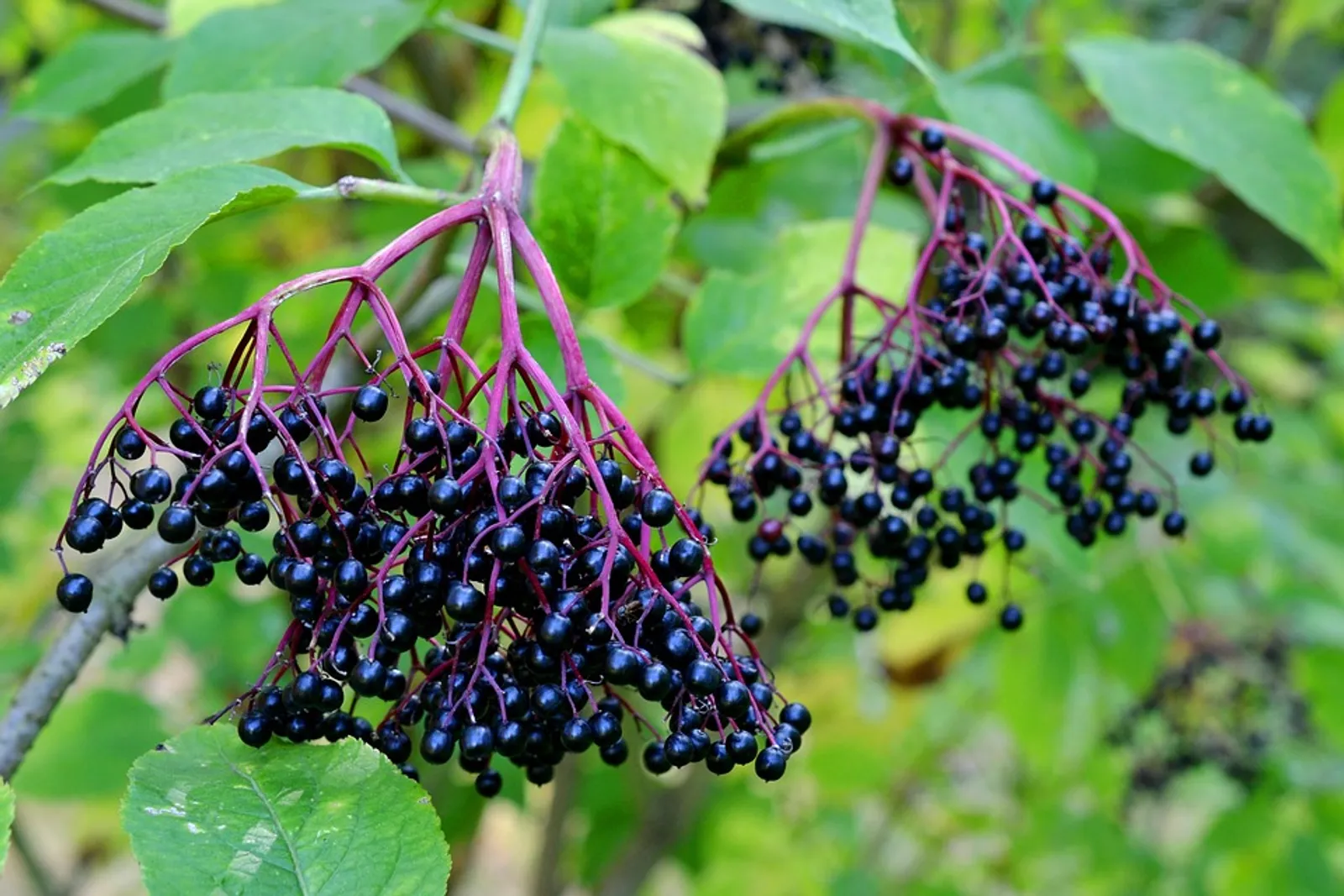
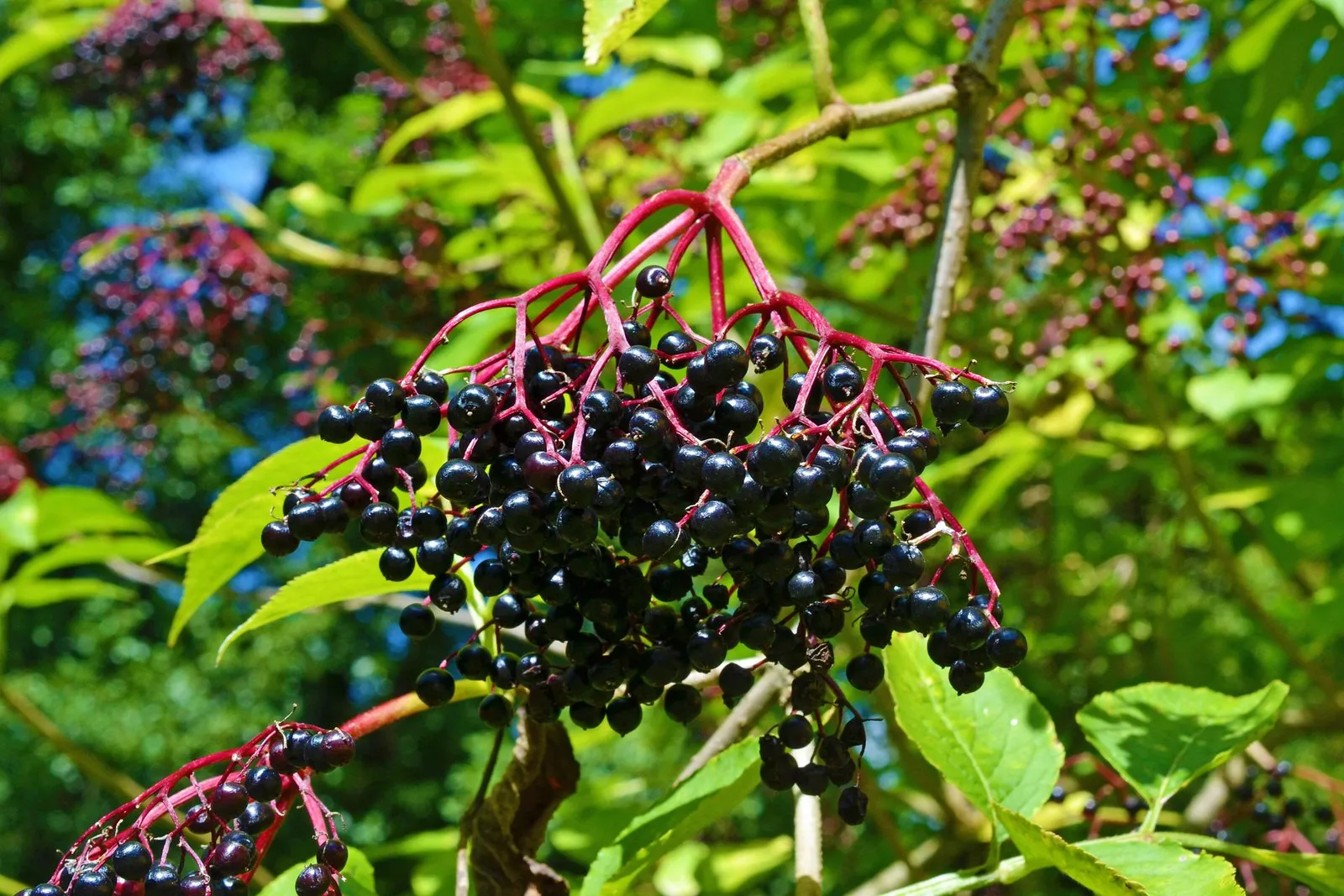
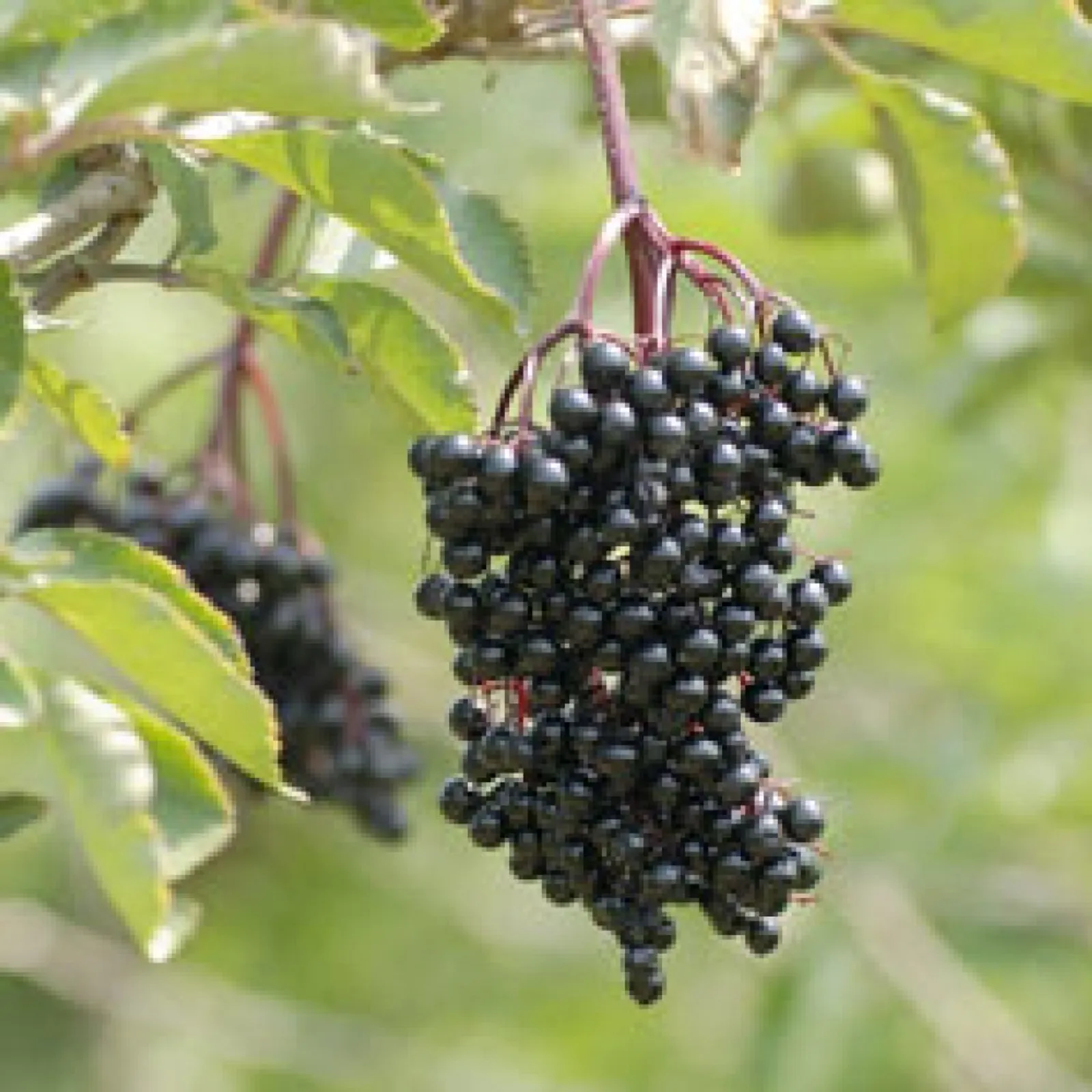
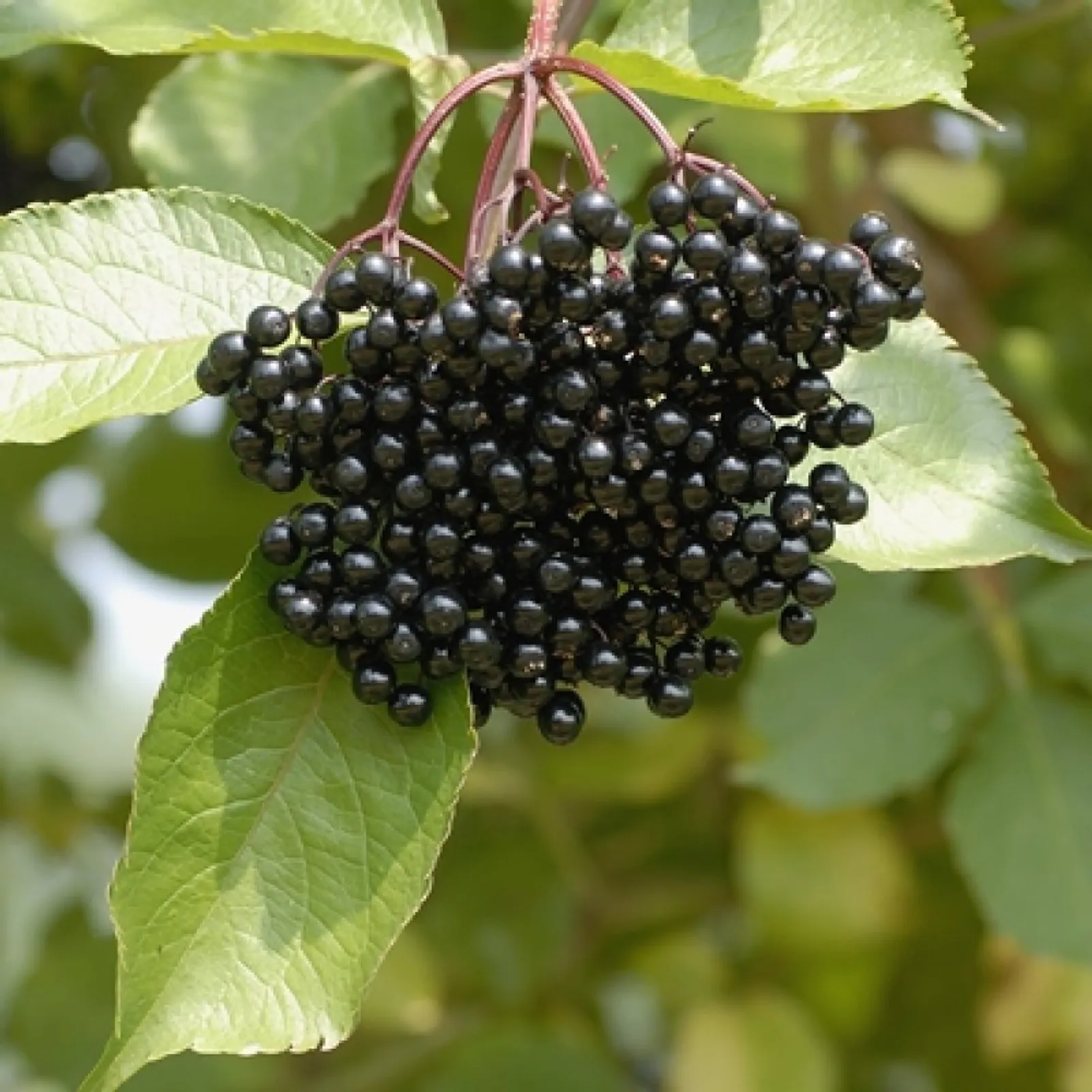
Even just a couple of these hardy bushes will produce lots of delicious berries, which make excellent pies and jams. The berries are also said to have antiviral properties. If properly taken care of, elderberry plants will produce for decades!
How to Grow Elderberries
Quick Info

Put away the pen and paper
Plan your veggie garden in minutes with Planter's easy drag and drop planner.
Try Planter for Free
Varieties
Related Articles
Combative Plants

Nutrition
Vitamins




Nutrients




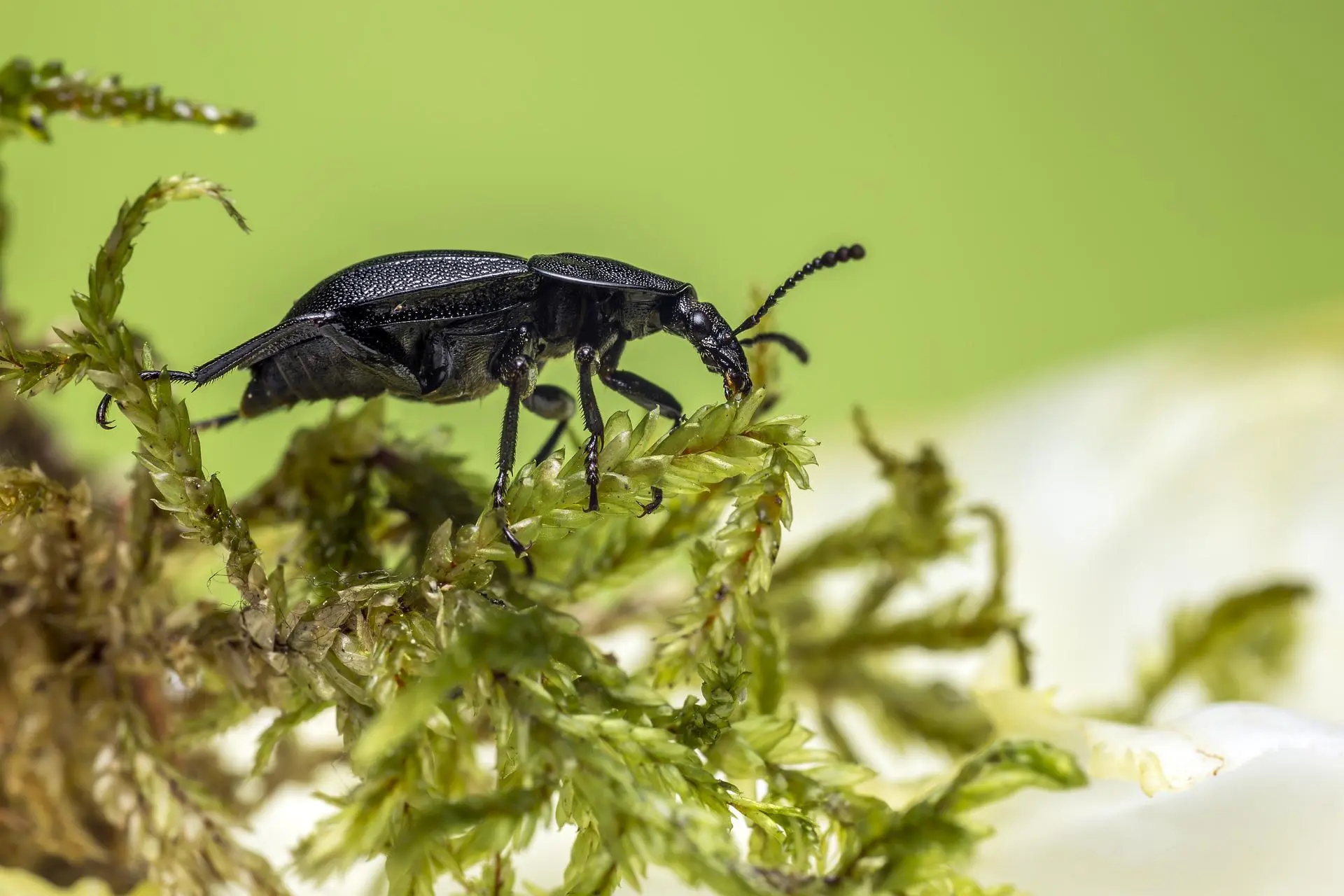
Pests
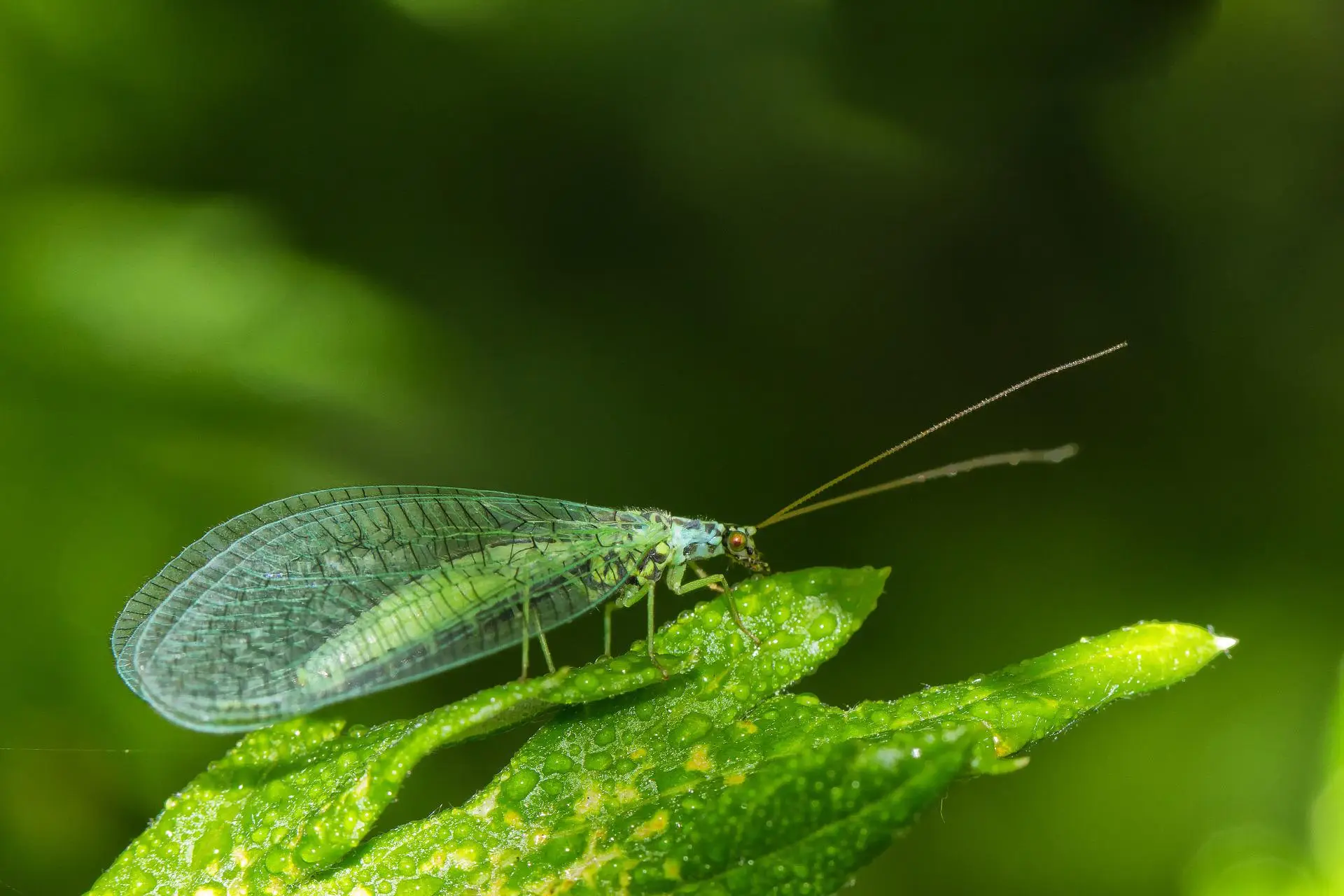
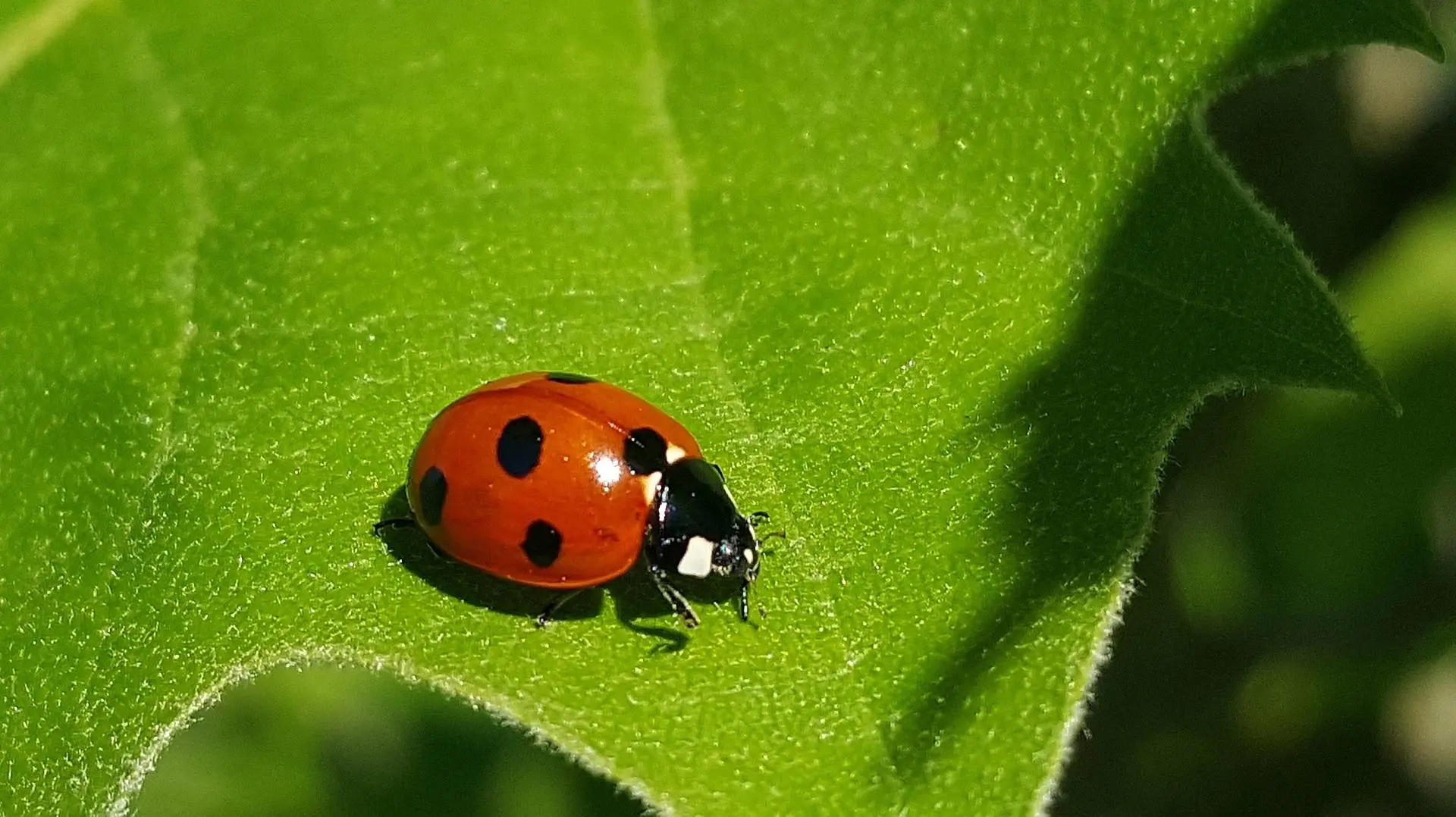
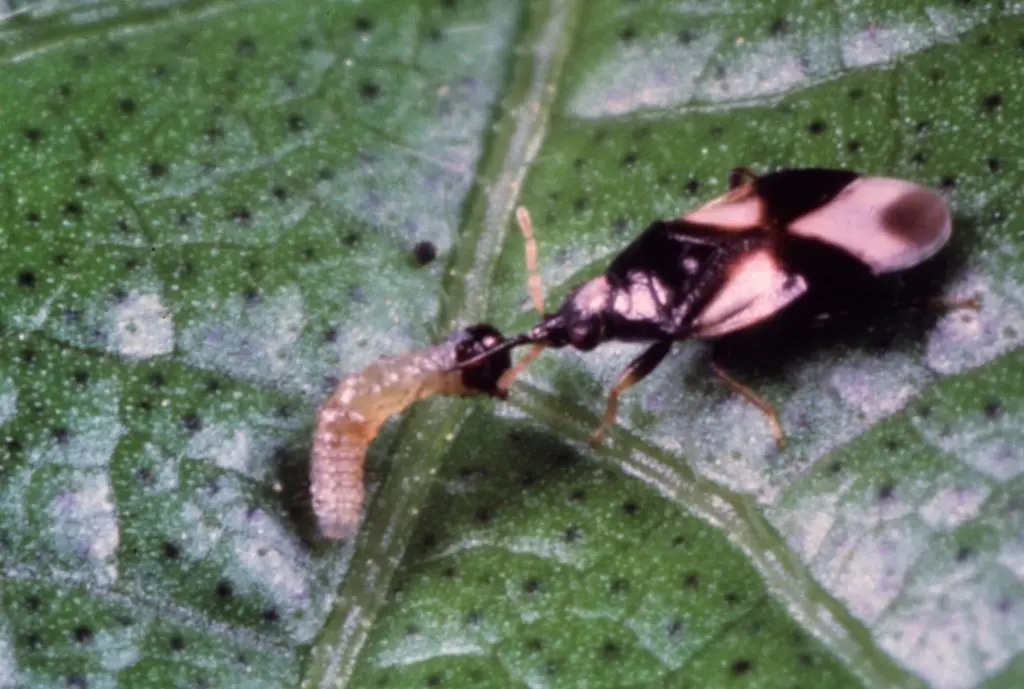
Beneficial Critters
Growing from Seed
Elderberry is not typically grown from seed.
Planting Considerations
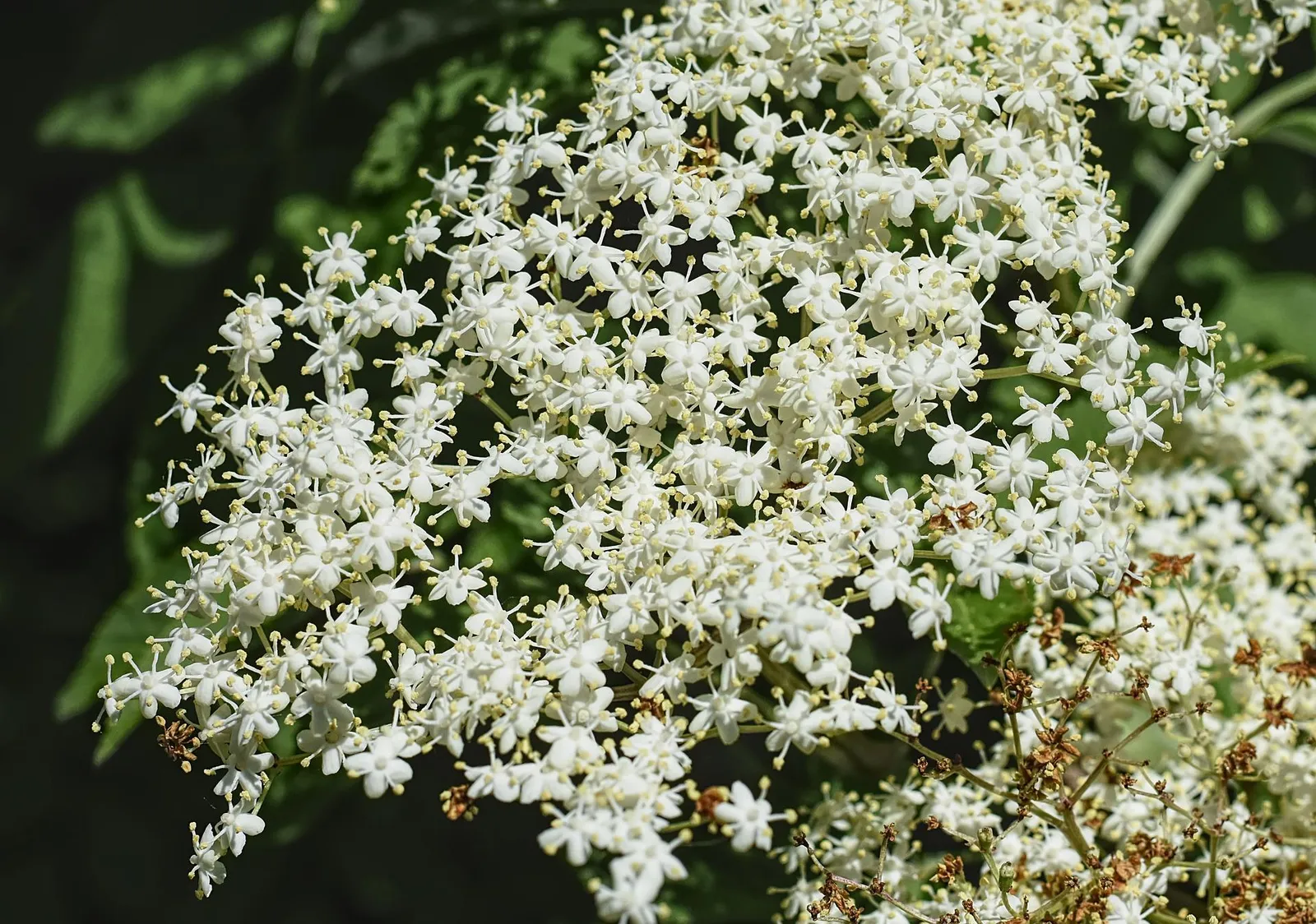
It is recommended that you have at least two elderberry plants, each of different varieties, so they can cross-pollinate. This leads to greater and more reliable fruit production. Elderberry plants prefer well-drained soil. Do not disturb soil once plants are situated, or you run the risk of harming the plants’ shallow roots. Be sure to keep weeds under control, especially at first. Mulching can help with weed control.
Feeding
Work organic matter into the soil before transplanting elderberries. Additionally, fertilize your plants every spring. Ammonium nitrate is recommended as an effective fertilizer. A 10-10-10 NPK (nitrogen, phosphorus, potassium) fertilizer will work as well.
Harvesting
Elderberries are usually ready to harvest sometime between August and September. Remove entire clusters, then strip off the individual berries. The berries are inedible until cooked.
Storage
Cooked elderberries can be used in pies, jams, wines, or syrups. Uncooked elderberries can be frozen and cooked after thawing.