Oats
Avena sativa, Avena nuda, Avena byzantina,
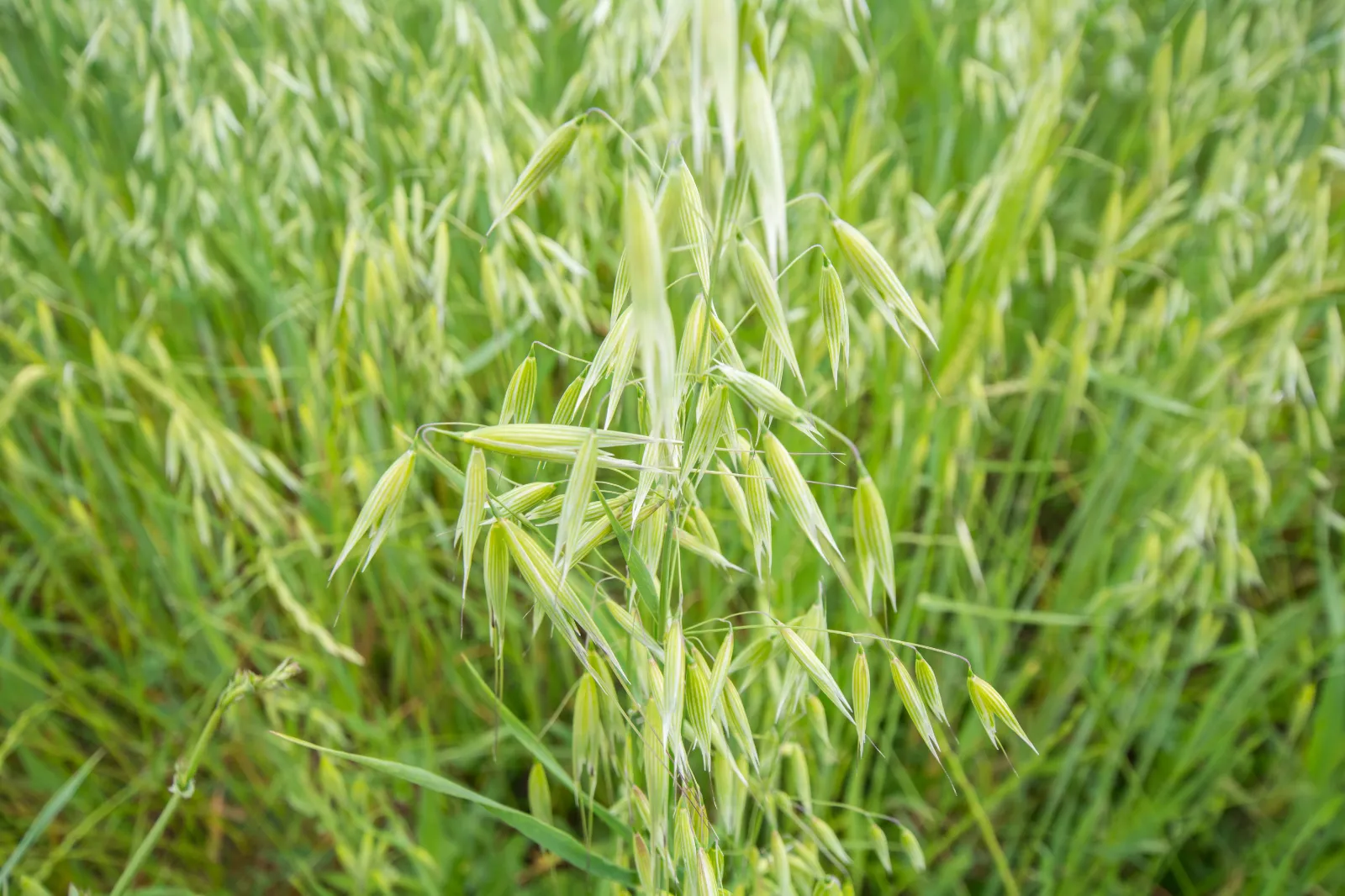
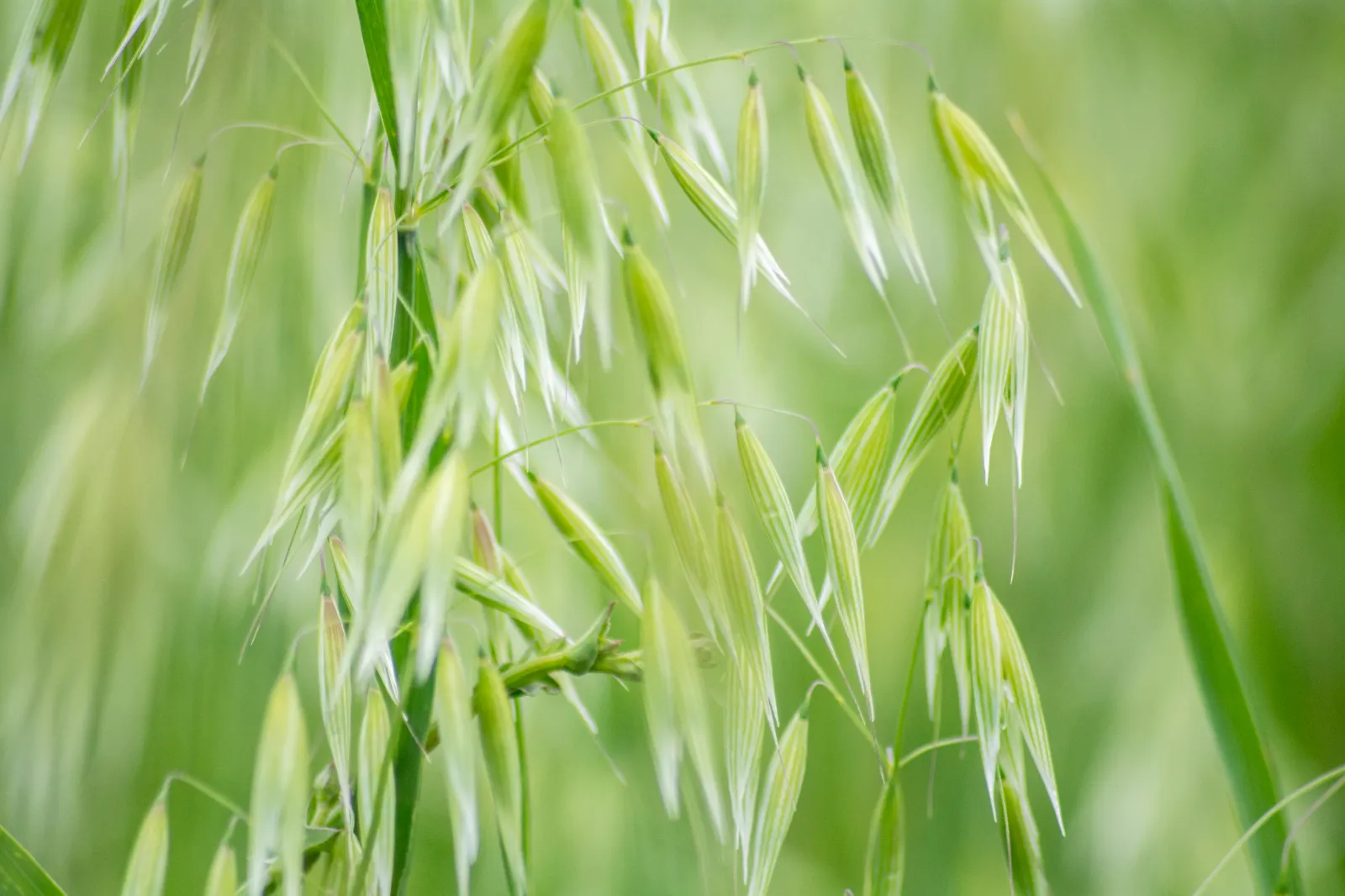
Oats are an easy-to-grow, cool season crop. Oats are well known as a hearty breakfast grain but they have many other uses both in the kitchen and in the garden. On the culinary side, not only can oats be turned into baked goods, desserts, and 'oat milk' beverages, they can also be used in savory dishes including meatballs, meatloaf, oat 'risotto', and soups! Oats are also an excellent grain to grow for livestock, and they make an excellent, fast-growing cover crop. As a cover, crop oats can outcompete weeds and act as a nurse crop for slower growing legume cover crops. Oats die over the winter in cold climates, making it easy to get planting right away in spring. Oat hay can also be used as a garden mulch. Oats can also be grown for 'oat grass' (not to be confused with ornamental oat grasses), which like wheat grass can be a healthy addition to juices, smoothies, soups, and salads. Feline friends and chickens might enjoy nibbling on oat grass, too!
How to Grow Oats
Quick Info

Put away the pen and paper
Plan your veggie garden in minutes with Planter's easy drag and drop planner.
Try Planter for Free
Related Articles
Nutrition
Vitamins

Nutrients









Pests
Diseases
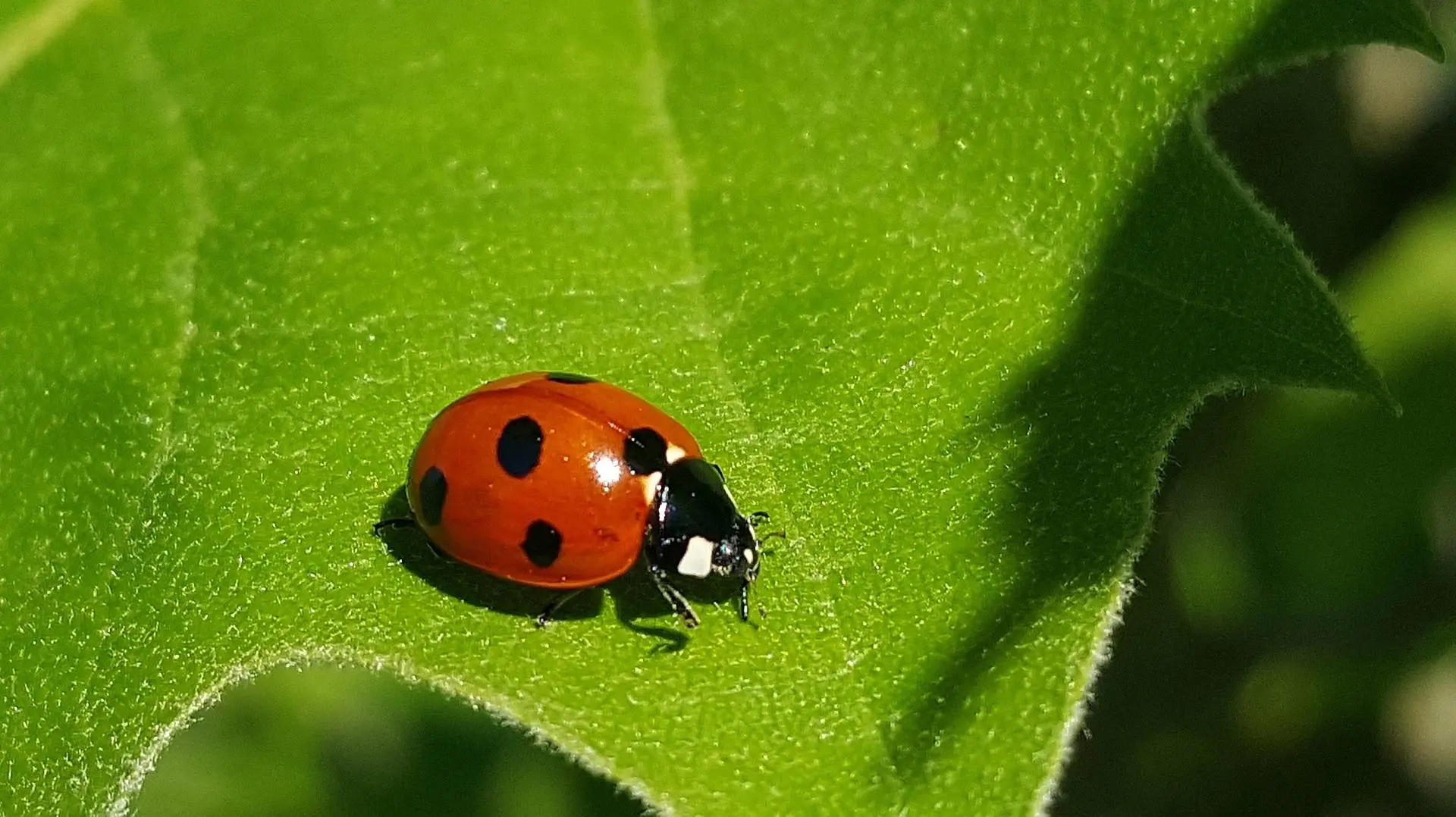
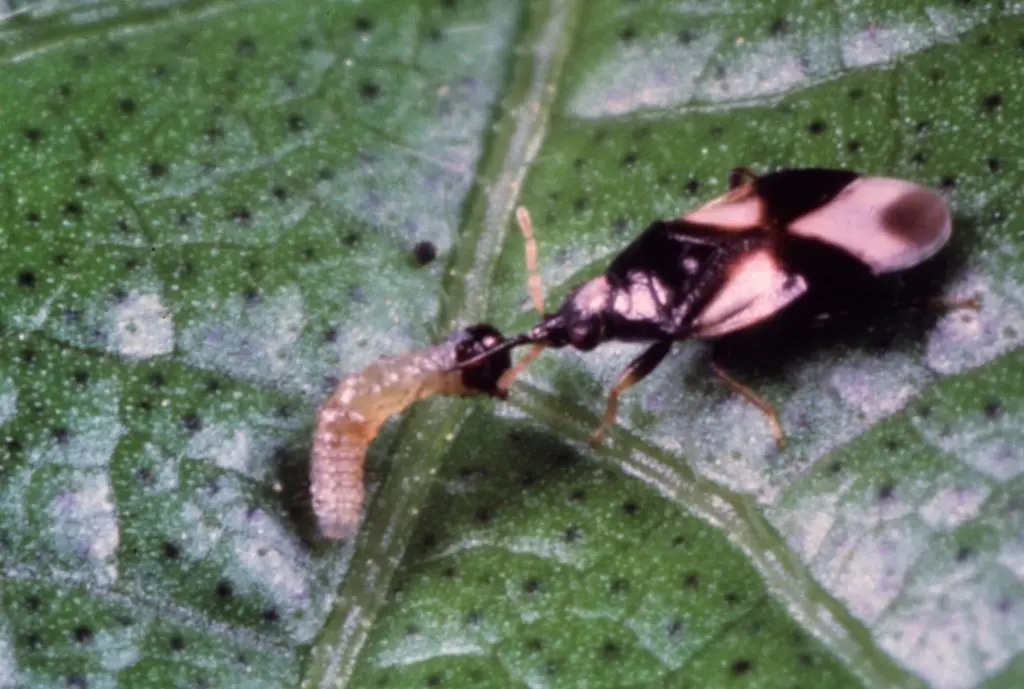
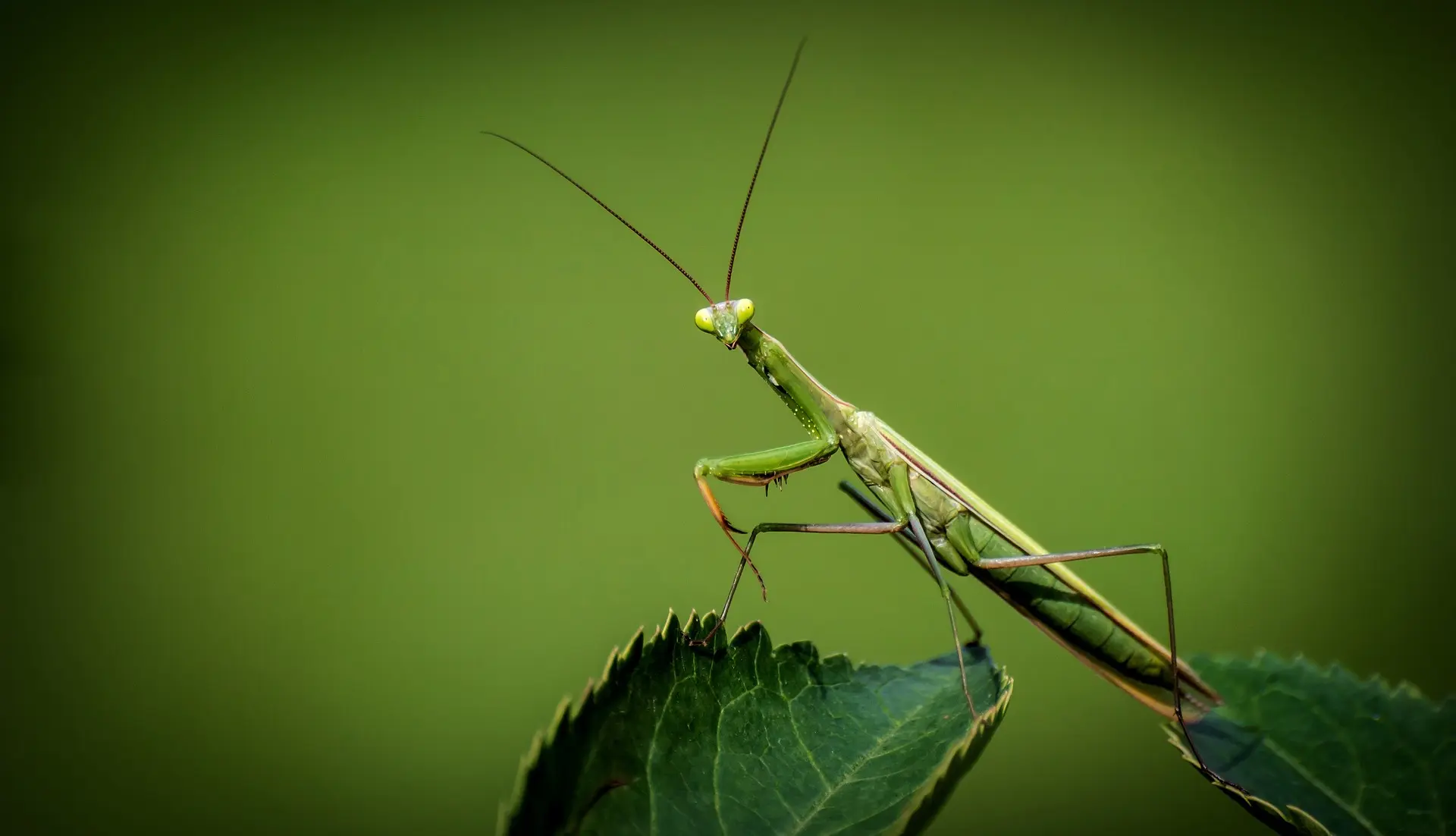
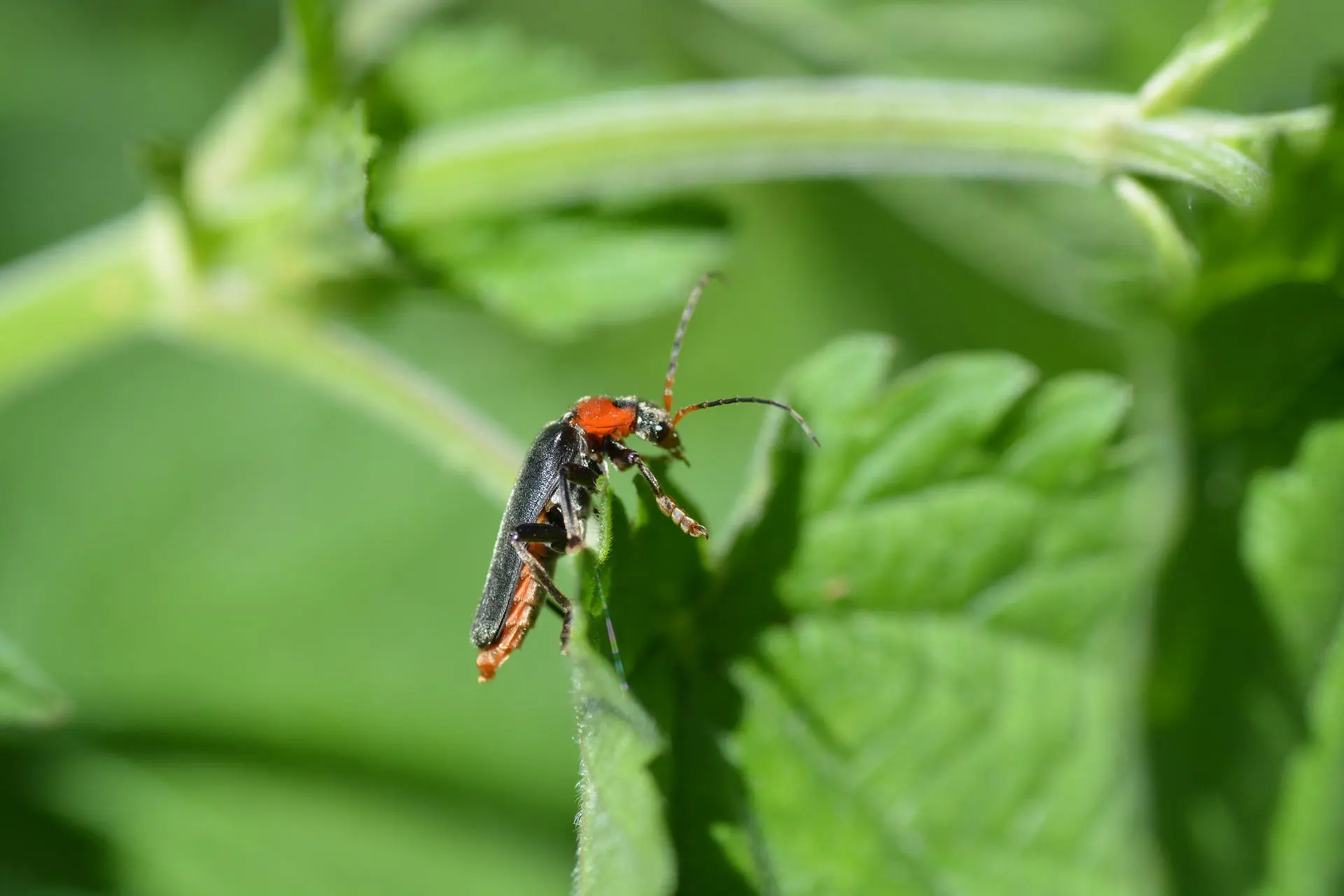
Beneficial Critters




Growing from Seed
Rolled or steel-cut oats from the grocery store will not sprout; store-bought oat groats may sprout but it is best to purchase oat seed for planting.
Oats should be sown directly outdoors, unless you are growing oat grass which can be started and grown indoors. Oats can be sown in spring as soon as the soil is workable (i.e., not frozen and not too wet). In areas with moderate summers oats can be sown in summer as a fall cover crop. In warmer areas they can be sown in fall and grown over winter (oats are winter hardy down to USDA zone 8).
To sow oat seed outdoors, loosen compacted soil if needed, then lightly tamp down the surface using a rake or your feet to prepare a flat, even seed bed. Seeds can be scattered onto prepared soil by hand or using a hand-cranked seeder. If you have a push seeder it can be used to get more precise seed spacing. If you are scattering seeds by hand, you may want to sow at a slightly higher density than recommended, since germination may not be as high as with directly sown seeds. Rake in hand scattered seeds lightly to ensure they are covered with about 1" (2.5 cm) of soil (try not to move the seeds around too much to keep somewhat even spacing). Water in well with a gentle spray nozzle to ensure good seed-to-soil contact. If you have access to row cover, it can be secured flat over the planting area to help prevent birds from eating the newly planted seeds. Be sure to remove the row cover as soon as the seeds germinate.
Planting Considerations
A 10' x 10' (3 m x 3 m) plot can yield very roughly 3 - 6 lbs of oats.
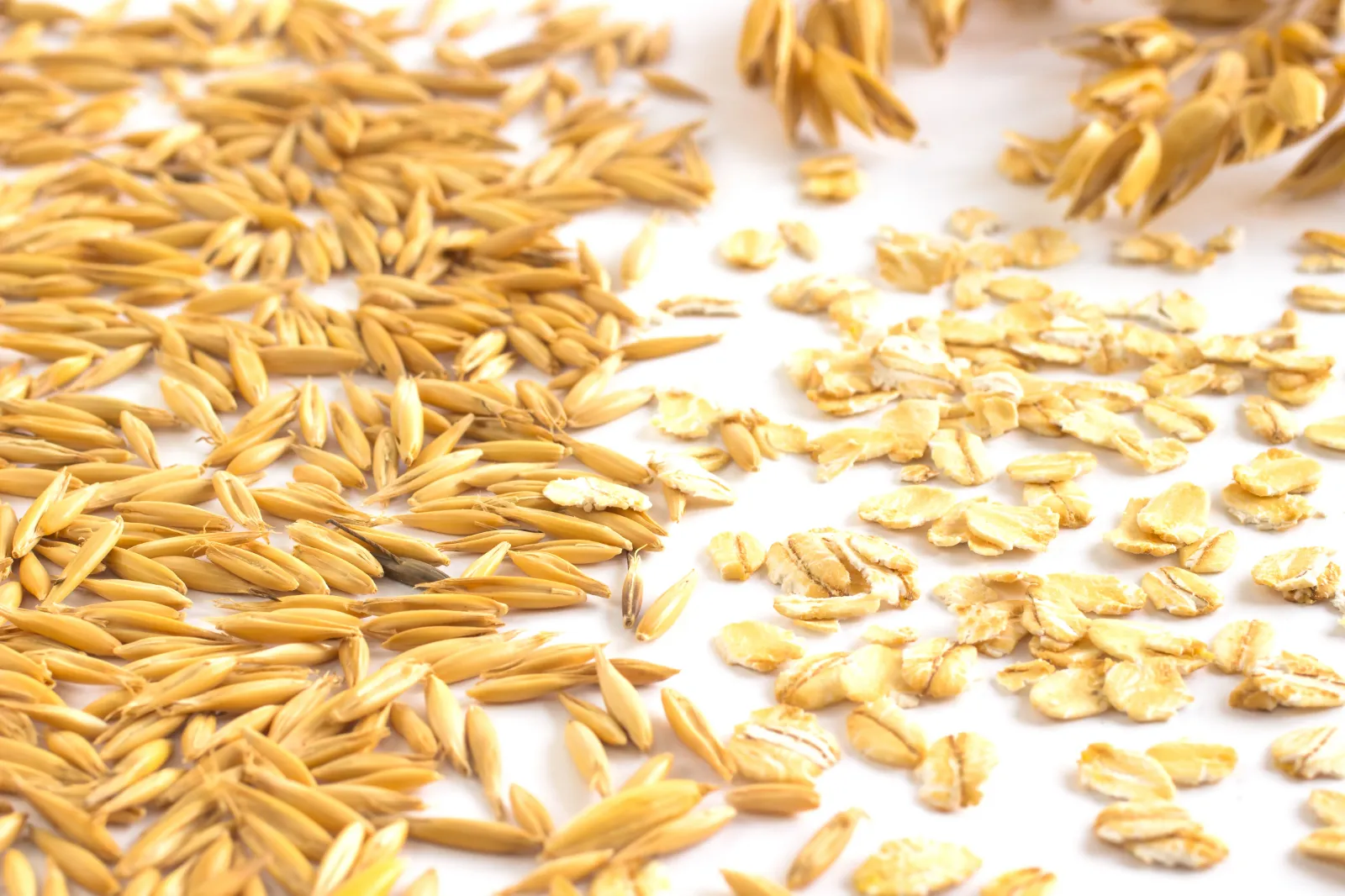
If growing oats for edible grain, look for 'hulless oat' (Avena nuda) varieties. These varieties technically do have a hull, but it's loosely attached and comes off easily in the threshing and winnowing process. This saves having to de-hull the oats as a separate step. Hulled oats can be grown for forage or as a cover crop.
If growing oats as a cover crop, be aware that oats have 'allelopathic' properties that can inhibit the germination of seeds planted after the oats have been terminated. Wait at least three weeks after the oat cover crop has died before sowing seeds in the same space.
Oats can tolerate moister soils than many other grains, however they will not do well in soils that become waterlogged. Working compost into the soil at the time of planting can help to improve drainage, but do not plant wheat in an area with major drainage issues.
Oats are not generally good for container growing but oat grass can easily be grown in containers indoors and outdoors. It is ready for harvest in as little as 6-10 days. In addition to using oat grass for juicing and cooking, pets and chickens may also enjoy nibbling on wheatgrass (consult with your vet if you have any questions about whether oat grass is good for your pet). Be sure to use untreated seeds to grow oat grass.
Feeding
Oats prefer moderately fertile soil. Work in compost at the time of planting and apply a balanced fertilizer once seedlings emerge. Excess nitrogen can lead to 'lodging' - oats that fall over.
If a soil test shows specific deficiencies, amend the soil at the time of planting.
Oats grown as a cover crop should not need supplemental fertilizer, especially if planted with nitrogen-fixing legumes.
Harvesting
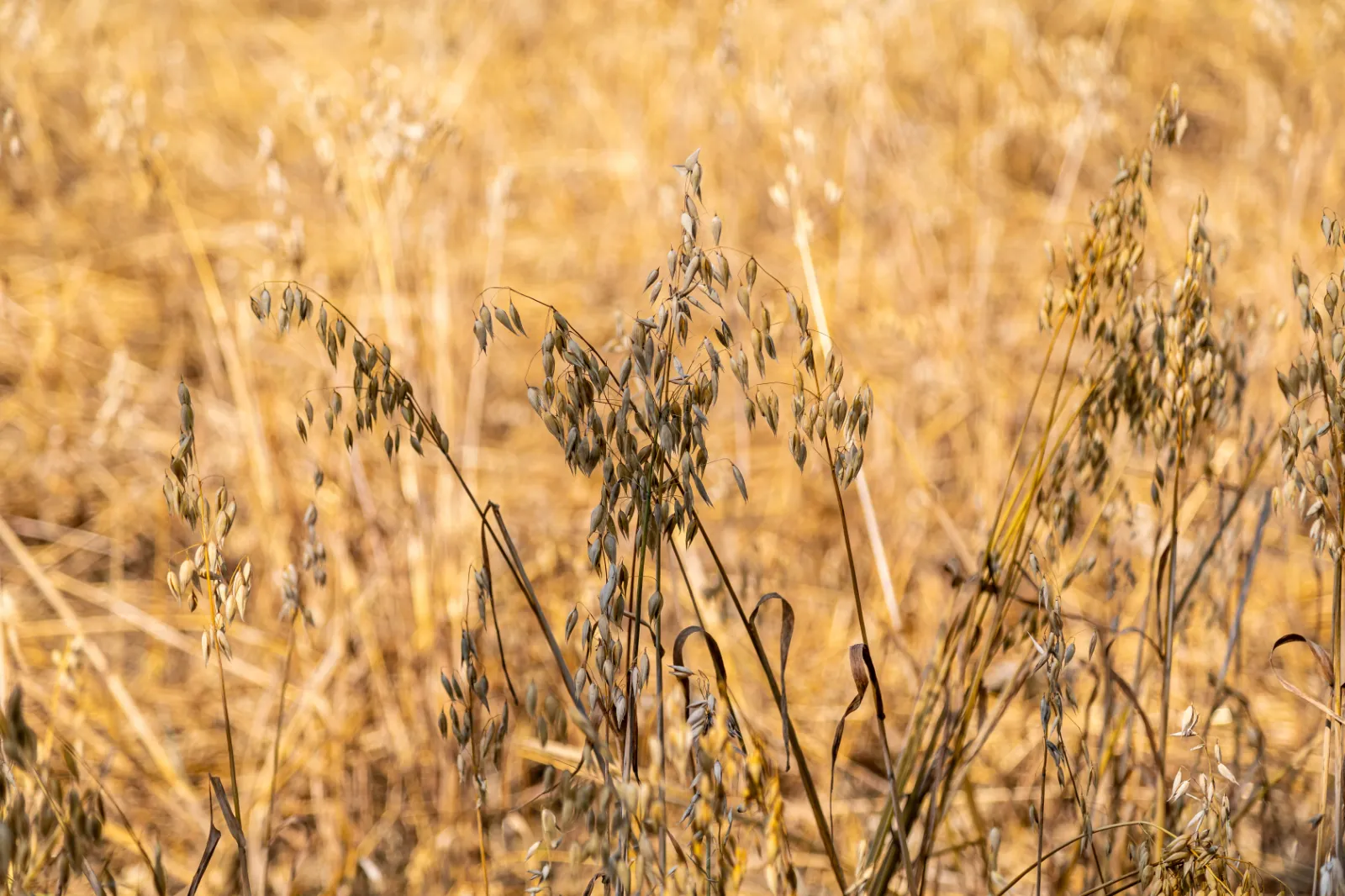
Spring planted oats are ready to harvest around mid to late summer, depending on the variety and planting timing.
Once the seed heads start to form, there are four maturity stages: Milk stage: when the kernel can be squished easily with a thumbnail and releases some milky juice.
Soft dough stage: when the kernel can be squished easily but does not release 'milk'.
Hard dough stage: where the kernel can be dented with some pressure but not squished.
Flint stage: when the kernel is completely hardened and cannot be dented.
In the home garden for the best quality edible grain crop oats should be harvested at the hard dough stage and then cured.
A traditional way to harvest oats is with a scythe, but for smaller plots a serrated hand knife (ideally semicircular) can do the trick. Grab several stalks in one hand close to the soil level and cut with the other hand, leaving the heads attached to the stalks. Take the oats to a dry, sheltered location and spread the stalks out to dry. Be sure the drying oats cannot be eaten by rodents. It can take 1-2 weeks to cure oats; curing is done when the kernels are fully hardened.
Next the oats need to be threshed and winnowed. Threshing can be as simple as spreading the oat stalks out on a tarp and beating them with a broom handle or other long piece of wood until the seed heads come off and the grains are mostly separated. Some growers build specialized tools or machines for threshing. Threshing can be a dusty task, take precautions to avoid inhaling dust or getting dust in your eyes. Before winnowing, rubbing the seed heads through a screen can help to break up any heads that are still whole and to remove excess chaff.
To winnow the grain (i.e., separate the grains from the chaff) either use a fan or work outside on a breezy day. Slowly pour out the grain in front of the fan into a large catchment container. The fan needs to be strong enough to blow away the lighter chaff but not so strong that the grain is being blown away. This will need to be repeated several times to get grain that is relatively free of chaff.
Oat grass can be harvested when it is several inches (15-20 cm) tall and roughly 6-10 days old. Use scissors or shears to cut the oat grass just above soil level. Oat grass may regrow for multiple harvests although the first harvest will be the highest quality.
Storage
Before storing home grown oats, it can be beneficial to freeze them in an airtight container or freezer-safe bag for at least three days to kill insects or larvae.
Fully dried, whole oat groats can be stored in airtight containers in a cool, dark, dry place for up to several months or even years. Be sure to choose a storage location and container that is insect and rodent proof. It is not generally necessary to store oat groats (uncooked) in the fridge.
To turn oat groats into rolled oats, either use a grain flaker, pasta roller, or rolling pin. If using a pasta roller or rolling pin, pre-soaking the oat groats for several hours can help to soften them for rolling.
Oat grass can be stored in the fridge in an airtight container or in a loose bag for up to several days. It should not be frozen.
Pruning
Terminate oat cover crops by the milk stage, before they start to drop seed.