Fig
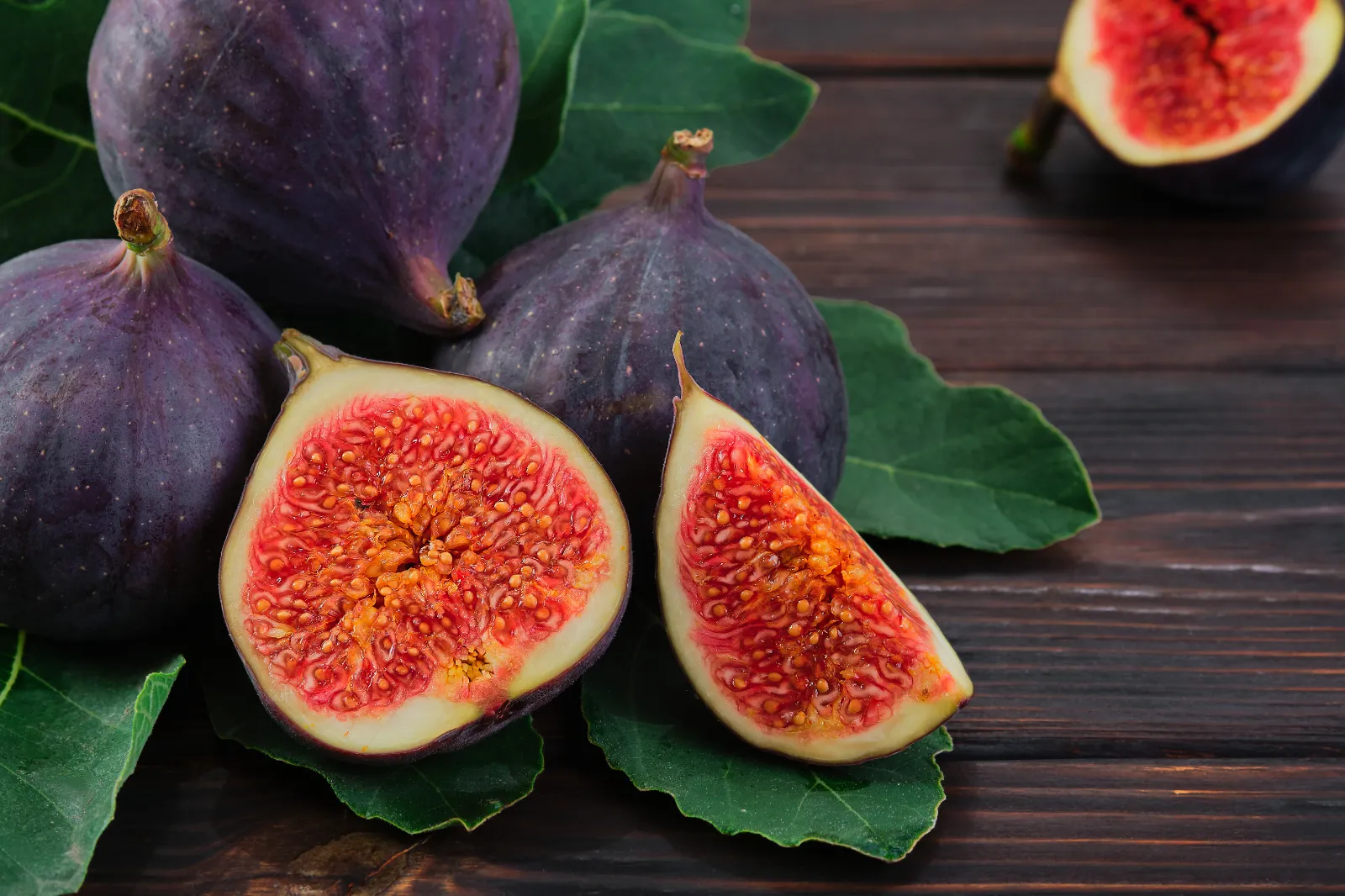
Figs, strange fruits that are actually inverted flowers, pique the interest of gardeners everywhere. Embracing various climates and armed with an aroma that fends off pests, figs offer more than just their delectable taste. Patient gardeners will be rewarded with seasonal abundance, as figs join the ranks of garden treasures that enrich both palate and landscape.
How to Grow Fig
Quick Info

Put away the pen and paper
Plan your veggie garden in minutes with Planter's easy drag and drop planner.
Try Planter for Free
Pests
Diseases
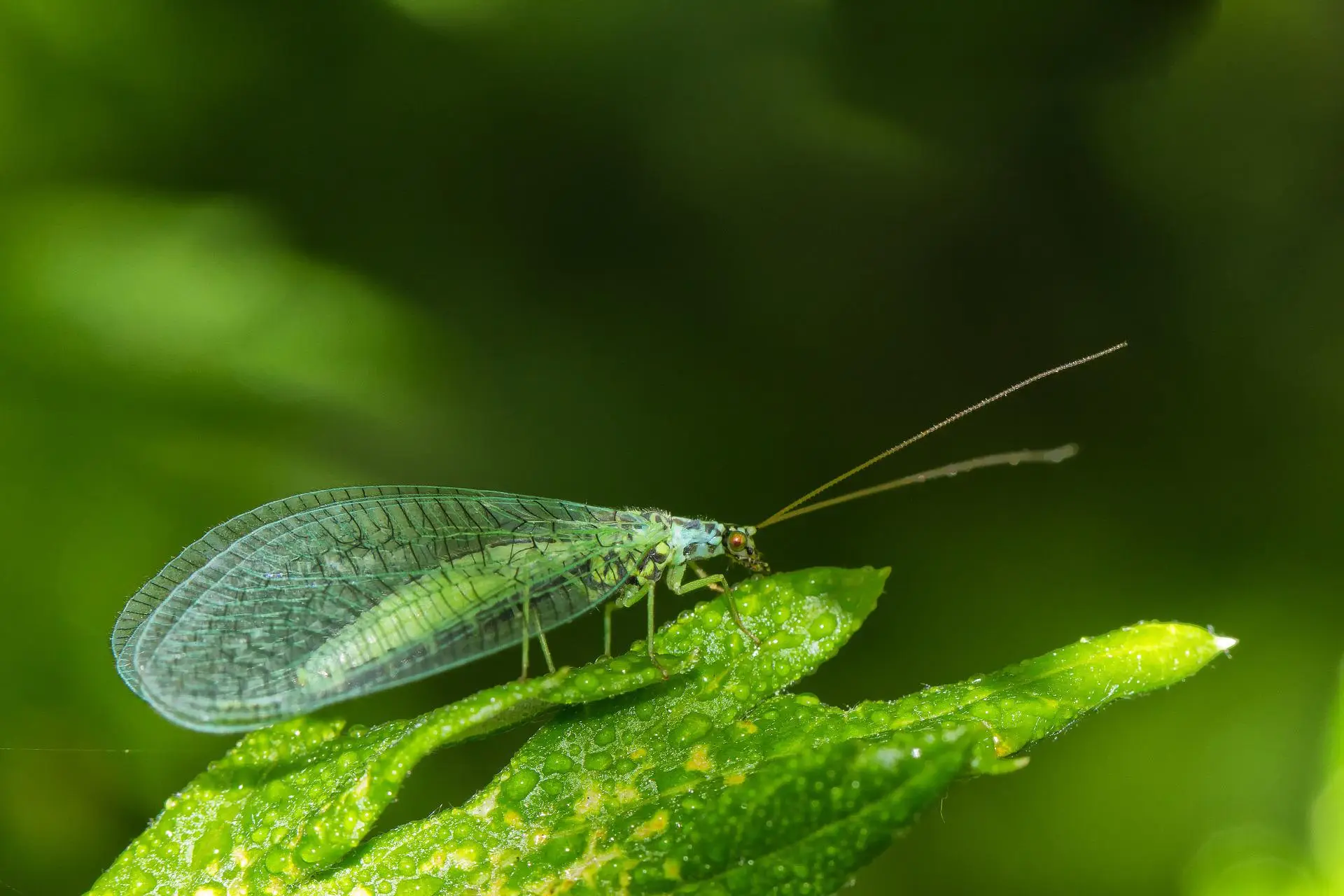
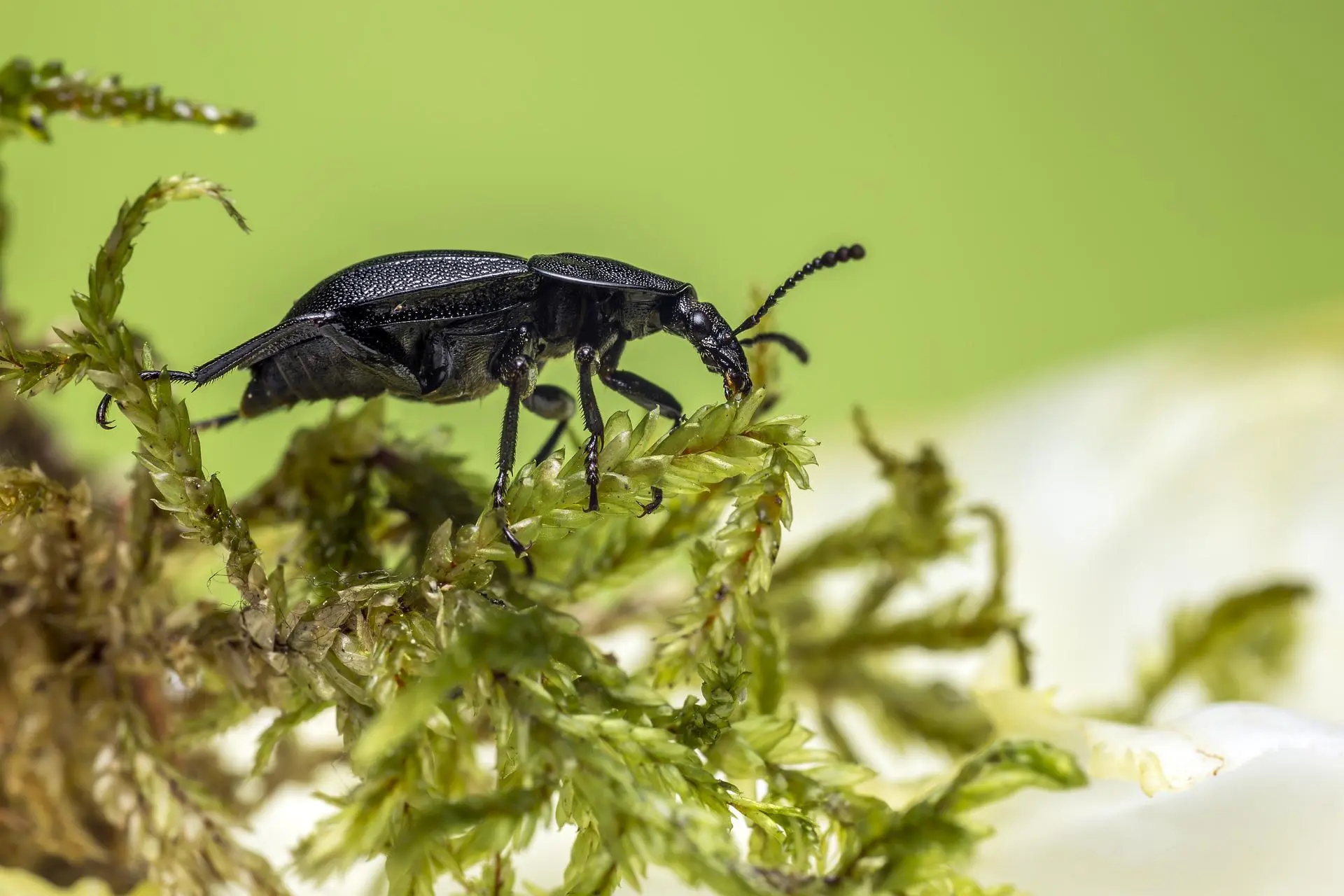
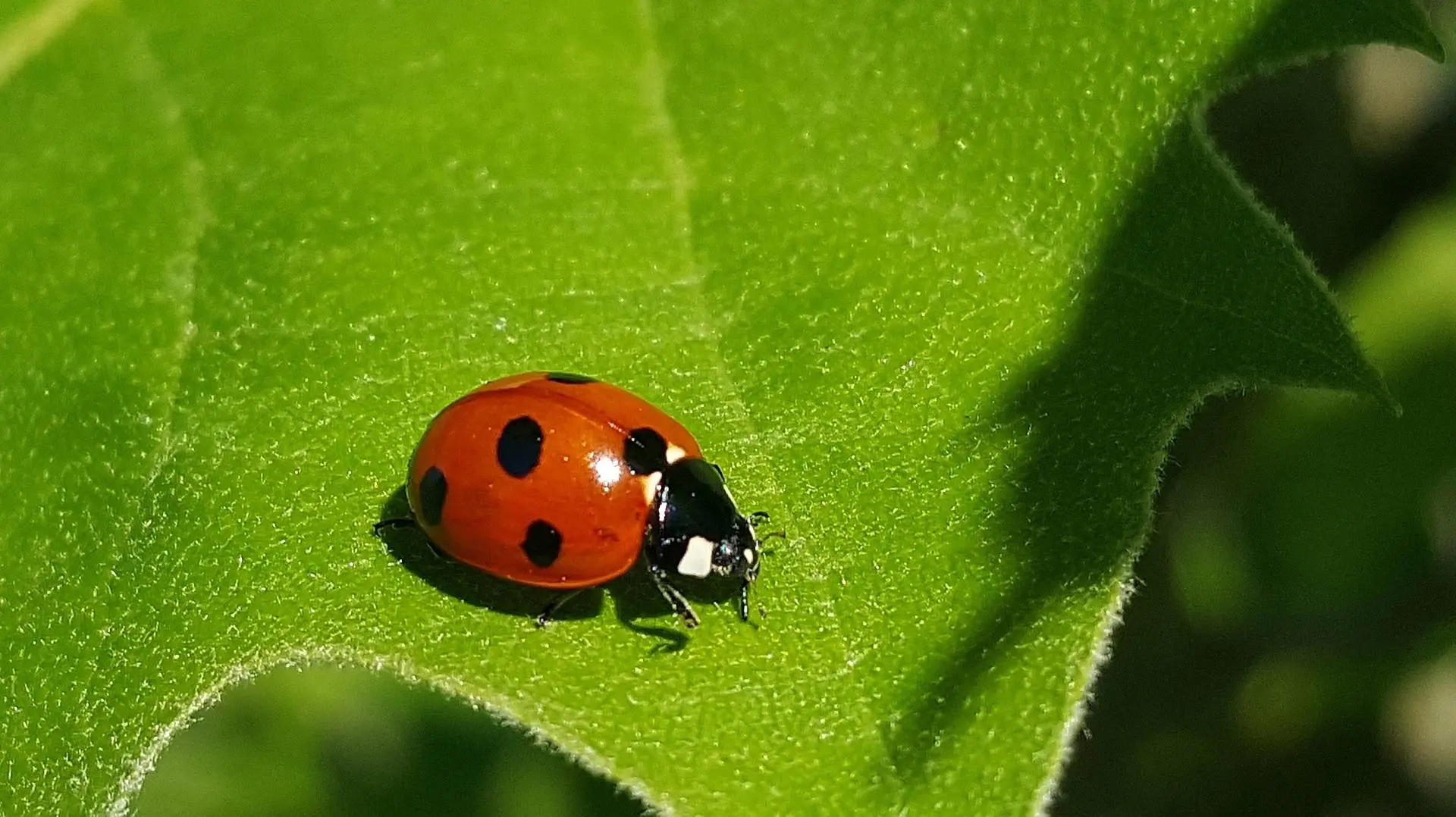
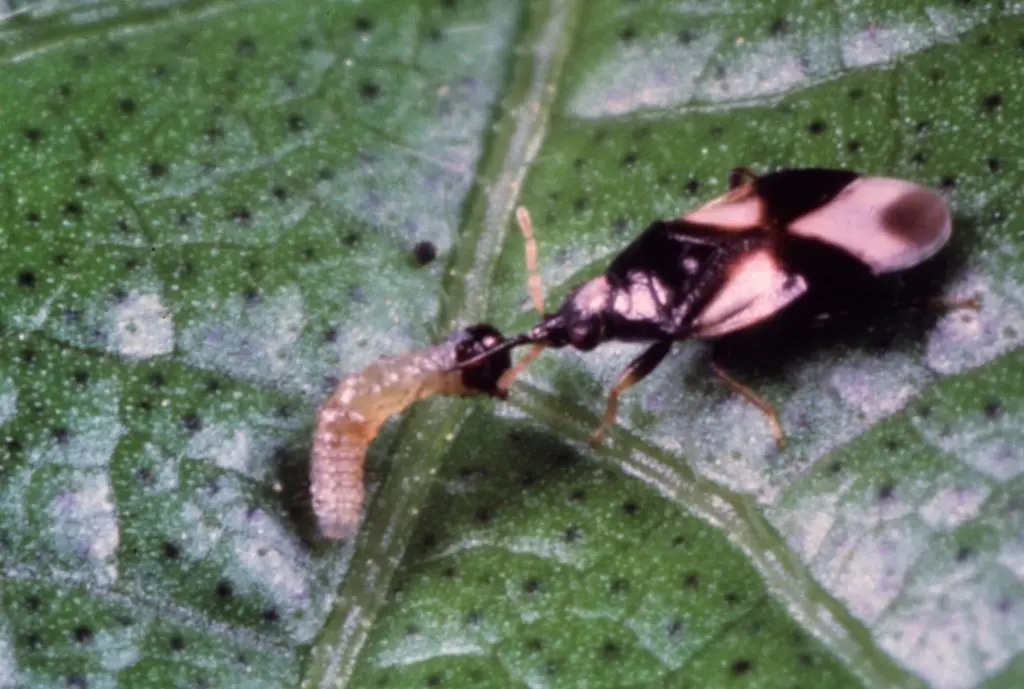
Beneficial Critters
Growing from Seed
Figs are not typically grown from seed.
Planting Considerations
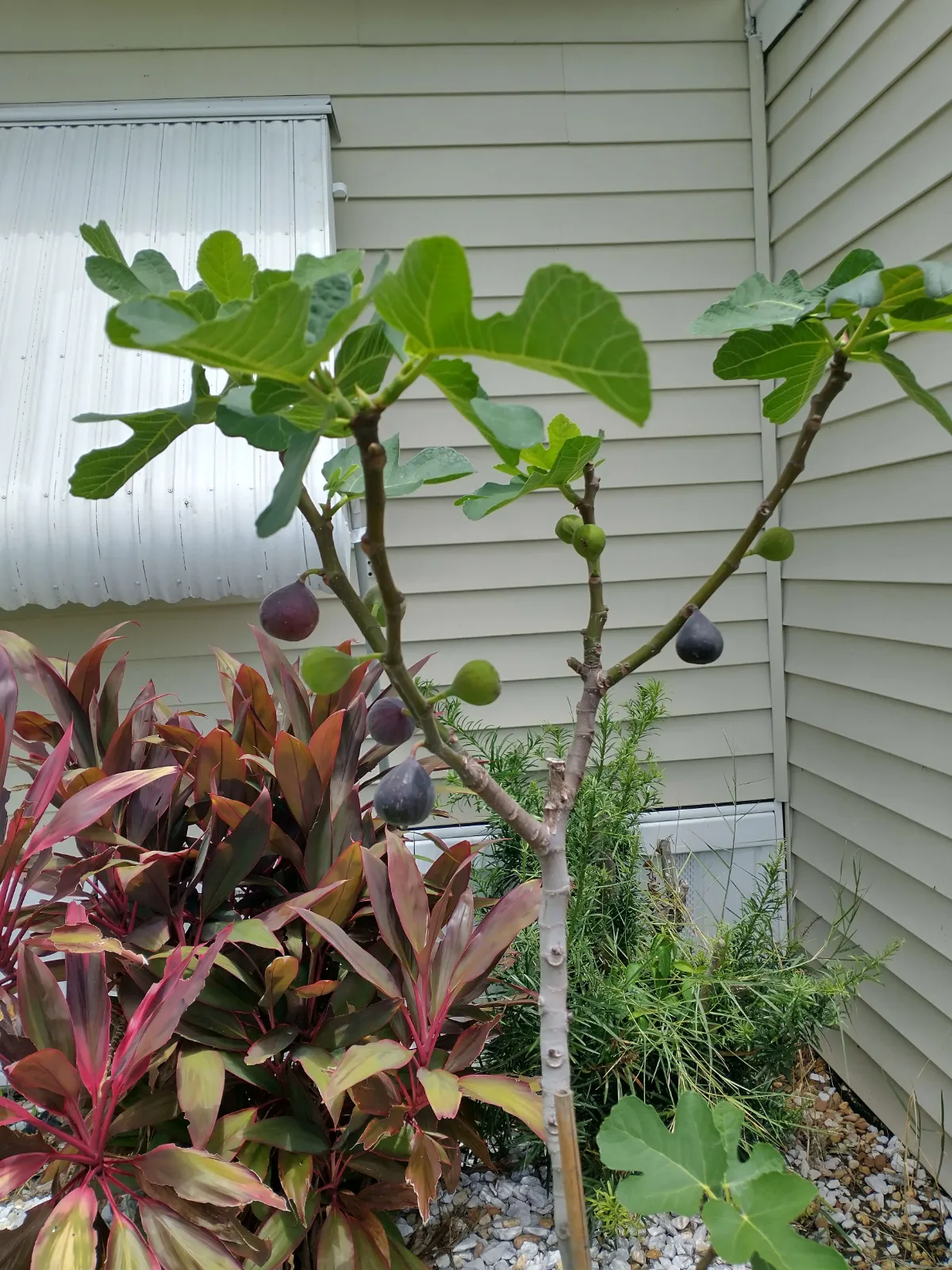
Figs are self-pollinating, so you don’t need to plant them in pairs unless you are hoping for seeds. Fig trees do not tend to survive winters. If you’re in a cooler climate (8 or lower), you’ll need to provide winter protection such as planting your fig in a container to bring inside during the winter.
Feeding
Figs are not particularly demanding of fertilizer in moderately fertile soils. Organic plant foods or 10-10-10 should be sufficient; you should feed about twice a year, but never fertilize after August as the tree should be going into dormancy at that point.
Harvesting
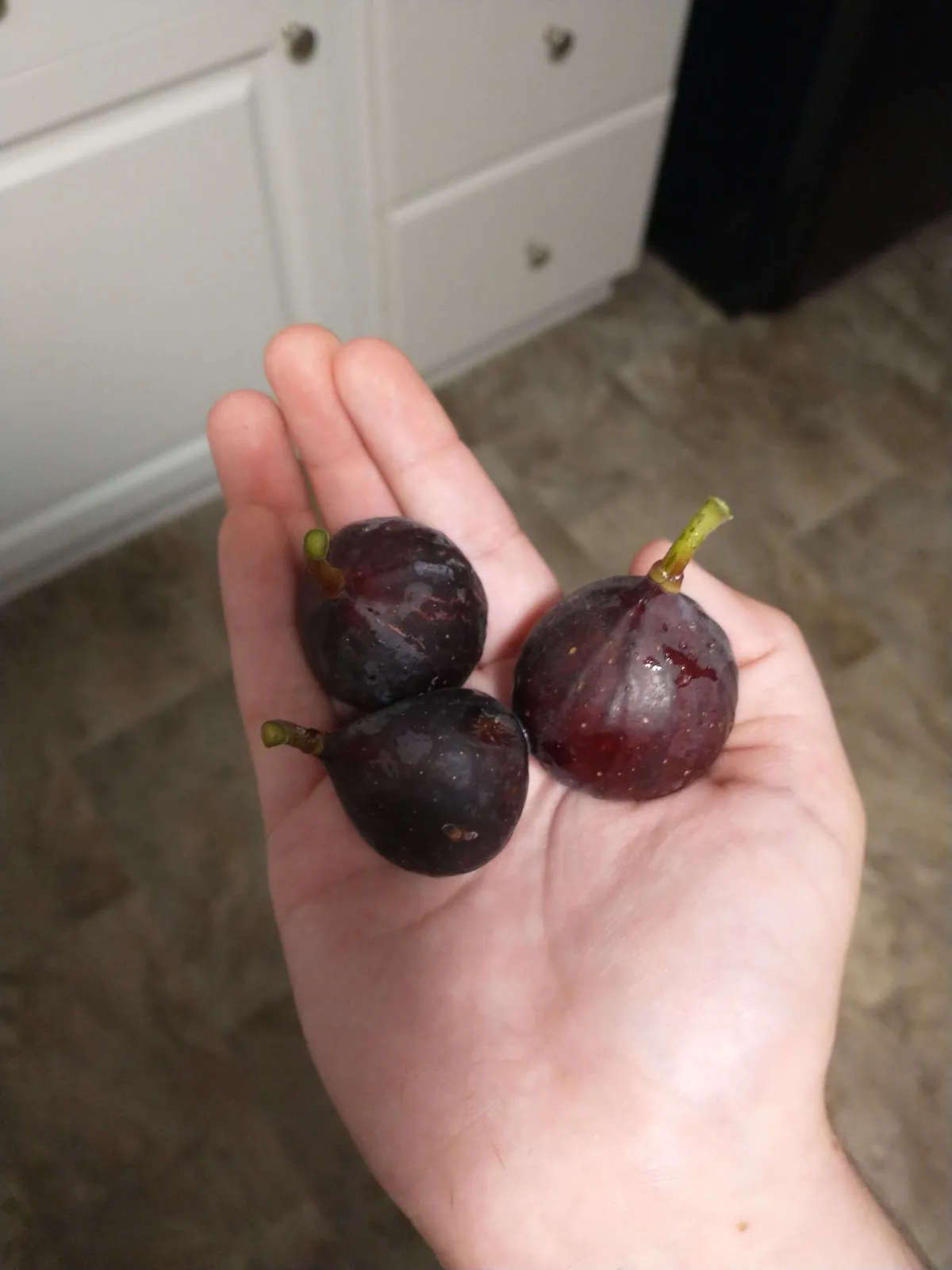
Fruits are ripe when they are soft to the touch, and skin may split around this time; colors will vary depending on the variety. Trees in warmer climates often have two harvests (one late spring and one late summer harvest) while cooler climates tend only to have one crop.
Storage
Fresh fruits last about a week in the refrigerator, and dried fruits can be stored in a cool place and an airtight container for several months.