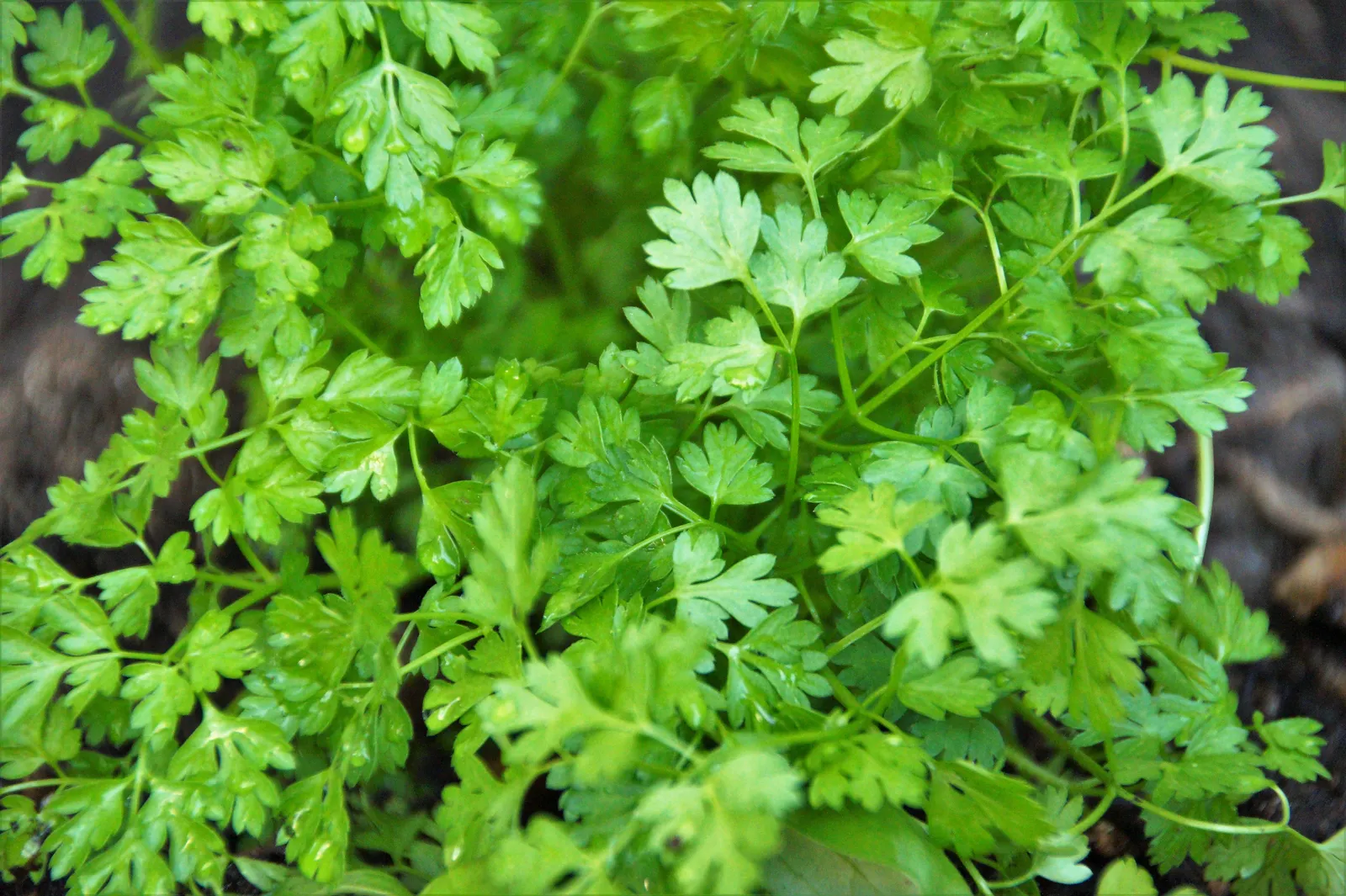
Chervil
Anthriscus cerefolium
Chervil is an easy-to-grow herb that is related to parsley. It is commonly used in French cuisine. Its slightly sweet, licorice-like flavor makes it a great addition to many desserts and drinks. It is said that planting chervil next to radishes may give the radishes a spicier flavor.
How to Grow Chervil
Quick Info

Put away the pen and paper
Plan your veggie garden in minutes with Planter's easy drag and drop planner.
Try Planter for Free
Varieties
Related Articles
Companion Plants

Pests
Beneficial Critters

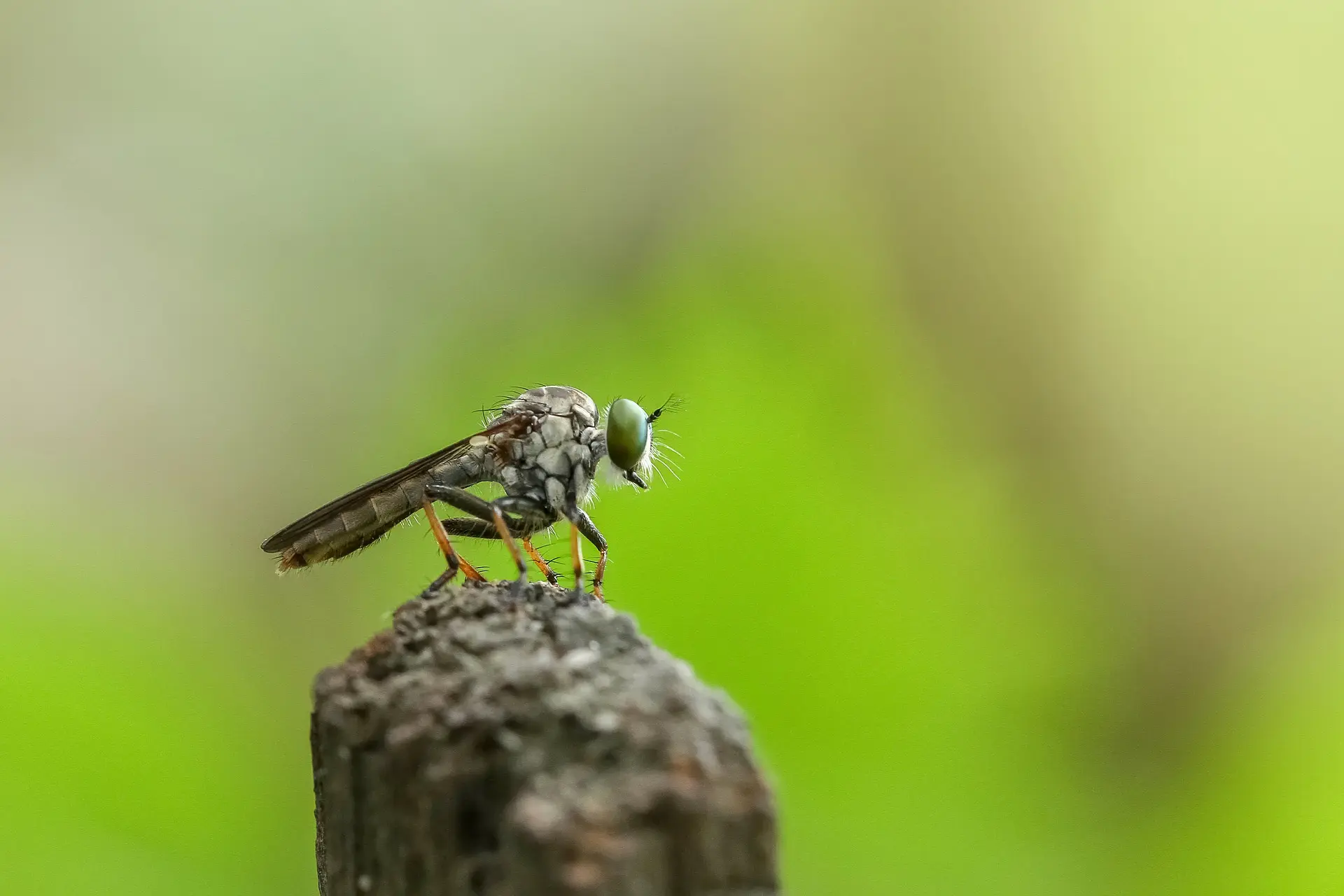
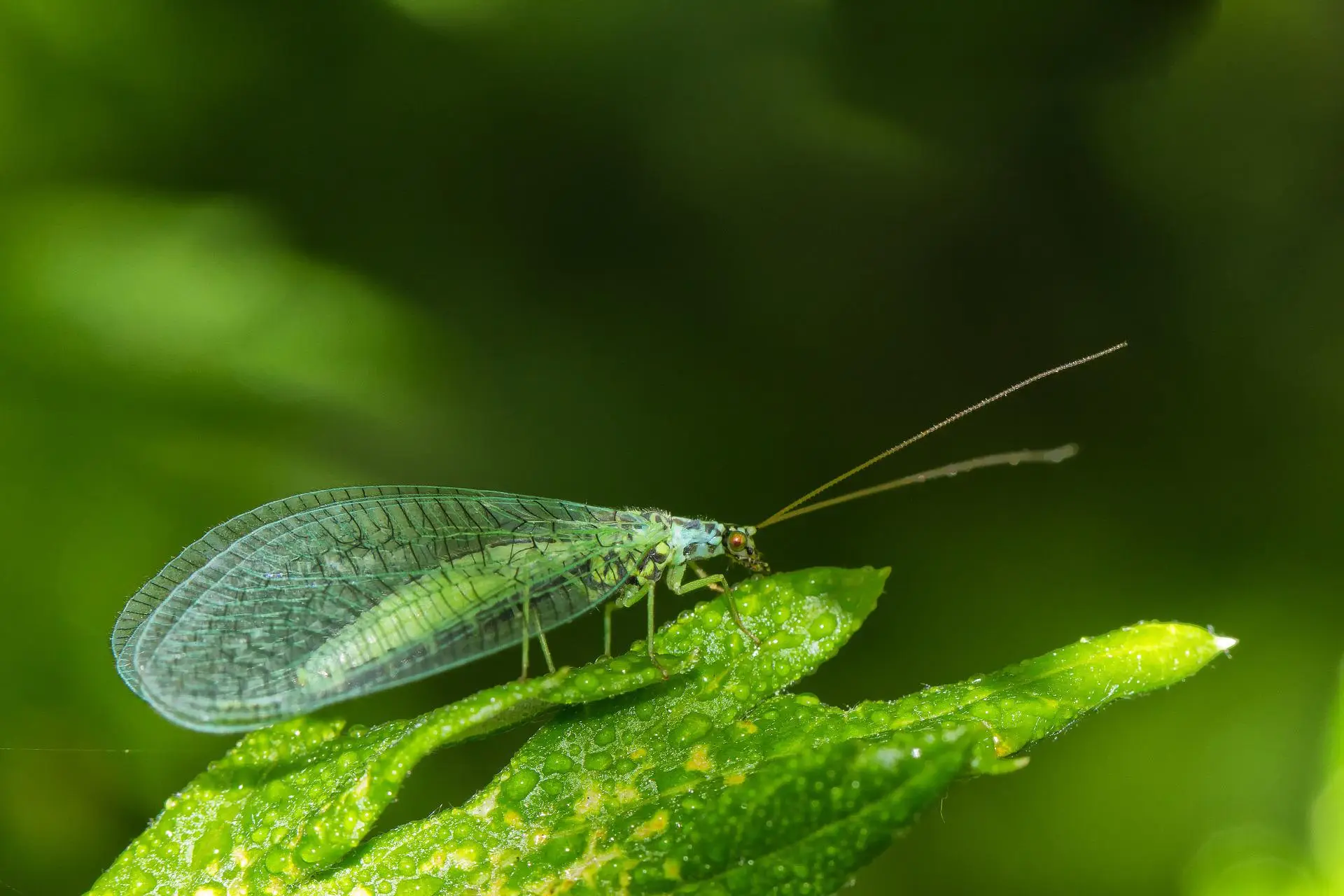
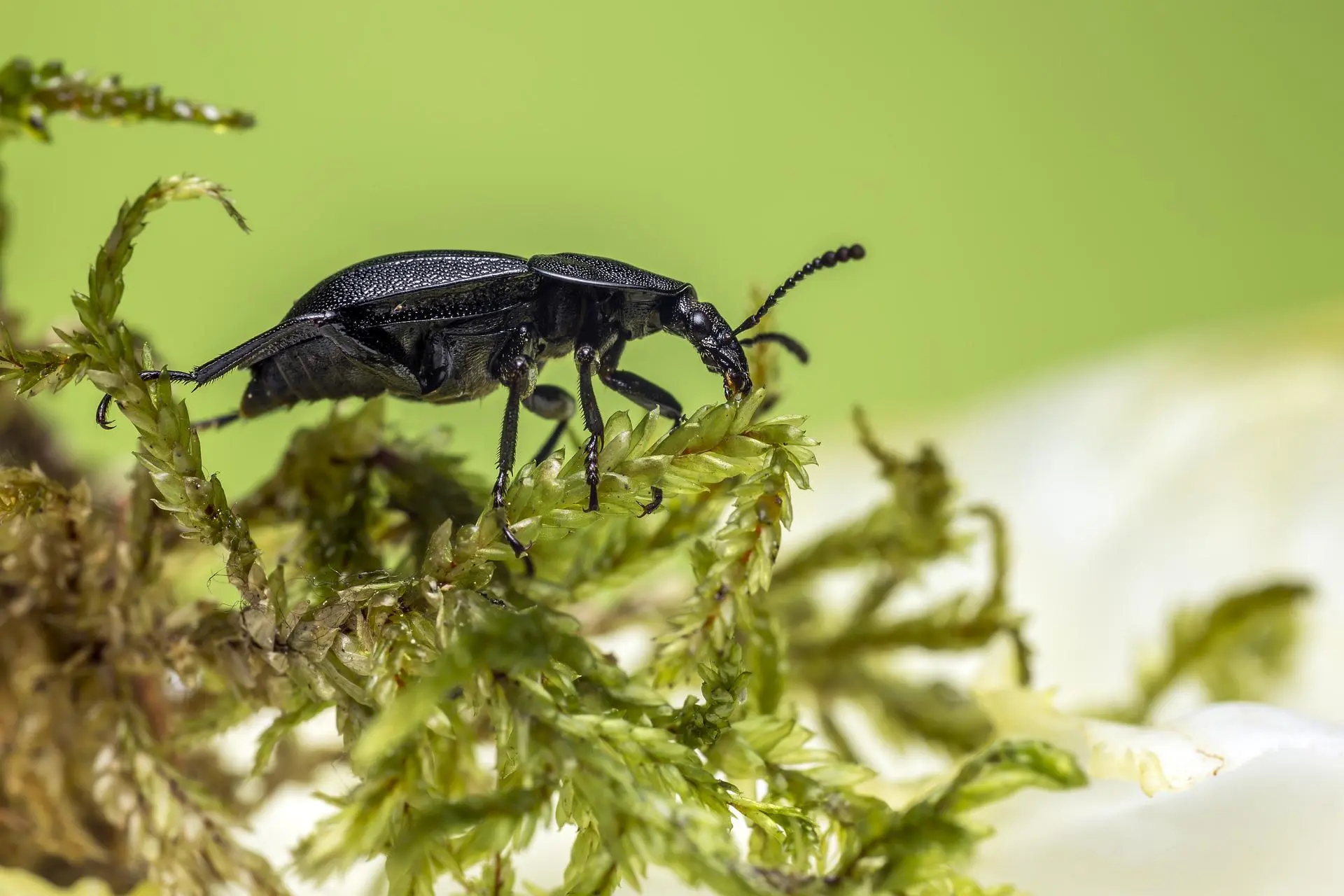
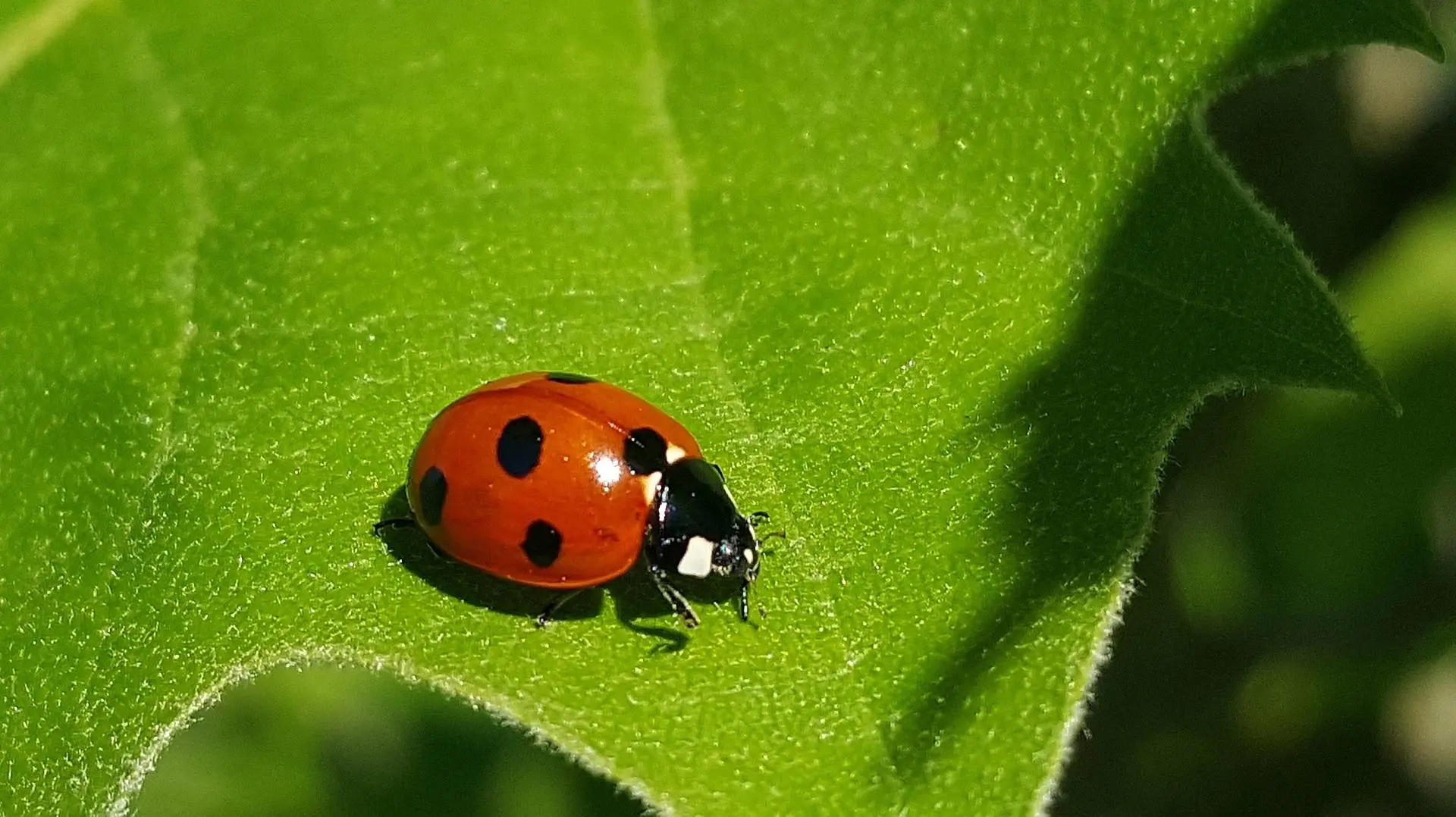
Growing from Seed
Direct sow chervil just before your last frost date. Chervil seeds will not germinate in overly warm soil. Chervil seeds need light to germinate, so don’t bury them too deep in the ground. If you would like a consistent supply of chervil, plant new seeds every two weeks. Always plant relatively fresh chervil seeds, as chervil seeds have trouble germinating once they are over a year old. Chervil can be transplanted however it is generally not recommended as transplanting can harm it’s fragile taproot.
Planting Considerations
Chervil prefers moist soil. Mulch can help your soil retain more water. Chervil is prone to bolting in the heat, so be sure to plant it in an area with partial shade.
Feeding
Avoid over-fertilizing chervil plants. A little organic matter worked into the soil before planting should provide all the nutrition that chervil plants really need.
Harvesting
Harvest as needed when plants are about four inches tall. Six weeks after you initially planted your chervil seeds is a good rule of thumb for harvest time. Snip off whole stems at the base of the plant. You can also pluck individual leaves. Chervil tastes best when its leaves are still fairly small.
Storage
Chervil is best used fresh, as dried leaves can quickly lose flavor. However, if necessary, entire chervil stems can be picked and dried for storage. Store dried chervil in a glass container, in a dark location. Chervil can also be frozen.