Black-Eyed Susan
Rudbeckia triloba, Ruckbeckia hirta
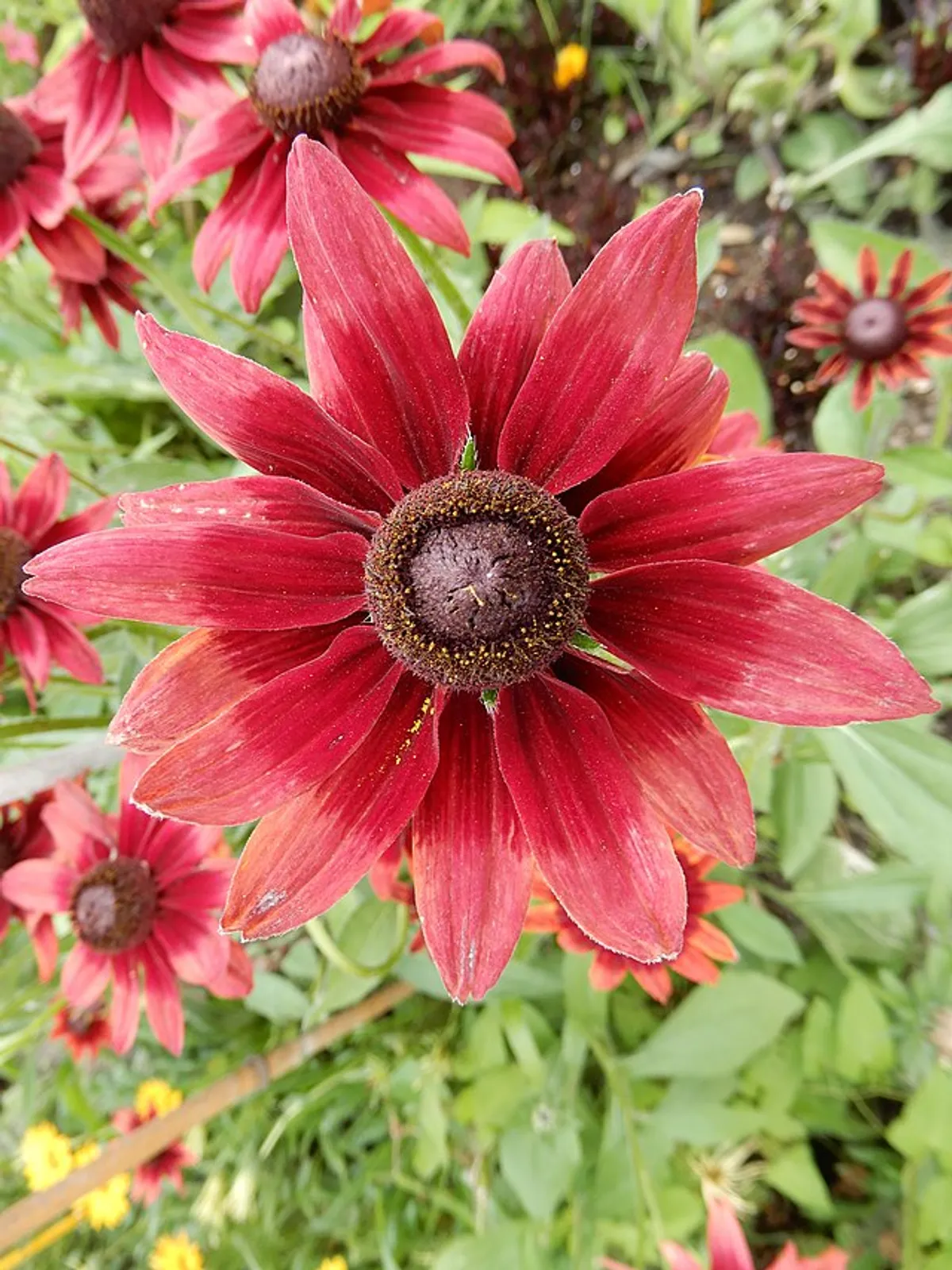
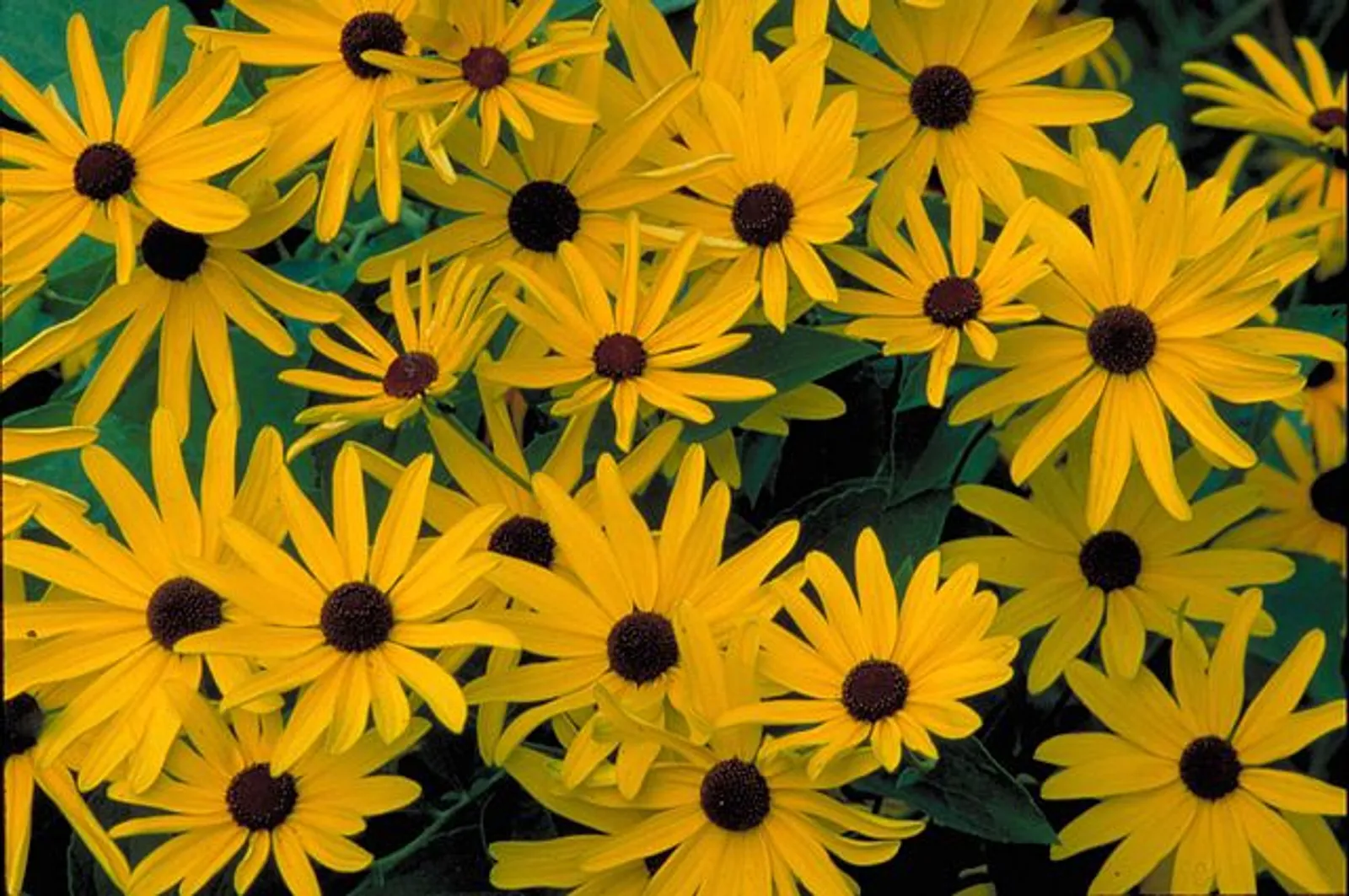
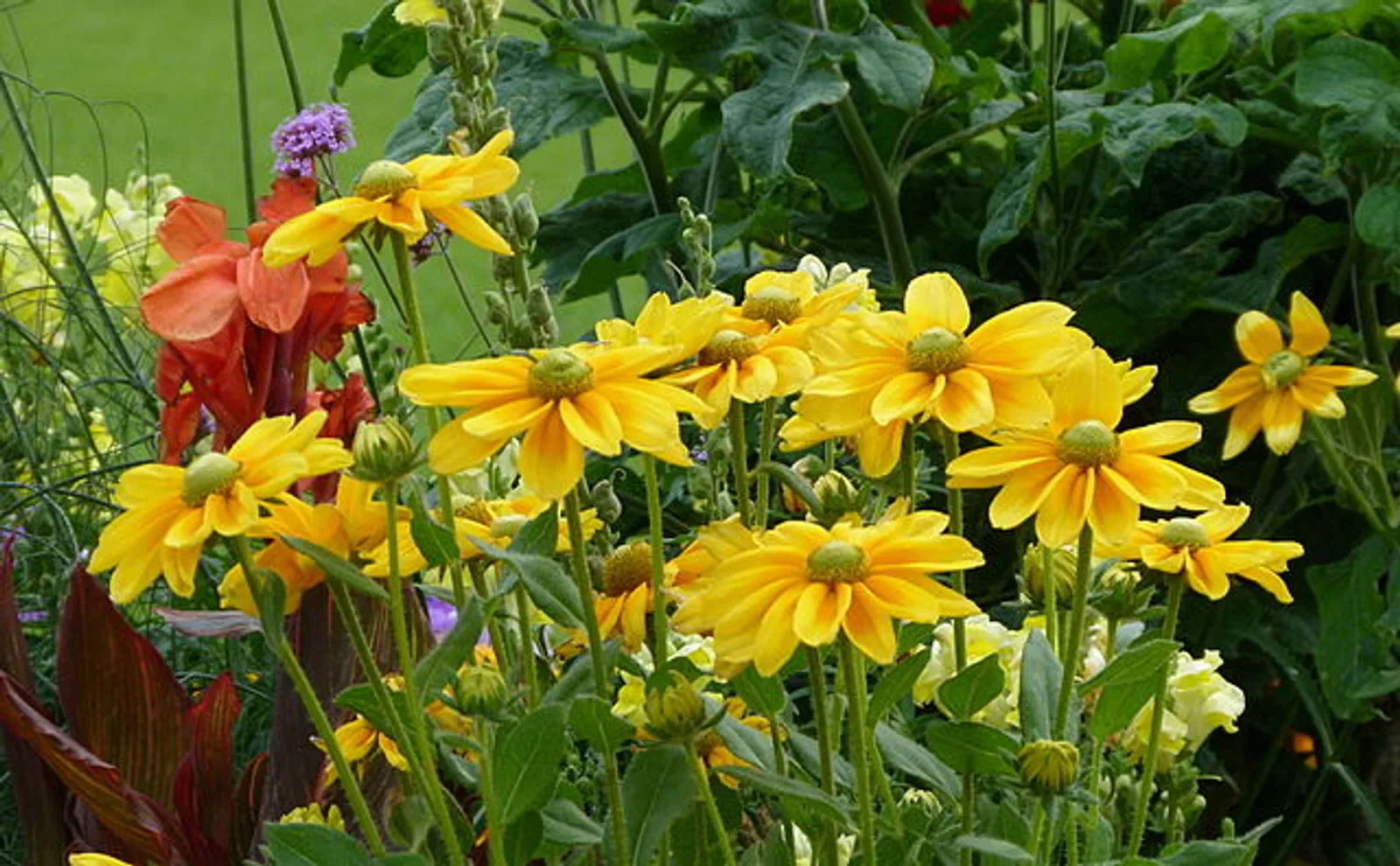
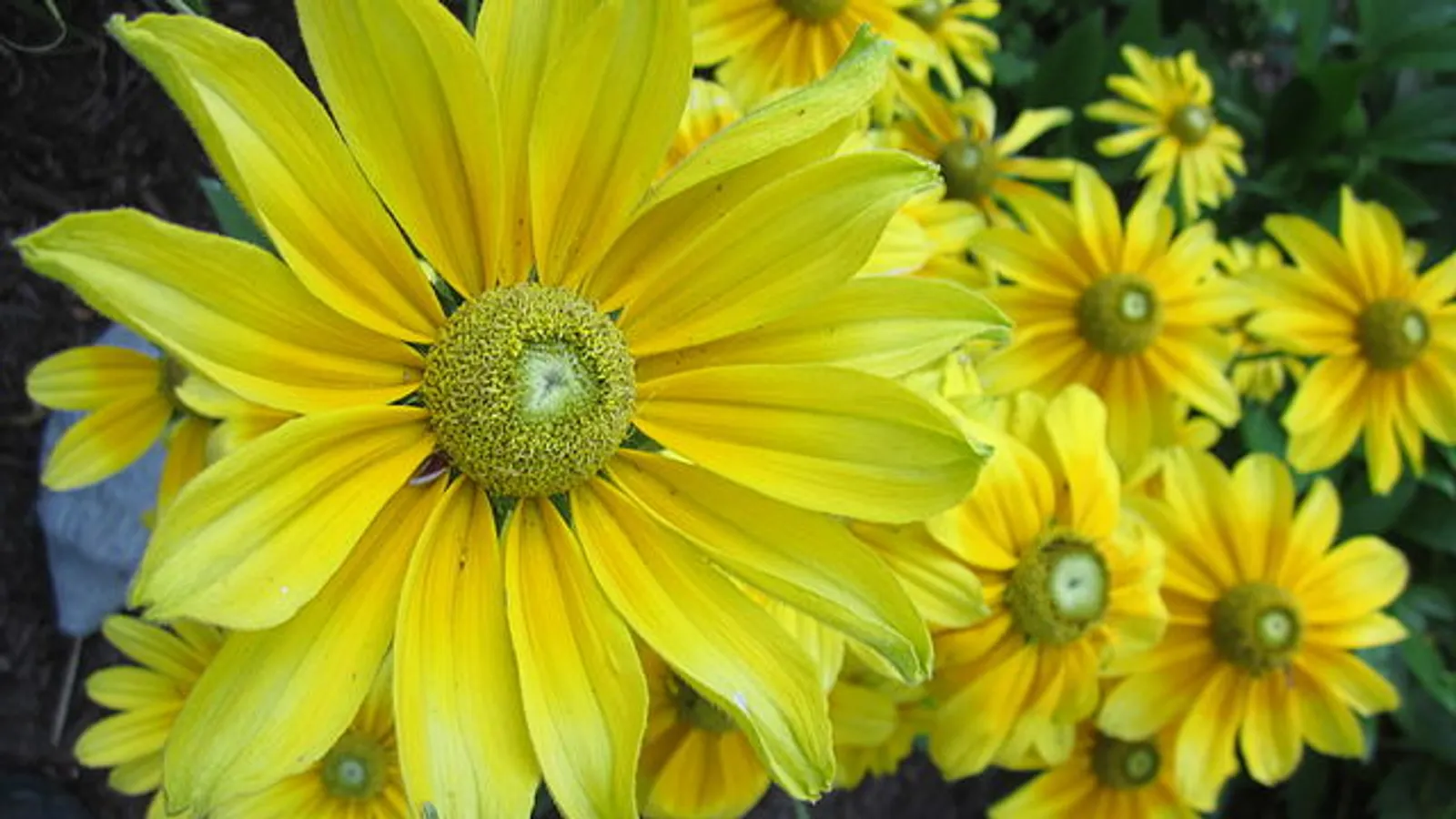
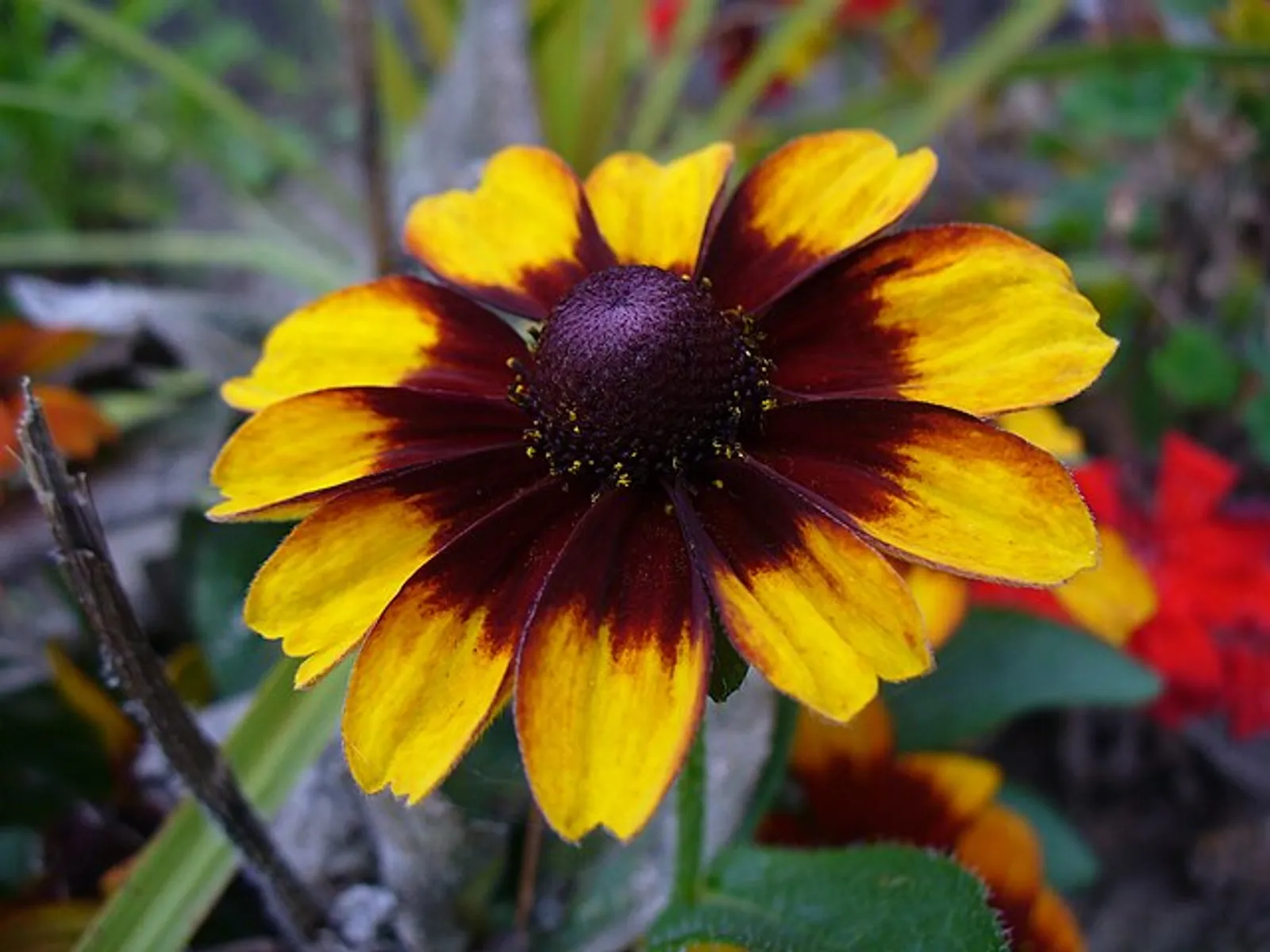
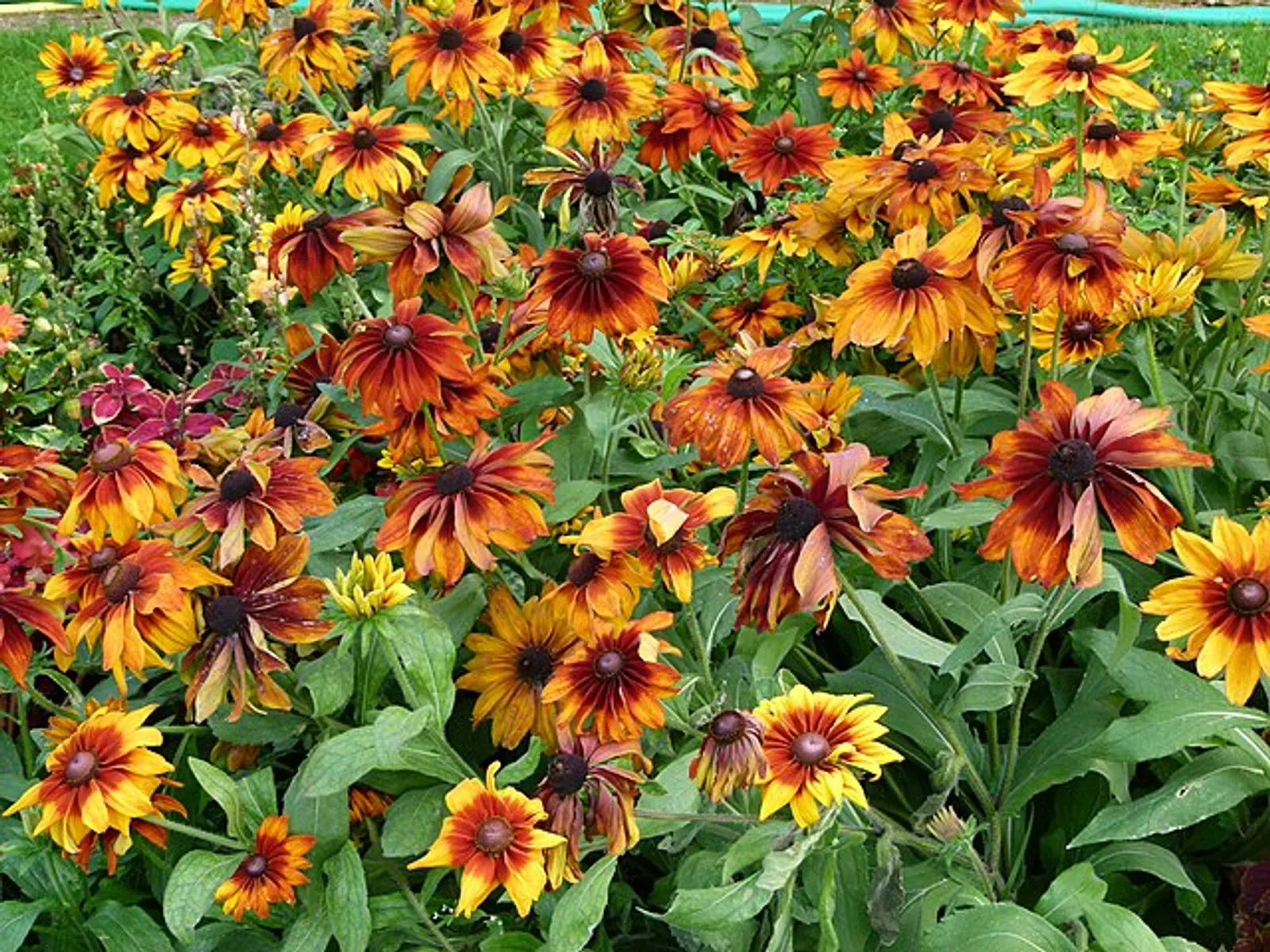
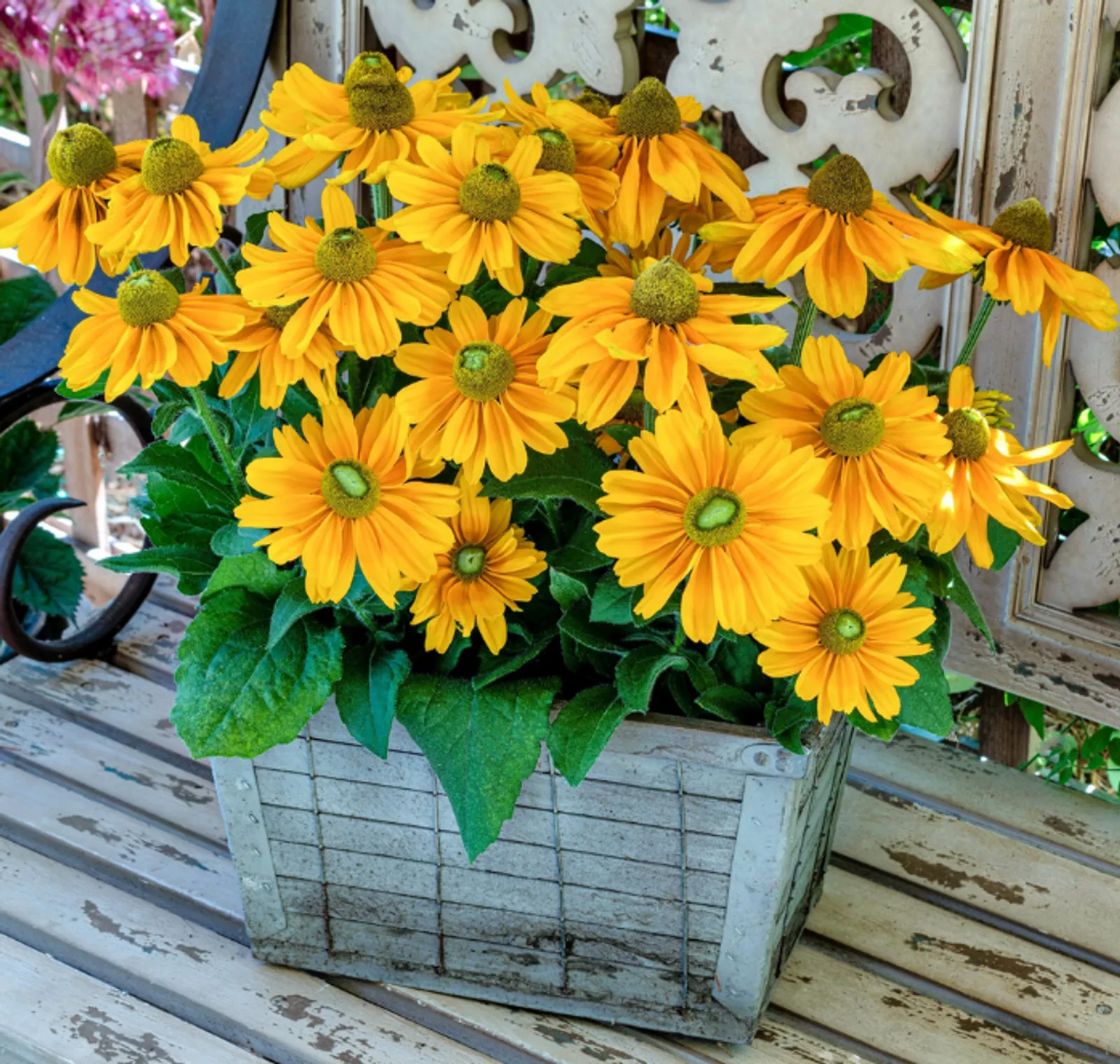
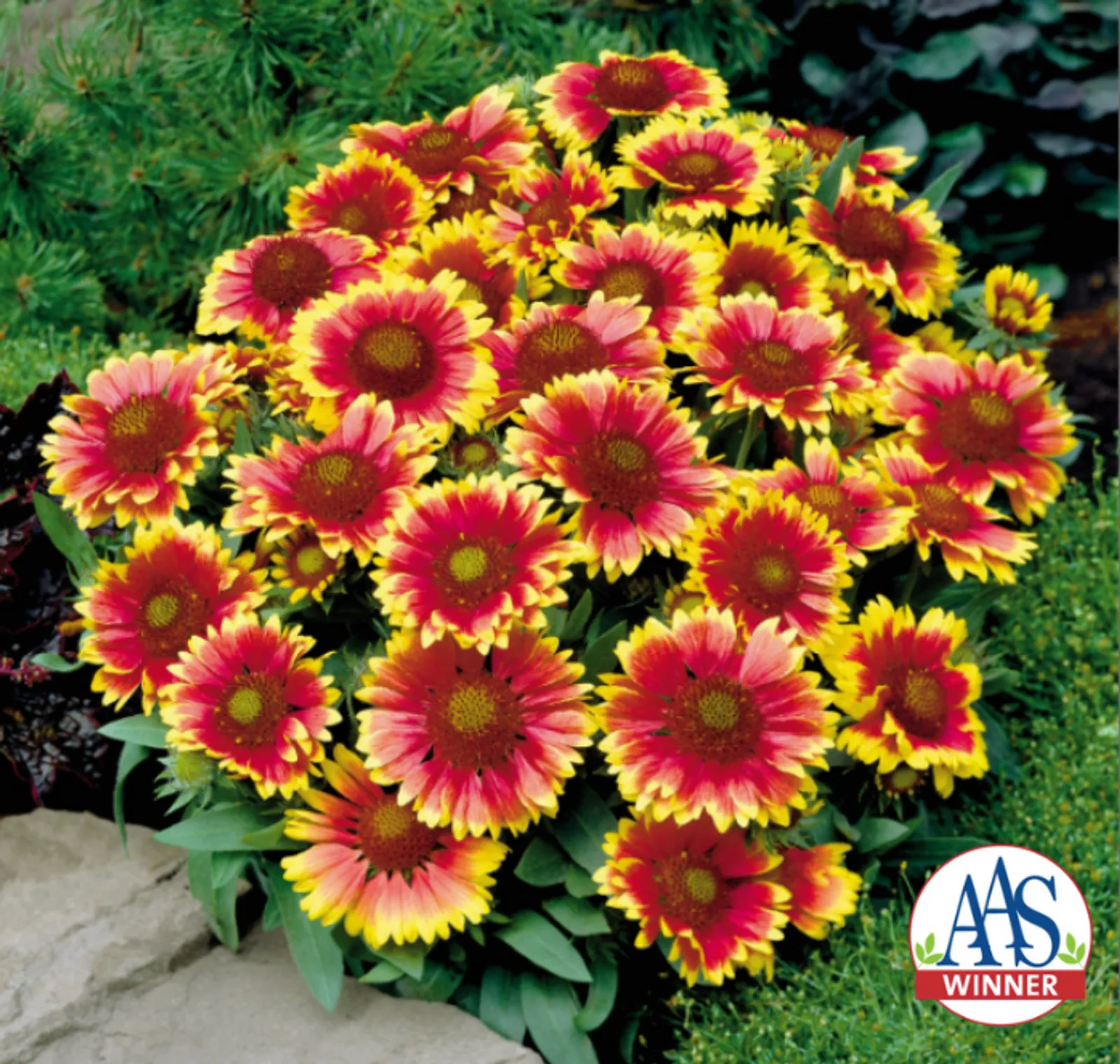
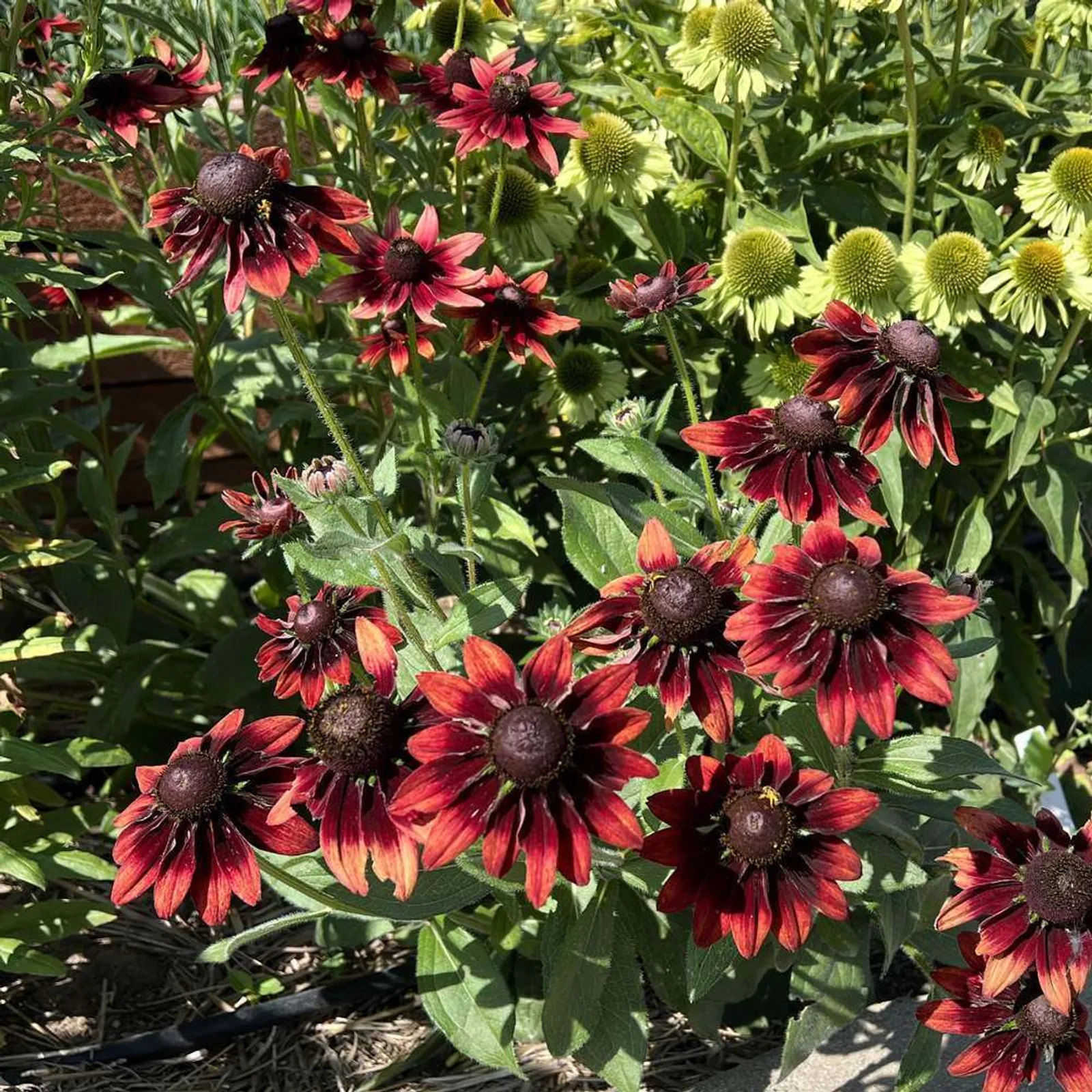
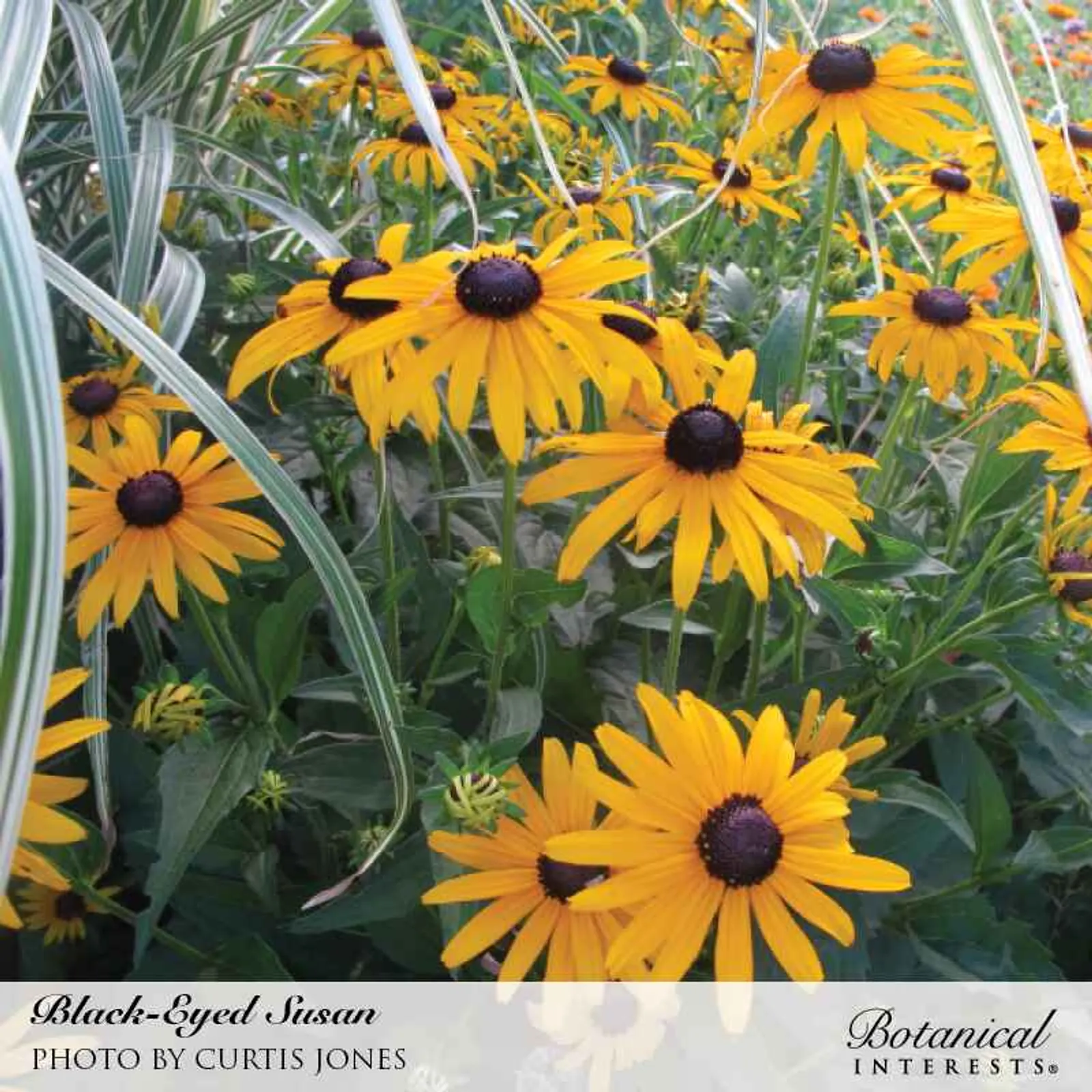
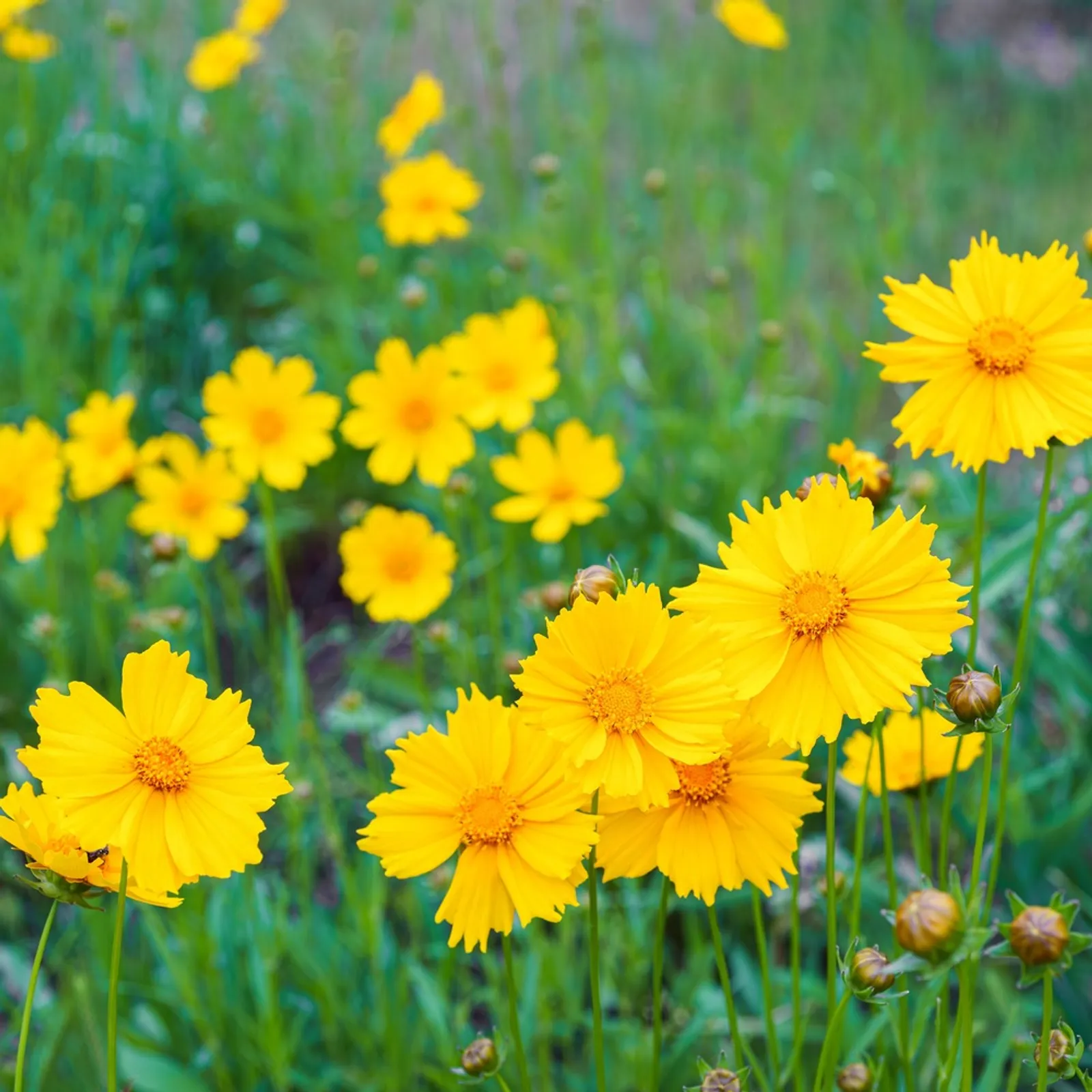
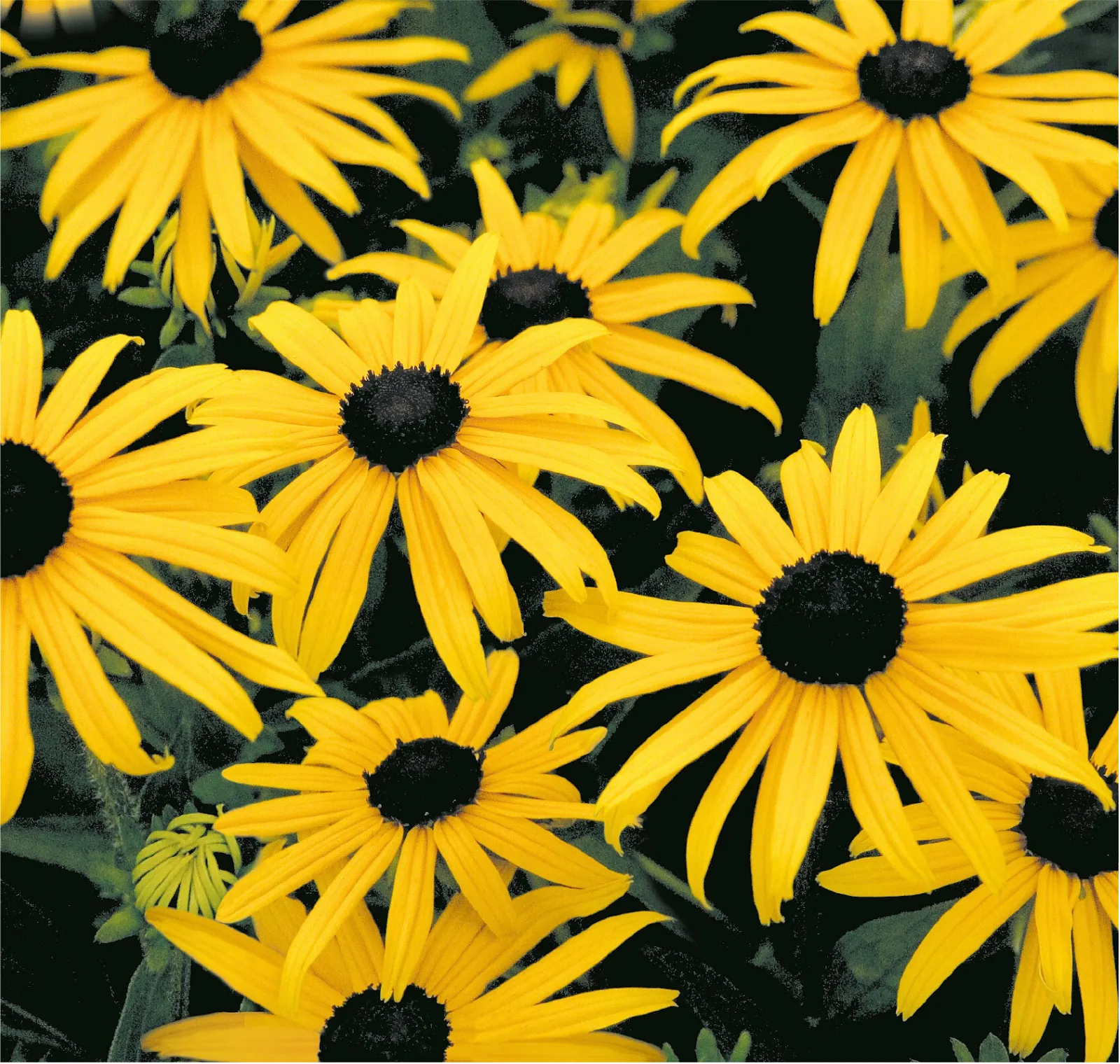
These classic beauties, with their dark brown or green centers and bright yellow/orange daisy-like flowers, are a familiar sight in nature and any cultivated gardens. These sturdy branching plants feature hairy stems and, if dead-headed, will continue blooming (although with smaller flowers) through the summer into fall. A tender or short-lived perennial, rudbeckia in a cutting garden is best treated as an annual. Favorite cutting flowers are Prairie Sun, with orange to yellow petals and a bright green center. Other varieties (Sahara, Cherry Brandy, Cherokee) offer double and mum-like blooms of reds, coppers, brown, pale yellows, and rose. Rudbeckia triloba is a daintier flower similar to a coneflower and is a native plant-pick for gardens.
How to Grow Black-Eyed Susan
Quick Info

Put away the pen and paper
Plan your veggie garden in minutes with Planter's easy drag and drop planner.
Try Planter for Free
Varieties
Pests
Diseases
Beneficial Critters
Growing from Seed
Starting seeds indoors 5-7 weeks before transplanting is recommended. Lightly cover seeds (light needed for germination). Bottom water.
Planting Considerations
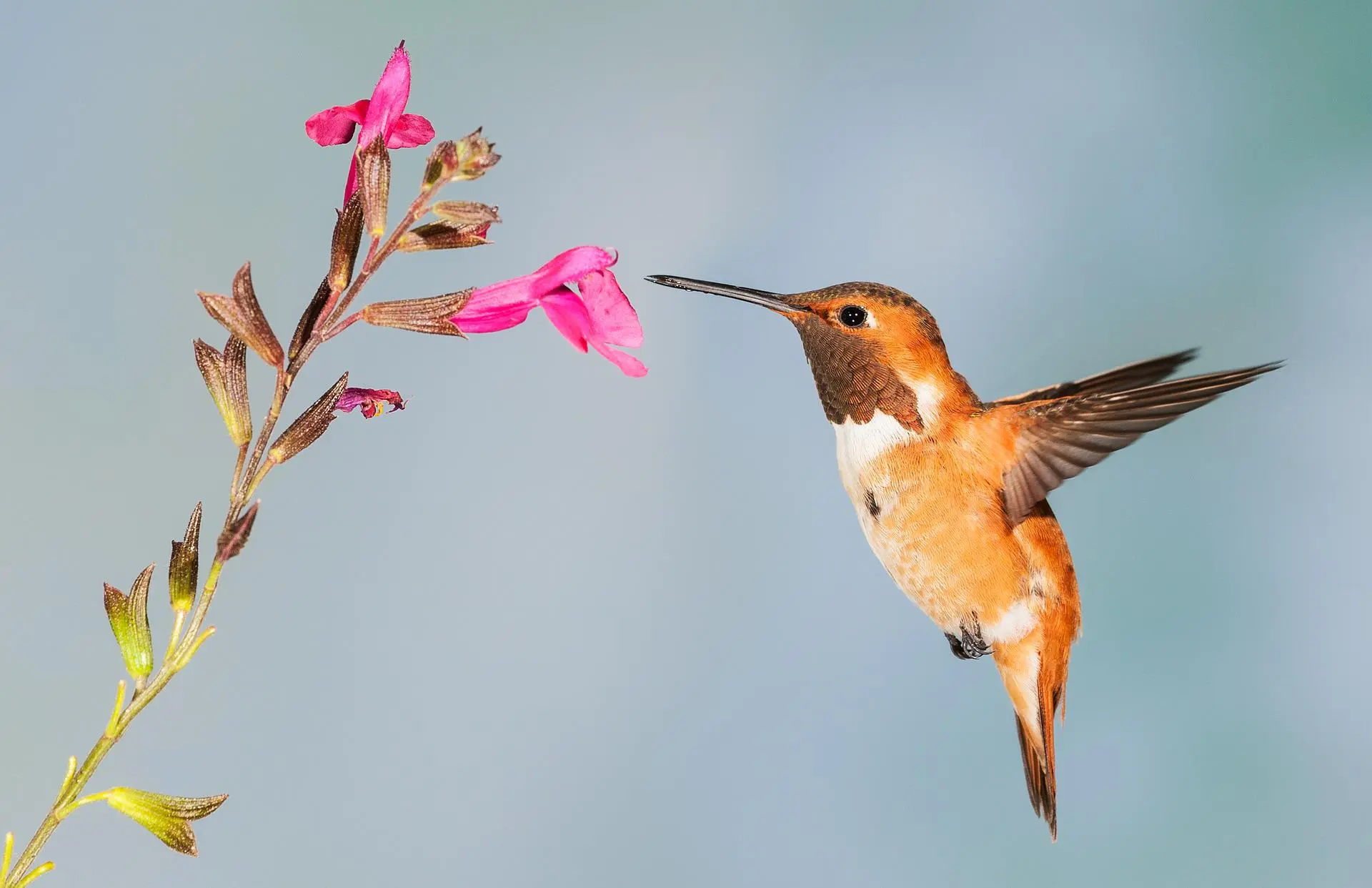
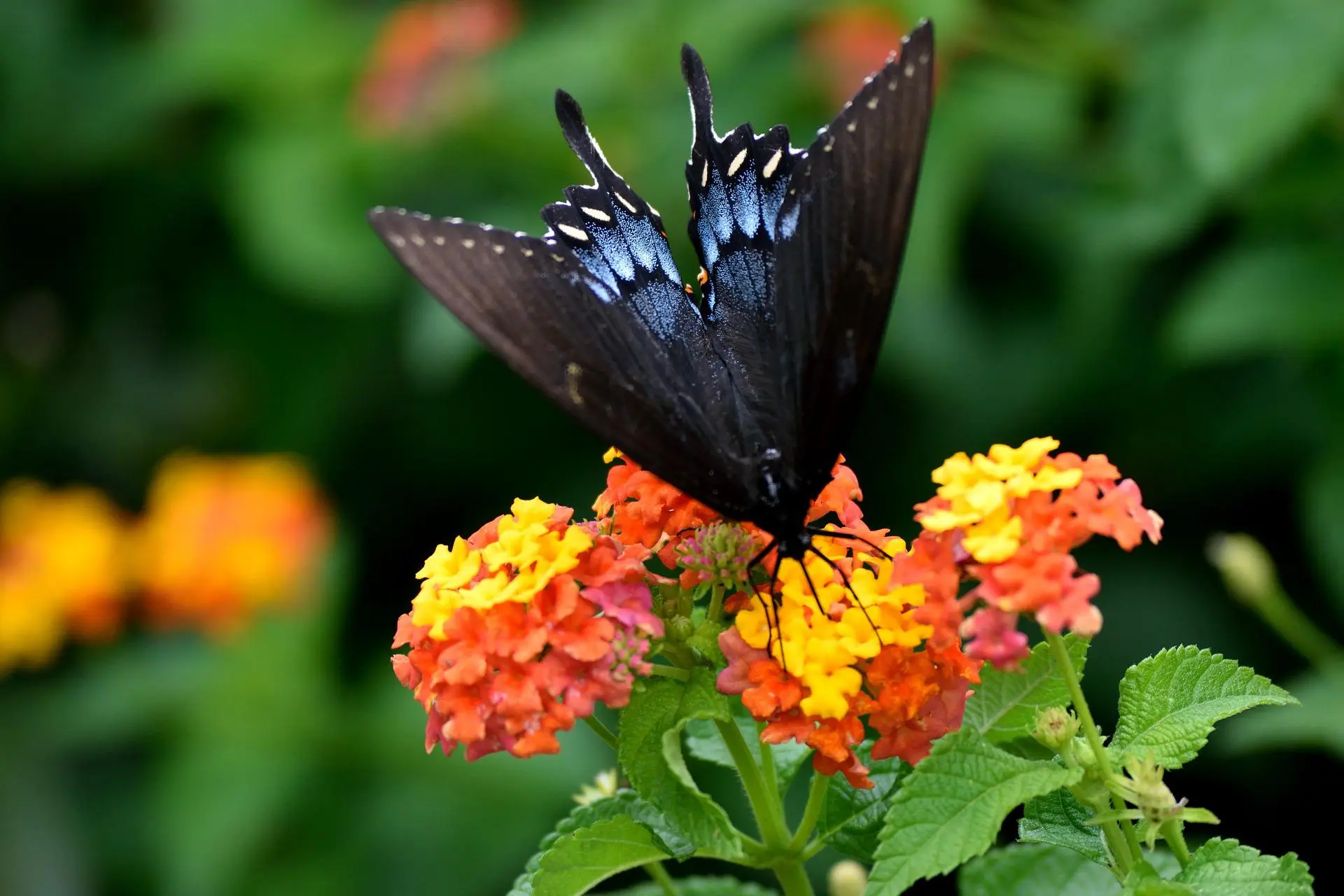
Rubeckias look beautiful in any kind of garden- consider planting in a pollinator garden or naturalized bed even if you plan on using as a cut flower. First flush of flowers provide the biggest blooms and stem length for picking. Rudbeckias will thrive in less than perfect conditions.
Harvesting
Pick flowers when buds begin to open. Rudbeckias are notorious for dirtying their water: add a few drops of bleach to vase or use a commercial flower additive.