Catnip
Nepeta cataria
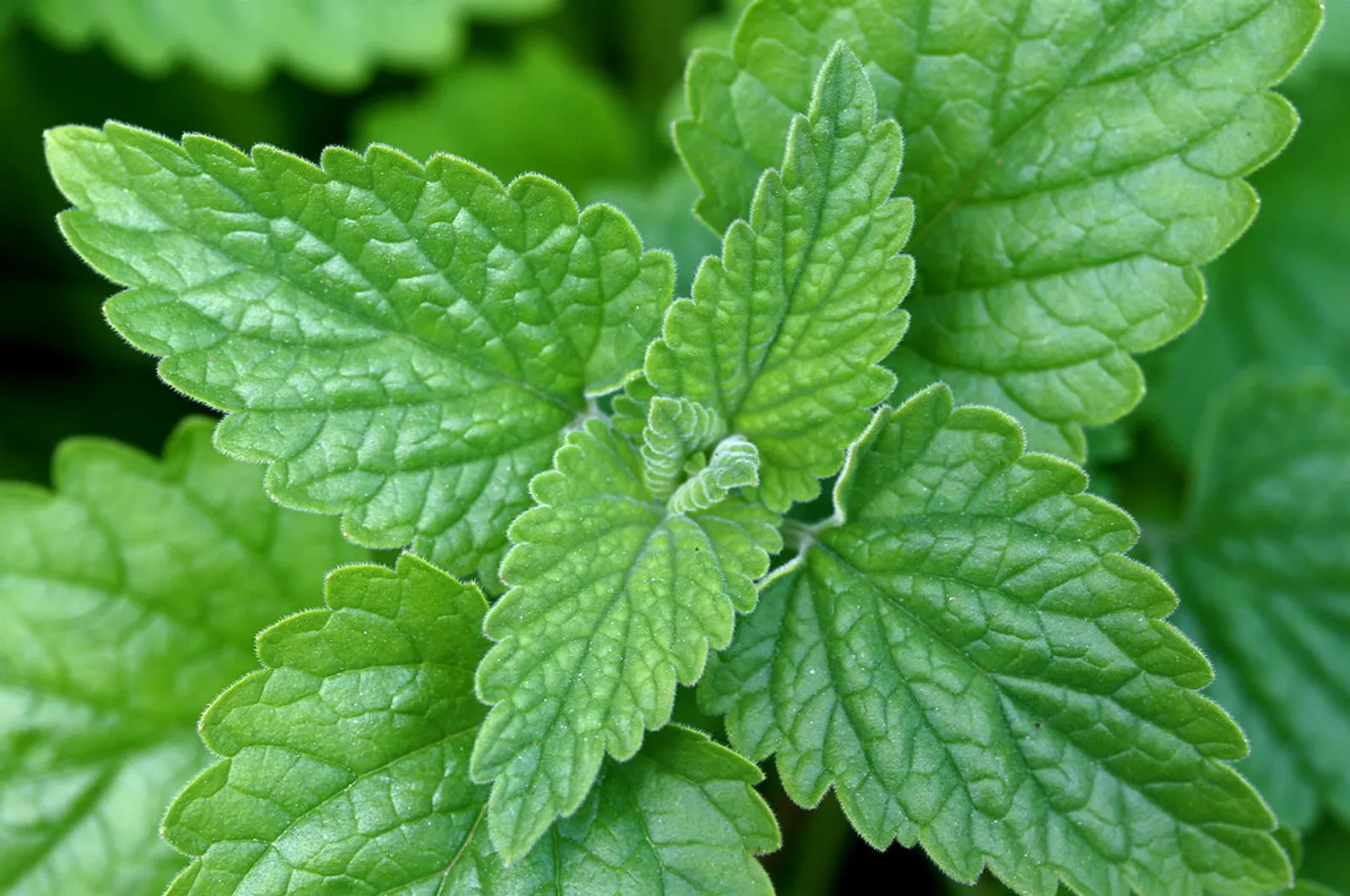
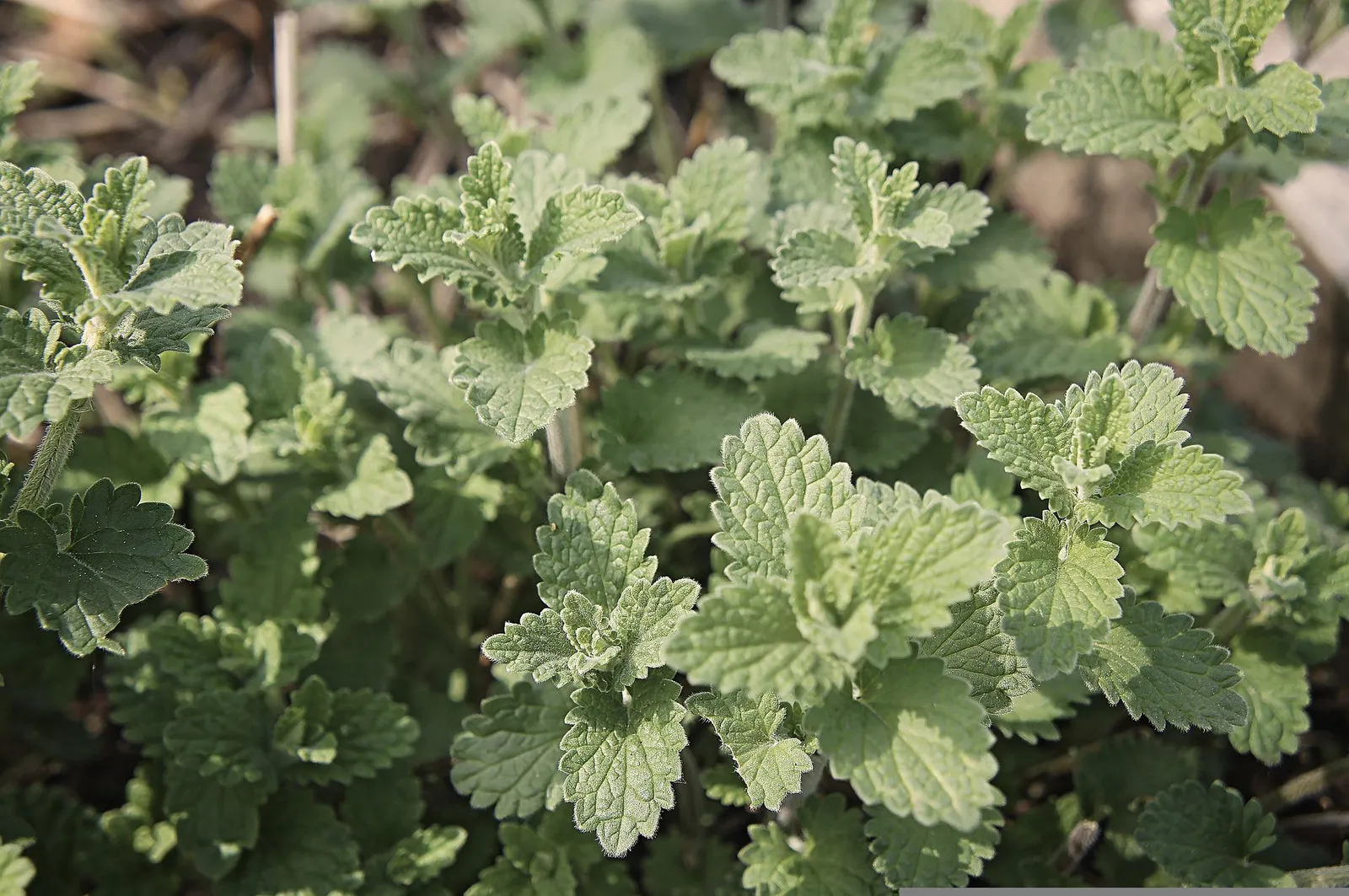
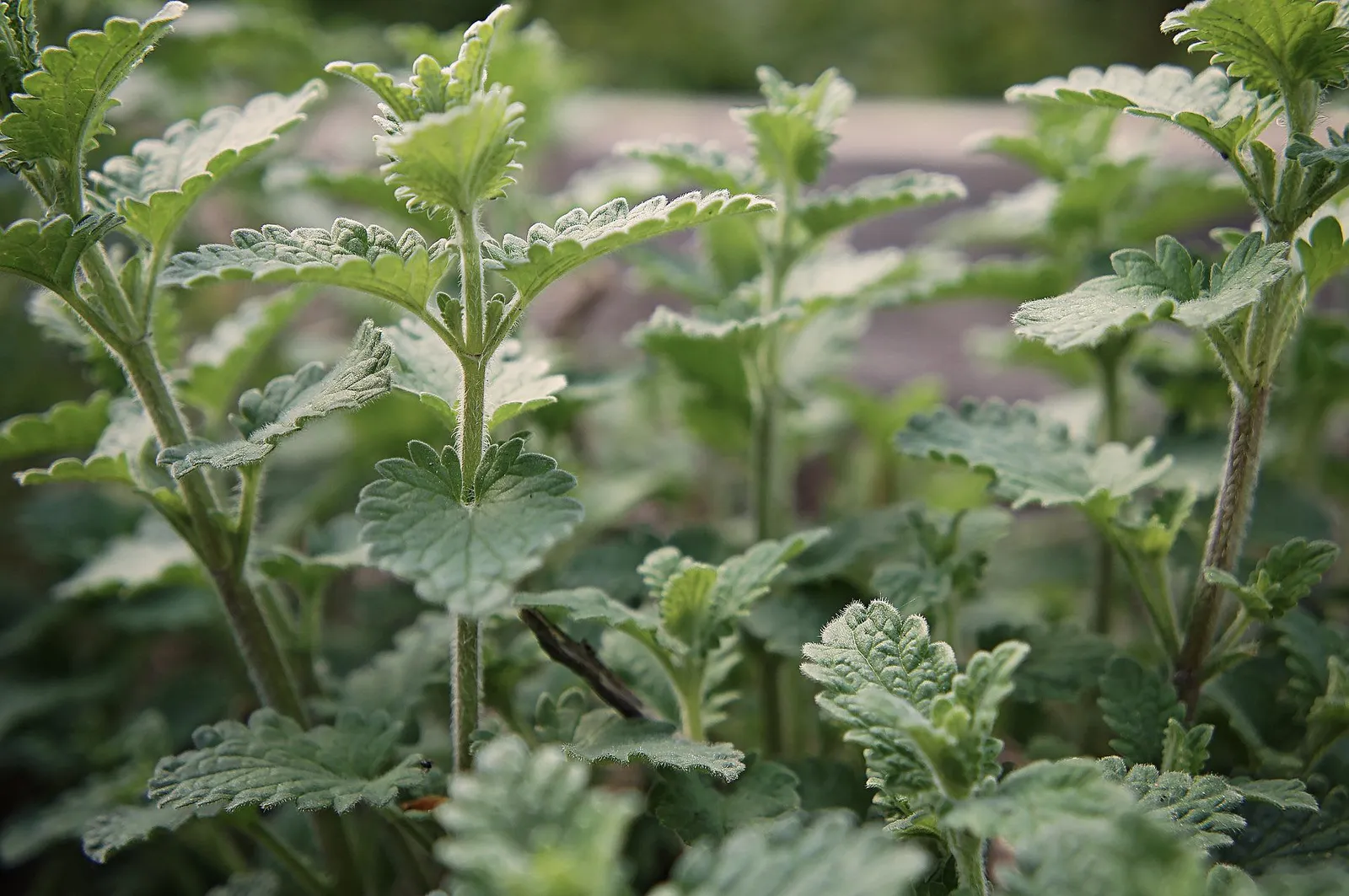
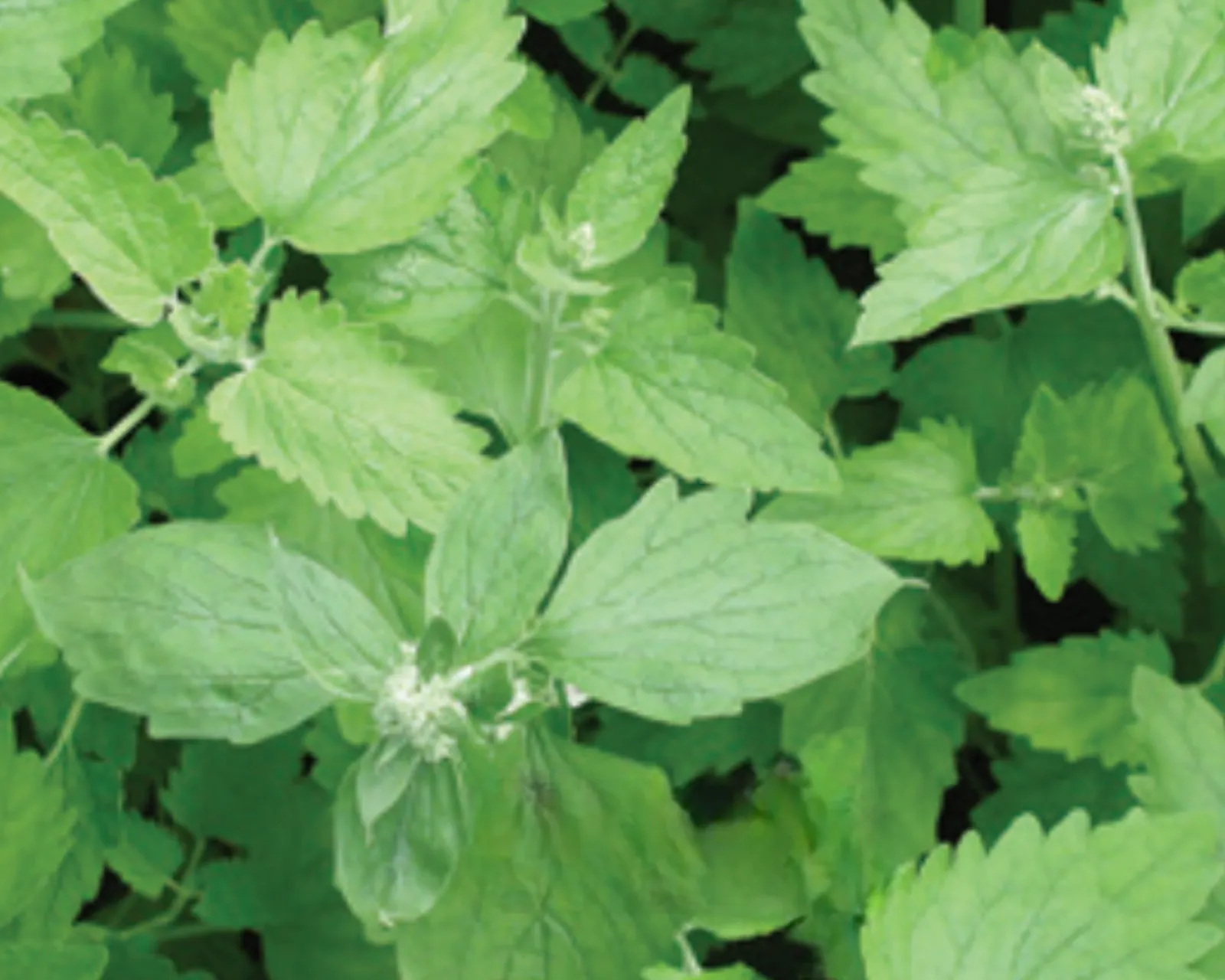
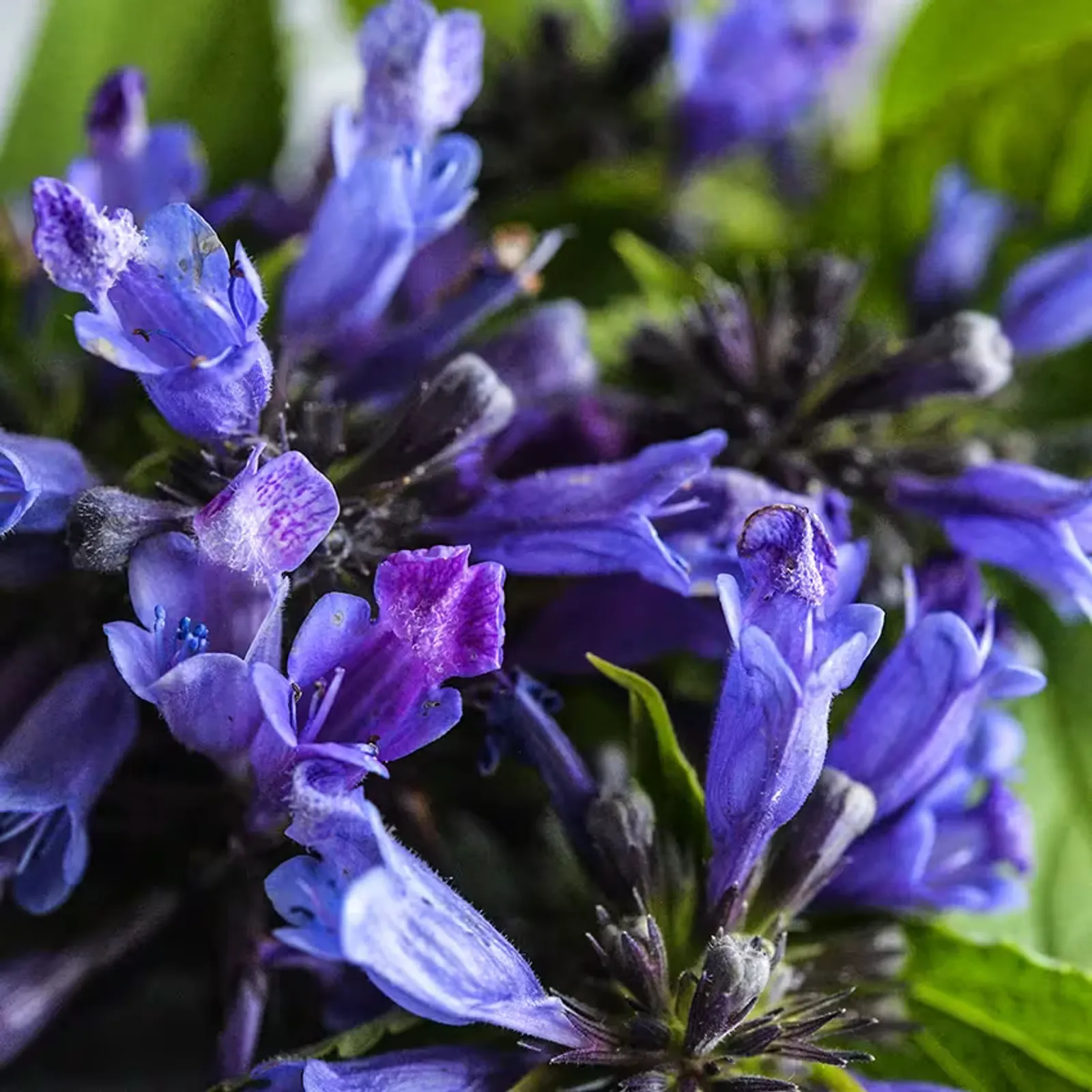
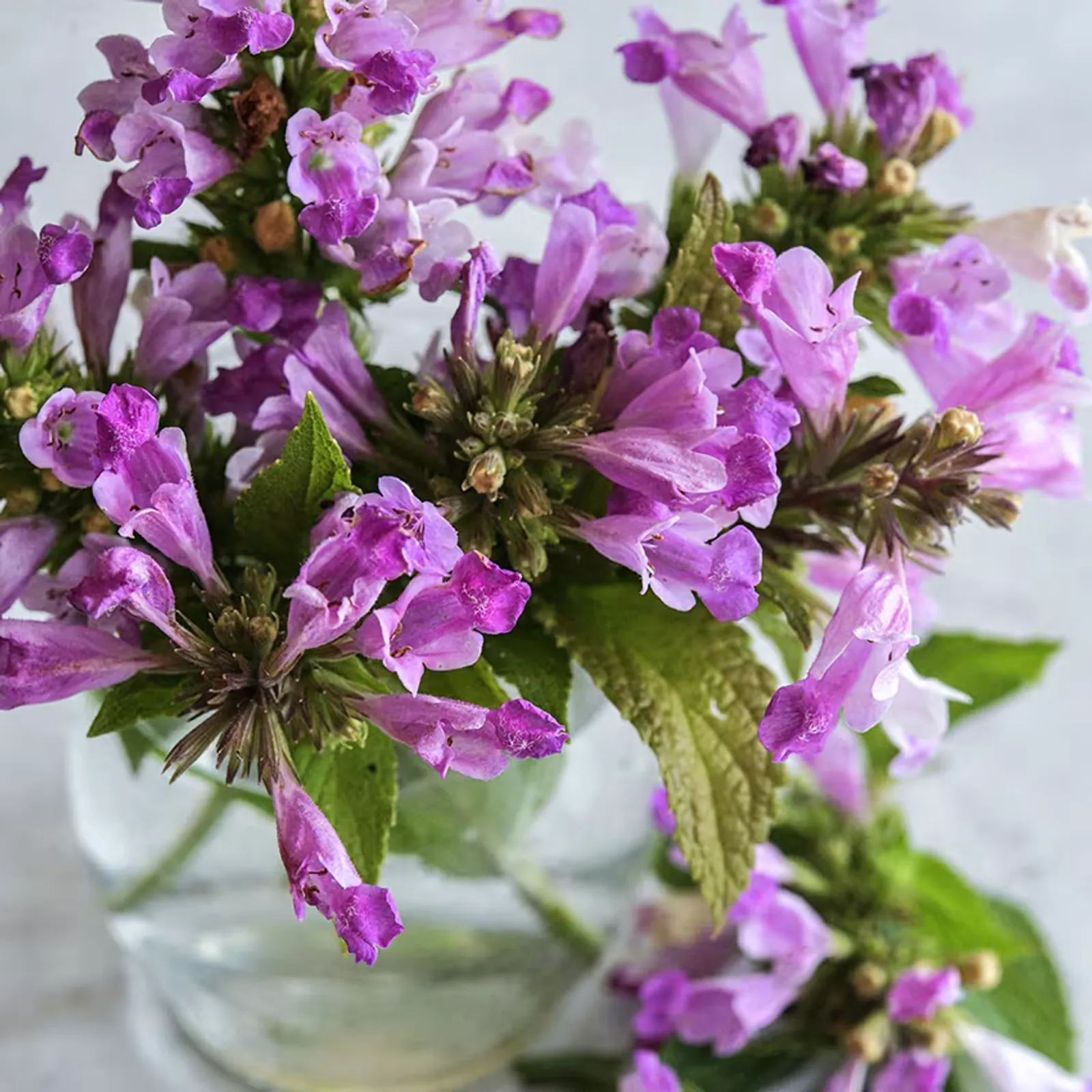
Catnip is a popular addition to the garden especially for those with cats. It’s easy to grow and great at deterring pests from your vegetable garden. It is an invasive plant that tends to spread. For this reason, unless you would like a large patch of catnip, it is best to plant it in containers.
How to Grow Catnip
Quick Info


Put away the pen and paper
Plan your veggie garden in minutes with Planter's easy drag and drop planner.
Try Planter for Free
Varieties
Related Articles
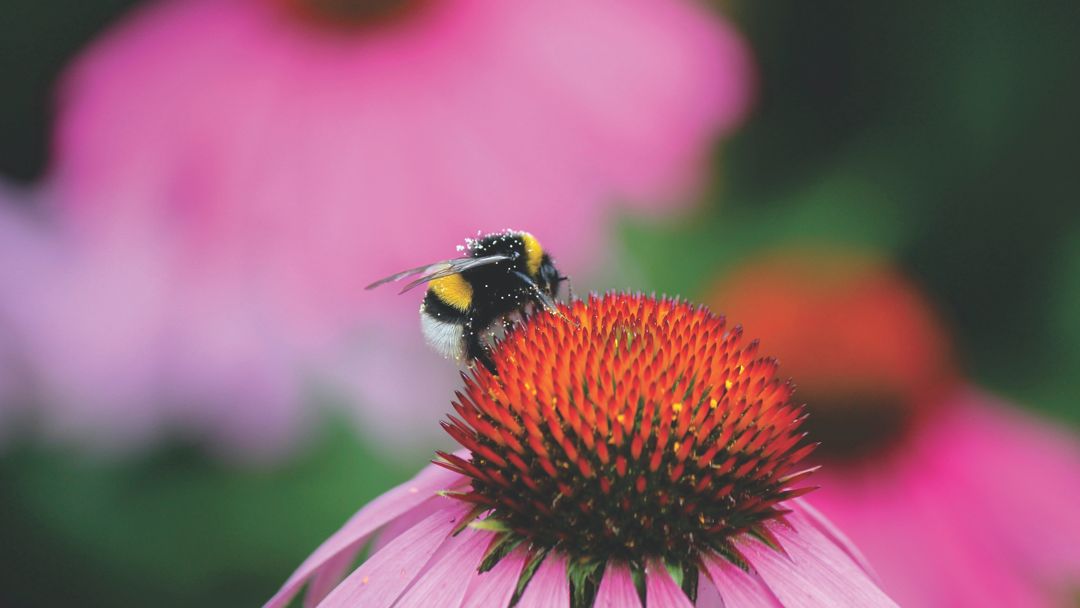
Companion Plants













Pests
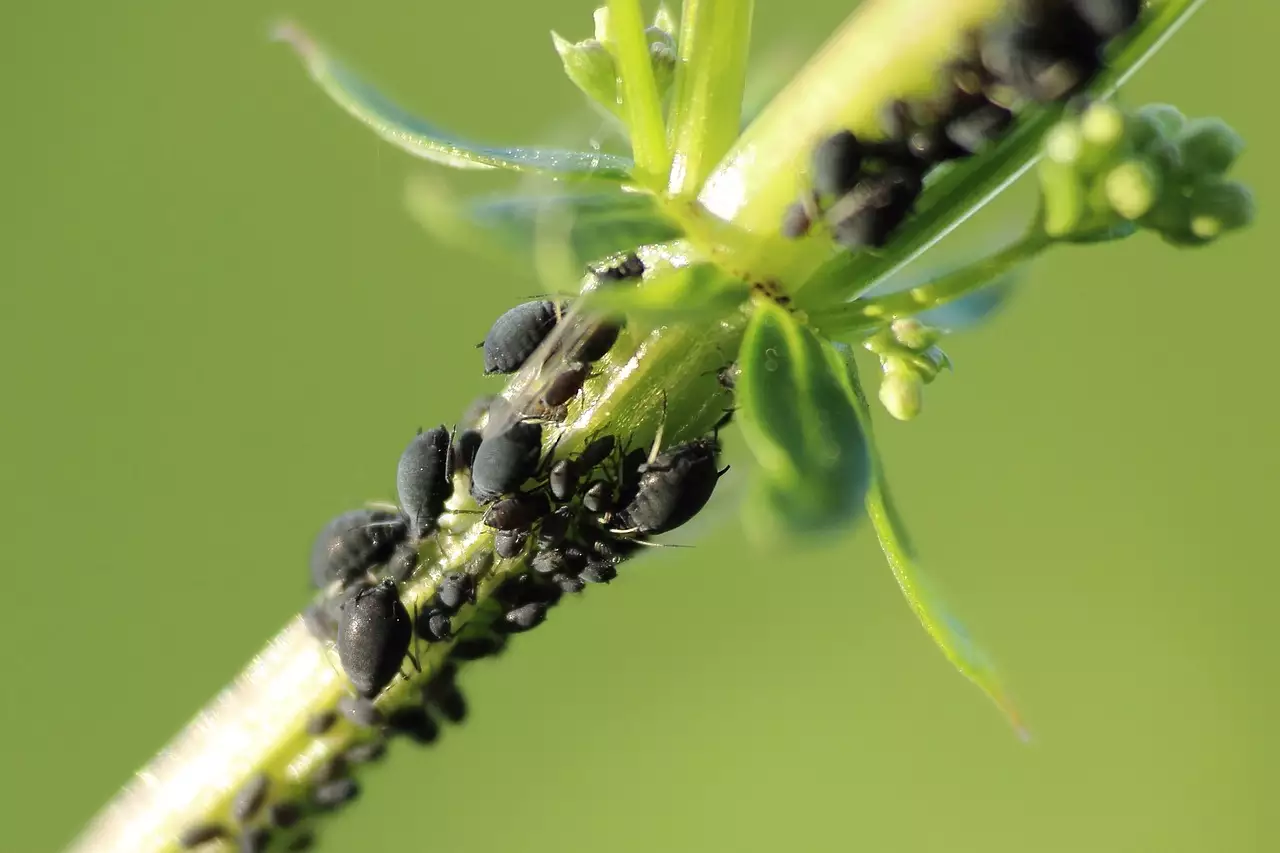
Beneficial Critters
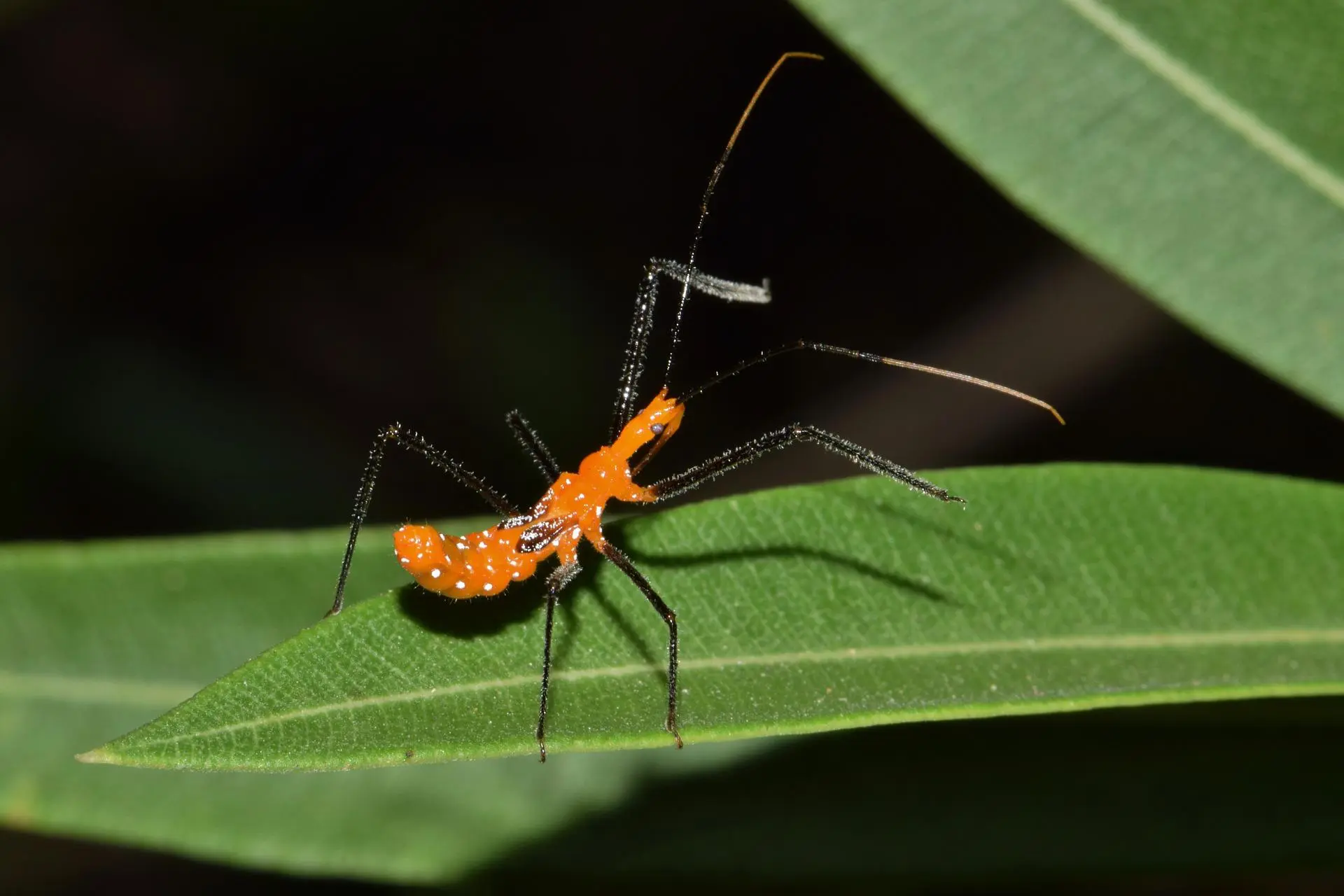
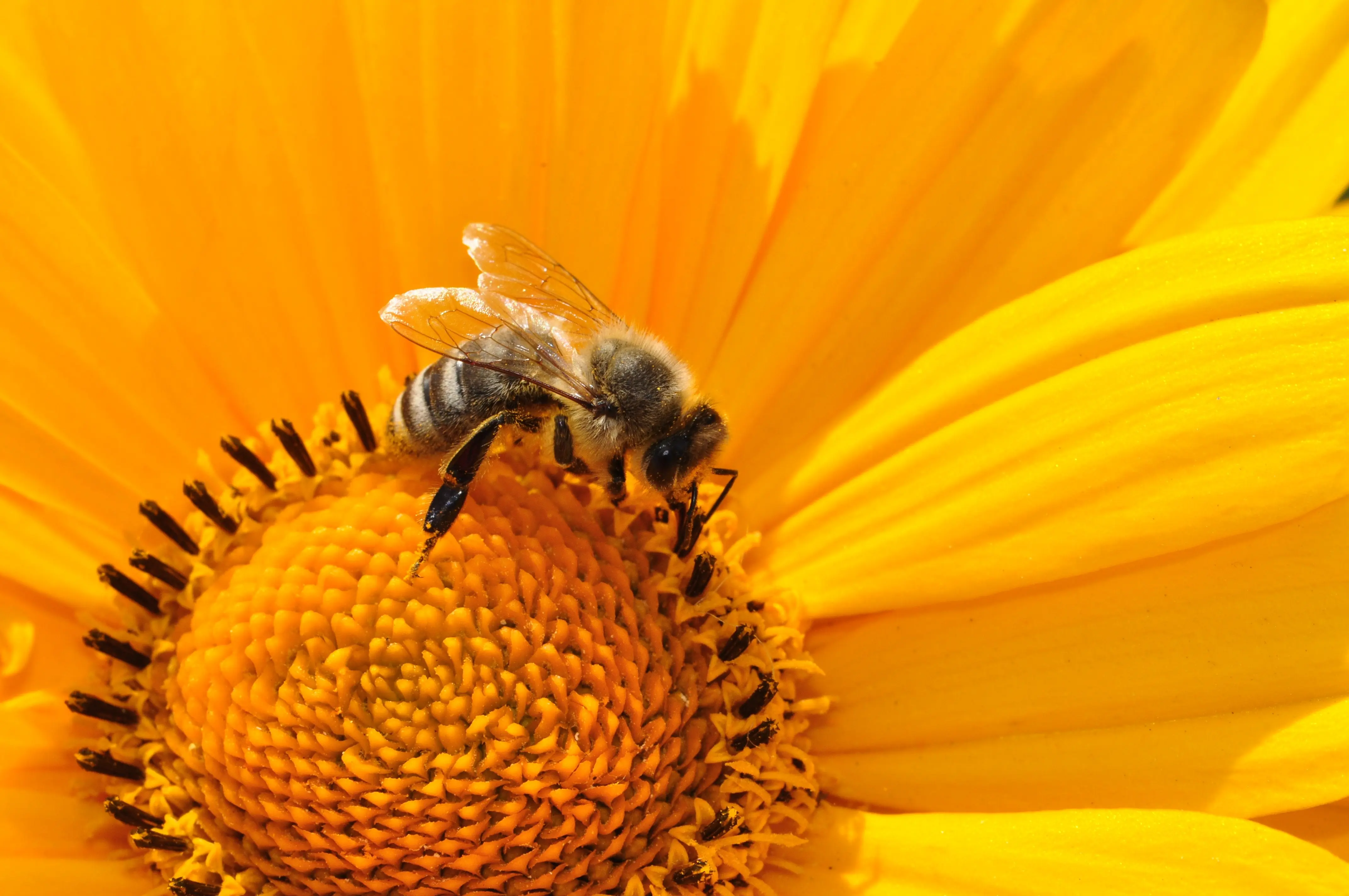
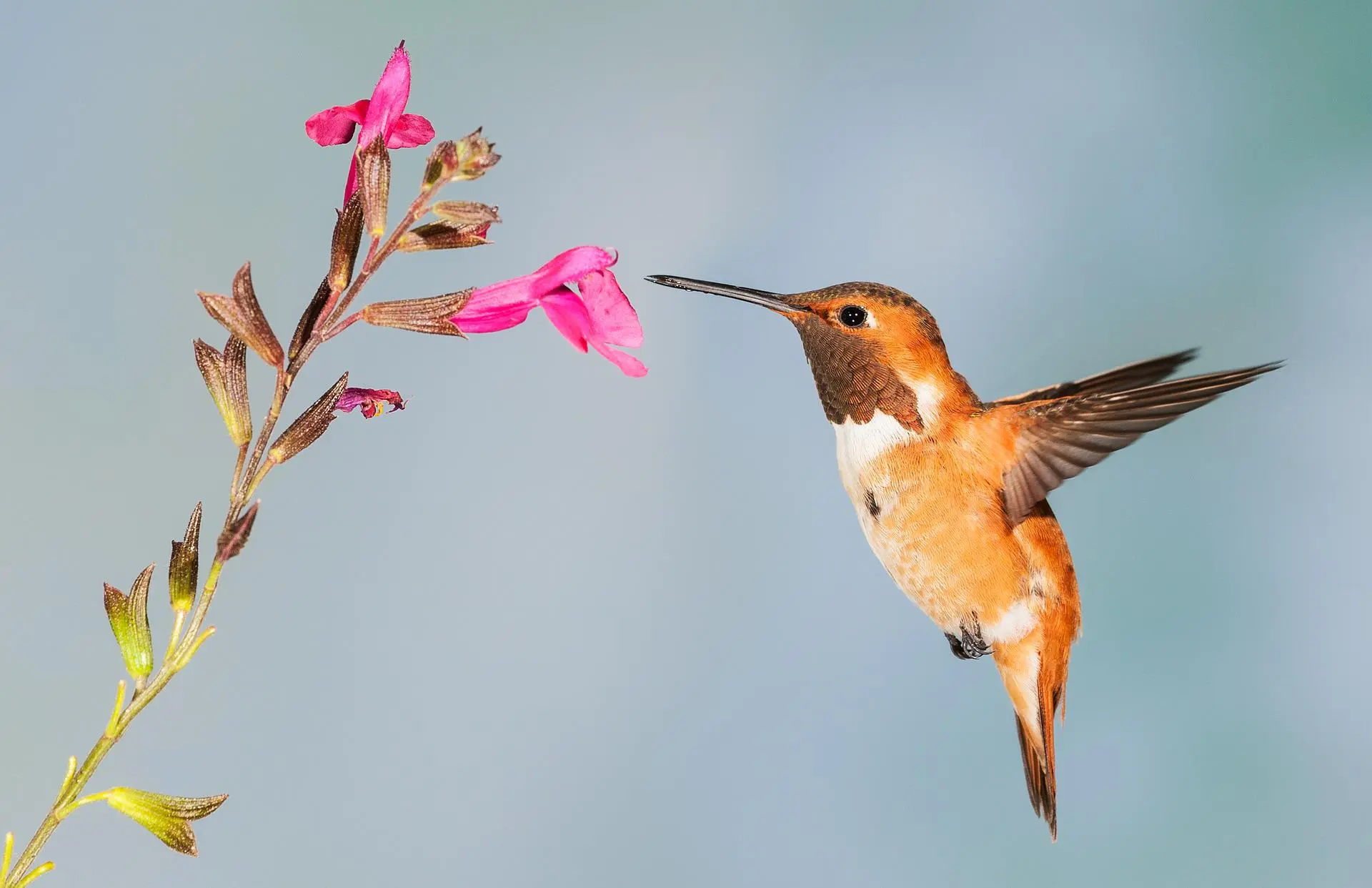
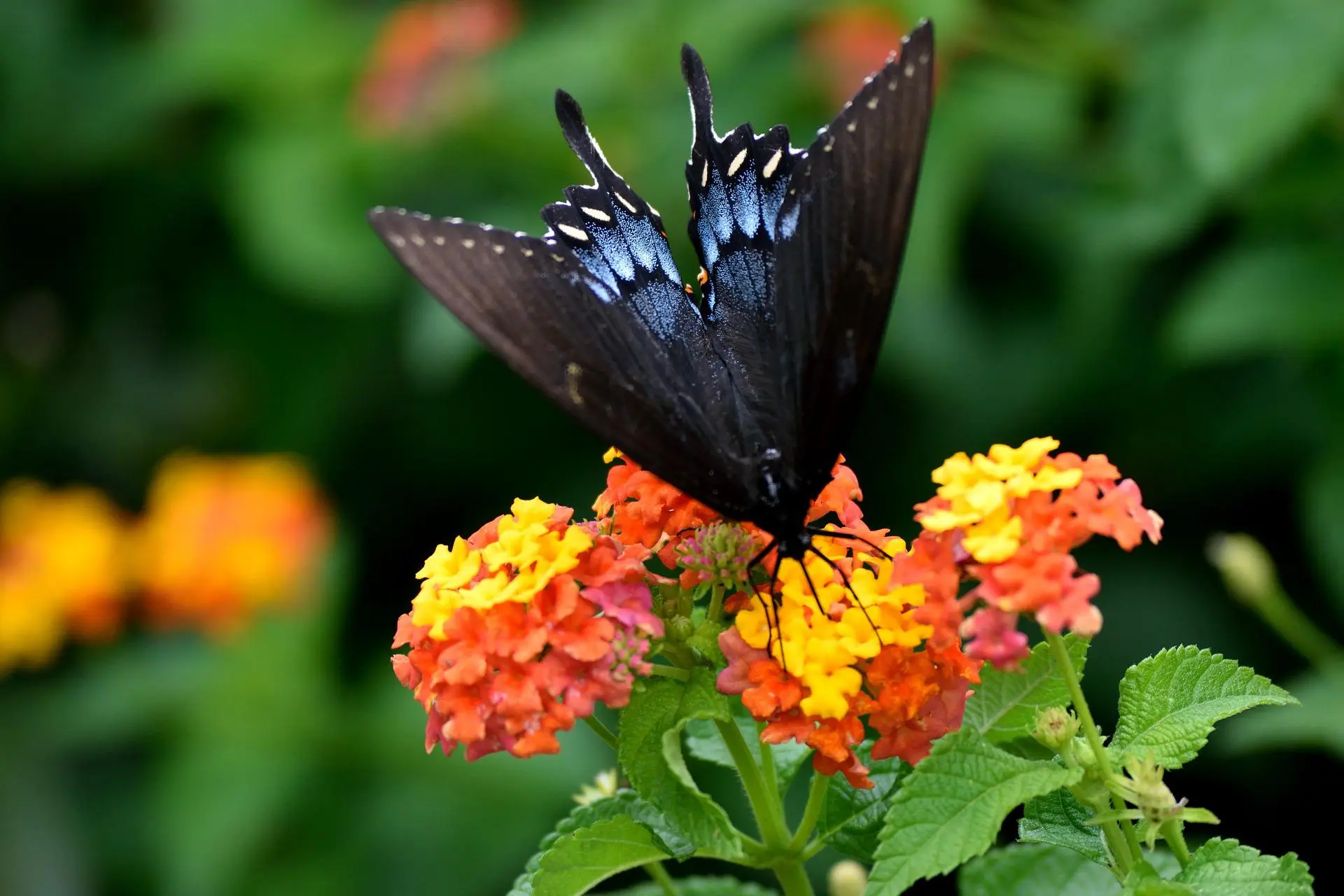
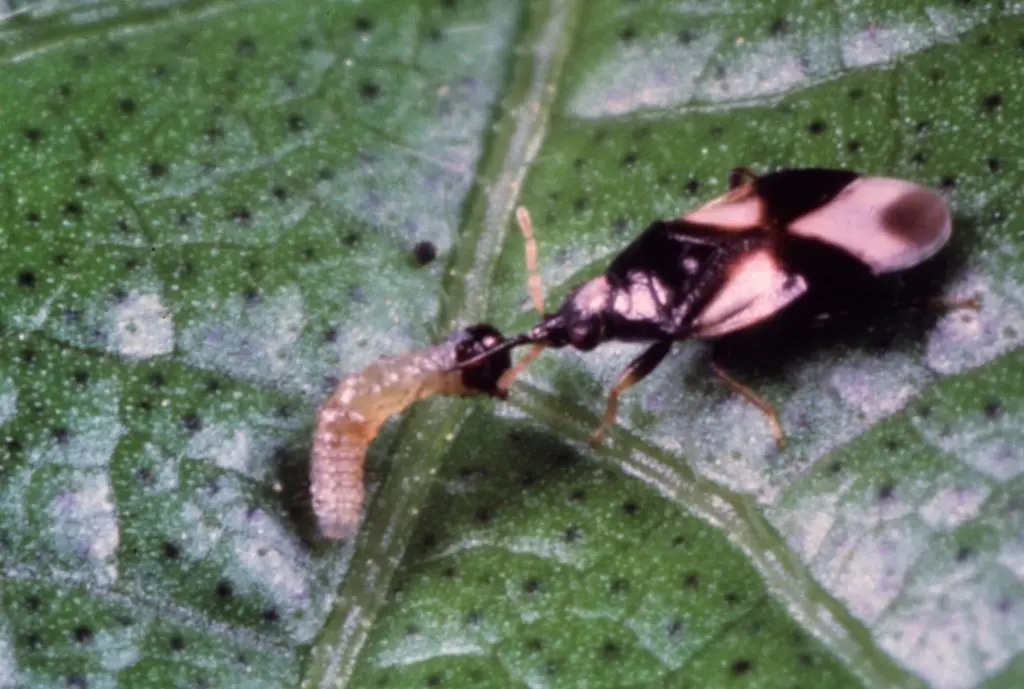
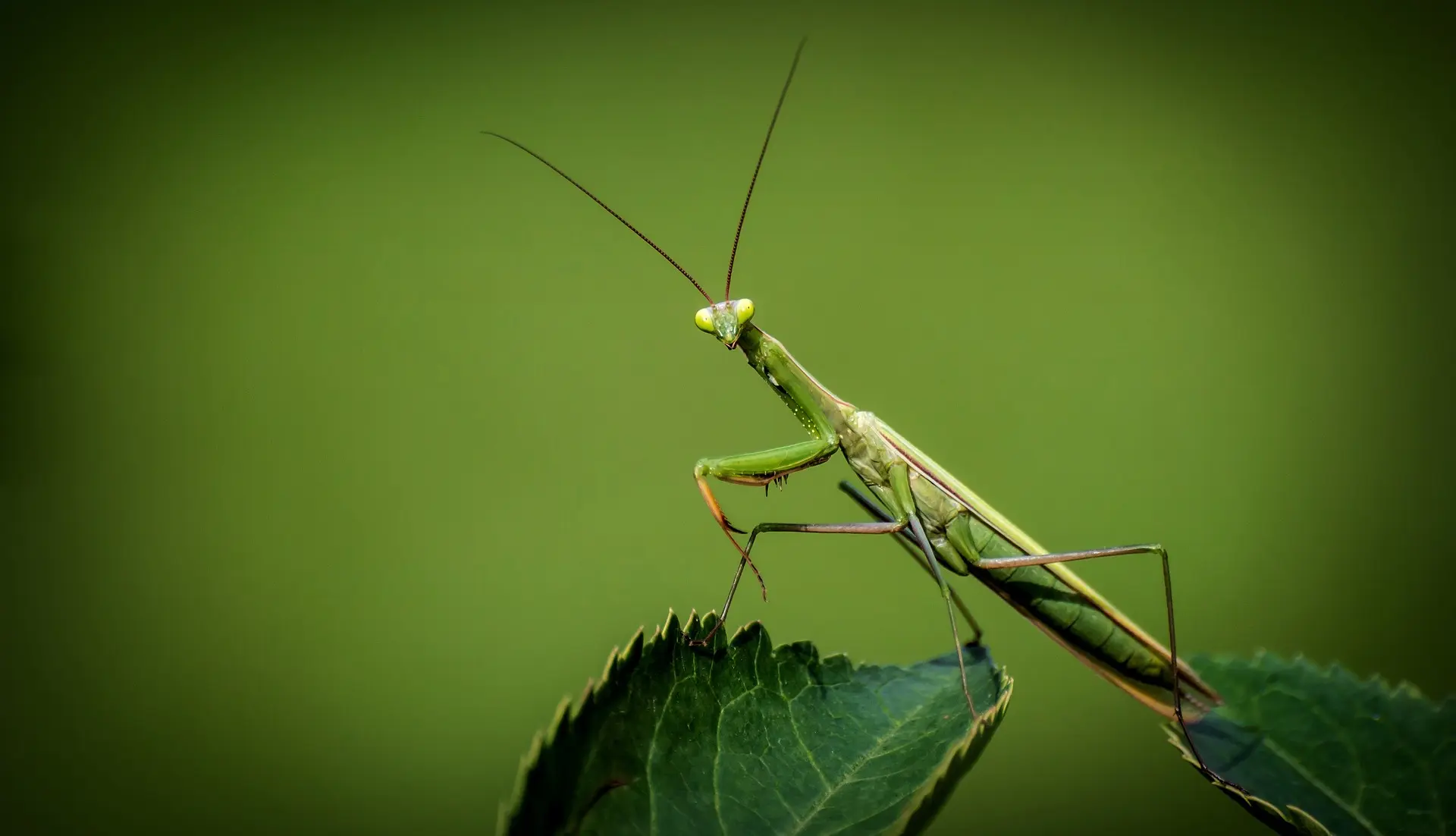
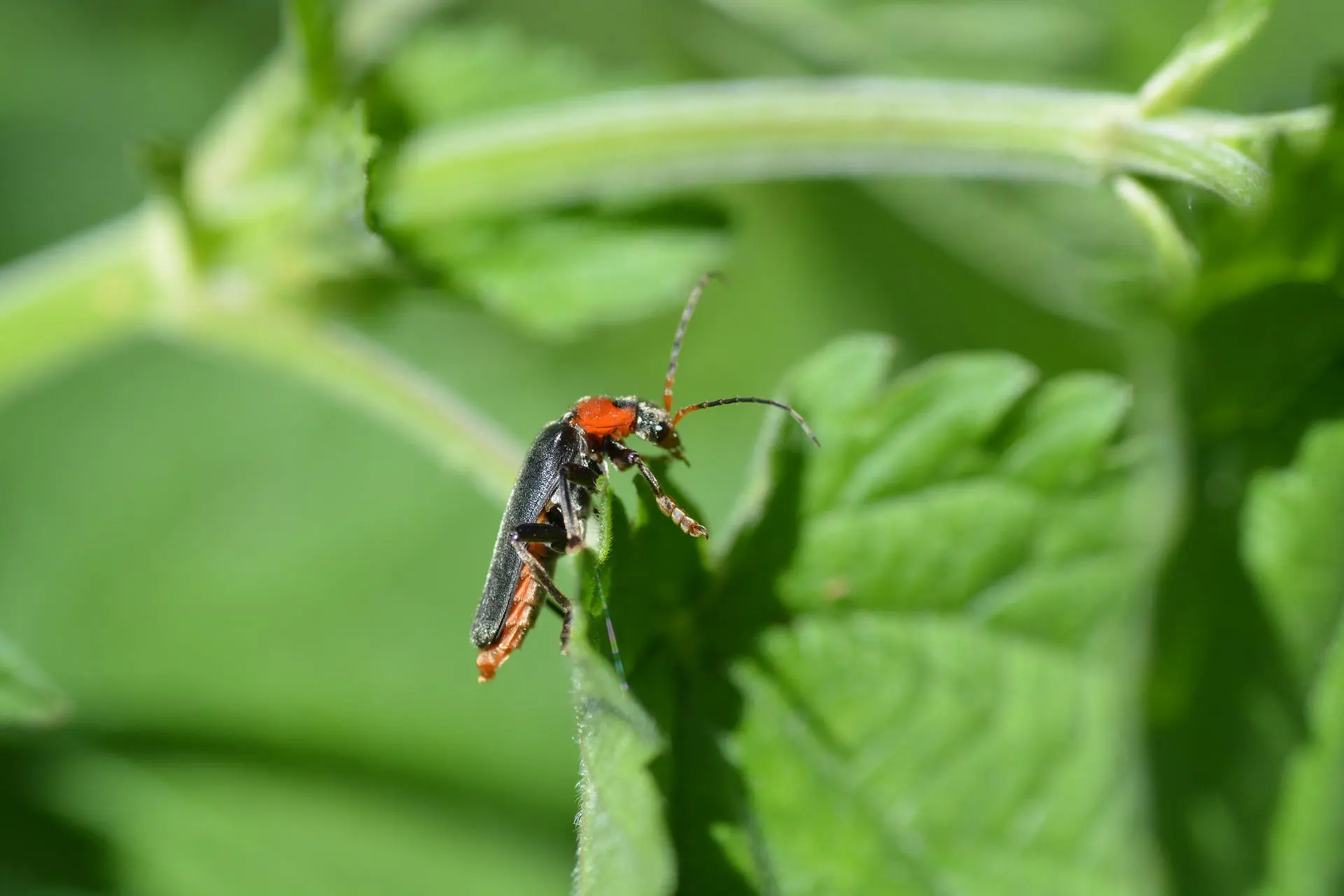
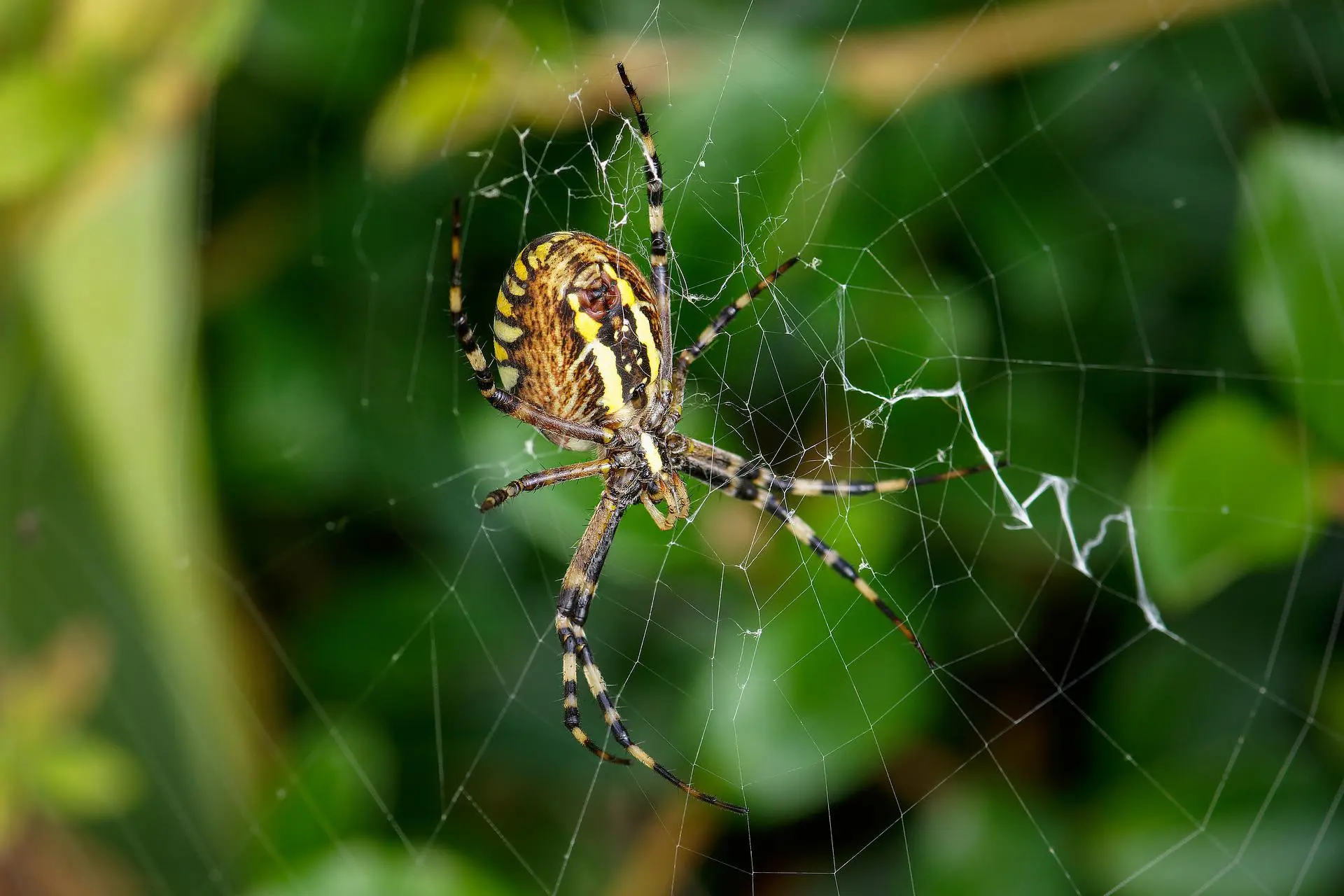
Planting Considerations
Catnip can also be grown from starts, or divisions from existing plants. In most climates, these should be transplanted to the garden in the spring. If you want to prevent your catnip plants from spreading, remove their flowers before they go to seed. Be sure not to overwater your catnip plants, as this can cause root rot.
Feeding
Catnip does not require much in the way of feeding. It is actually recommended that you NOT fertilize your catnip plants, as this can cause a reduction in their leaves’ smell and flavor.
Harvesting
To harvest catnip, you can either pinch off individual leaves, or cut off entire stems at the base and dry them. Even after cutting off the entire plant at the base, it will likely regrow again.
Storage
Fresh catnip can be stored in the fridge. Dried catnip can be stored in containers, just like most other herbs. Dried catnip is also frequently used as a filling for cat toys.