Echinacea
Echinacea purpurea, E. paradoxa, E. x hybrida
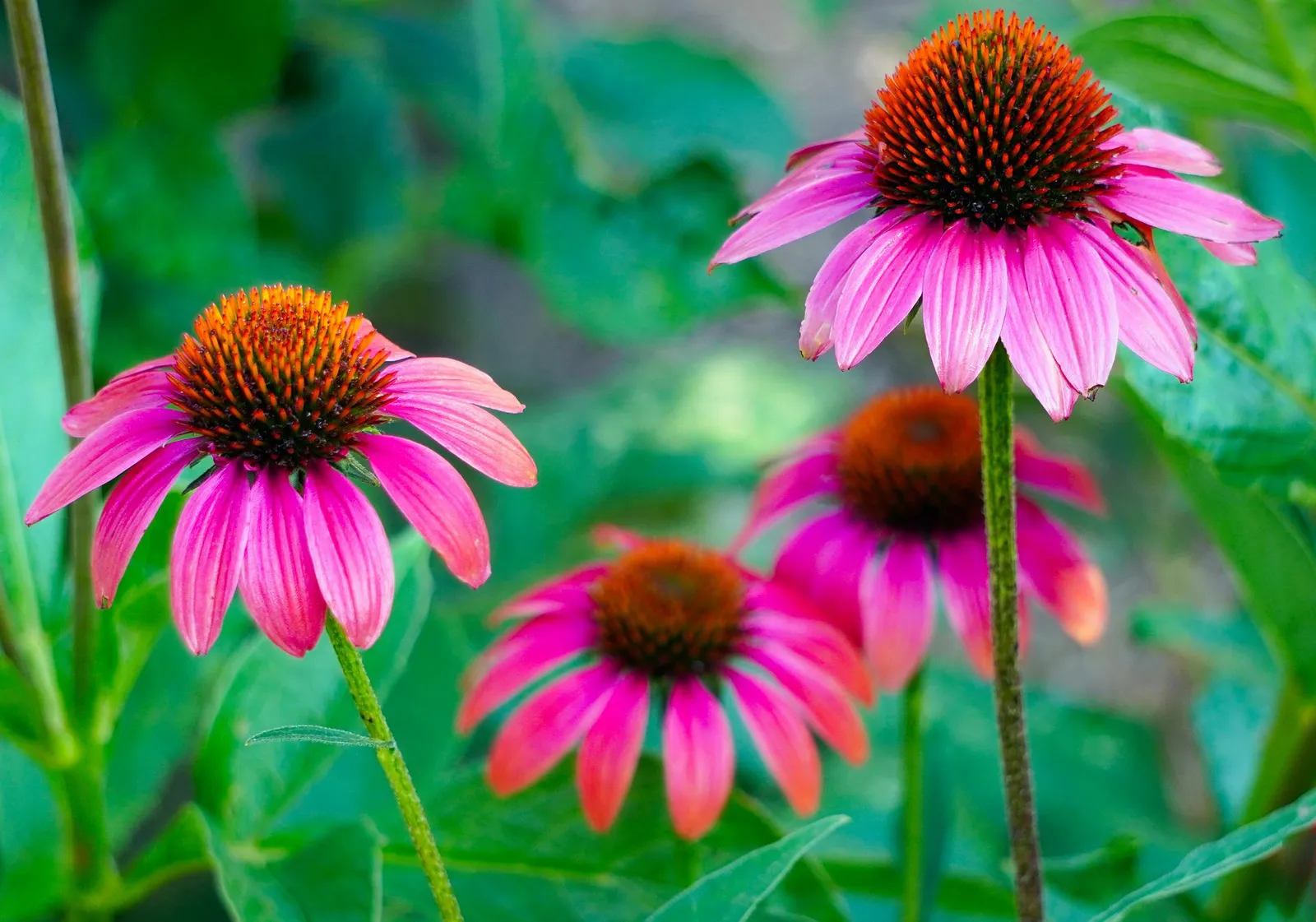
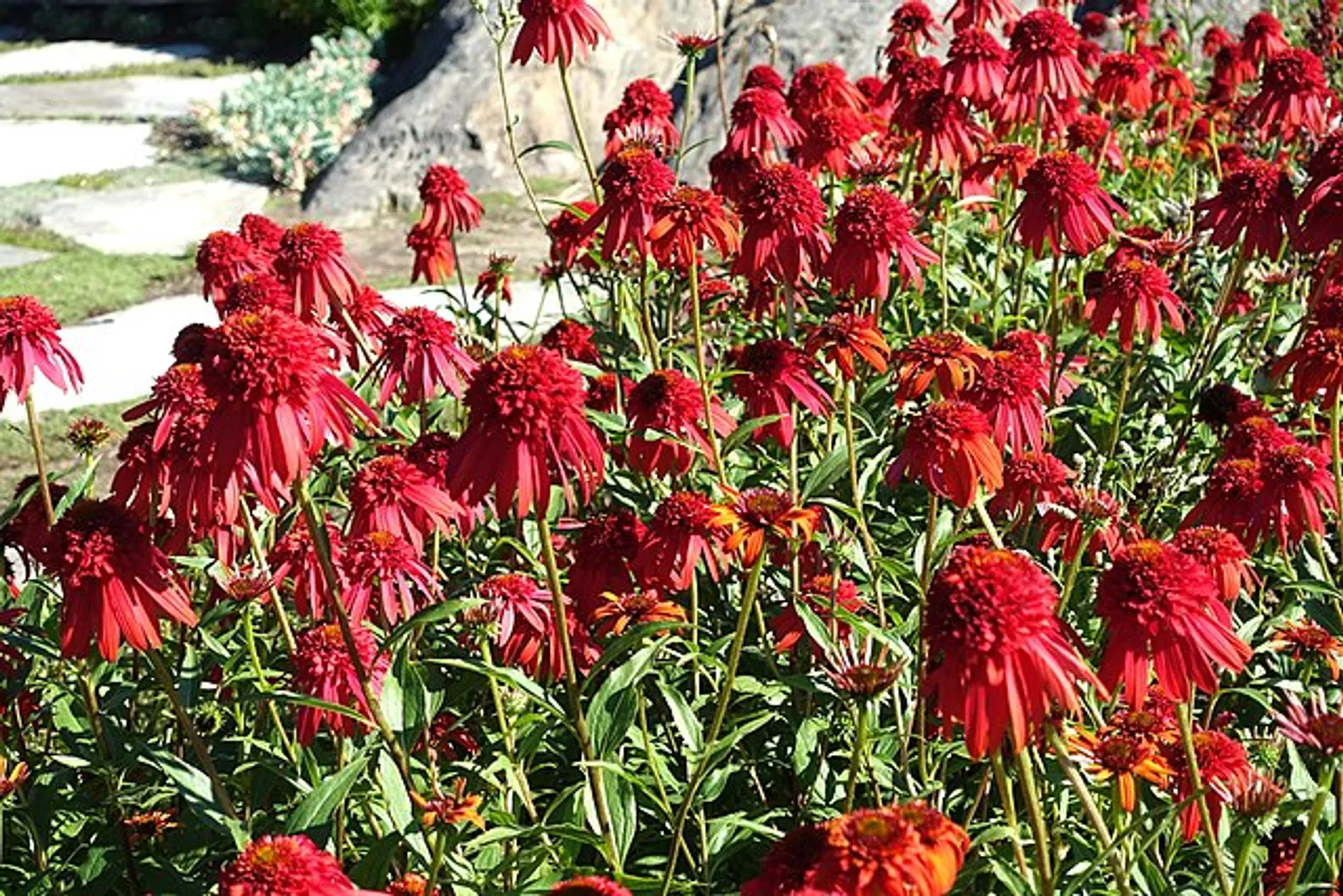
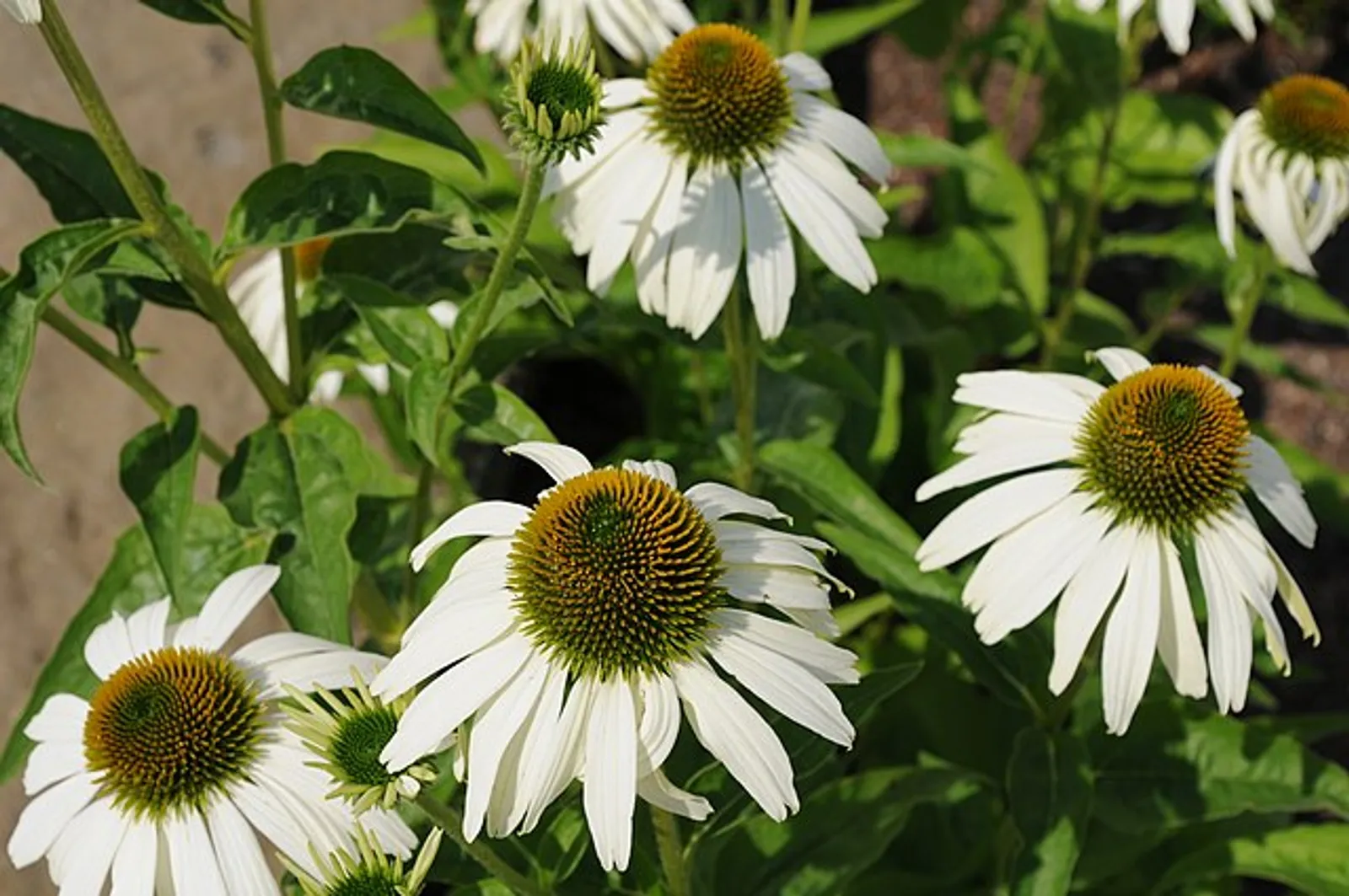
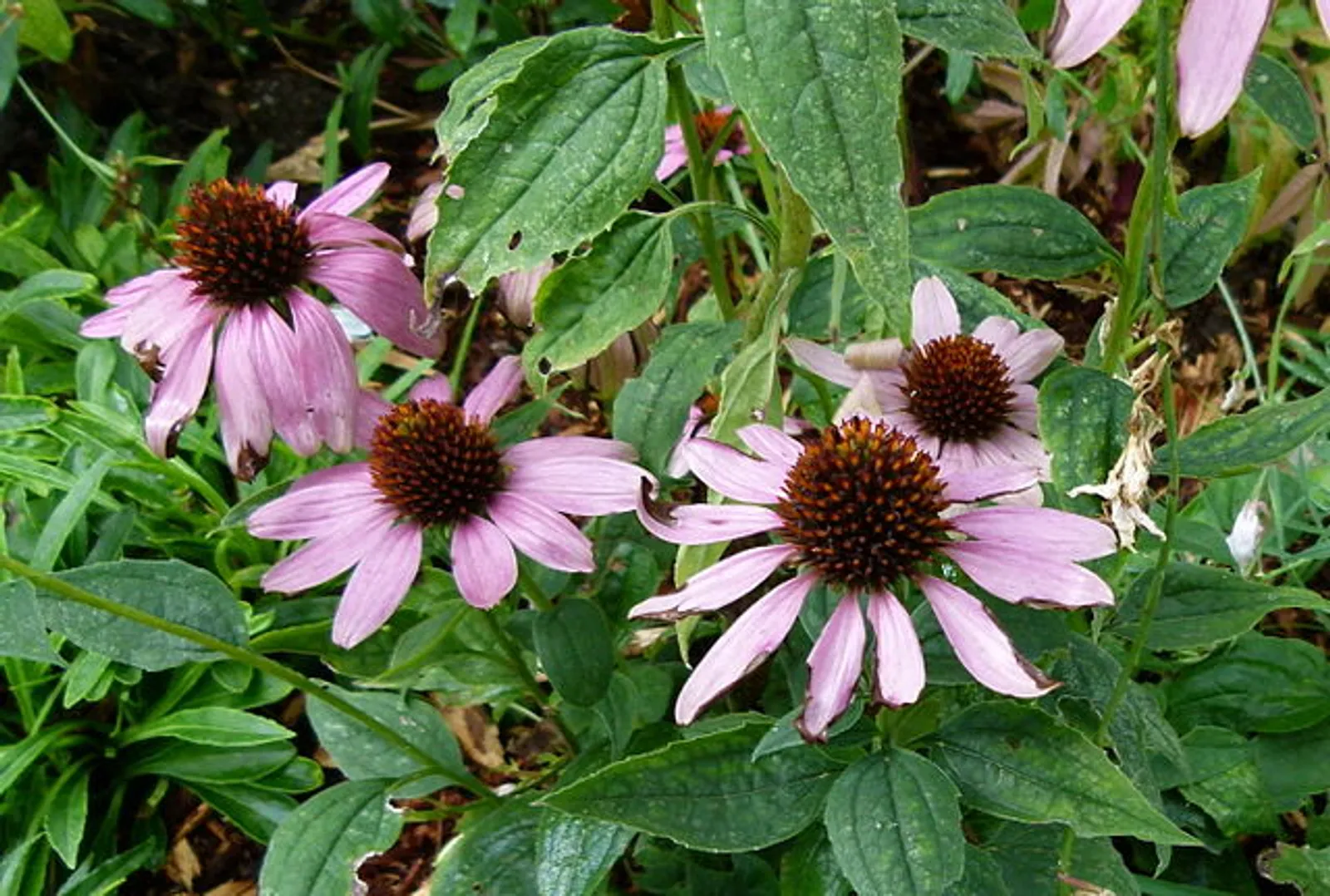
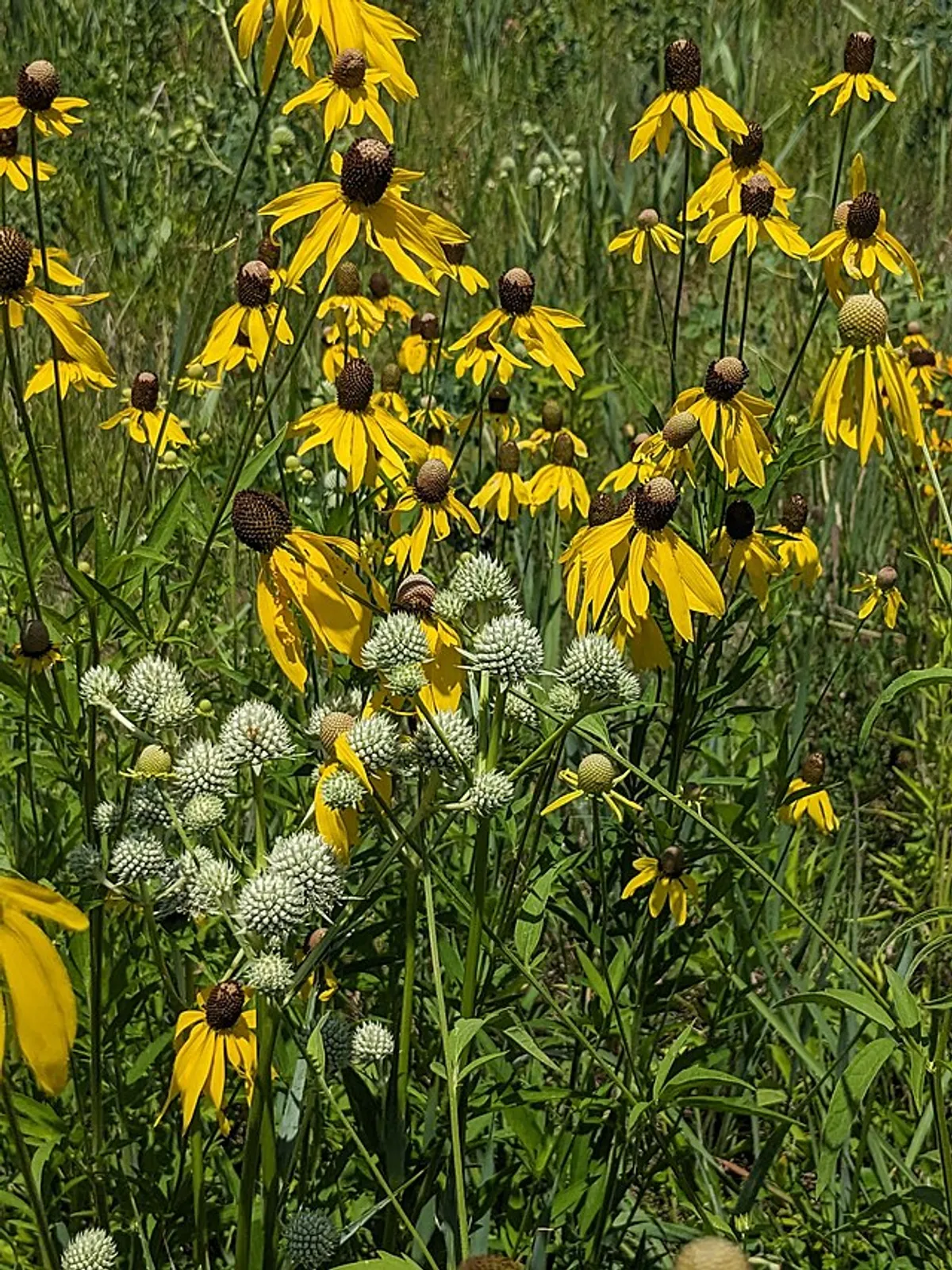
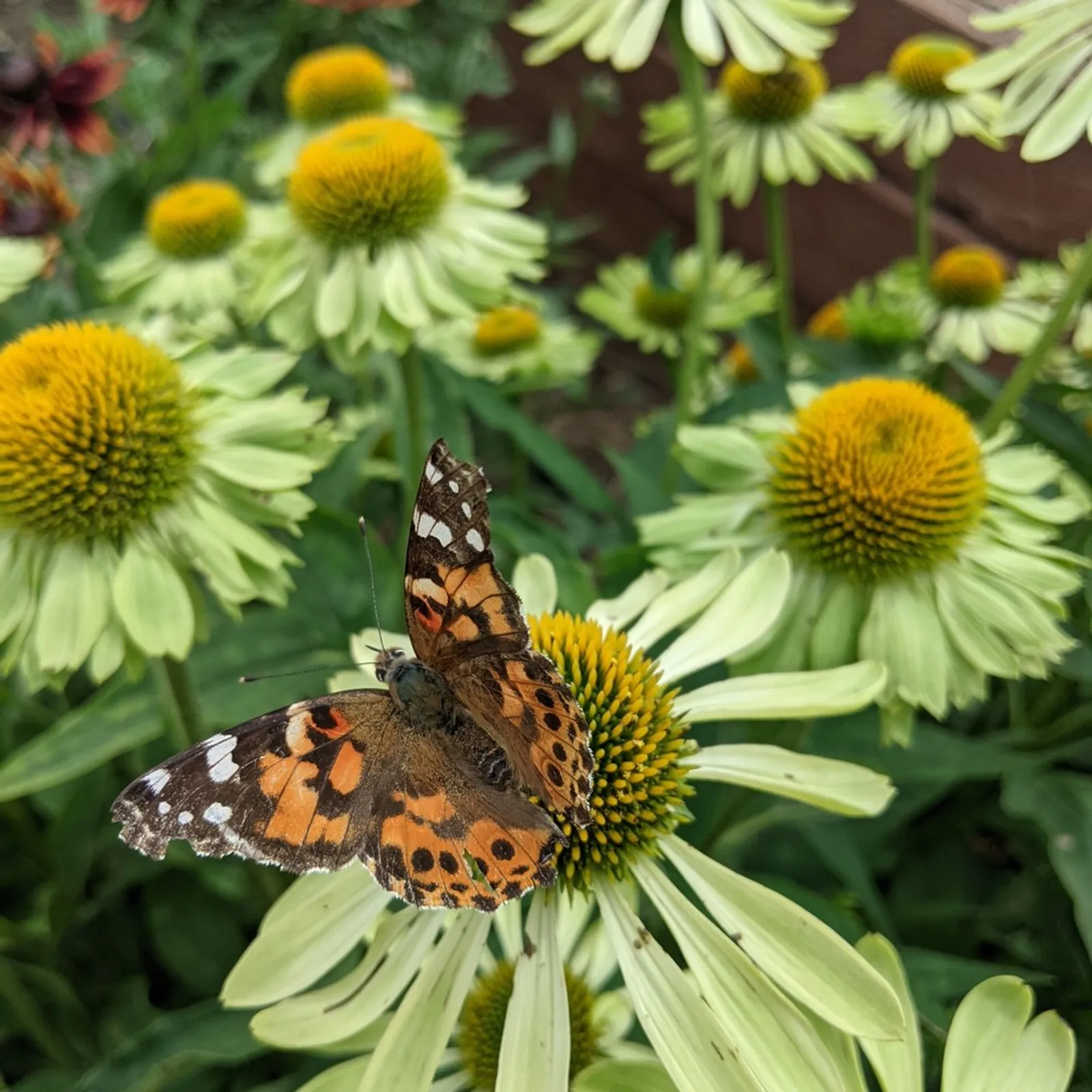
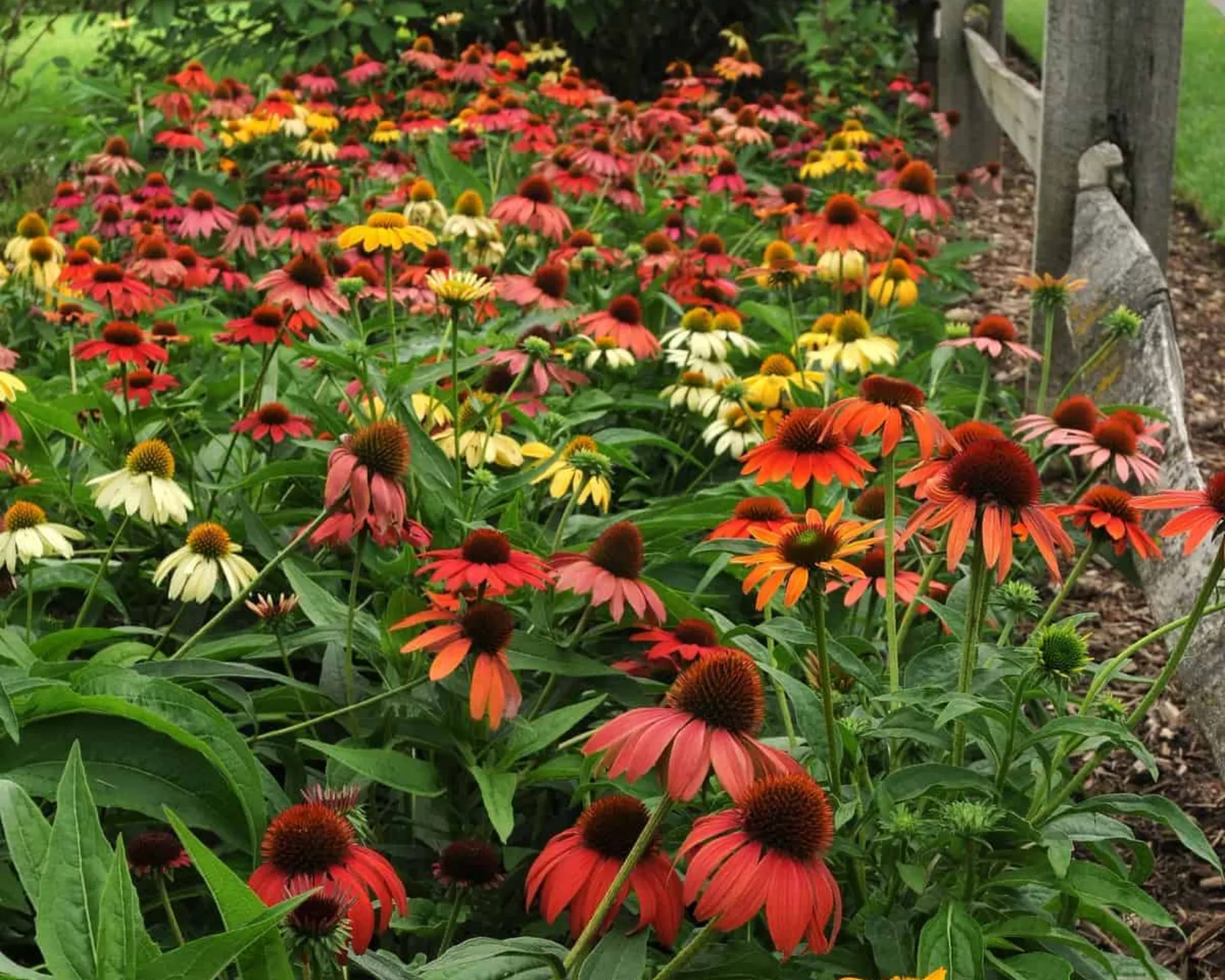
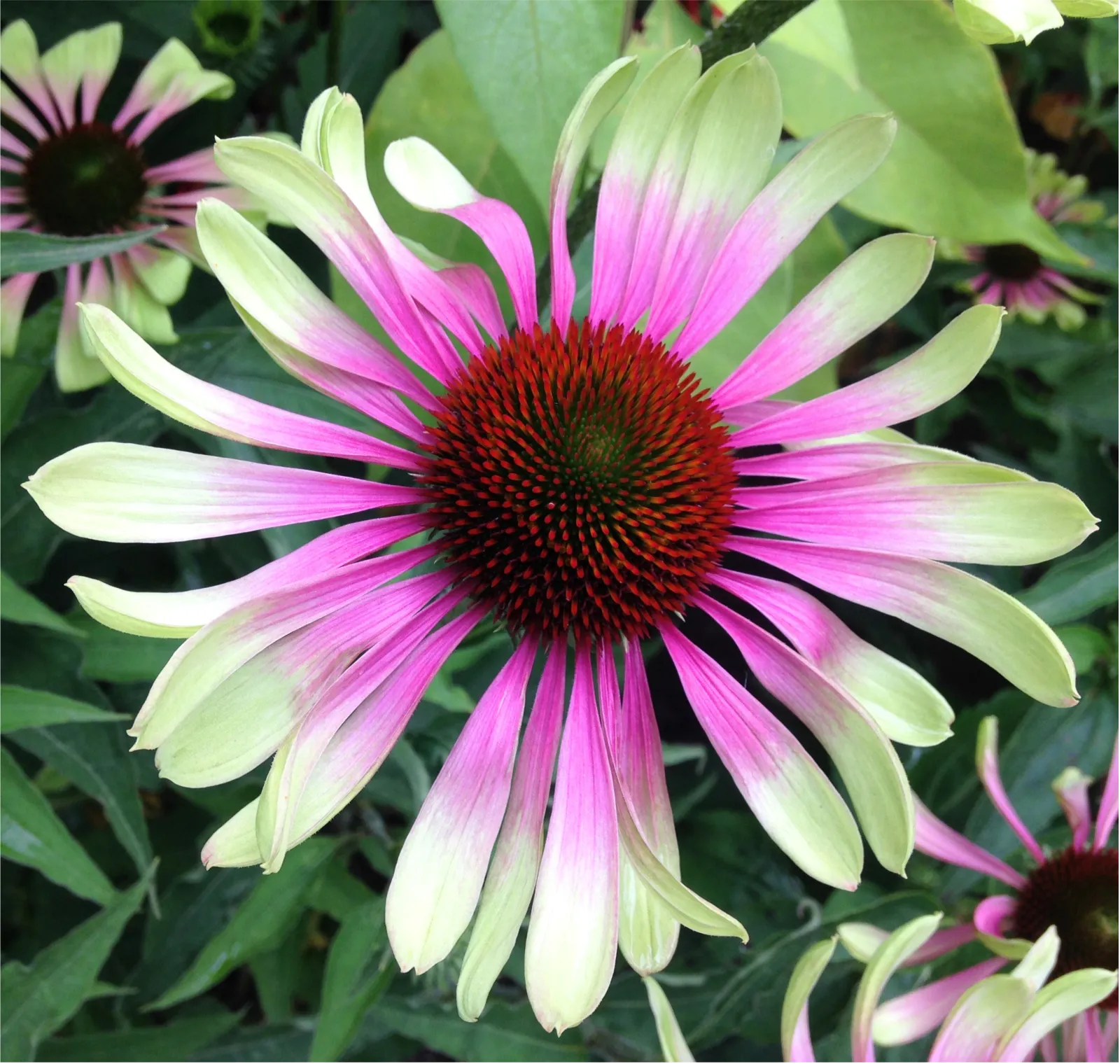
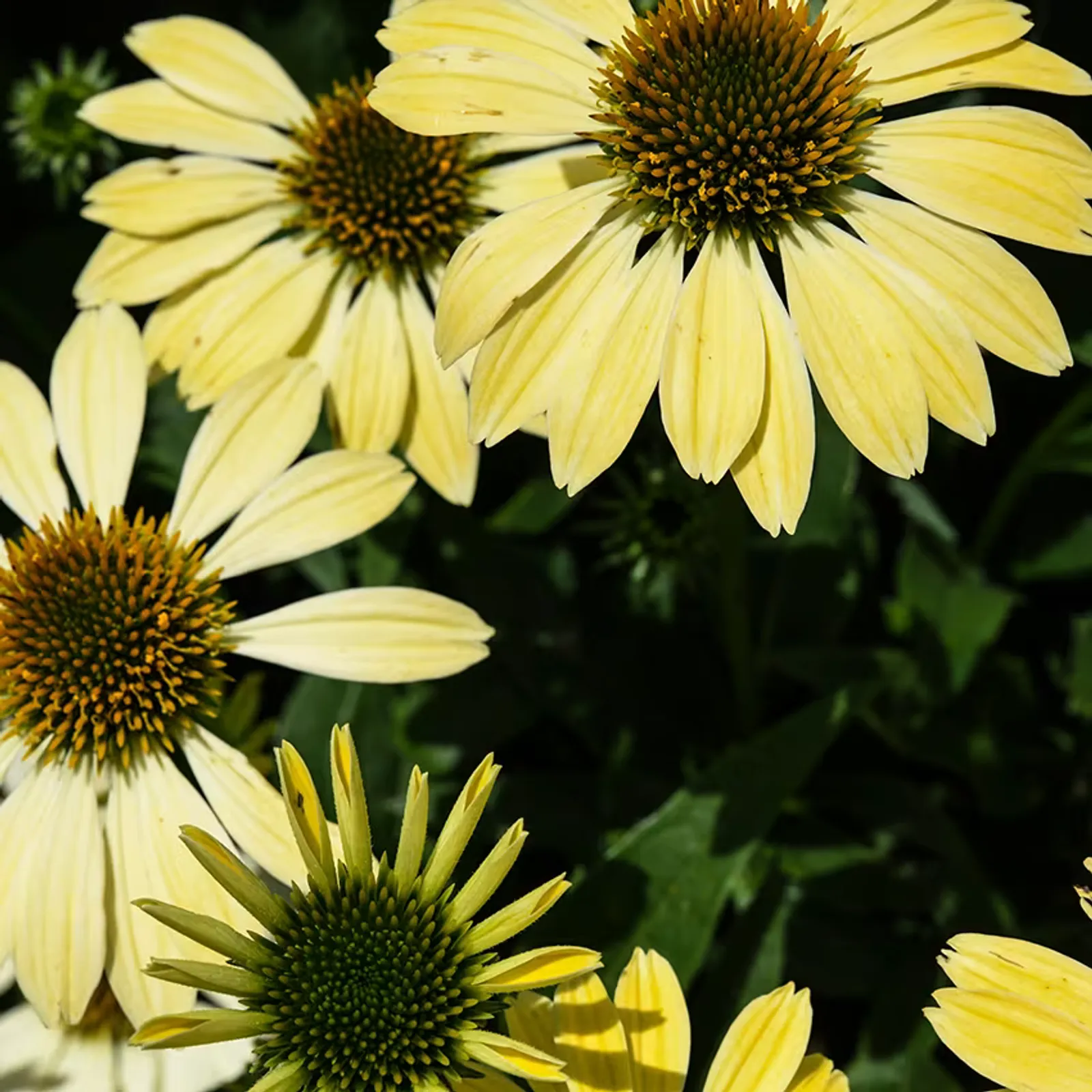
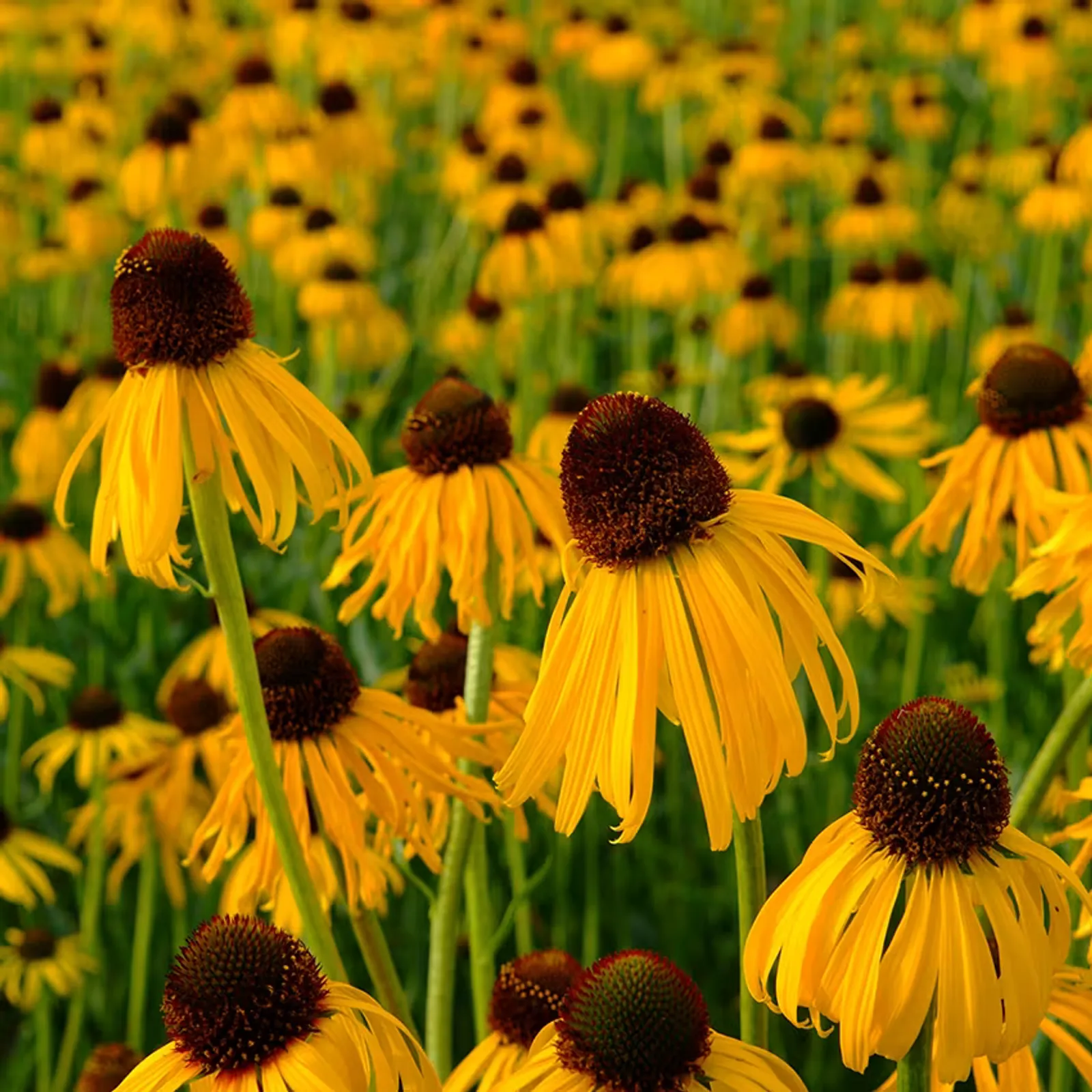
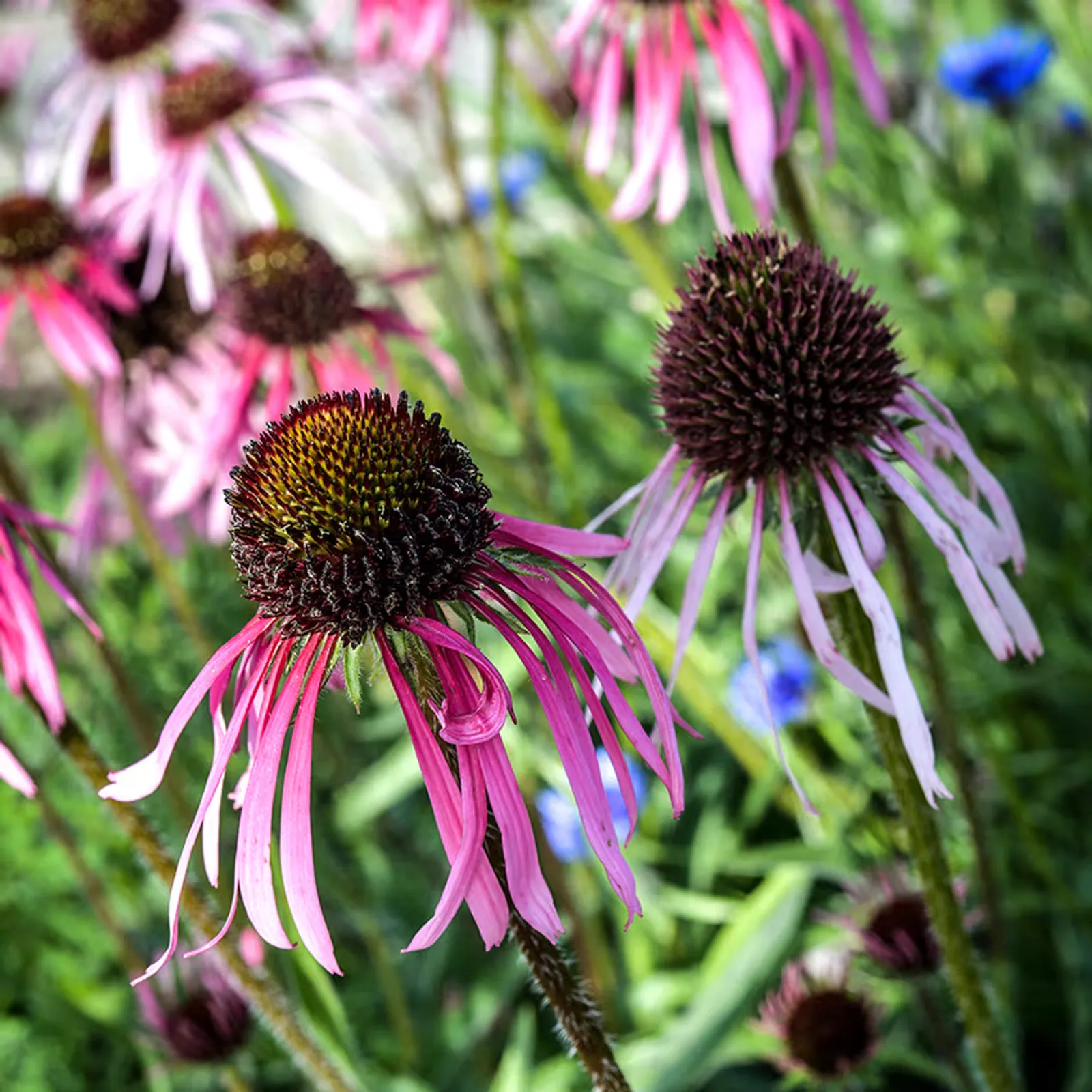
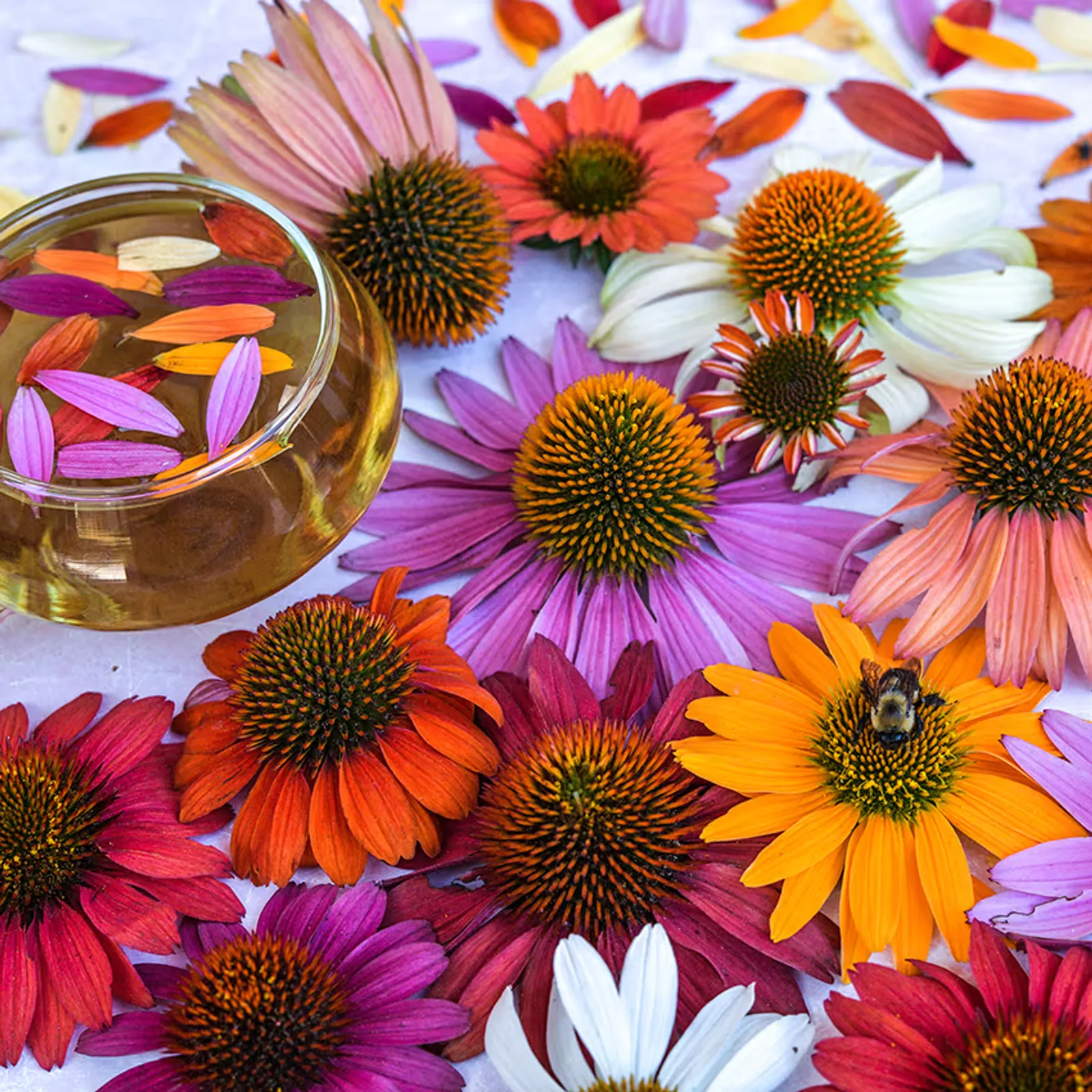
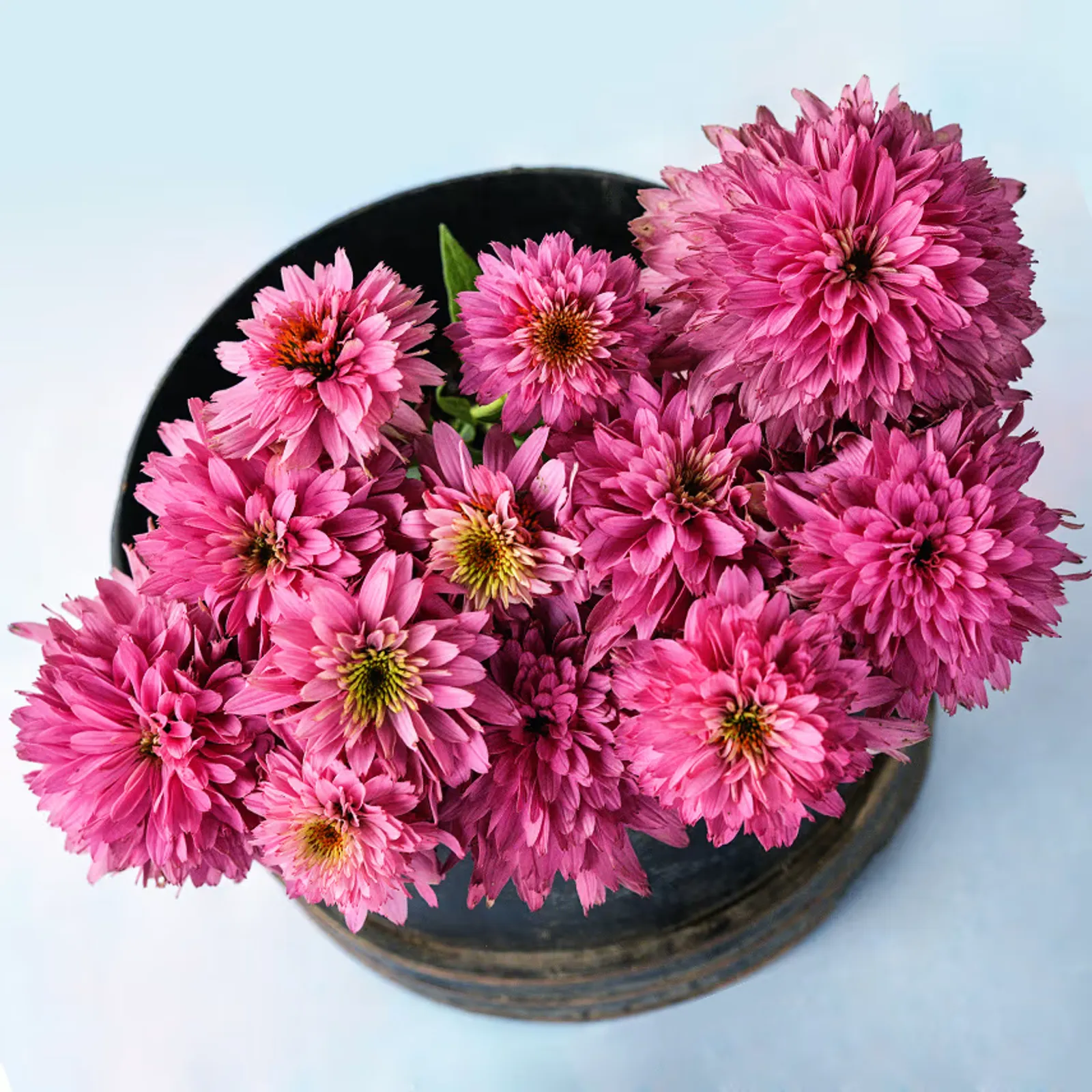
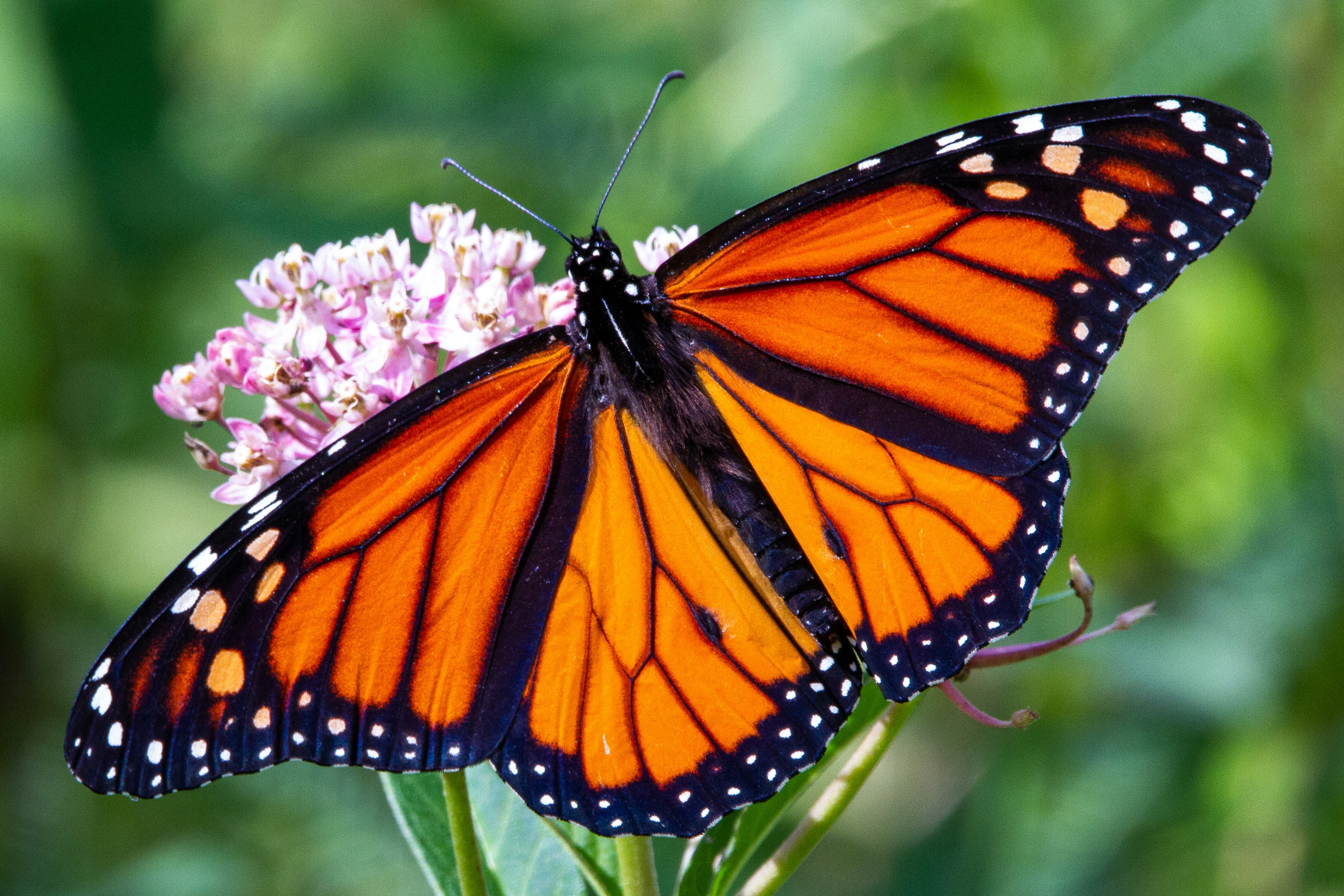
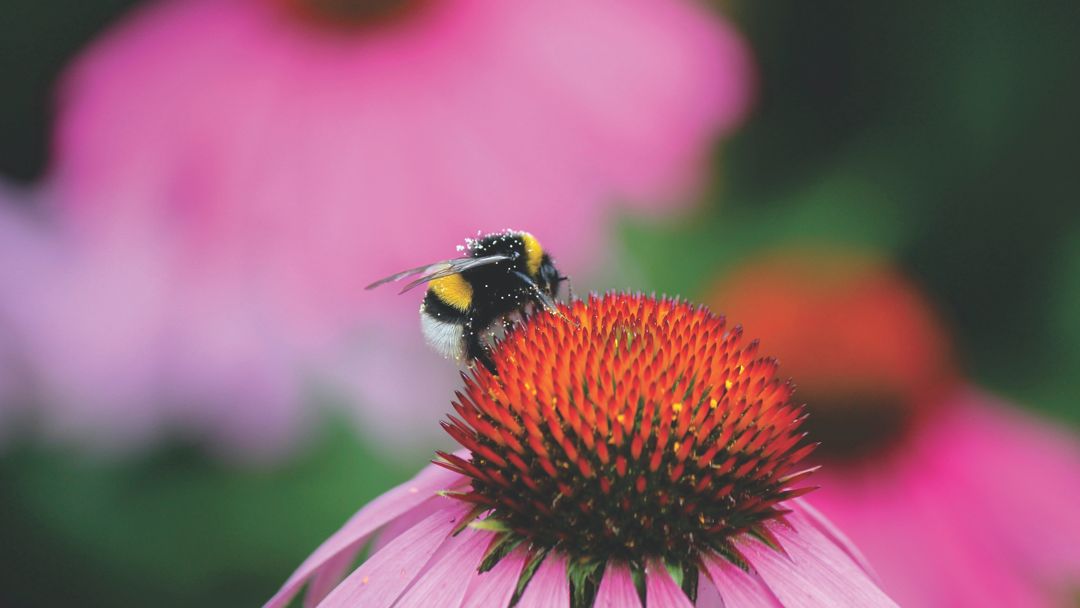
Echinacea, aka the Coneflower, is both a lovely butterfly attracting perennial and a great medicinal plant for teas. An infusion of echinacea can also soothe sunburn! Purple and yellow coneflowers are delightful in any garden, especially so in native, cottage, herb, and pollinator gardens. Different cultivars and hybrids have varied flower sizes and colors. The daisy like petals fold back as the flower matures, and the center 'cone' will become more pronounced. Let the flowers go to seed to feed songbirds (especially goldfinches) in fall and winter, but be aware of purple coneflowers re-seeding tendency.
How to Grow Echinacea
Quick Info

Put away the pen and paper
Plan your veggie garden in minutes with Planter's easy drag and drop planner.
Try Planter for Free
Varieties
Related Articles
.jpg)
Companion Plants


Pests
Diseases
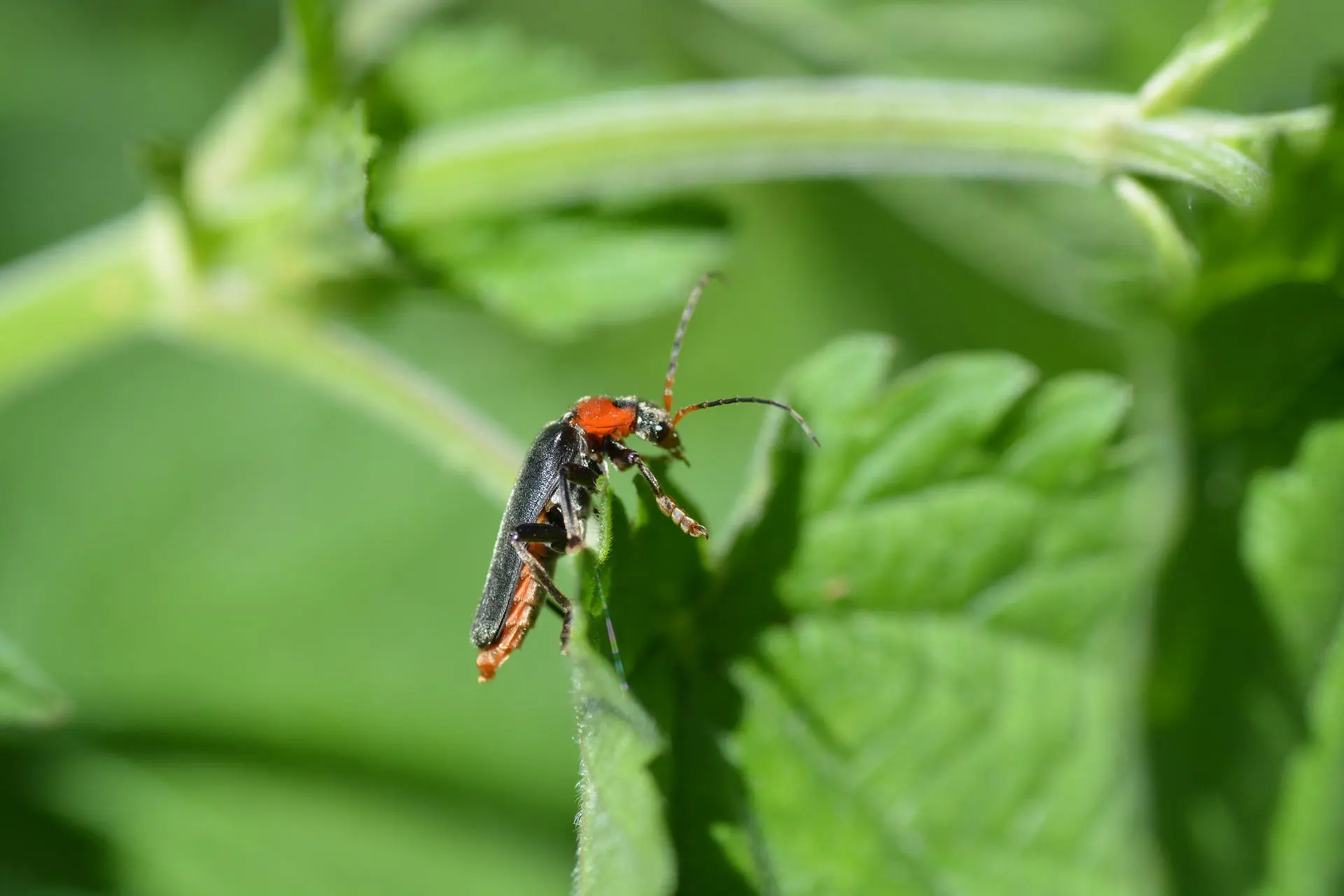
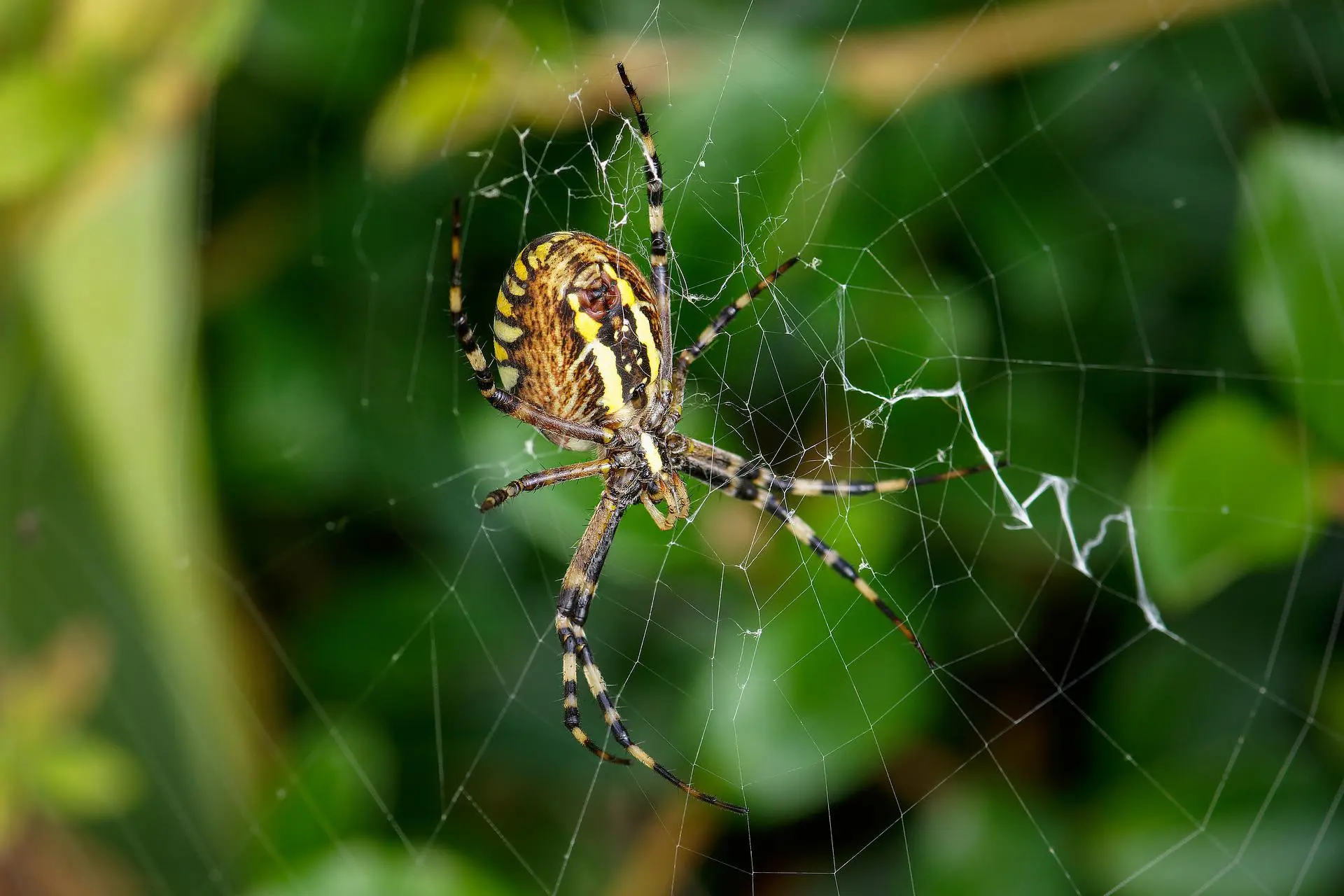
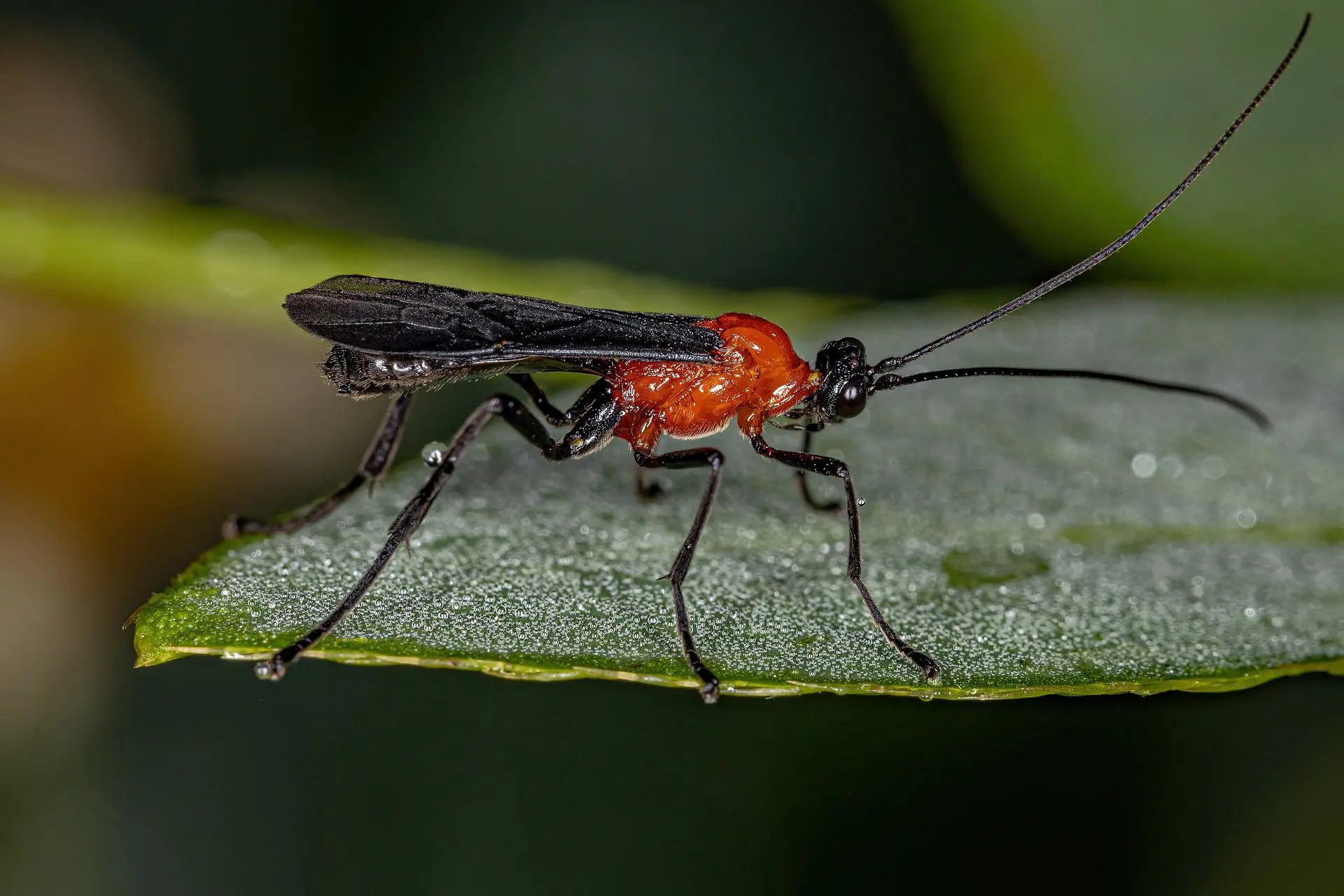
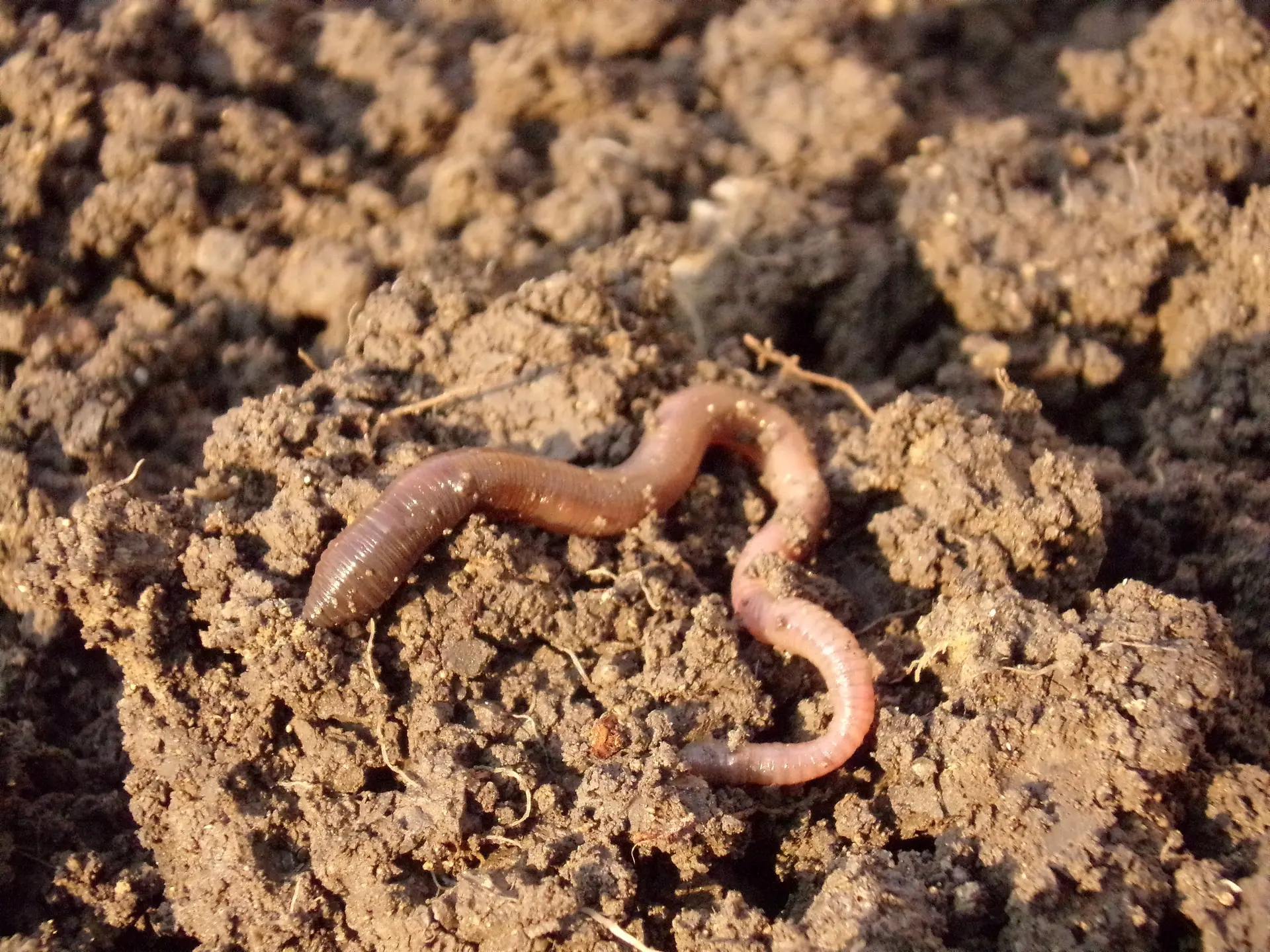
Beneficial Critters
Growing from Seed
Echinacea requires stratification in order to germinate, so sow in the fall for spring germination. Some hybrids will mature in 126-165 days.
Planting Considerations
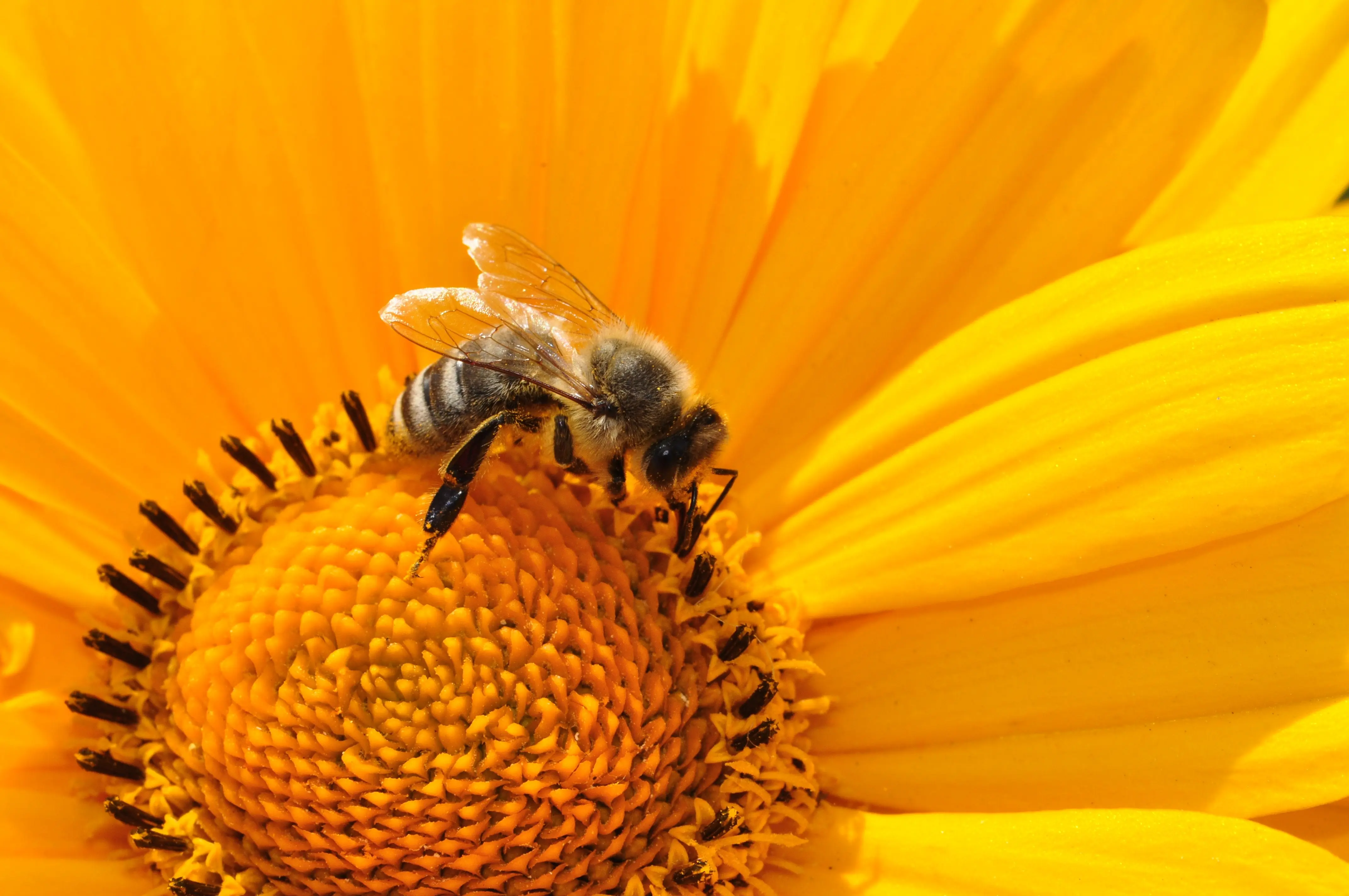
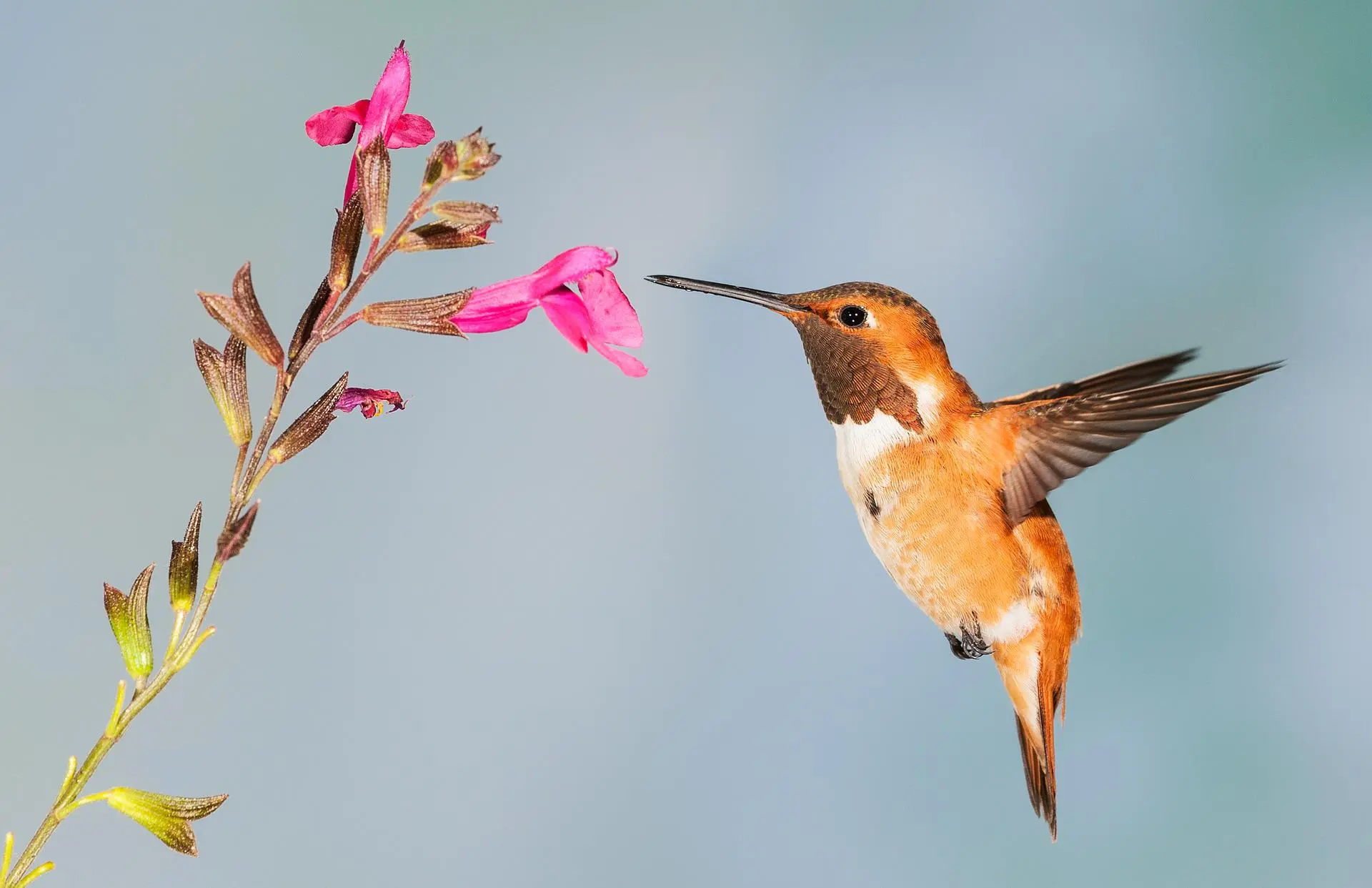
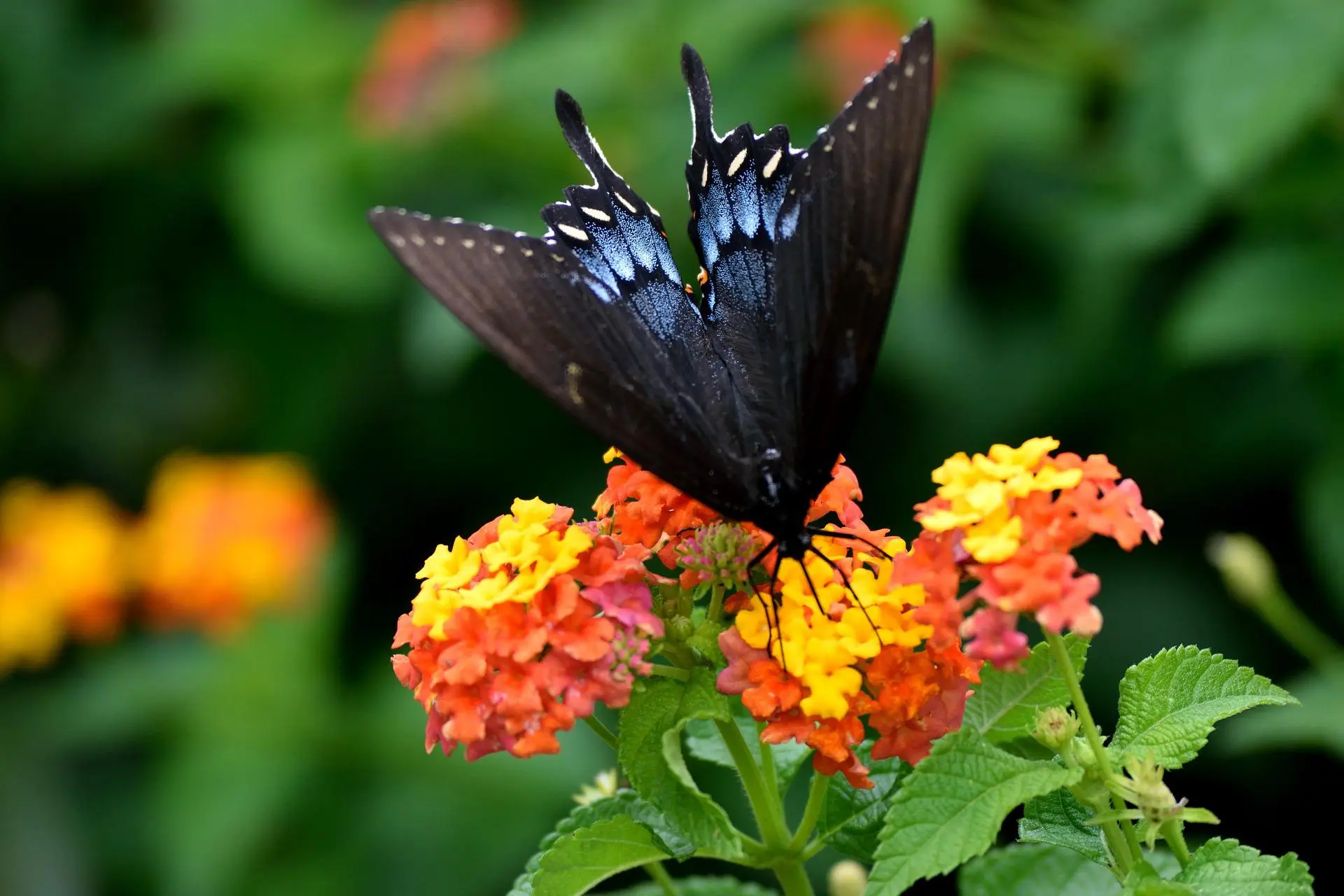
Echinacea attracts birds and butterflies! Young plants need watering a few times a week, but after the second year you won’t need to water them unless you’ve gone a couple of months with no rain. Coneflowers reseed generously, so give them space.
Feeding
Not particularly necessary.
Harvesting
The roots can be harvested simply by removing parts of the root ball. The aerial parts can be harvested simply by cutting the stem above the lowest pair of leaves, then by stripping the leaves and flower buds and laying them out to dry. Pick flowers for vase when petals are expanding.
Storage
Simply take the dried parts and store them in an airtight container in the dark, until you’re ready to make tea!