Gourds
Cucurbita spp., Lagenaria spp.
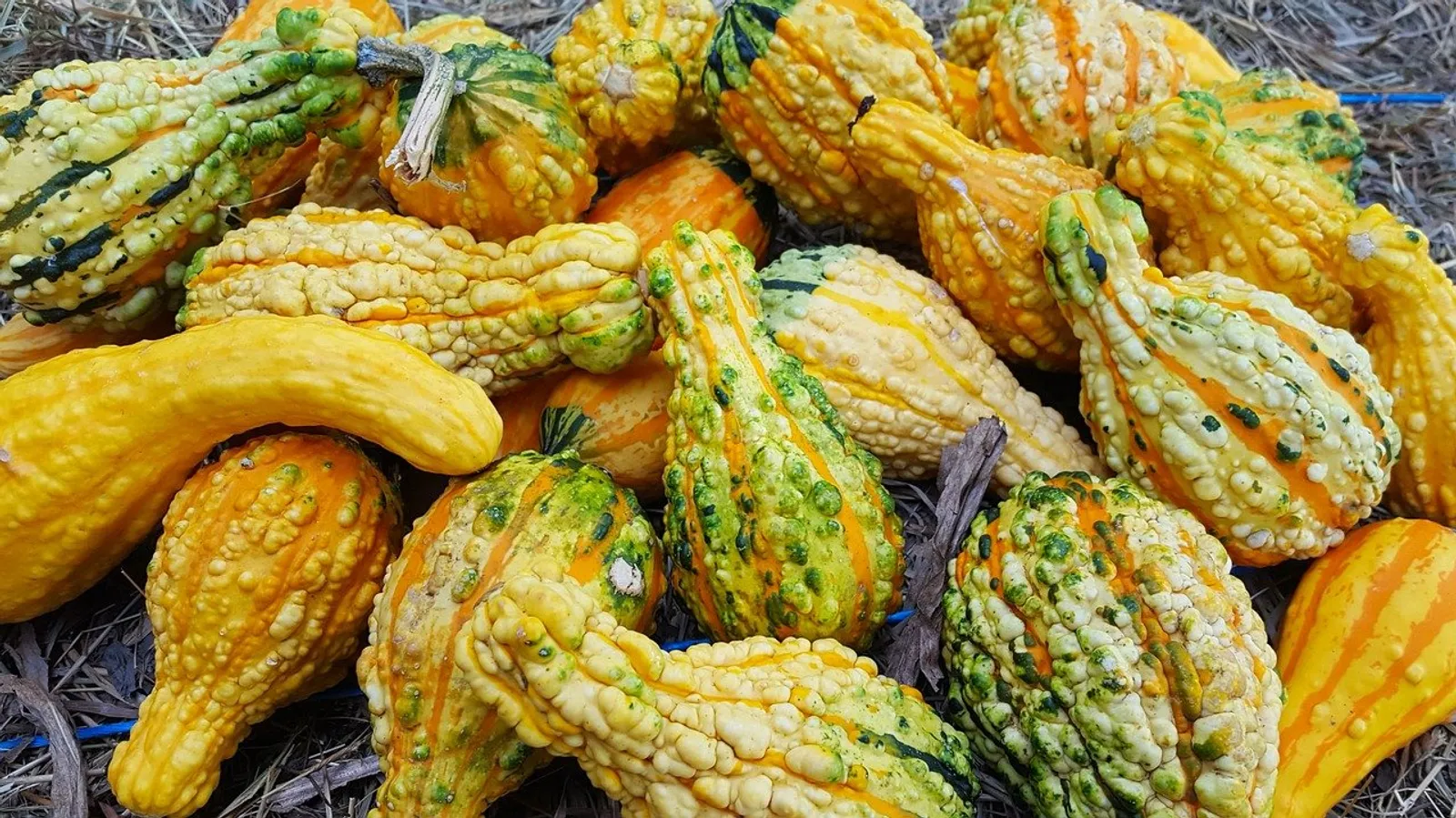
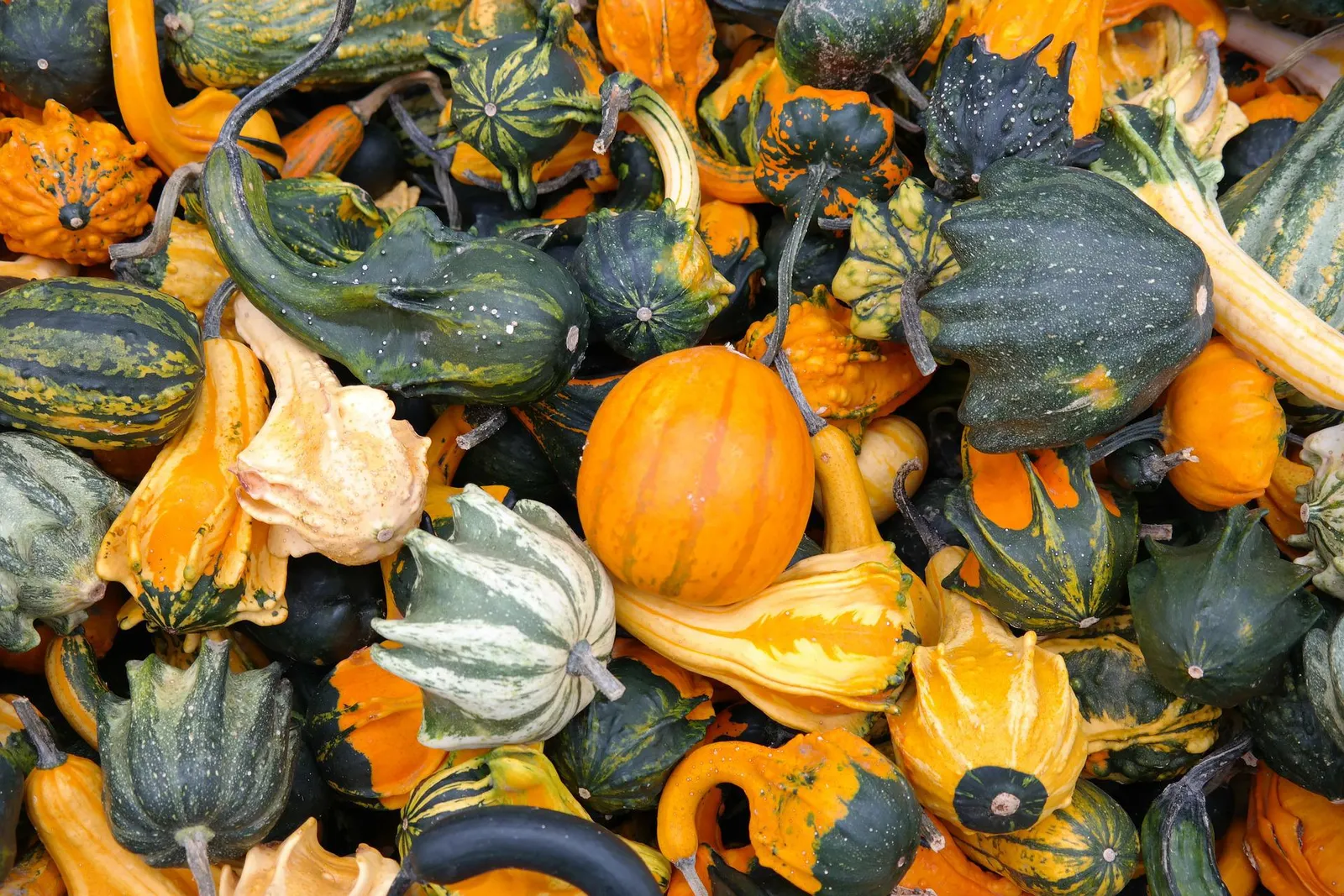
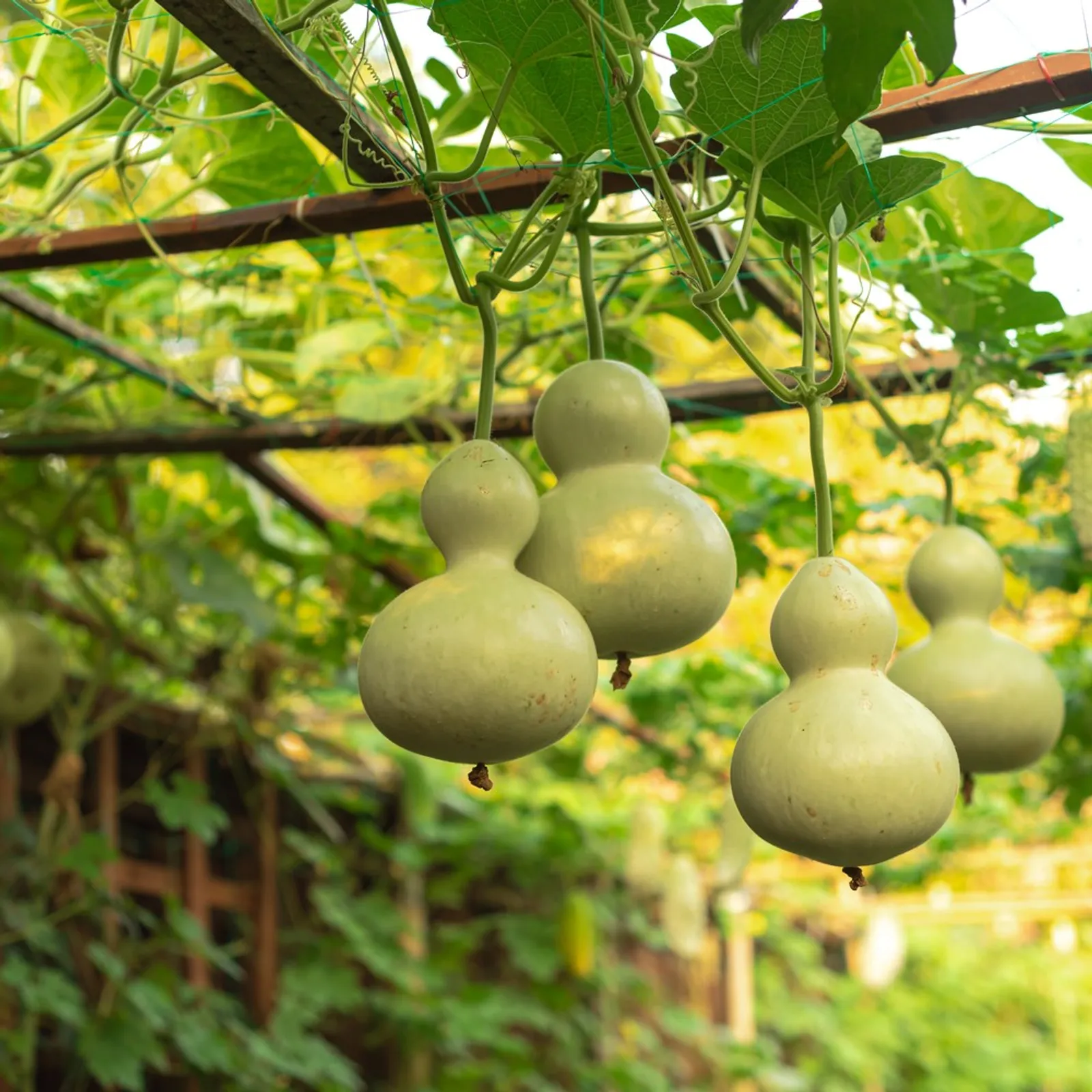
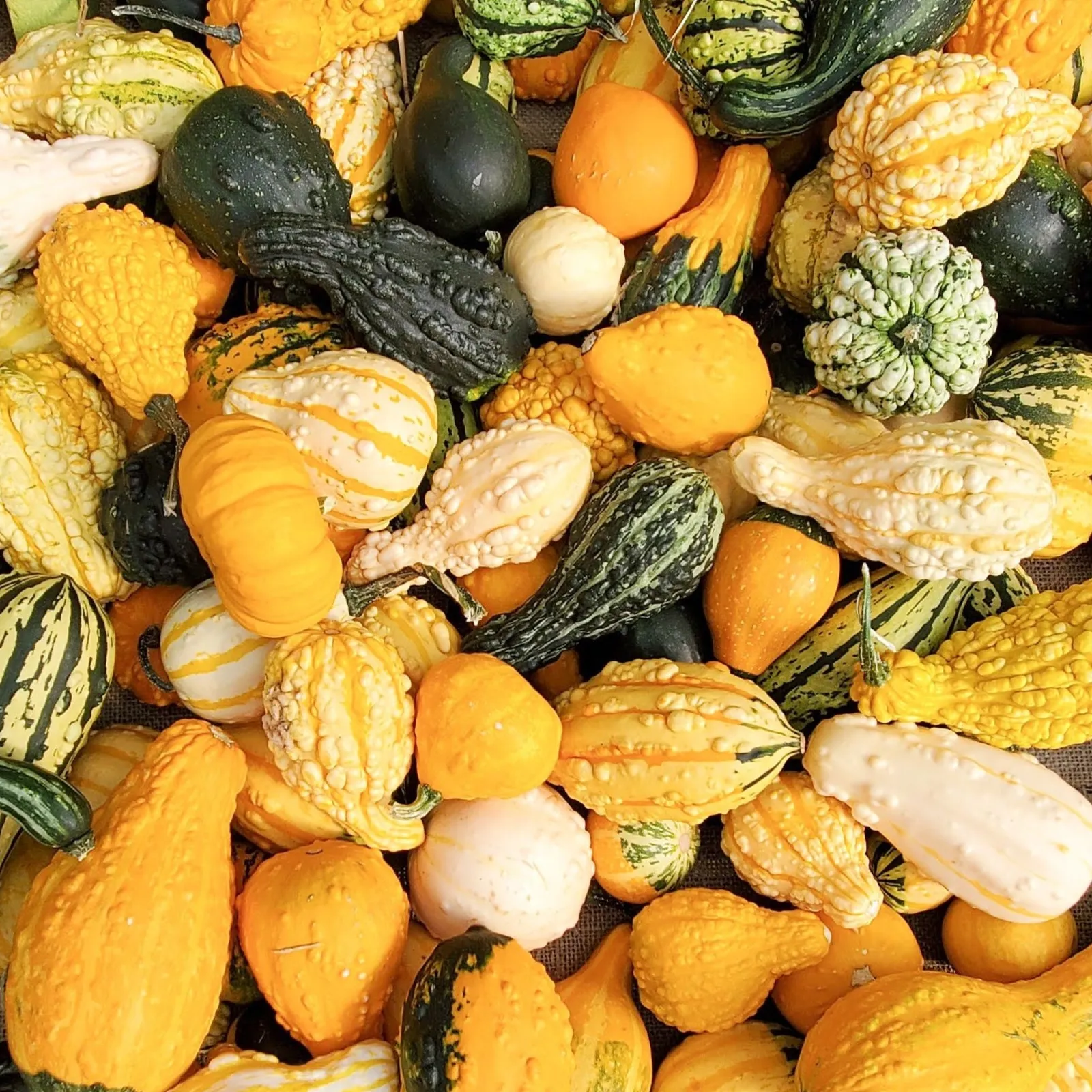
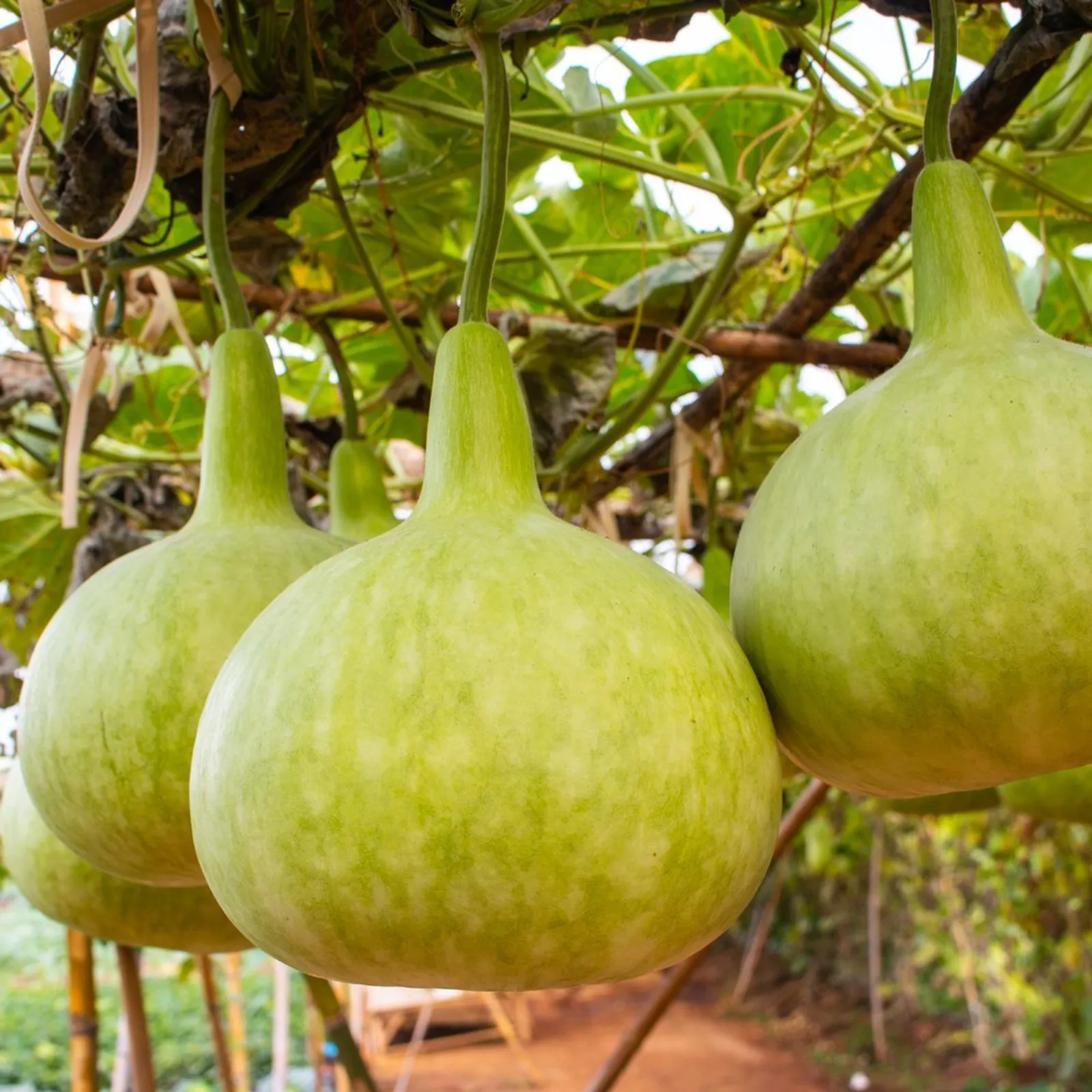
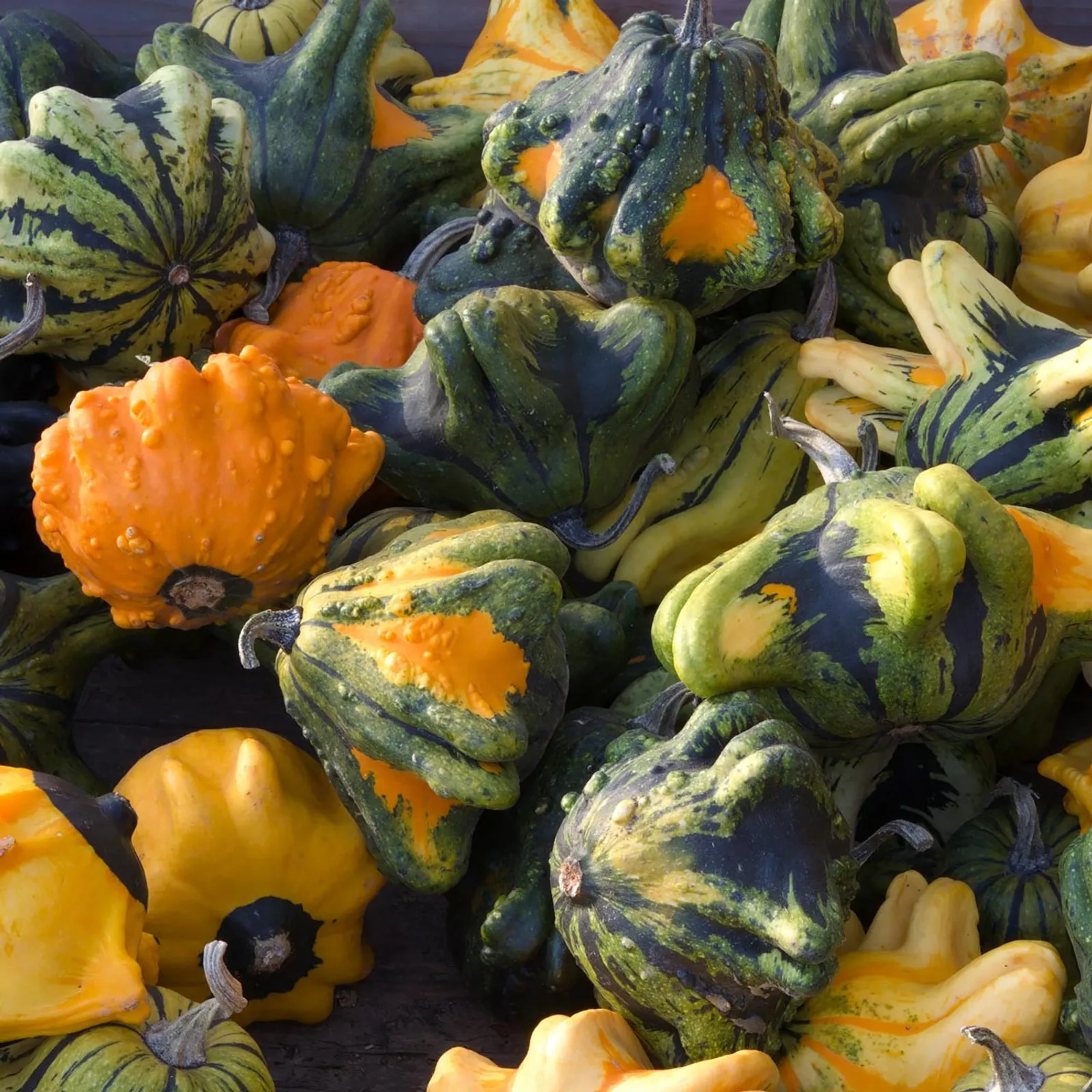
Gourds are often grown to be used as decorations during the fall season. There are many different varieties of gourds that come in a myriad of shapes and colors. Gourds are very easy to grow, and require little to no extra work once planted.
How to Grow Gourds
Quick Info


Put away the pen and paper
Plan your veggie garden in minutes with Planter's easy drag and drop planner.
Try Planter for Free
Varieties
Related Articles
Companion Plants



Combative Plants

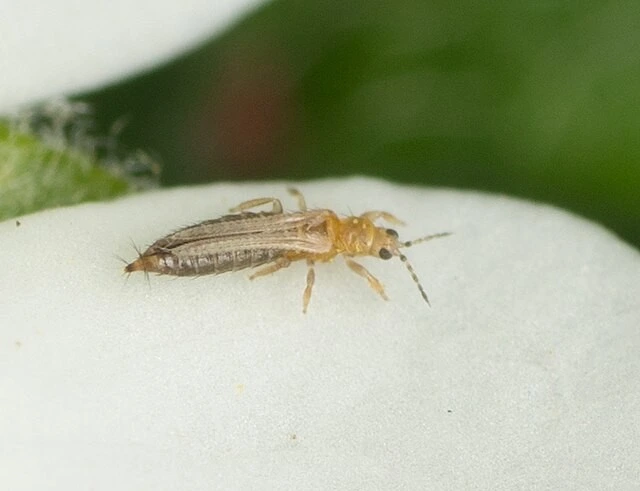
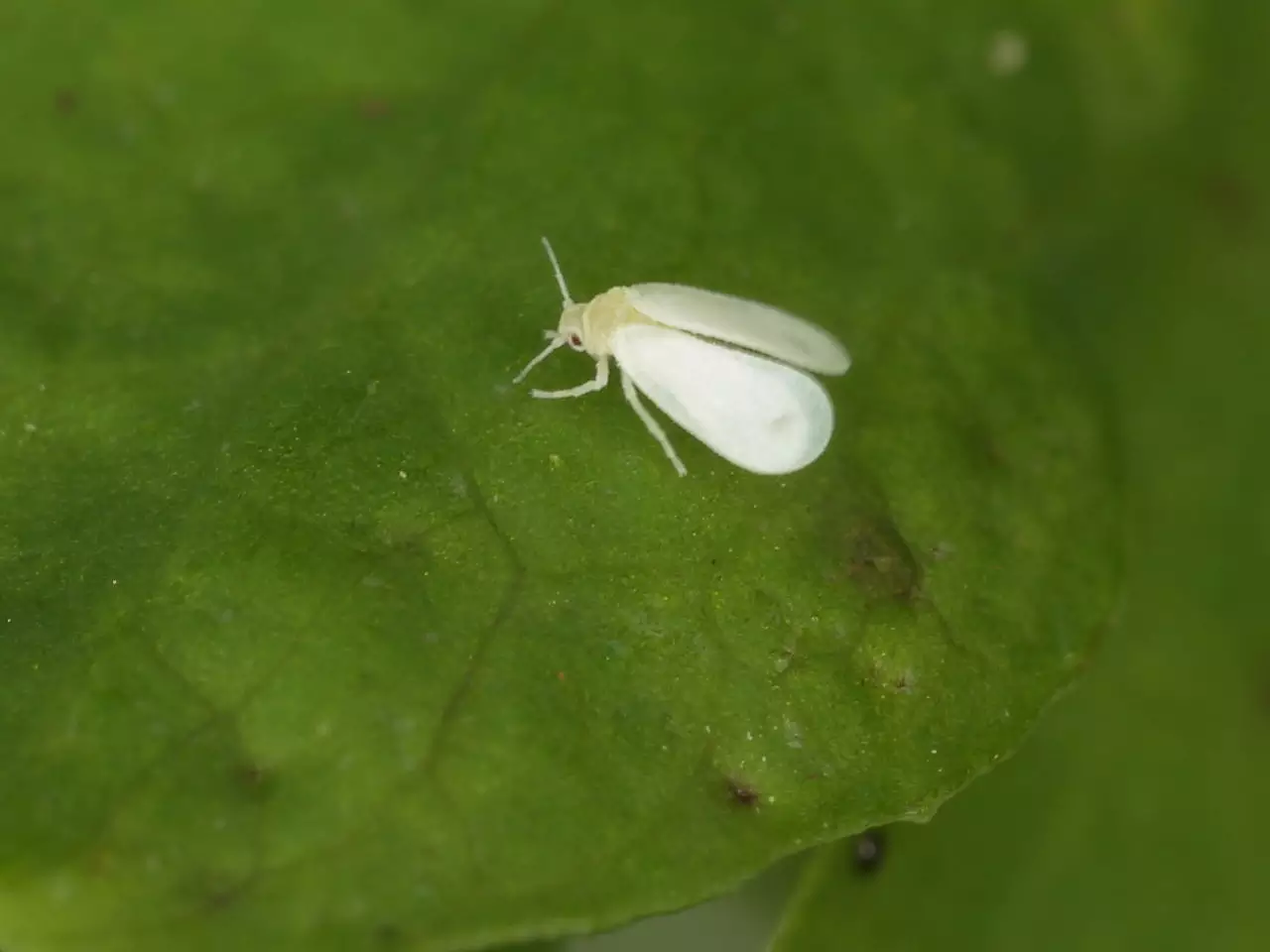
Pests
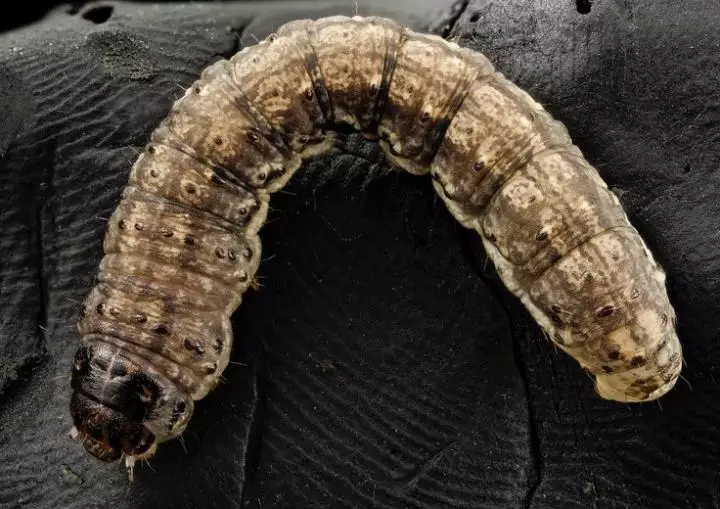
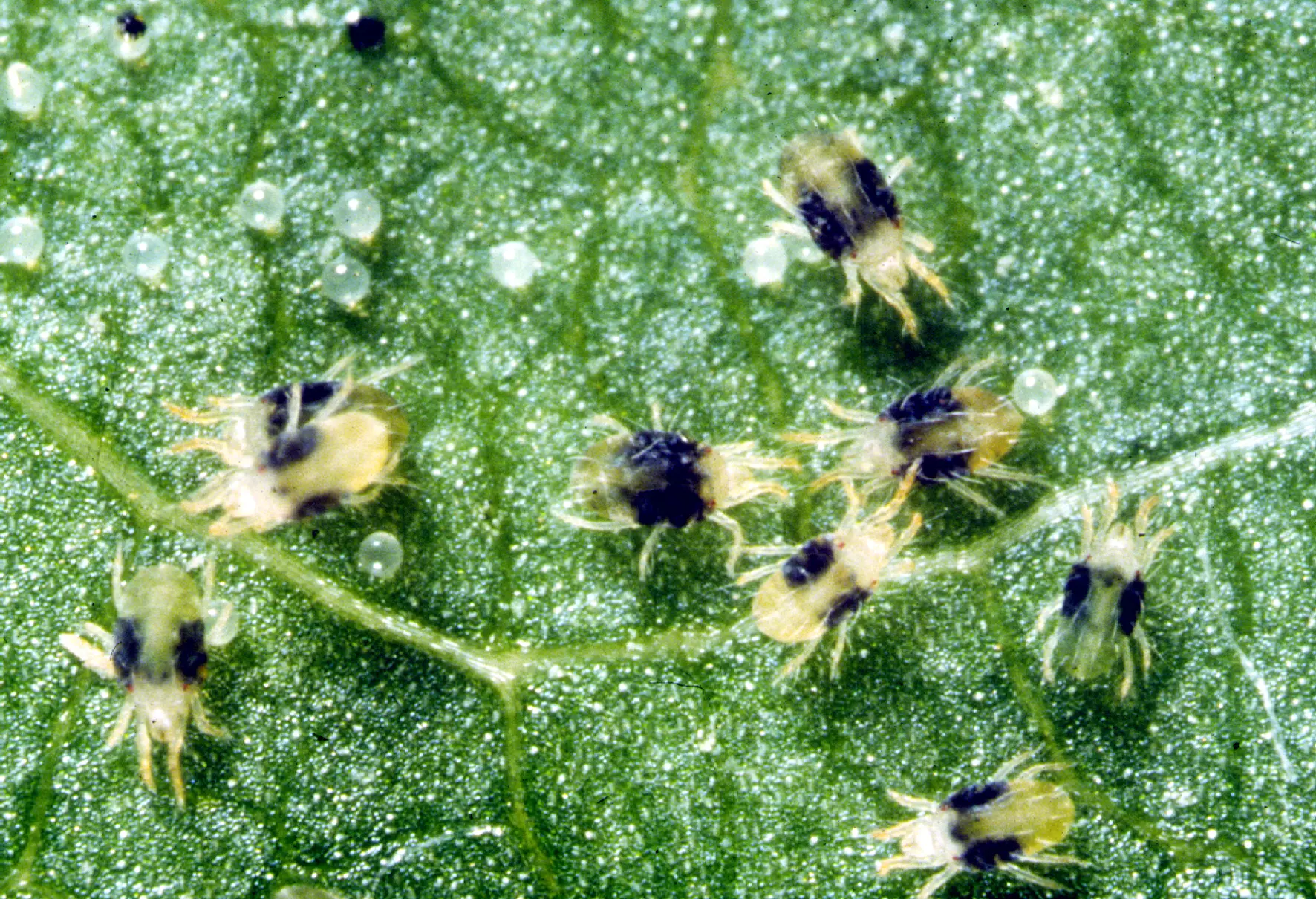
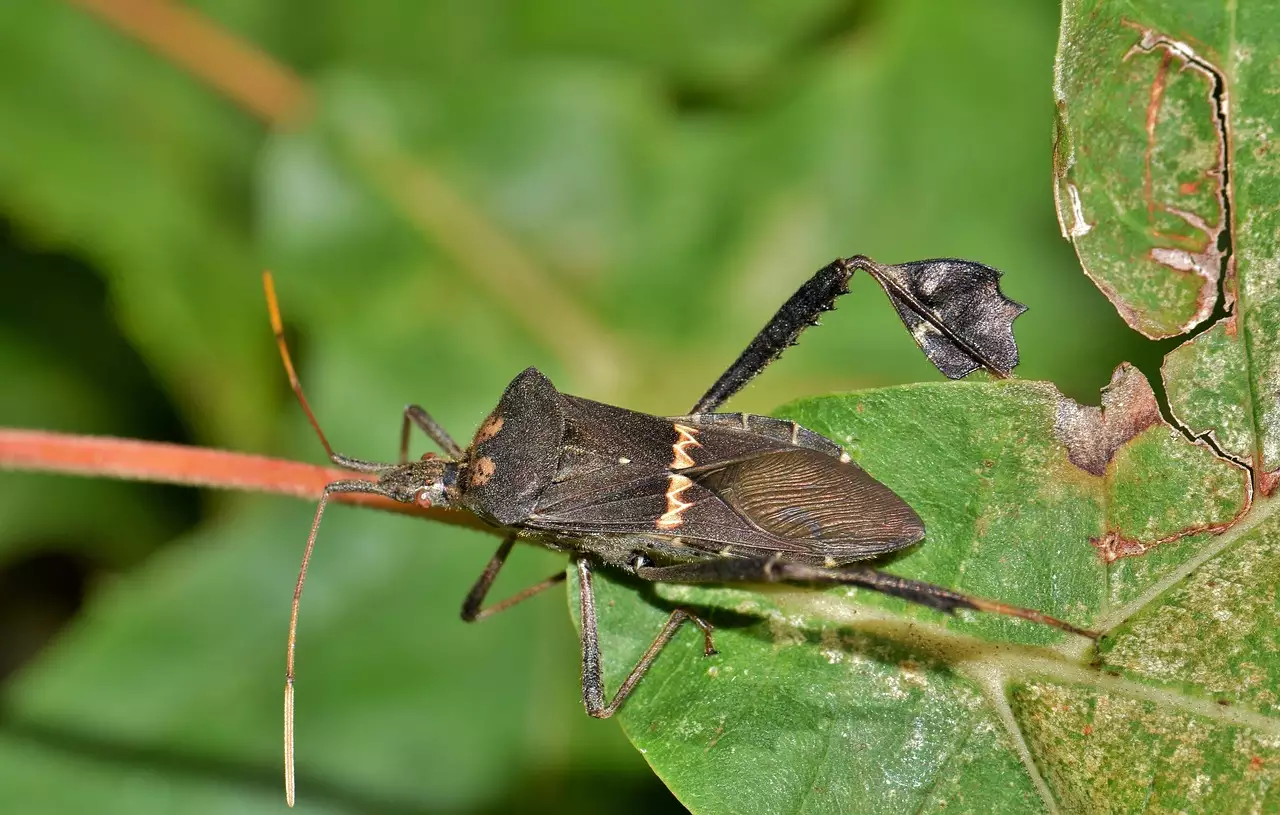
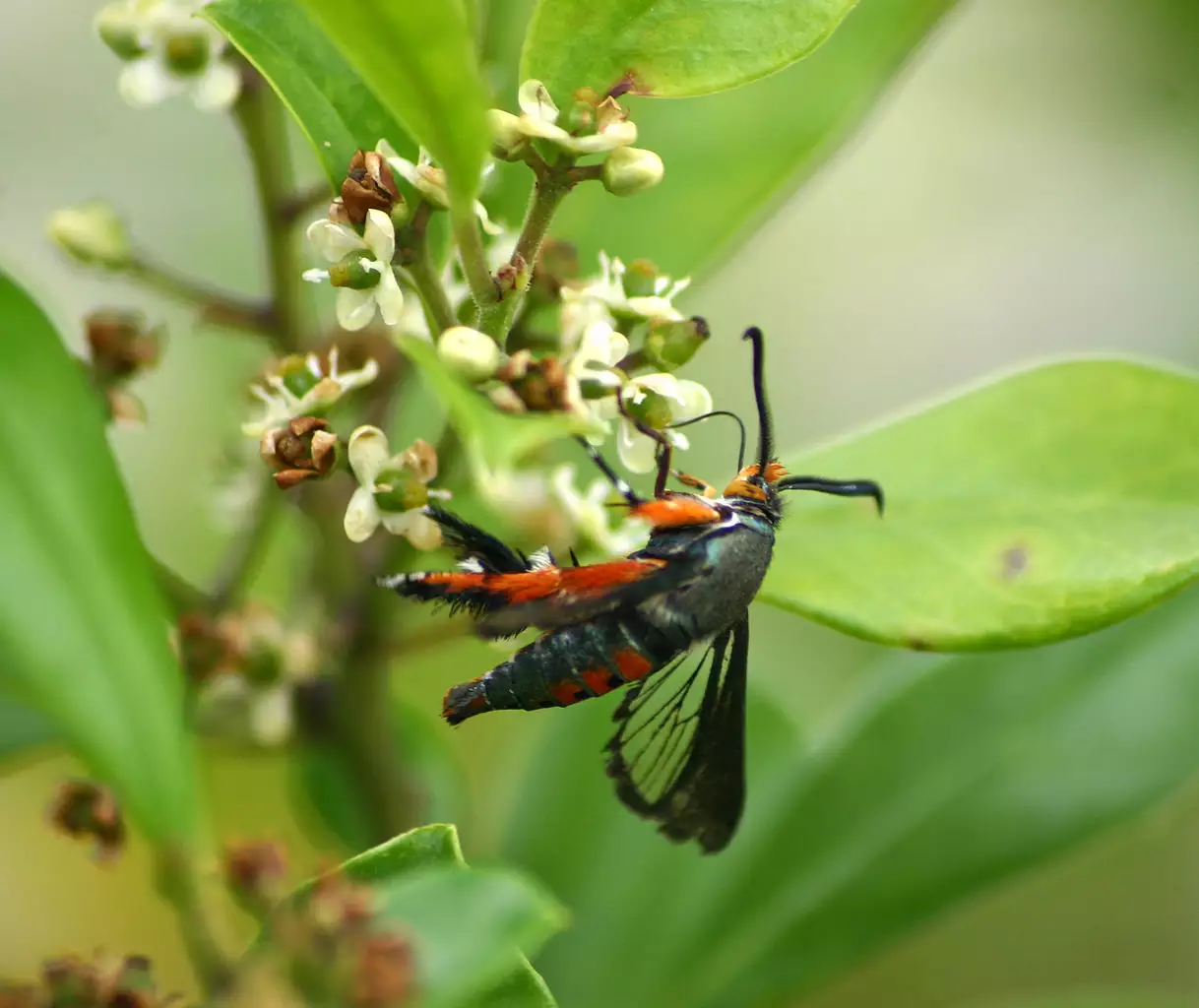
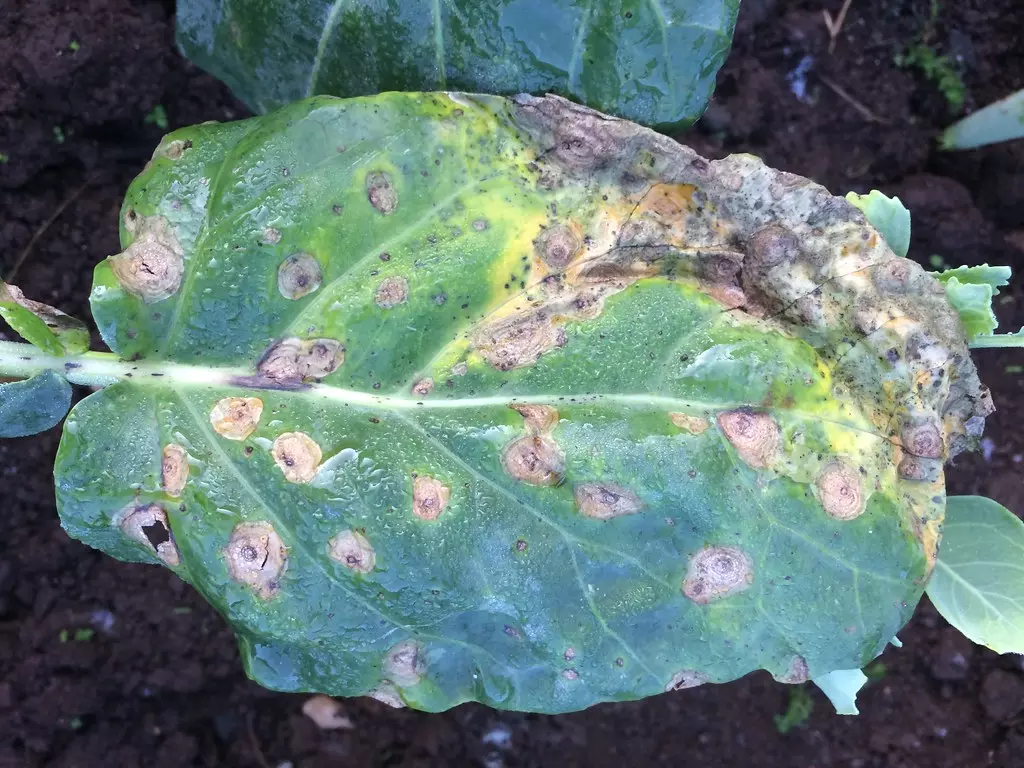
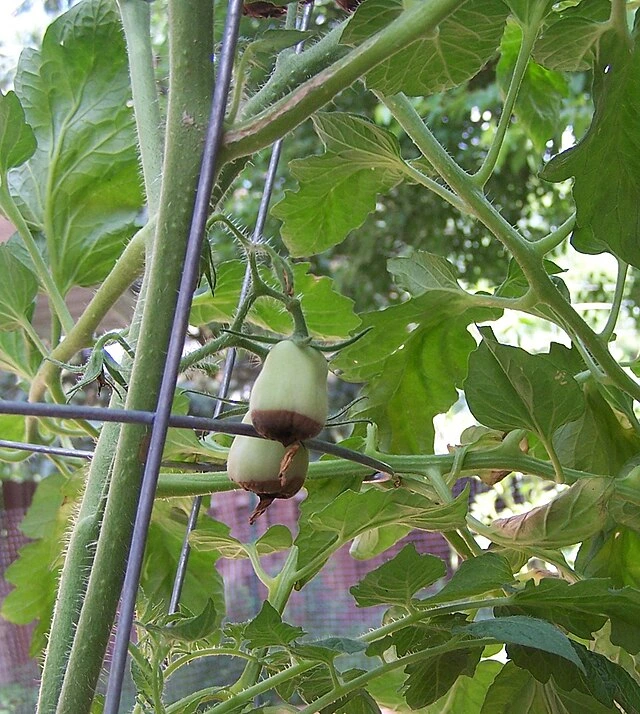
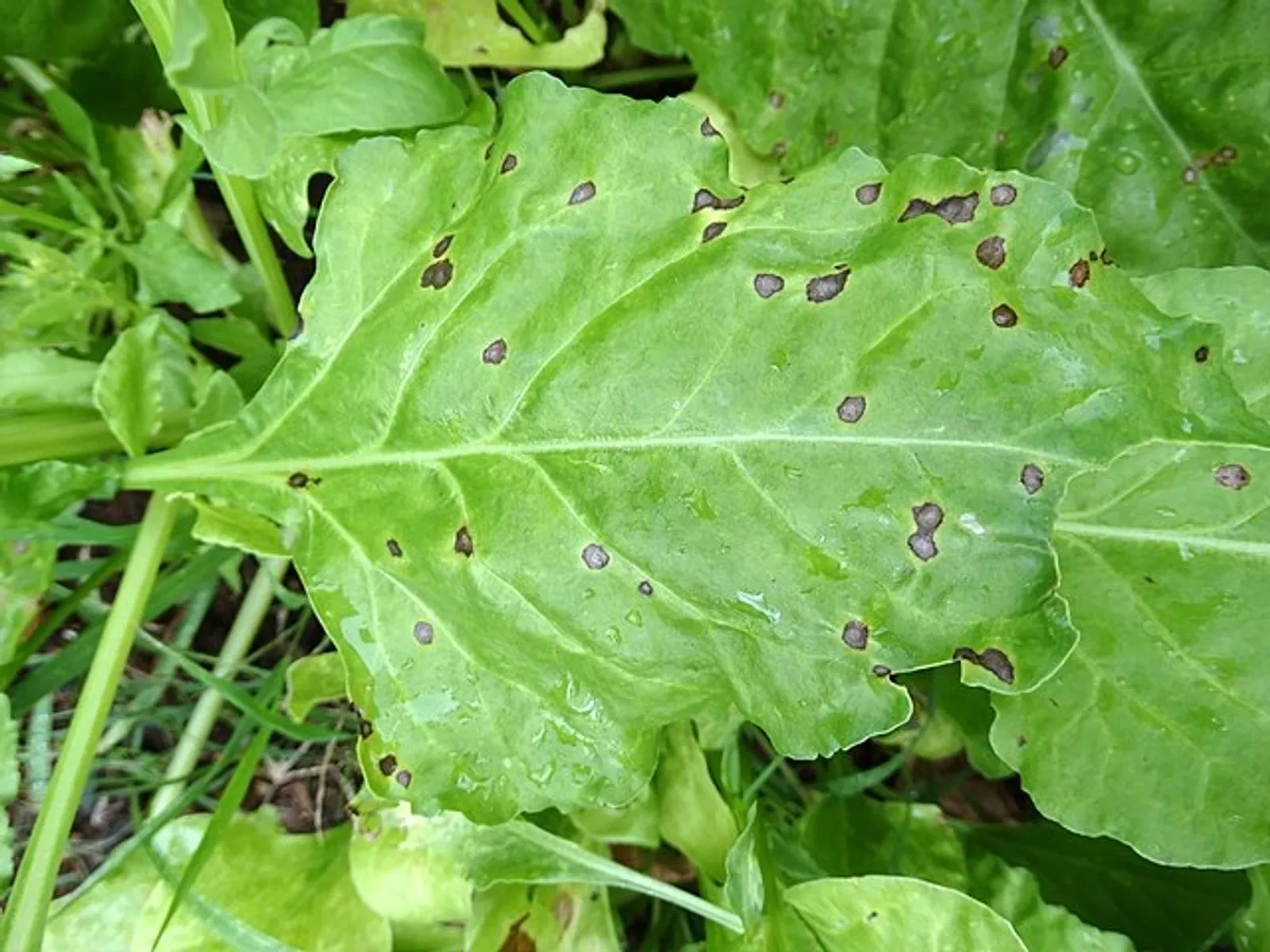
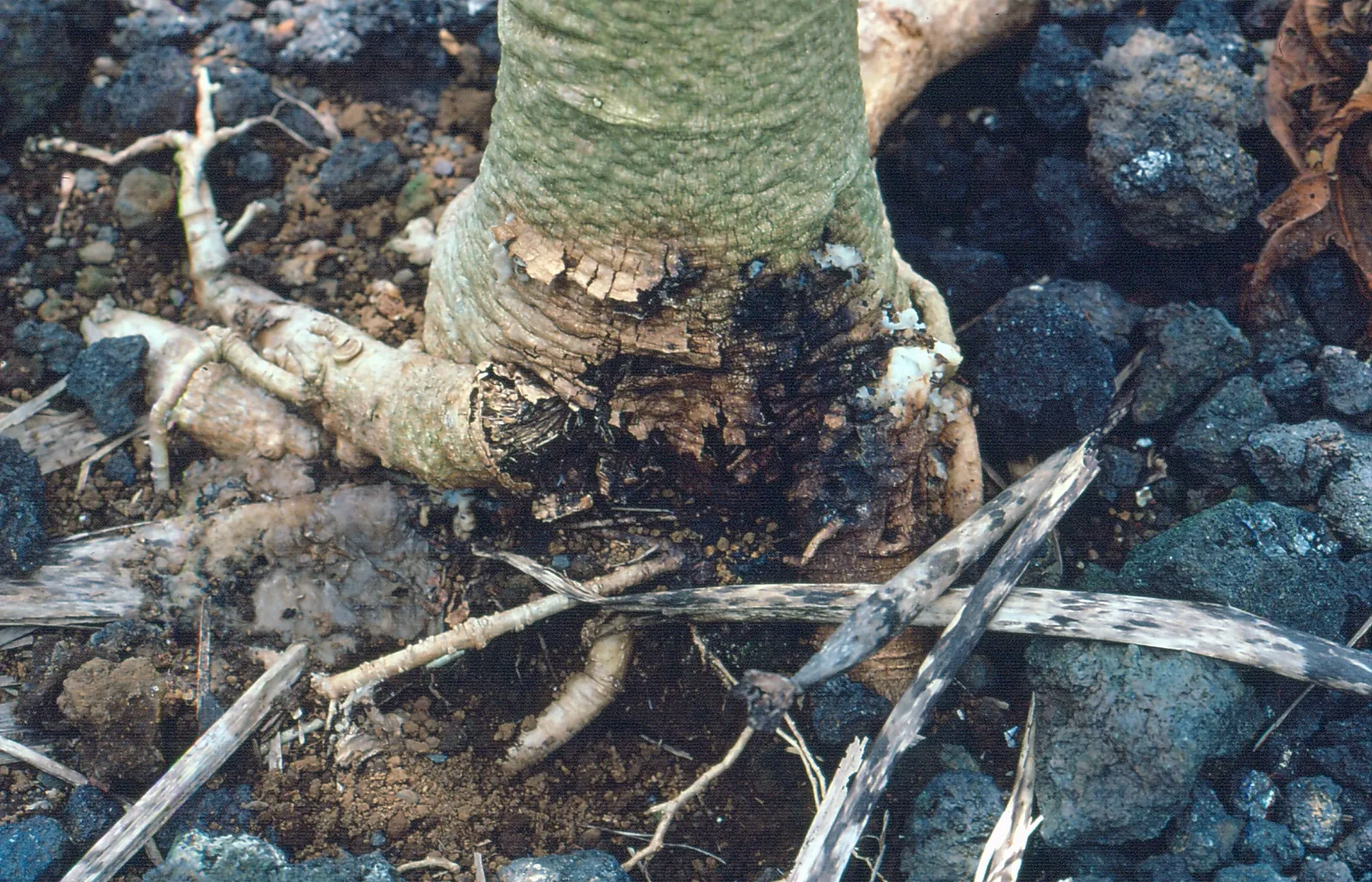
Diseases
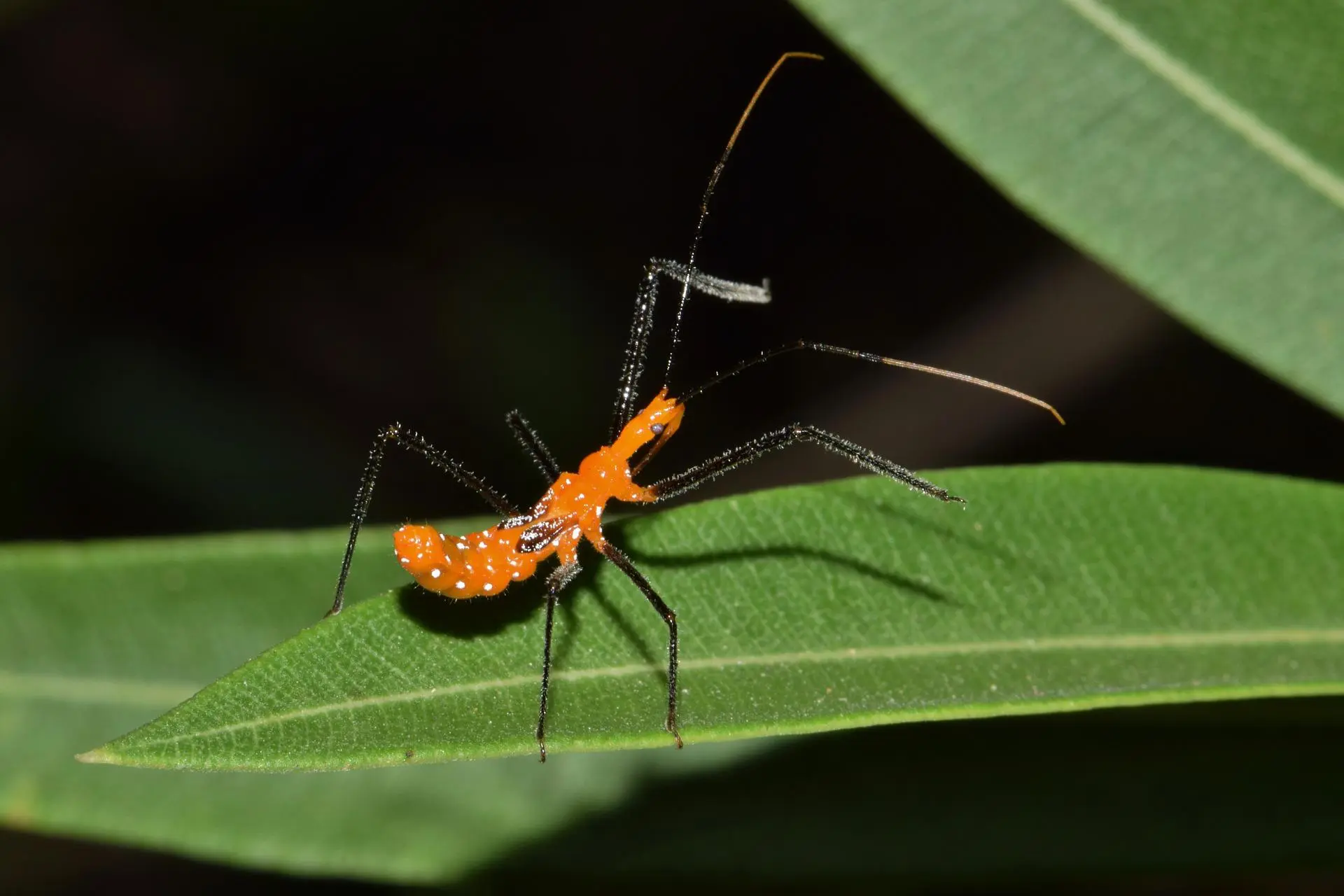
Beneficial Critters
Growing from Seed
It is generally recommended to direct sow gourds. Like pumpkins, gourds should be planted in small, raised mounds of soil. This practice helps ensure seedlings receive adequate airflow and nutrients.
Planting Considerations
Gourds prefer well-drained soil. Gourds are often trellised, though this is not absolutely necessary for success. Larger/heavier gourds cannot be trellised. Never plant gourds too close to each other. Like squash, they need plenty of space to grow properly.
Feeding
Work organic matter into the soil before planting gourds. Never use a fertilizer overly high in nitrogen on gourds, as this can stunt fruit growth. Over-fertilization can be extremely detrimental to gourds.
Harvesting
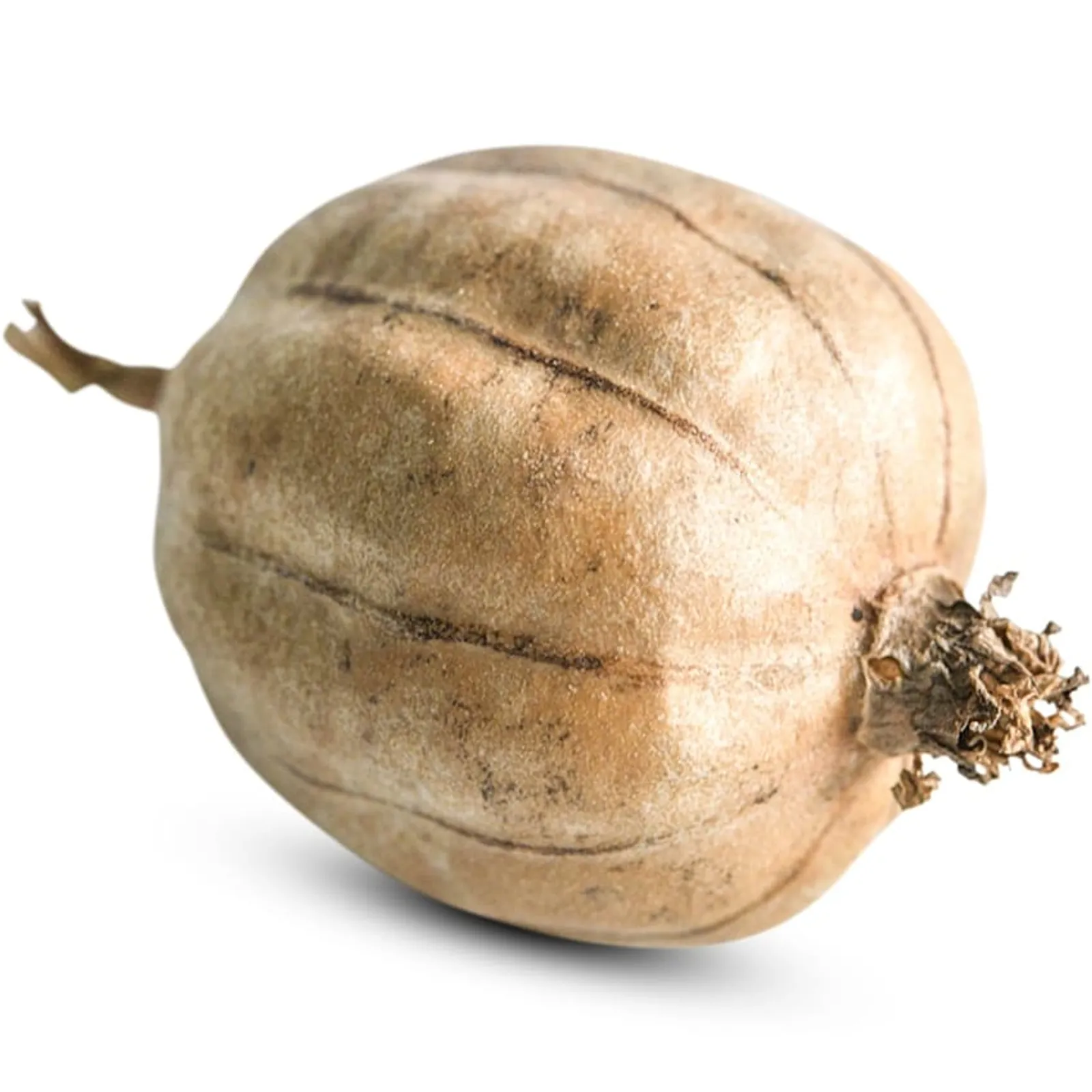
Harvest gourds once they reach their final color and feel hard on the outside. Another sign that it is time to harvest is when the stems of your gourds start to turn brown. They should also feel fairly light, as this is a sign that they are beginning to dry out.
Storage
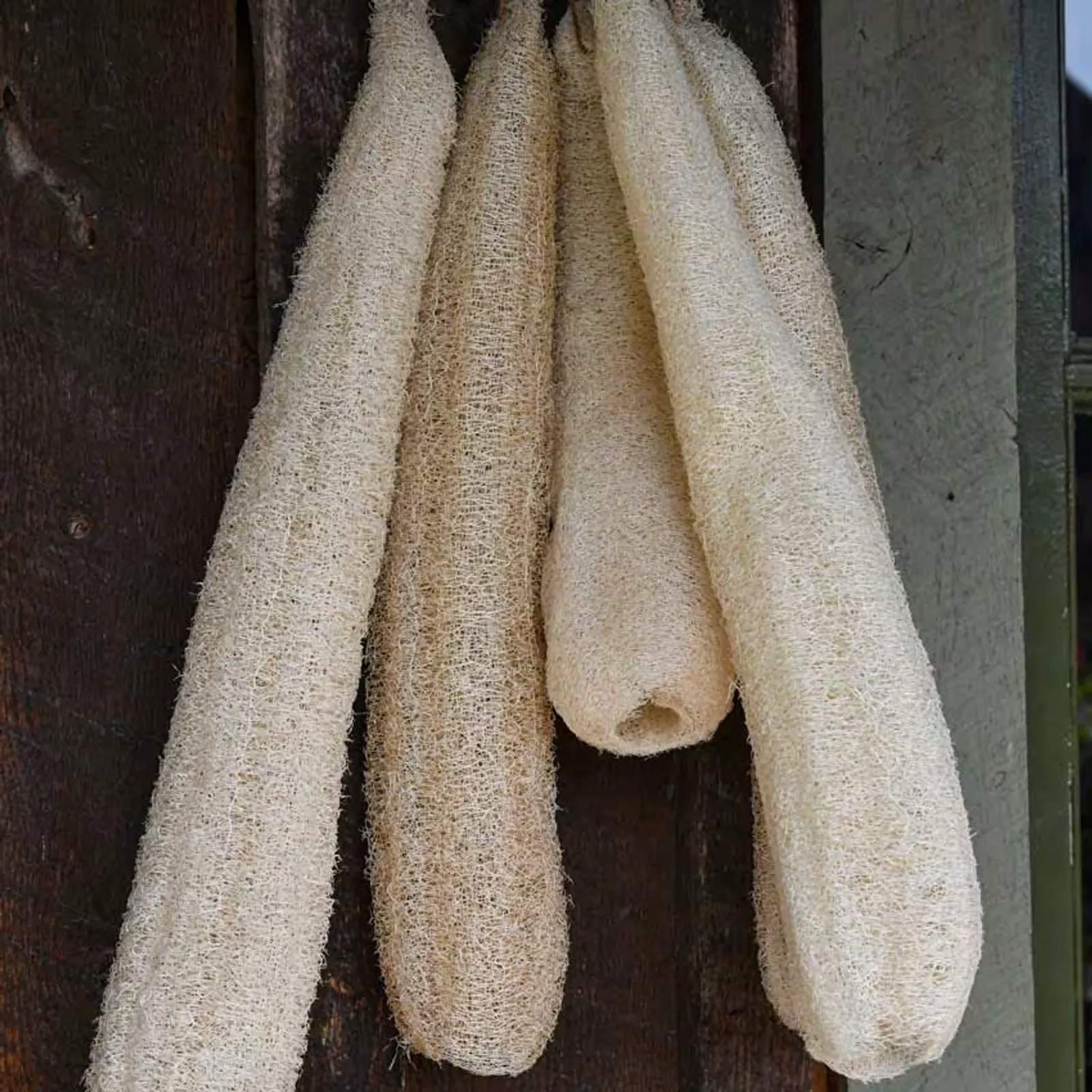
Small gourds can be dried and preserved for decoration. Large gourds should be harvested around the time of first frost, and used as decoration until they start to go bad. Dried gourds can last for months on end.