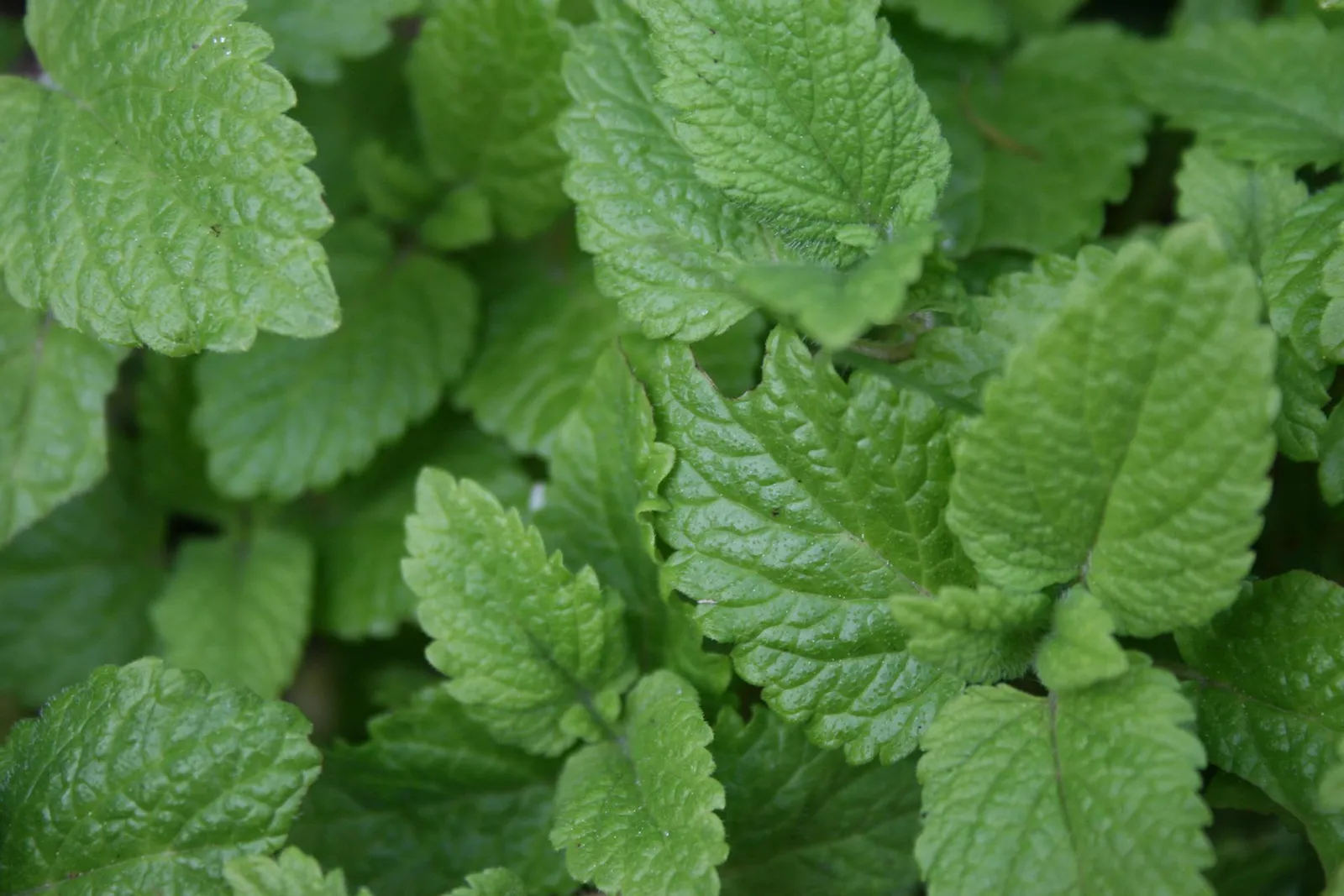
Lemon Balm
Melissa officinalis
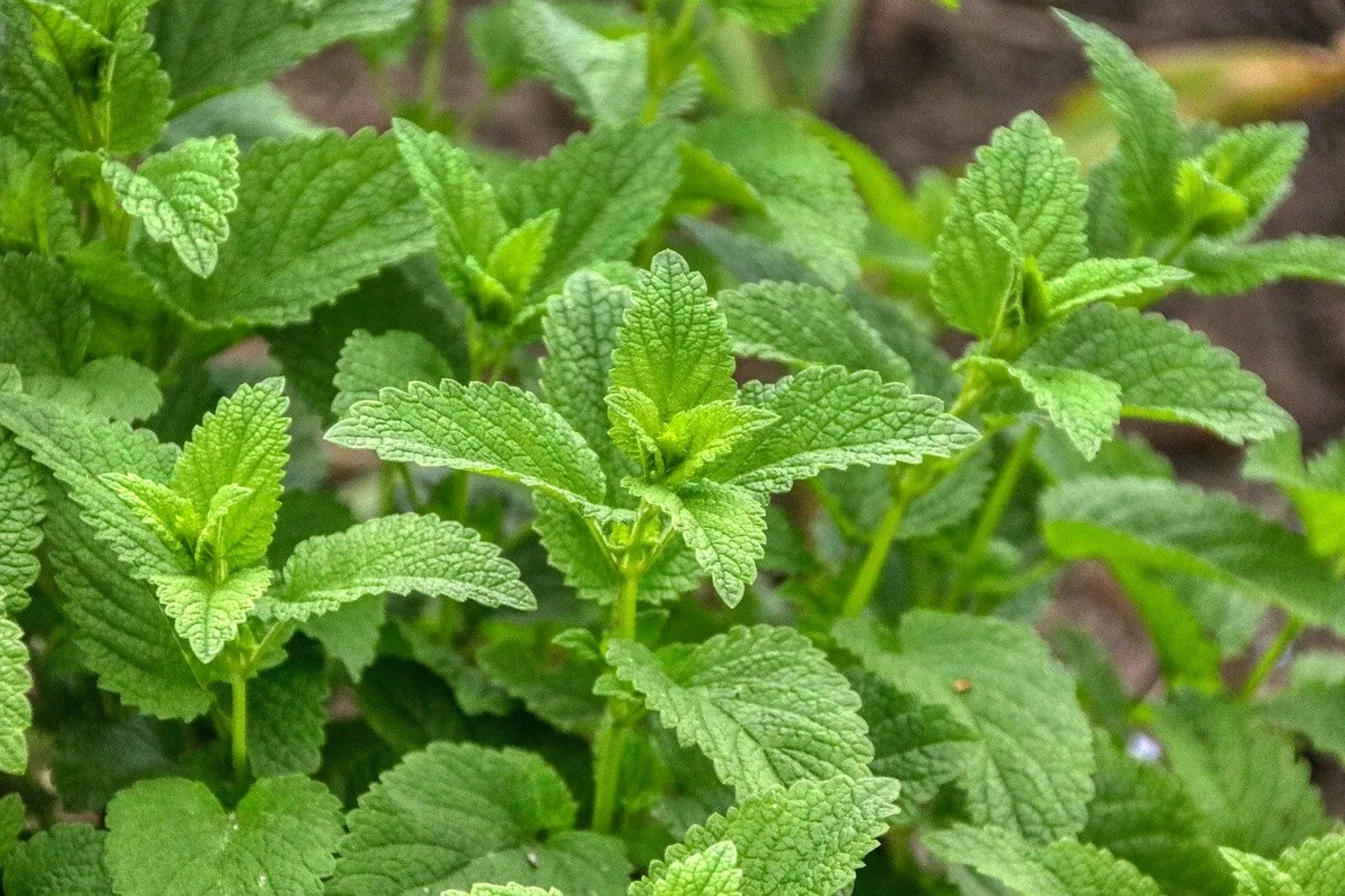
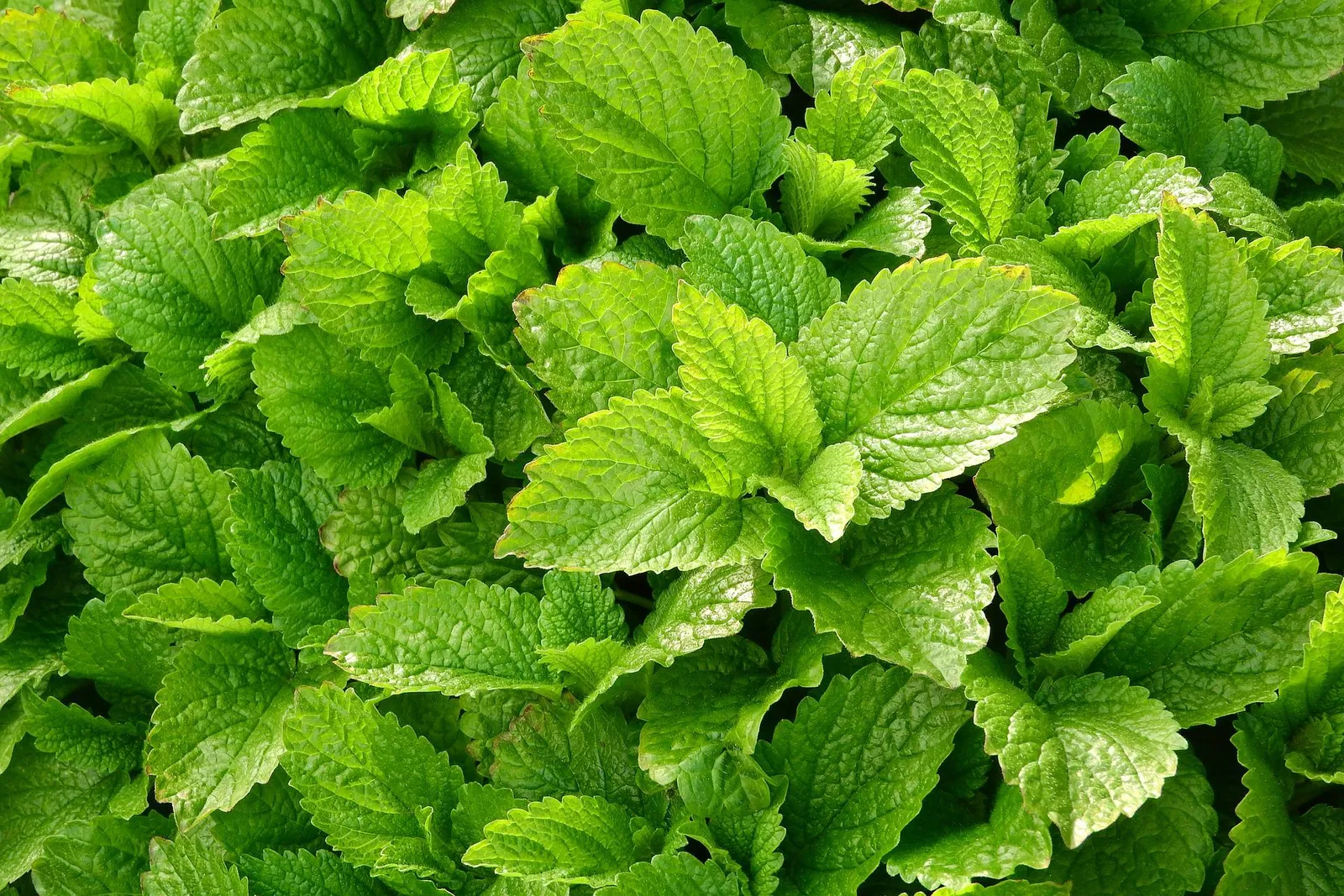
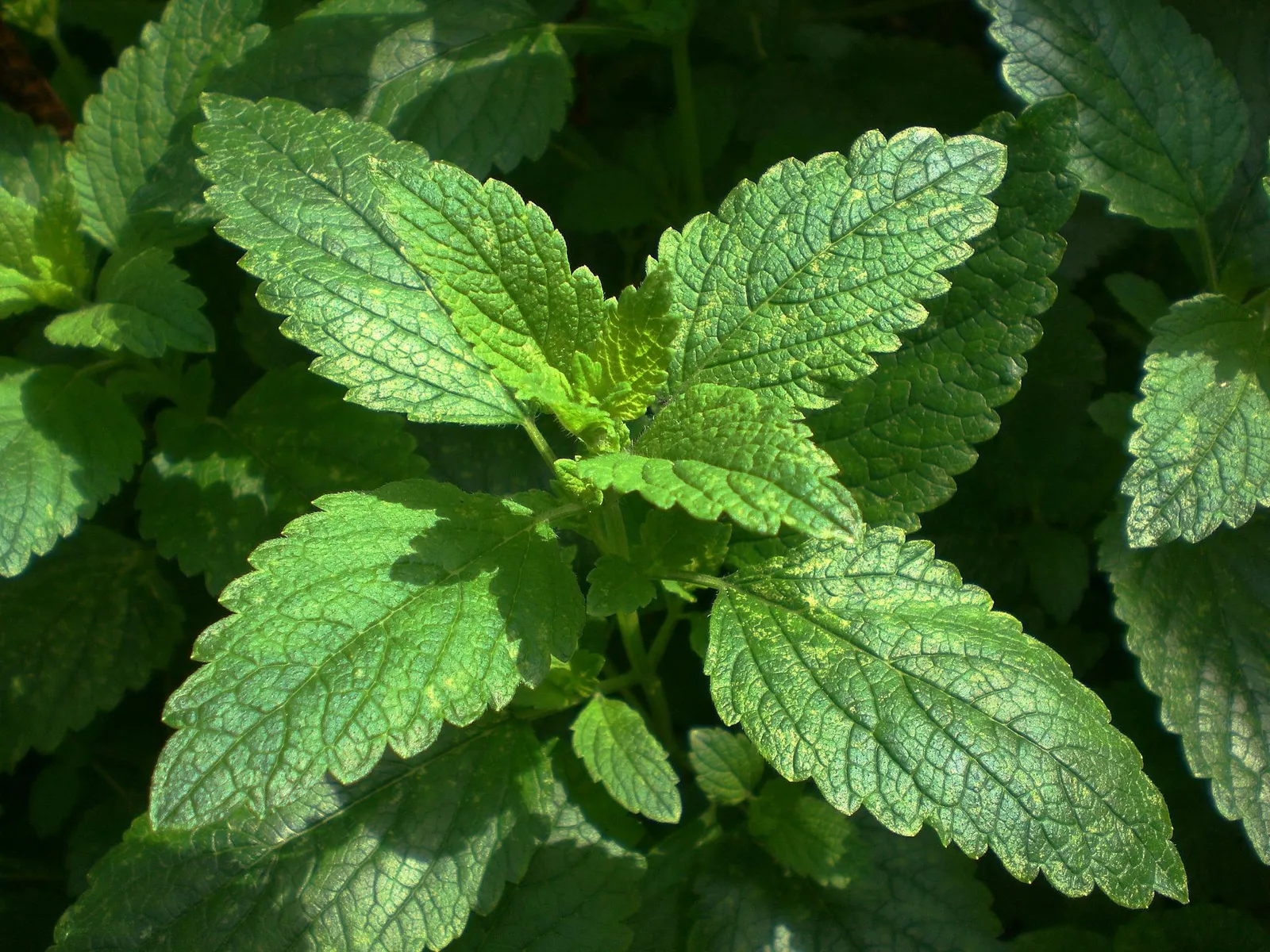
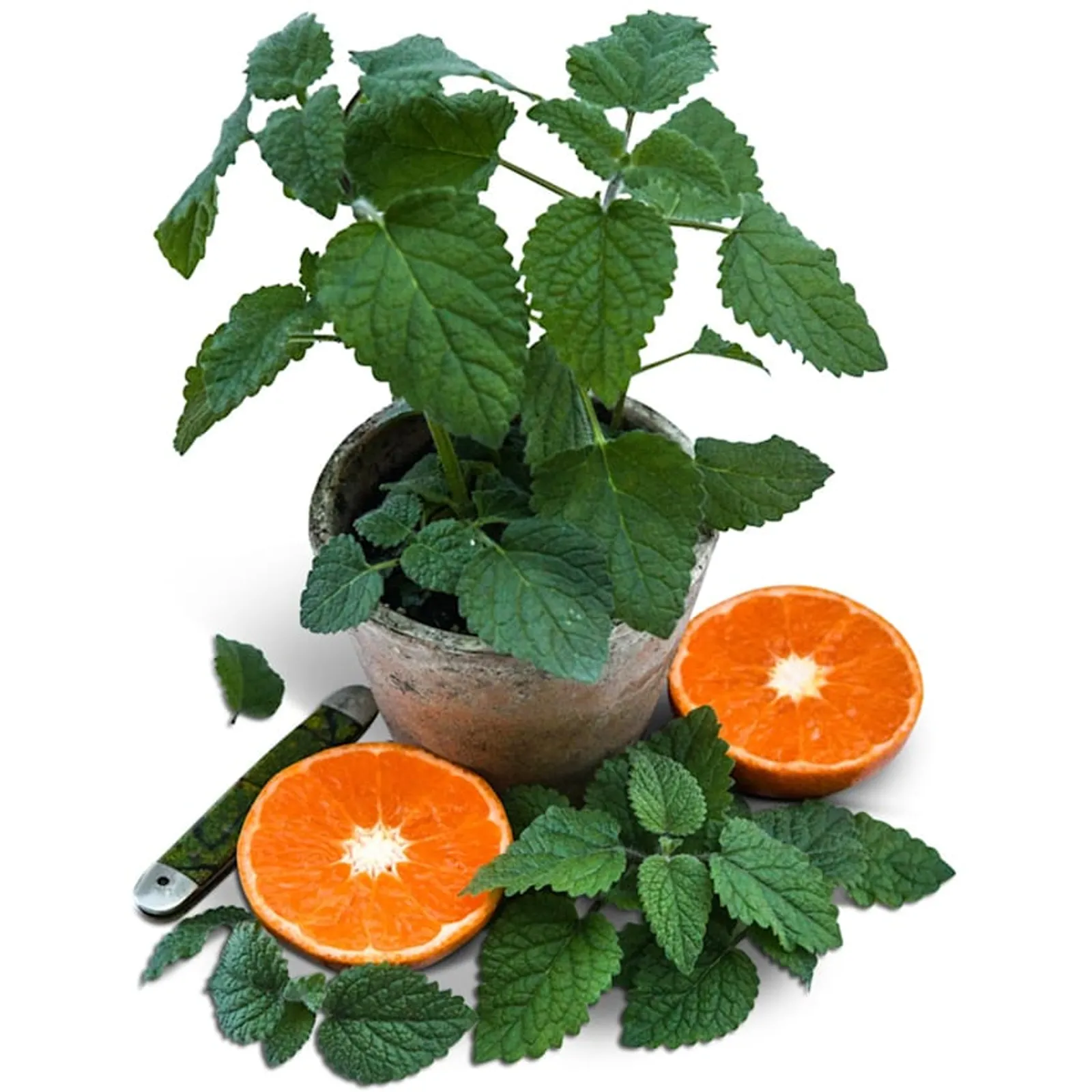
Lemon balm is an easy to grow member of the mint family that is frequently used in herbal teas. It can be grown from seeds or from cuttings. It has the tendency to spread, so it is best grown in an isolated area or container.
How to Grow Lemon Balm
Quick Info


Put away the pen and paper
Plan your veggie garden in minutes with Planter's easy drag and drop planner.
Try Planter for Free
Varieties
Related Articles
Companion Plants




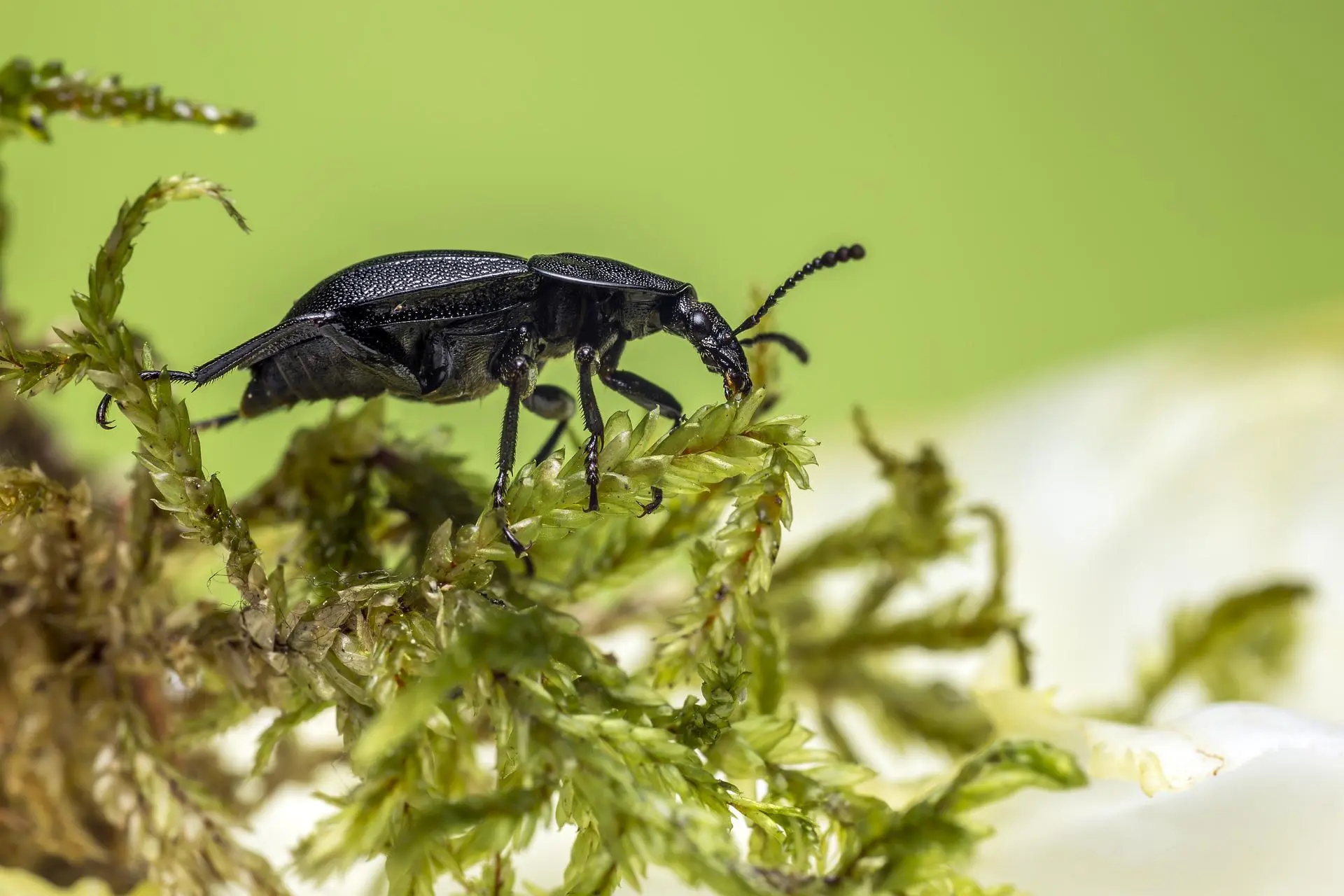
Pests
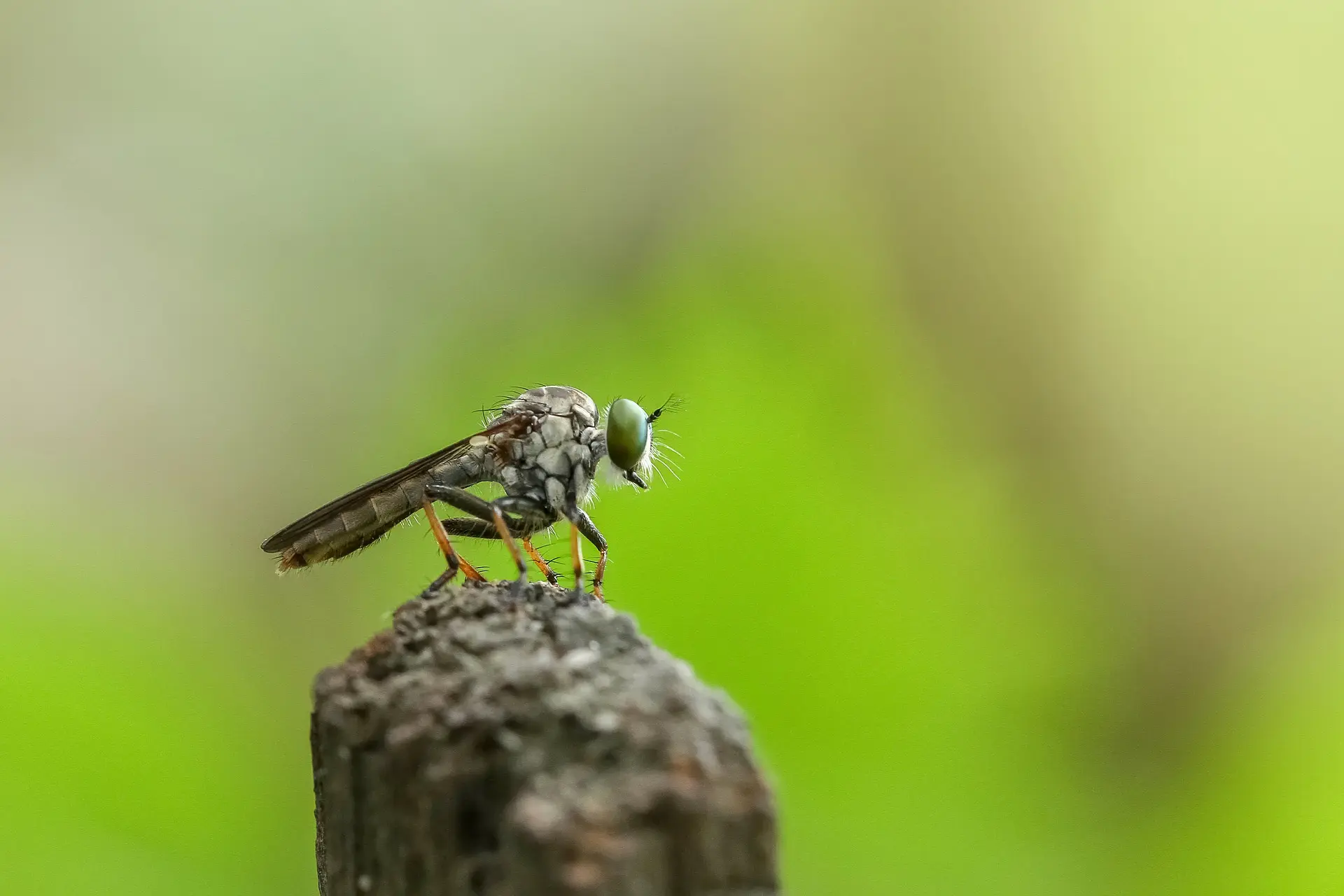
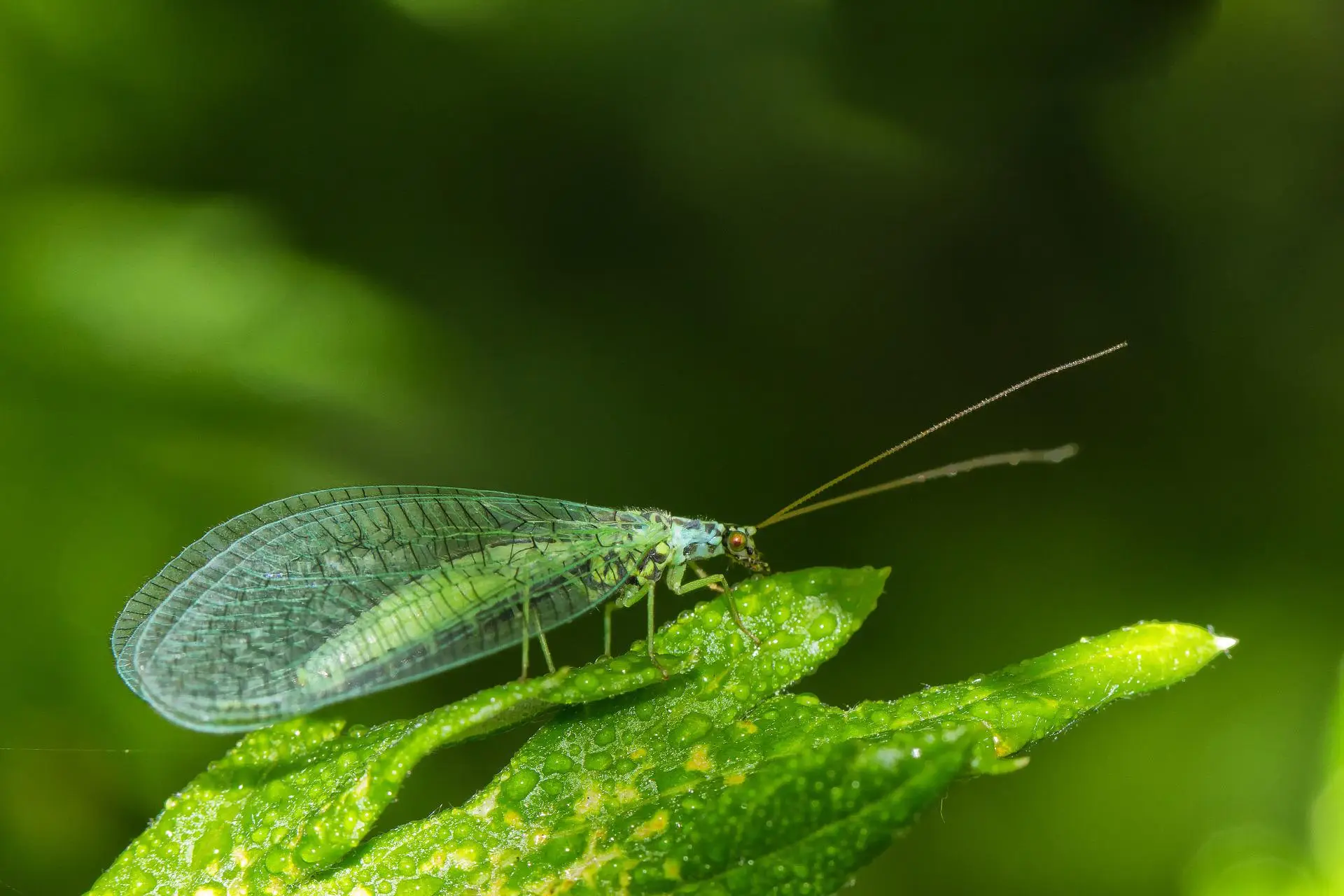
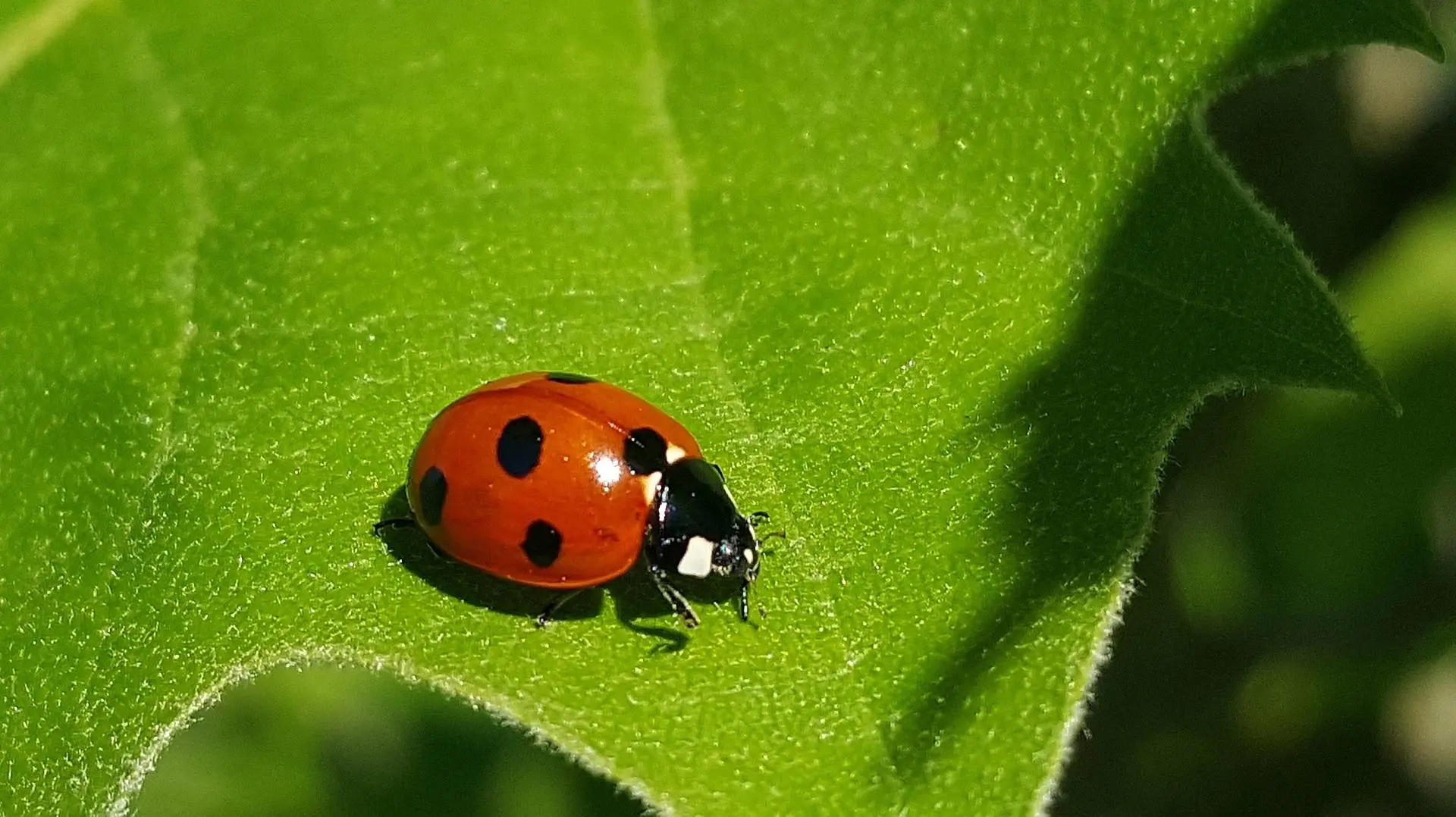
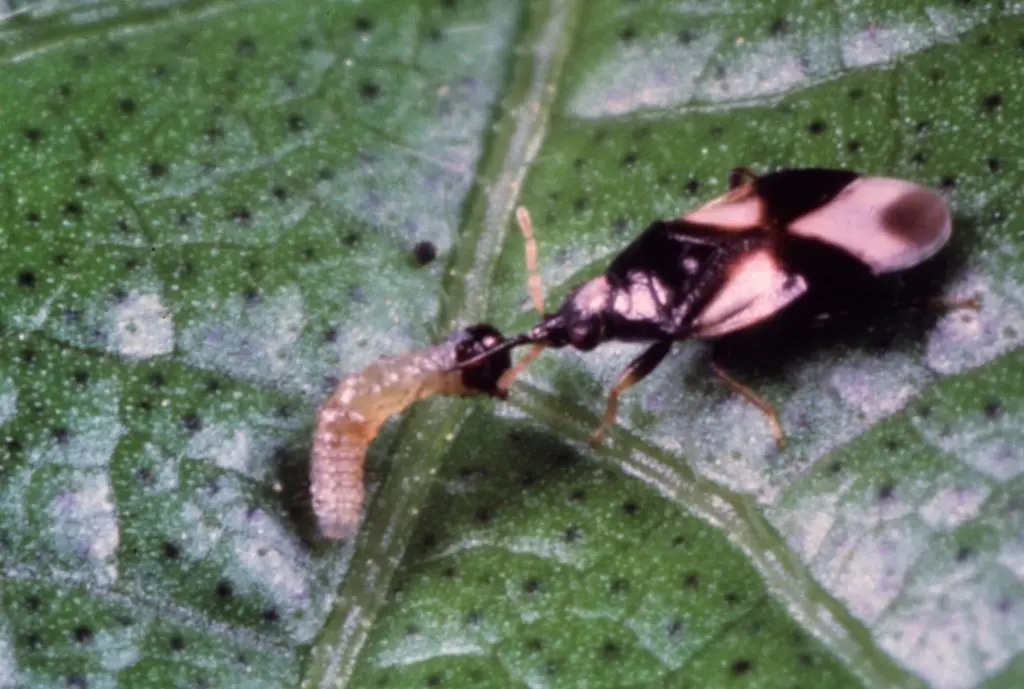
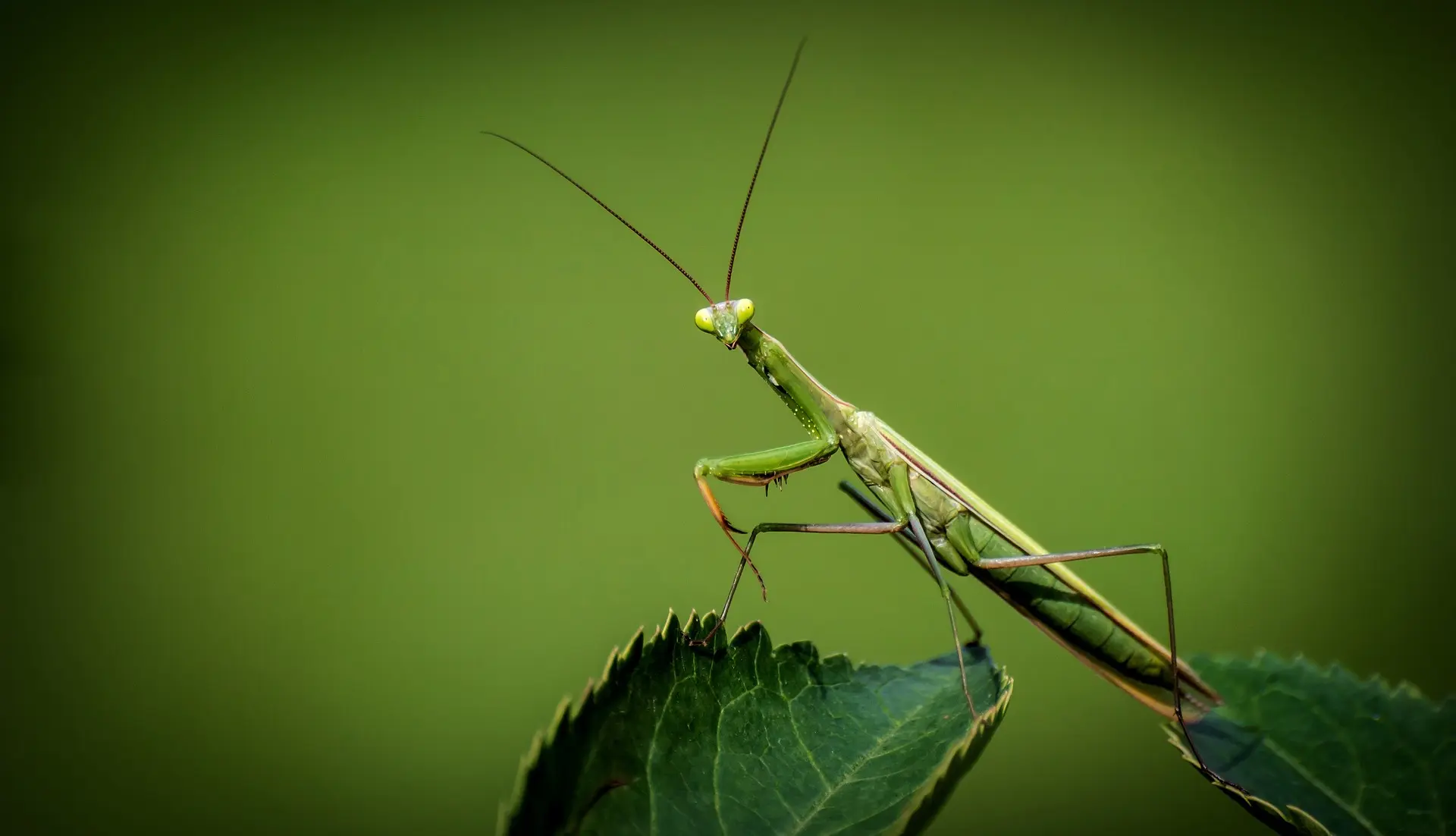
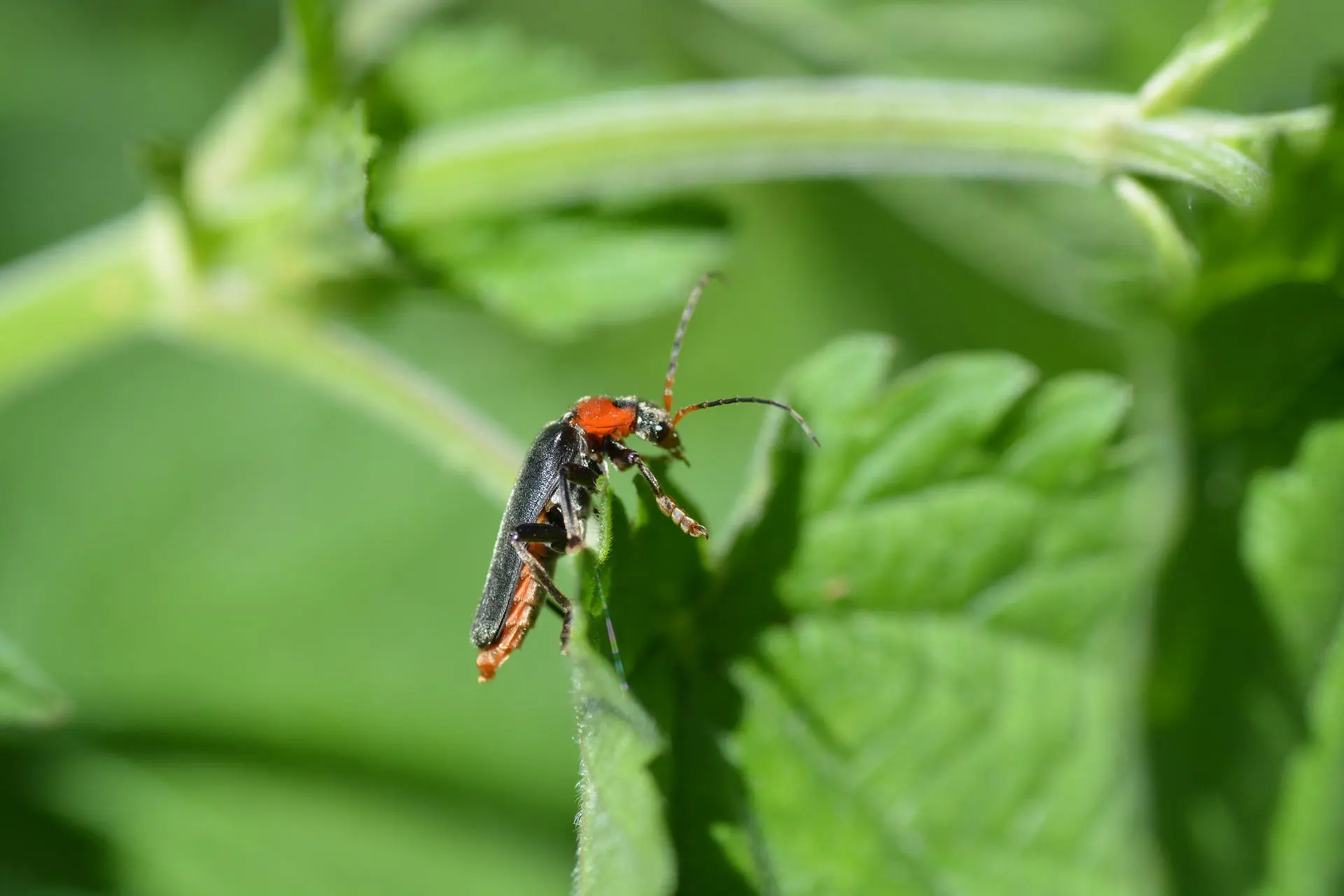
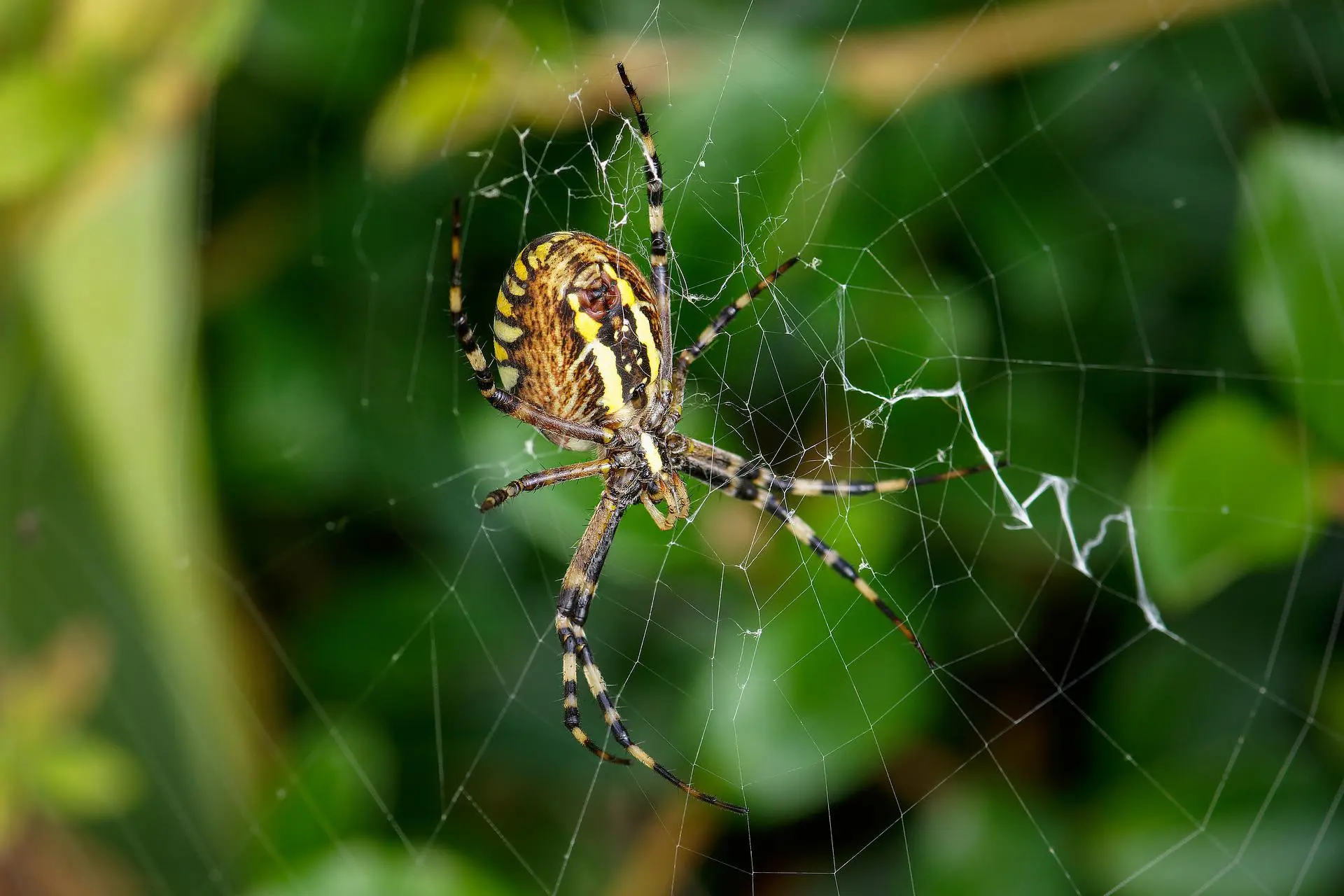
Beneficial Critters
Growing from Seed
Lemon balm needs light to germinate, so cover seeds with only a very light layer of soil. It is generally recommended to start seeds indoors then transplant out.
Planting Considerations
Lemon balm can only be grown as a perennial in very warm climates. In most areas, it is grown as an annual. Lemon balm prefers well-drained soil. Be sure to keep soil consistently moist, but do not overwater. Remove any flowers before they go to seed in order to prevent your lemon balm plants from spreading.
Feeding
Fertilization is not recommended, as it can reduce the plant’s scent. Lemon balm is not picky, and it will grow even in very poor soil.
Harvesting
To harvest, snap off individual stems at the base. You can even cut the entire plant off at the base. After doing so, lemon balm will usually grow back twice as thick. It can grow back multiple times in one growing season.
Storage
It is best to pick fresh lemon balm stems/leaves as needed. Lemon balm loses its aroma very quickly when dried. Fresh lemon balm can also be frozen.