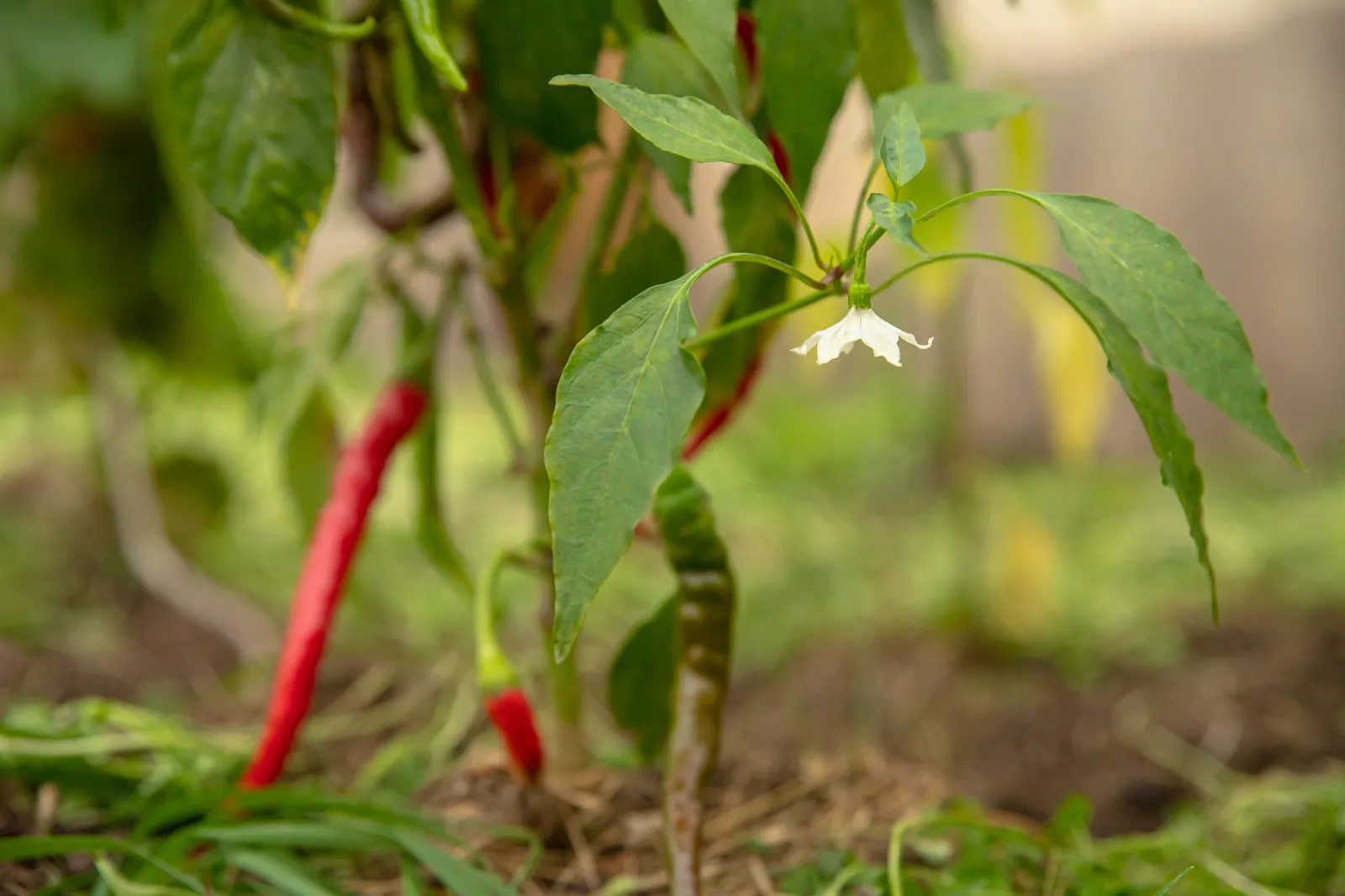
Peppers
Capsicum annuum, C. chinense, C. frutescens, C. baccatum, C. pubescens
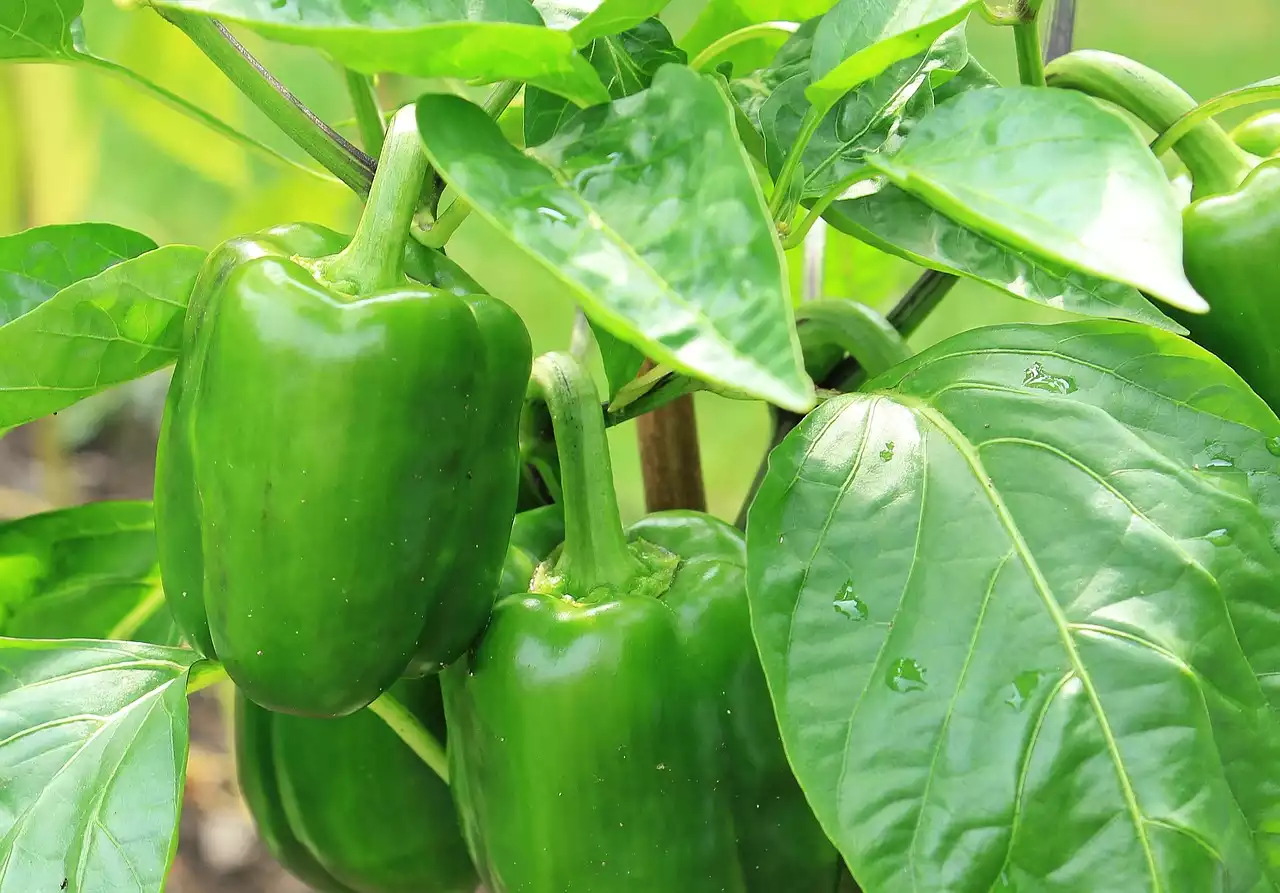
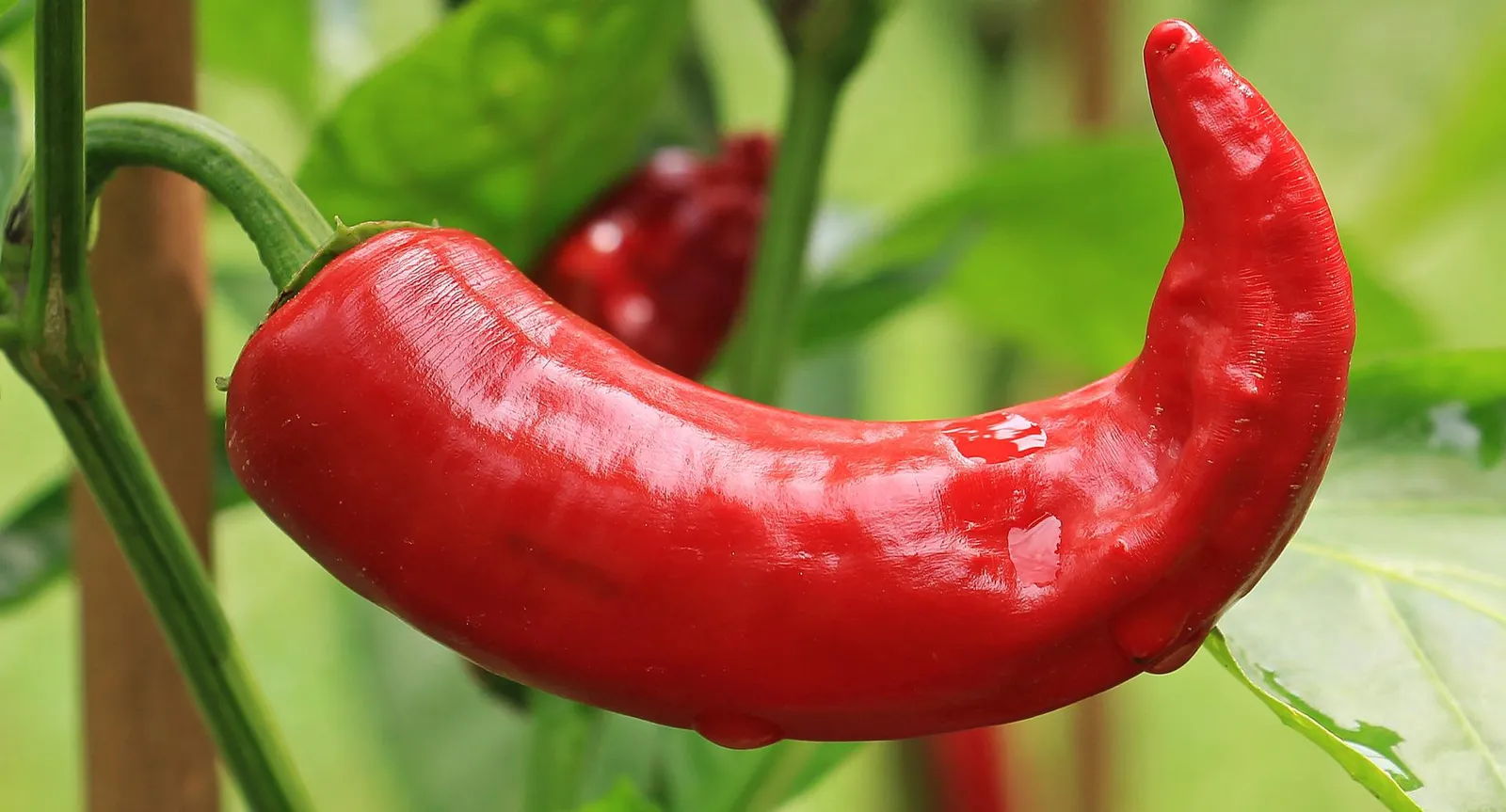
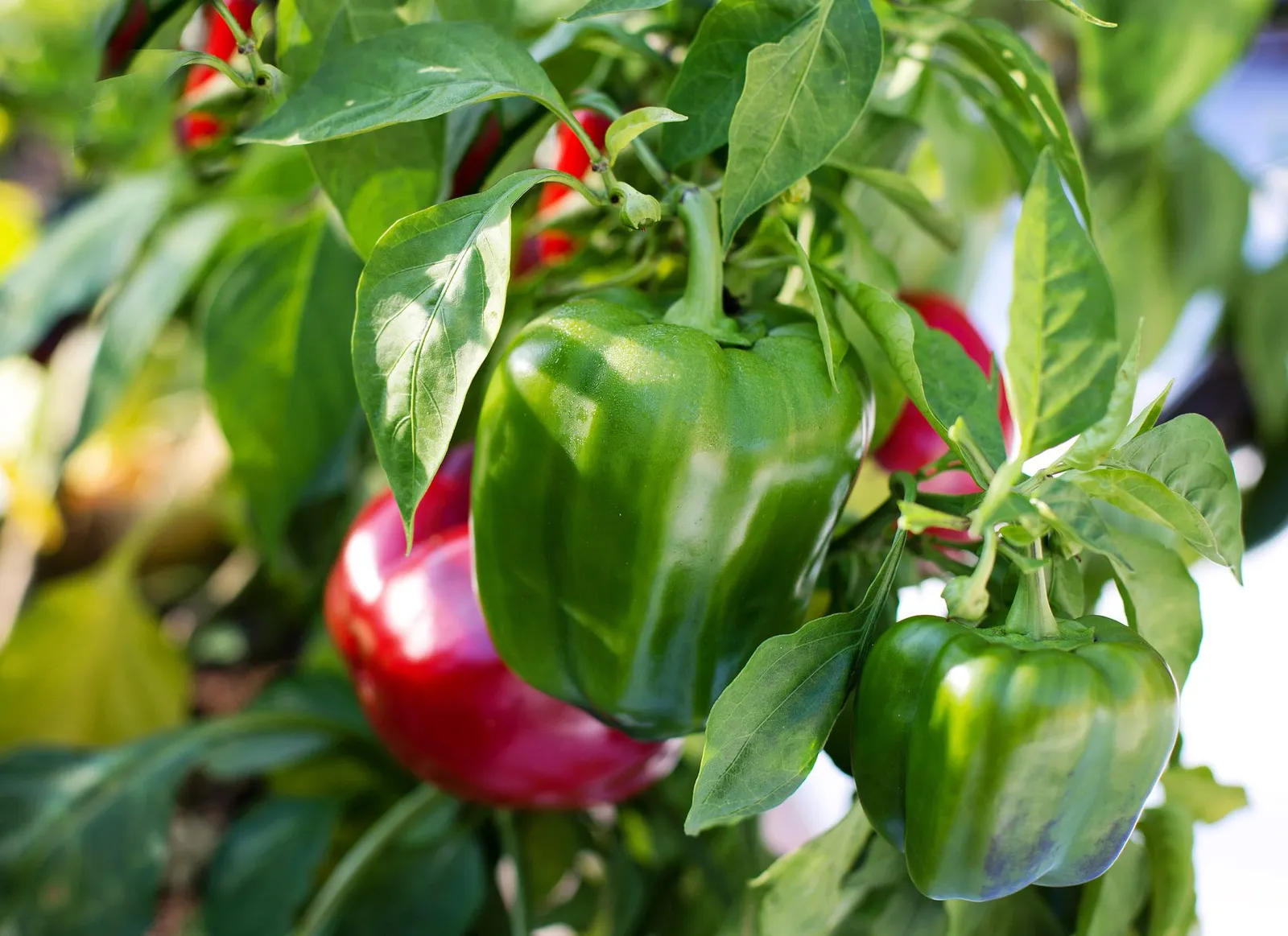
Peppers are one of the most popular garden plants and for good reason! They are easy-to-grow, prolific, and there is a seemingly infinite number of pepper cultivars available to home gardeners- both sweet and hot. Many common peppers come from the species Capsicum annuum, however there are 5 species of peppers in cultivation. Peppers are perennial plants in warmer climates but in most areas they are grown as annuals. Peppers grow best in warm conditions; they are even more heat-loving than tomatoes. In cooler climates with short seasons they need an early start indoors to be productive. They make great container plants- especially smaller varieties- and with a wide variety of shapes and colors available they can also be incorporated as an attractive addition to an edible landscape.
How to Grow Peppers
Quick Info


Put away the pen and paper
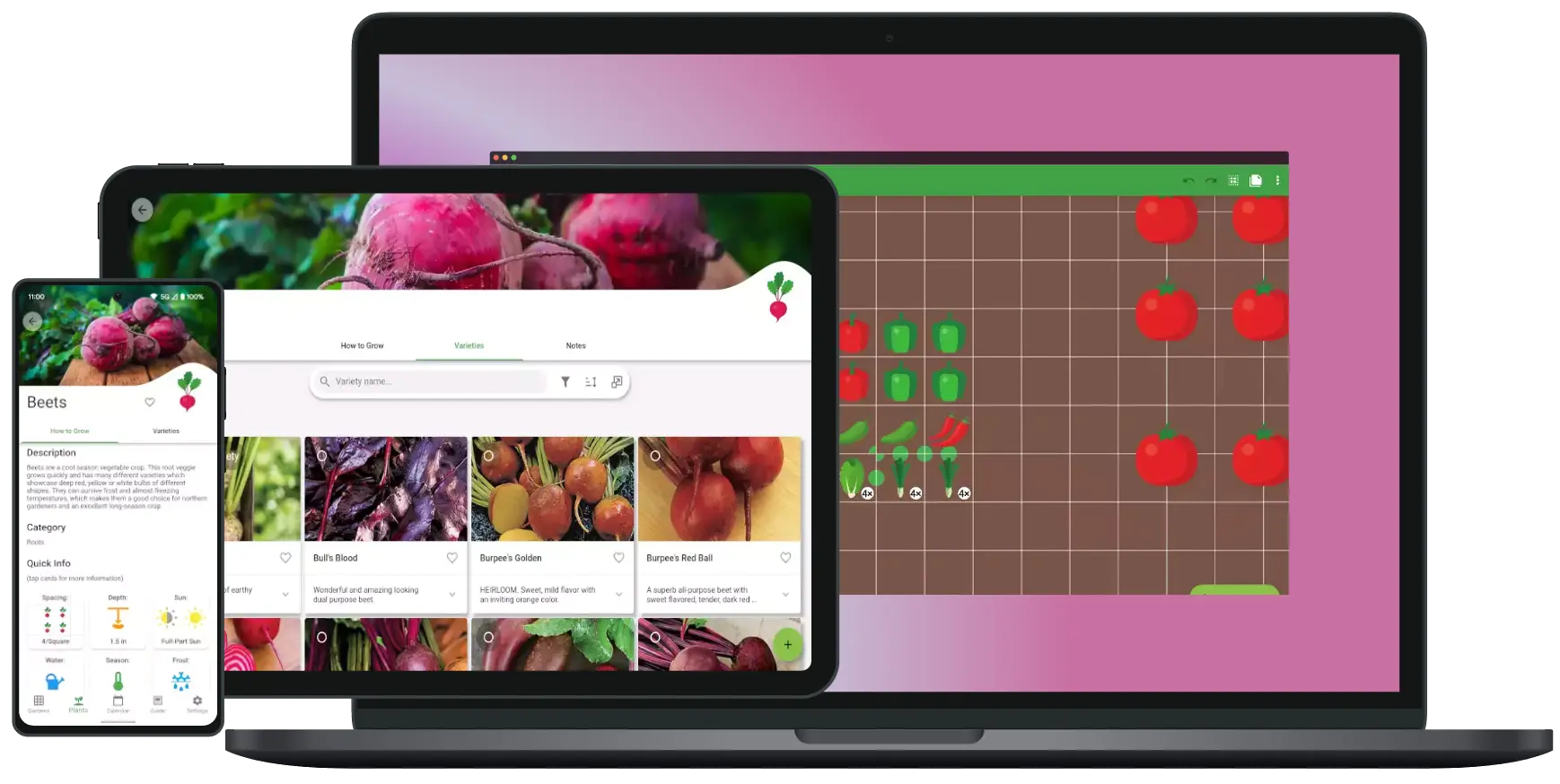
Plan your veggie garden in minutes with Planter's easy drag and drop planner.
Try Planter for Free
Varieties
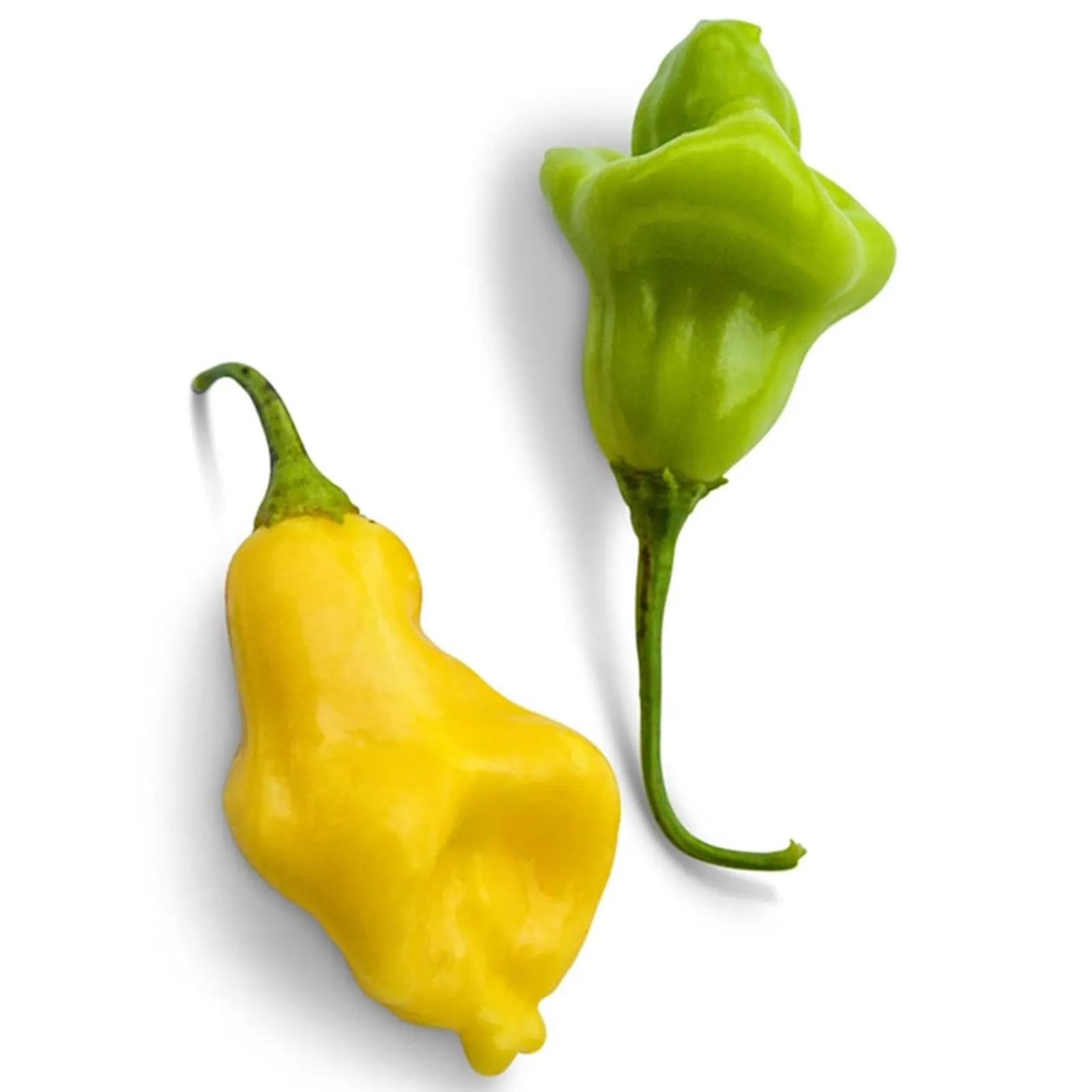
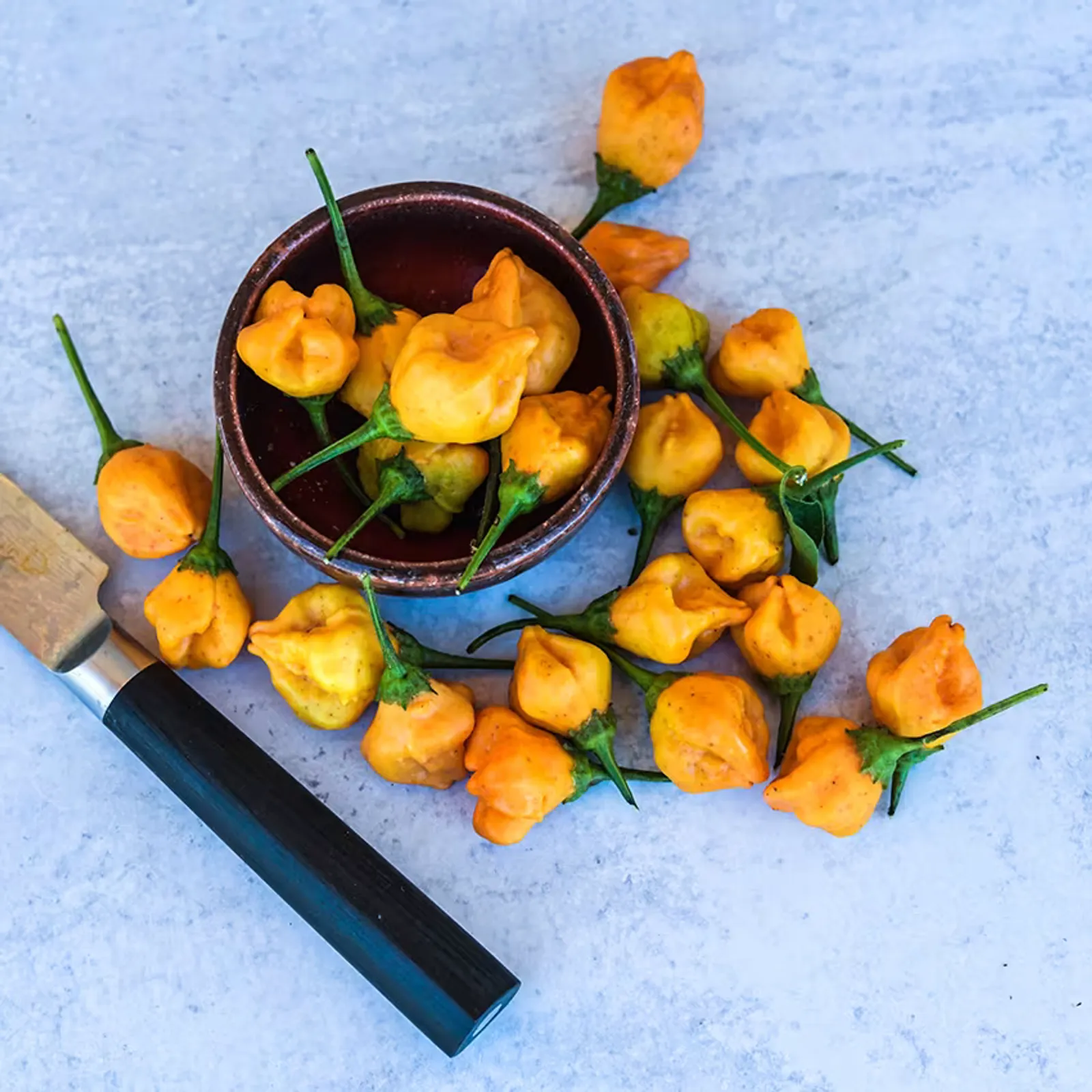
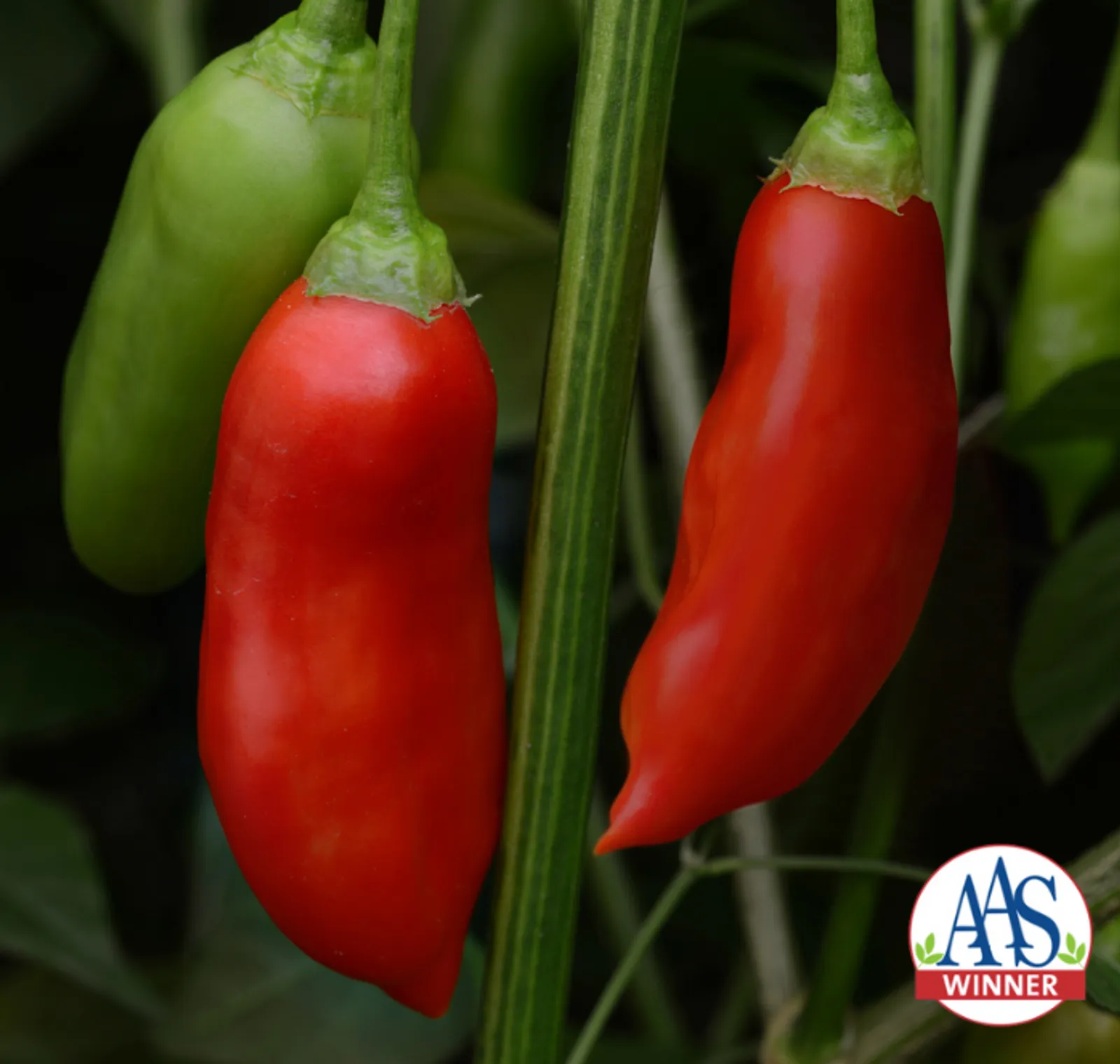
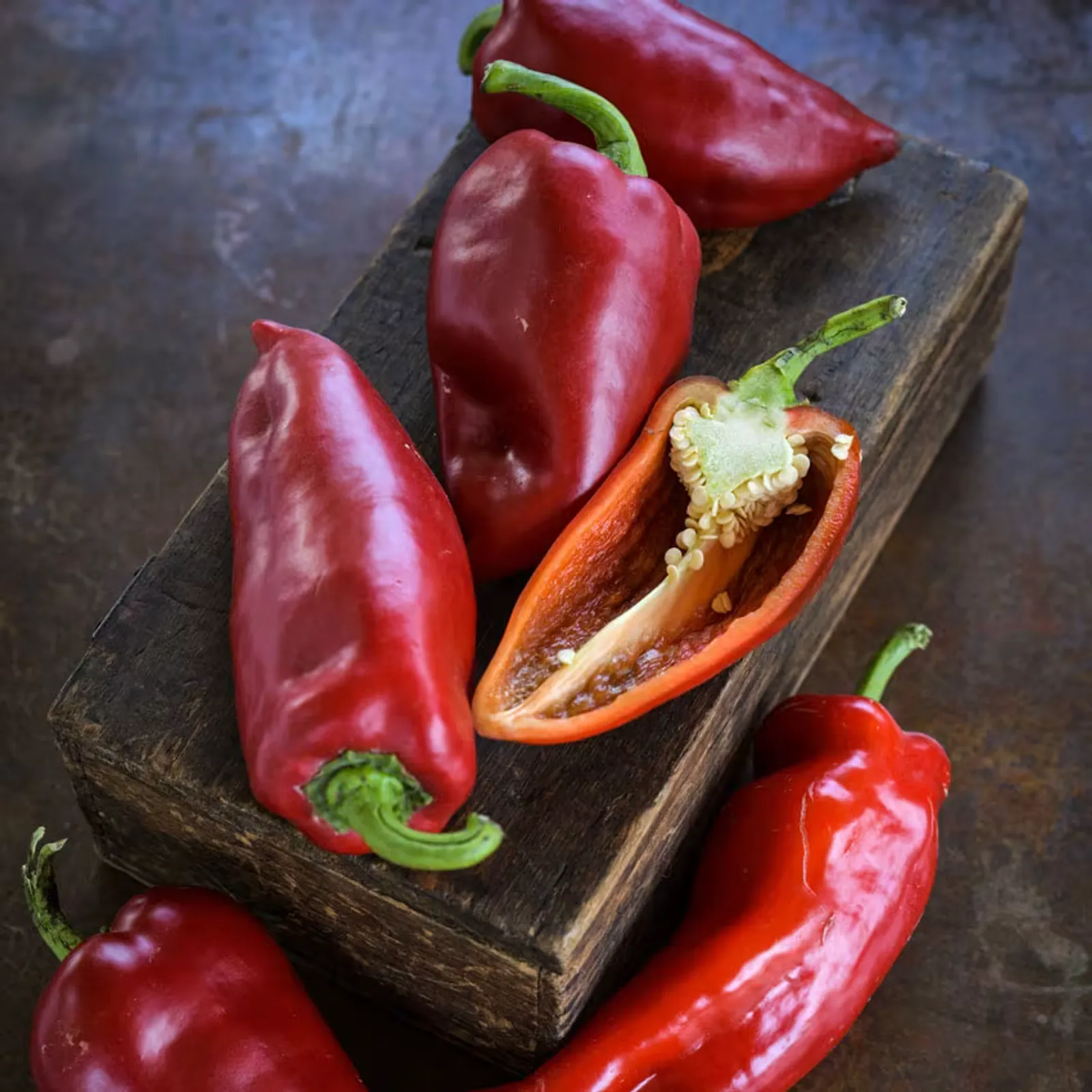
Related Articles
Companion Plants

Combative Plants


Nutrition
Vitamins





Nutrients






Pests
Diseases
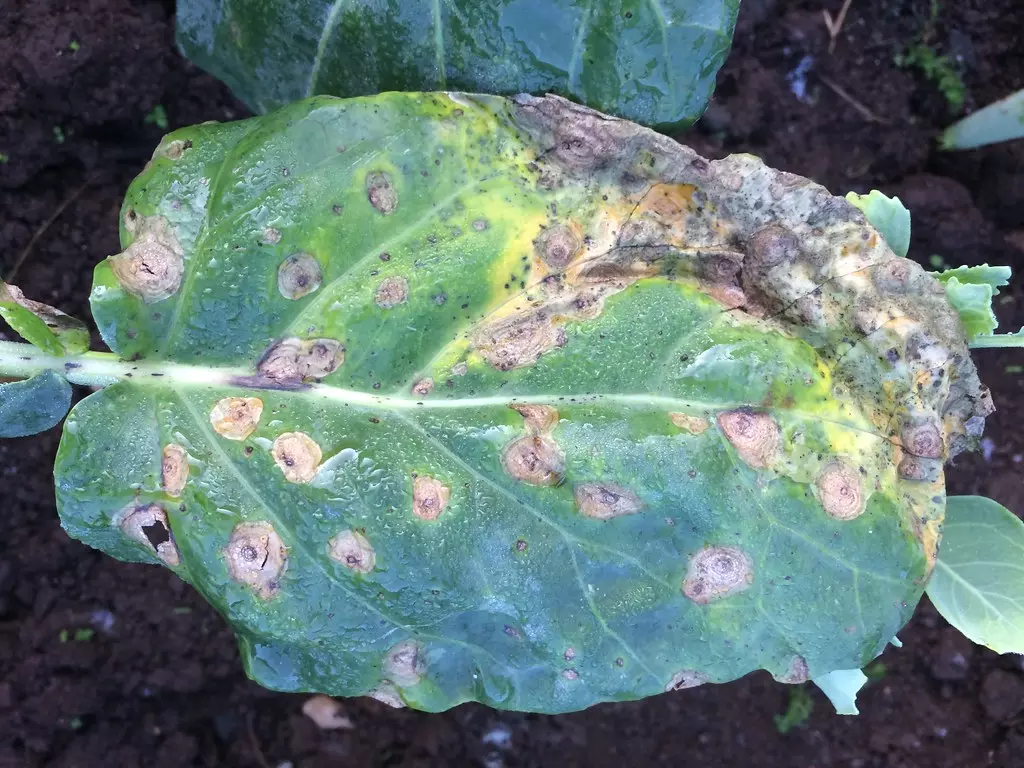
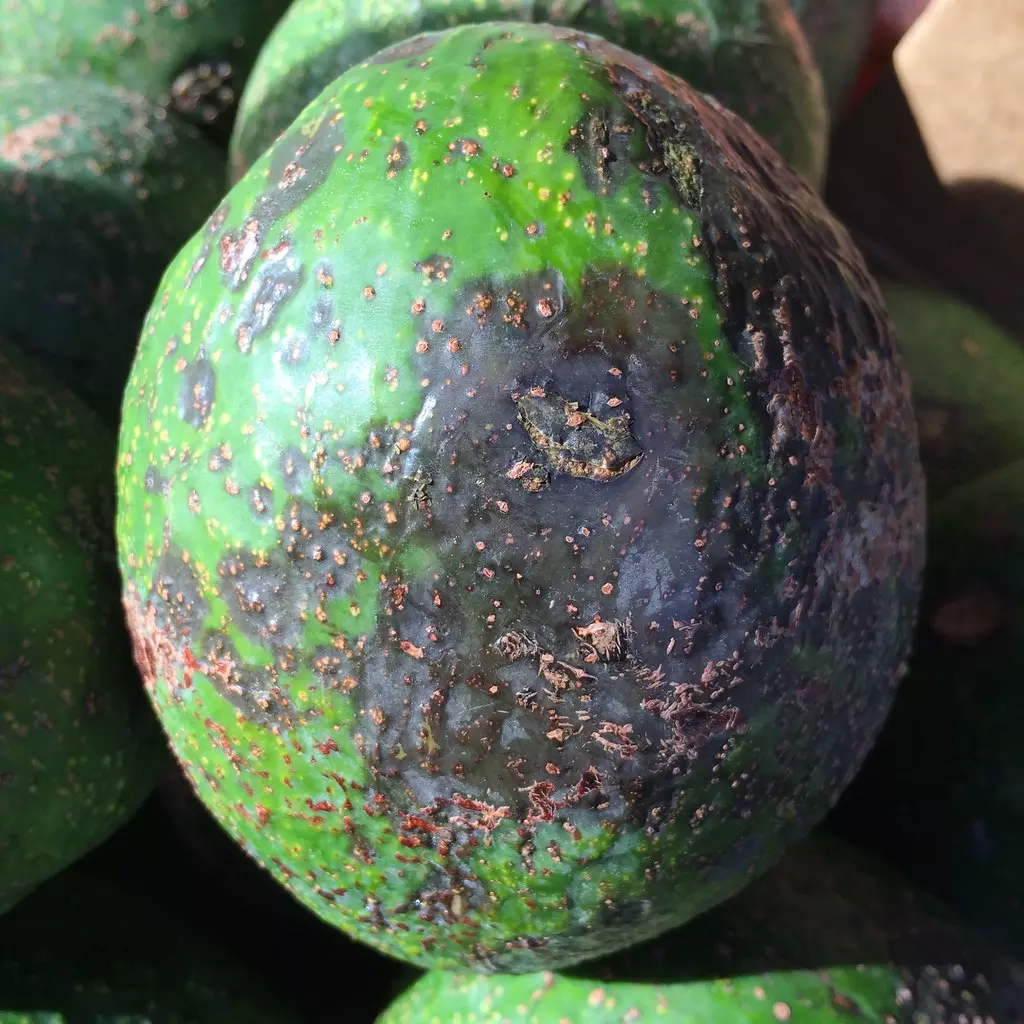
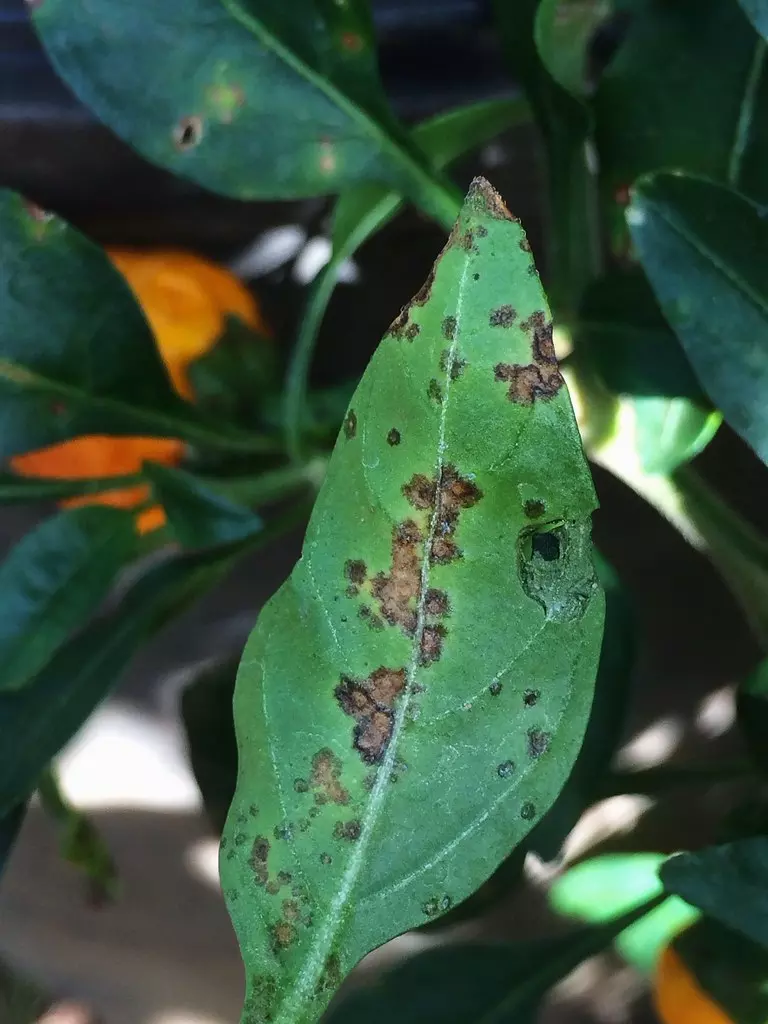
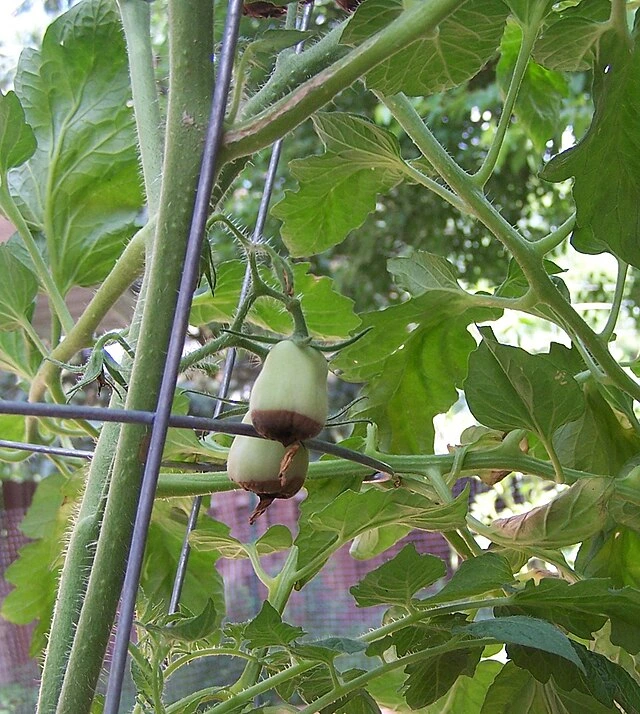
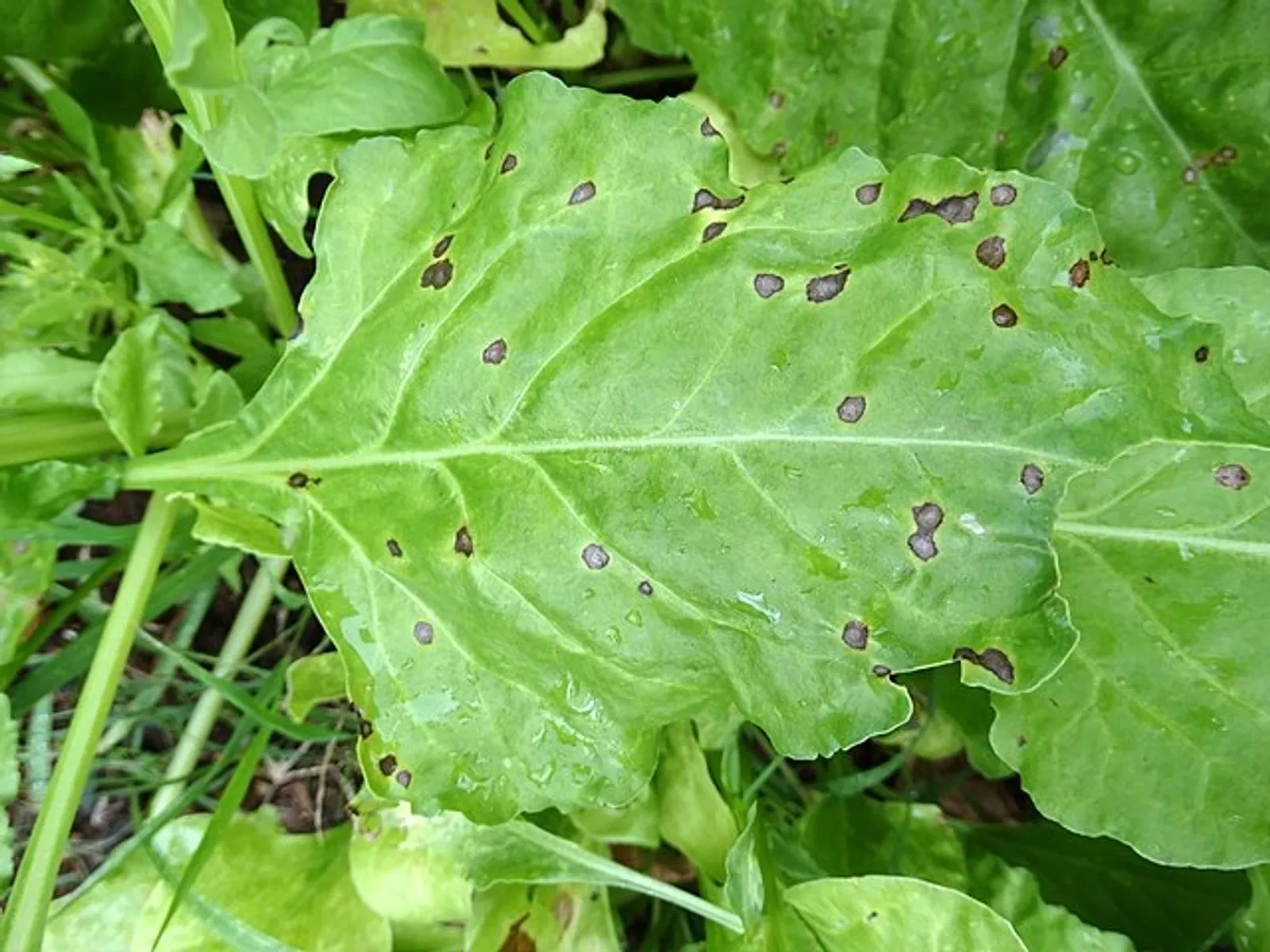
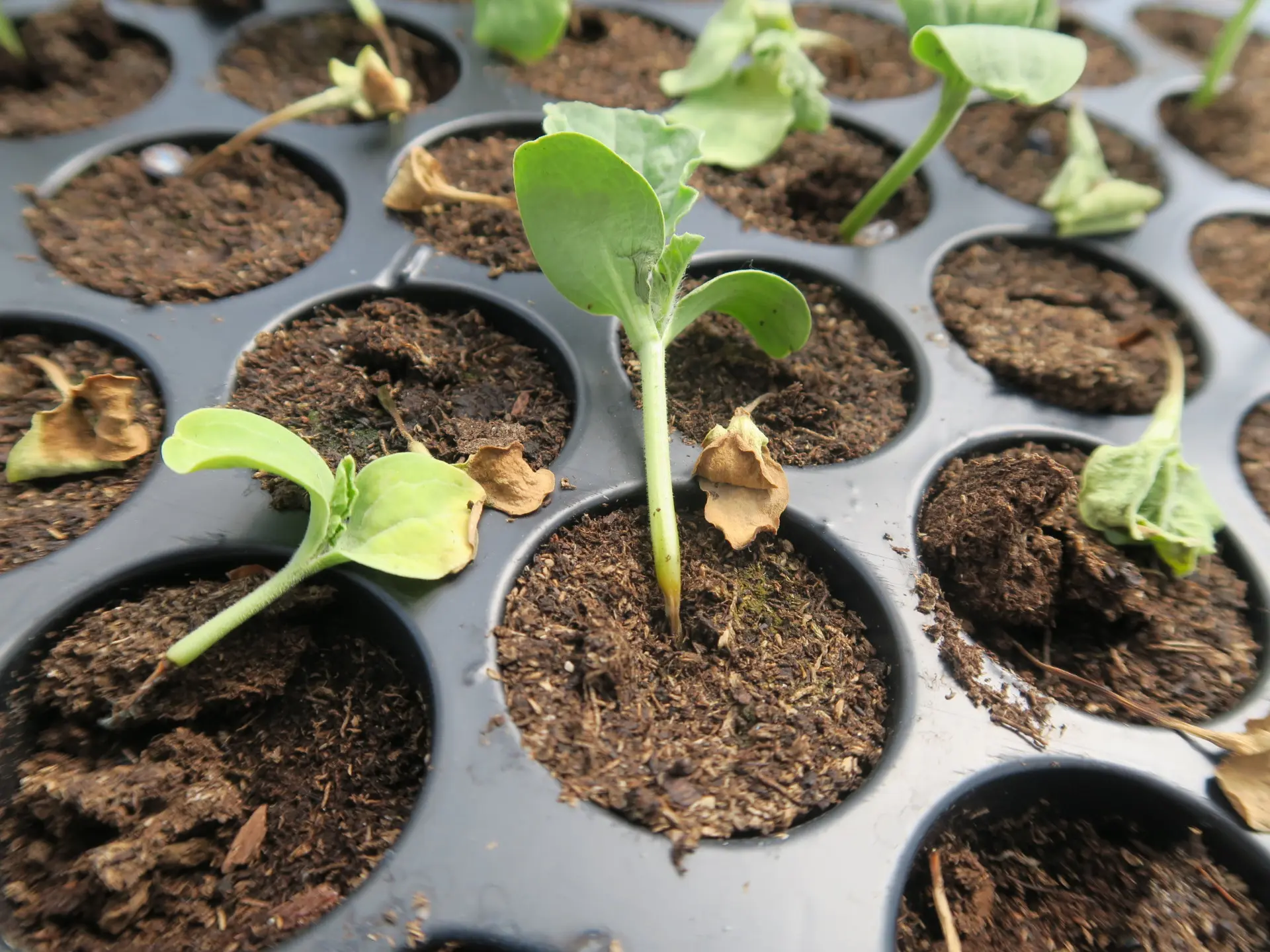
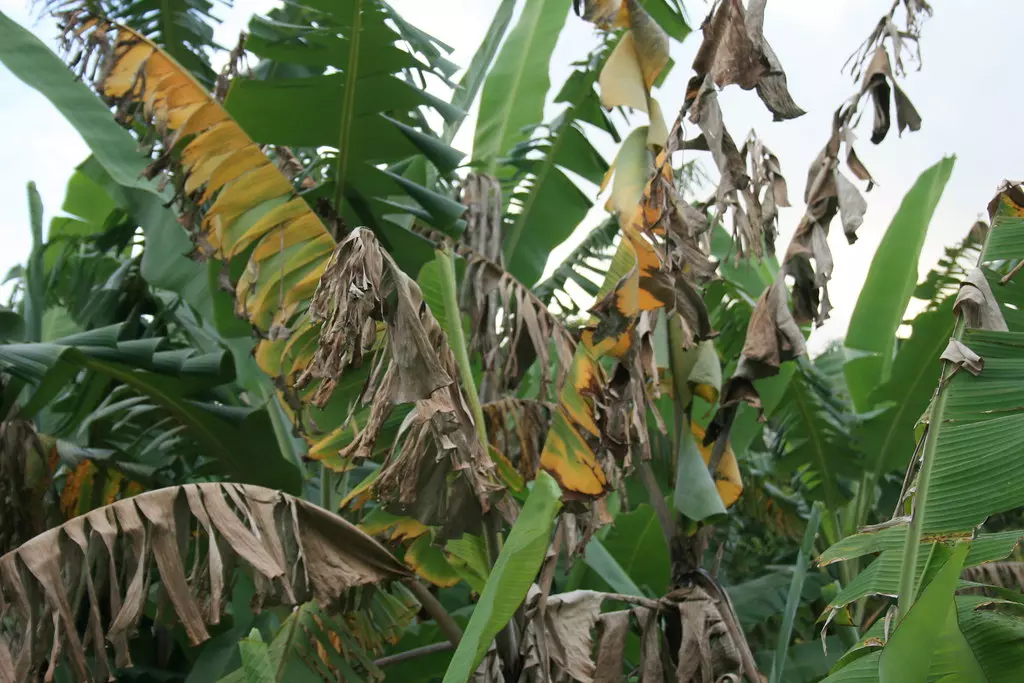
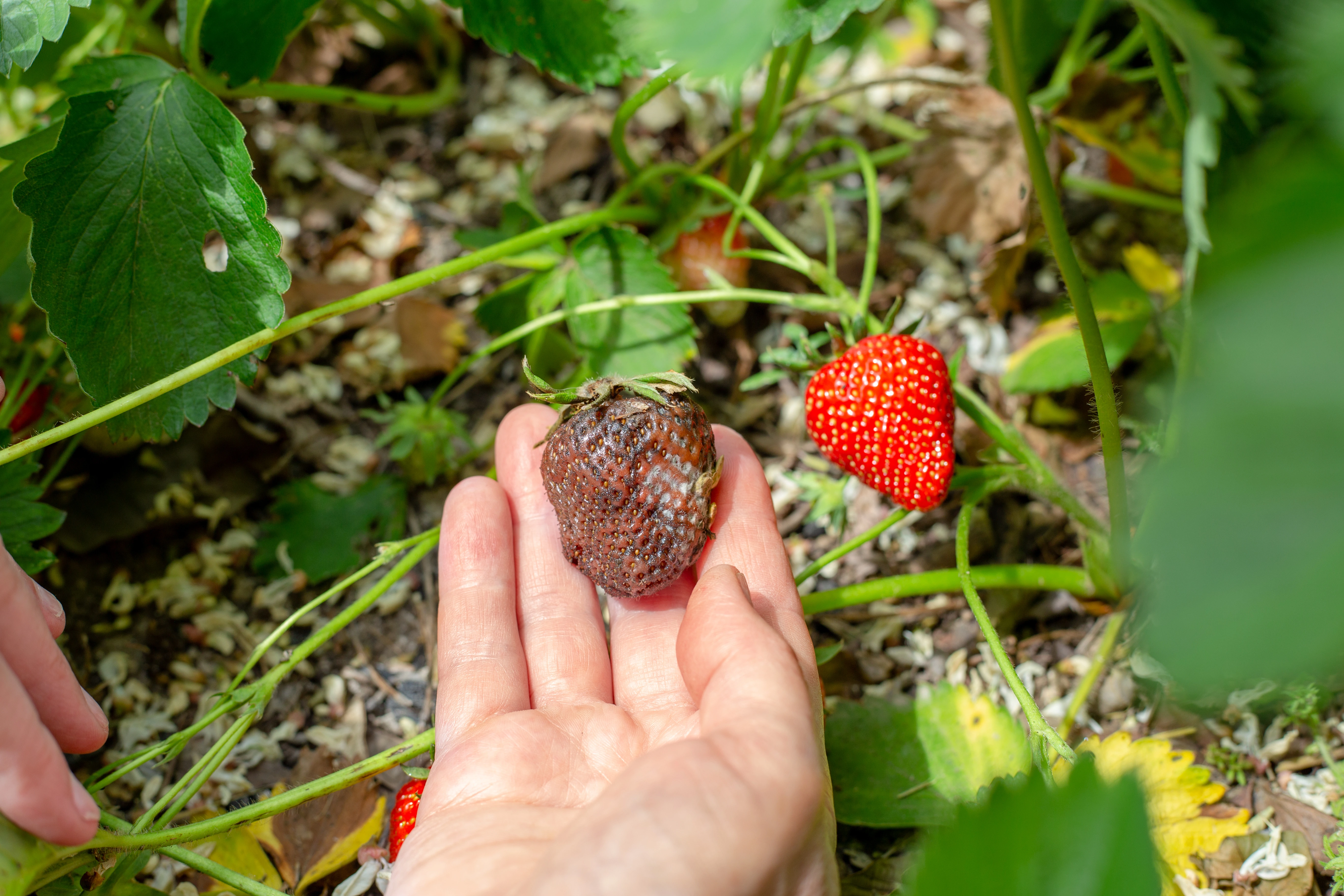
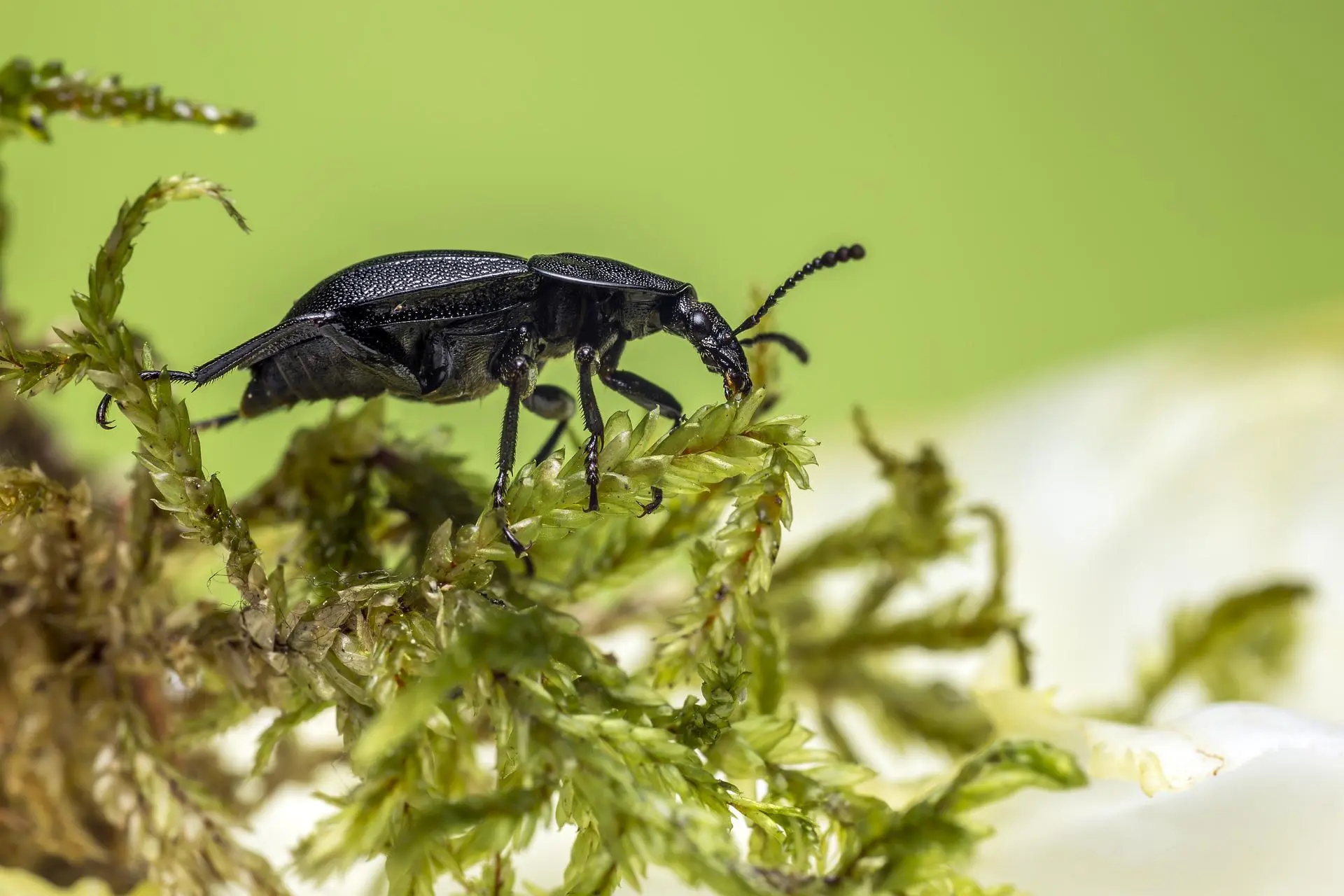
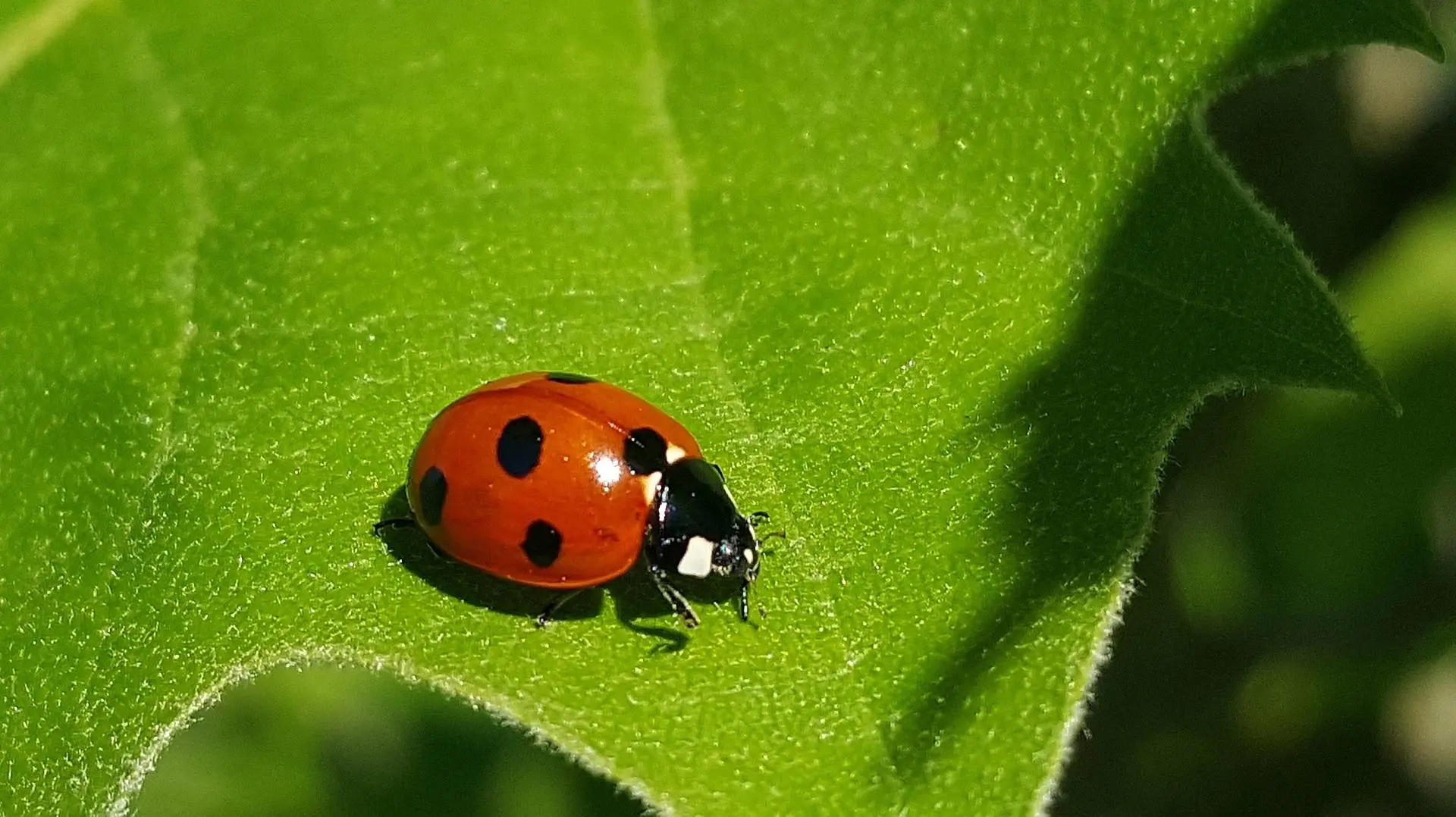
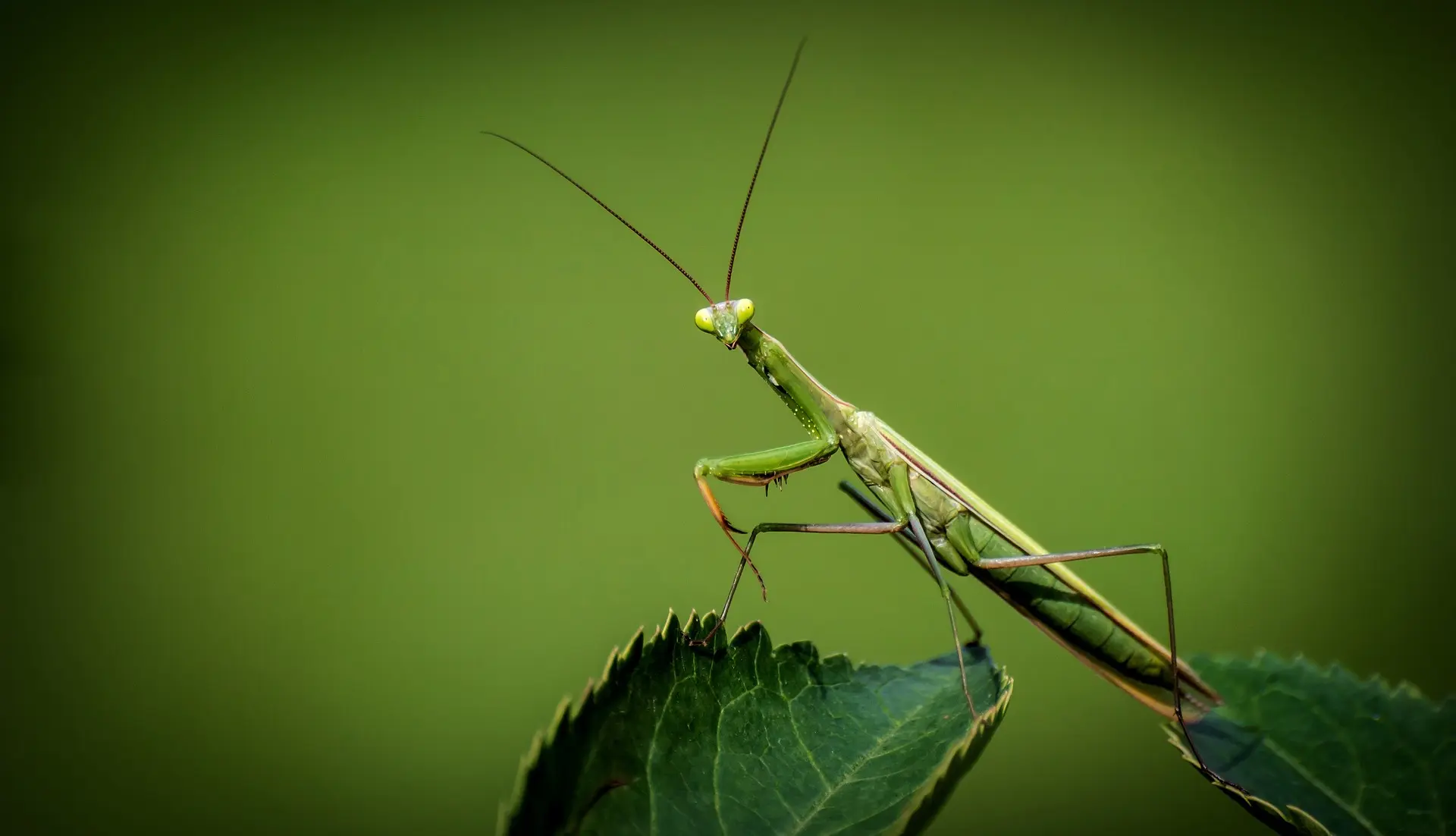
Beneficial Critters
Growing from Seed
Because peppers are a long-growing, warm-season crop they are typically started from seed indoors then transplanted outside or purchased as seedlings from a nursery. In some warmer climates peppers can be sown directly outside. Keep the seed starting mix consistently moist but not wet. A heat mat is recommended to aid germination. Use grow lights to provide supplemental light as soon as the seeds germinate. Depending on the size of the container they were started in, pepper seedlings may need to be potted up into larger containers as they grow so they don't become root bound and stunted. If pepper seedlings start to flower while still indoors, pinch off the flowers.
Superhot pepper varieties have unique growing requirements and may need to be started months before transplanting. Refer to specific instructions from the seed company for superhot peppers.
Planting Considerations
Transplant pepper seedlings outdoors after all risk of frost has passed and the weather is consistently warm. Peppers are very sensitive to cold and transplanting them in cool weather can cause them to suffer and potentially die. Seedlings should be hardened off before transplanting. Peppers prefer loamy, fertile, well-draining soil. Add compost to the soil prior to planting. Transplant pepper seedlings at the same depth as they were grown. Apply mulch around the plants to manage weeds and to help retain moisture. Some gardeners like to use black plastic mulch around peppers to help warm the soil. Row cover can be used to protect young seedlings from pests and to help keep the plants warm. Peppers can be grown in containers. Choose a container that holds at least 5 gallons for each plant. Taller pepper varieties can benefit from staking to help keep the plants upright. Install stakes at the time of planting.
Feeding
Peppers are heavy feeders. Fertilize regularly throughout the growing season with a balanced fertilizer. Excessive nitrogen can cause the plant to put energy into leaf growth and can delay fruiting.
Harvesting
Days to maturity varies widely between different pepper varieties; check the seed packets to confirm the expected mature size and timing for the varieties you are growing. Peppers can be harvested while they are still underripe and green (e.g., as green bell peppers, green jalapeños), so long as they have reached full size. For many types of peppers however gardeners prefer to wait until the pepper has reached its fully ripened color before harvesting. In the home garden it can sometimes be tricky to get bell peppers without any remaining green spots, and leaving peppers on the plant too long can cause them to spoil, so you might opt to harvest once the vast majority of the pepper is fully colored. It can be helpful to wear gloves when harvesting hot peppers to keep your skin from stinging (be sure to remove the gloves before touching anywhere sensitive!)
Many peppers, especially smaller peppers, can be easily snapped away from the plant by hand with a quick upward motion. To be cautious and avoid damaging the plant use sharp shears or snips to cut peppers off. Leave about 1" (2.5 cm) of stem on the pepper.
Harvest mature peppers regularly for the best fruit quality and to encourage continued production.
Storage
Whole peppers can be stored in the fridge for a week or two. Peppers can also be frozen in airtight containers or freezer-safe bags. Chop up larger peppers prior to freezing; smaller peppers can be left whole. Frozen peppers are best used in cooked dishes. Some types of peppers are commonly pickled or dried for long-term storage. Dried peppers can also be turned into pepper powder.
Hot peppers contain capsaicin- the compound that gives them their spicy flavor- primarily in their ribs and seeds. To dial down the heat a notch remove the ribs and seeds and use only the flesh.
Pruning
Some gardeners prune off the topmost growth of young pepper plants to encourage the plant to become more bushy and stocky. However this is optional and in colder climates with shorter seasons it may decrease yields as it takes the plant some time to recover. The lowermost few leaves on established pepper plants can be removed to promote good airflow and prevent them from touching the ground and becoming diseased.
It is possible to overwinter pepper plants by digging the plant up at the end of the season, trimming off all leaves and the topmost branches, then washing the roots off and repotting in potting mix. Keep overwintering peppers in a cool, dimly lit (but not totally dark) place and keep the potting mix lightly moistened.