Ginger
Zingiber officinale
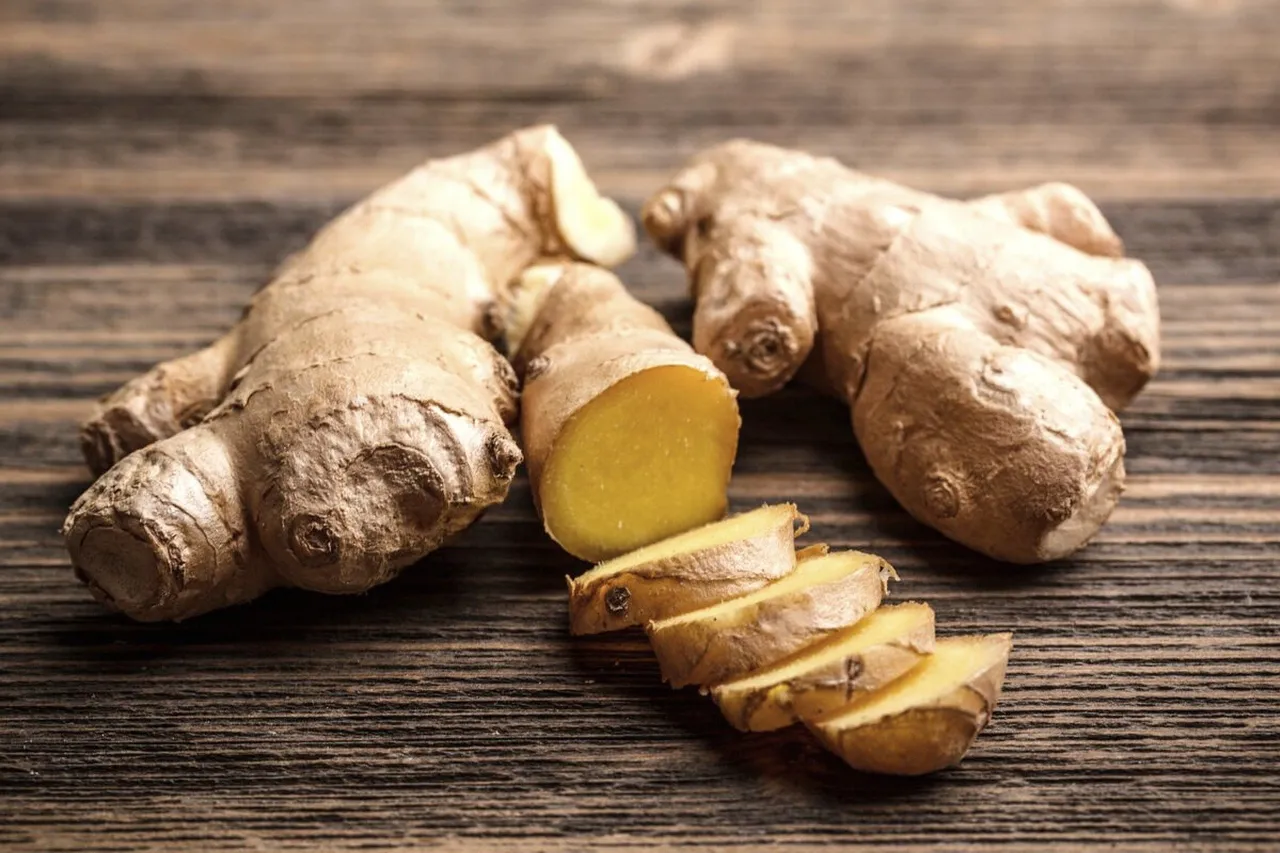
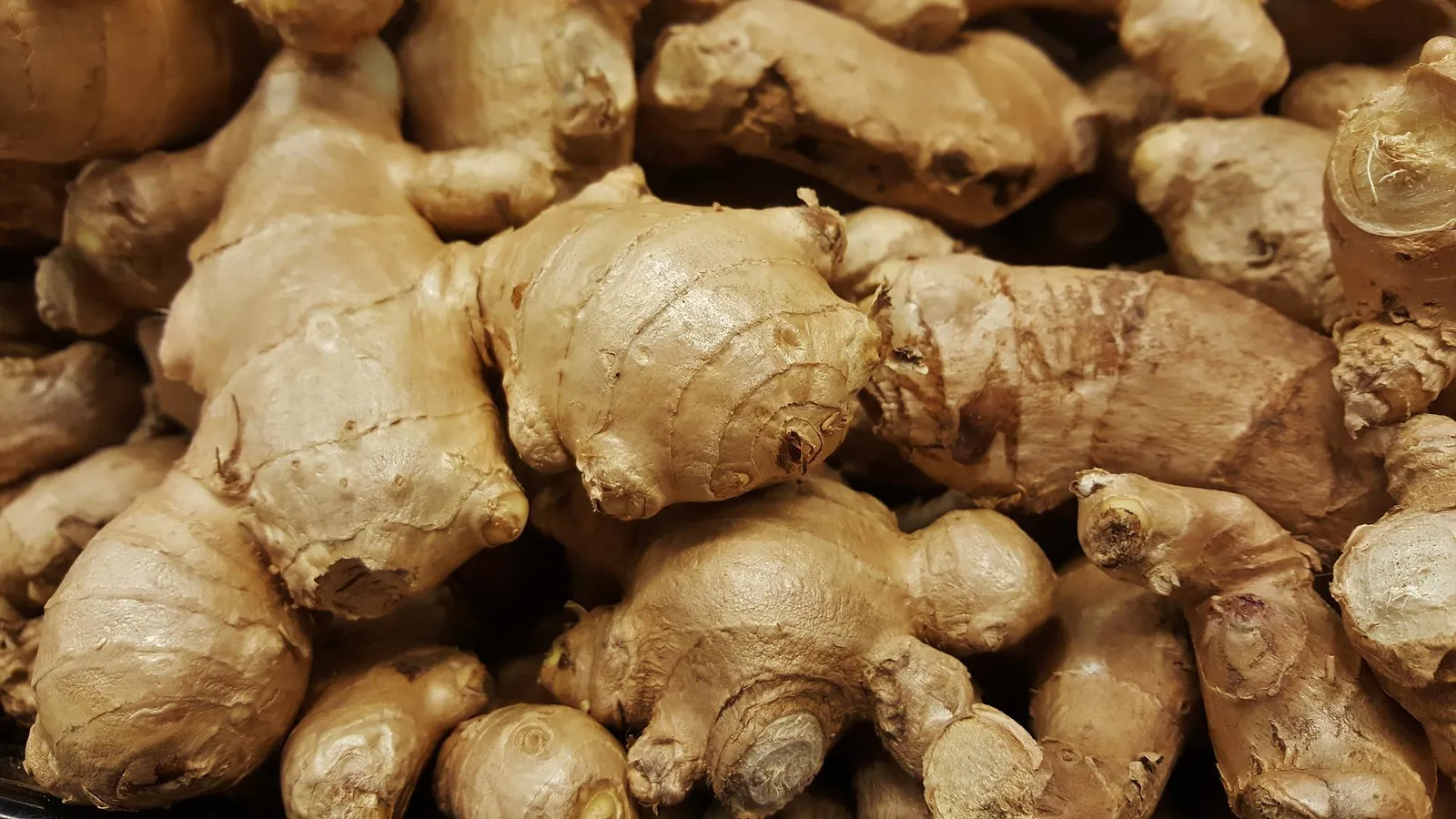
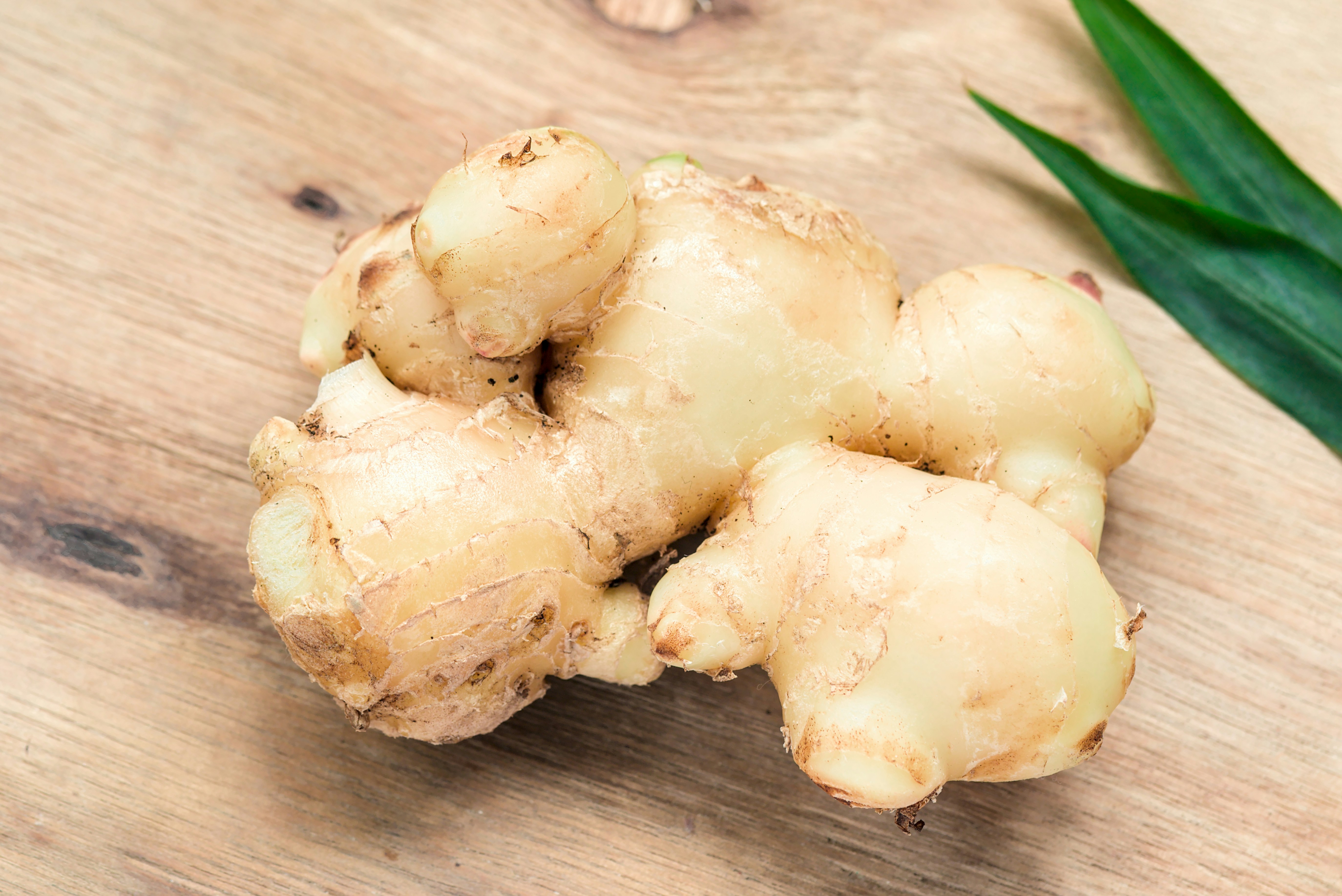
Ginger plants spread via shallow-growing rhizomes (specialized stems that grow horizontally in the ground). The ginger rhizome is the part of the plant that is typically used in cooking or medicinally, although the leaves are edible as well. Ginger is a slow-growing plant that prefers warm, humid conditions. In USDA hardiness zones 8-12 ginger can be grown outdoors as a perennial. In colder zones ginger can be started early and grown as an annual.
How to Grow Ginger
Quick Info

Put away the pen and paper
Plan your veggie garden in minutes with Planter's easy drag and drop planner.
Try Planter for Free
Related Articles
Companion Plants


Nutrition
Nutrients

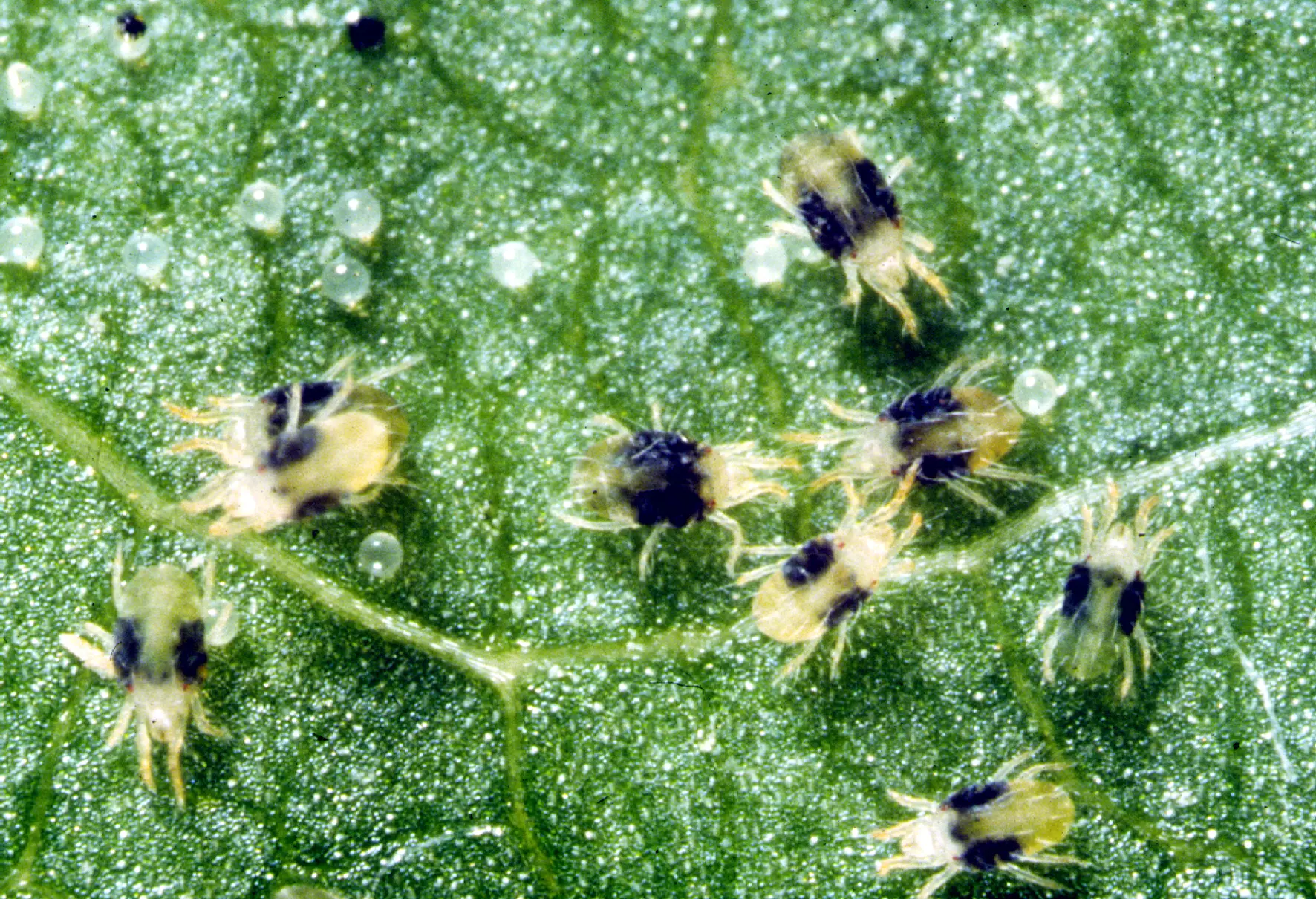
Pests
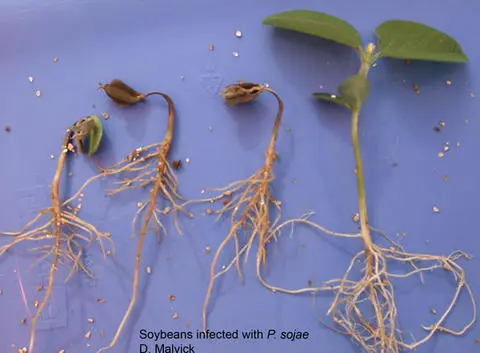
Diseases
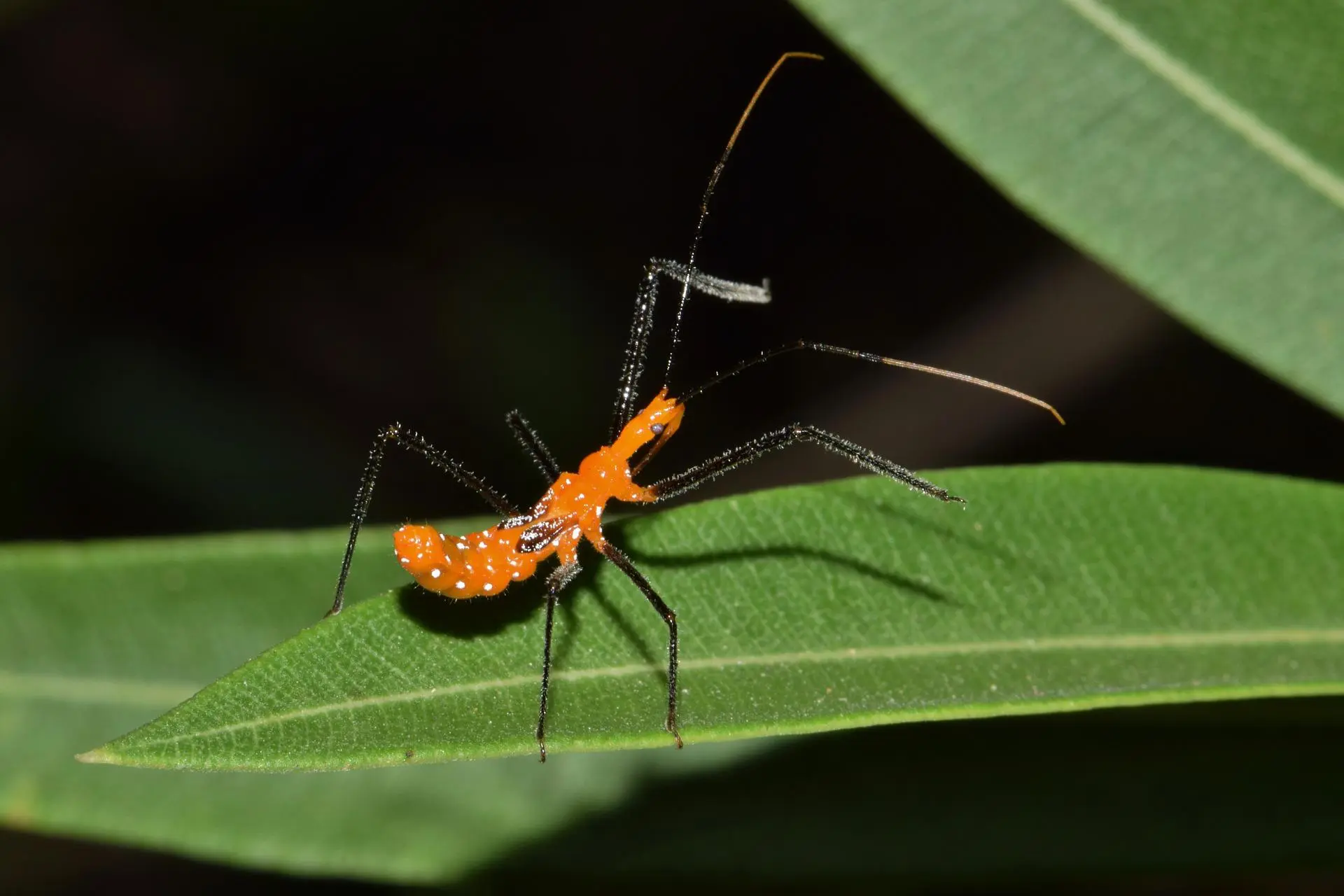
Beneficial Critters
Growing from Seed
Ginger is not typically grown from seed. It is typically grown from rhizome pieces.
Planting Considerations
Ginger requires fertile, well-draining soil that retains moisture but doesn't become waterlogged. To plant ginger, you can buy seed ginger pieces or start with a rhizome from the grocery store. Choose firm pieces that are not dried out and that have many fingers. If the piece is large it can be cut with a sterile knife into smaller 2-3" (5-8 cm) pieces with 2-3 fingers each. Allow the cuts to callous over for a day or two. If using grocery store ginger, soak the pieces for 24 hours to remove any sprout inhibiting agents (if using organic ginger you can skip this step). Ginger pieces can be pre-sprouted together in a nursery tray then potted up to larger containers or transplanted outside. Lay the pieces horizontally on a layer of potting mix with buds pointed up then loosely cover the pieces with 1" (2.5 cm) of potting mix. Do not let the potting mix dry out entirely but do water sparingly during the sprouting phase to avoid rhizome rot. Use a heat mat under the tray to encourage sprouting, and place the tray under grow lights as soon as the buds emerge. Plant sprouted ginger rhizomes 1-2" (2.5-5 cm) deep in loose soil. In colder climates ginger will perform best in a greenhouse or hoop house where warm, humid conditions can be maintained, though it can be grown outdoors. It can be helpful to grow ginger in its own container so the temperature, soil, and light conditions can be optimized. Choose a container that is 12" (30 cm) wide at minimum. Plant ginger in a location where it will receive dappled, indirect sunlight for several hours a day. Ginger performs best with as many hours of daylight as possible but it does not like intense, blazing sun.
Feeding
Start fertilizing ginger once the shoots emerge. Fertilize ginger regularly throughout the growing season with a balanced fertilizer. High-nitrogen fertilizers can stimulate too much leaf growth at the expense of rhizome growth.
Harvesting
Ginger can be harvested as "baby ginger" or "young ginger" as soon as 6 months after planting. In climates with short growing seasons ginger is typically harvested while it is young. Young ginger is fresh and has a thin skin. Young ginger does not need to be peeled, however it cannot be cured for storage like fully mature ginger. It can take 8-10 months to grow fully mature ginger with a thick skin that can be cured and stored. To harvest ginger, carefully pull or fork the plant out of the ground or pull the soil back and snap off individual pieces and leave the rest of the plant to continue growing. If you pull up the entire plant you can cut off 2-3" (5-7 cm) pieces and replant them as starter plants for next year. Ginger leaves and stems are commonly removed for storage although they can be used in teas and in cooking.
Storage
Wash ginger rhizomes to remove all dirt- baby ginger will need to be washed gently to avoid damaging the thin skin. Air dry the ginger pieces but do not let them sit in the sun. Mature ginger can be left on racks with good airflow at 72-78F (22-26C) to cure for 3-5 days then stored in a cool, dark place or in the fridge for several weeks up to months. Baby ginger can be stored wrapped in plastic in the fridge for up to two weeks, although it may start to become a bit rubbery the longer it is stored. Both baby ginger and mature ginger can be frozen in a freezer-safe bag for up to several months- simply take out a frozen piece, grate off the desired amount, then put the remainder back in the freezer. Ginger slices can also be dehydrated and ground to make ginger powder.
Pruning
Ginger does not need to be pruned although you can trim off any yellow or brown leaves and stalks as needed.