Aloe Vera
Aloe barbadensis Miller, Aloe vera var. chinensis
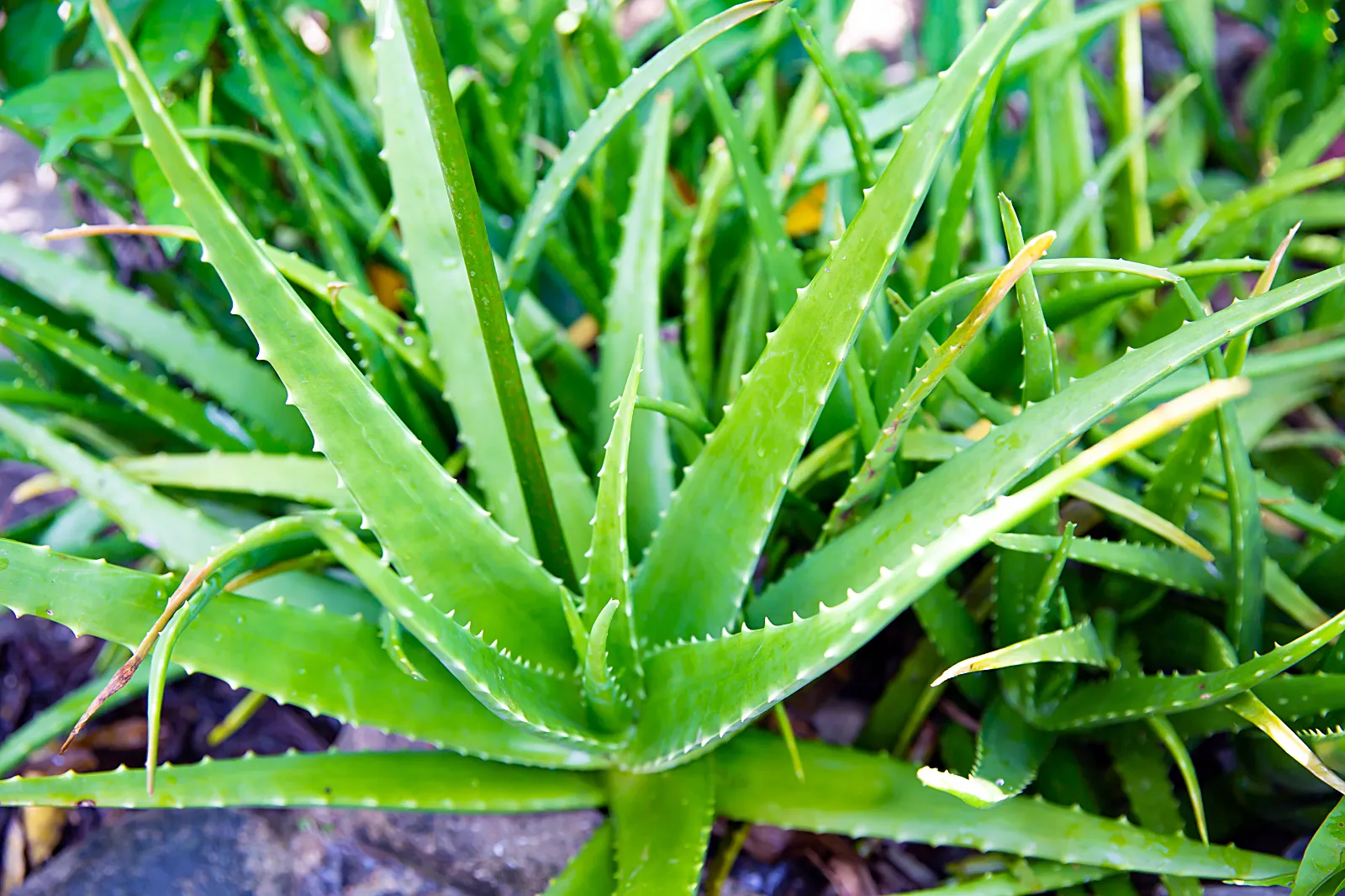
Aloe is a genus of succulent plants that has over 500 species, the most well-known of which is aloe vera. Aloe vera is popular because of its aesthetic and medicinal qualities. While there are several plant varieties commonly called 'aloe vera', Aloe vera var. chinensis is the variety usually found at nurseries and is primarily an ornamental plant. Aloe barbadensis Miller is the aloe vera variety typically used in aloe vera products. In colder climates aloe vera plants are grown as houseplants (or overwintered indoors at least), but in USDA zones 9-12 aloe vera plants can be grown outdoors year-round. Aloe vera plants grown in ideal conditions will produce a tall, strikingly beautiful flower spike. This can be difficult to achieve indoors but it's not impossible!
How to Grow Aloe Vera
Quick Info

Put away the pen and paper
Plan your veggie garden in minutes with Planter's easy drag and drop planner.
Try Planter for Free
Pests
Diseases
Beneficial Critters
Growing from Seed
Aloe vera is not typically grown from seed. Aloe vera is typically grown from potted nursery plants or propogated from 'pups' (baby plant offshoots).
Planting Considerations
In warm zones aloe can be planted outside year round. Aloe vera prefers a sandy, gritty, well-draining soil. Choose a location that receives several hours of indirect sunlight each day. All aloe varieties are toxic to pets and most plants in the aloe genus are toxic to humans. Keep any aloe plants in a location out of reach of pets and children. If planting aloe vera in a container it's best to use a cactus or succulent mix instead of regular potting mix and be sure to choose a container that drains well. The container should be a few inches larger than the size of the root ball as an overly large container may hold too much moisture. Aloe vera should not need to be repotted very often - only once every few years.
Feeding
Aloe vera plants are light feeders and over-fertilizing is counterproductive. Fertilize plants grown outdoors annually with an all-purpose fertilizer. Fertilize potted aloe vera a few times during the spring and summer with a diluted all-purpose fertilizer.
Harvesting
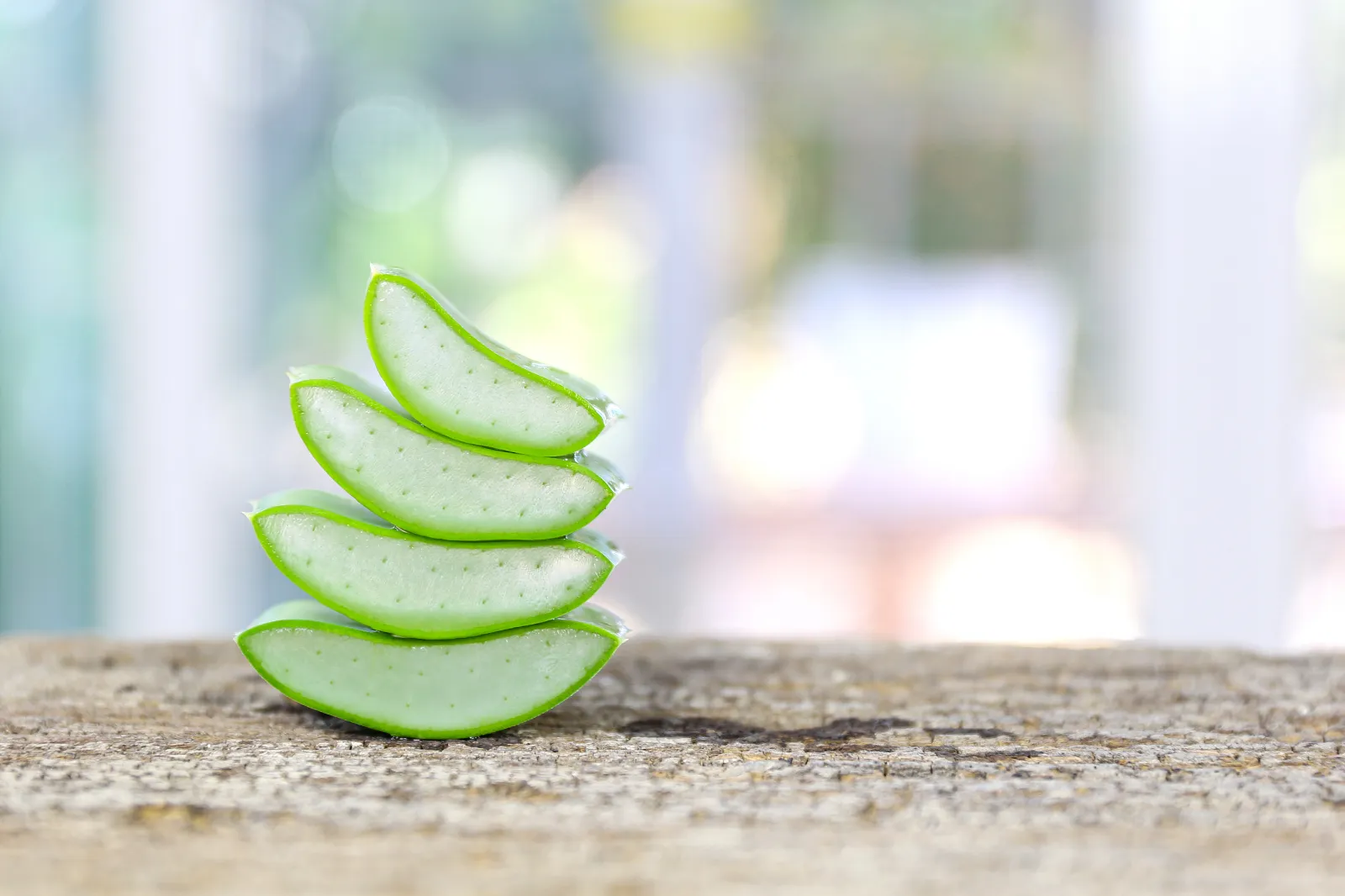
Aloe vera gel is famously used for soothing sunburns and other minor skin irritations. Some caution is advisable though as it is possible to have adverse skin reactions to aloe vera. Aloe vera contains a compound between its skin and flesh called aloin which is mildly toxic and can cause cramps, diarrhea, kidney and liver issues, and other severe ill effects if ingested. While there are aloe vera products sold for consumption, many with purported health benefits, these generally go through a filtration process to remove aloin (although this is not regulated). Eating aloe vera gel may also cause adverse reactions with medications. The harvesting instructions here are intended for using aloe vera topically only. Look for the largest leaves, typically found at the bottom of the plant. Use a clean, sharp knife or scissors to cut off the leaf as close to the stem as possible. Do not remove more than 1/3 of the plant to avoid stressing the plant (plus a few leaves go a long way). Place the leaves cut side down in a jar for 15 minutes to allow aloin to drain out then rinse off the leaves. Use a knife or vegetable peeler to slice off the spines on either side of the leaf, then slice off the top skin. Run a spoon along the bottom of the leaf to separate the flesh from the skin. Puree the pieces of aloe gel in a blender for a spreadable consistency.
Storage
Aloe leaves can be stored in the fridge for up to a week or frozen for up to several months. Aloe gel can be stored in the fridge for a few days or frozen in ice cube trays then transferred to a freezer-safe bag and stored frozen for up to several months. Preservatives such as vitamin C, E, and honey can be mixed with the gel to help preserve it.
Pruning
Aloe vera can be pruned to manage the plant's size and to prevent overcrowding especially when grown in containers. Use a clean knife or pair of snips to remove dying, damaged, and older leaves (typically at the bottom of the plant). Cut as close to the plant stem as possible; some dying leaves may be able to be gently pulled away. You can also remove any awkward, overgrown leaves that are causing the plant to lean or twist. Do not remove more than 1/3 of the plant at a time. If your plant does flower, snip off the flower stalk once it starts to die off. If your aloe plant produces pups you can cut them free where they attach to the mother plant. If you want to plant the pups, leave them to dry and callous over for a few days before planting.