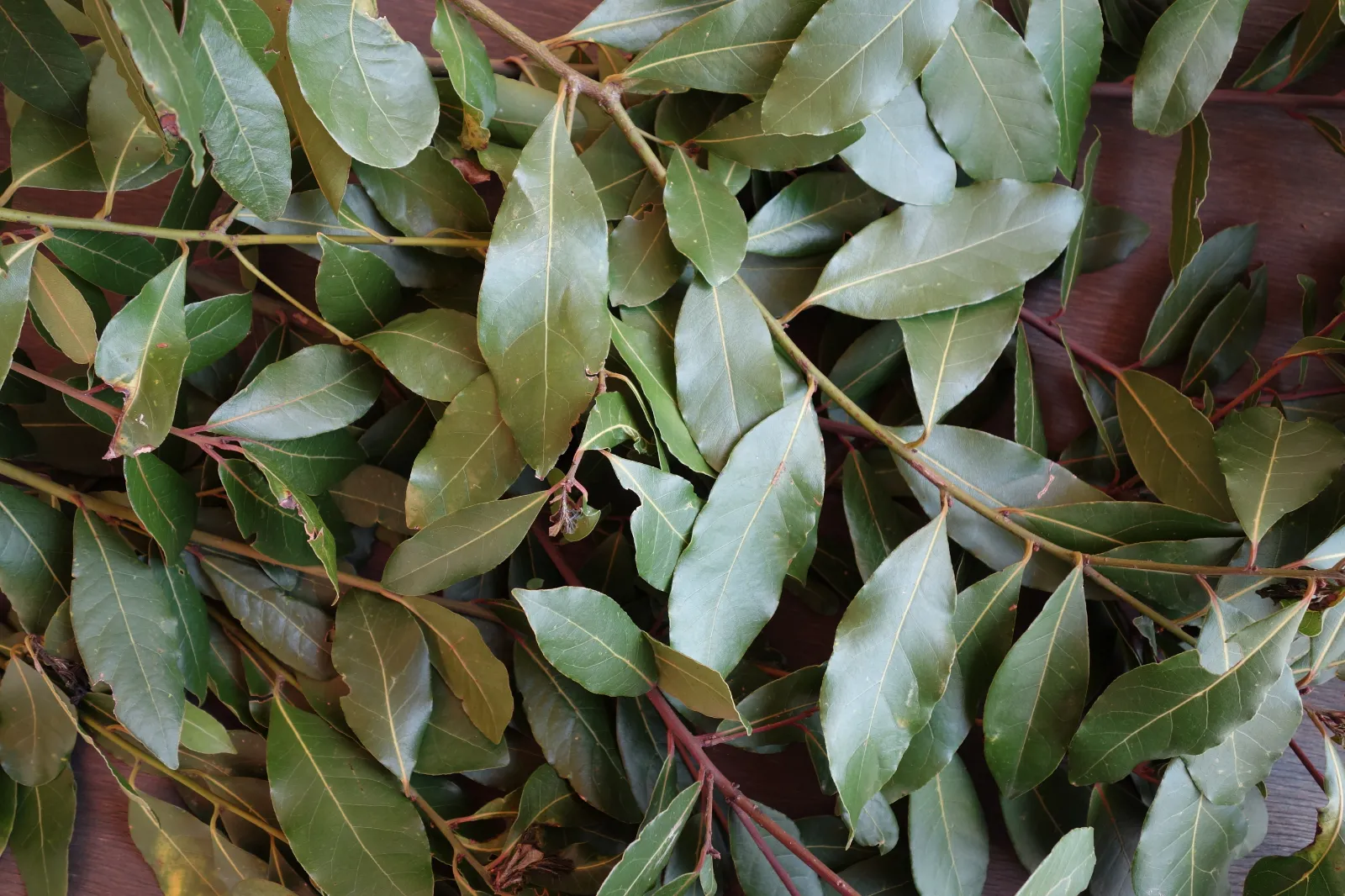
Bay Laurel
Laurus nobilis
Bay laurel is a versatile and beautiful evergreen tree that is native to the Mediterranean region. It is a historically and culturally significant plant that has been cultivated for thousands of years. In the garden bay laurel is often maintained as a shrub or grown as a container plant, although it can be left to grow into a fully-sized tree. Bay laurel produces aromatic leaves that are used in cooking to impart flavor to sauces, pickles, marindes, soups, and stews.
How to Grow Bay Laurel
Quick Info

Put away the pen and paper
Plan your veggie garden in minutes with Planter's easy drag and drop planner.
Try Planter for Free
Nutrition
Vitamins



Nutrients




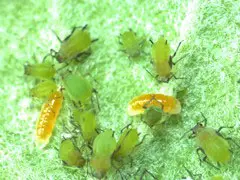
Pests
Diseases
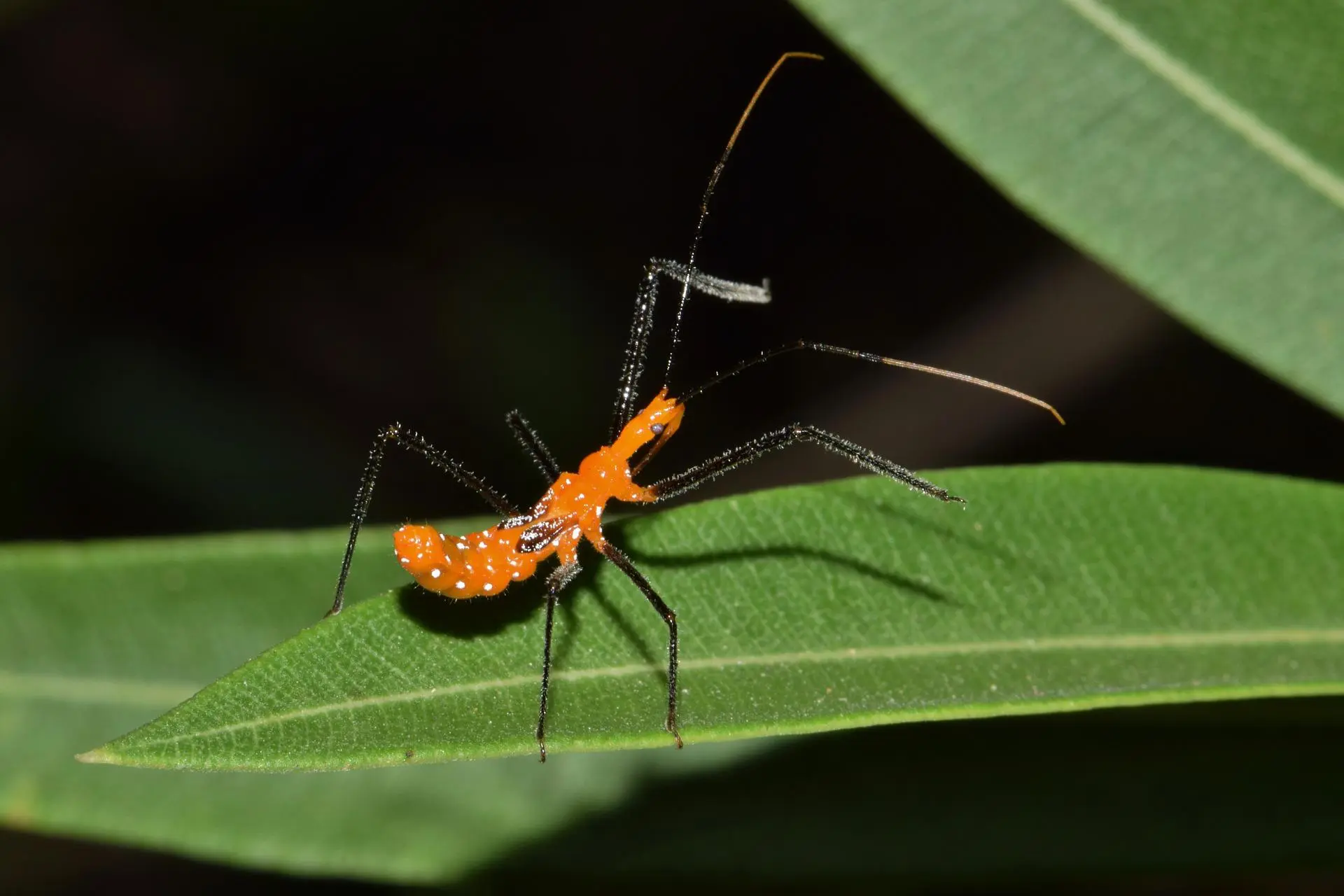
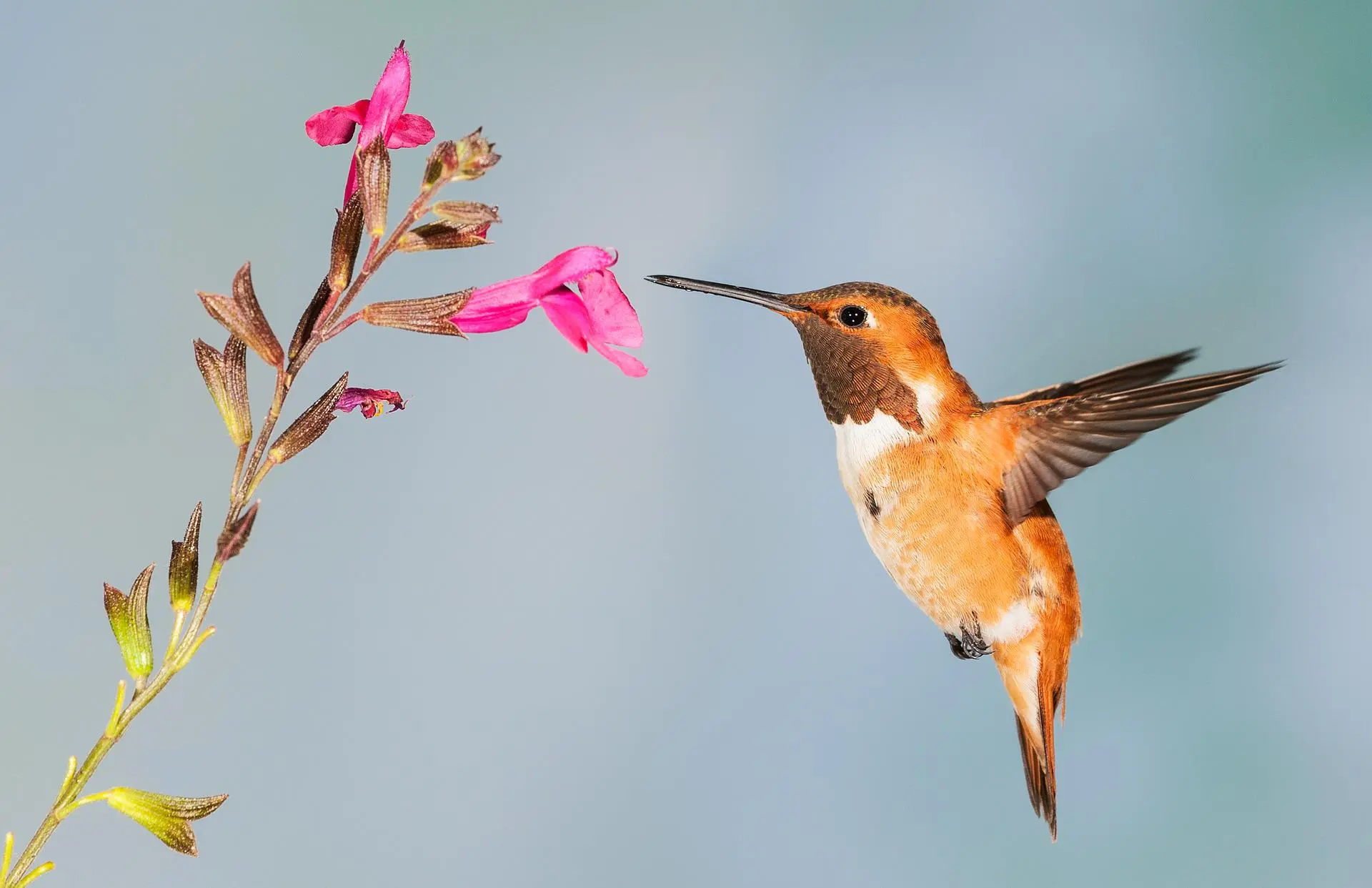
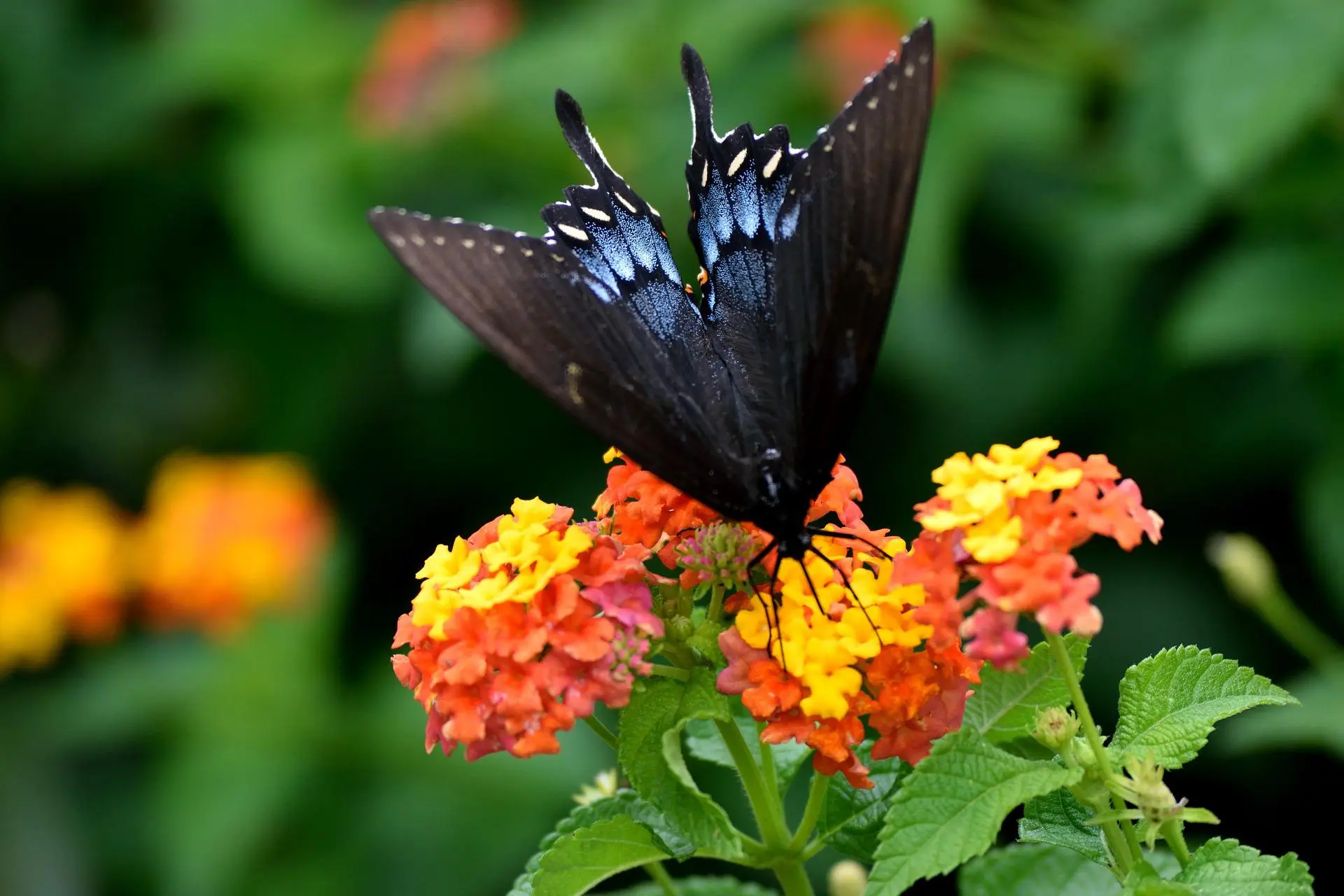
Beneficial Critters
Growing from Seed
Bay laurel is not typically grown from seed. It is typically grown from transplants.
Planting Considerations
Bay laurel grows well in average garden soil with good drainage. It is suceptible to root rot so do not let the soil become waterlogged. Select a location that receives plenty of indirect sunlight and is sheltered from very strong winds. It is winter hardy in USDA zones 8-10. In slightly colder zones bay might survive winter with extra mulching and added wind protection. It can also be grown as a container plant outdoors then overwintered indoors. Bay laurel needs ample (indirect) sunlight so it may not thrive indoors year-round without supplemental light. Bay laurel can be toxic to pets so if growing it indoors select a location where pets cannot reach it.
Feeding
Fertilize and/or apply composted manure around the plant under the branches annually in the spring. Bay laurel is not a heavy feeder; over-fertilizing may cause problems. Container grown bay plants will need more regular fertilizing.
Harvesting
Harvest by plucking or cutting off leaves as needed. Select fully green, unblemished leaves for harvesting. Do not harvest more than one third of the plant at a time.
Storage
Bay leaves can be used when they are freshly harvested. Bay leaves are often dried for long-term storage. To dry bay leaves gently wash them, pat them dry, then lay them out in a single layer between two paper towels and leave in a dark (but not overly humid) place until they are completely dry. Store the fully dried leaves in an airtight container in a cool, dark place. Dried bay leaves can be stored for a year or more.
Pruning
Bay laurel does not require pruning, but it can be trimmed as needed to manage it's size and shape. Trim in late winter to early spring before any new growth appears. Do not remove more than one third of the plant at a time.