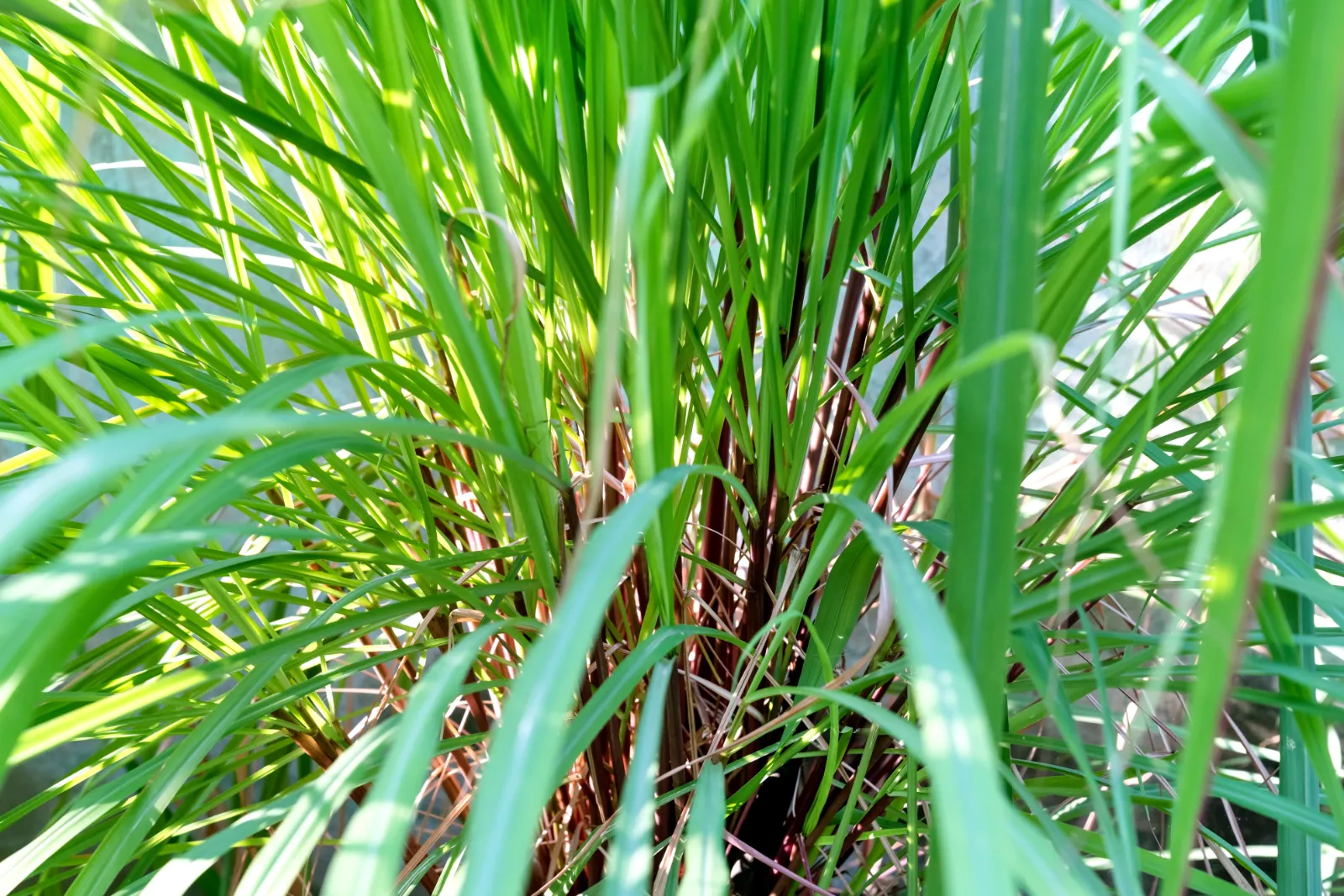
Citronella Grass
Cymbopogon nardus, Cymbopogon winterianum
When we think of citronella candles that claim to repel mosquitos, the citronella oil for these products is extracted from citronella grass. Citronella grass is a relative of the lemongrass plants used in cooking. Citronella grass is not used culinarily though- it's primarily grown to extract citronella oil. There is also a citronella geranium often called citronella, but it is unrelated to citronella grass and does not contain citronella oil. Citronella grass does not effectively repel mosquitoes just by having the plant nearby. It is the citronella oil extract that may (debatably) have a repellant effect. Citronella grass grows as a perennial in USDA zones 10-12 but in northern climates it can be grown as an annual or overwintered in a container.
How to Grow Citronella Grass
Quick Info

Put away the pen and paper
Plan your veggie garden in minutes with Planter's easy drag and drop planner.
Try Planter for Free
Pests
Diseases
Beneficial Critters
Growing from Seed
It is more common to grow citronella grass from nursery transplants than from seed. Sow citronella grass seeds on the soil surface and press in gently. Citronella grass seeds germinate best with light exposure. Upon germination, keep the seedlings under light for at least 8 hours per day. Ideally, keep the seedlings on top of a heating mat as well. Keep the soil consistently moist.
Planting Considerations
Citronella grass prefers loamy soil that is consistently moist (but not waterlogged). Choose a location that receives plenty of sunlight. Plant to the same depth as the soil in the nursery pot. If growing citronella grass in a container, choose a container that is at least 12" (30 cm) wide. Citronella grass can be an aggressively-spreading garden plant if it is not contained and in some areas of the world it can become invasive.
Feeding
Fertilize in-ground plants monthly through the summer with fertilizer containing plenty of nitrogen diluted to half-strength. Container-grown plants should be fertilized weekly during the summer and monthly during the winter.
Harvesting
Citronella grass can be harvested once the stalks reach 1/2" (1 cm) thick. Select an outer stalk to harvest. Cut the entire stalk away from the roots at ground level. Wash the stalk before using. There are several processes that can be used to extract citronella oil, using isopropyl alcohol, steam distillation, or even a slow cooker. Do not apply citronella oil to the skin at full strength and do not ingest citronella oil. Some people rub fresh citronella leaves directly on their skin but caution is advisable as this may cause an adverse skin reaction (and the effectiveness for repelling mosquitos is not proven).
Pruning
Citronella grass does not require pruning but it can be trimmed back to manage the plant's size. Any dry, dead leaves and stalks should also be trimmed off to make way for new growth. In warm climates citronella grass can be divided in spring to keep its size in check. In cold climates citronella grass can be dug up and divided in fall and overwintered in containers.