Comfrey
Symphytum officinale, Symphytum × uplandicum
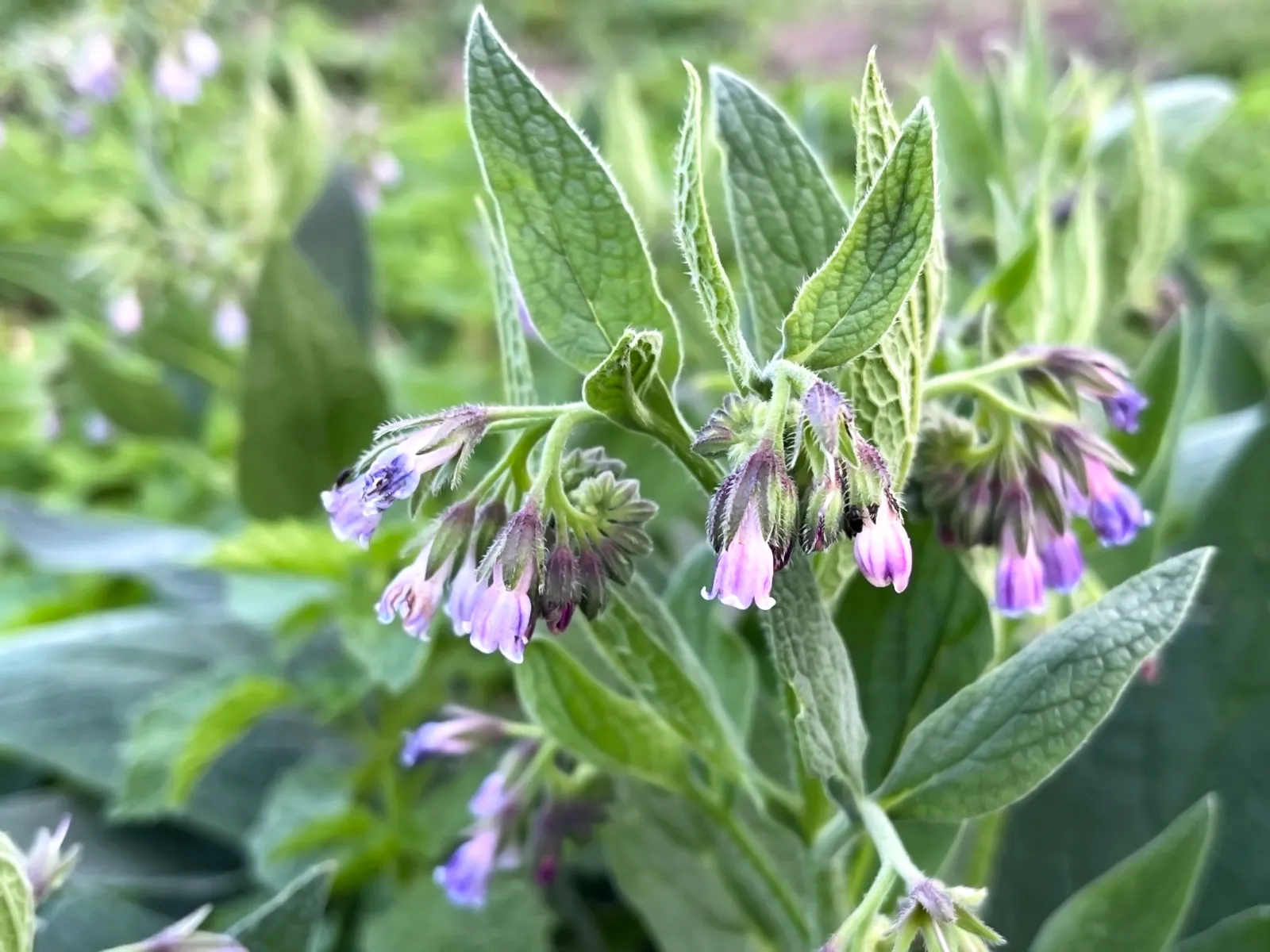
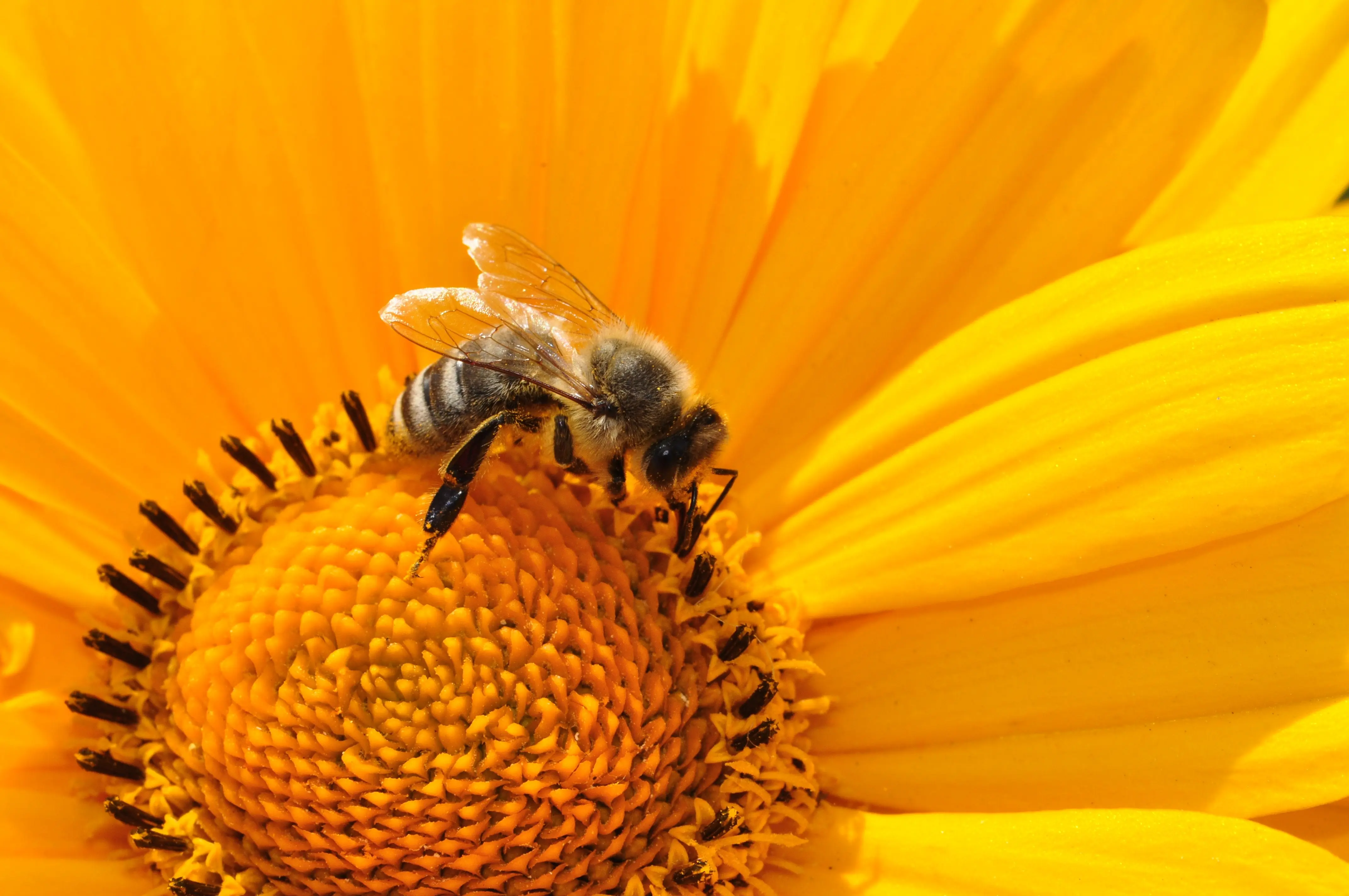
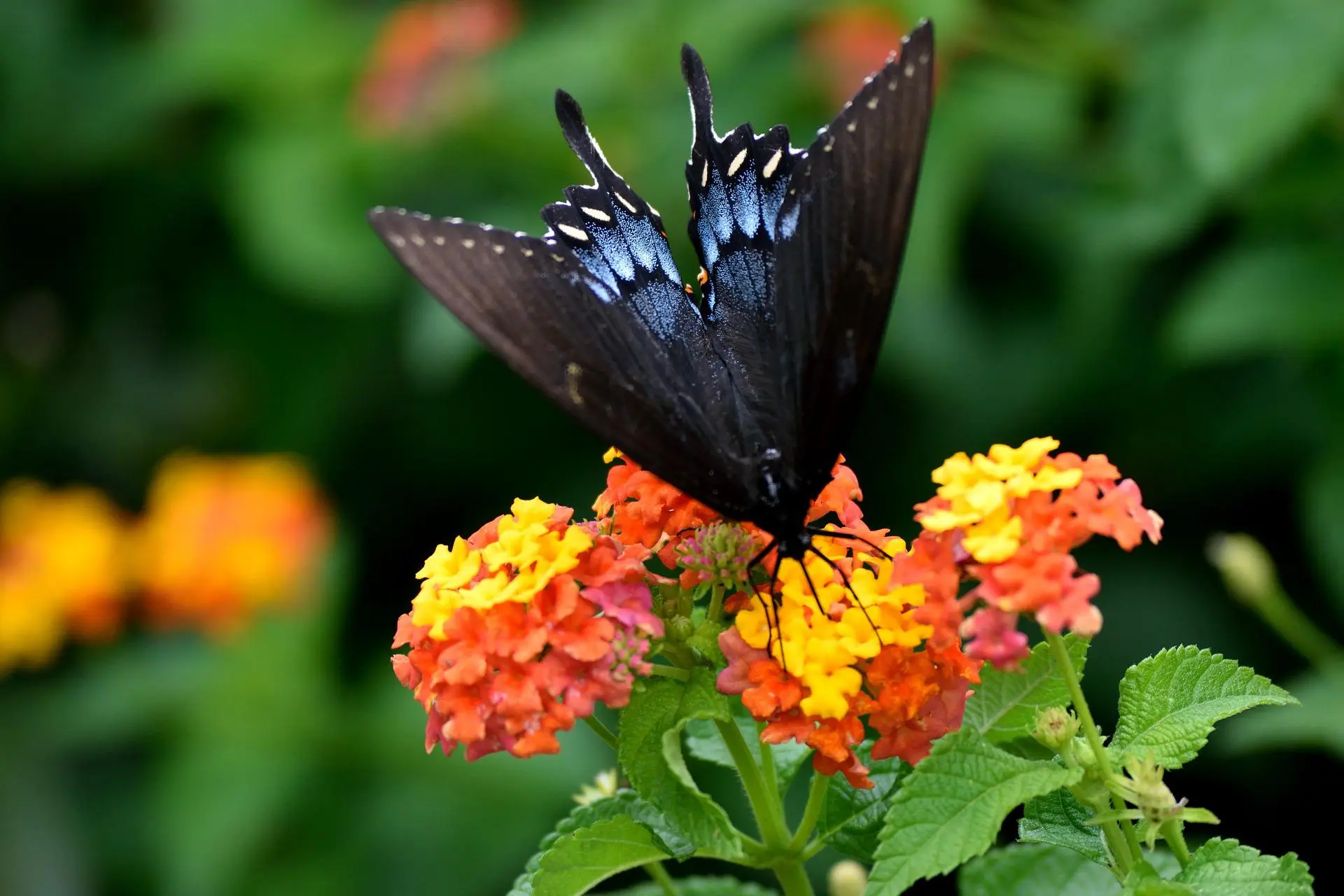
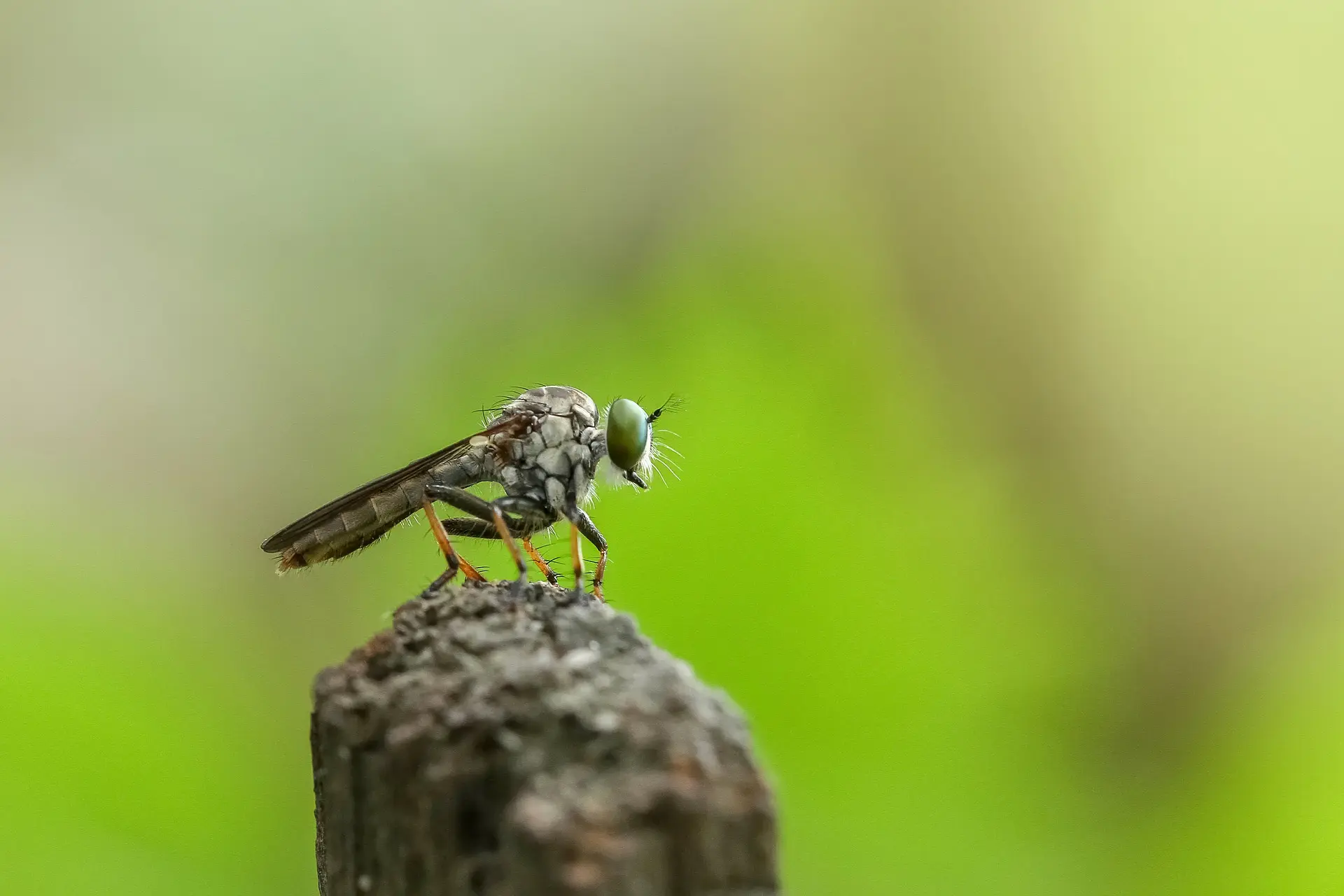
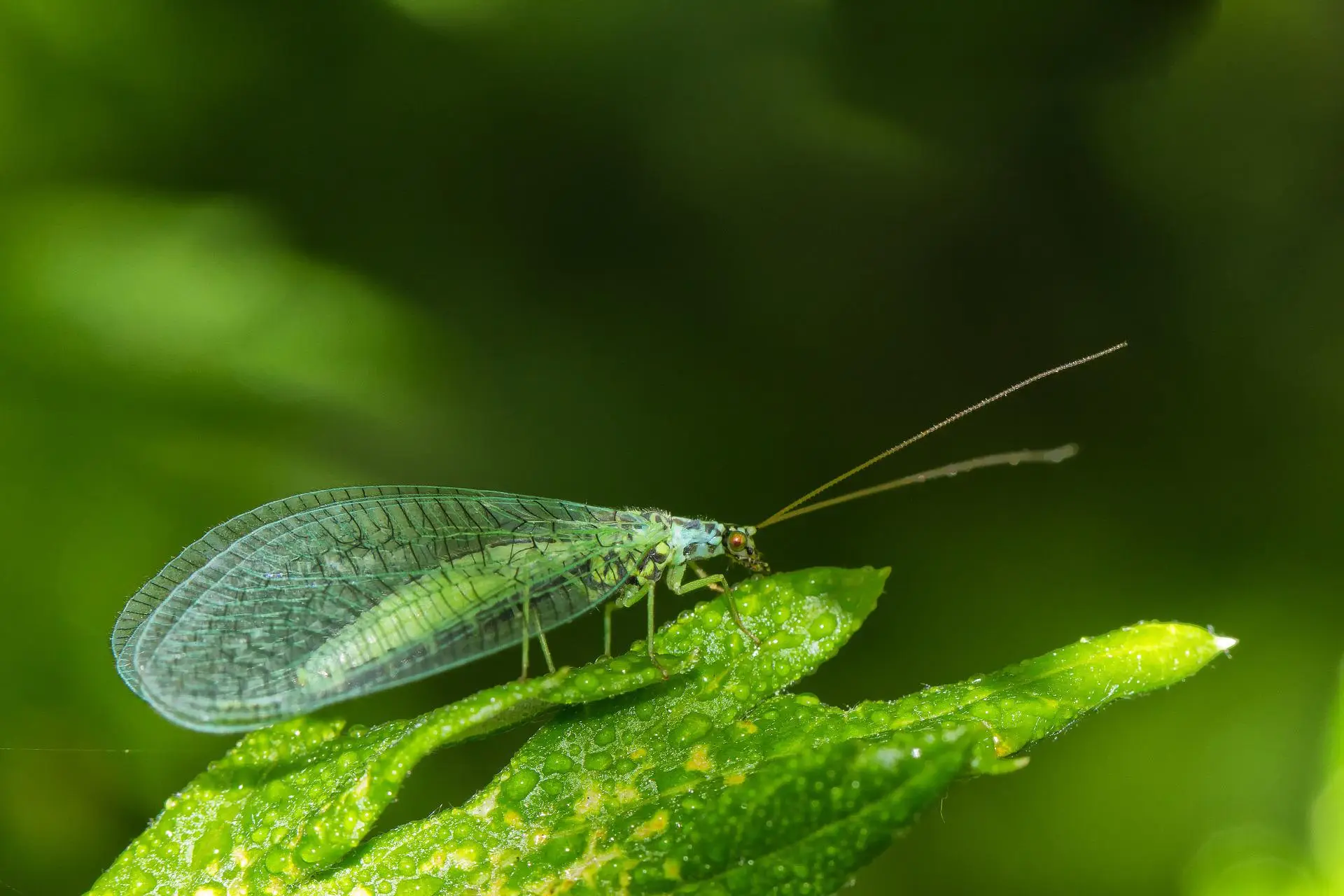
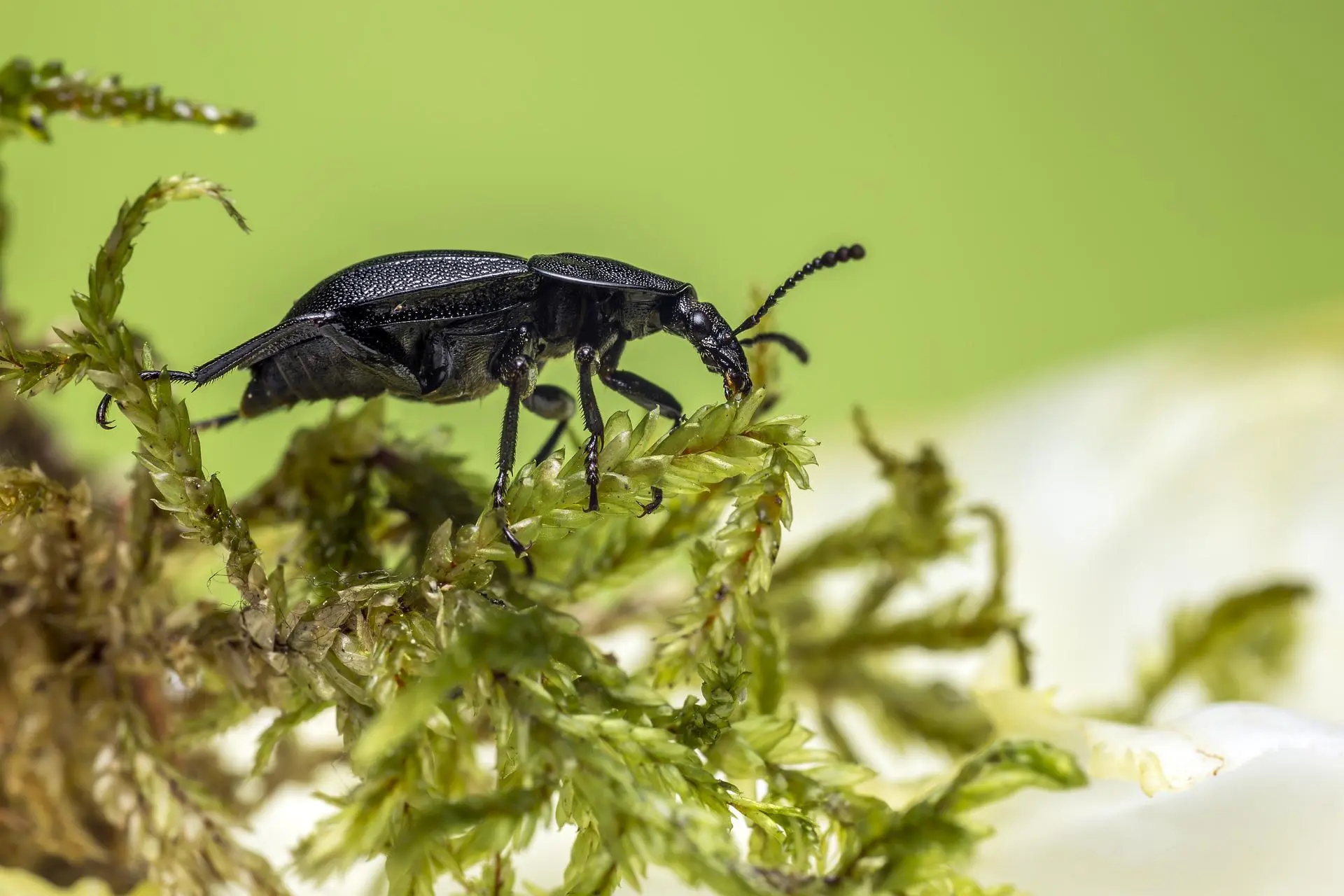
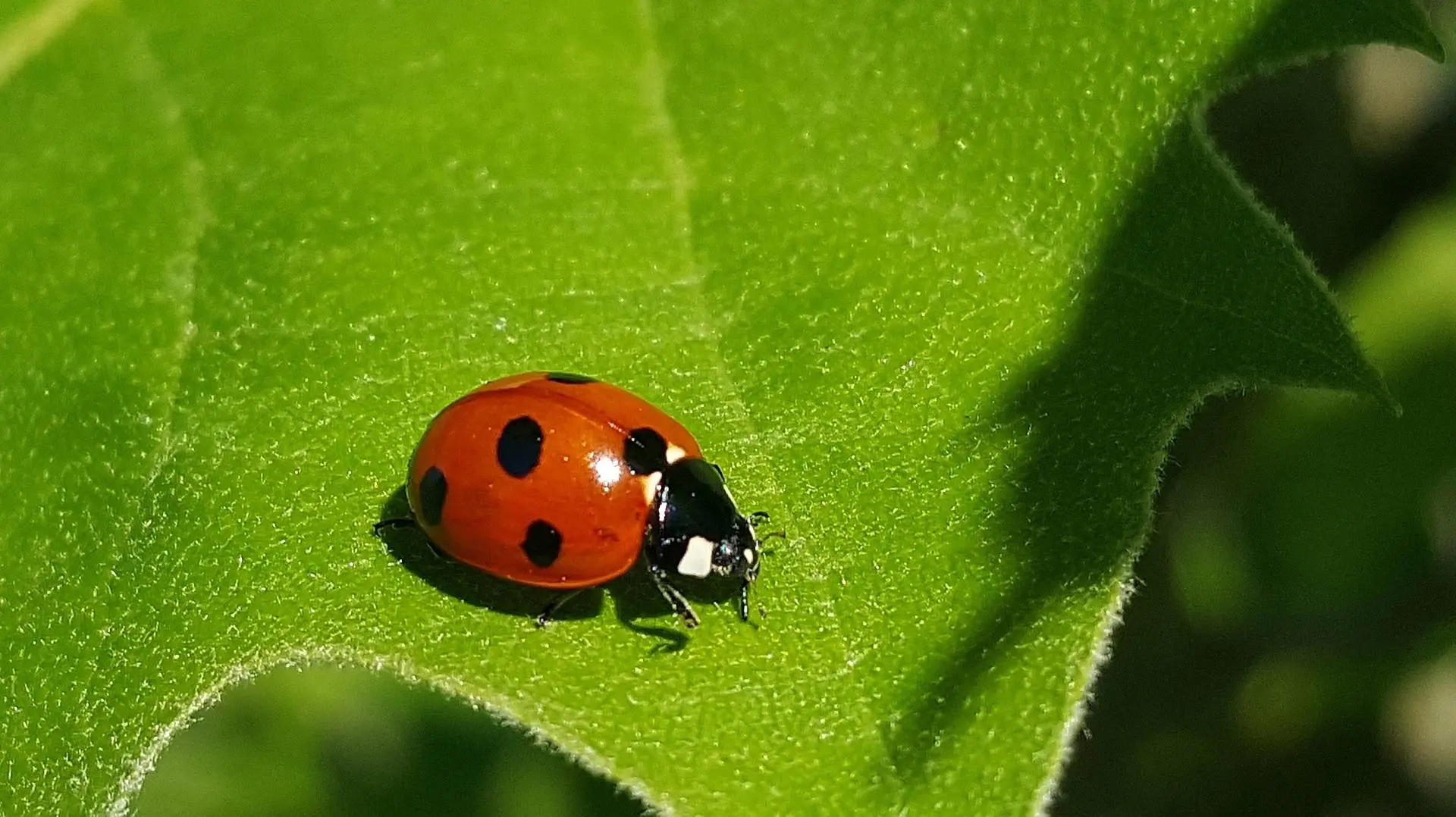
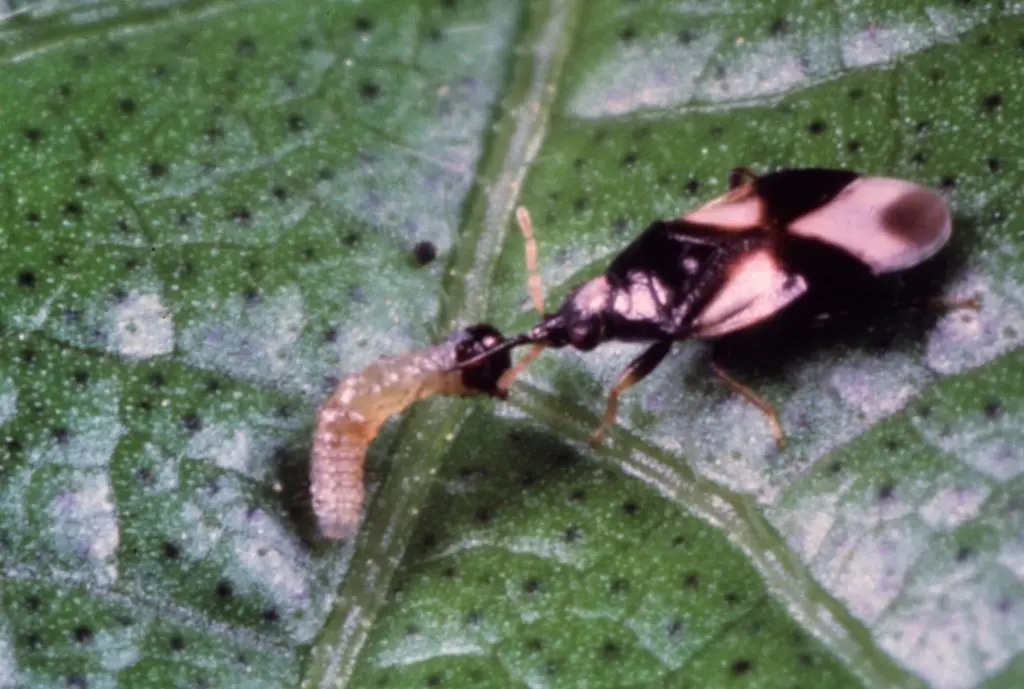
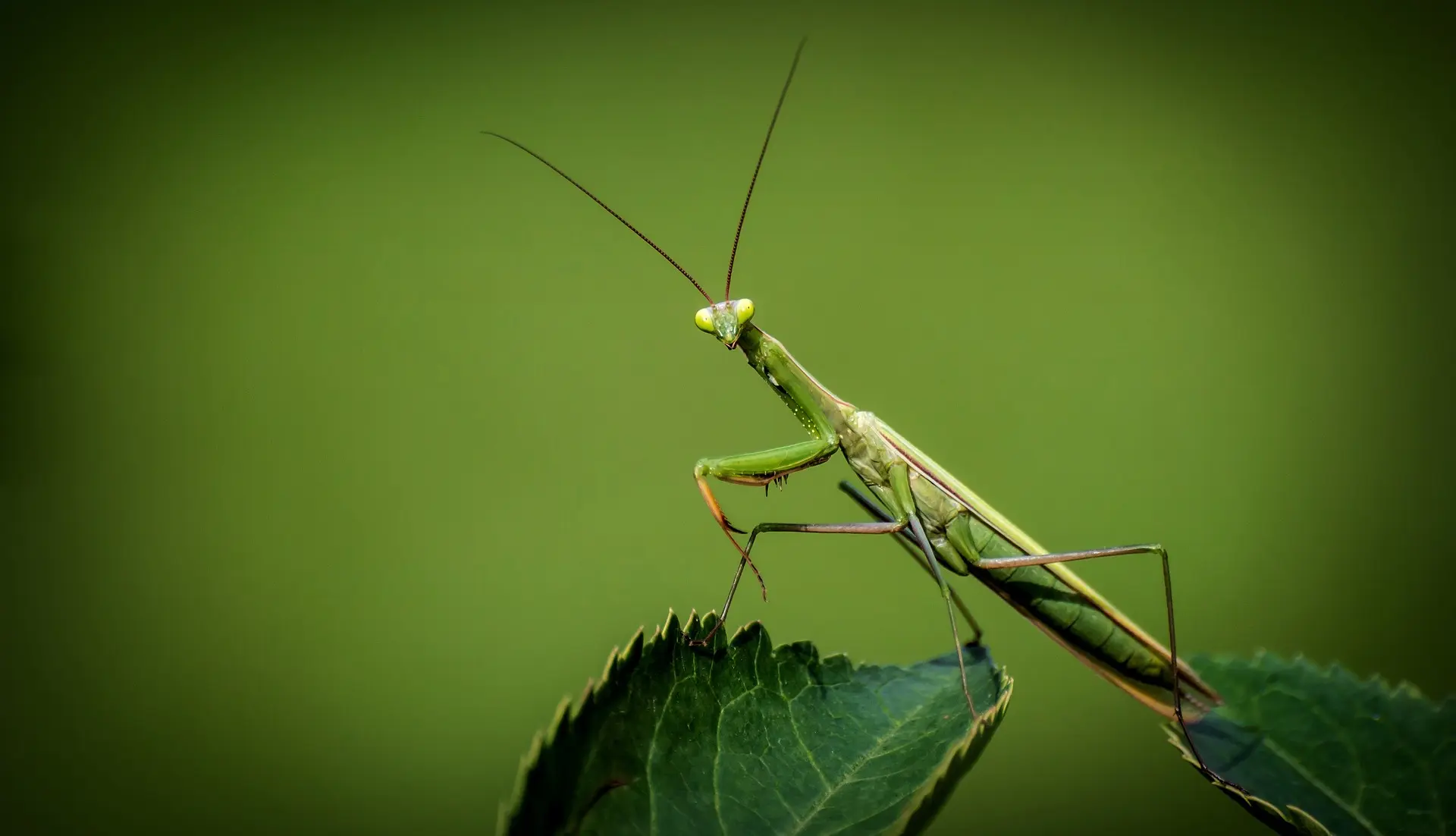
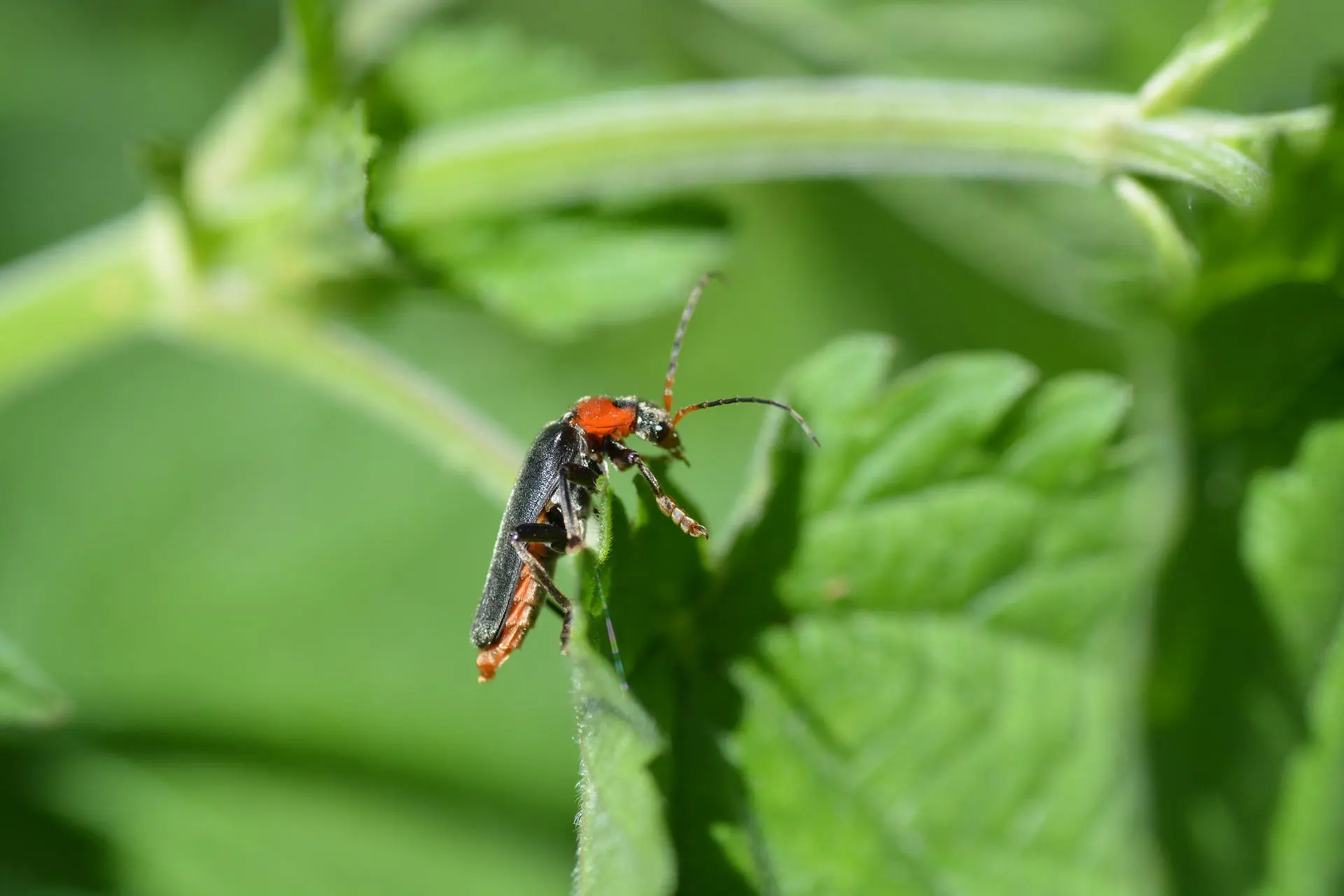
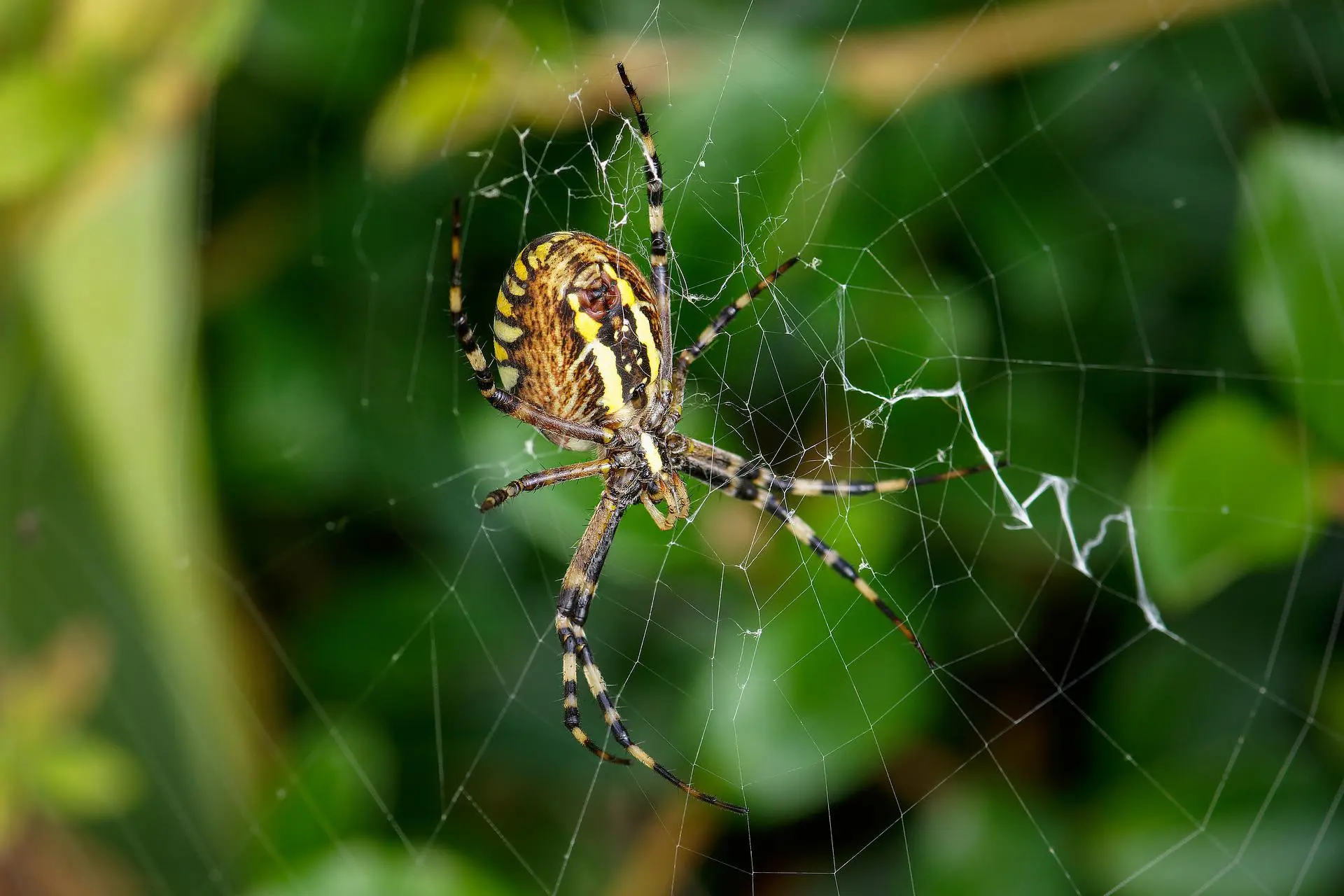
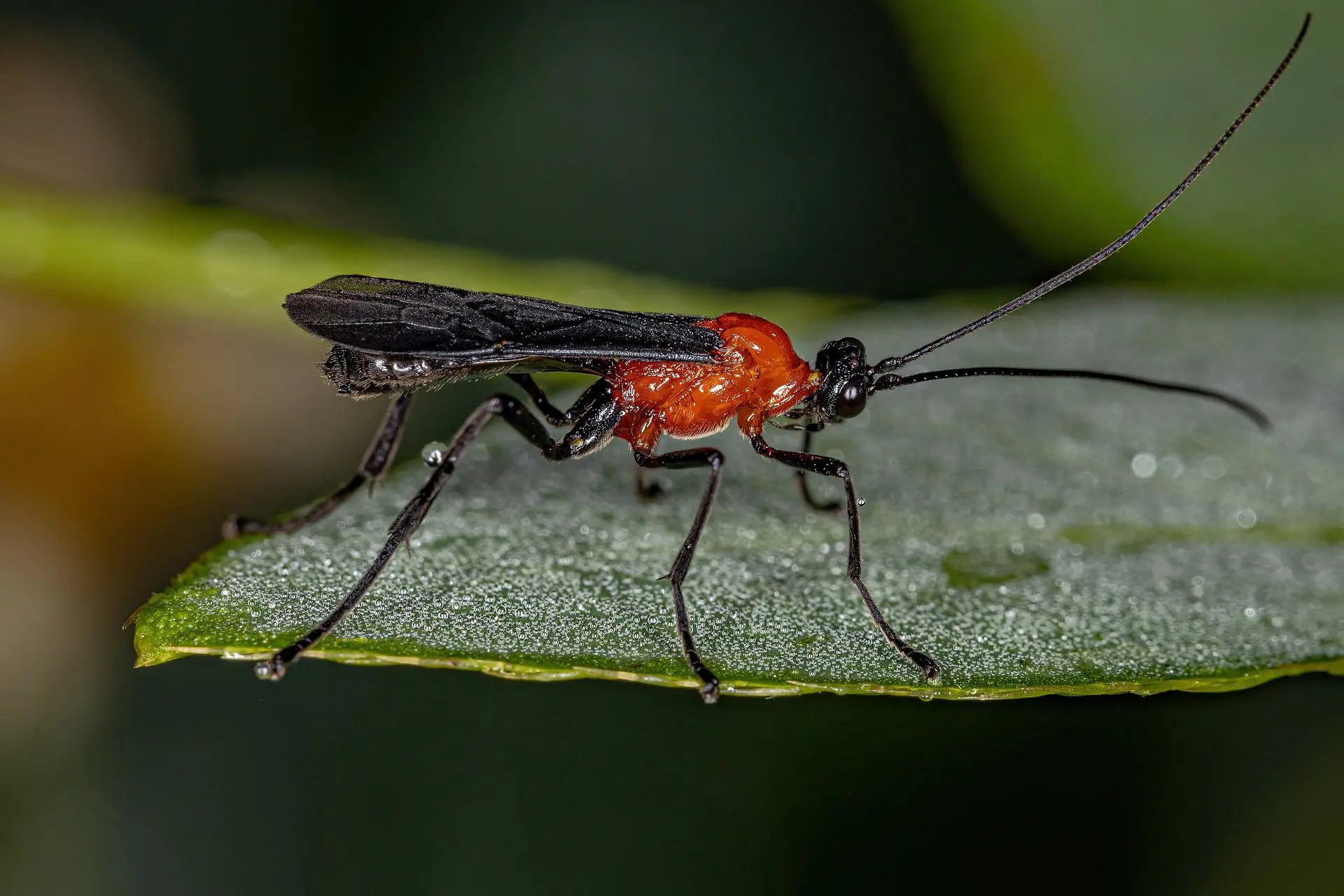
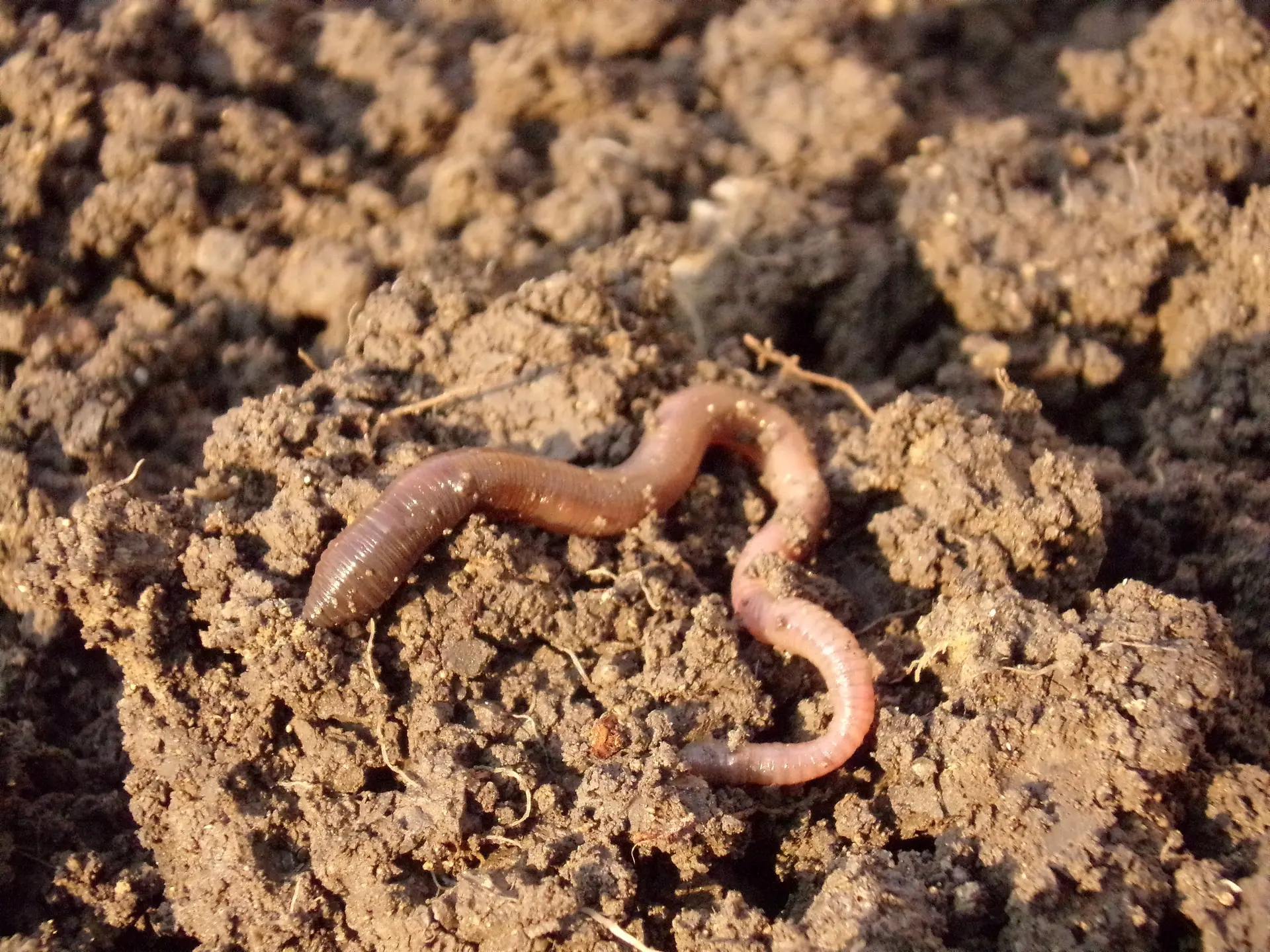
Comfrey is a perennial plant in the borage family. Gardeners who follow permaculture techniques consider comfrey to be a "dynamic accumulator"- a plant that is able to pull up minerals and nutrients from deep in the ground via its long taproot and store them in its leaves. Because of this comfrey is often used to make homemade liquid fertilizer. Even if you're not interested in brewing comfrey 'tea' (fertilizer) it is still a useful garden plant. It attracts bees, lacewings, and other beneficial insects. Its leaves can be used as a mulch and as green material in compost. It can also be used medicinally (topically). While there are several varieties of comfrey, Symphytum officinale (common comfrey) and Symphytum × uplandicum (Russian comfrey) are most common. Comfrey is hardy down to USDA zone 4.
How to Grow Comfrey
Quick Info

Put away the pen and paper
Plan your veggie garden in minutes with Planter's easy drag and drop planner.
Try Planter for Free
Beneficial Critters
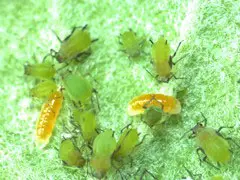
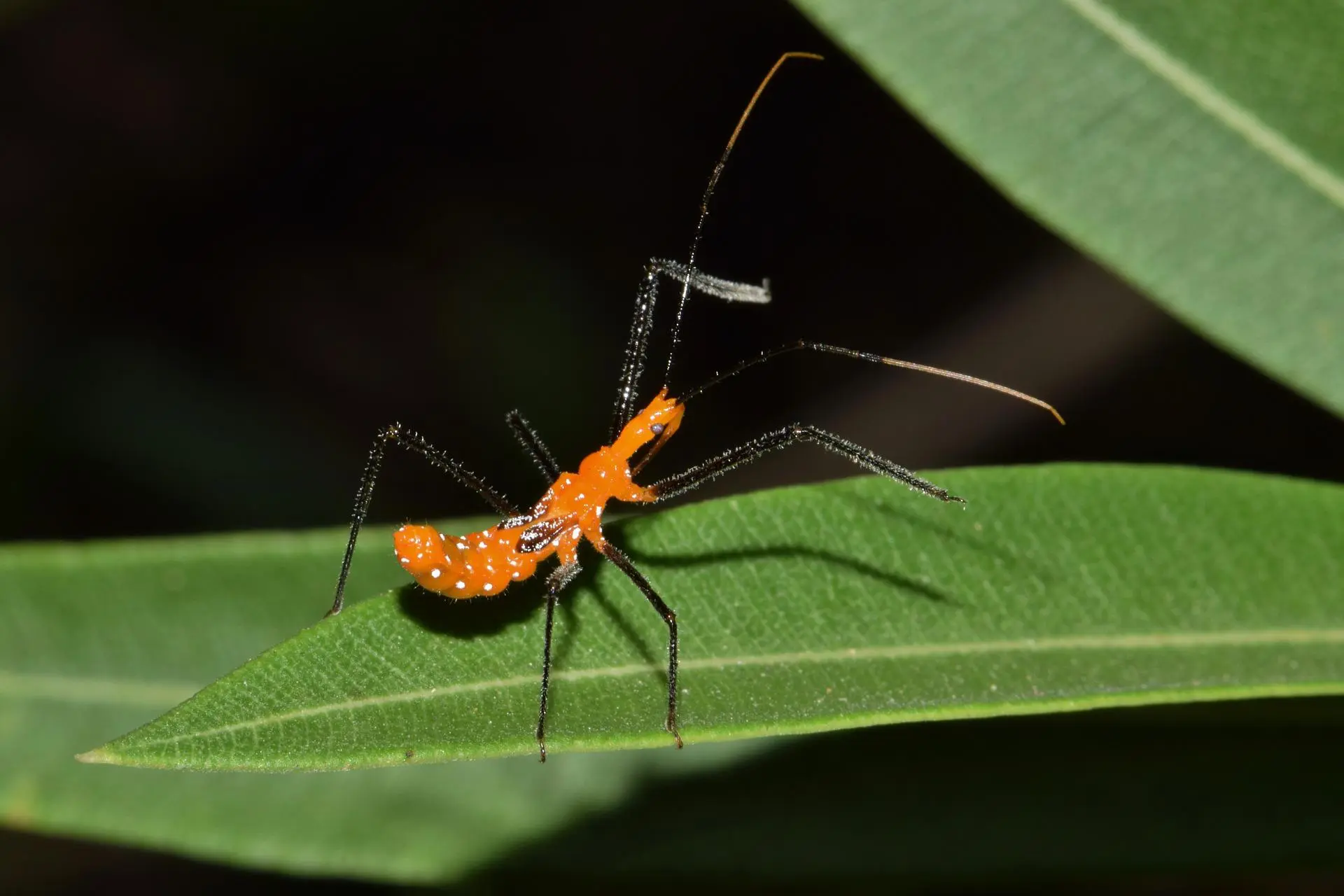
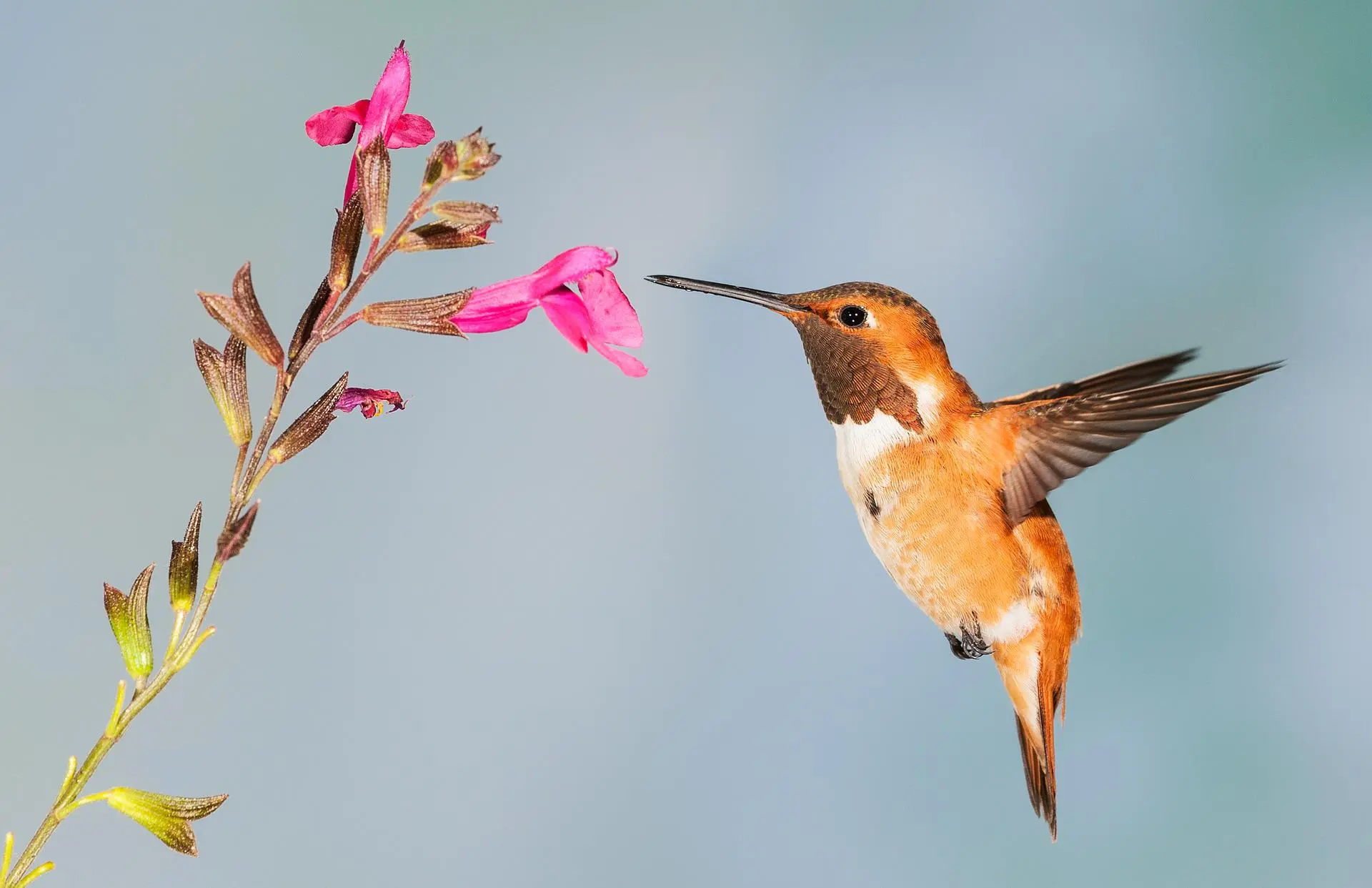
Growing from Seed
Comfrey is usually propagated from nursery transplants or by dividing existing plants, although it can be started from seed. Comfrey seeds can be started indoors or directly sown outdoors up to three weeks before your last frost date, or in the fall before the ground freezes. Stratification may improve comfrey seed germination. To stratify the seeds, place them in a plastic baggie with a damp paper towel or lightly moistened seed starting mix and keep them in the fridge for 1-2 months prior to planting. Comfrey seeds sown directly outdoors in the fall do not need to be stratified artificially. Keep the seed starting mix consistently moist until the seeds germinate. Use grow lights to provide supplemental light as soon as the seeds germinate. Harden off the seedlings before transplanting out after the risk of frost has passed.
Planting Considerations
Comfrey grows best in fertile, loamy soil although it can tolerate most soil types. Comfrey is a vigorous spreader that also self-seeds prolifically. It can become an invasive plant in some areas and can be difficult to eradicate. Choose a location where its aggressive growth habit will not crowd out other plants. 'Bocking 14' is a popular Russian comfrey cultivar that is sterile and cannot self-seed (and is not grown from seed) although it can still spread via rhizomes. Comfrey can be grown in a container to help keep it from spreading, but because of its large taproot it requires a deep container that holds 5 gallons at minimum. Comfrey grown in a container may need to be buried in the ground (container and all) or stored in an unheated garage to overwinter.
Feeding
Comfrey does not require much, if any, fertilizer. Top dress around the base of the plant annually with compost. Comfrey grown in a container may need applications of slow-release fertilizer.
Harvesting
Comfrey is not recommended to be ingested as it contains compounds that can cause severe liver damage. Keep comfrey plants away from pets and children. Comfrey leaves can have prickly hairs so gloves may be helpful when harvesting. Harvest once the plant has reached roughly 2' (60 cm) tall. Harvest the largest, most mature leaves by picking or cutting them off near the base of the plant. Harvesting comfrey leaves regularly can help keep its size in check.
Storage
Fill a 5 gallon bucket with comfrey leaves then fill it with water and leave it to steep for roughly 3 weeks to make comfrey fertilizer. Strain and reserve the liquid and compost the leaf remains. Dilute the liquid to half of quarter strength and apply it around the base of plants as needed throughout the growing season.
Pruning
Remove flowers from common comfrey immediately after blooming to keep it from self-sowing. It's best to divide comfrey plants in early spring, although they will likely survive even if divided mid-season.
Herbal Use
Comfrey leaves and roots are sometimes used in herbal salves to promote skin healing. They contain allantoin, which helps accelerate cell renewal, making them popular in topical herbal preparations. While comfrey has been used in the past as tea, this is no longer recommended because of the presence of pyrrolizidine alkaloids, which can cause liver damage. Do not use comfrey topically on open wounds or scratches. To be cautious, do not use comfrey with children. Always consult with your healthcare professional before using herbs.