Dandelion
Taraxacum officinale
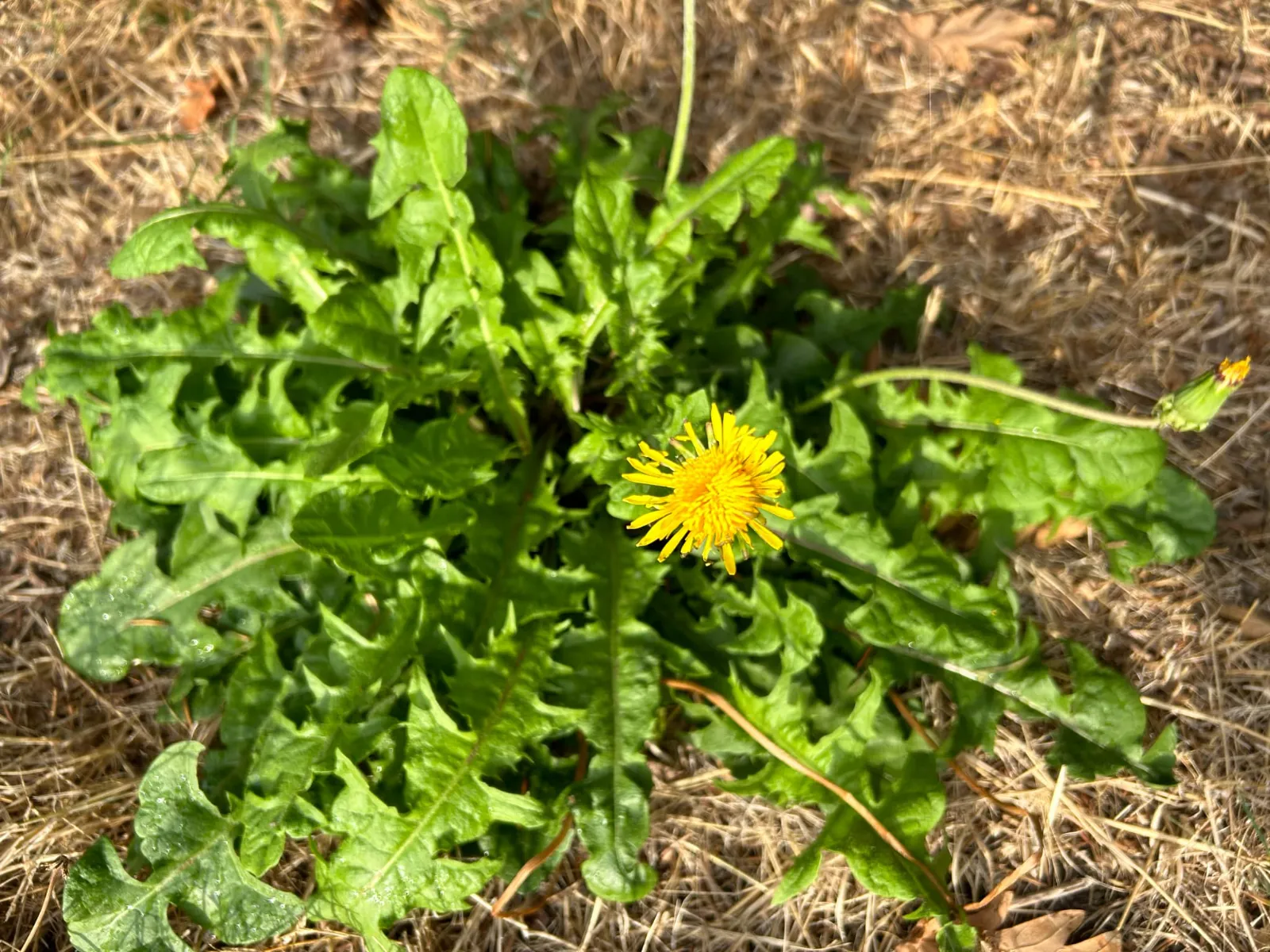
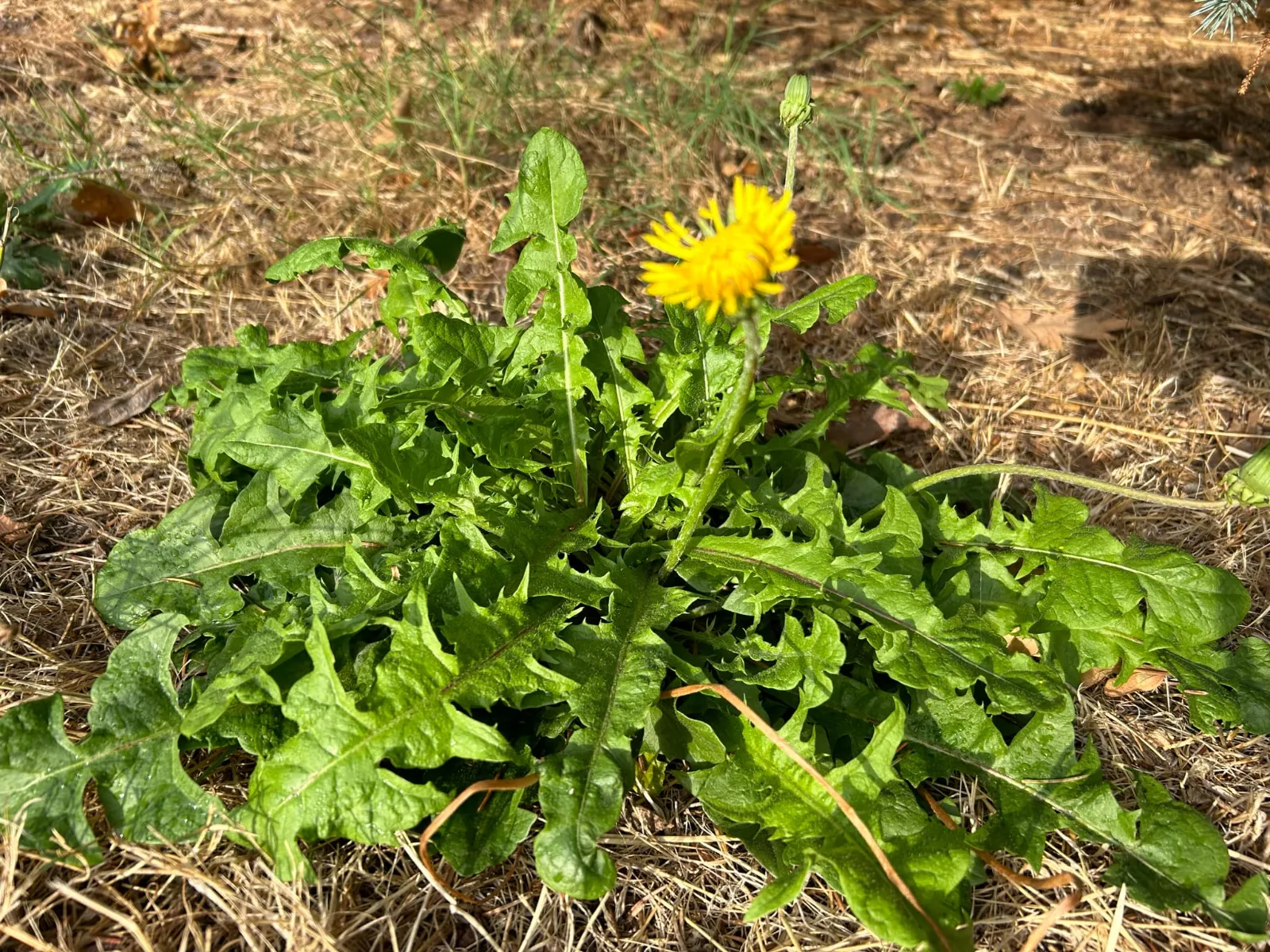
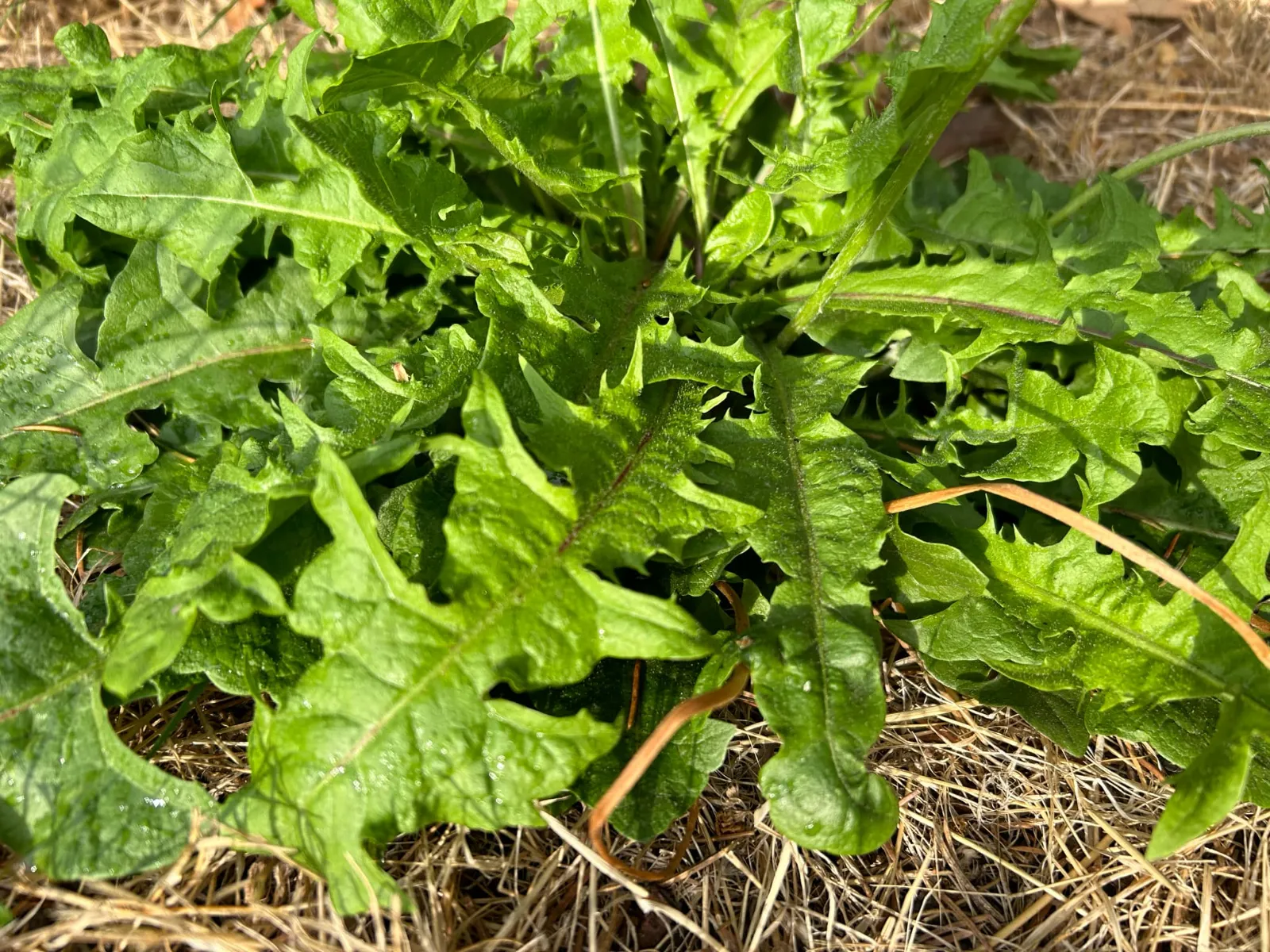
Garden pest to some and herbal superhero to others, the common dandelion is a well-known plant found in nearly every garden and lawn around the temperate regions of the globe. Hardy to USDA zones 3-10, you're likely to find this plant growing wildly. While you can see this plant all over, if you'd like to use dandelion for food or medicinal use, it's best to know how your dandelion has been grown. You can keep a tidy patch of dandelions in your space where you can harvest the nutritional leaves whenever you want or dig up the root for some tasty herbal "coffee". Dandelion is easy to grow, and it's possible to grow in containers if given space for its roots. The European variety French Dandelion has mild-tasting leaves perfect for salads.
How to Grow Dandelion
Quick Info


Put away the pen and paper
Plan your veggie garden in minutes with Planter's easy drag and drop planner.
Try Planter for Free
Related Articles
Nutrition
Vitamins



Nutrients



Pests
Diseases
Beneficial Critters








Growing from Seed
Dandelion seeds need light to germinate. Sow seeds on the surface of rich soil and barely cover them up. Keep the soil well-watered and warm while waiting for germination. Germination can take up to 3 weeks to occur. The easiest way to start seeds is directly in the garden, but seeds may be started indoors 4-6 weeks before your last frost date.
Planting Considerations
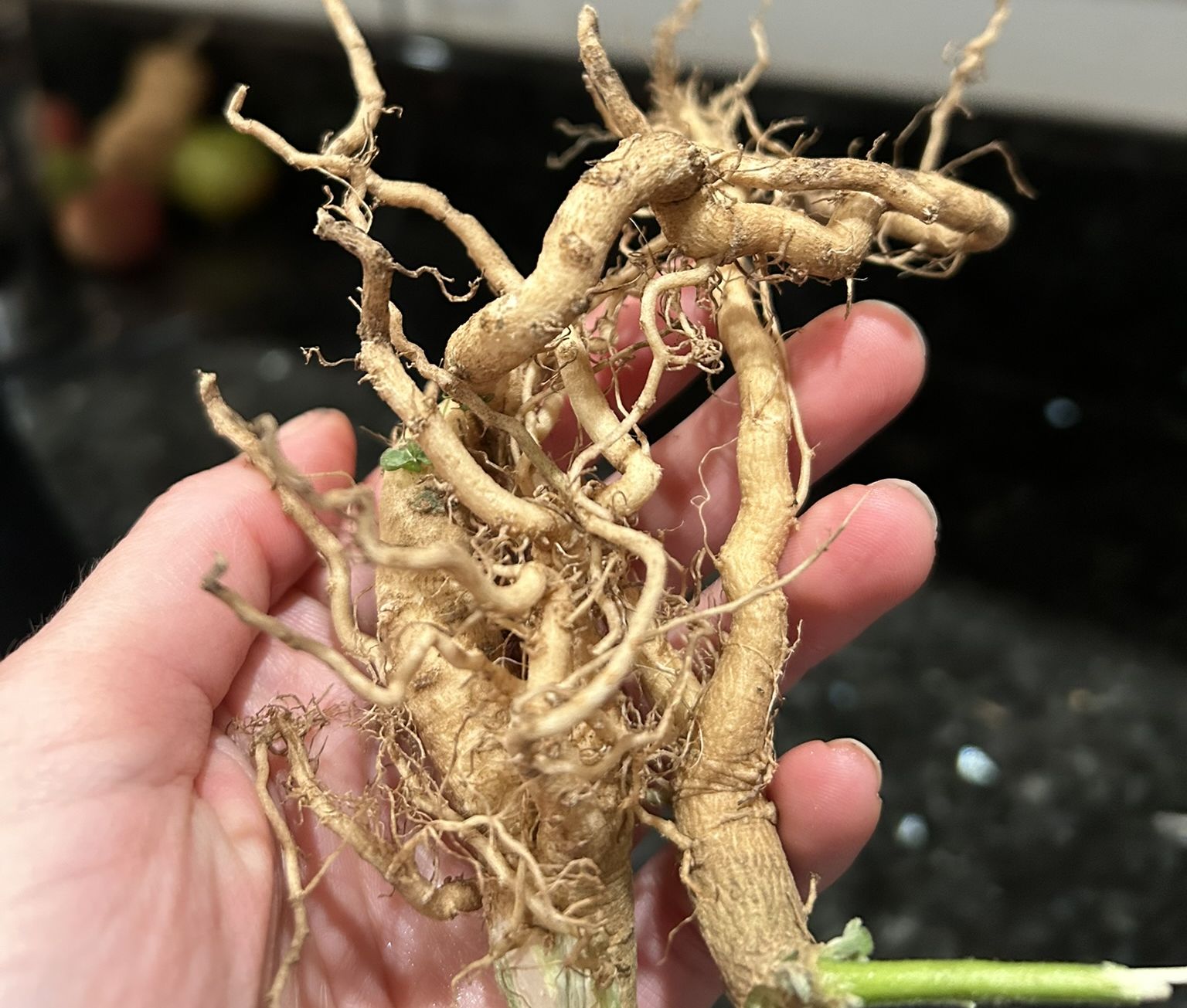
Dandelions have a long taproot, so planting them in an area with non-compacted soil is best. For less bitter-tasting spring greens, consider planting in an area that receives morning sun and afternoon shade. You can start plants from one-inch pieces of root. Plant the root cutting one inch below the soil.
Feeding
Feeding is generally not needed, but if desired, you may fertilize occasionally with an all-purpose feeder.
Harvesting
For the best-tasting leaves, regularly harvest young leaves in the spring. Once the head begins to flower, you can remove it whole. Harvest the roots in late fall or early spring while the root still stores most of its energy, and inulin is at its highest concentration. Dig up the roots and harvest the whole root, or leave a one-inch piece behind to regenerate in the spring.
Fresh dandelion leaves make a tasty addition to salads. They can also be steamed.
Storage
Leaves can be air-dried in a paper bag or using a dehydrator on the lowest setting. Clean roots well under running water with a root vegetable brush, being careful not to remove the outer layer of the roots. Chop up roots as soon as you clean them off, as they can become tough the longer you wait. For the best results, chop them up and use a dehydrator. Store dried leaves and roots in glass jars in a cool and dry place. Leaves will be good for about one year, and roots can be stored for up to two to three years.
Pruning
Remove flower heads to prevent seeds from spreading.
Herbal Use
In ancient times, dandelion was used as an antidote for poisons and a cleansing spring tonic. While today it's not recommended for use as a poison antidote, it is still revered as a top tonic herb when coming out of winter. There is a high amount of inulin in the root, and it makes a good prebiotic. Dandelion is thought to be helpful to the liver and digestion. In traditional folk medicine, the milky sap of the dandelion stalk is used on warts. Dandelion root tea is a good coffee substitute without caffeine. Always consult with your healthcare professional before using herbs.