Dara
Daucus carota
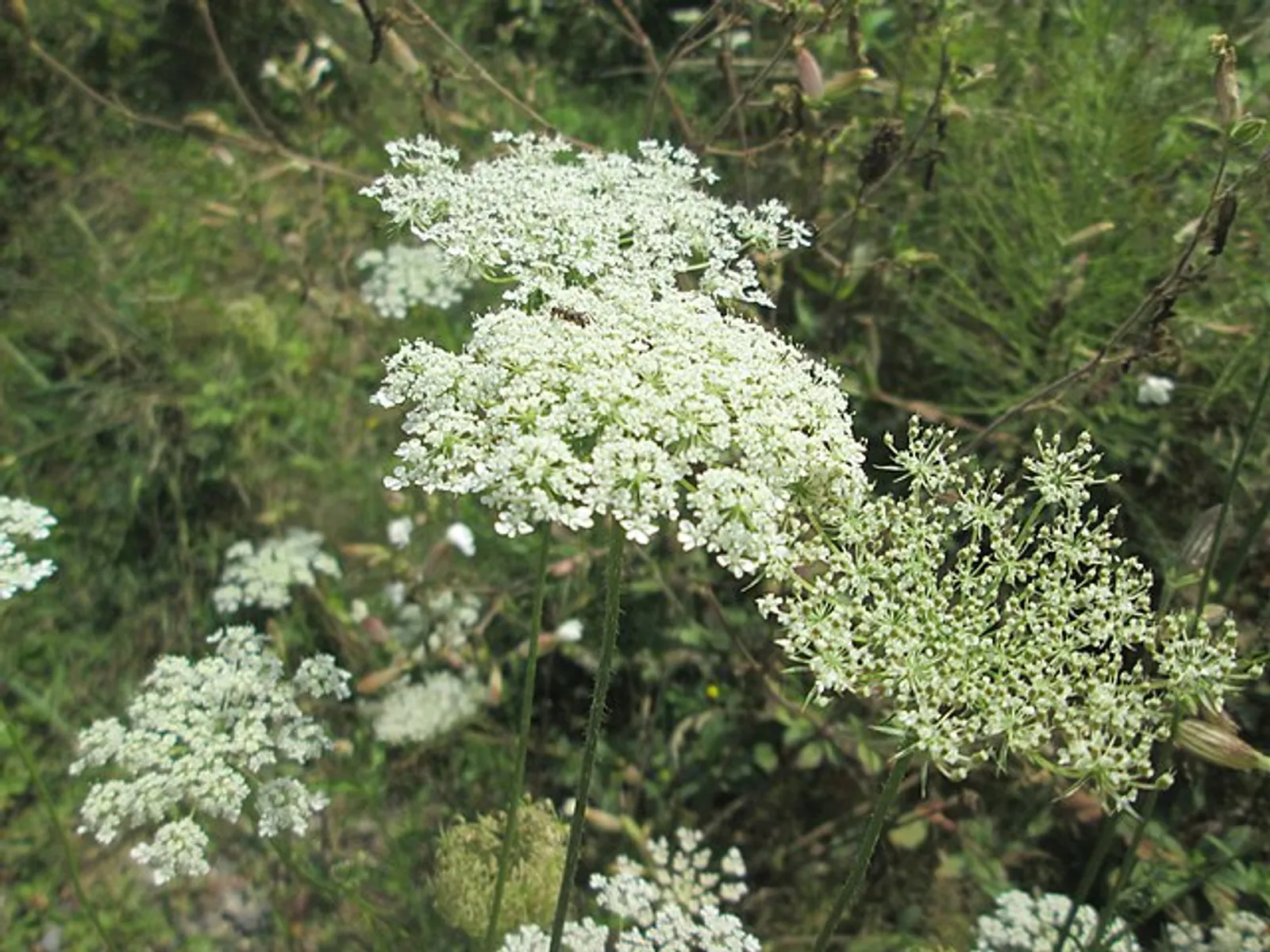
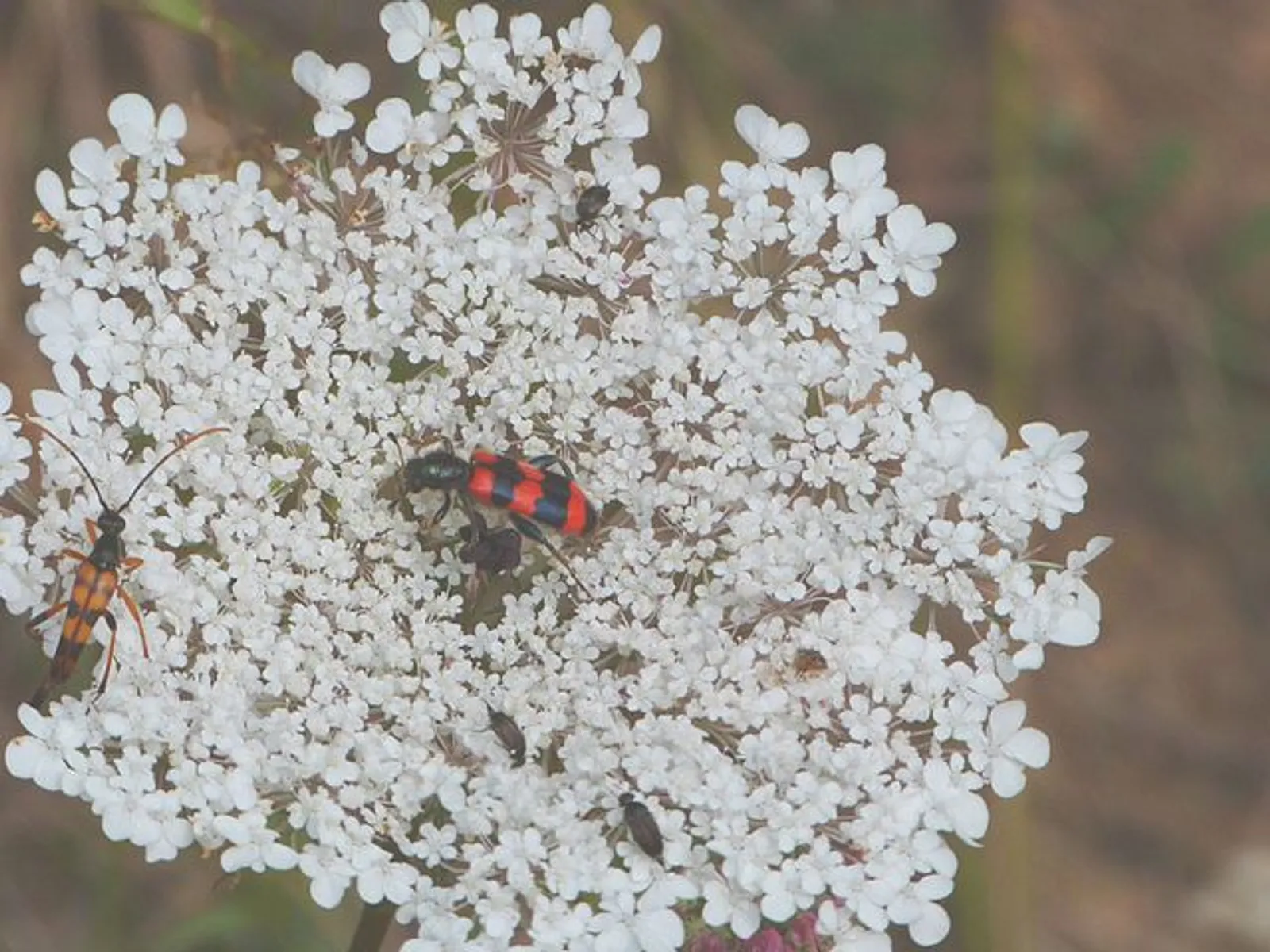
A well-behaved sibling of wild Queen Anne's Lace and Bishop's Weed (both considered invasive in much of US, Canada, and Australia), these lacy umbels with tiny flowers bloom in white, pinks, and dark mauves. Each flower features little red dot in the center. After pollination, flowers will curl themselves into a ball which provides ornamental interest in arrangements. Their tall, loose habit provides a sea of color in the back of garden beds. They are an excellent filler flower in arrangements. Dara is cousin to Ammi Majus, although many people refer to them both (incorrectly) as Queen Anne's Lace. The sap can be an irritant to some. Fun Fact: Dara is actually a form of wild carrot!
How to Grow Dara
Quick Info

Put away the pen and paper
Plan your veggie garden in minutes with Planter's easy drag and drop planner.
Try Planter for Free
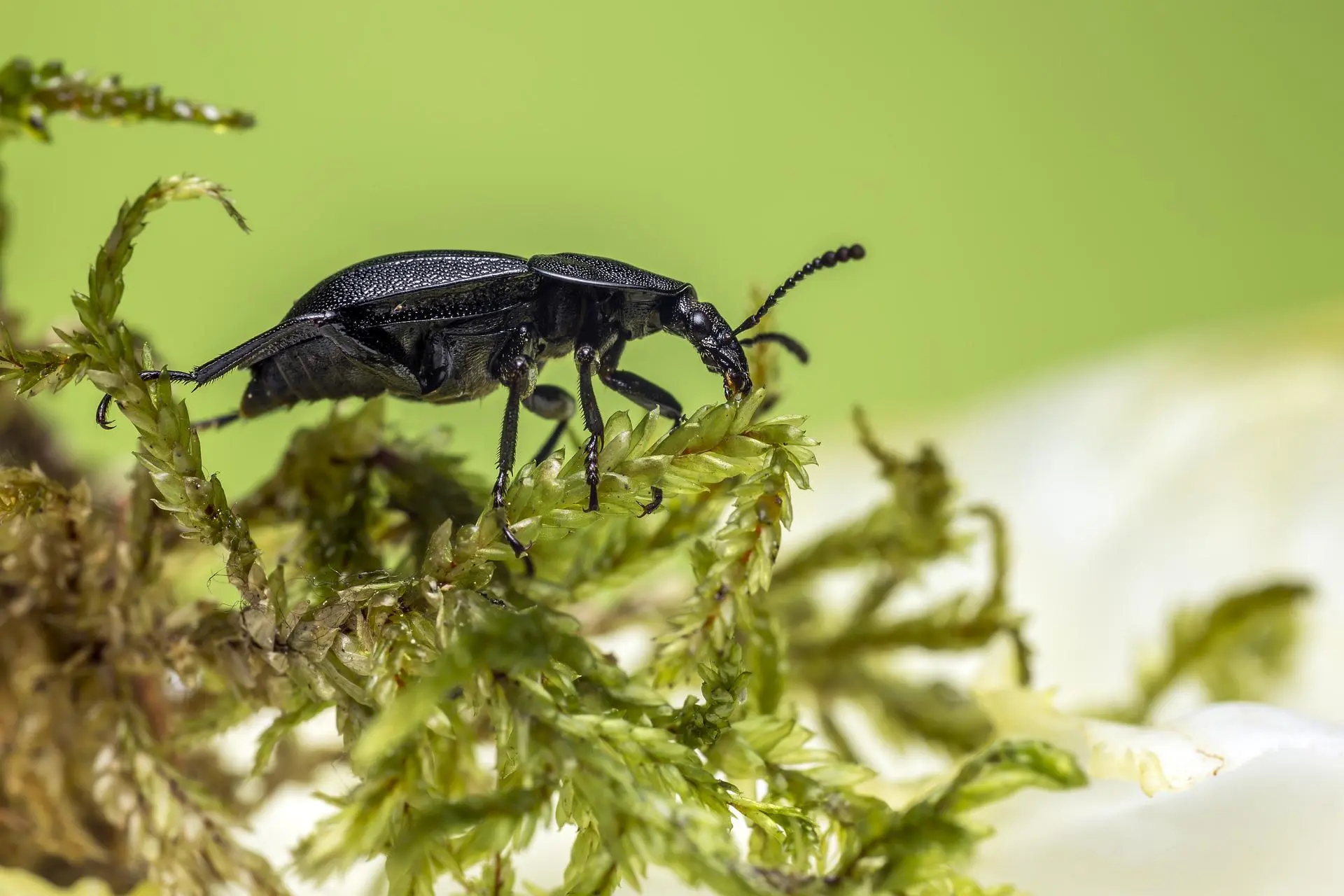
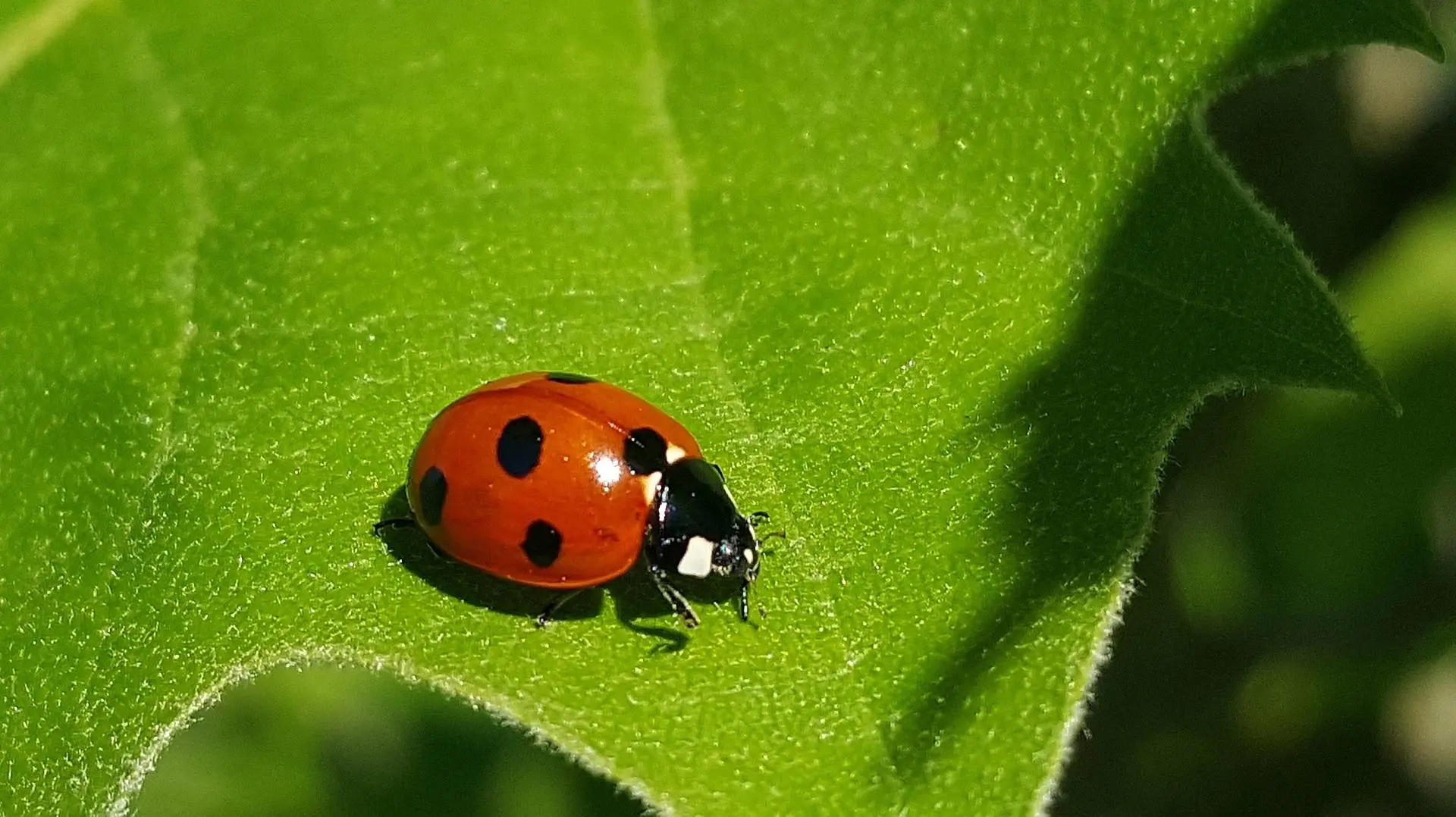
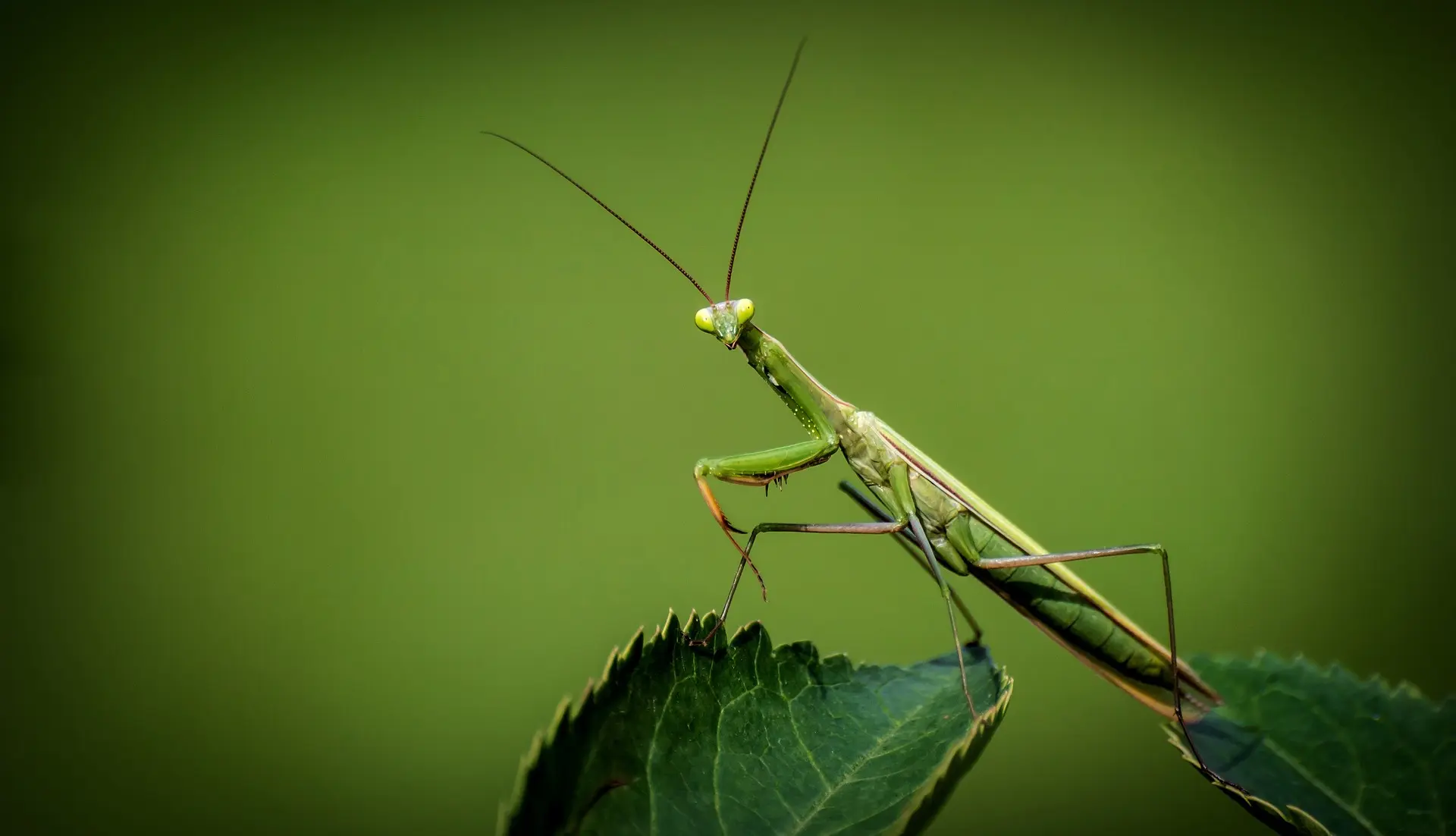
Beneficial Critters
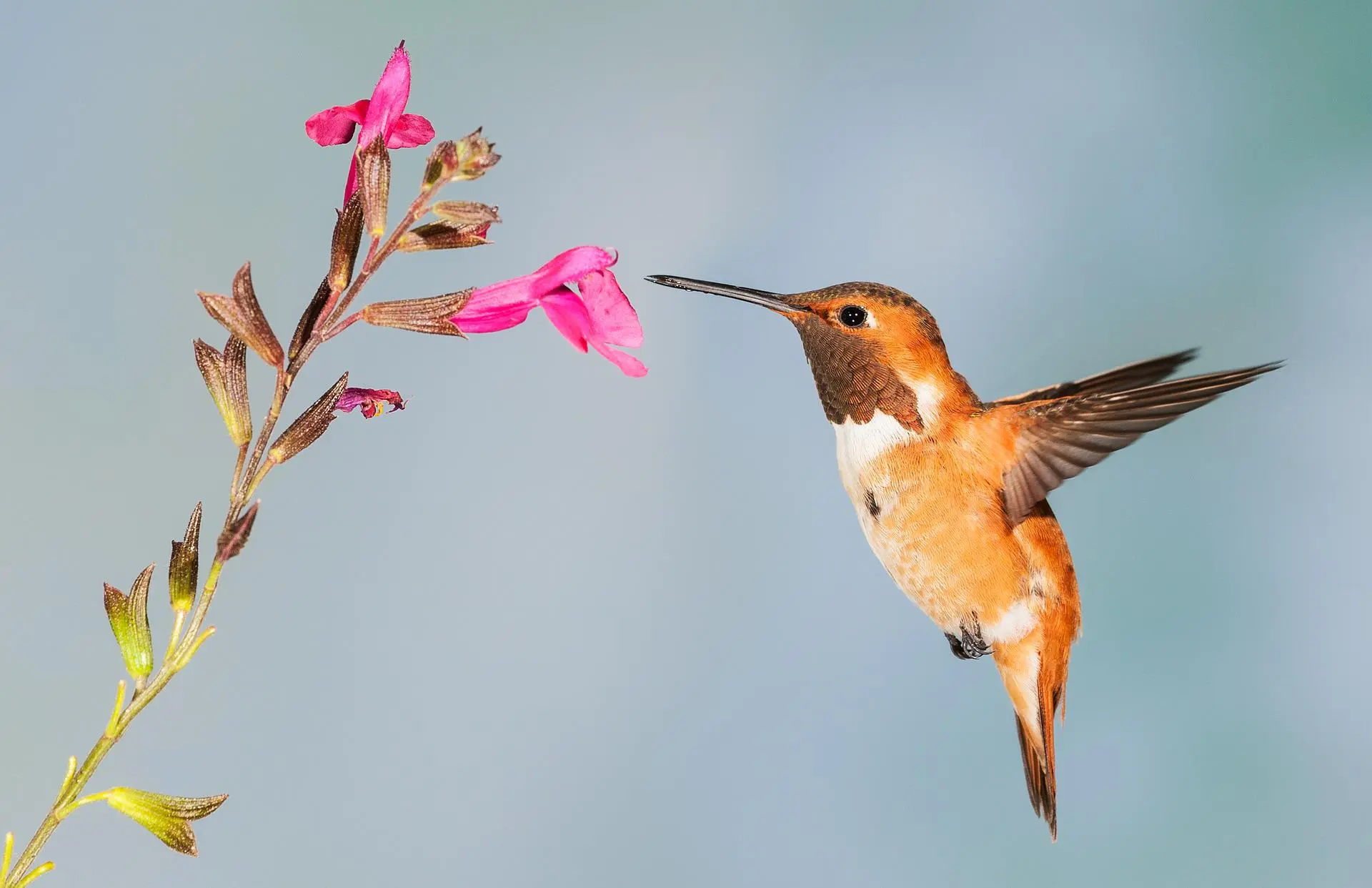
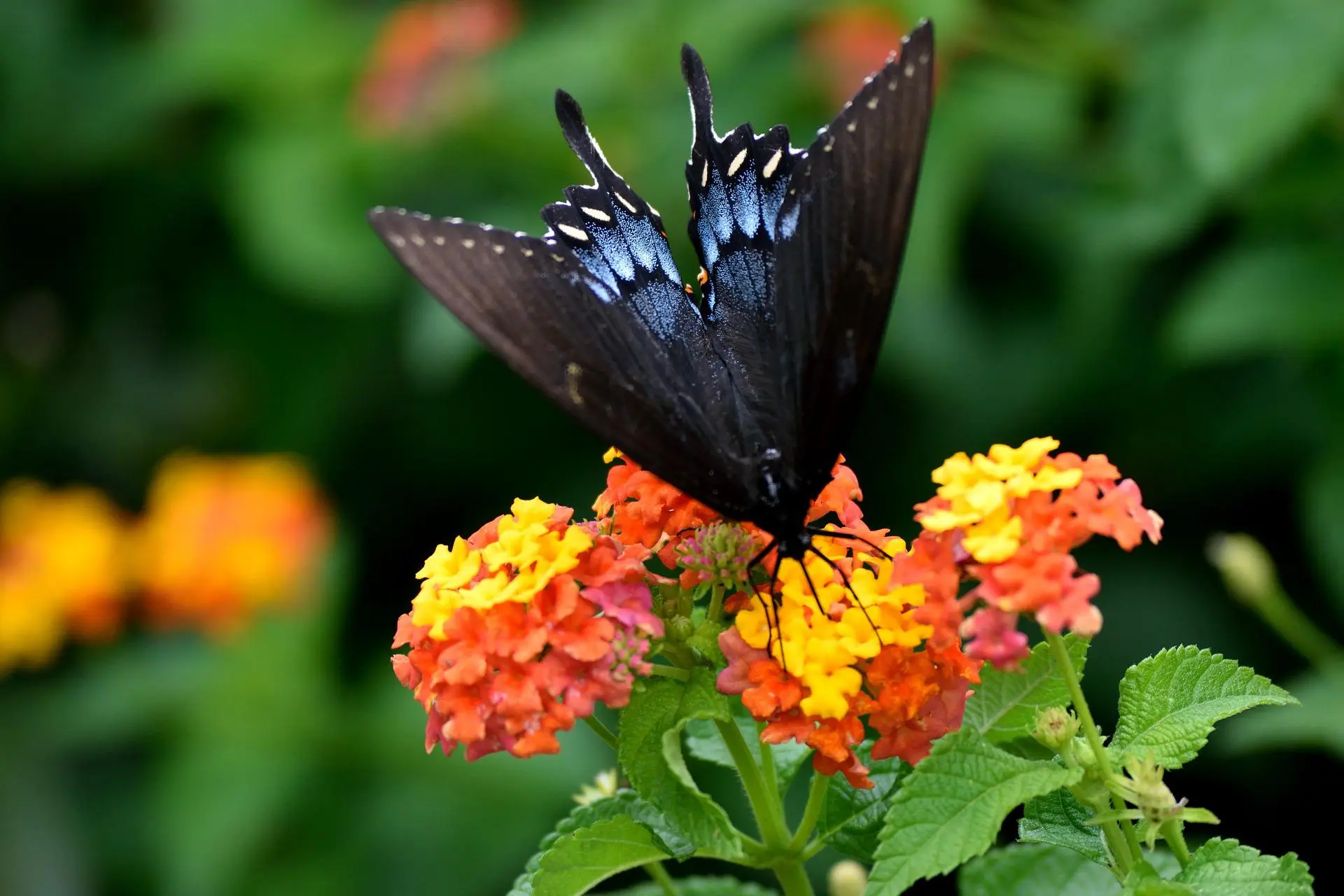
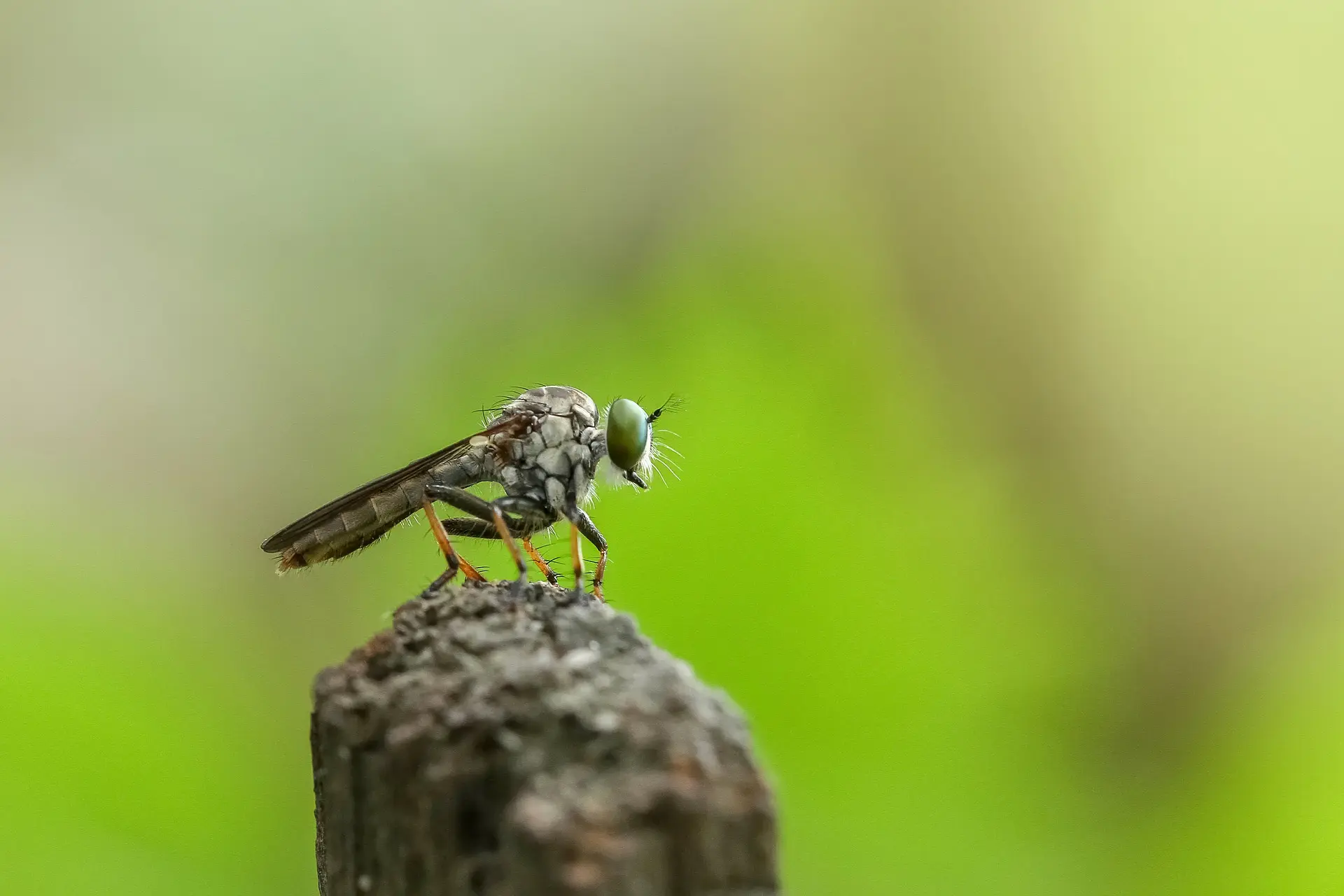
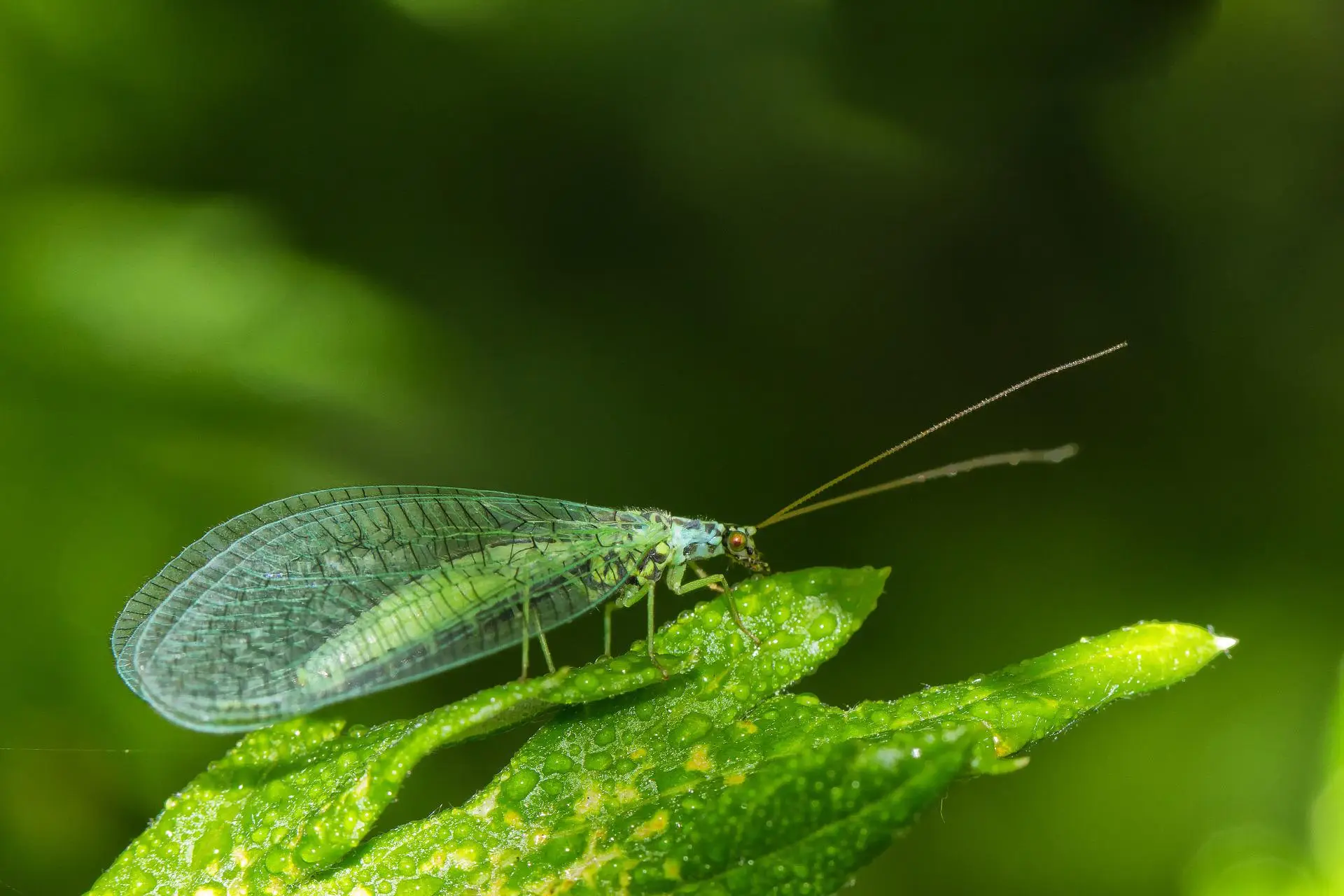
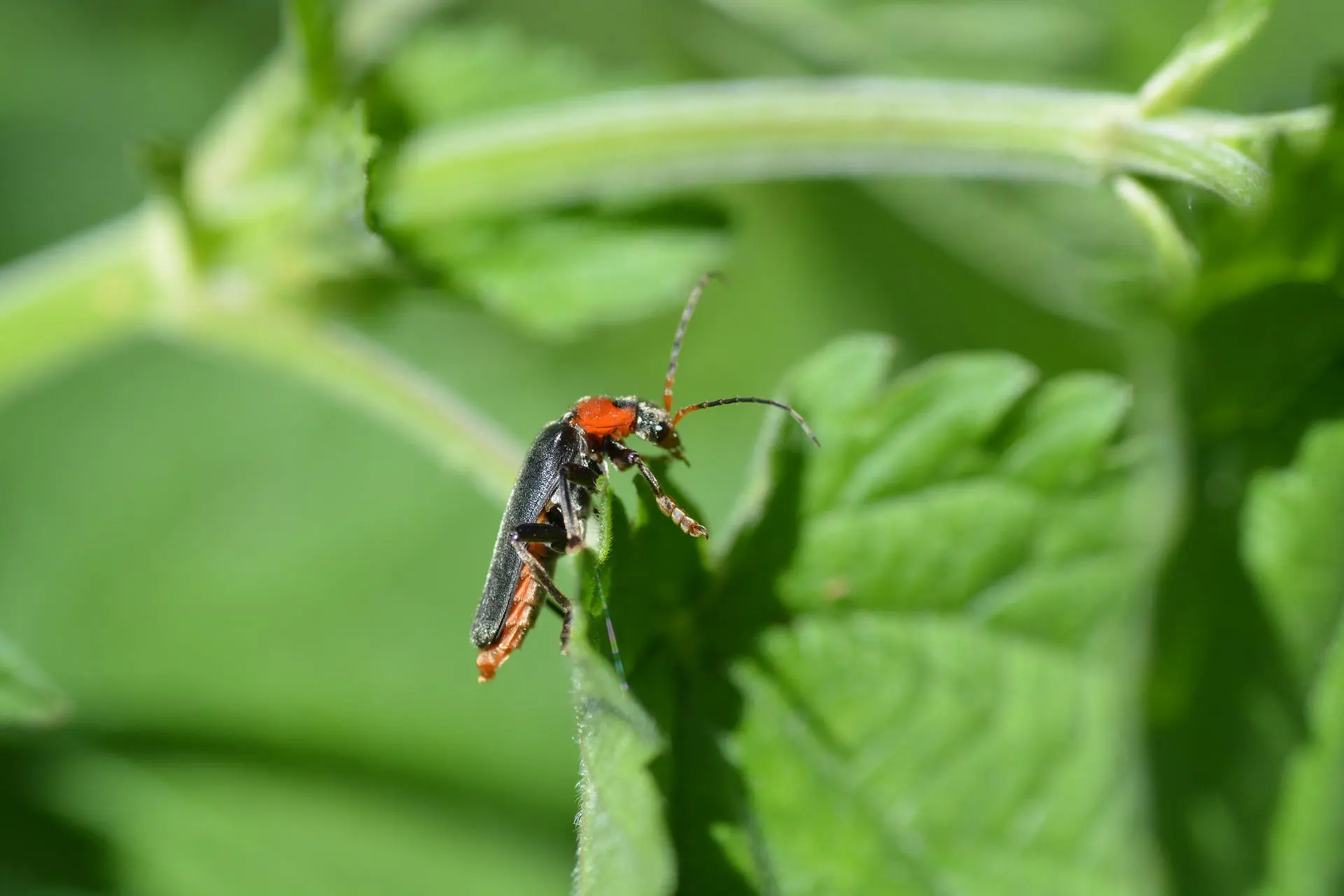
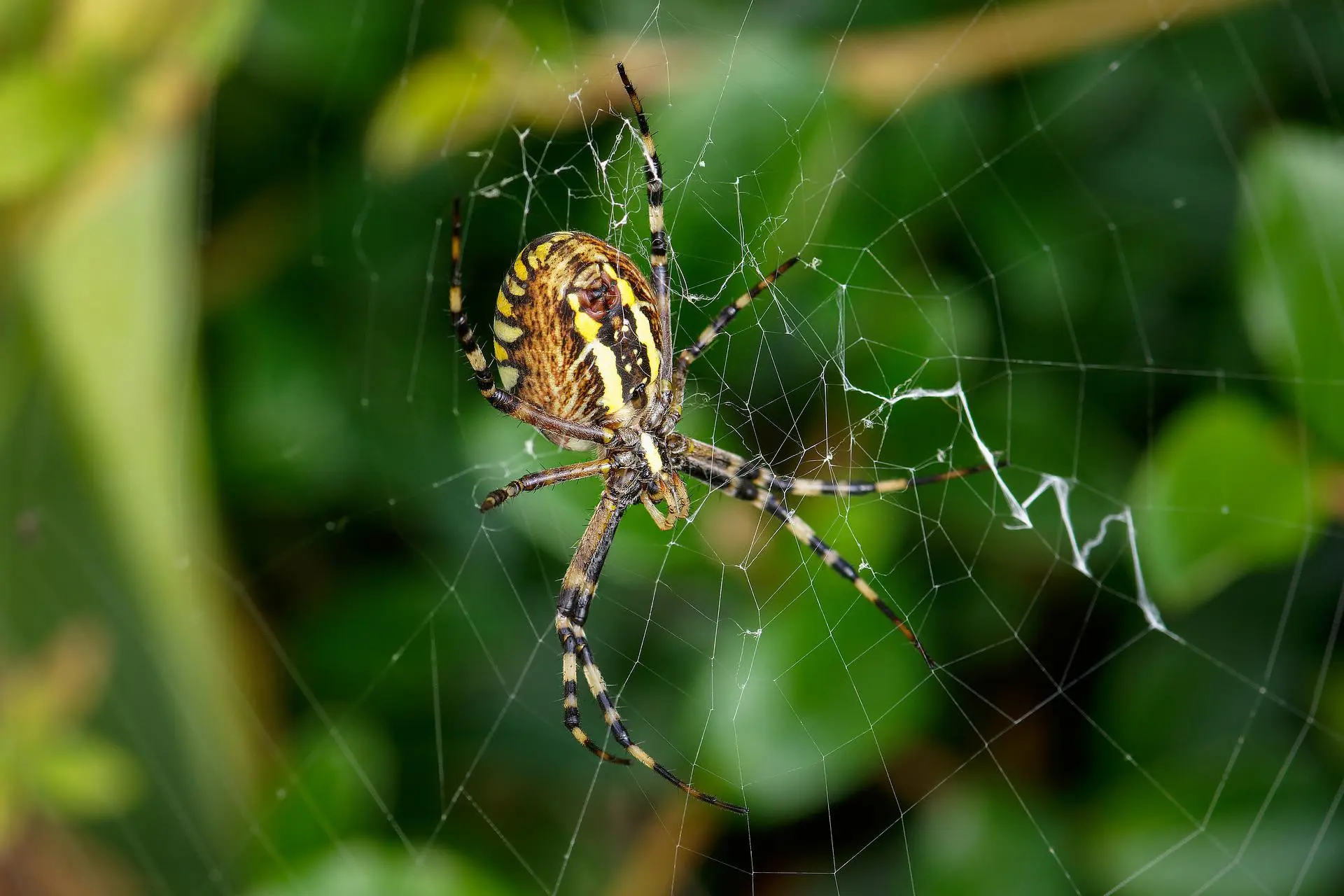
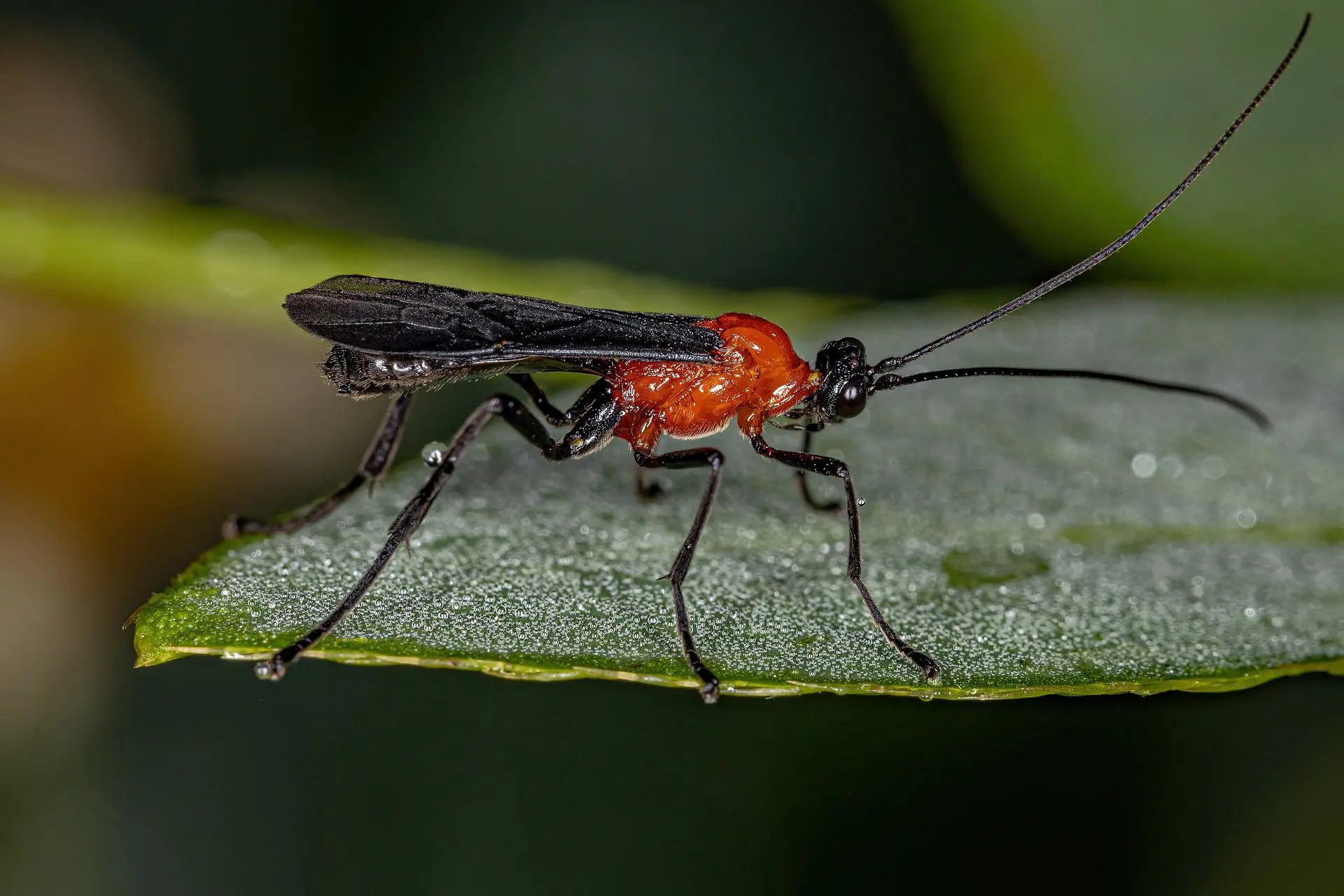
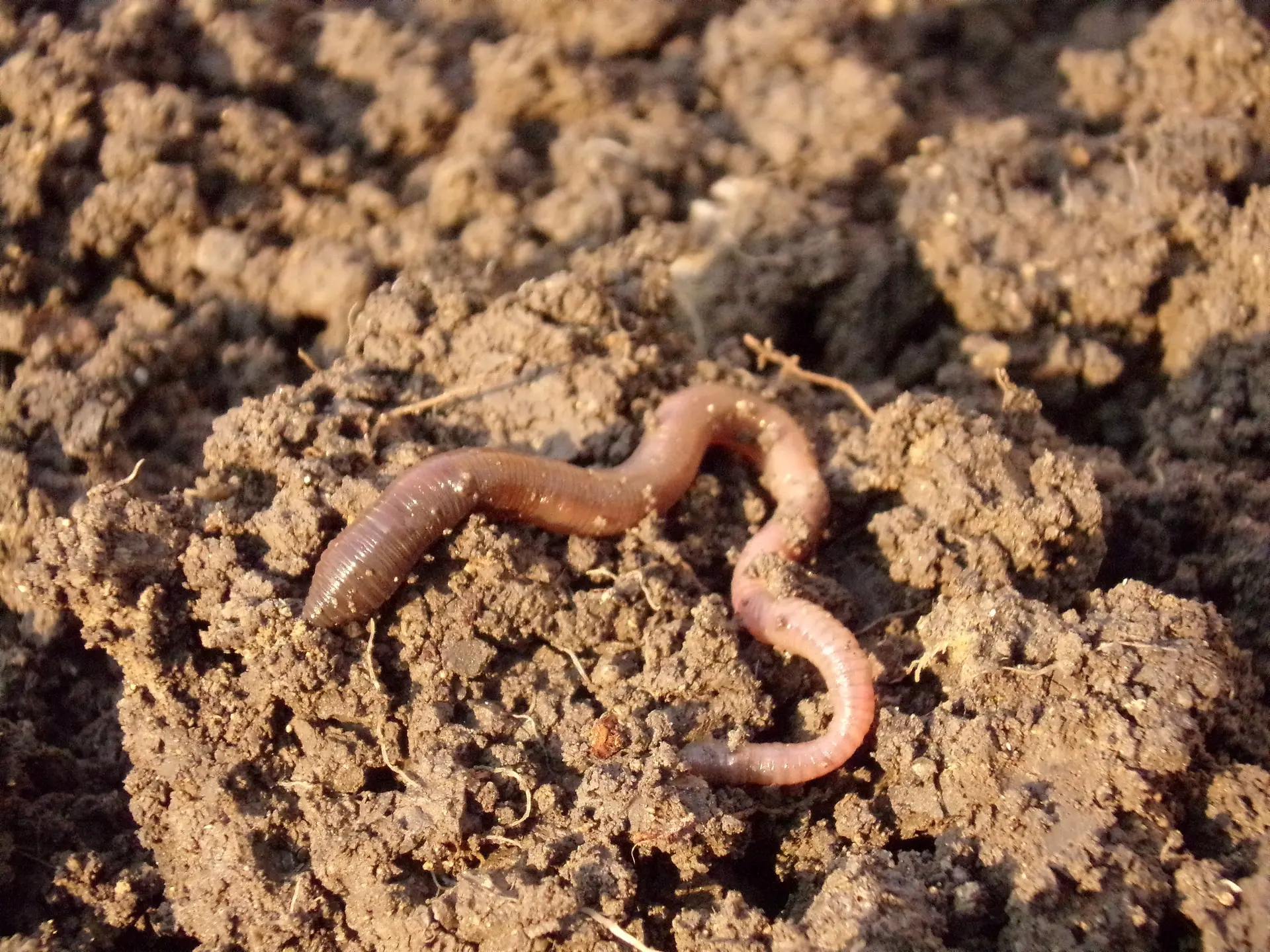
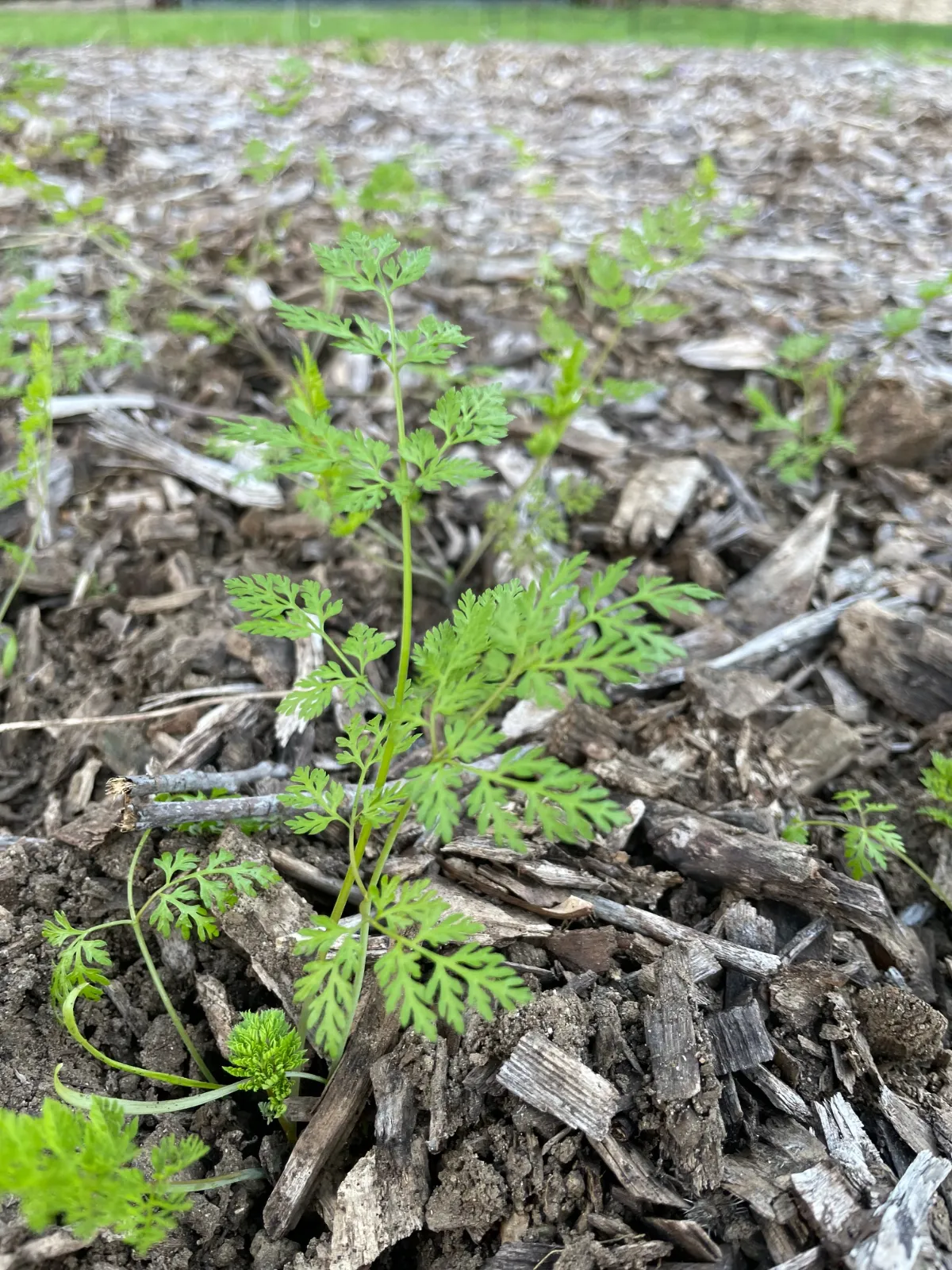
Growing from Seed
Dara seedlings like cool temperatures- chill seeds for 1-2 weeks before sowing. Cover seeds lightly. Seedlings like 58-62°F (14-16.5°C) to establish.
Planting Considerations
Plants produce the largest flowers with first flush, so for cut flower use, consider a second sowing for late summer picking. Dara grows well in poor soil and does not like over-watering. It is generally pest and disease free. Using horizontal nylon netting in the cut flower garden is recommended to keep the stems upright.
Harvesting
Harvest umbels when they are in an umbrella shape (you can see the outer edges curving downward), and only outer tiny flowers are pollinated. The red center 'dot' will be visible. As the flower goes by, it will start to curve upward into a ball, which is attractive in its own self.