Dragon Fruit
Selenicereus spp.
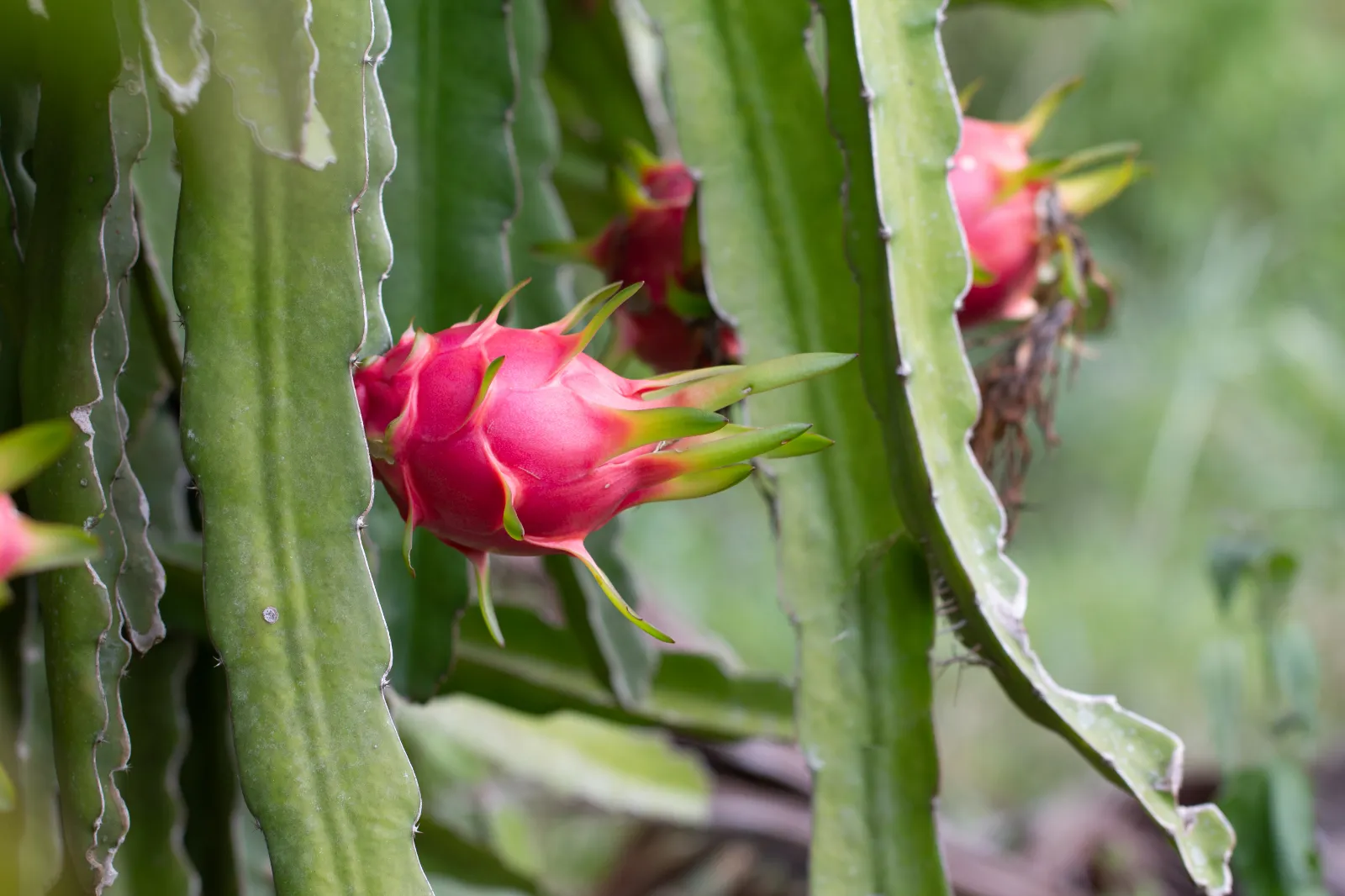
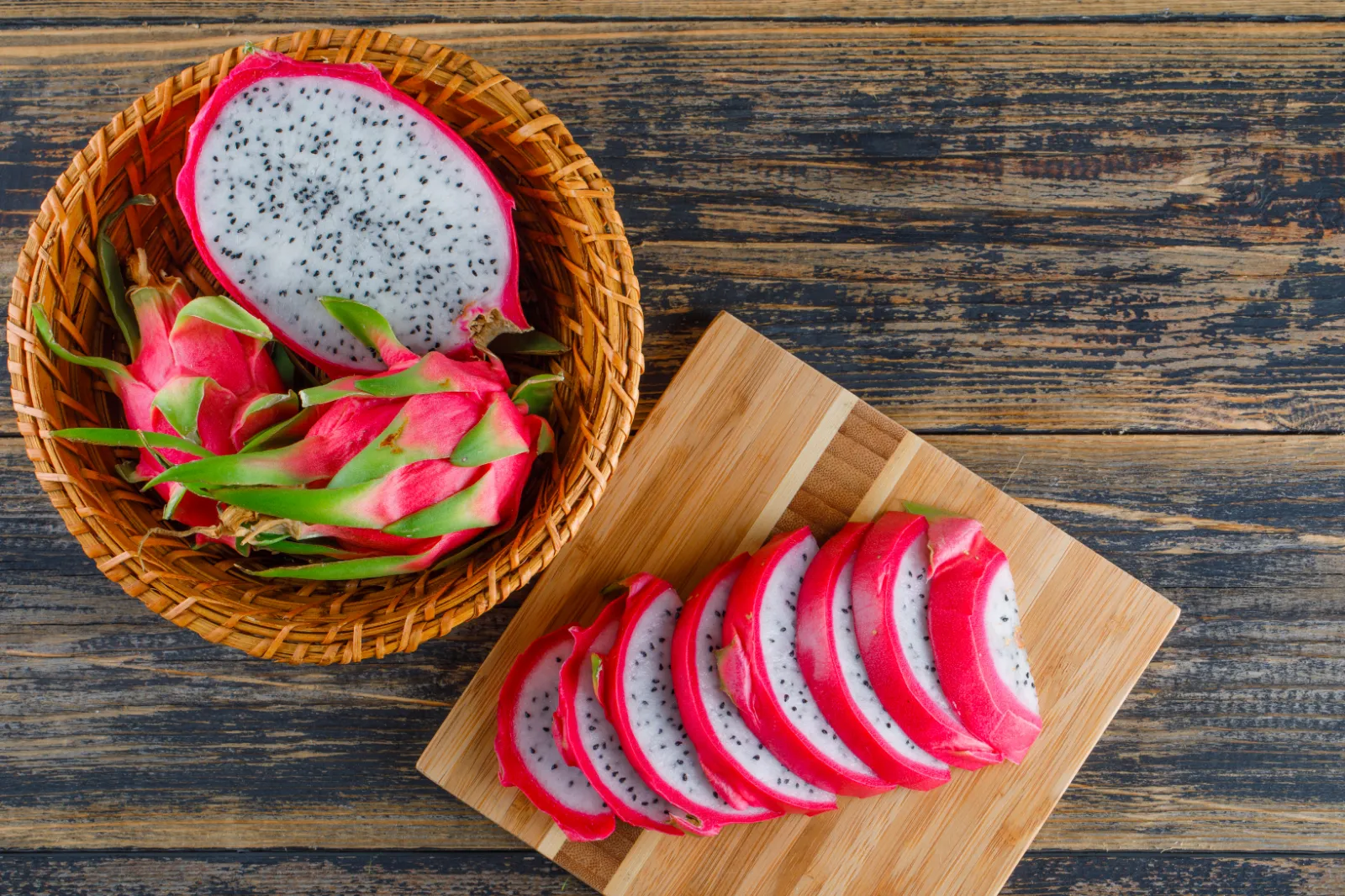
Dragon fruit is an exotic-looking and delicious fruit. The outer skin of dragon fruit can be red, purple, or yellow. The flesh inside is speckled with small black edible seeds and can be white, red, or purple. Dragon fruit is sometimes called pitahaya or pitaya, however dragon fruit refers to plants in the genus Selenicereus where pitahaya/pitaya often refers to other catcus fruits. The dragon fruit plant is a vining-type cactus that can be grown outdoors in USDA zones 10-11. Gardeners in colder zones who want to grow dragon fruit can grow the plants in containers and overwinter them indoors.
How to Grow Dragon Fruit
Quick Info

Put away the pen and paper
Plan your veggie garden in minutes with Planter's easy drag and drop planner.
Try Planter for Free
Nutrition
Vitamins

Nutrients




Pests
Diseases
Beneficial Critters

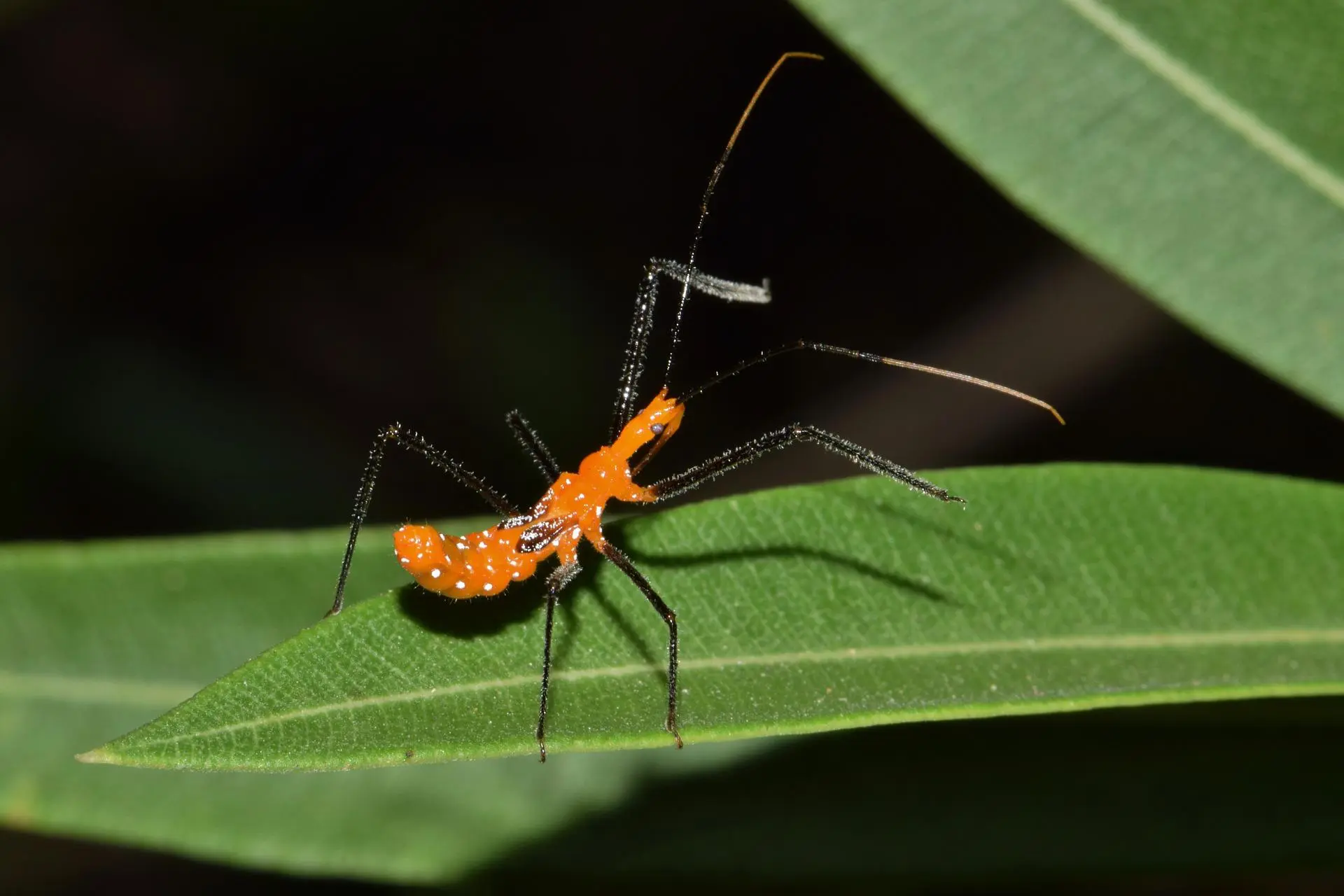


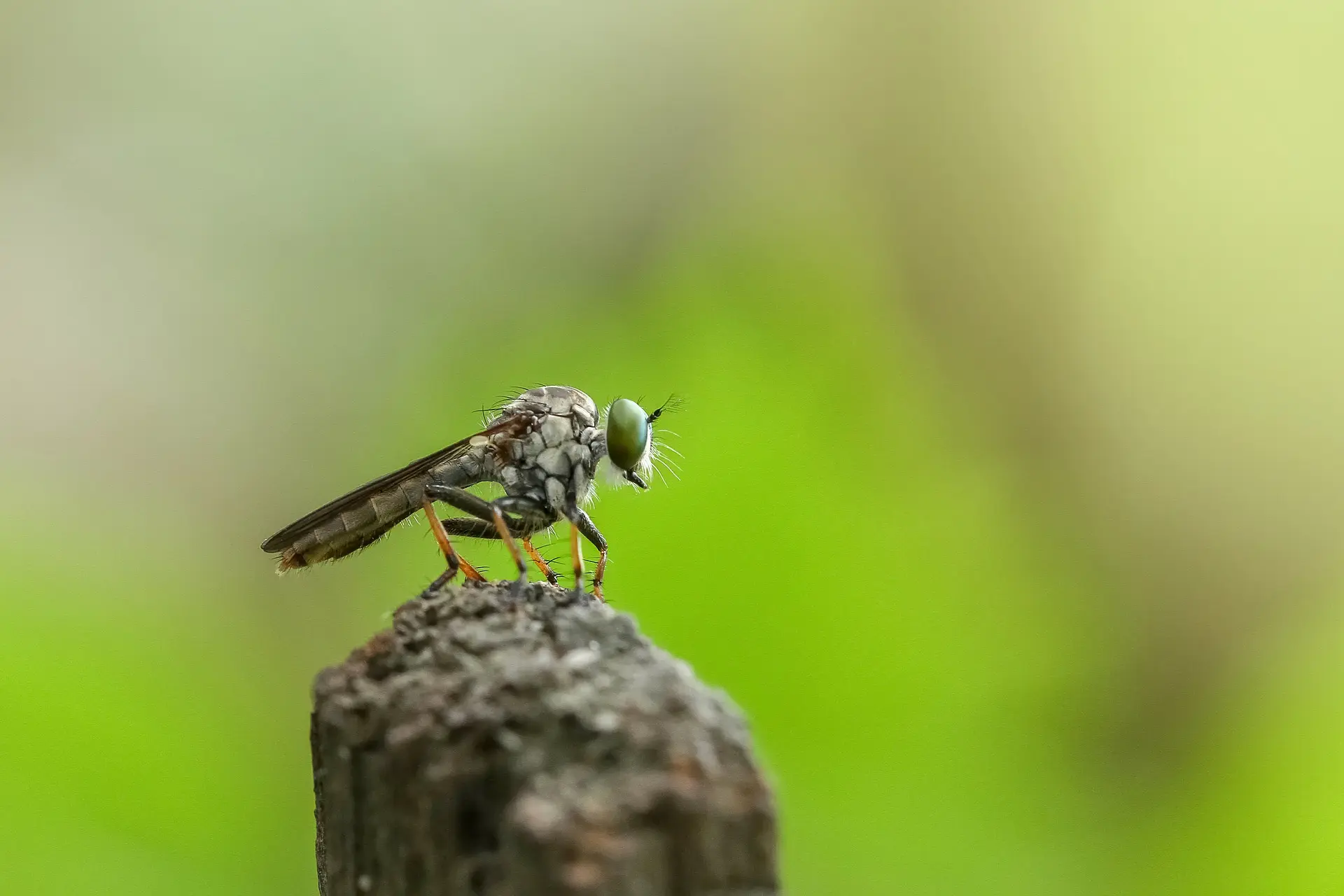
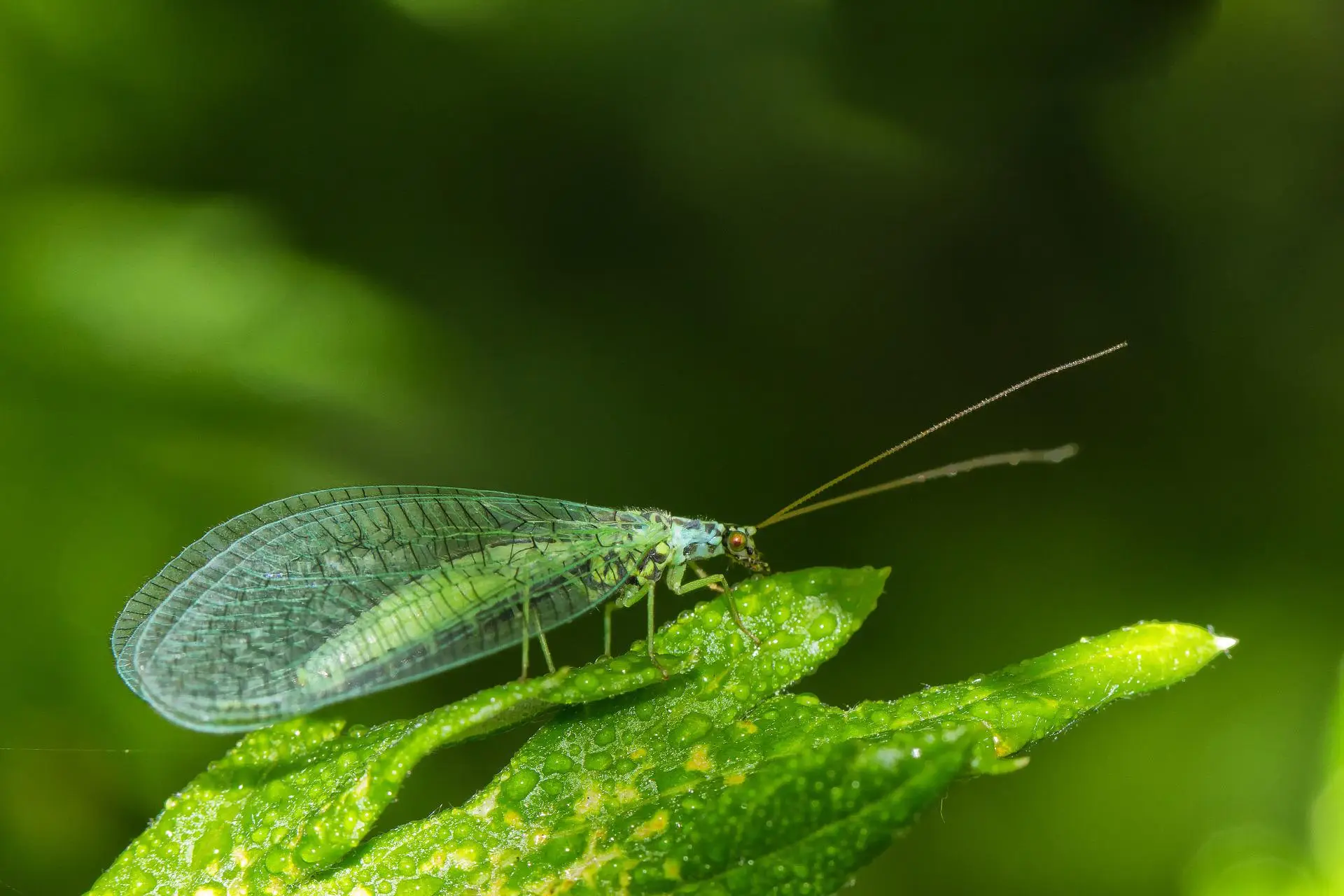
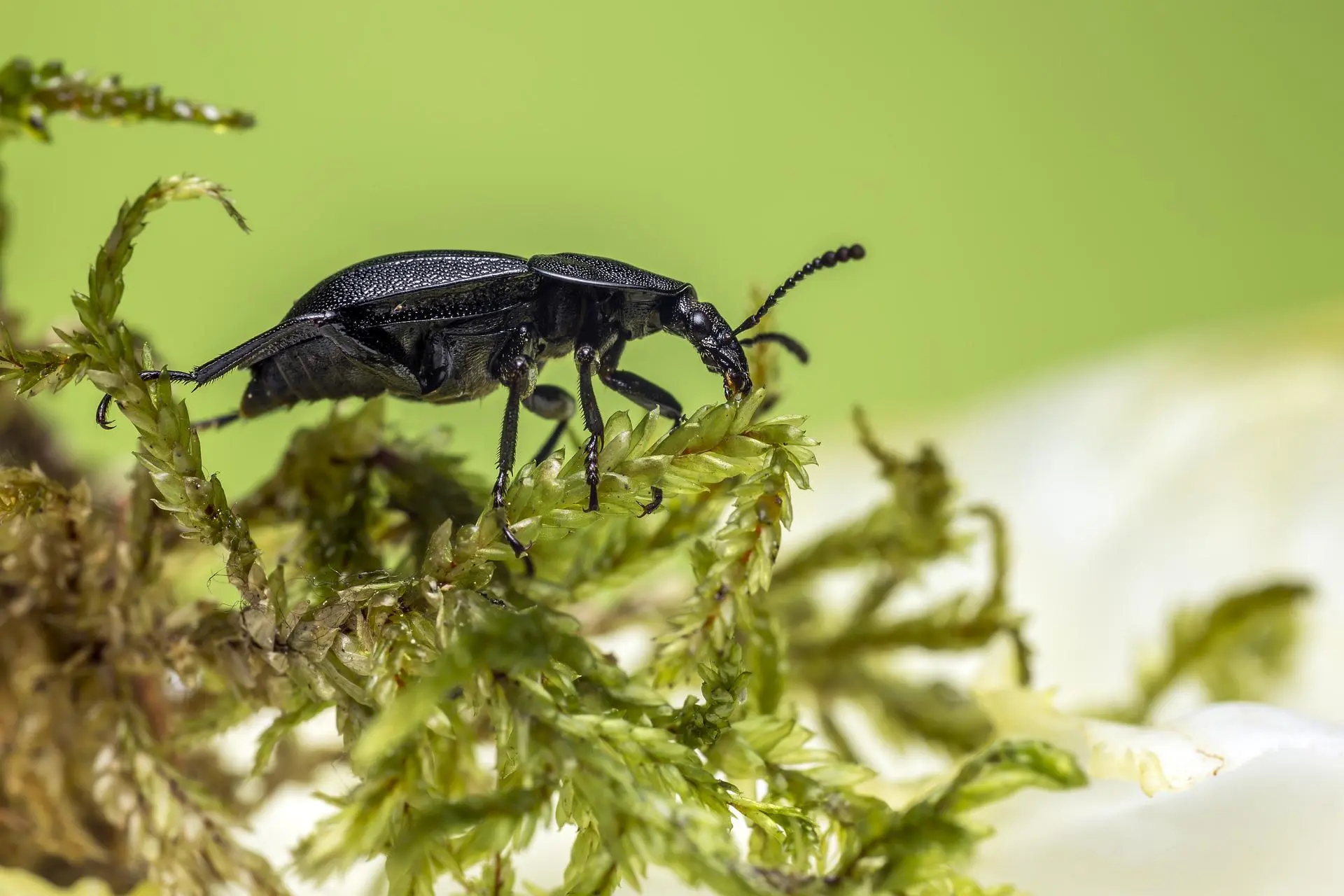
Growing from Seed
Dragon fruit is not typically grown from seed; it is typically grown from nursery transplants that are propagated from cuttings. Plants grown from seed may not be true-to-type.
Planting Considerations
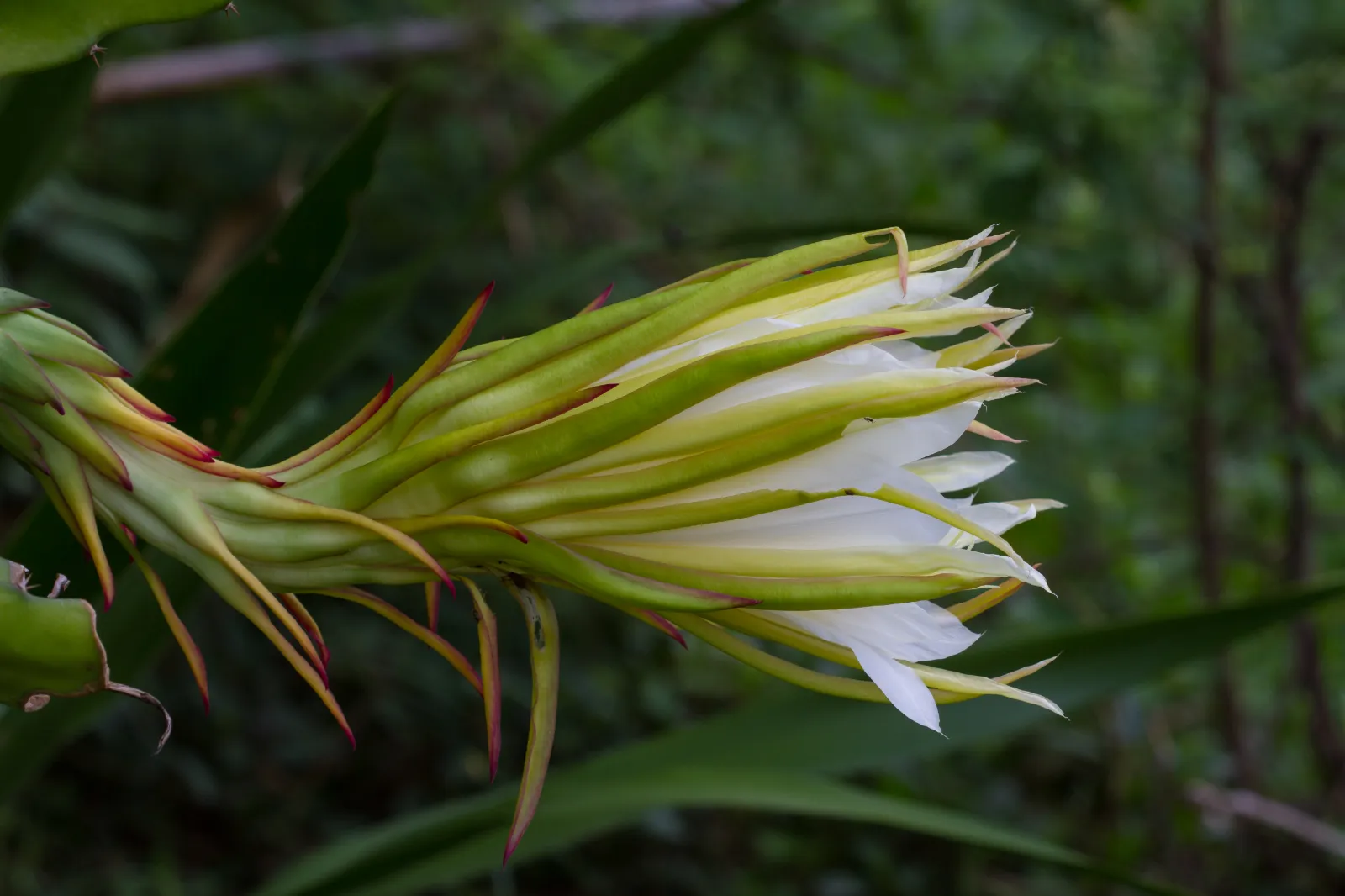
In warm climates transplant dragon fruit outdoors in spring. Wear thick gloves when handling dragon fruit as the cacti have thorns (some varieties are thornless). Dragon fruit prefers fertile, well-draining soil that does not become waterlogged. Dragon fruit needs to be secured to a very sturdy upright support structure as the plant will become large and top heavy. Install the supports at the time of planting. Transplant to the same depth as the soil in the nursery pot. While some varieties of dragon fruit are self-pollinating, hand pollination is helpful to ensure good fruit set. Some varieties of dragon fruit need to be cross-pollinated with pollen from a different, compatible variety. Check the pollination requirements before choosing a variety. The window to hand pollinate a dragon fruit flower is very short - the flower will fully open during the night and wither mere hours later. Use a paintbrush to spread pollen from the anther (male part) to the stigma (female part). In some warm areas of the world dragon fruit is listed as an invasive plant. Research the potential for invasiveness in your area before growing dragon fruit.
Feeding
Dragon fruit is a heavy feeder. It needs ample nitrogen to support it's rapid growth. Apply a high-nitrogen fertilizer regularly starting at the time of planting.
Harvesting
After pollination the fruit will be ready to harvest in 30-45 days. Dragon fruit does not ripen off the plant so it should be harvested fully ripe. A fully ripe dragon fruit will have changed color from green to red/purple or yellow, will be loose on the plant, and will have a slight give when squeezed. If the fruit has thorns carefully brush them off using gloves or a stiff brush, then twist or cut the fruit off the plant.
Storage
Whole dragon fruits can be stored in the fridge for 2-3 weeks. Dragon fruit can also be peeled, cubed, and frozen on a baking tray then transferred to a freezer-safe bag and stored in the freezer for several months. Dragon fruit can also be made into jam.
Pruning
Prune dragon fruit in late winter to early spring before flower buds emerge. Once the main growing stem reaches the top of the trellis, prune off the top to encourage the plant to branch out. Afterwards, prune older branches at the top of the plant each year to prevent overgrowth, imbalance, and branch congestion. Prune off lower side shoots coming off the main growing stem. To encourage the plant to flower, prune the tips off the branches. If you see damaged or diseased branches, remove them right away.