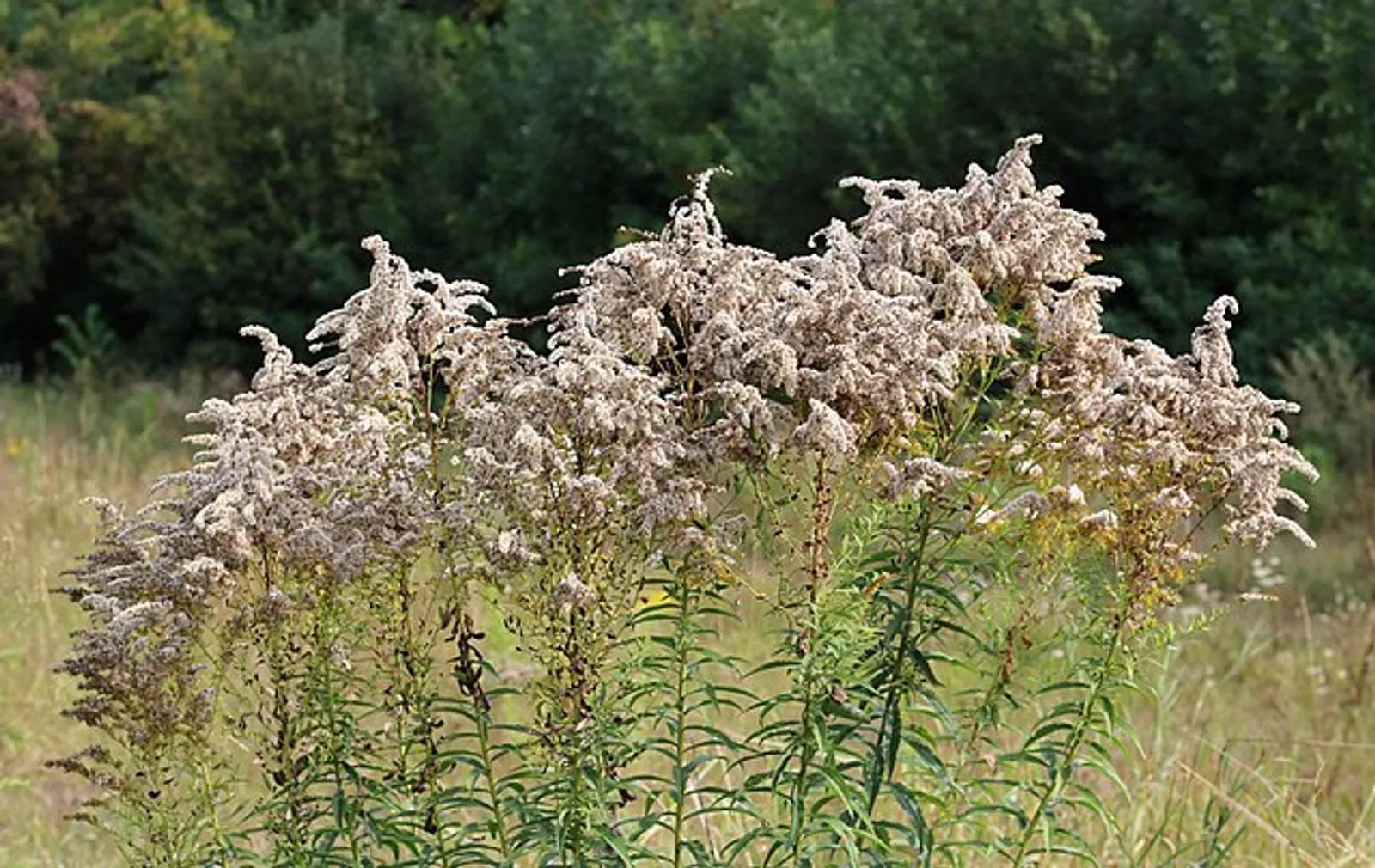
Goldenrod
Solidago spp.
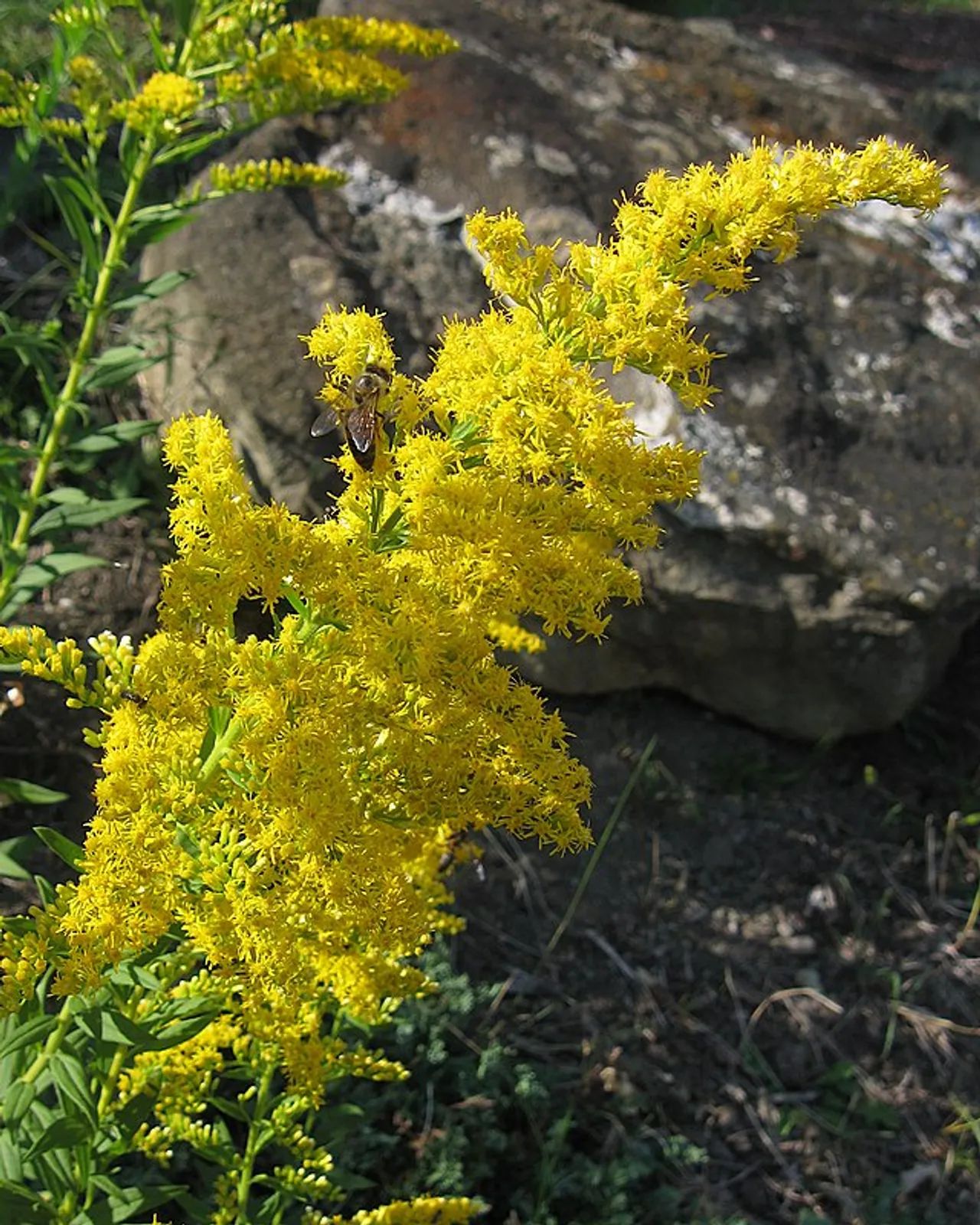
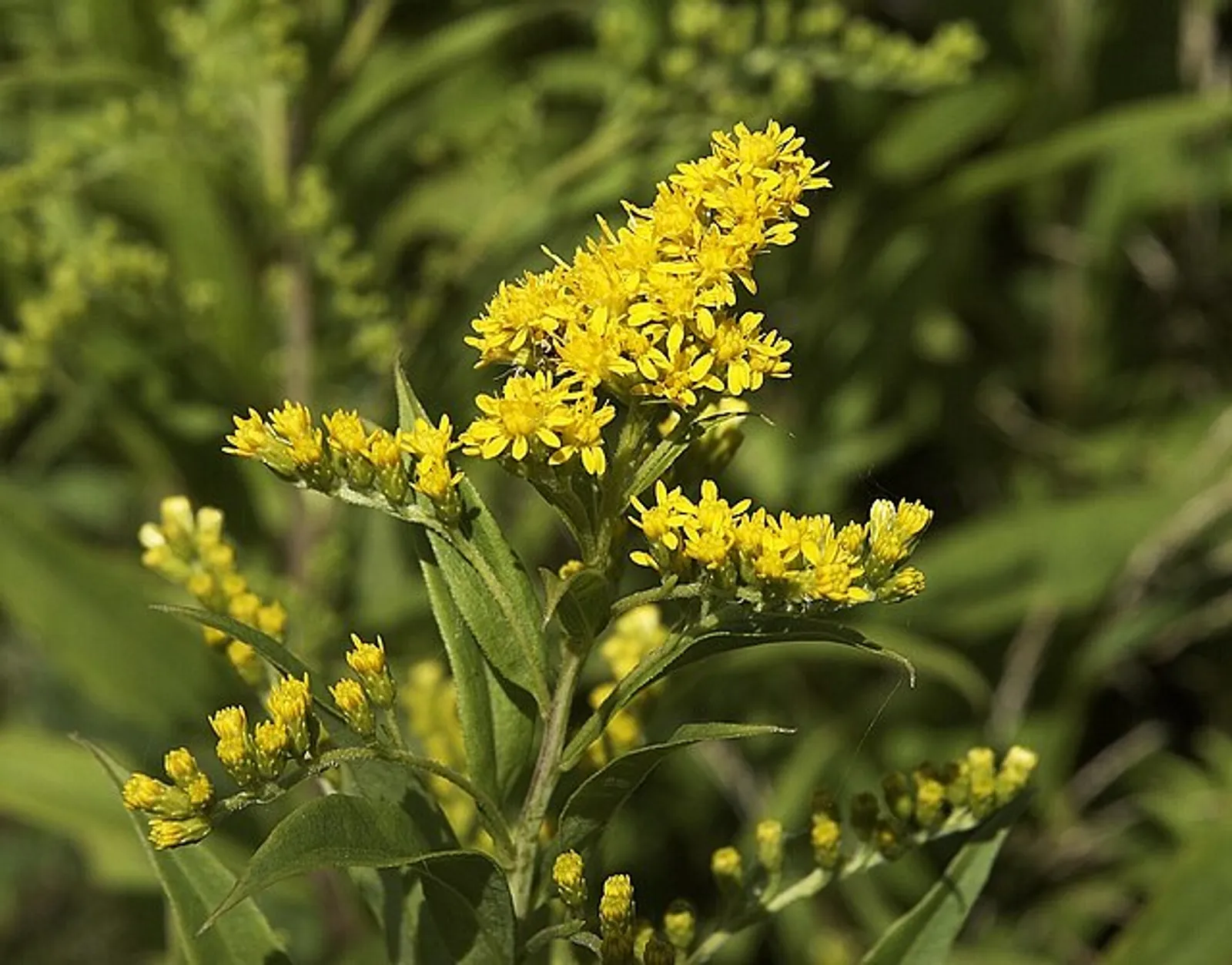
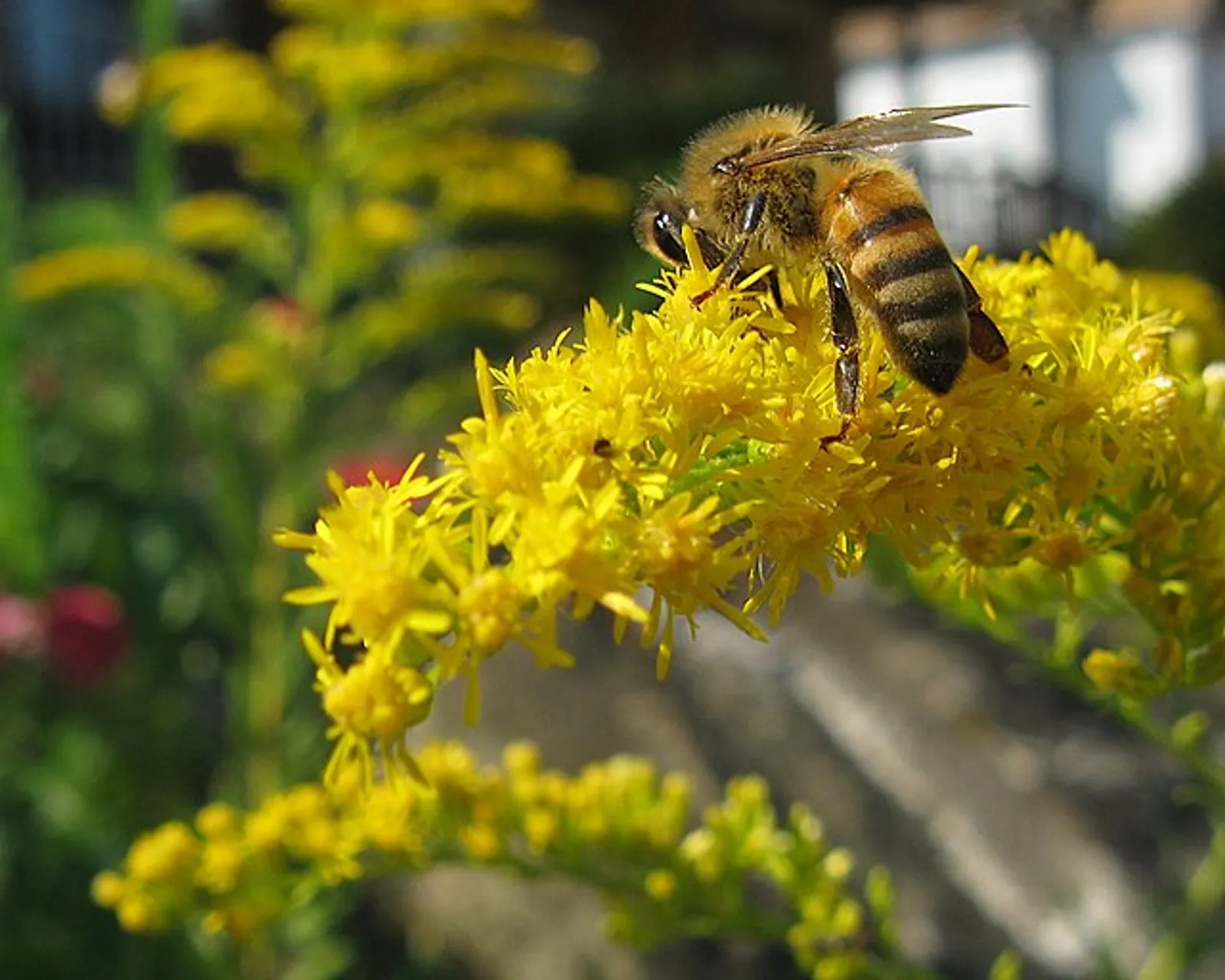
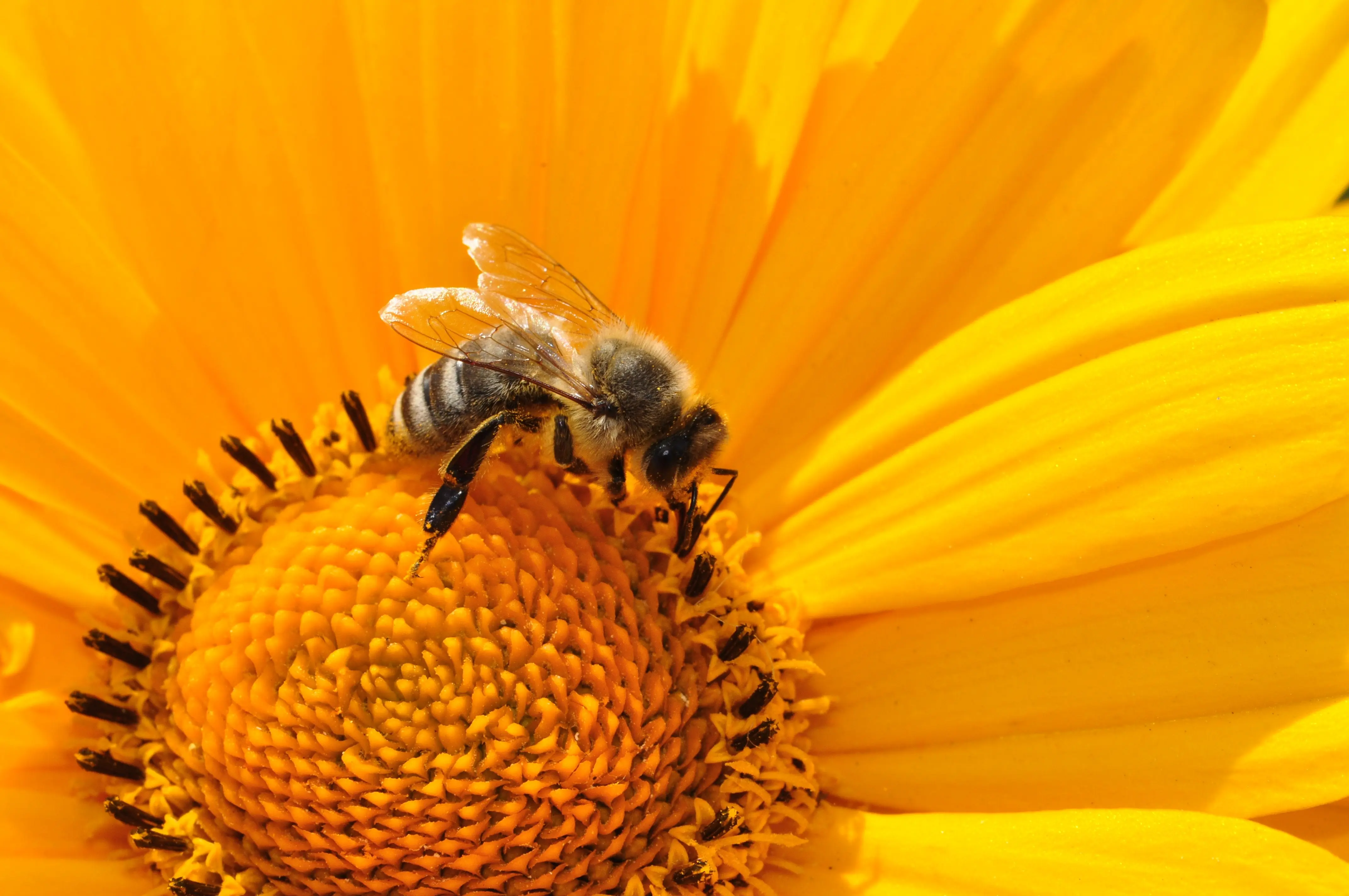
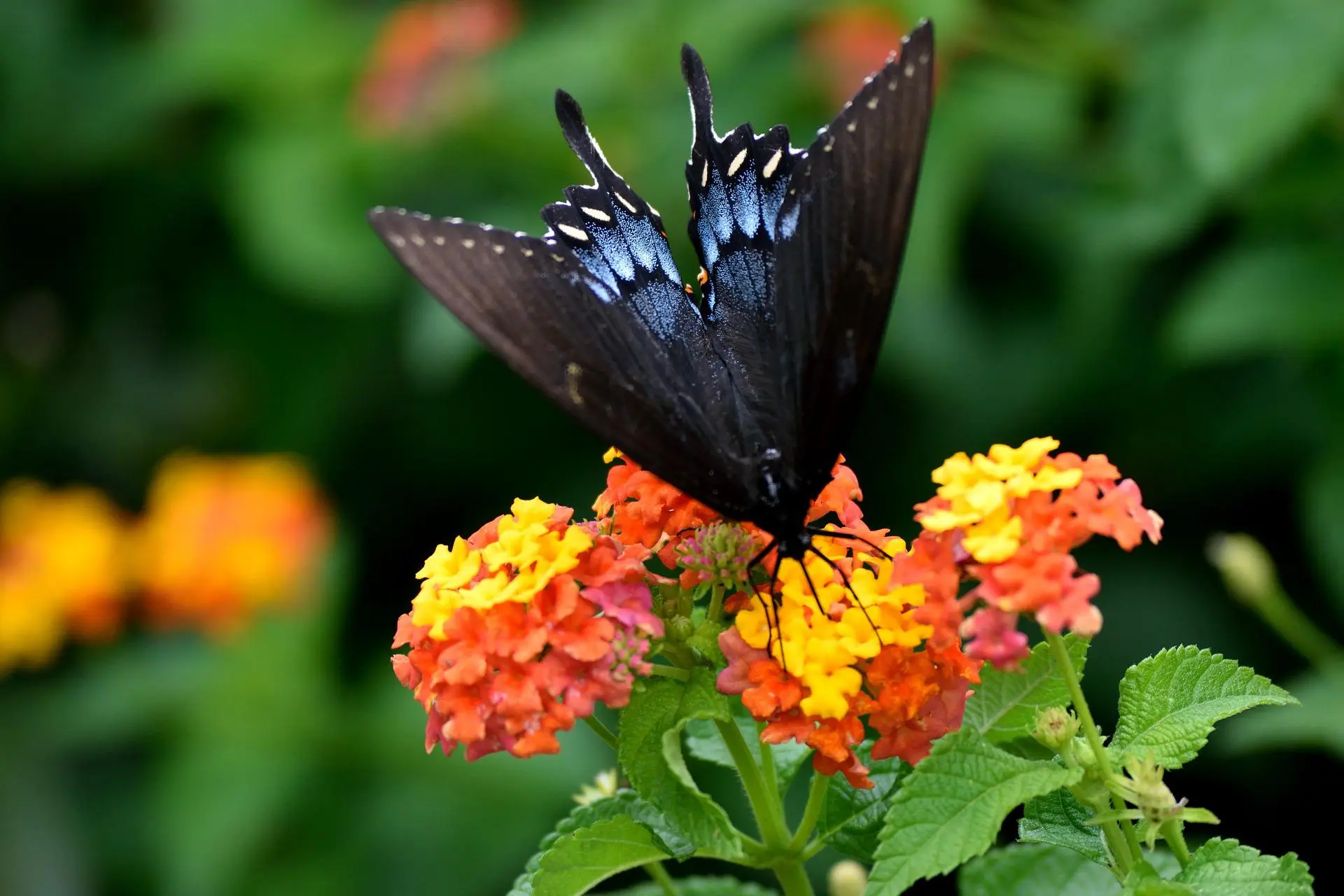
Goldenrod is best known for its sunny yellow spires appearing in late summer meadows and road sides. Although naturalized cultivars can be garden thugs, better behaved varieties (S. drummondii, S. flexicaulis) are now available (be sure to check the labels). Goldenrod is at home in pollinator, native, and butterfly gardens, meadows and naturalized areas. Plants produce abundant nectar, especially in wet summers, supporting Wavy-lined Emerald moth (Synchlora aerata) larvae, butterflies, wasps, and many specialized bees. Plants are drought and deer resistant. Fun fact: Goldenrod has a bad rap with hay fever sufferers: Ragweed, which blooms at the same time, is the real culprit!
How to Grow Goldenrod
Quick Info


Put away the pen and paper
Plan your veggie garden in minutes with Planter's easy drag and drop planner.
Try Planter for Free
Related Articles
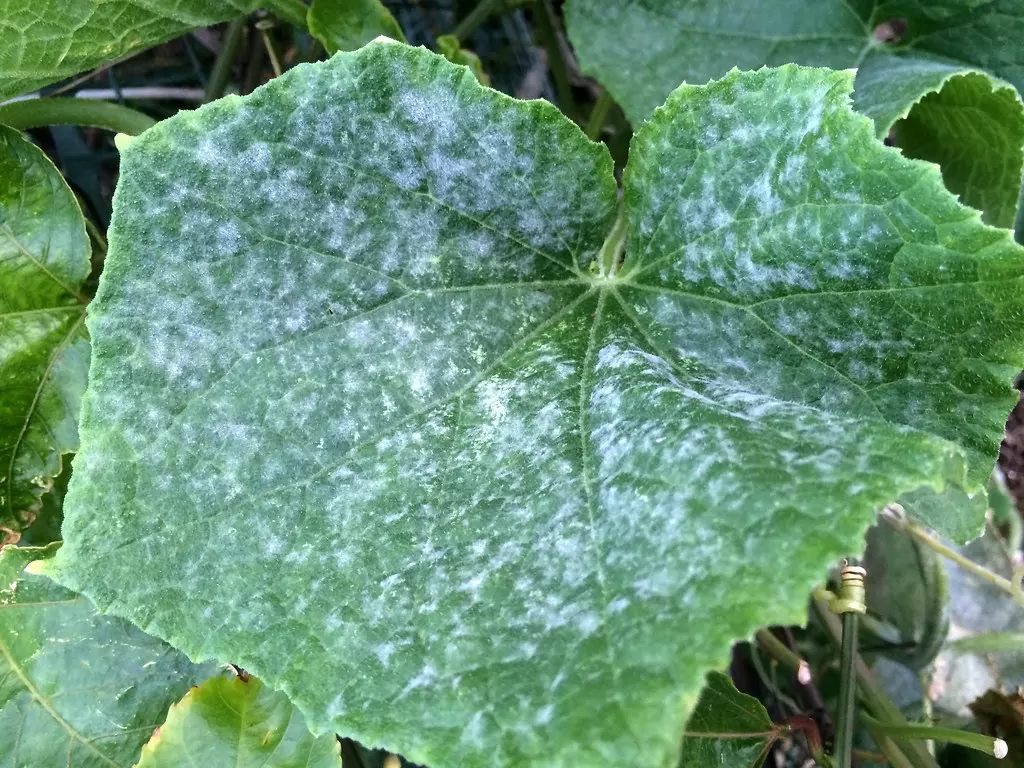
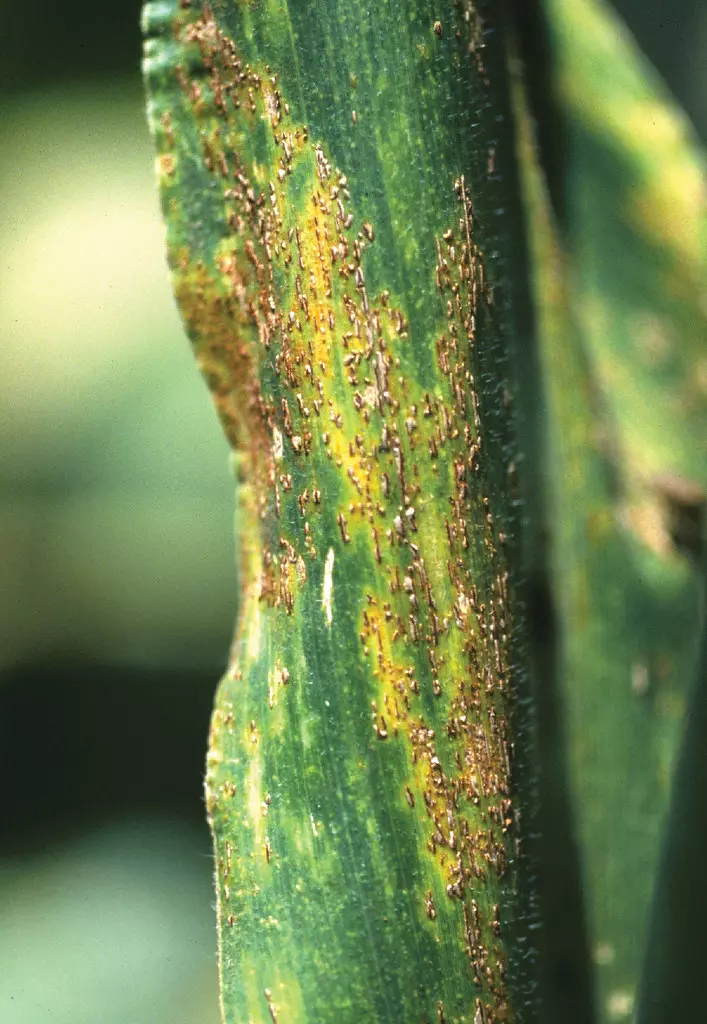
Diseases
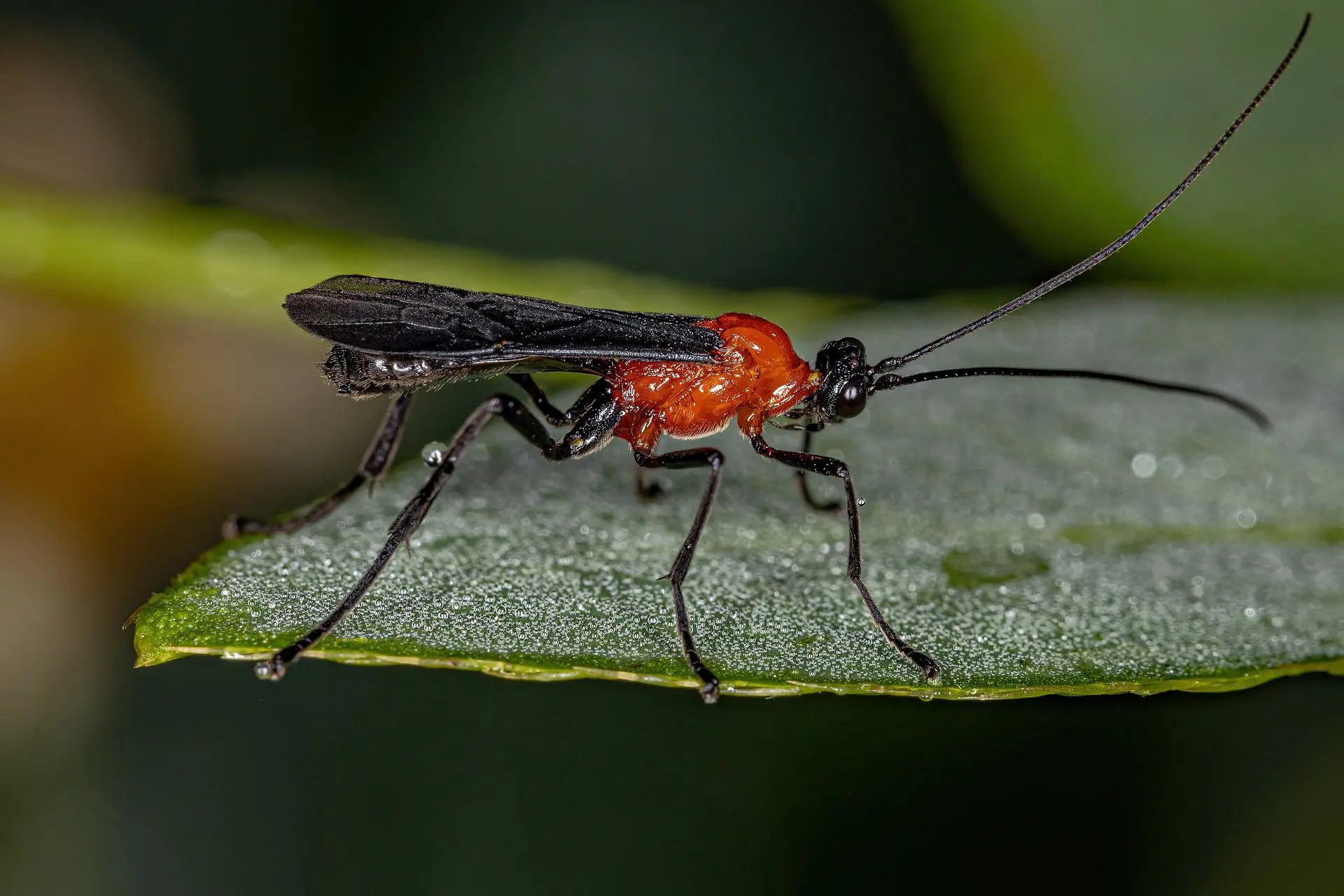
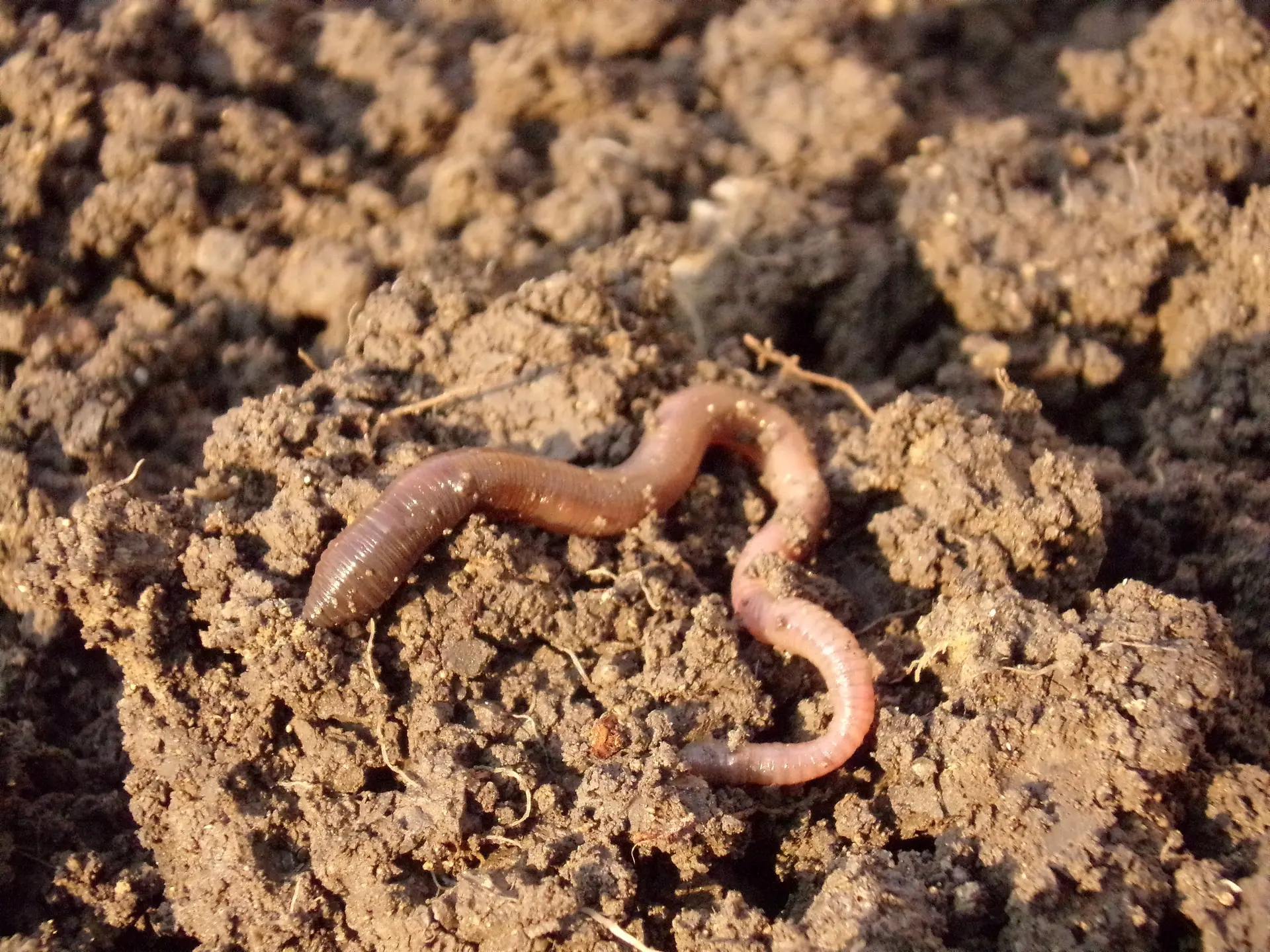
Beneficial Critters
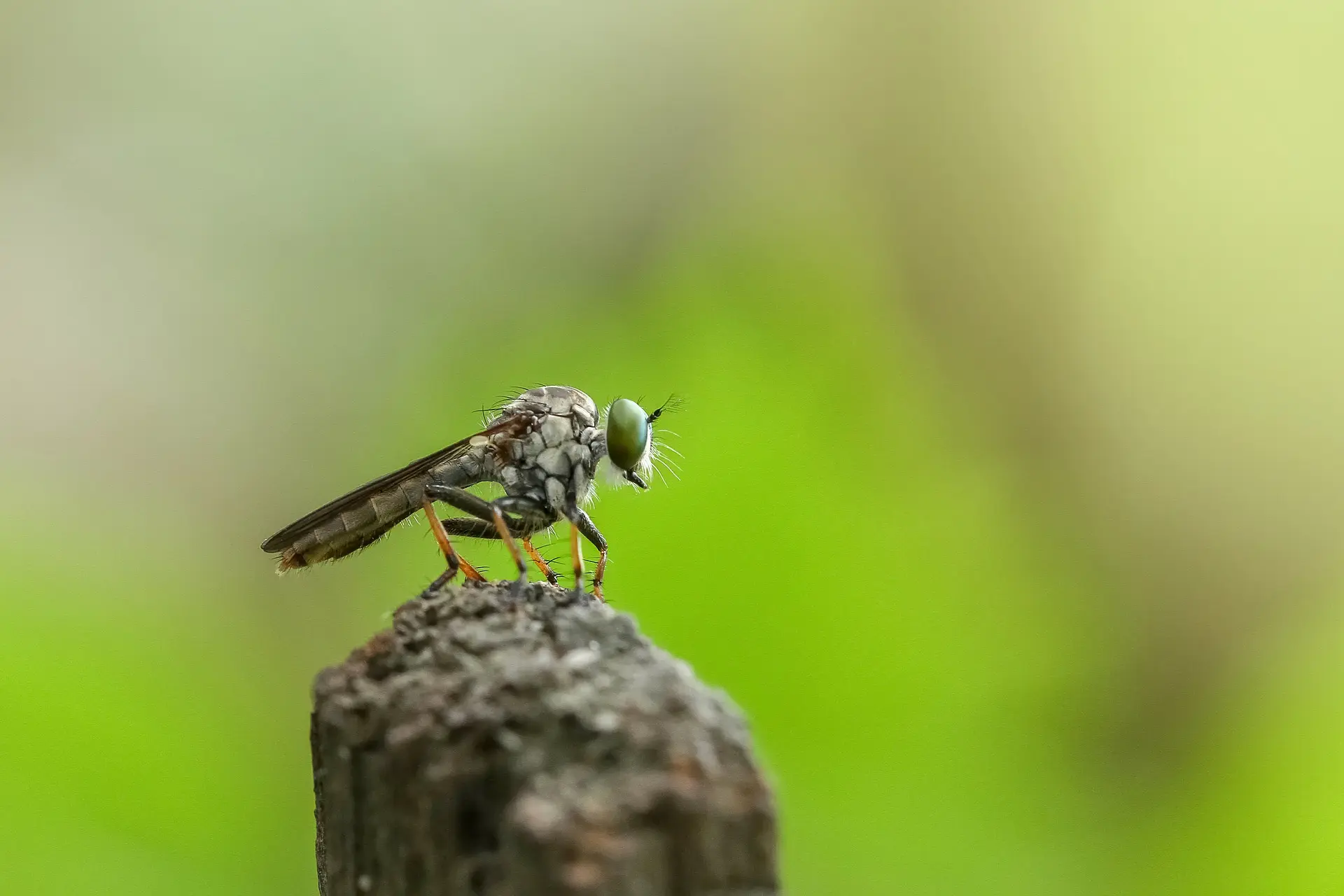
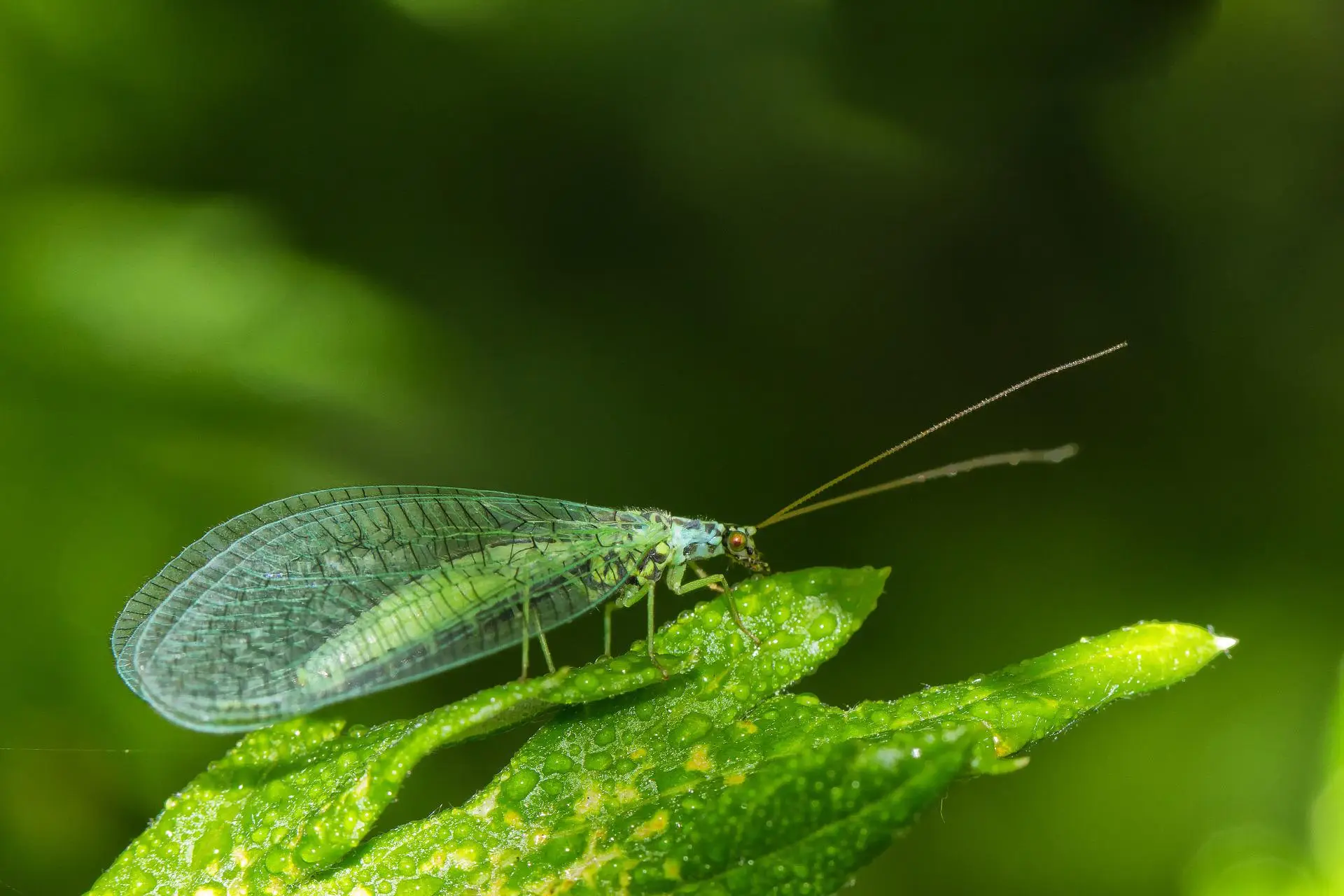
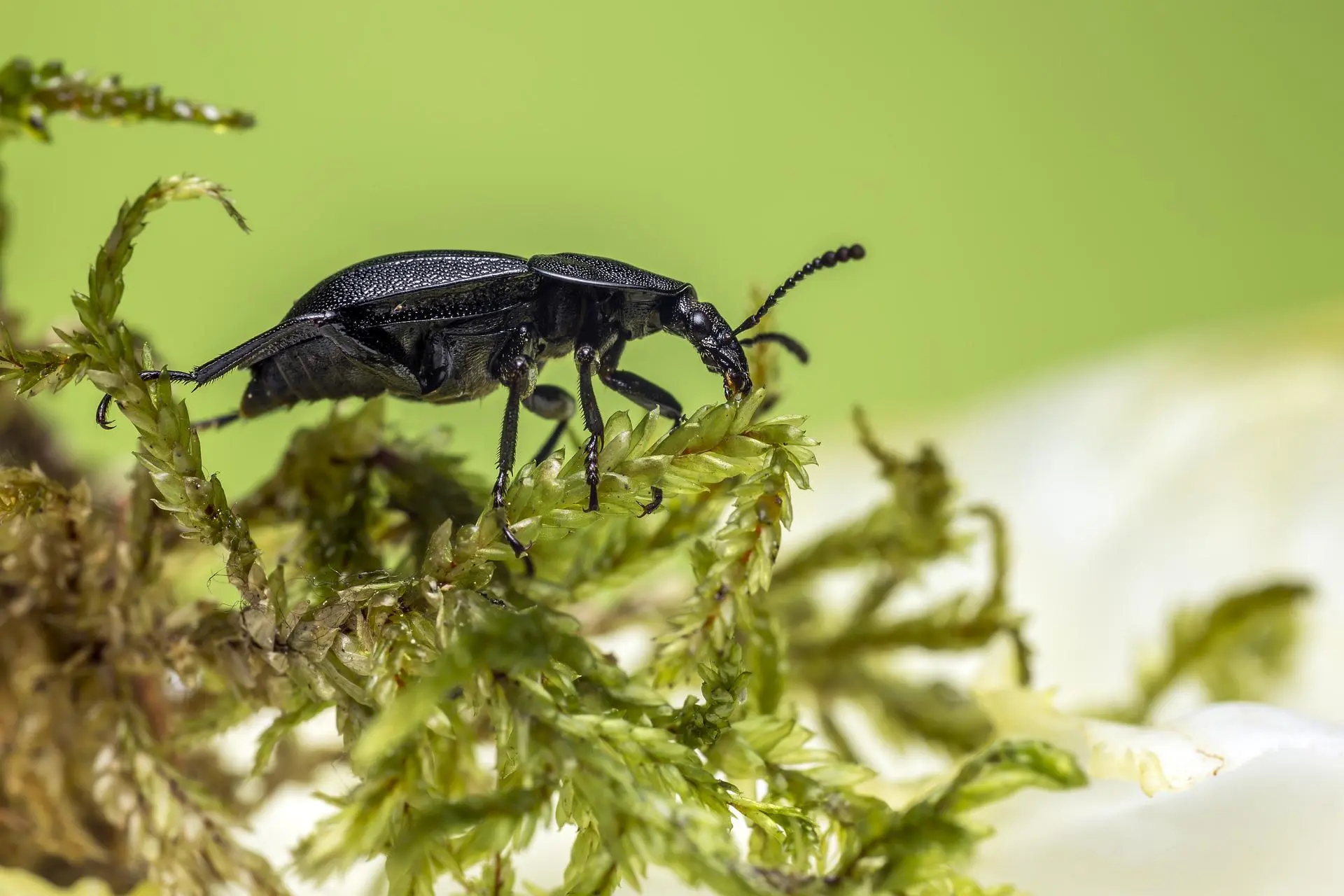
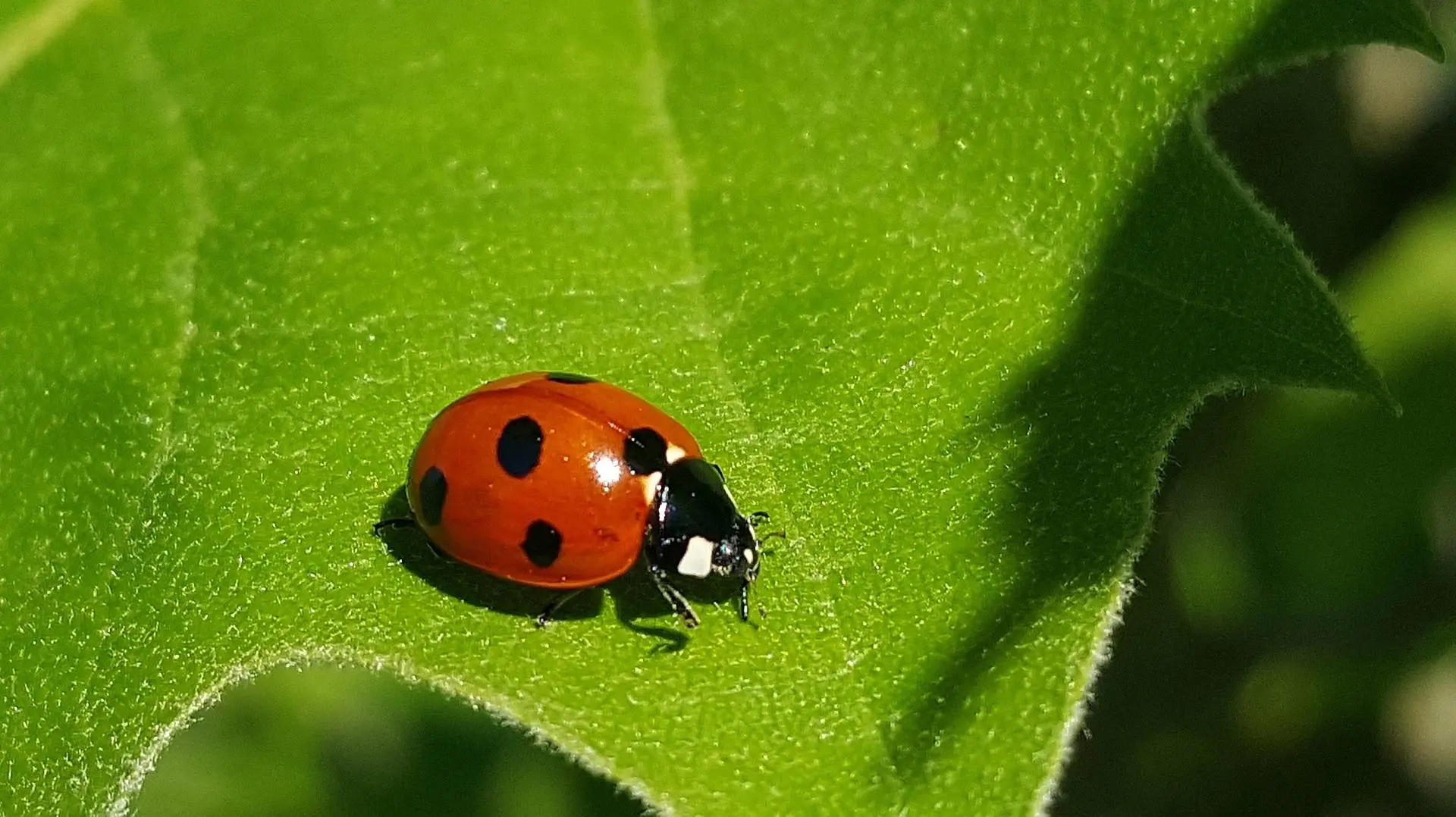
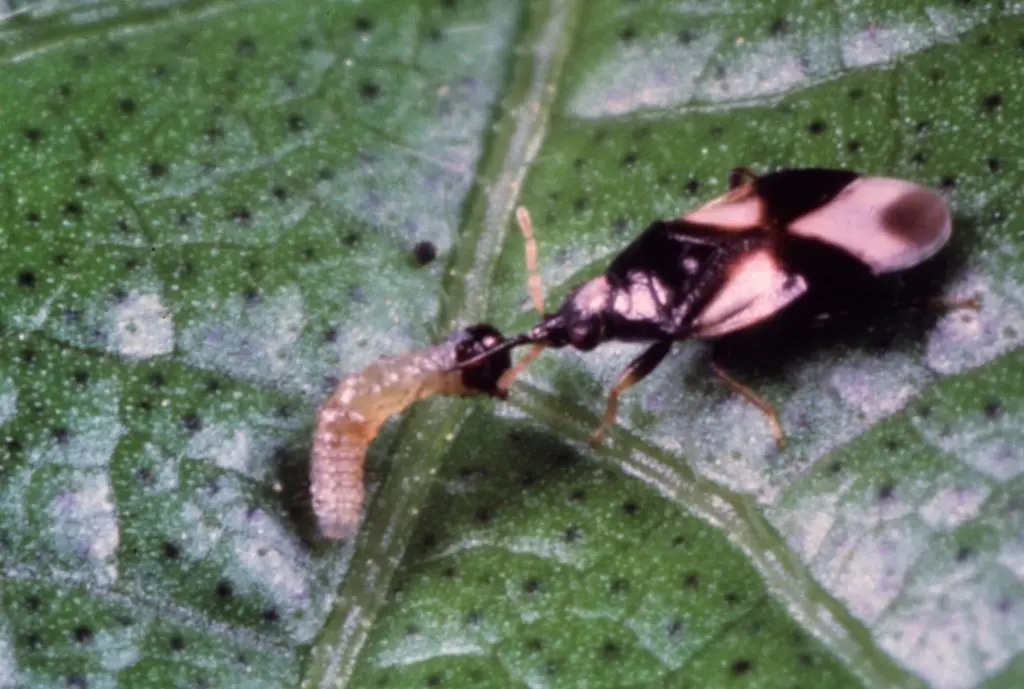
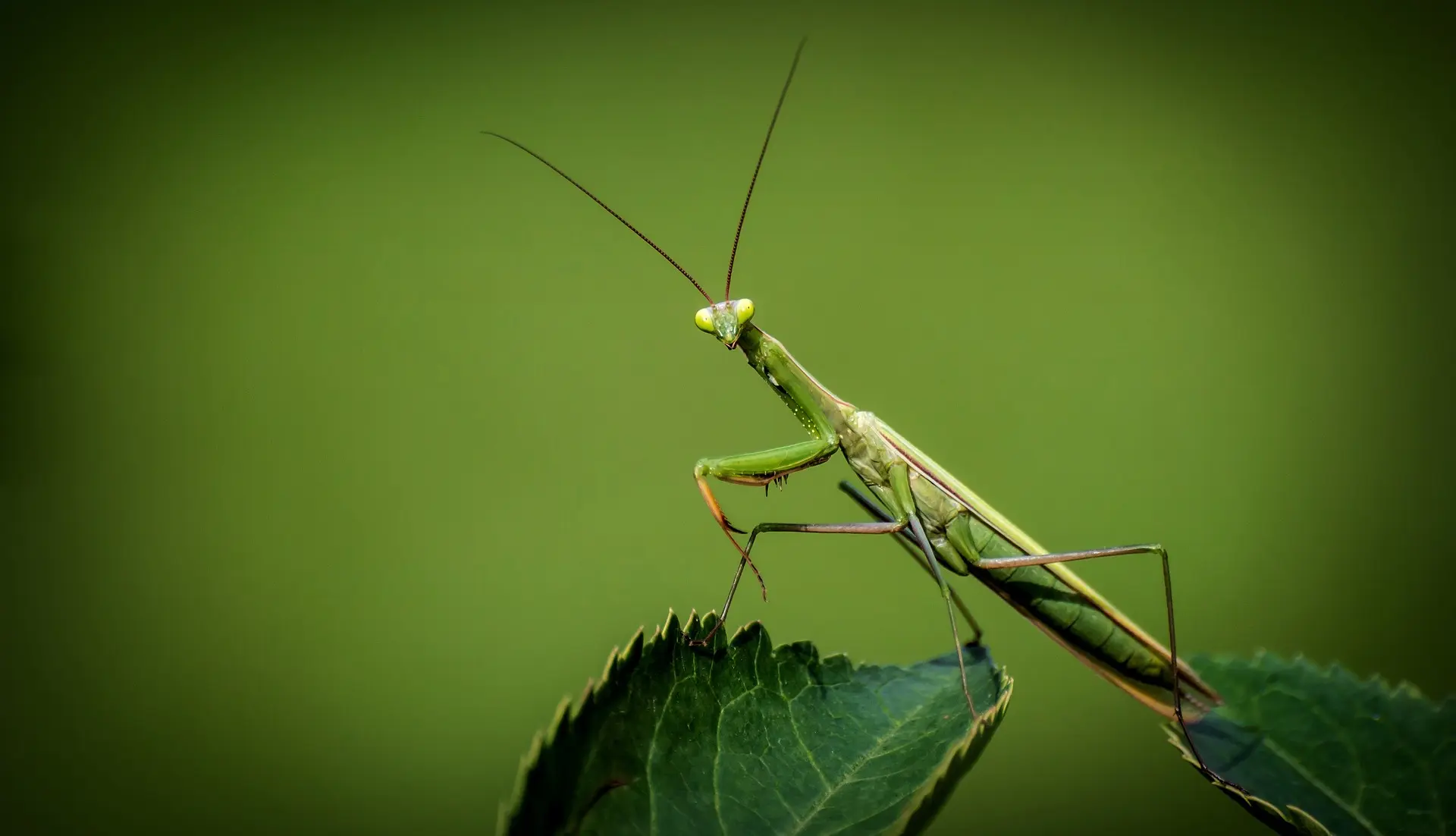
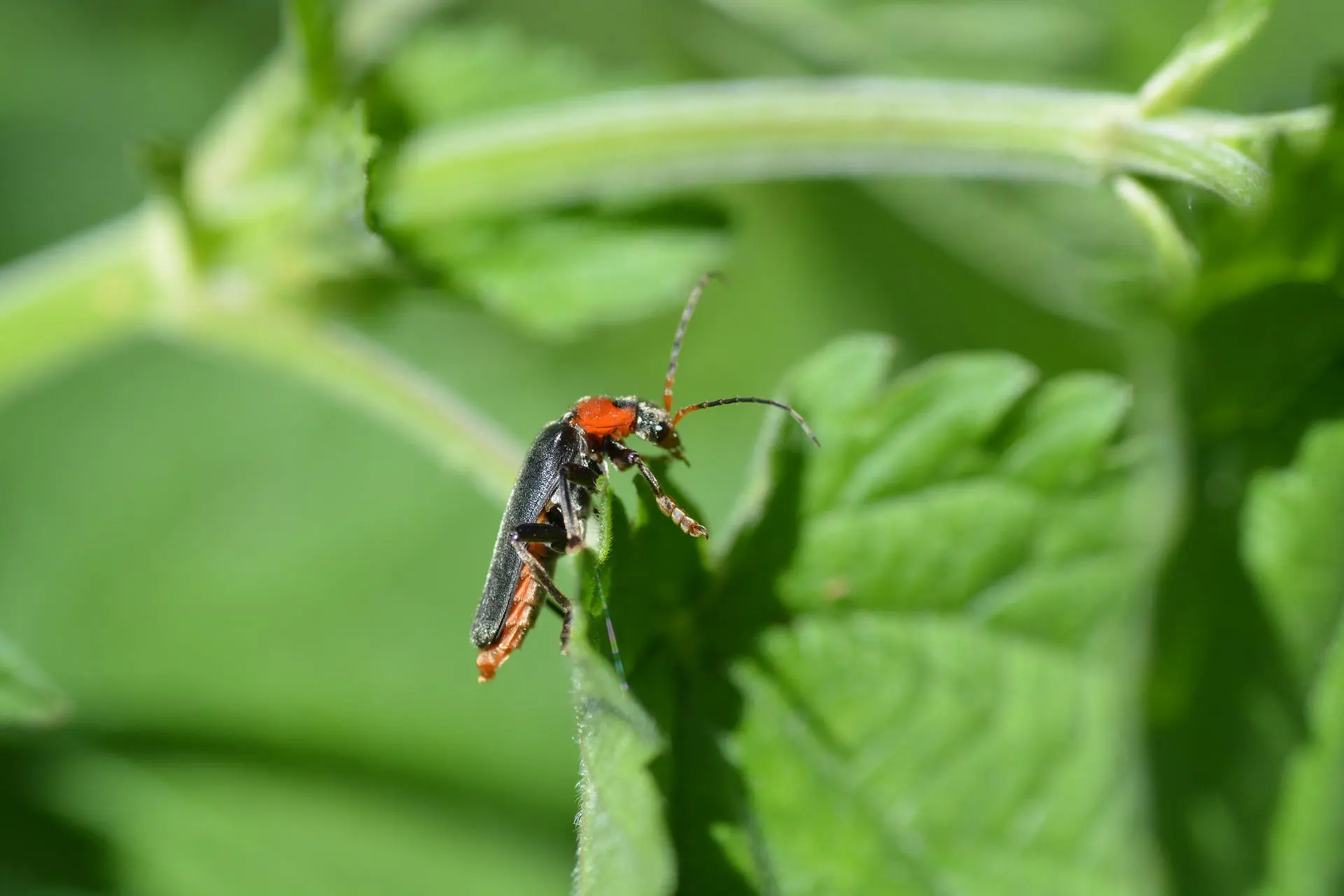
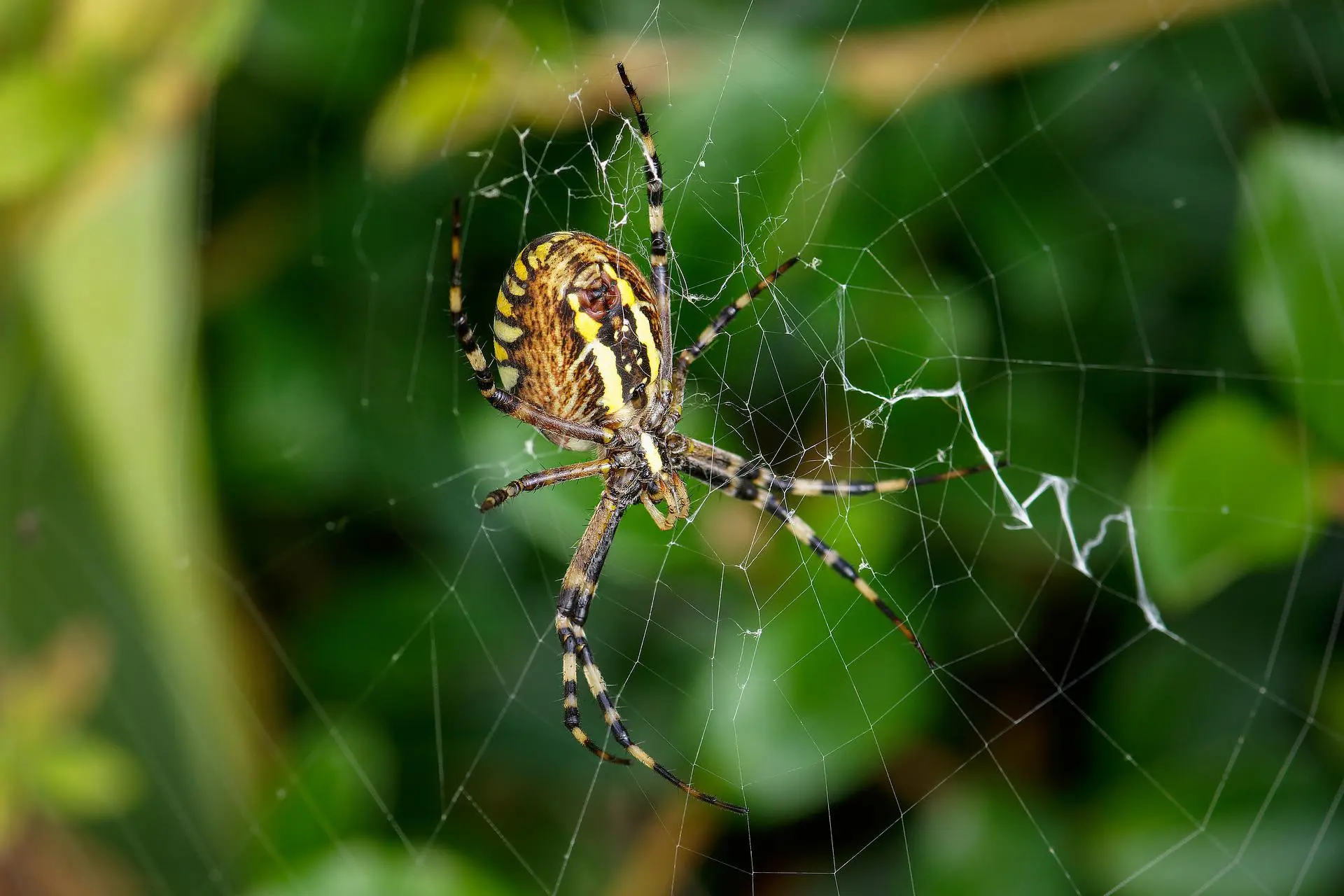
Growing from Seed
Propagation is generally through division, stem, and root cuttings. Seeds need a winter or cold period to germinate (stratification) - a minimum of 60 days below 40°F (4°C) in moist soil (or sand or vermiculite). Sow outdoors in pots November through February. When seedlings are 2-4" (5-10 cm) tall, transplant into prepared bed.
Planting Considerations
Plants prefer organic, moist soil, but will do well in clay, sandy, or rocky soils.
Feeding
Fertilizing is not necessary.
Harvesting
Cut stems when flowers at tip of spire open.
Pruning
Divide aggressive cultivars every 2-3 years.
Herbal Use
Native Americans used goldenrod for medicinal purposes. They made tea to reduce fever, as a poultice for bee stings, and some chewed the flowers to treat sore throats.