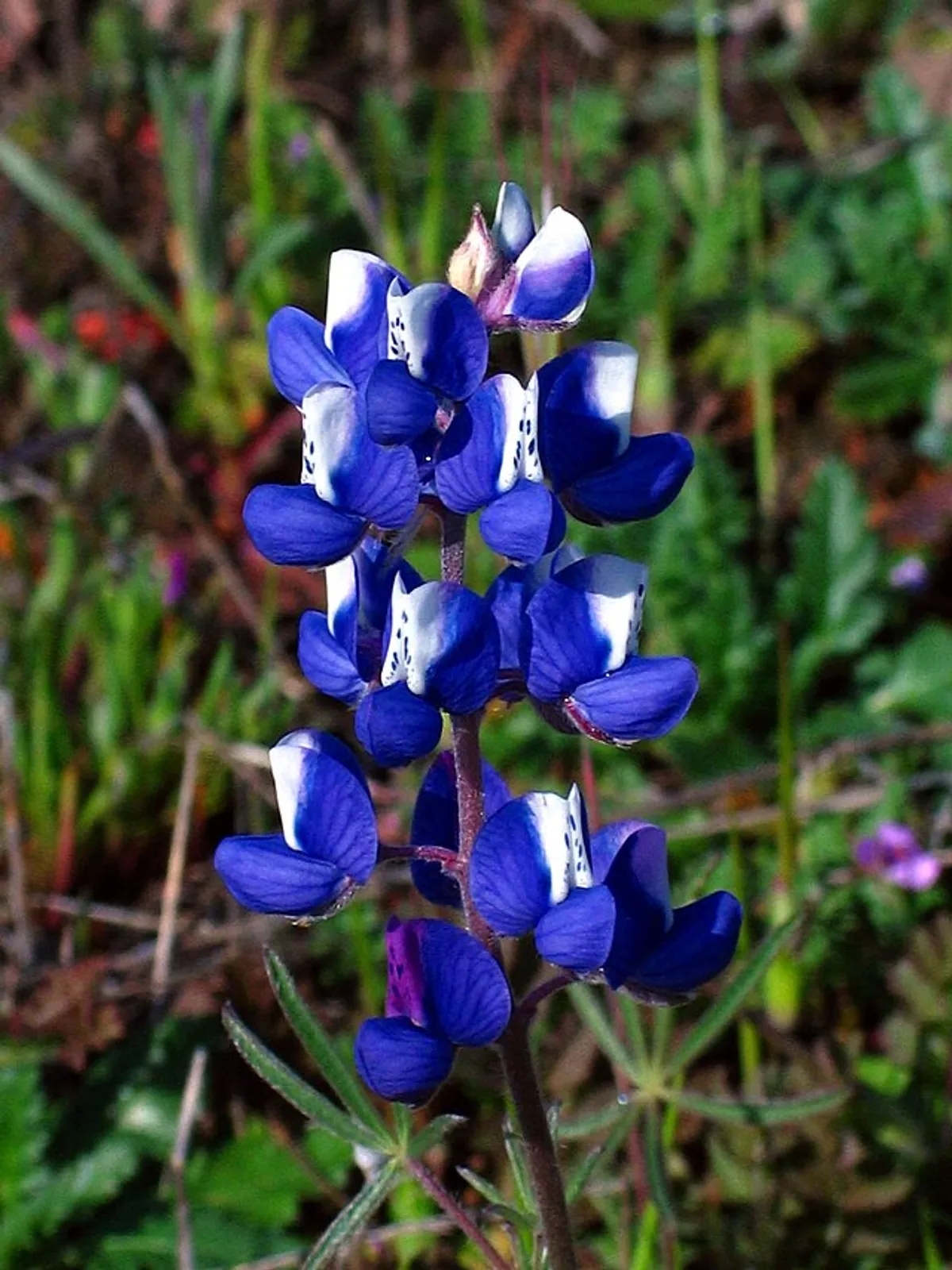
Lupine
Lupinus
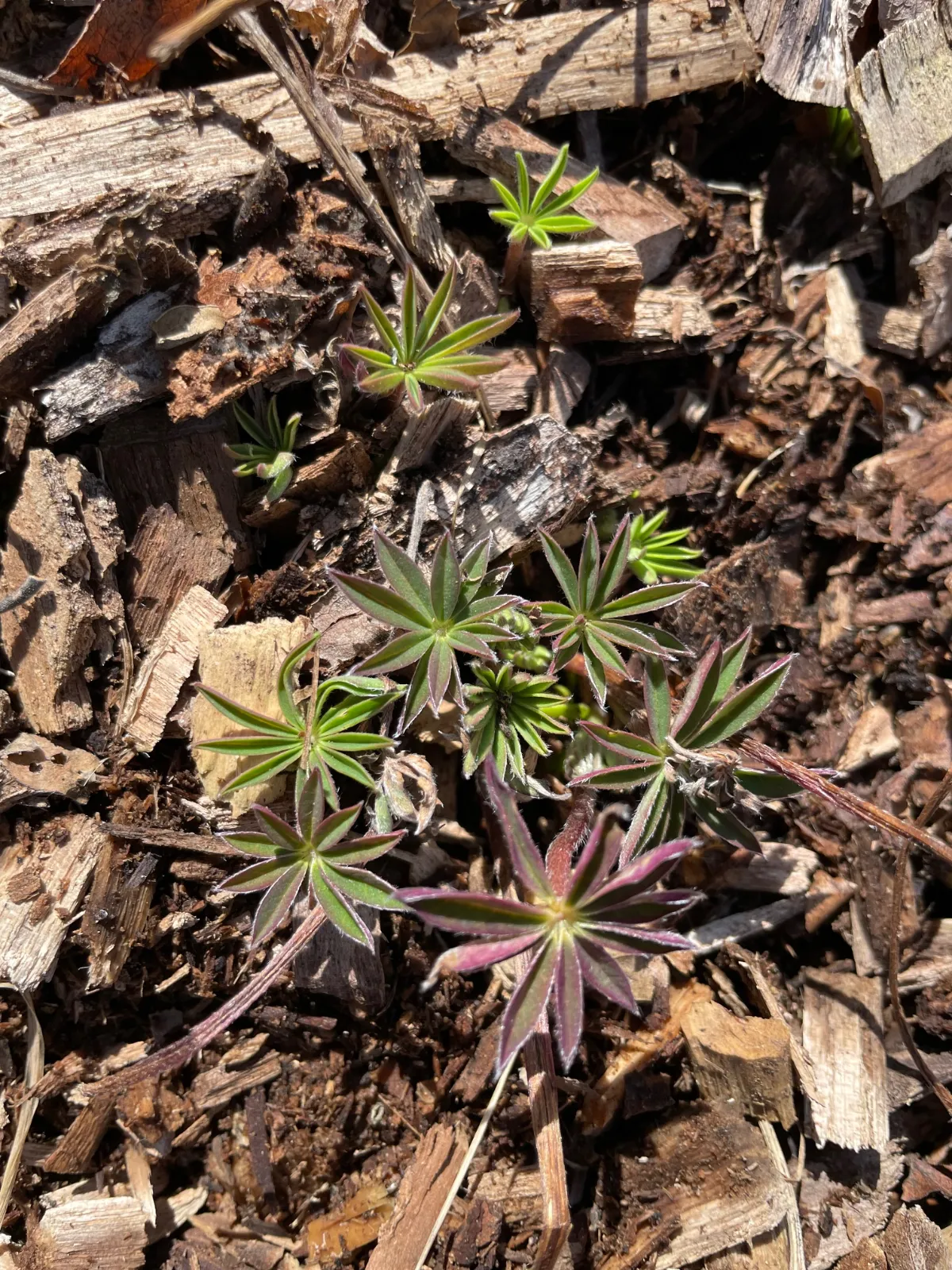
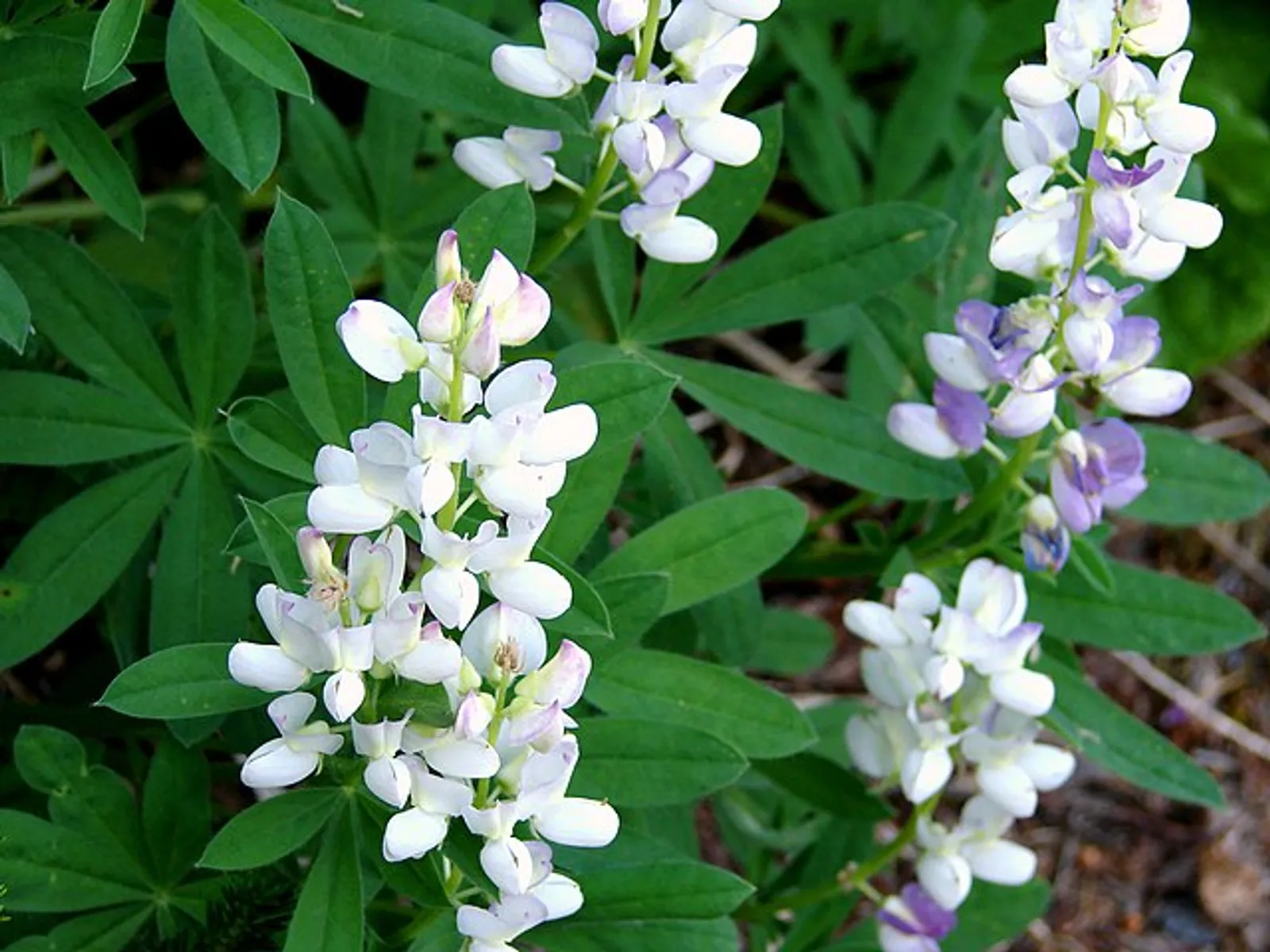
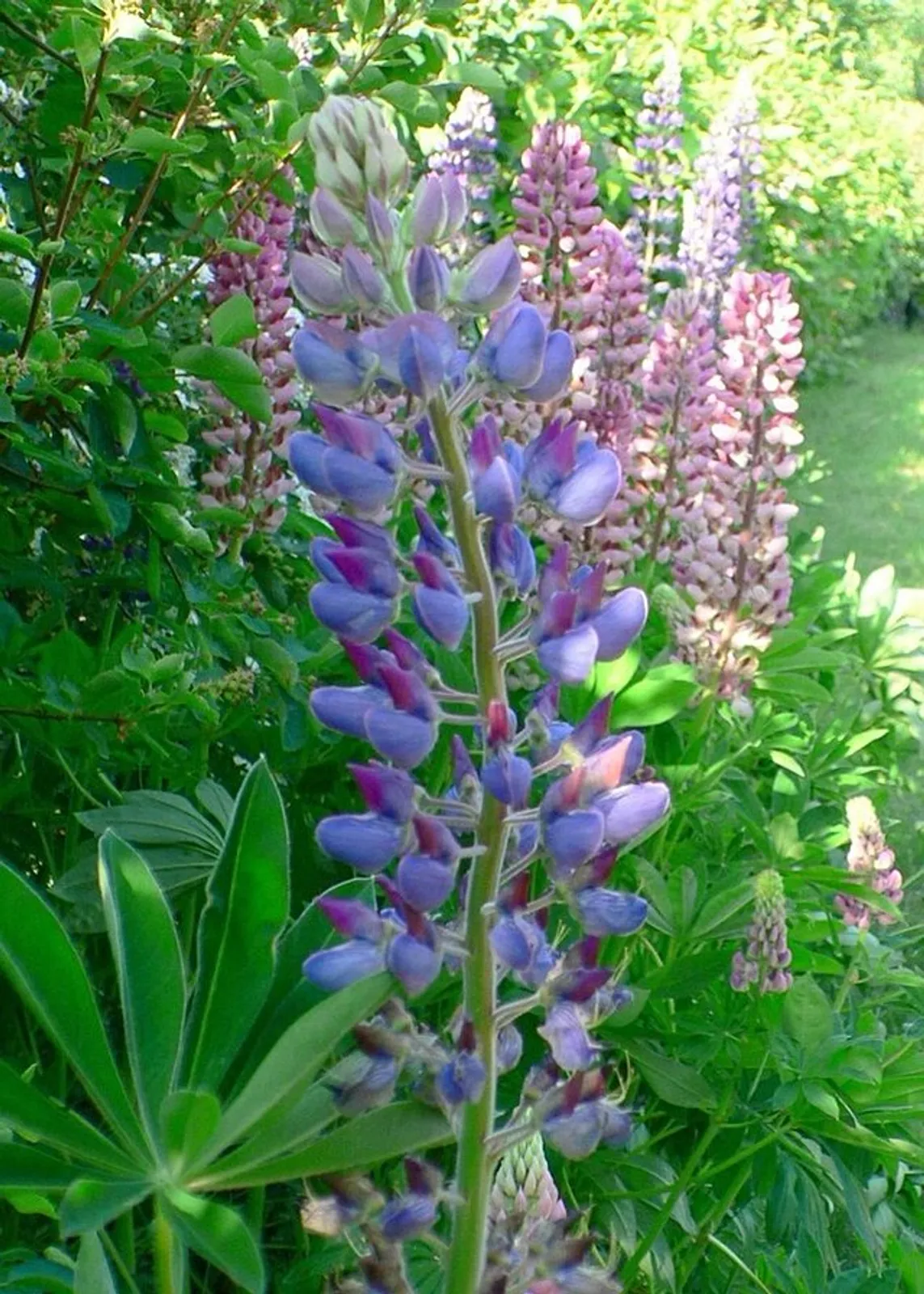
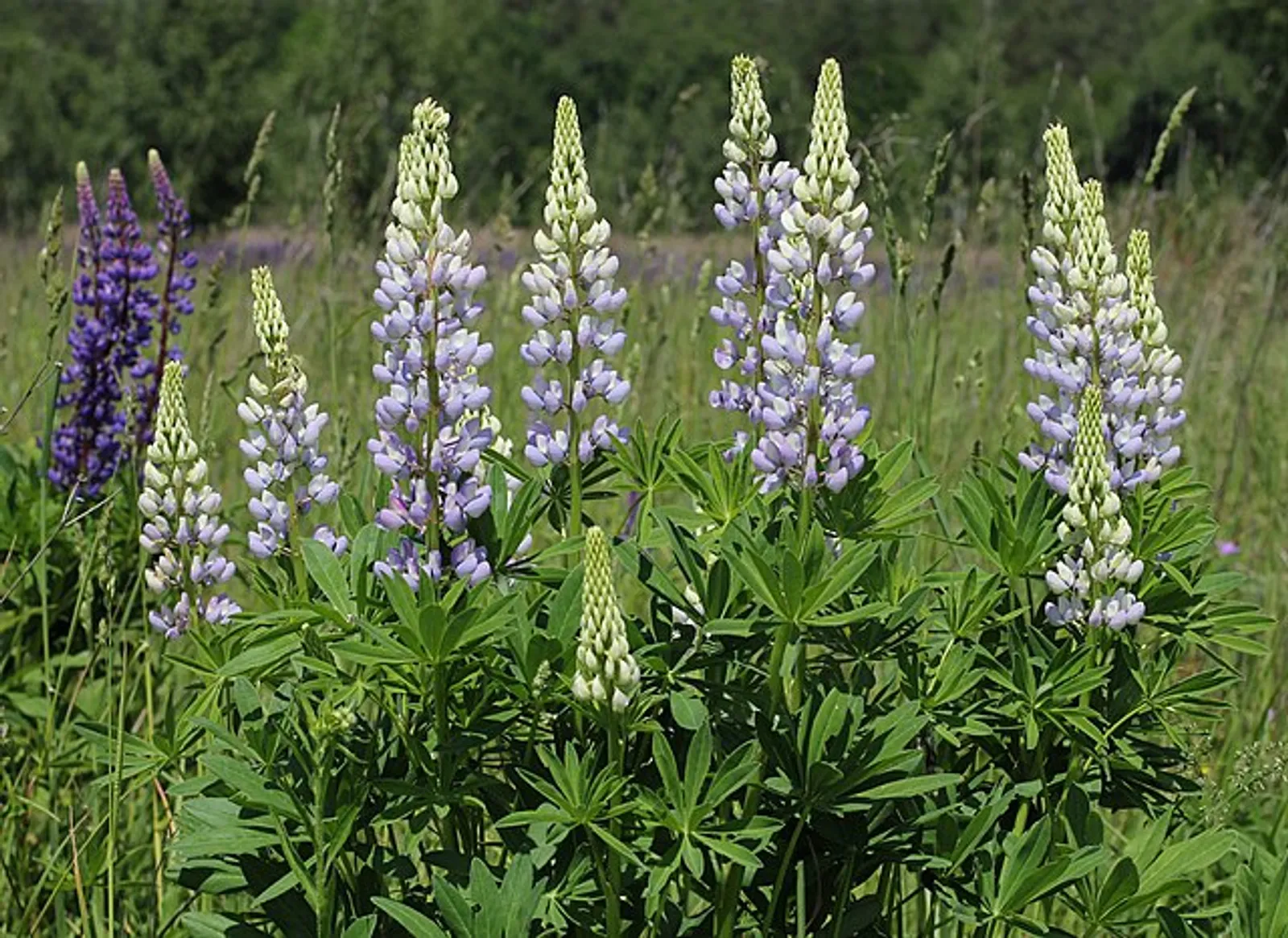
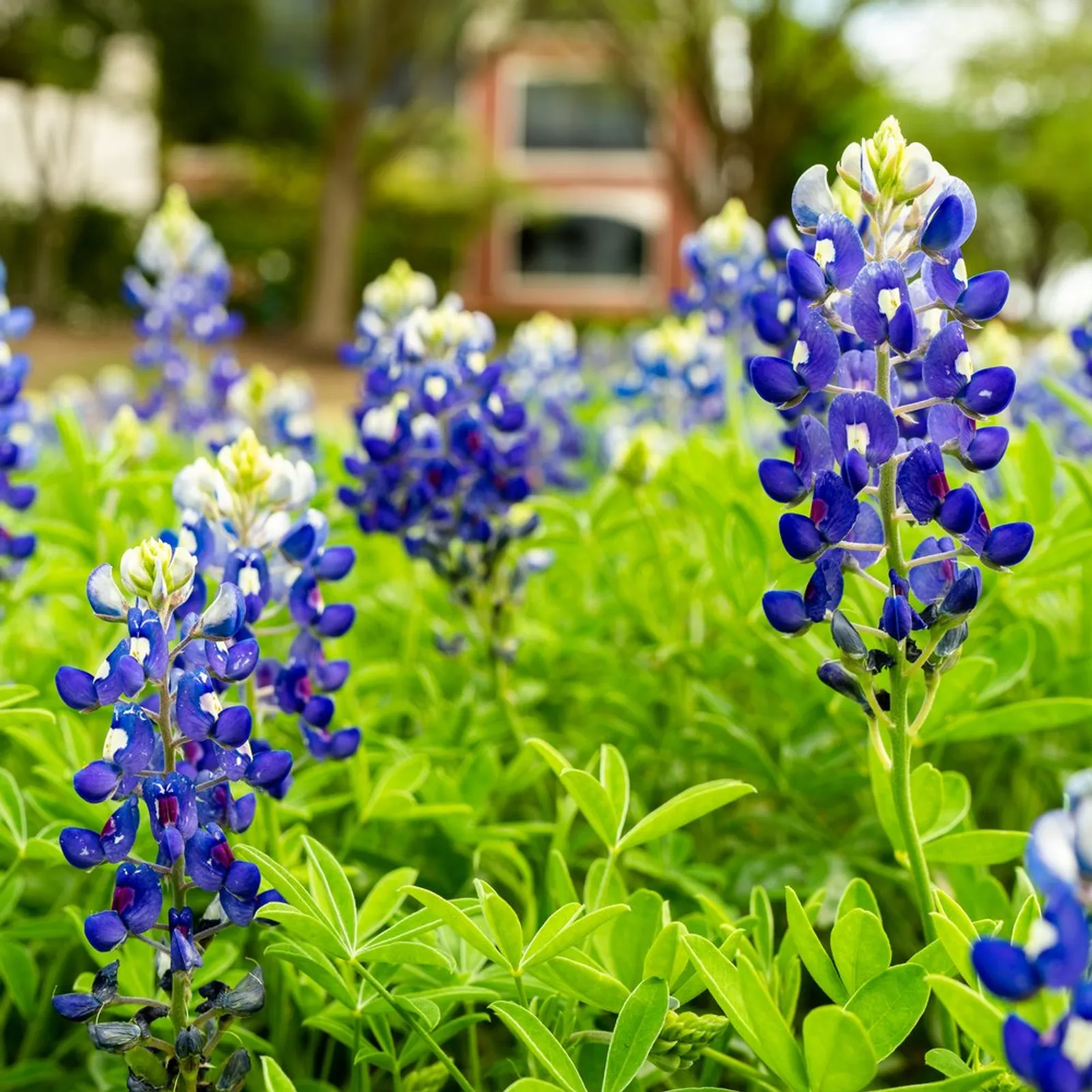
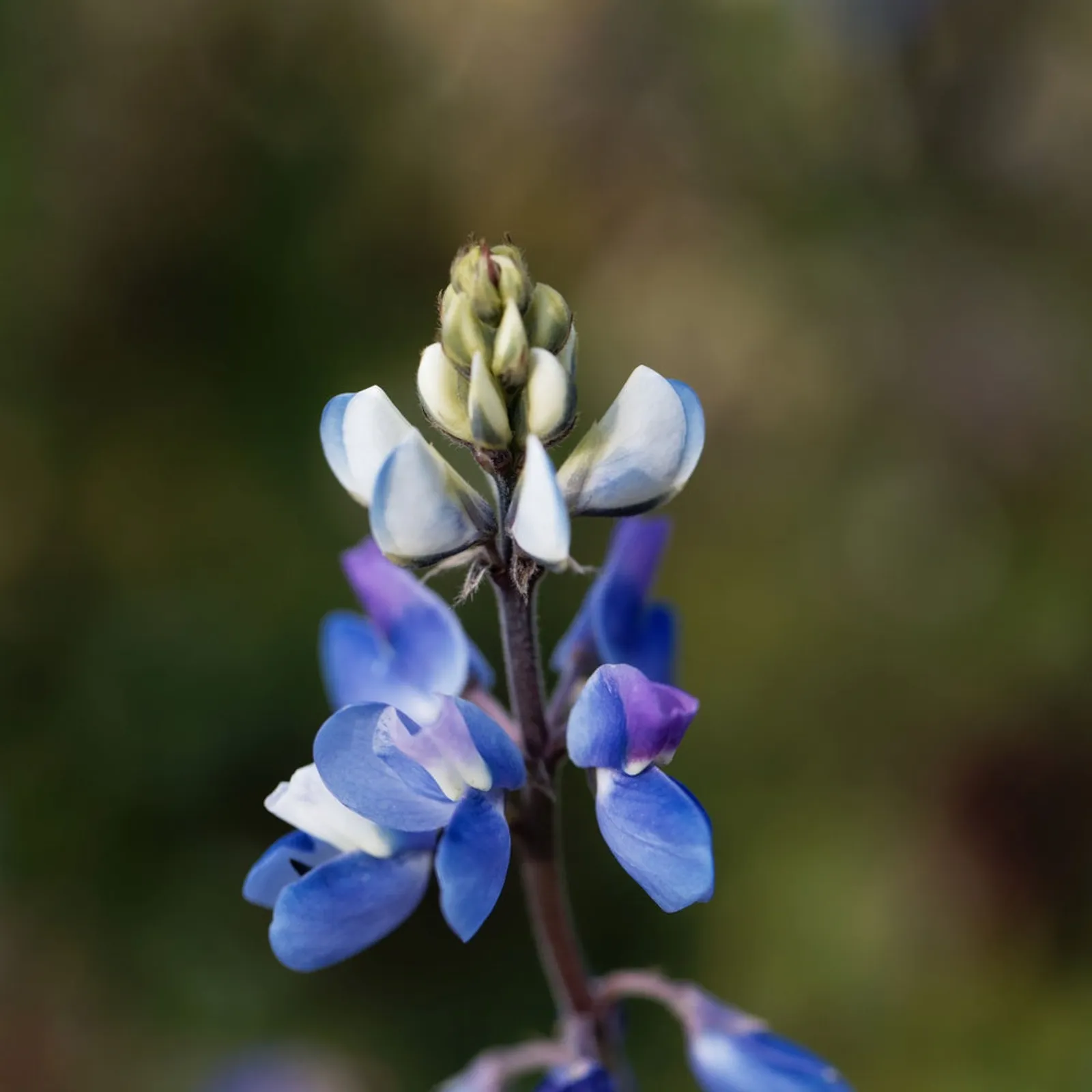
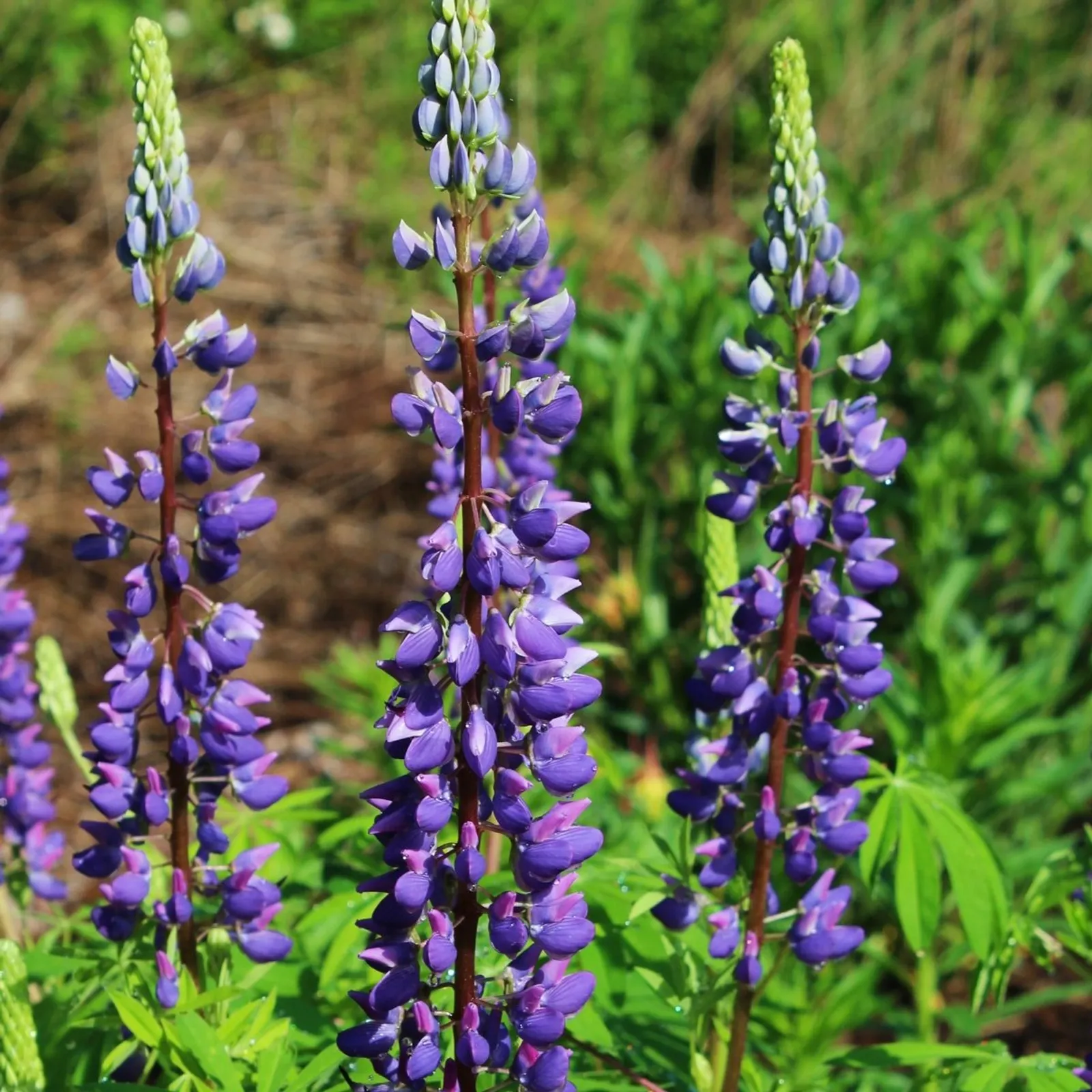
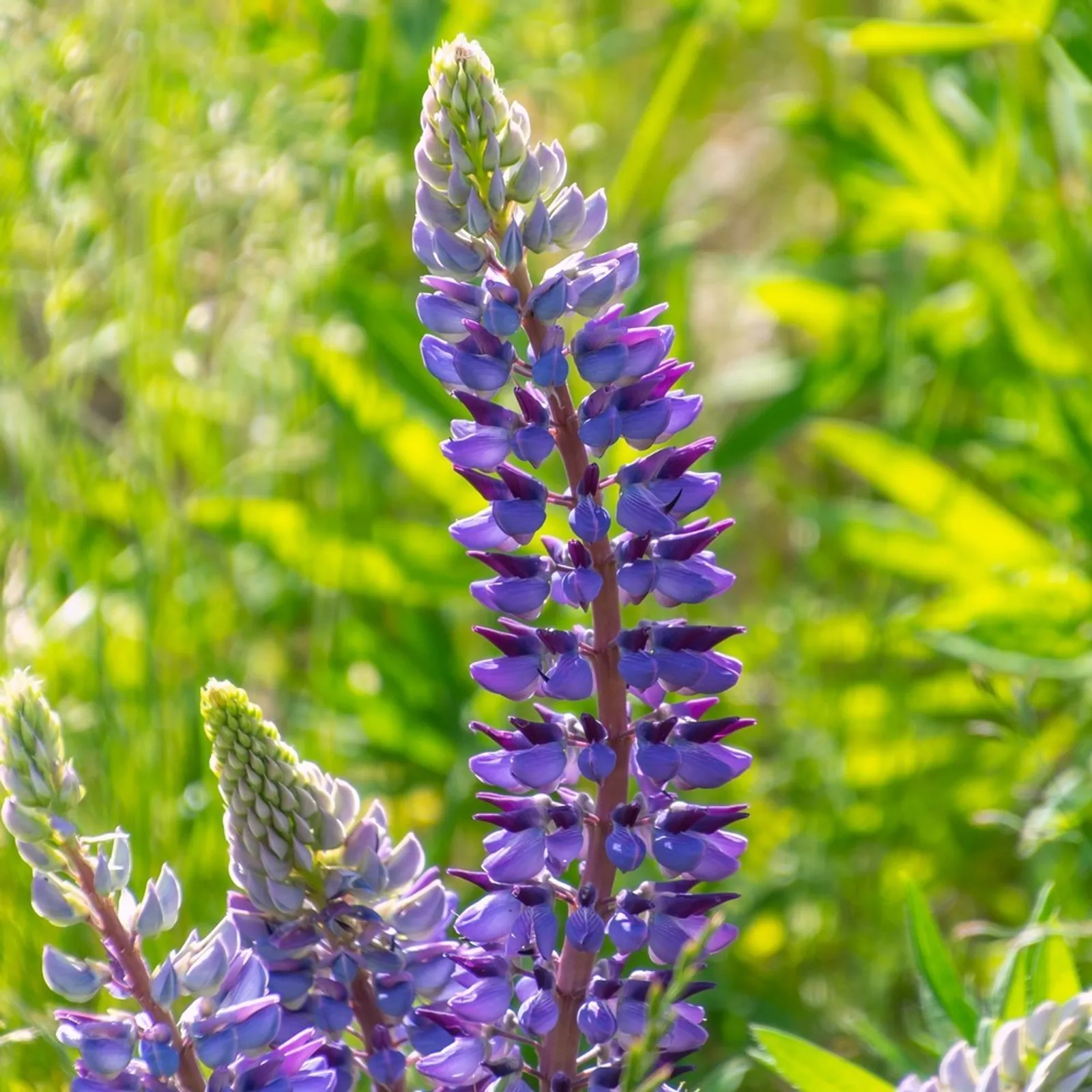
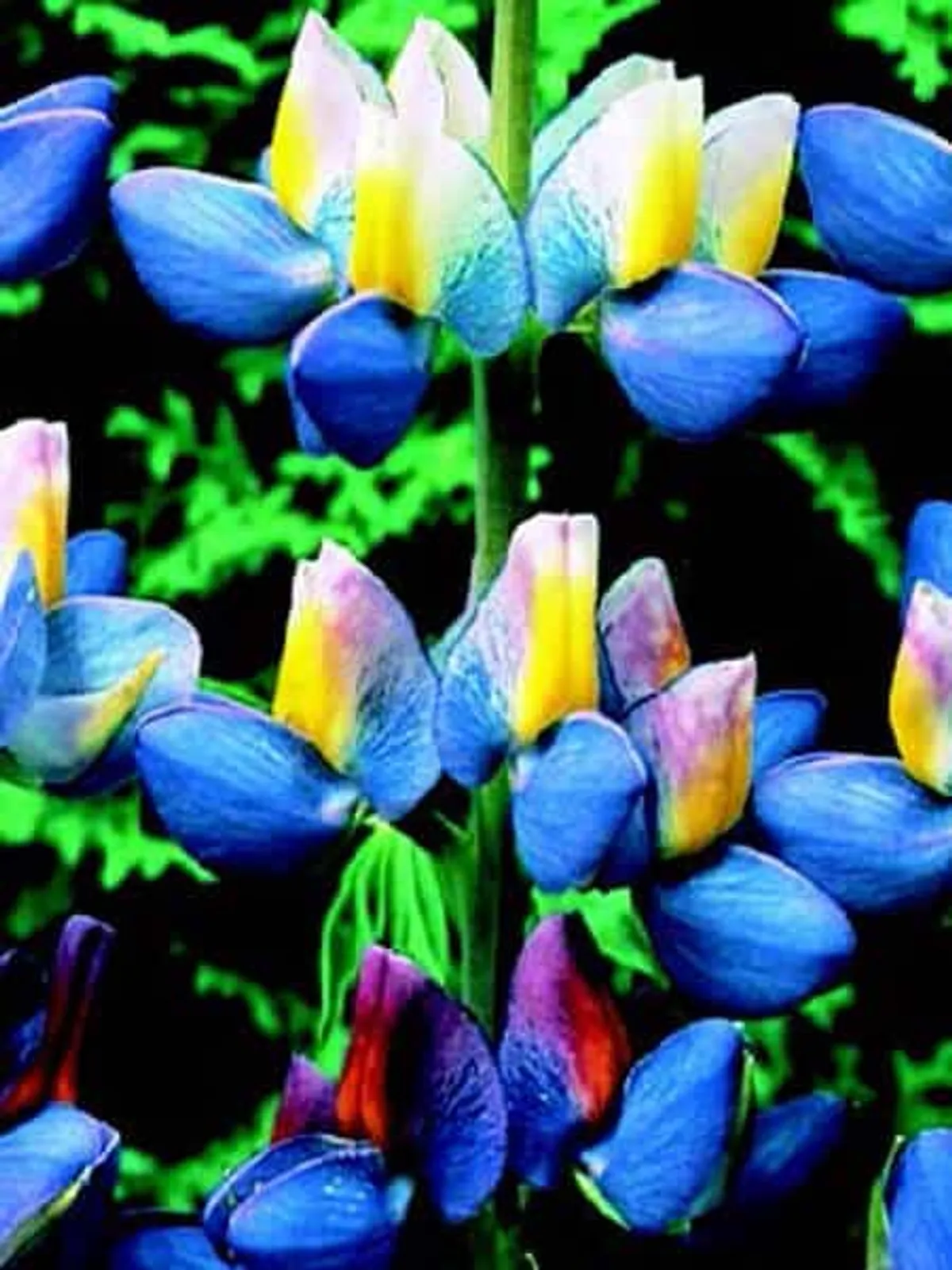
Lupines bloom in late spring/early summer, in pea-like, elongated clusters and require a cool climate. Naturalized lupines are usually blue, white, or purple, but garden varieties can be vivid yellow, pink, red, burgundy. Lupines are easily identified by their palmate, silvery gray-green leaves. Lupines look best in pollinator, perennial, and naturalized beds and are an excellent cut flower.
How to Grow Lupine
Quick Info


Put away the pen and paper
Plan your veggie garden in minutes with Planter's easy drag and drop planner.
Try Planter for Free
Varieties
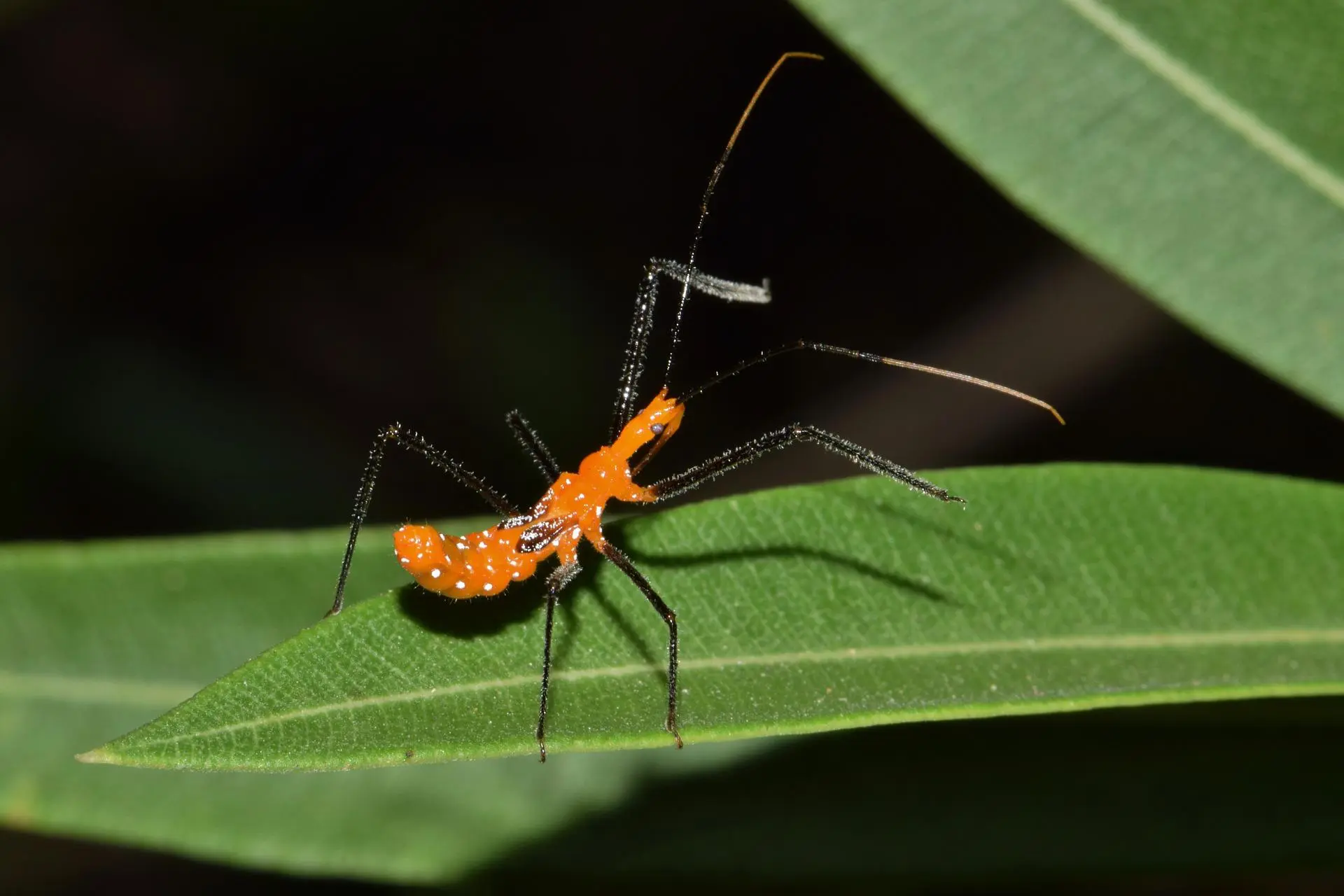
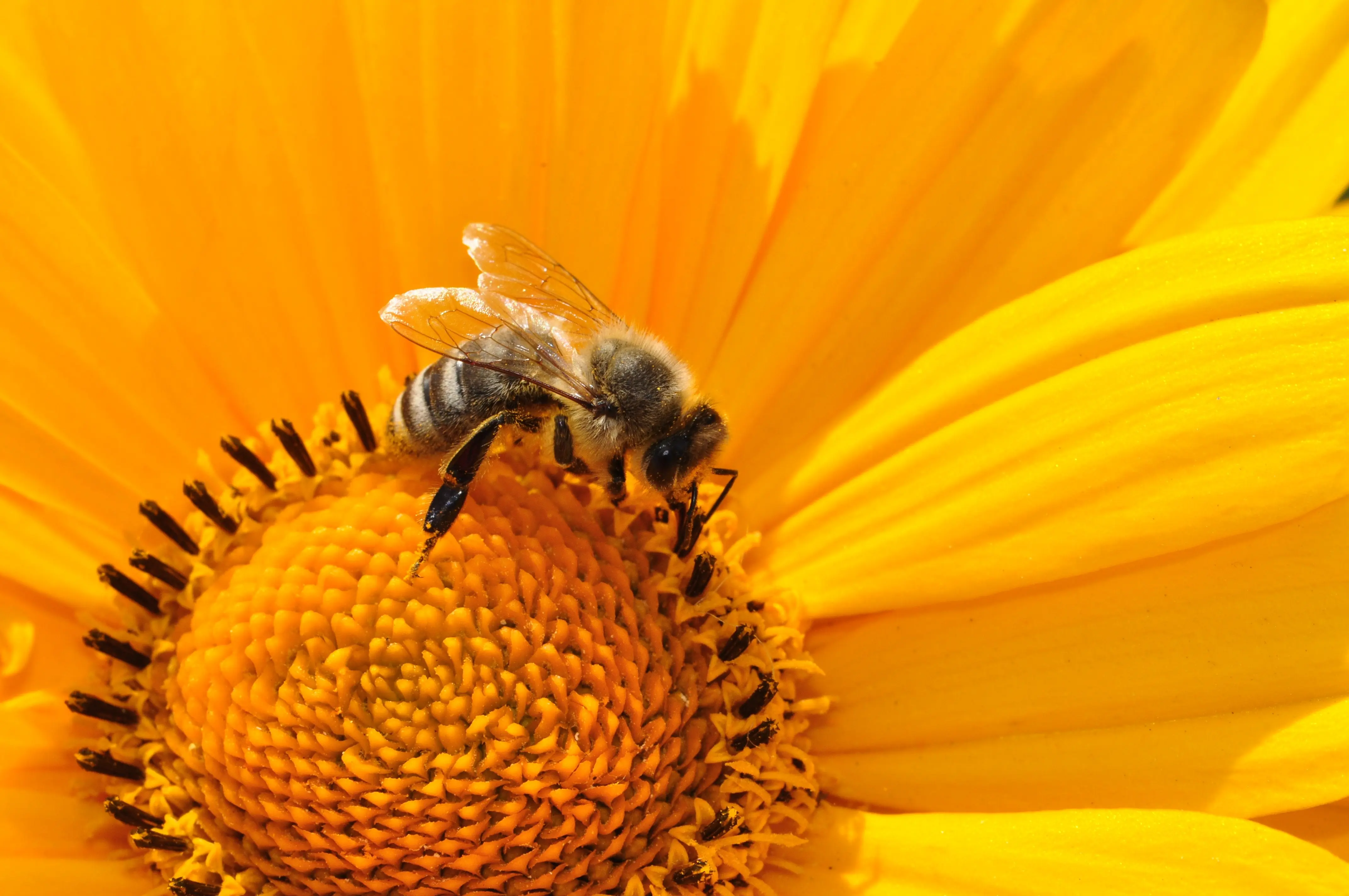
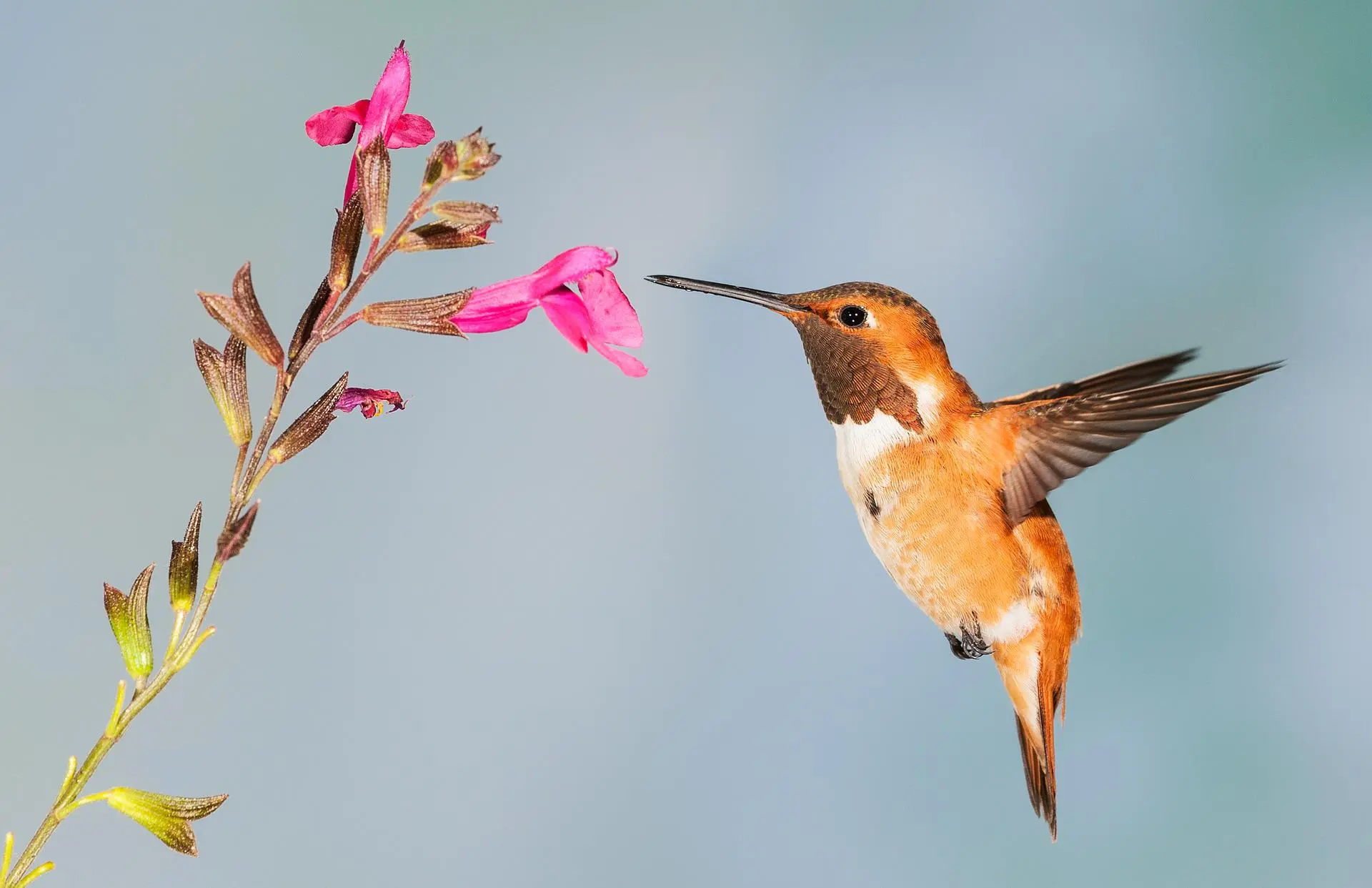
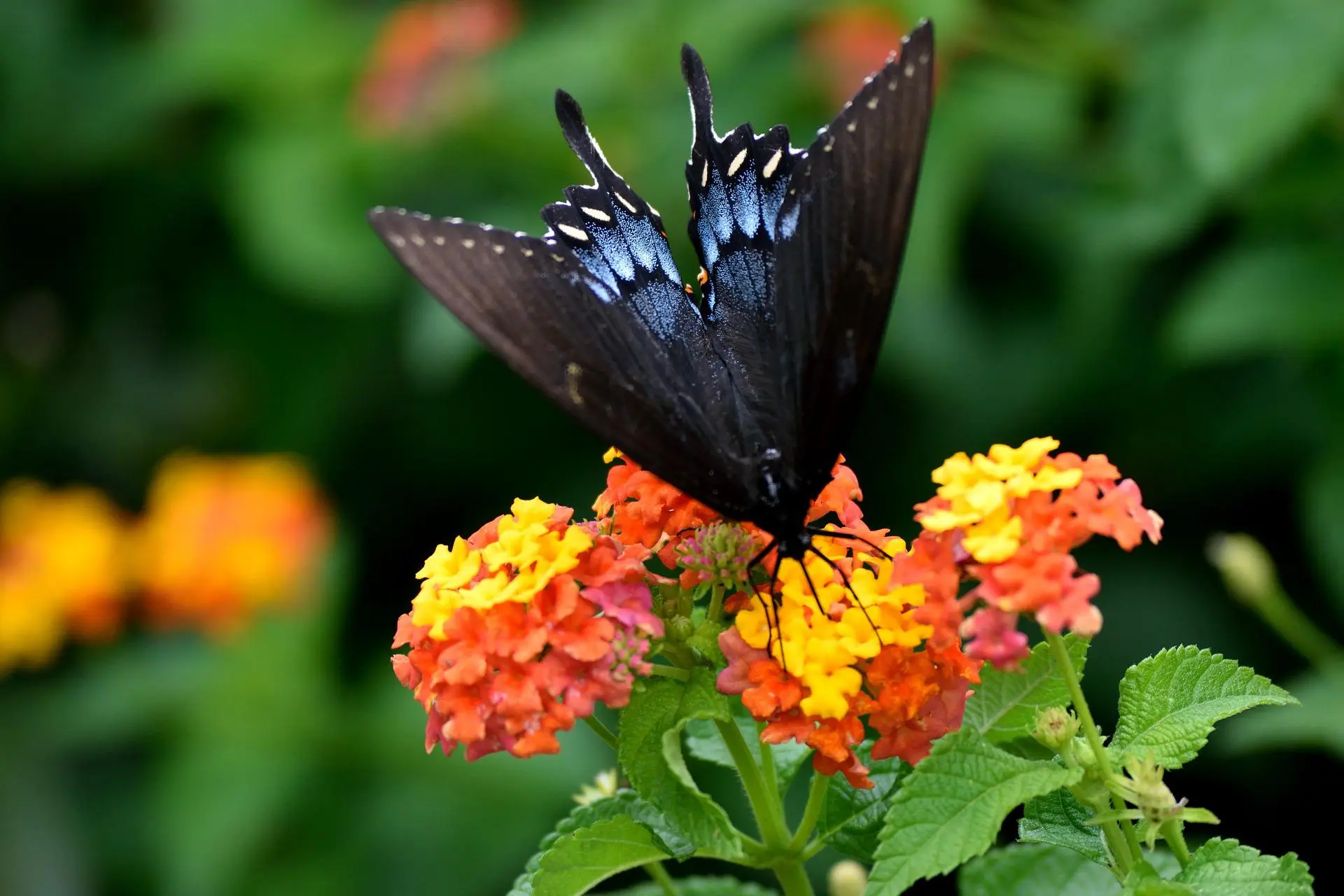
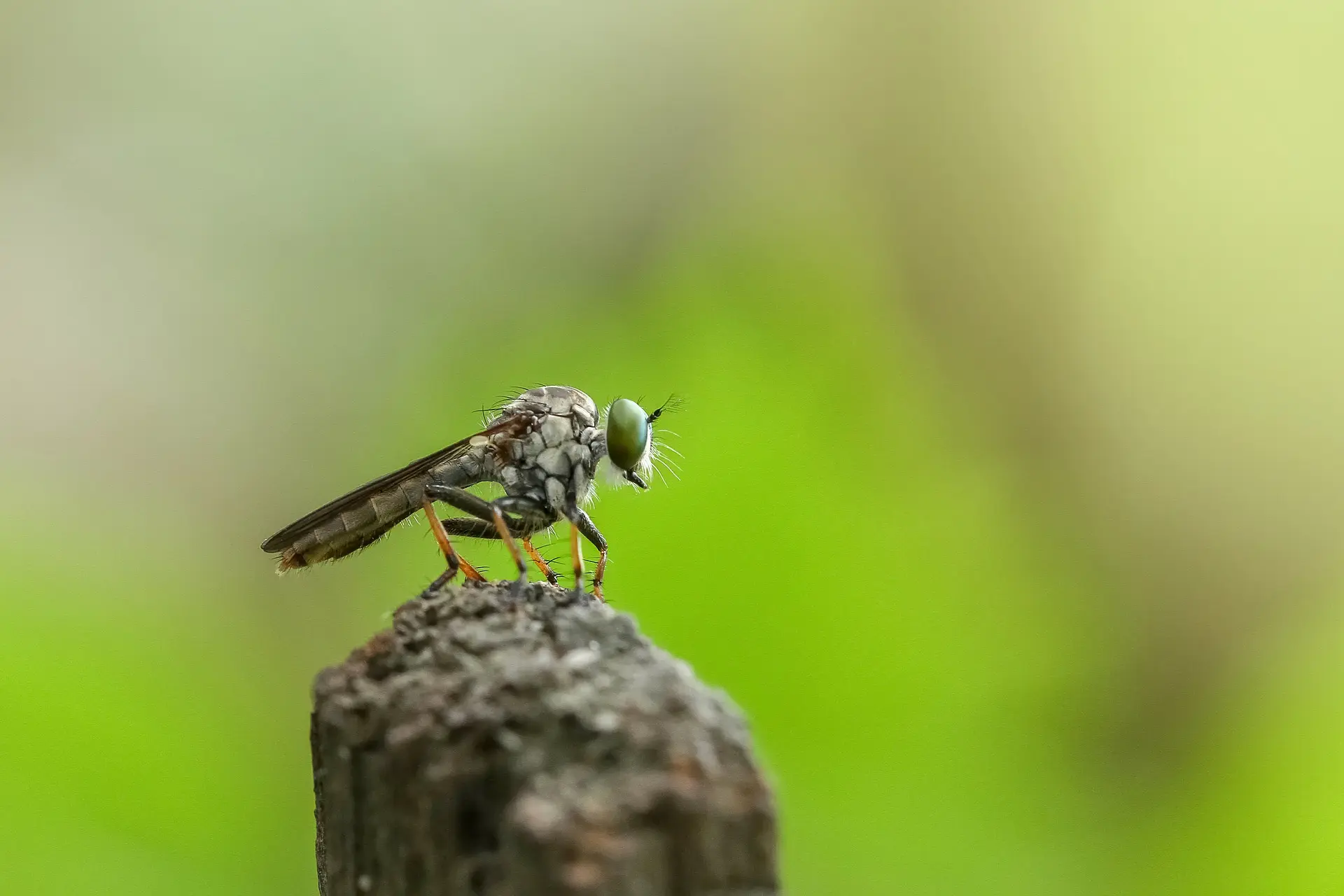
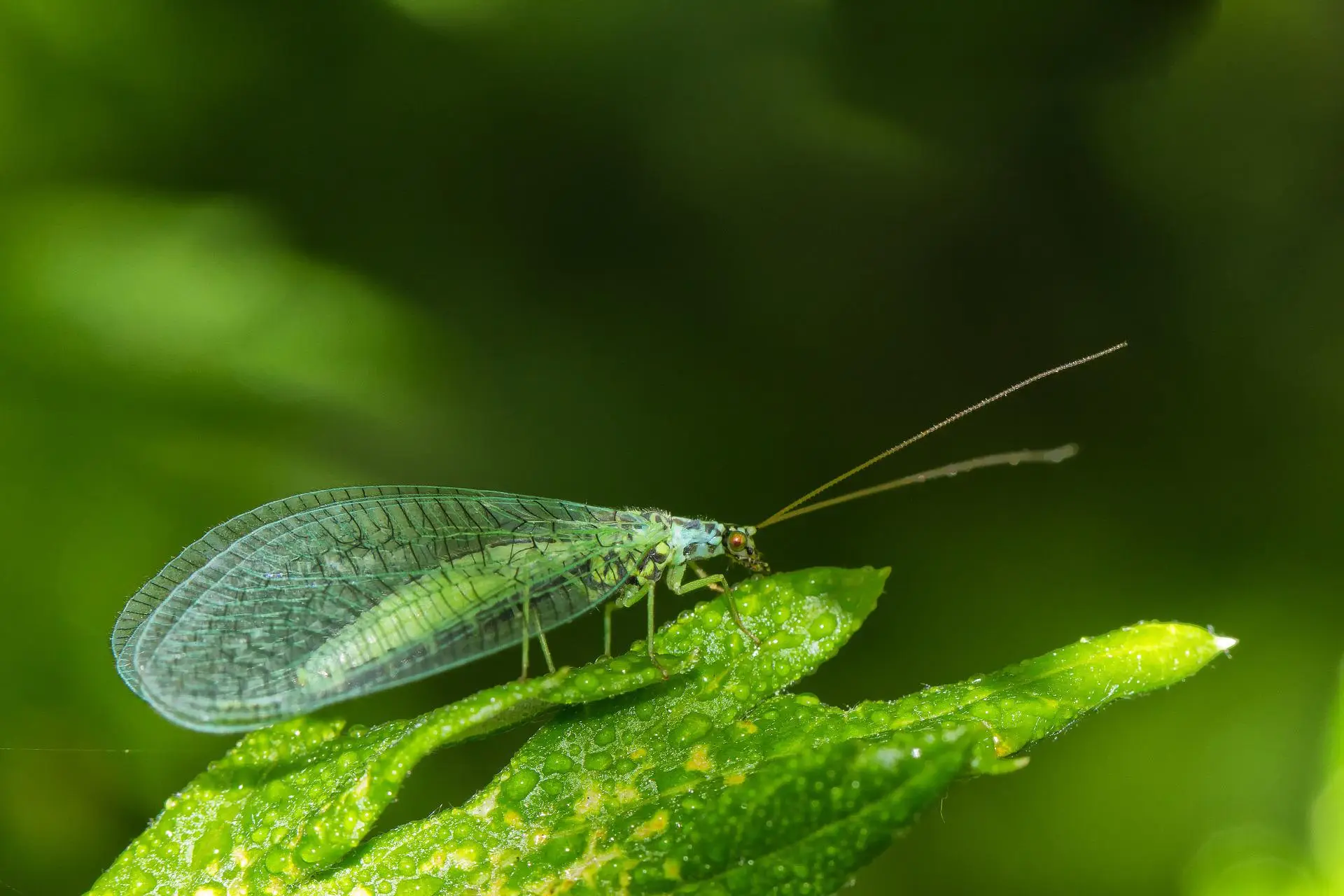
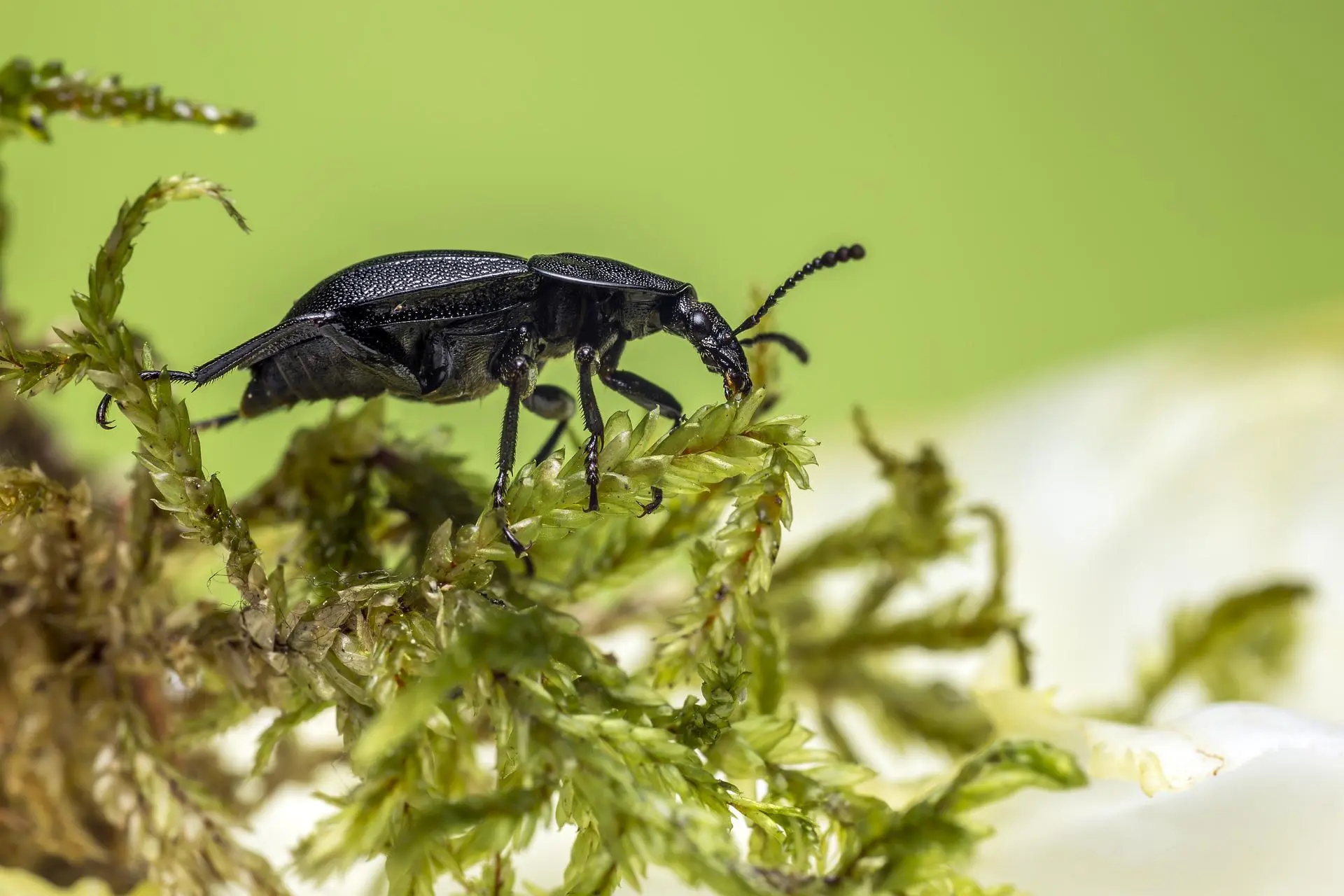
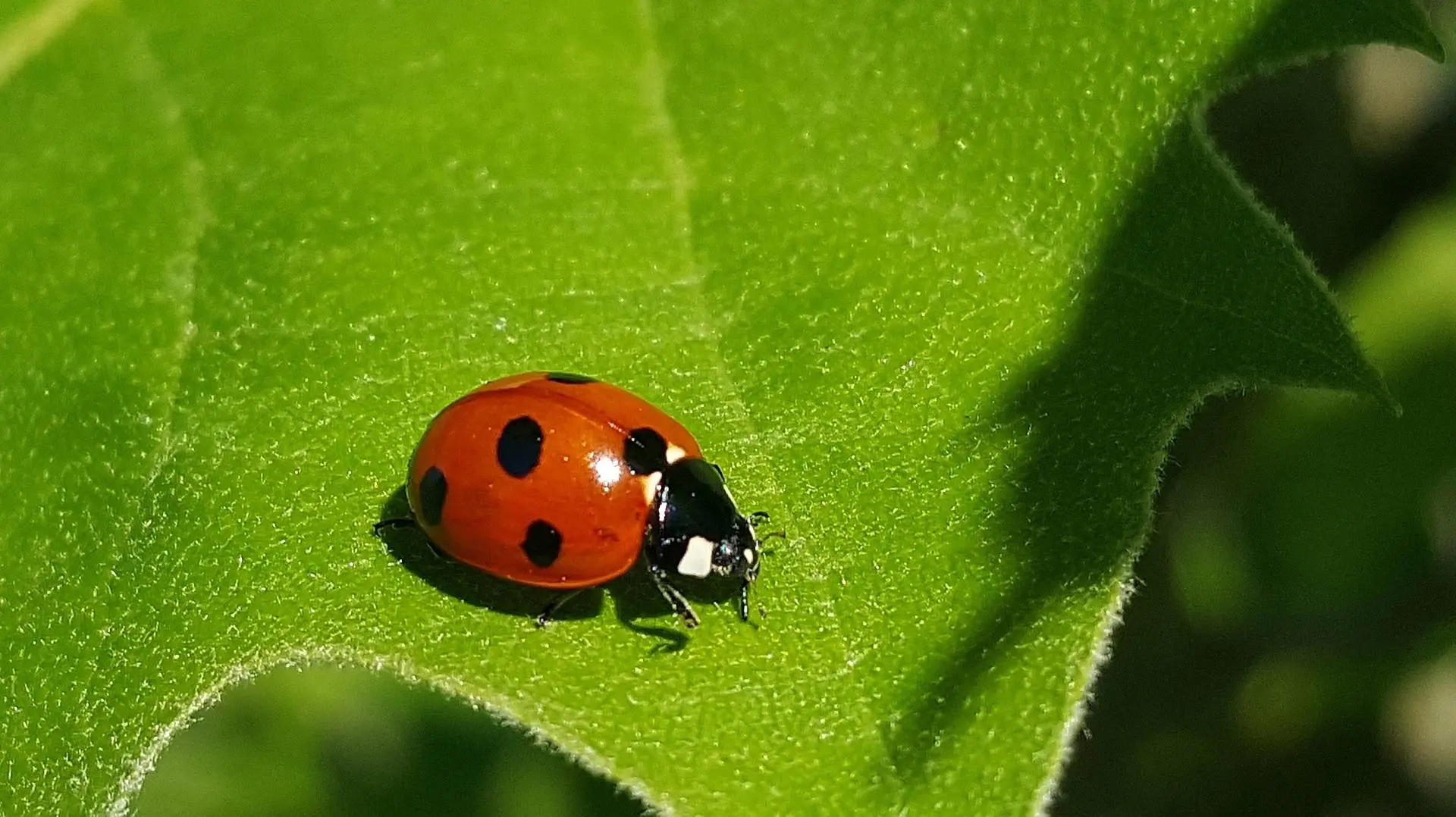
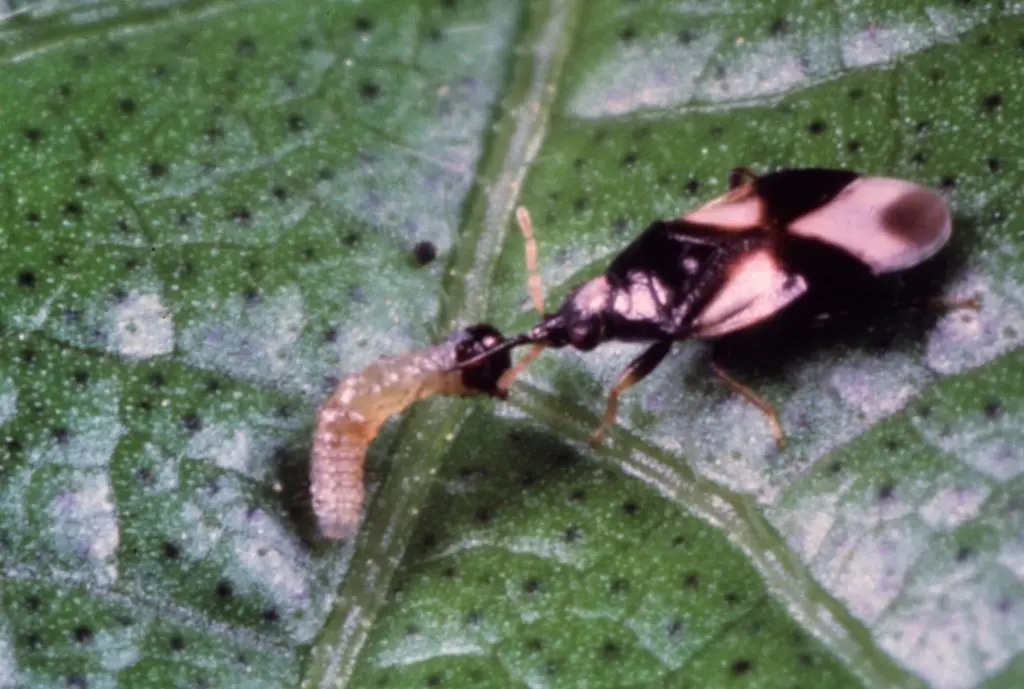
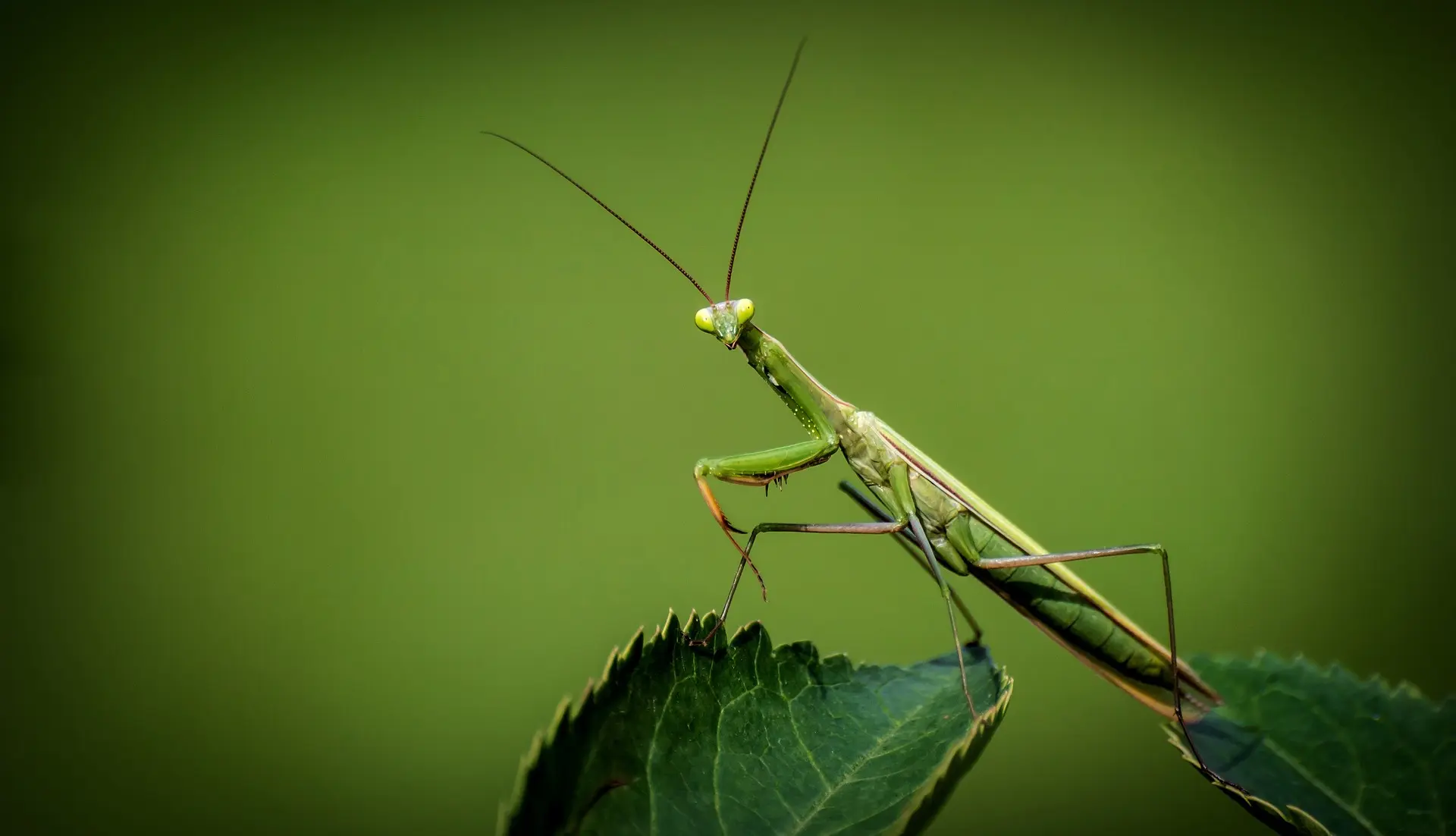
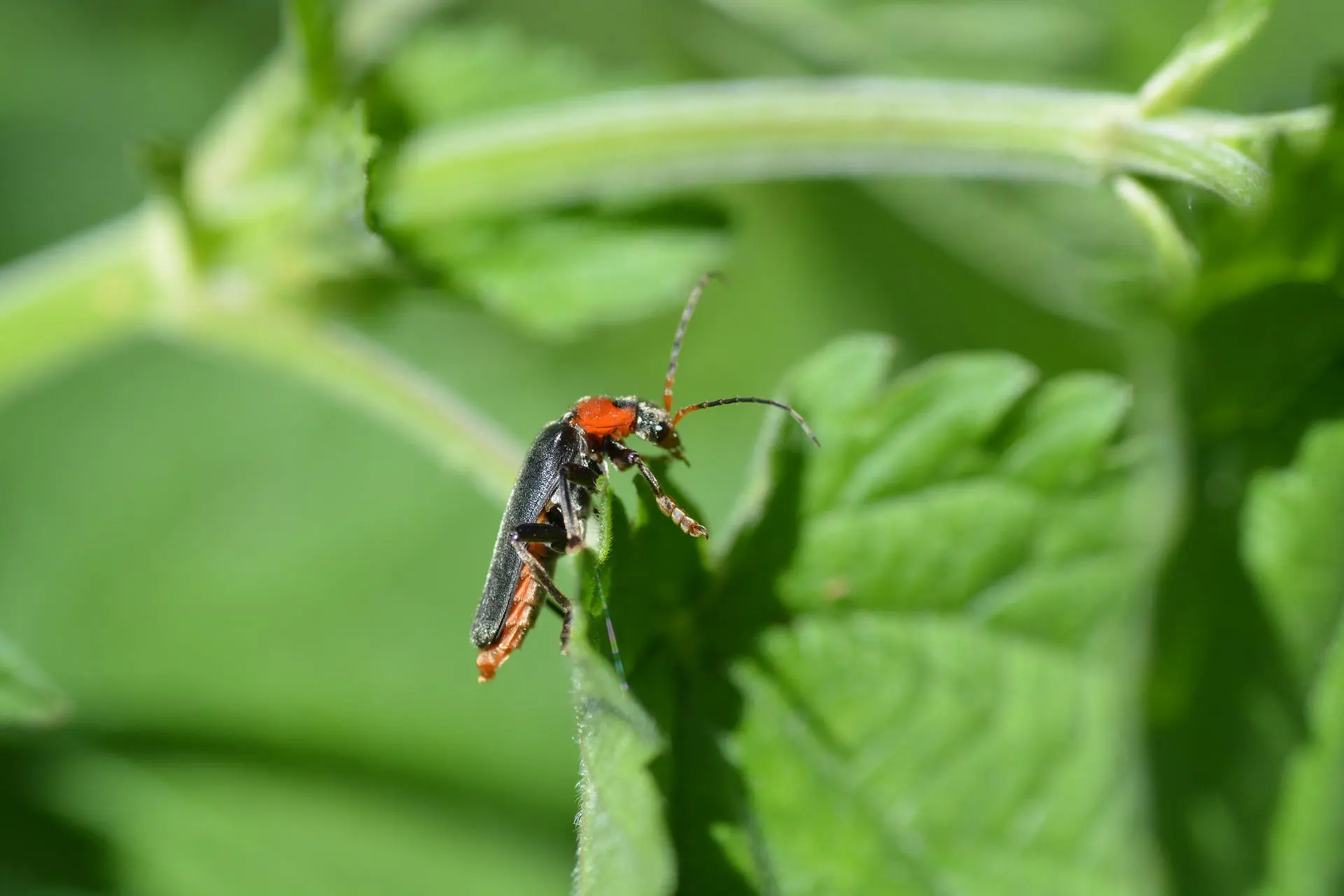
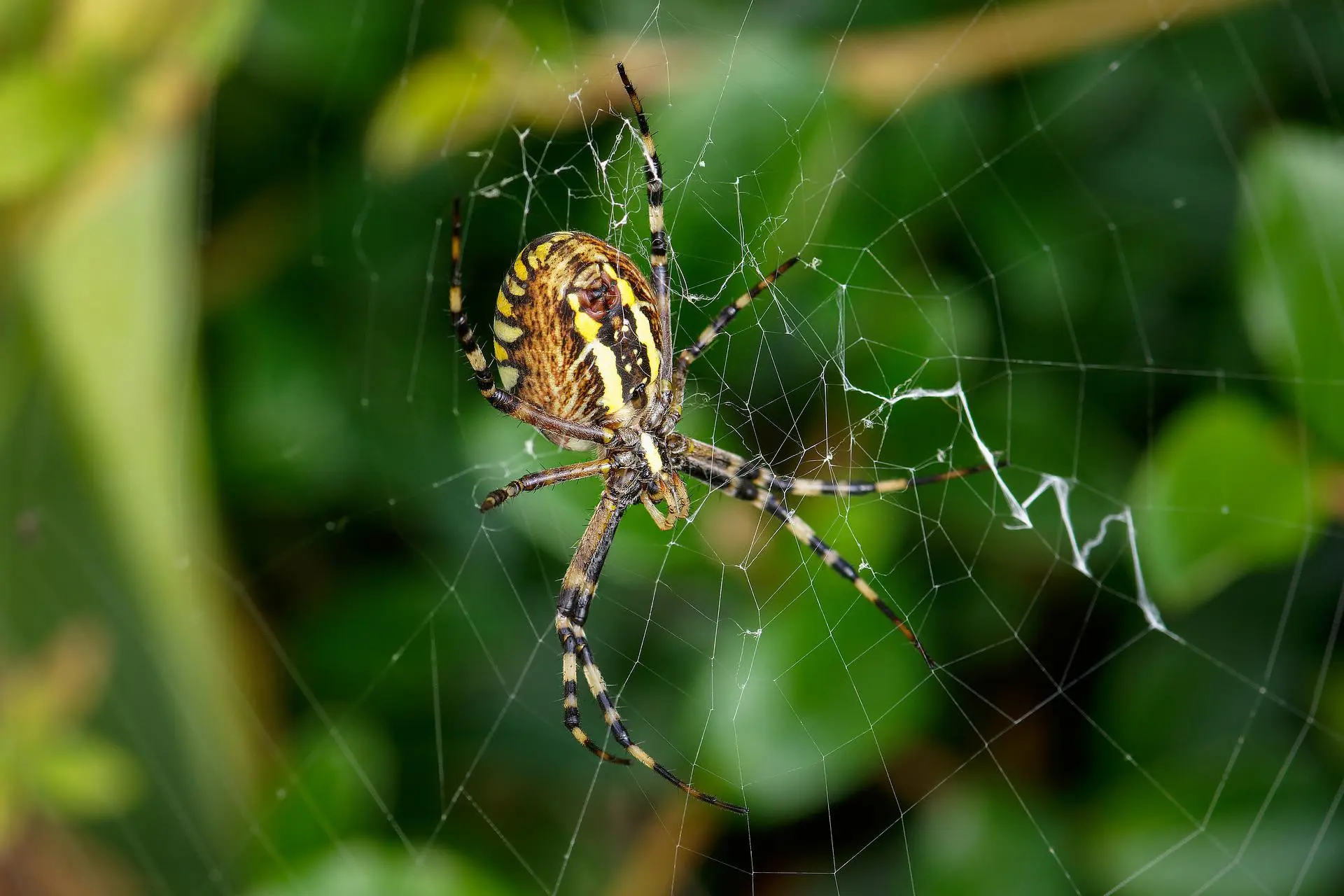
Beneficial Critters
Growing from Seed
Soak seeds overnight or scarify to promote germination. Sow seeds in at least 32 cell tray or larger. Darkness aids germination.
Planting Considerations
Lupines will self-seed when they have found their happy place. Self-seeded young plants can be moved, but once established they do not like transplanting and are best left undisturbed. Roots are tender and plants started inside should be transplanted without delay. Note that most lupines are poisonous to humans and animals.
Harvesting
Harvest when 80% of blooms are open.