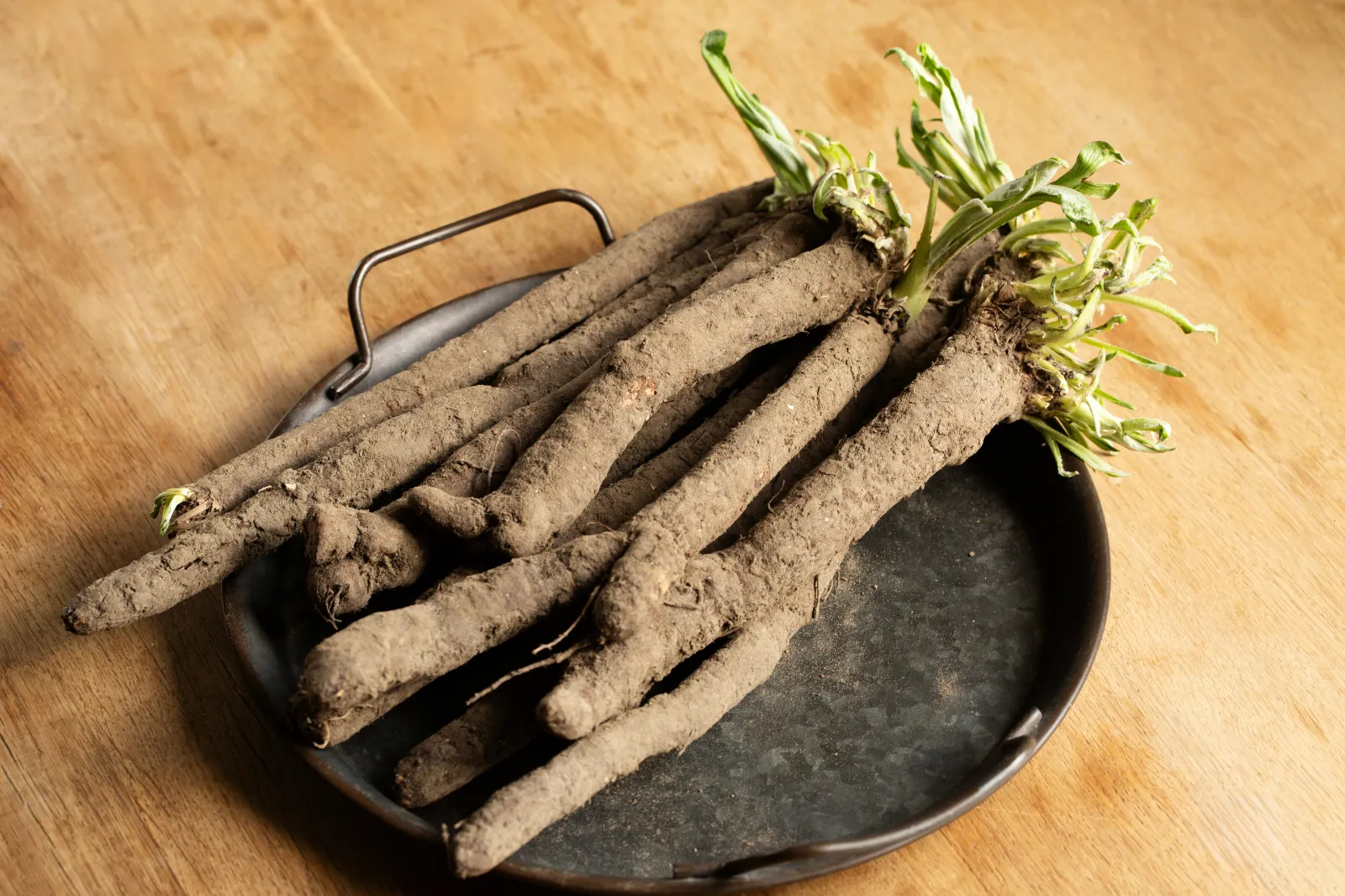
Salsify
Tragopogon porrifolius, Scorzonera hispanica
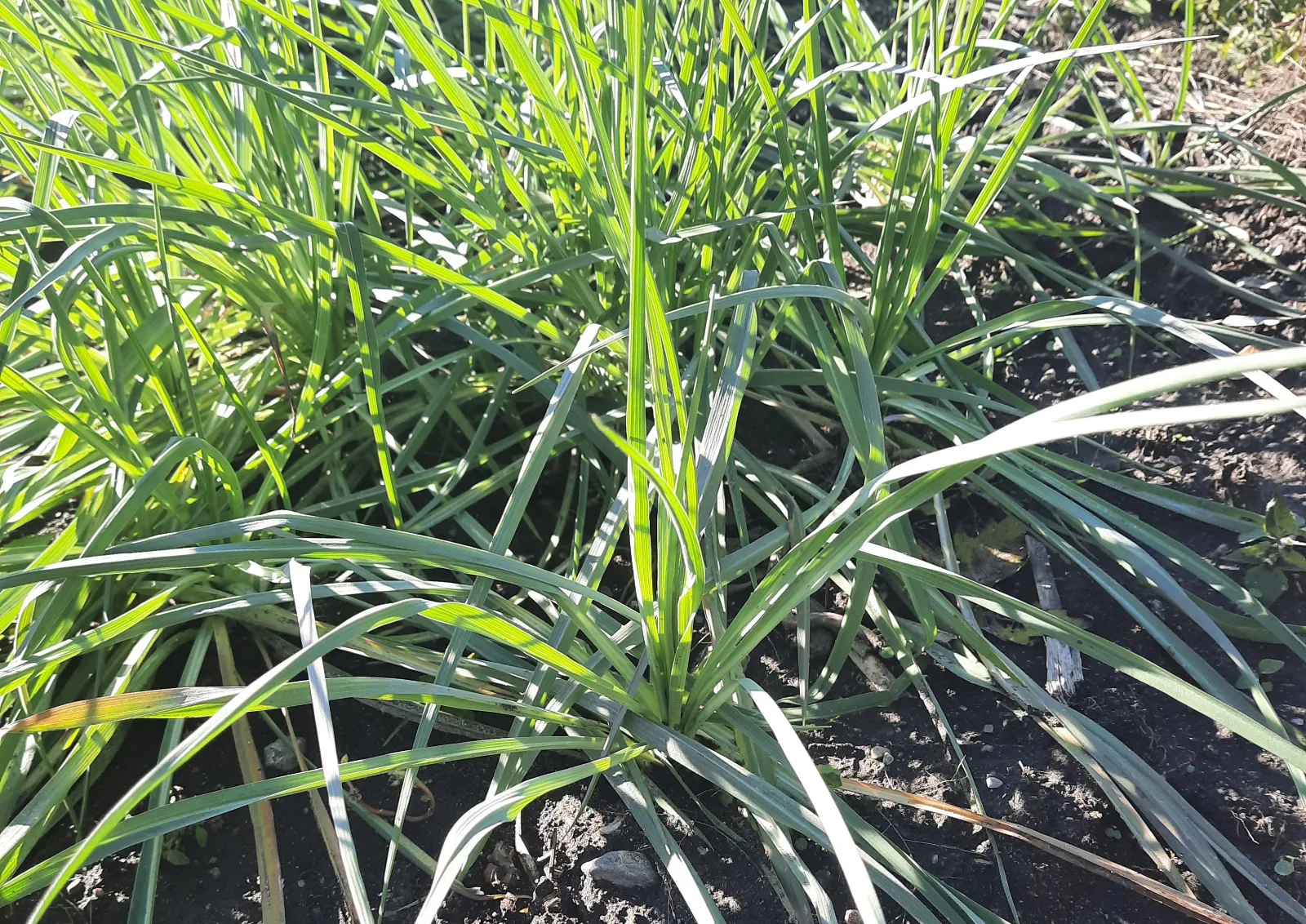
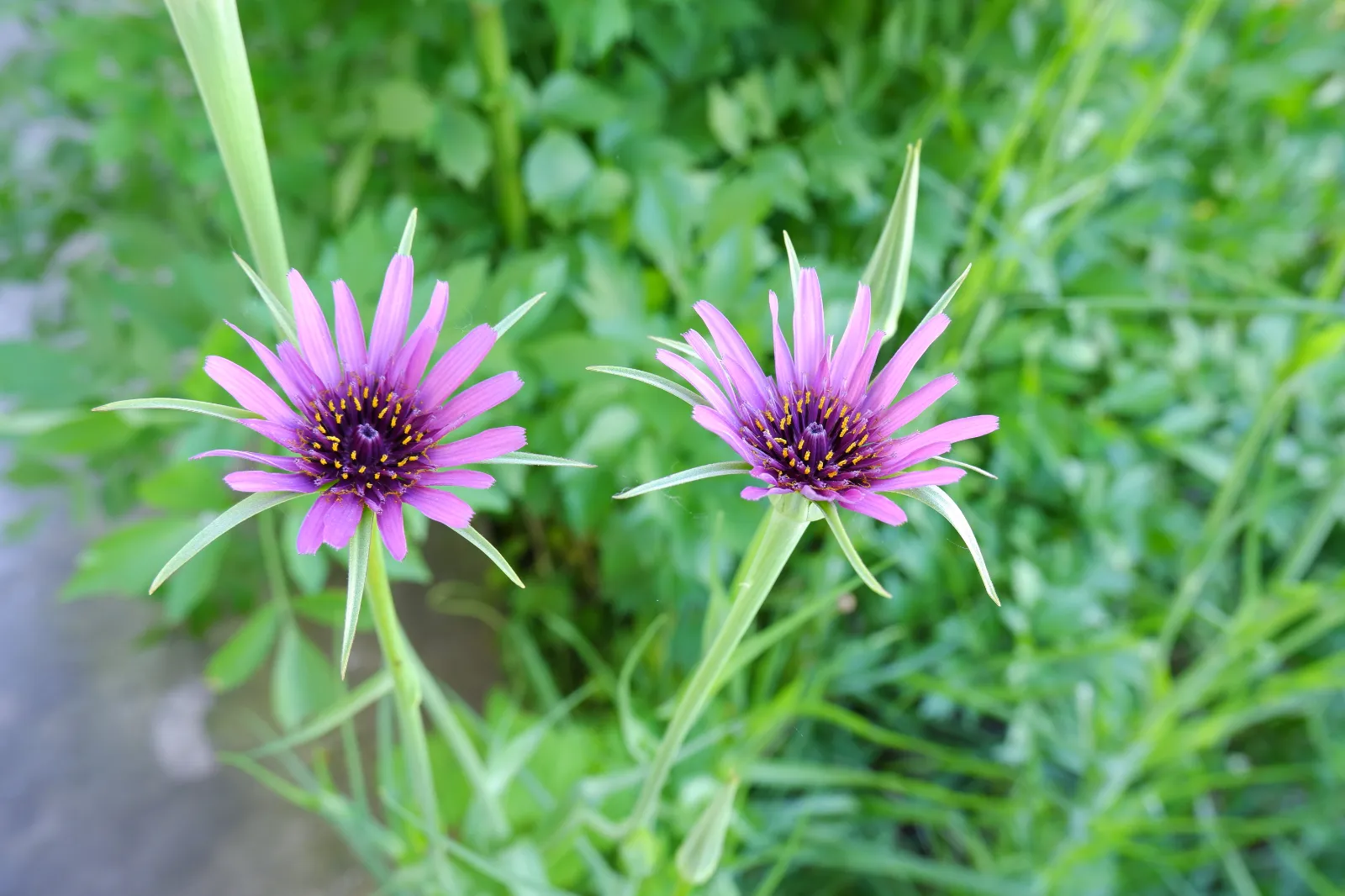
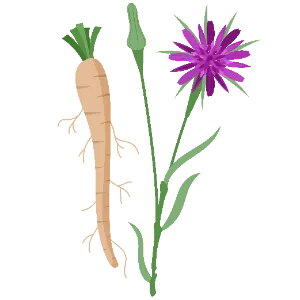
Salsify (Tragopogon porrifolius) is a lesser-known root crop that is regaining its popularity with gardeners and chefs. After tasting its delicate, subtly sweet flavor it's hard not to be hooked! Some people say that salsify tastes like oysters which has earned it the nickname "oyster plant", but a more accurate flavor description might be somewhere between artichoke hearts, white asparagus, and very mild parsnip. There is also an entirely different plant scorzonera aka. black salsify (Scorzonera hispanica) which is sometimes simply called salsify. Salsify and black salsify are grown similarly, although black salsify roots are thinner than regular salsify and arguably have a finer texture. Salsify takes a long time to grow, but other than planting and keeping the weeds in check it is a hands off crop until harvest time. Like other root crops a light frost is said to sweeten the flavor of salsify. Salsify tops are also edible, and as a biennial in the second year salsify produces beautiful purple flowers that are highly attractive to pollinators- because of this it is sometimes called 'purple salsify'. Salsify (purple salsify) is naturalized in many parts of the world, however it is not considered invasive. Purple salsify should not be confused with meadow salsify (Tragopogon pratensis) and western salsify (Tragopogon dubius) which can be considered invasive weeds in certain areas.
How to Grow Salsify
Quick Info

Put away the pen and paper
Plan your veggie garden in minutes with Planter's easy drag and drop planner.
Try Planter for Free
Nutrition
Vitamins








Nutrients











Pests
Diseases
Beneficial Critters



Growing from Seed
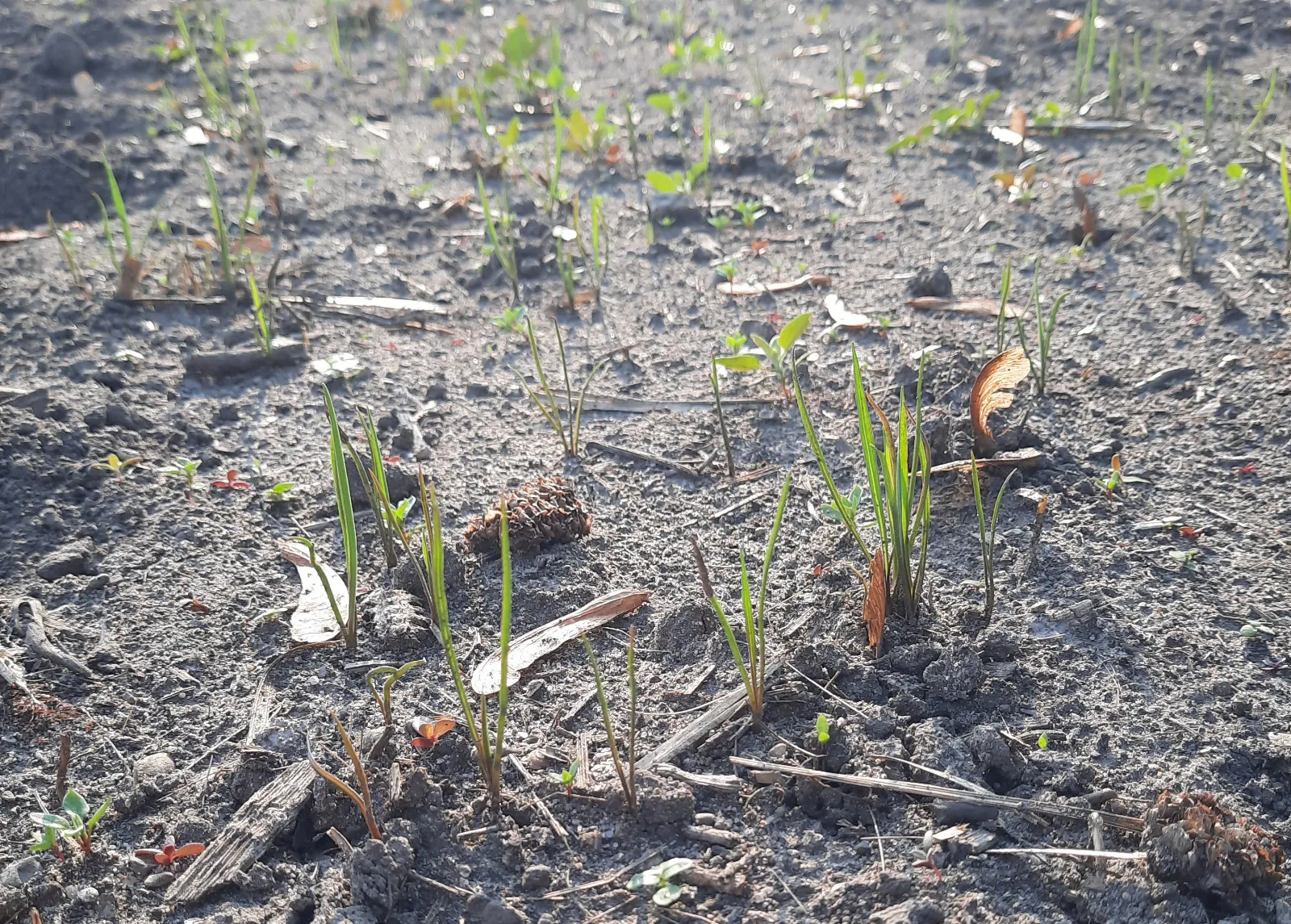
Salsify should be sown directly outside as soon as the soil is workable. It should not be transplanted. Salsify seeds can be slow to germinate and the soil must be kept consistently moist to ensure good germination. Salsify will not grow sizably if it is overcrowded. Thin seedlings if needed to achieve the desired spacing.
Planting Considerations
Salsify prefers loose, loamy to sandy soil. Add compost to the soil at the time of planting and loosen the soil with a garden fork if needed. Heavy clay soils or soils that are rocky can impede salsify's growth. Salsify seedlings are very small and grass-like which makes them difficult to spot and they do not compete well with weeds. Try to sow salsify into garden beds that do not have heavy weed pressure. Depending on how your salsify was sown you may need to carefully hand weed around it especially when the plants are young to keep weeds from overtaking the tiny seedlings.
Salsify can be grown in containers. Choose a container that is at least 18" (46 cm) deep to accommodate its long taproot.
Feeding
Apply a balanced fertilizer at the time of planting. Too much nitrogen can cause excessive leaf growth and poor root development; be sure your chosen fertilizer is not nitrogen-heavy.
Harvesting
Salsify is quite cold hardy and its flavor will sweeten after several frosts. If possible it's best to wait until after frost to harvest, even if the roots are ready a bit earlier. In many areas salsify can be mulched heavily and overwintered in the ground for harvesting through winter (so long as the ground is not frozen solid) and into early spring.
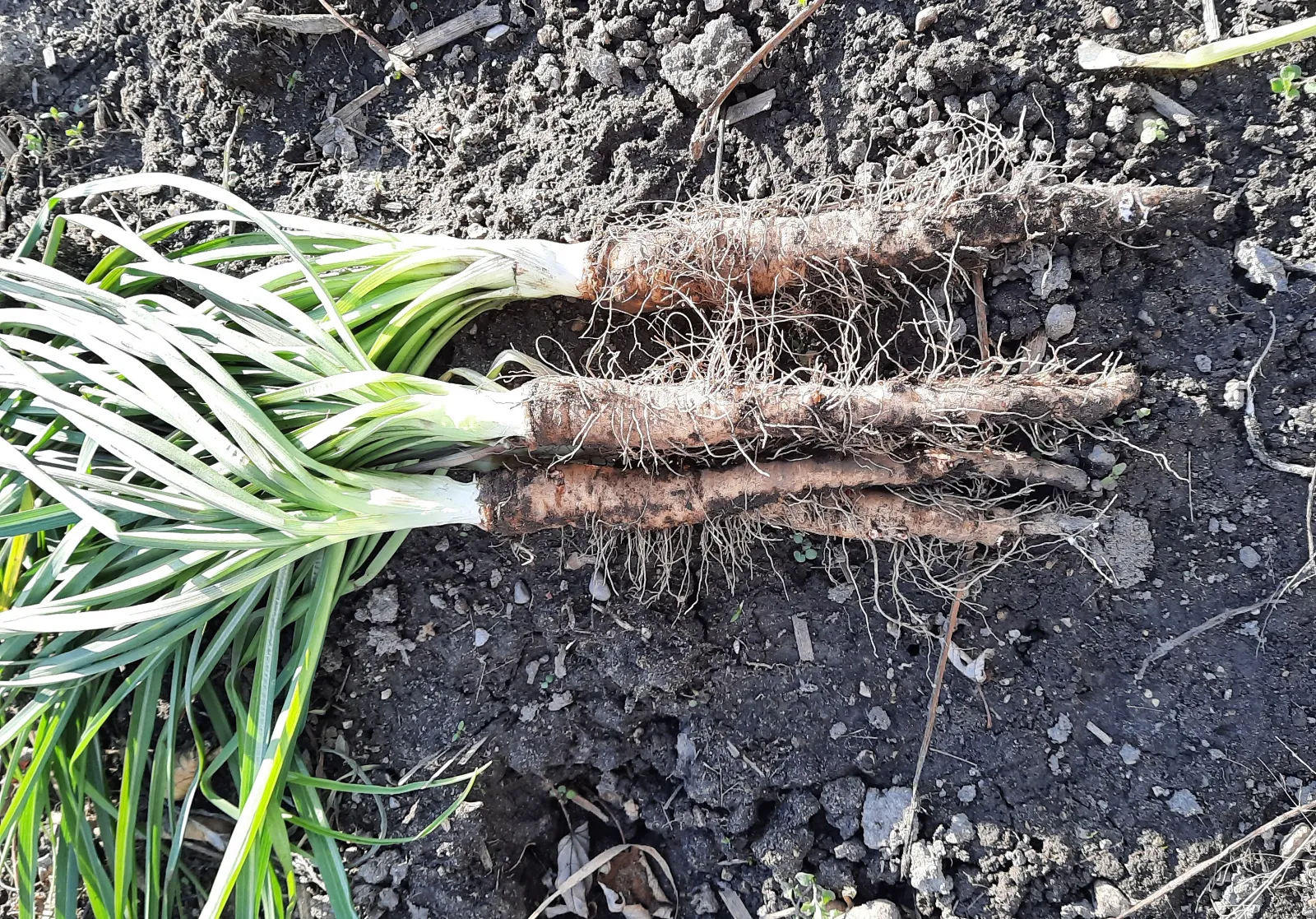
Salsify roots are typically harvested when they are 1/2" - 1" (1.25 - 2.5 cm) in diameter (1/2" to 3/4" for scorzonera). To get a rough idea of how large the salsify roots may be look at the size of the crown at the soil line(use your fingers to pull back some soil from around the crown if needed). Salsify roots grow very deep so the soil will need to be loosened first with a garden fork. Insert the fork near the root and pull back to loosen. Gently pulling the plant at the same time can help. Be careful not to get too close and accidentally pierce the root and be sure to dig deep enough so the root doesn't partially break off.
Salsify leaves are edible and can be added to salads or sautéed. Remove any browned or damaged leaves.
When salsify flowers in the second year the flavor and texture of the root may degrade (although some say it is still harvestable). However the flowers and stalks are edible and can be used in salads.
Salsify can be eaten raw but it is usually cooked. When salsify is cut it emits a milky sap that can stain your hands. Salsify is also prone to browning quickly. To avoid this, salsify can be peeled and cut directly into water mixed with lemon juice, or it can be boiled first before cutting and peeling. Some will scrub away the salsify skin rather than peeling, to maintain as much of the root as possible.
Storage
Trim off salsify leaves before storing the roots. Salsify leaves can be kept refrigerated separately in plastic bag or sealed container for up to several days.
Wash salsify roots before storing. Salsify roots are very prone to shrivelling; to maintain humidity wrap loosely in a plastic bag or store in a sealed container.
If you happen to have a root cellar, salsify can be stored there packed in boxes with damp peat moss, sawdust, or sand. Do not wash salsify roots if you plan to store them in a root cellar. If stored properly, salsify can last for up to several months, however it can be tricky to maintain the 95%-98% humidity it requires and any wounds on the roots can cause it to rot more quickly. It may be best to leave salsify in the ground until you are ready to use it.
Pruning
If you leave salsify to flower in the second year you may want to deadhead to control self-seeding.