Savory
Satureja hortensis, Satureja montana
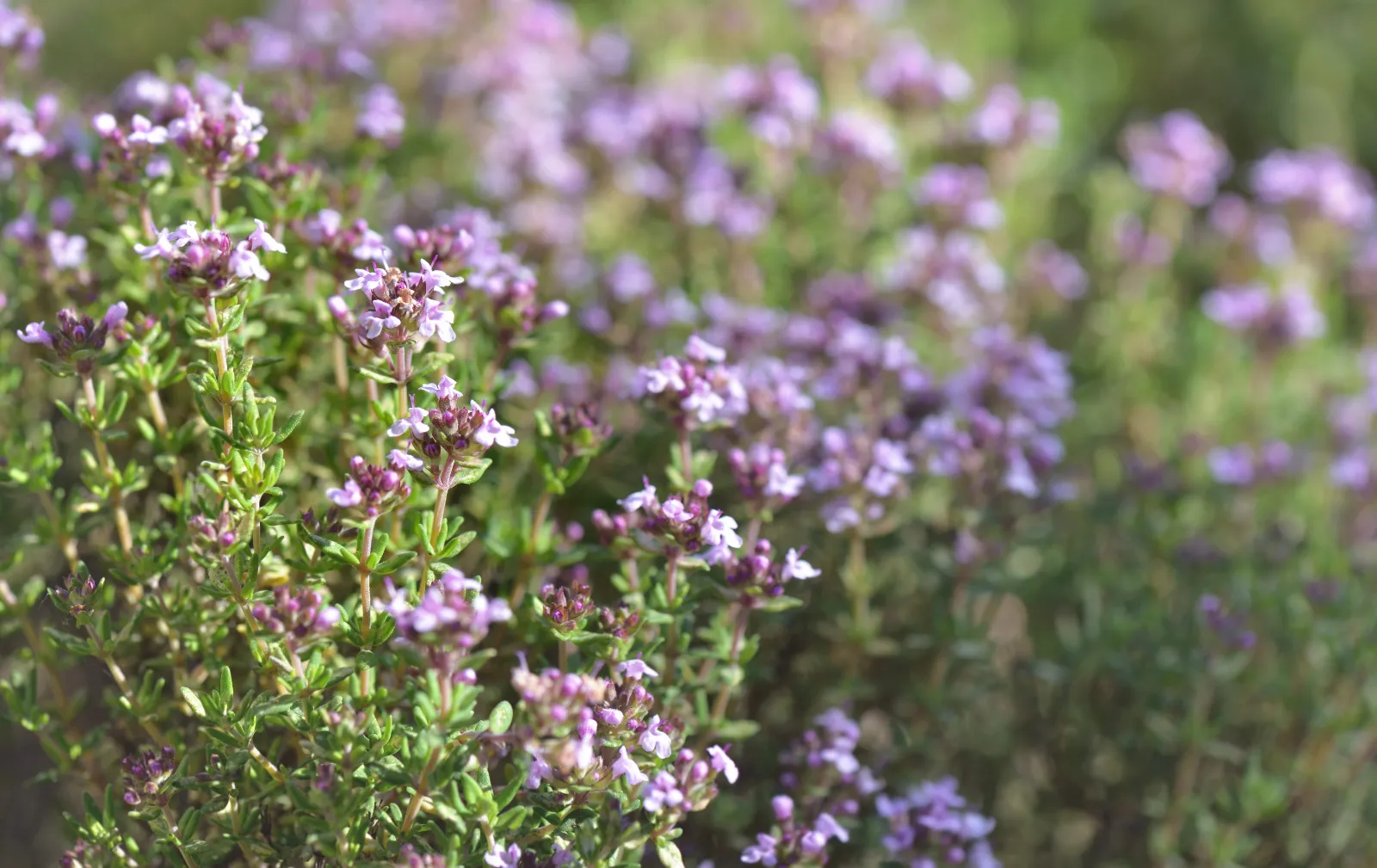
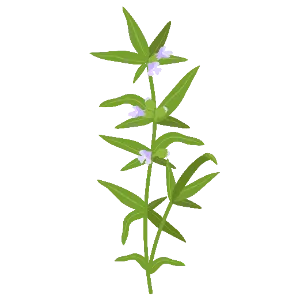
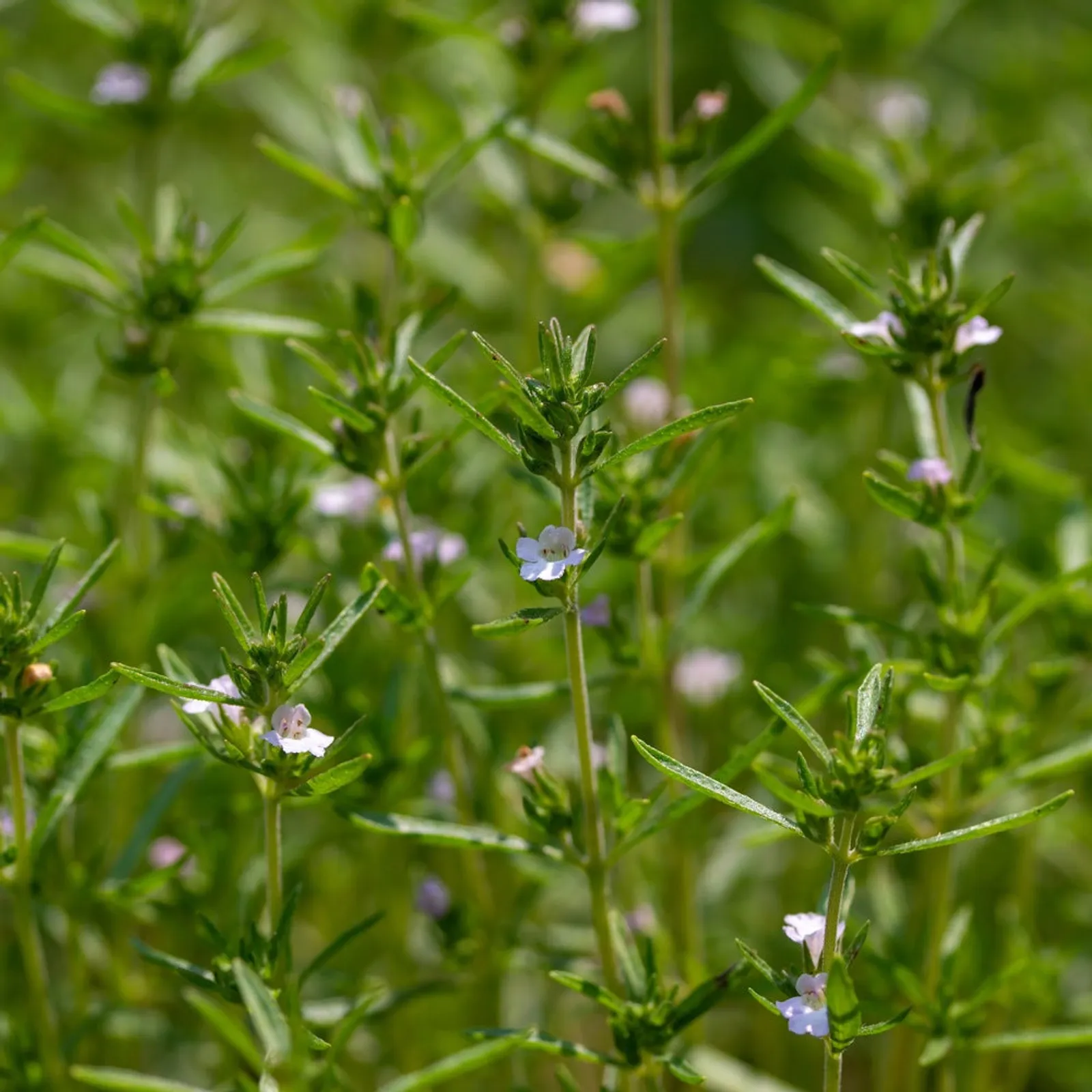
Savory is a common name for several plants in the mint family. Most often savory refers to either summer savory (Satureja hortensis) which is a semi-hardy annual, or winter savory (Satureja montana) which is a perennial down to USDA zone 5. Summer savory has a milder, sweeter flavor and is more commonly used than winter savory. Though both will add a peppery, earthy flavor to meat, vegetable, and bean dishes, winter savory may be best reserved for heartier recipes. Savory can also be infused into oils and vinegars.
How to Grow Savory
Quick Info

Put away the pen and paper
Plan your veggie garden in minutes with Planter's easy drag and drop planner.
Try Planter for Free
Varieties
Nutrition
Vitamins


Nutrients



Pests
Diseases
Beneficial Critters

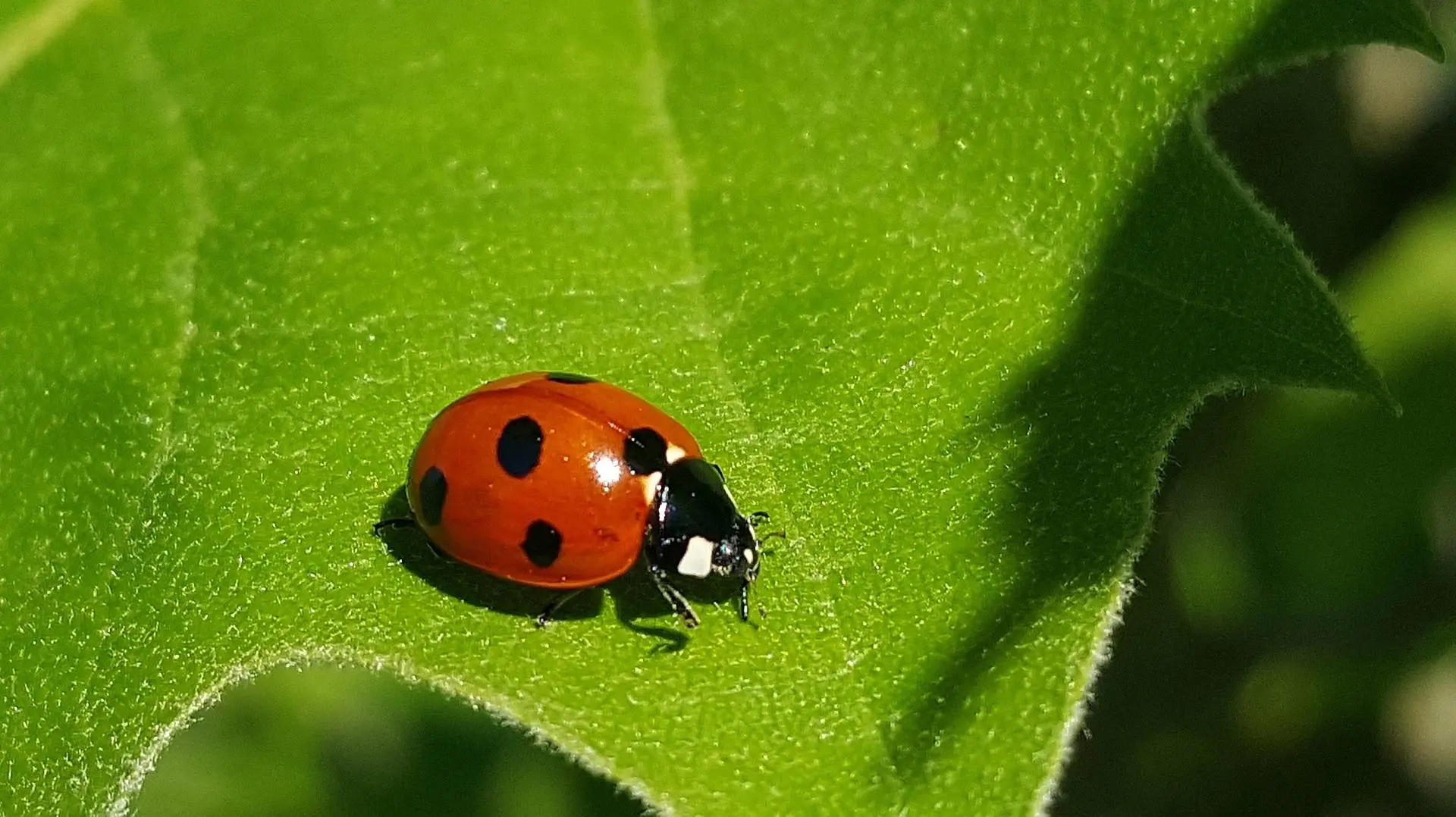
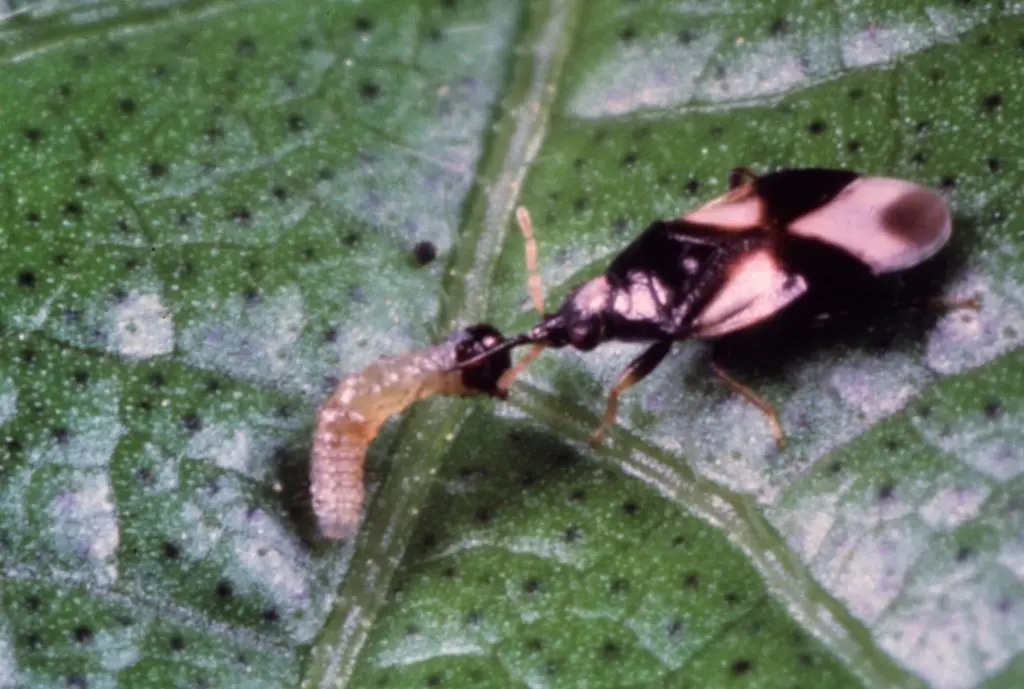
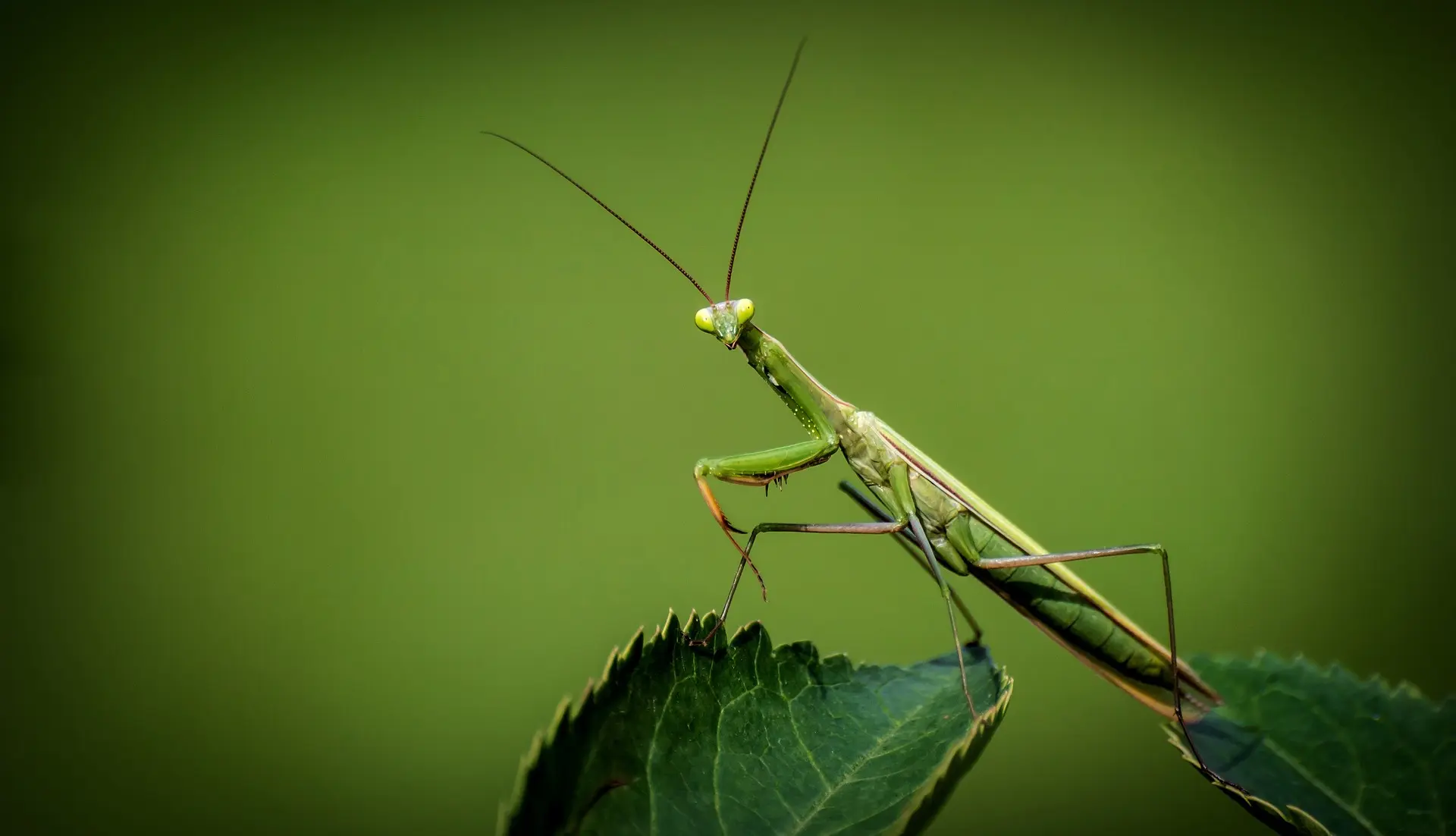
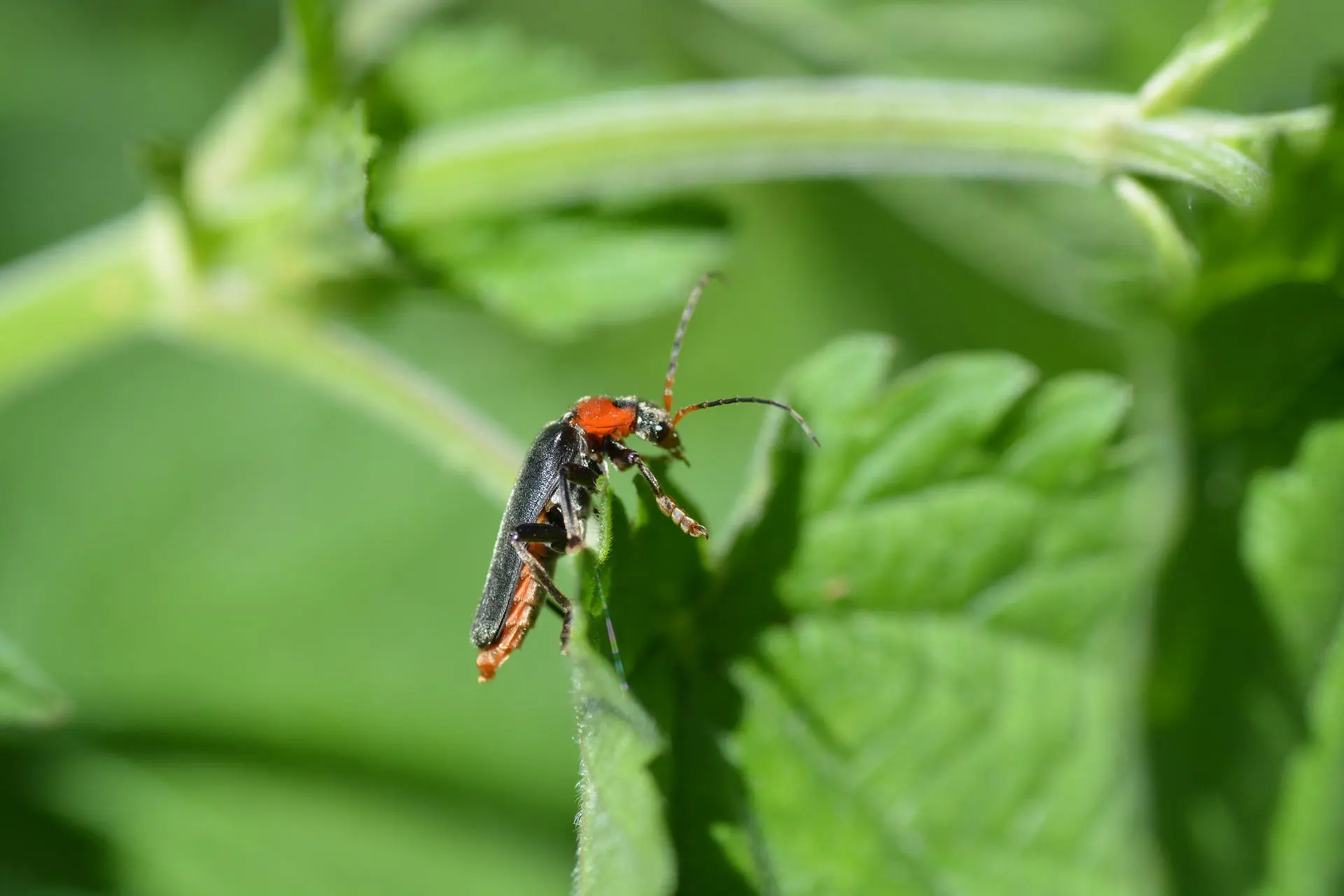

Growing from Seed
Start seeds indoors 4-6 weeks before last frost. Sow savory seeds on the soil surface and press in gently. Savory seeds germinate best with light exposure. Do not use seed starting mix with fertilizer and do not fertilize the seedlings. Keep the seed starting mix consistently moist until the seeds germinate. Use grow lights to provide supplemental light as soon as the seeds germinate. Harden off the seedlings before transplanting out. Savory can be directly sown outdoors in spring after the risk of frost has passed, although the seeds are small and need light to germinate so it can be tricky to sow outside. Winter savory is slow growing so it may be best to give it a head start indoors.
Planting Considerations
Savory prefers sandy to loamy, well-drained soil. Select a location that receives full sun. If growing savory in a container, choose a container at least 12" (30 cm) wide with good drainage. Winter savory grown in a container may need to be dug into the ground (container and all) or stored in an unheated garage to overwinter.
Feeding
Incorporate compost into the soil when planting. Savory grown in-ground does not need fertilizer during the growing season. Winter savory can be top dressed with compost in spring. Container grown savory may need occasional feeding with a dilute liquid fertilizer.
Harvesting
Summer savory can be harvested roughly 60-70 days from seeding while winter savory can take up to 150 days from seeding. Stems can be harvested once they reach at least 6" tall. Use clean snips to cut the topmost part of the stems. Do not harvest more than 1/3 of the plant at the time to avoid stressing the plant. While savory flowers are edible the leaves are usually preferred for cooking and drying. Harvest leaves before flowering for the best flavor.
Storage
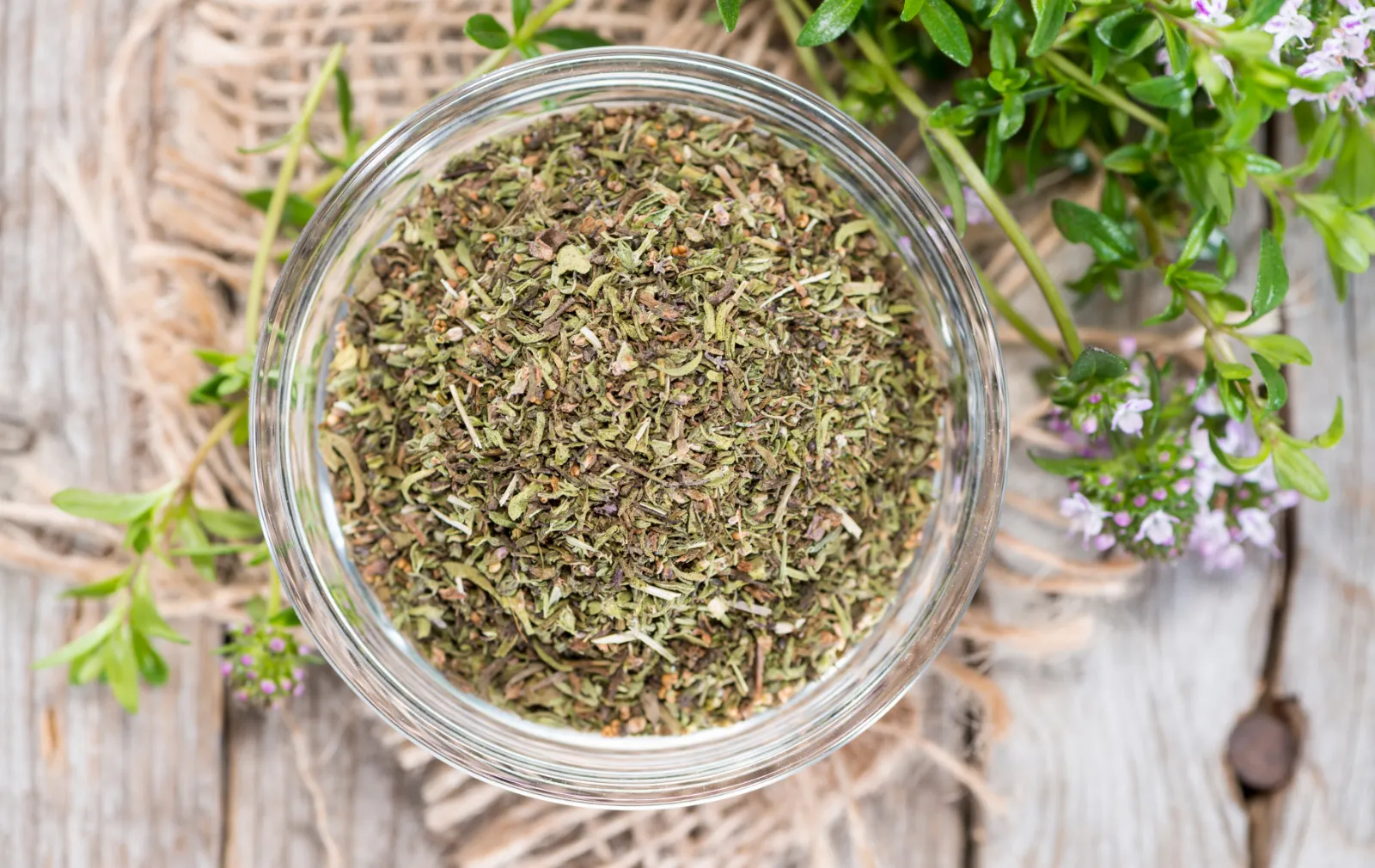
Savory can be used fresh although it is often dried for long-term storage. Fresh savory can last up to several weeks in the fridge. Savory stems can be loosely bunched and left to dry in a cool, dark place. Once fully dried, savory leaves can last for several years stored in an airtight container in a cool, dark place.
Pruning
Regularly trim off the topmost parts of the plant to delay flowering and encourage more leaf growth. Remove yellowing stems as needed. Prune back winter savory by roughly 1/3 in early spring to promote bushier growth.