Sorrel
Rumex sanguineus, R. scutatus, R. acetosa
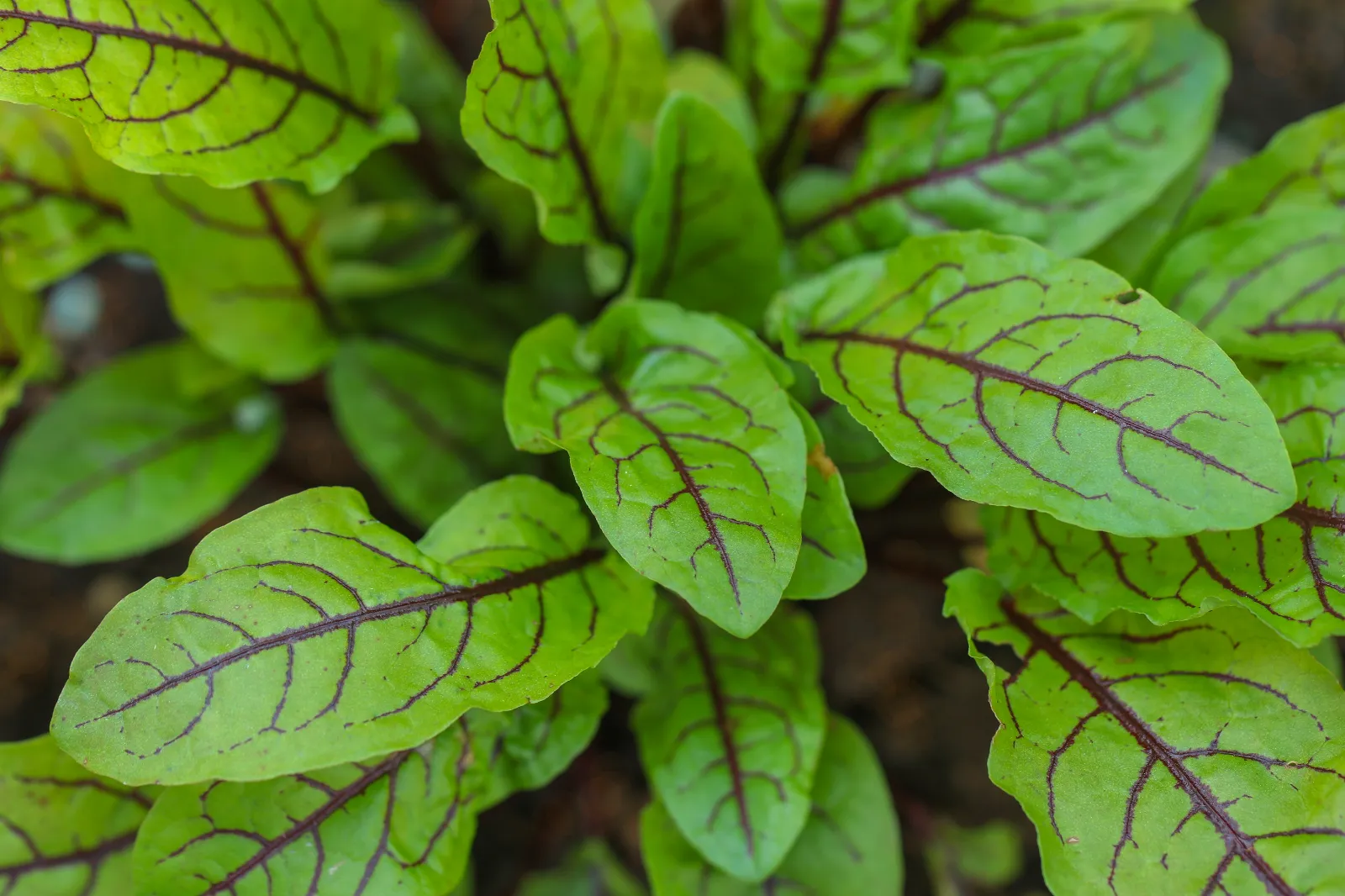
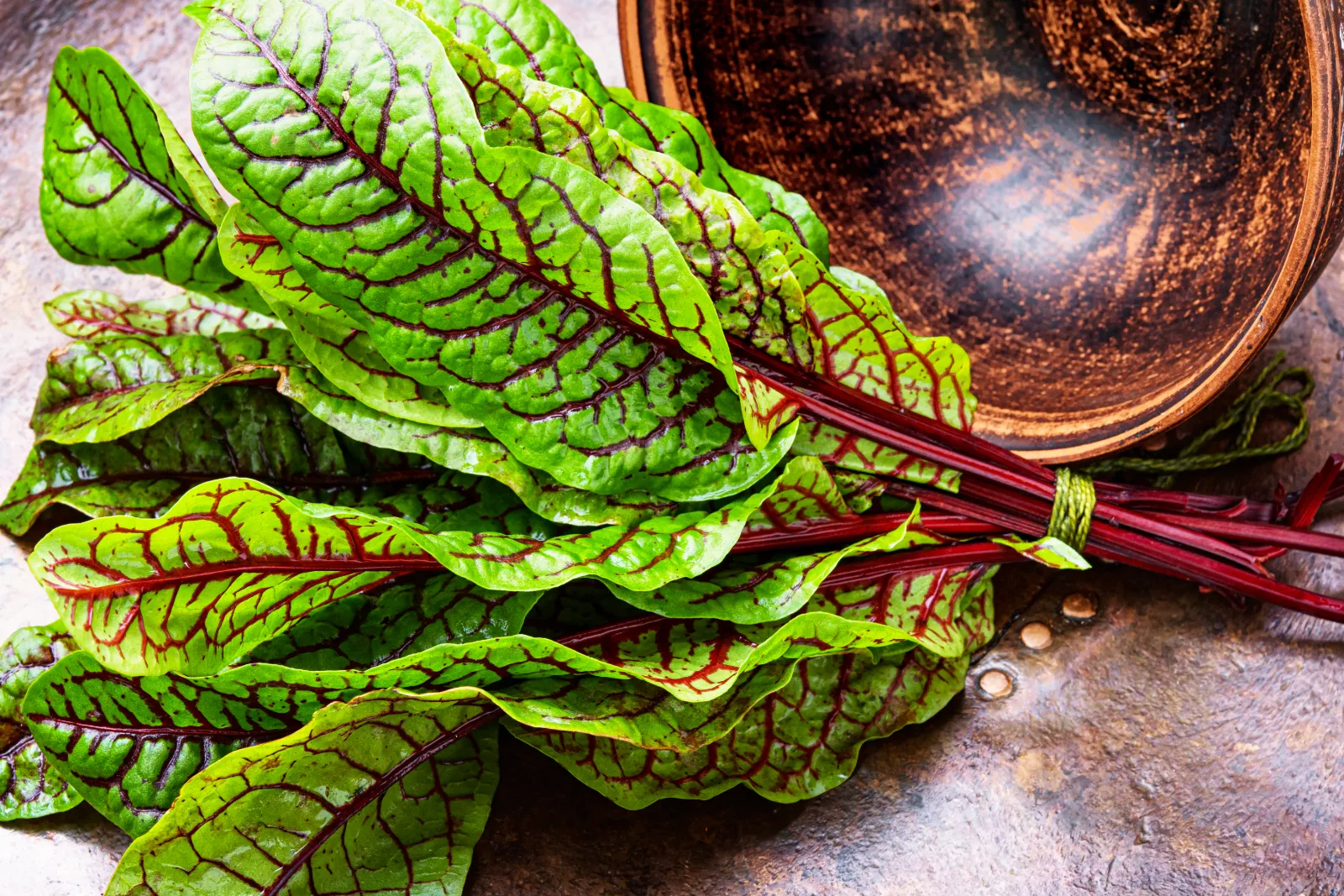
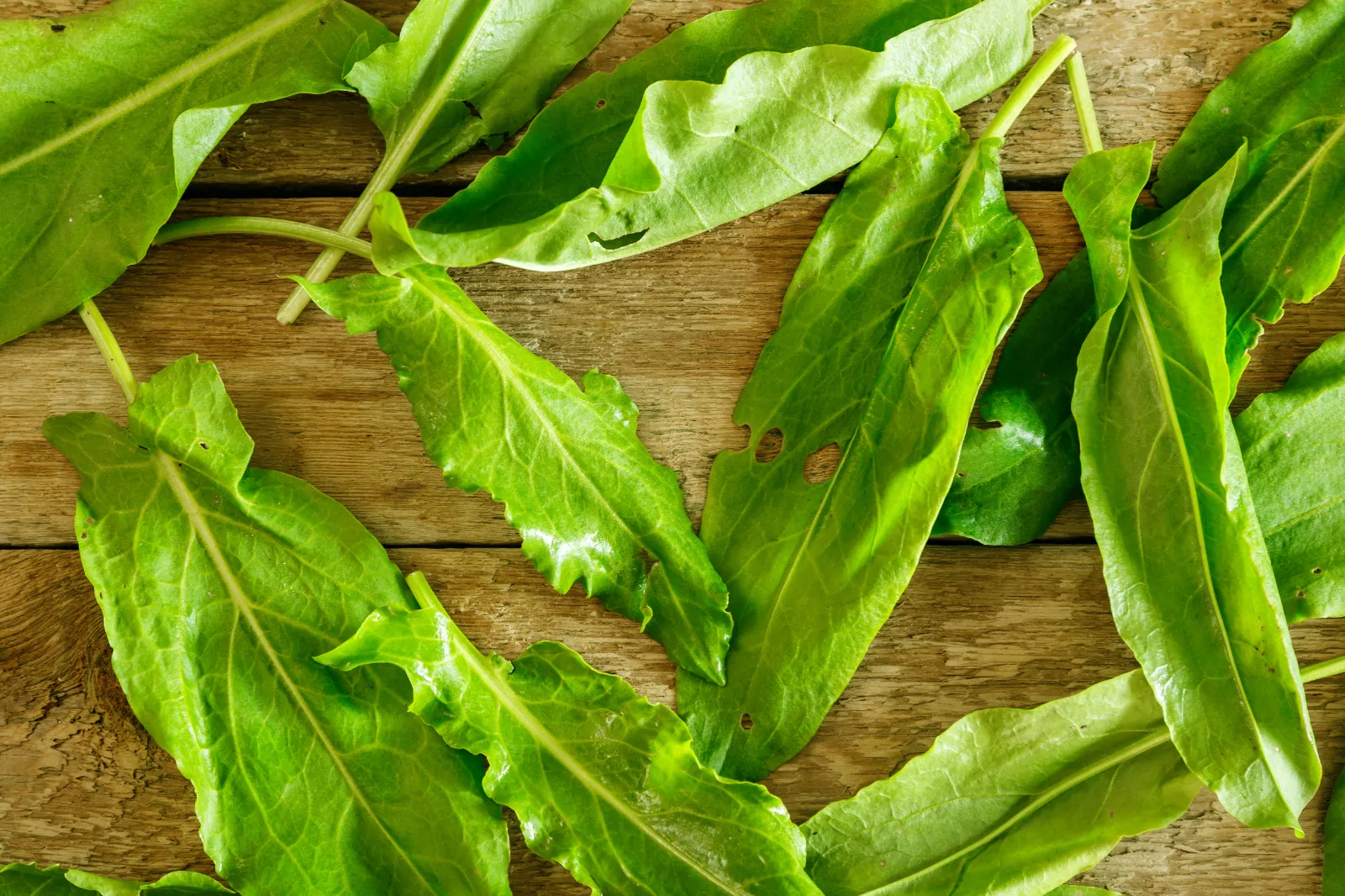
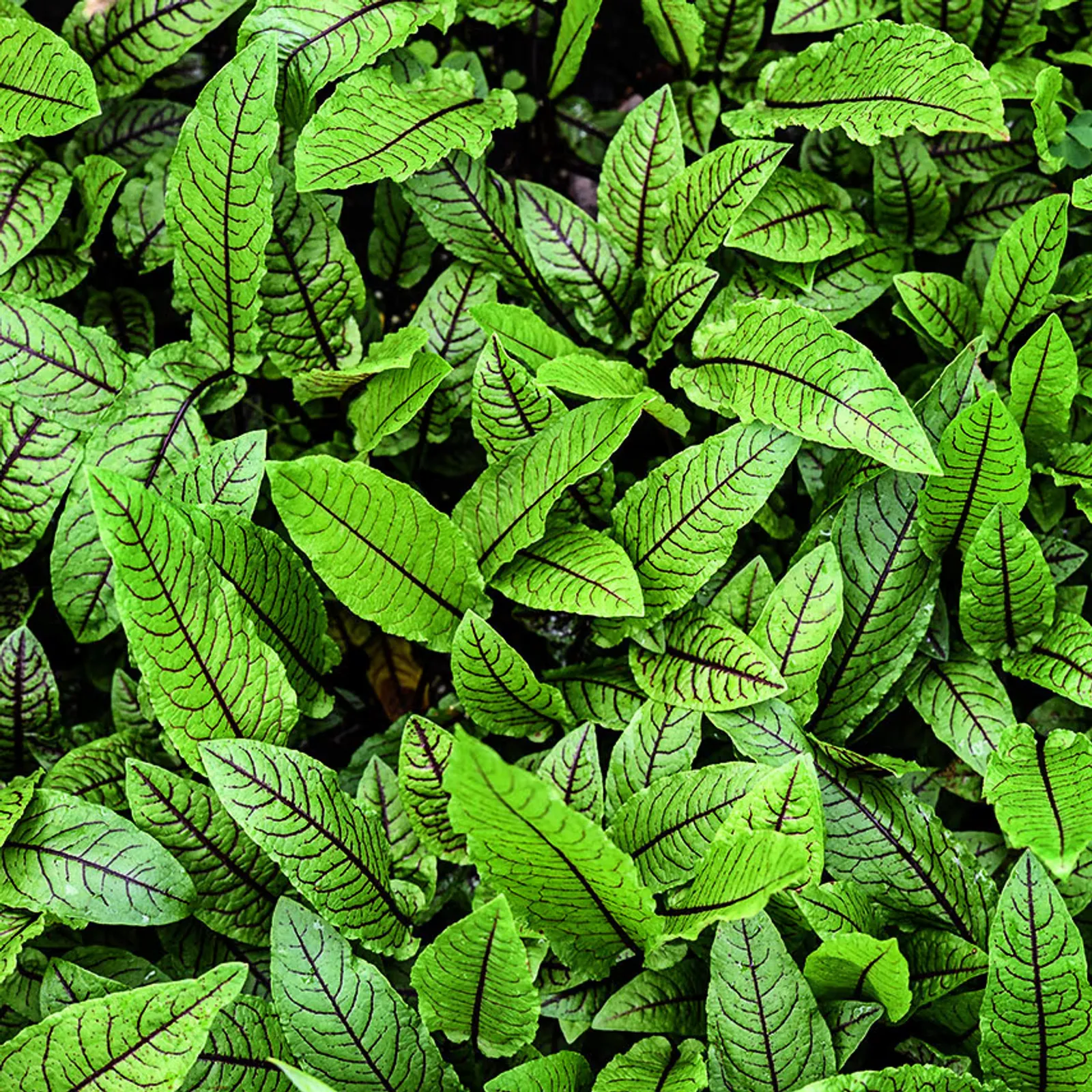
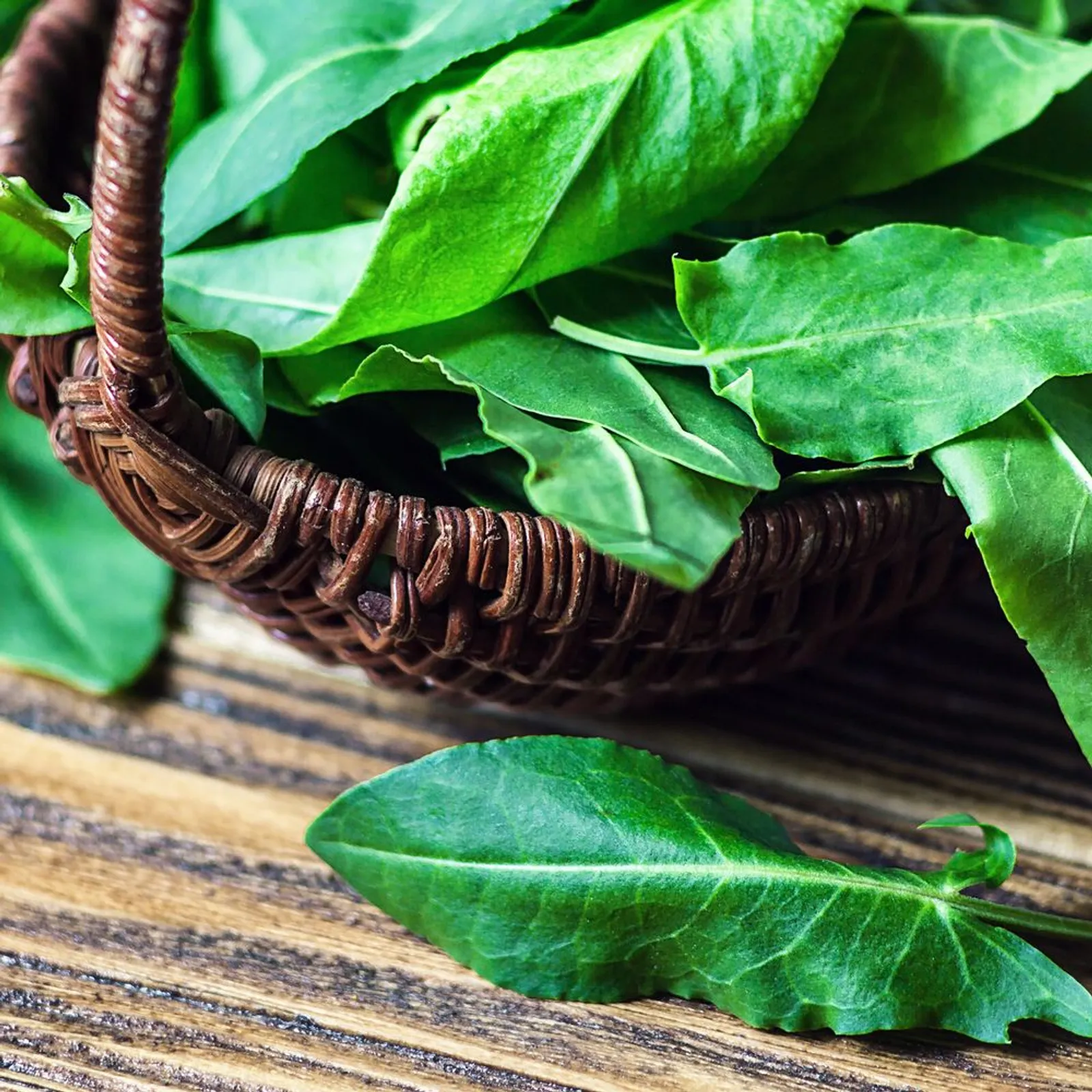
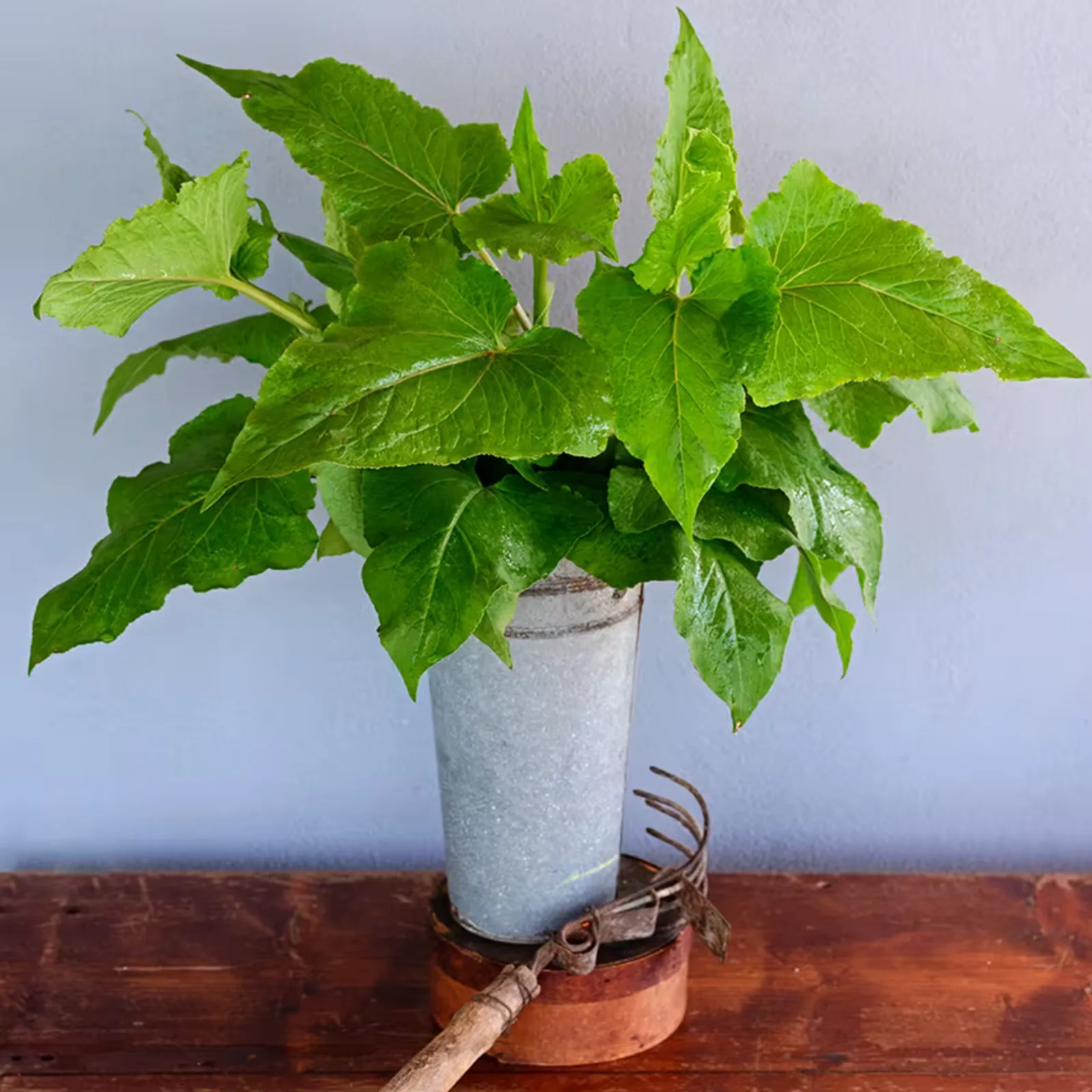
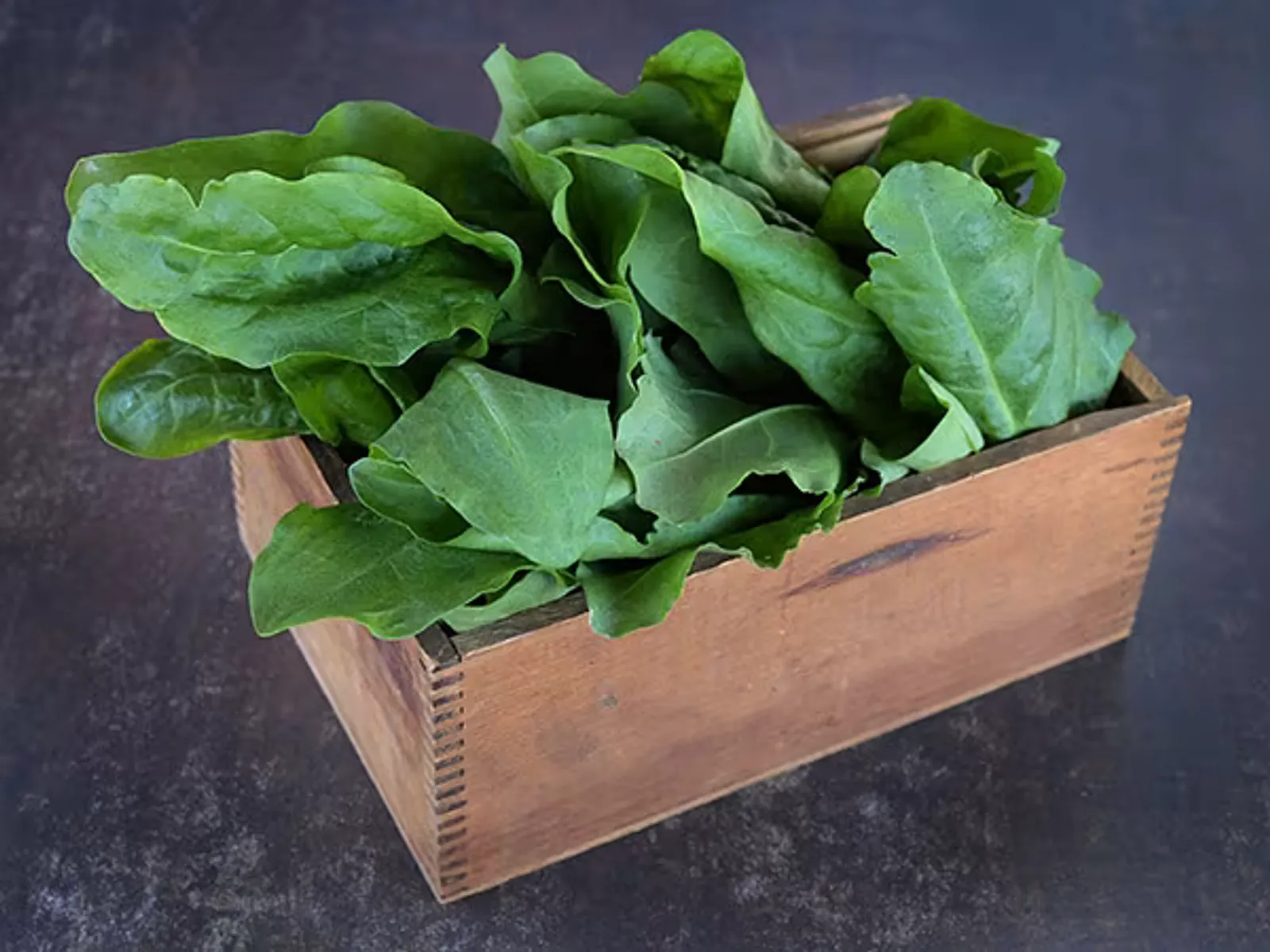
Sorrel is an easy-to-grow leafy plant in the buckwheat family that can be eaten raw, often as part of a salad mix, or cooked into soups and sauces. Sorrel has a bright, zingy flavor that mellows with cooking. There are several varieties of sorrel but some of the most commonly grown are red-veined sorrel (Rumex sanguineus), French sorrel (Rumex scutatus), and garden sorrel (Rumex acetosa).
How to Grow Sorrel
Quick Info


Put away the pen and paper
Plan your veggie garden in minutes with Planter's easy drag and drop planner.
Try Planter for Free
Varieties
Nutrition
Vitamins




Nutrients







Pests

Diseases
Beneficial Critters




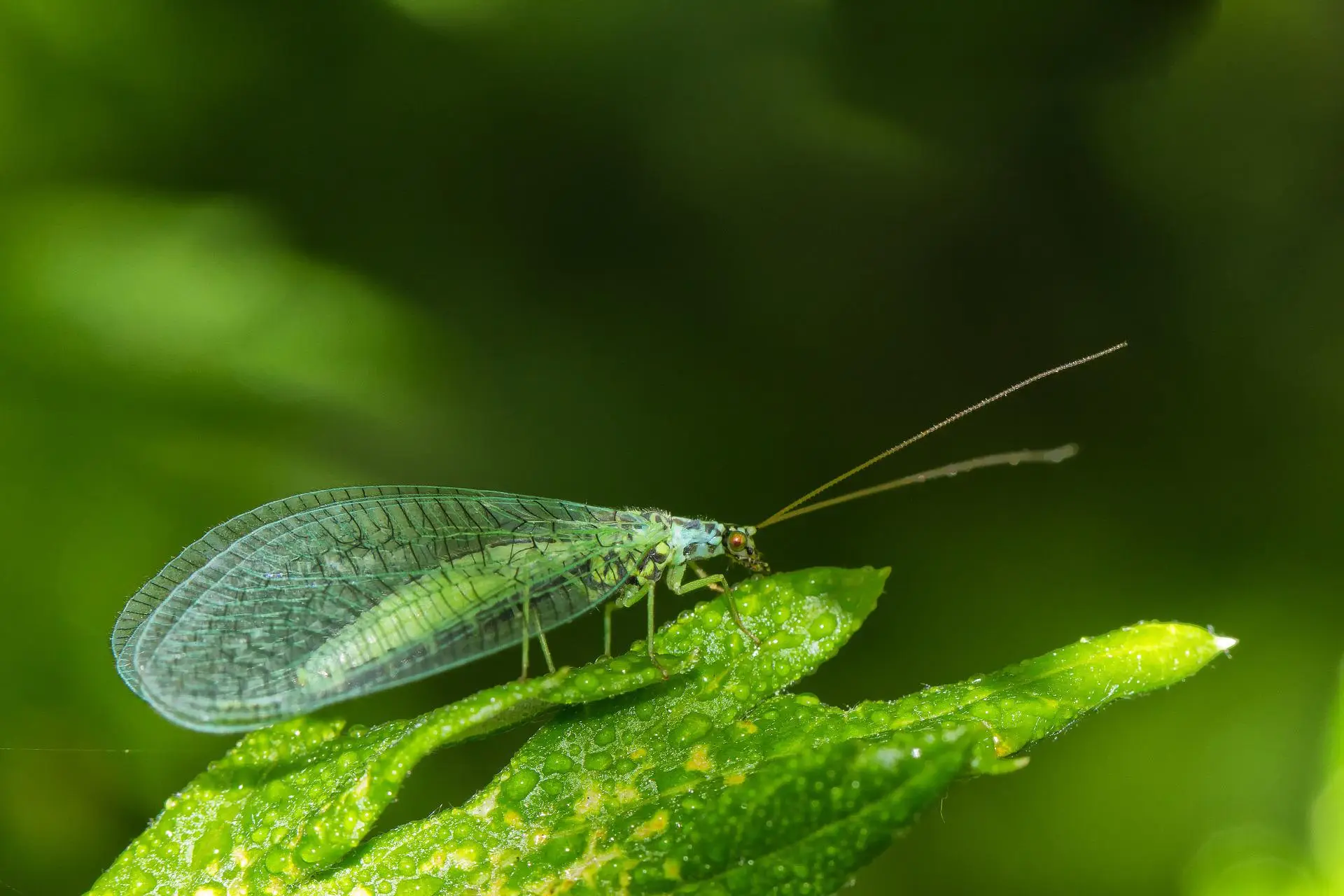
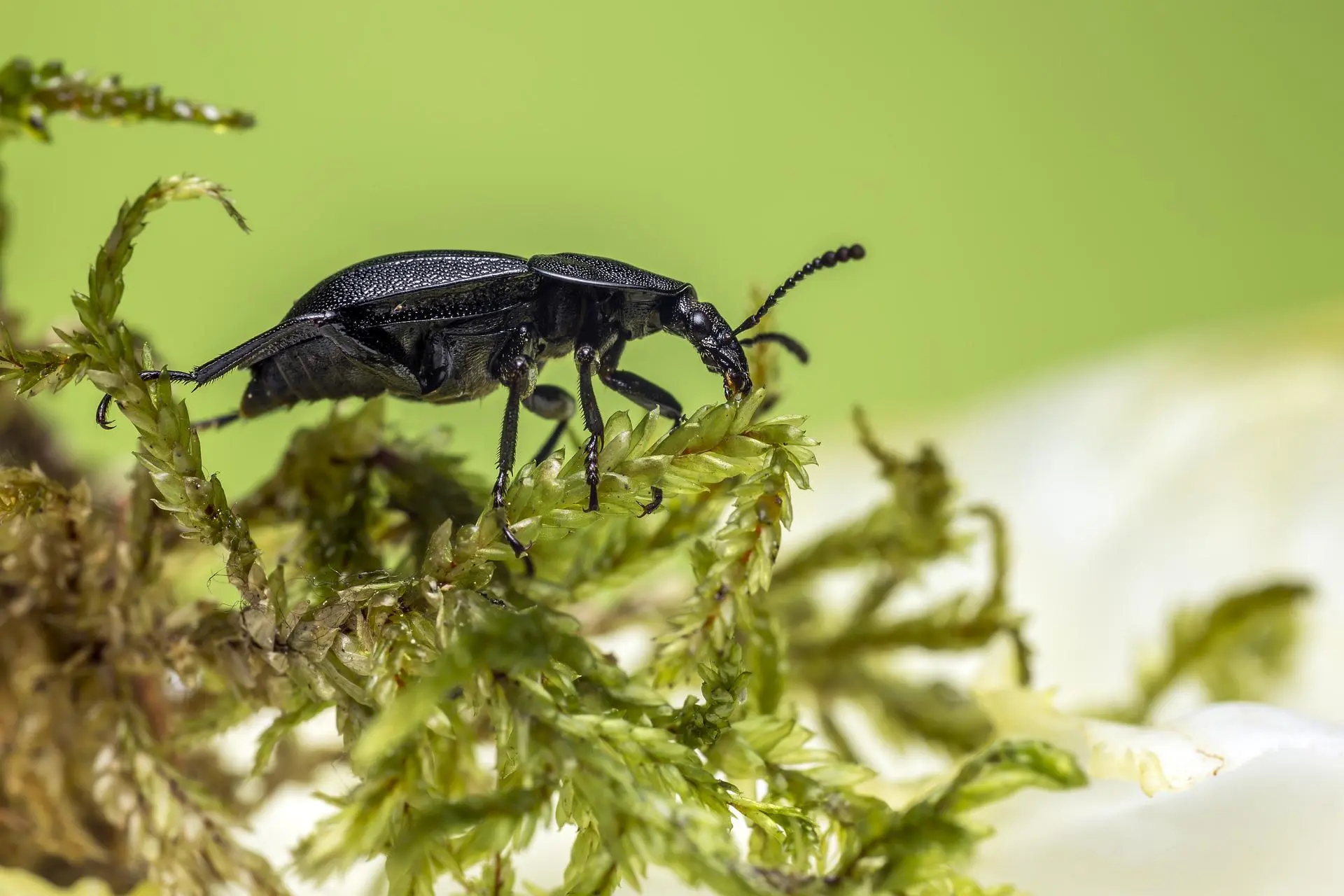
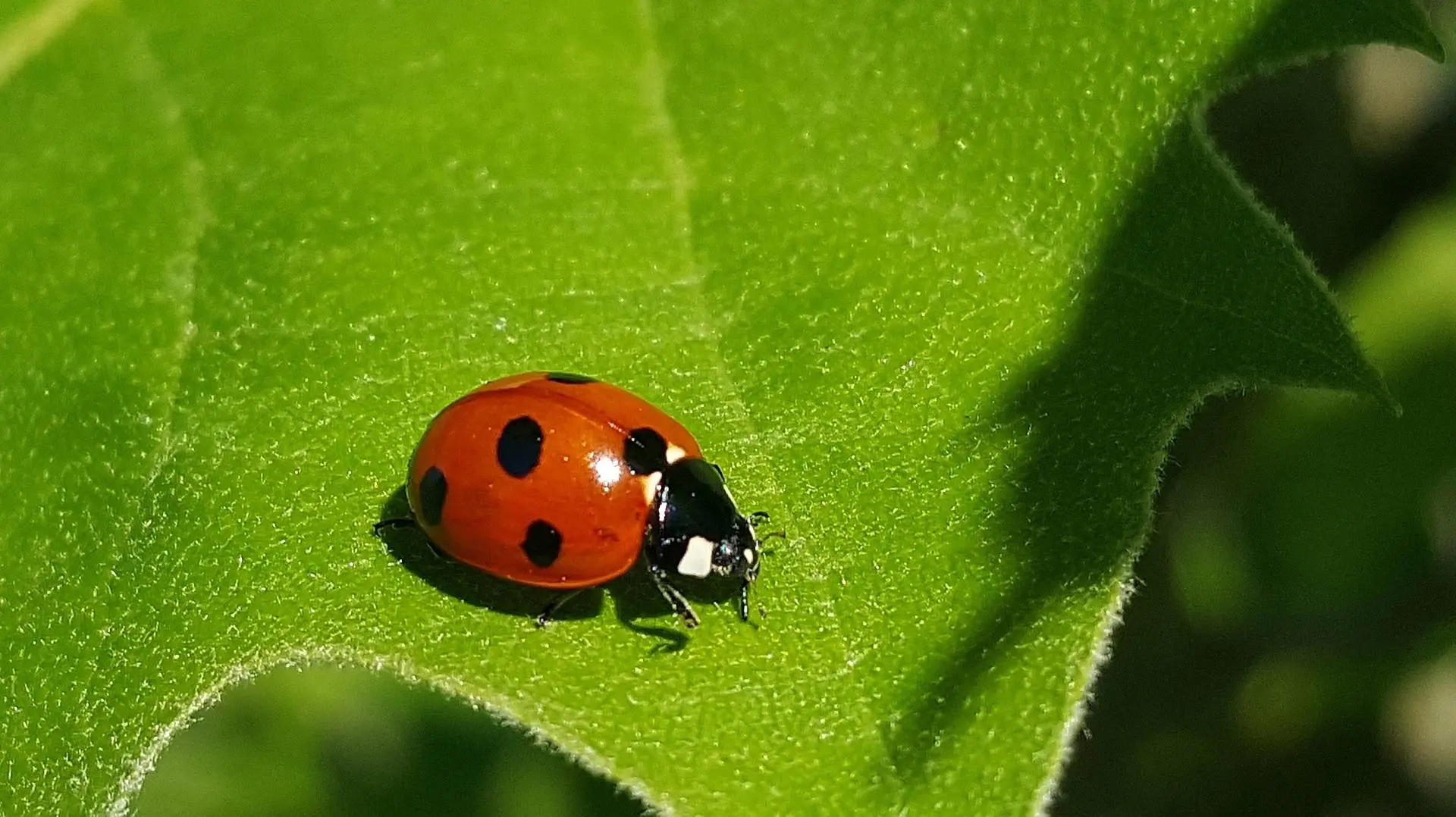
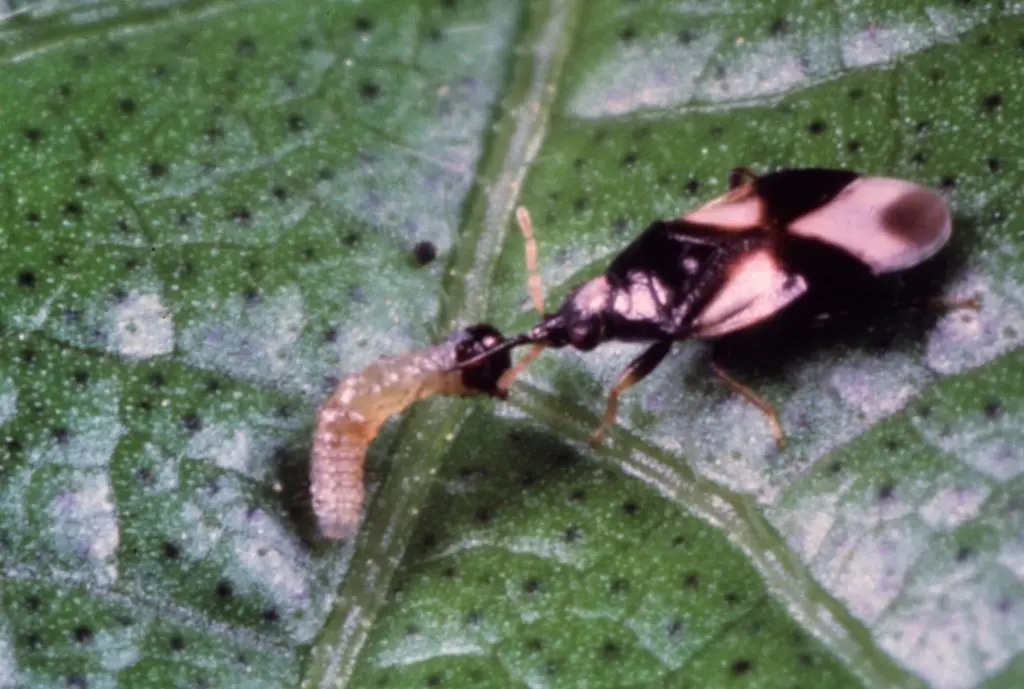


Growing from Seed
Sorrel seeds are typically sown directly outdoors, although they can be started indoors 3 weeks before the last frost date. Sorrel should not need supplemental heat to germinate.
Planting Considerations
Sorrel prefers fertile, well-draining soil. Sorrel is a perennial plant down to USDA zones 3-4, although it's often grown as an annual (particularly the red-veined sorrel). Perennial sorrel can be propagated by dividing sorrel clumps in spring. Perennial sorrel can spread somewhat aggressively so it needs to either be grown in containers or regularly divided to manage its size. Sorrel grown as an annual strictly for baby leaves can be seeded as densely as 1-2 plants per inch (2.5 cm) where sorrel grown as a perennial needs more space. Sorrel grows best in the spring and fall however it can take some heat if shade is provided.
Feeding
Sorrel is a light feeder and does not require much, if any, fertilizer. Apply compost at the time of planting.
Harvesting
Young, tender sorrel leaves are generally preferred (especially for eating raw) although older leaves may be cooked like spinach. Use a sharp knife or snips to cut off the outermost leaves near the soil level. Leave the inner leaves intact to get multiple harvests from the same plant.
Storage
Sorrel leaves can be stored in the refrigerator for up to a week, or chopped and frozen in a freezer-safe bag for up to several months. Frozen sorrel is used in cooked dishes. Sorrel leaves can also be hung to dry in a warm, dark place then crushed and stored for a year or more.
Some people can be allergic to sorrel- if you are allergic to buckwheat or rhubarb you might also be allergic to sorrel. Sorrel contains high amounts of oxalic acid (some varieties more than others) so consume sorrel in moderation and be especially careful if you are on a low-oxalate diet.
Pruning
Prune off and compost older leaves as needed and remove flower stalks as soon as they emerge to keep the plant productive and to prevent the plant from reseeding and becoming invasive.