Valerian
Valeriana officinalis
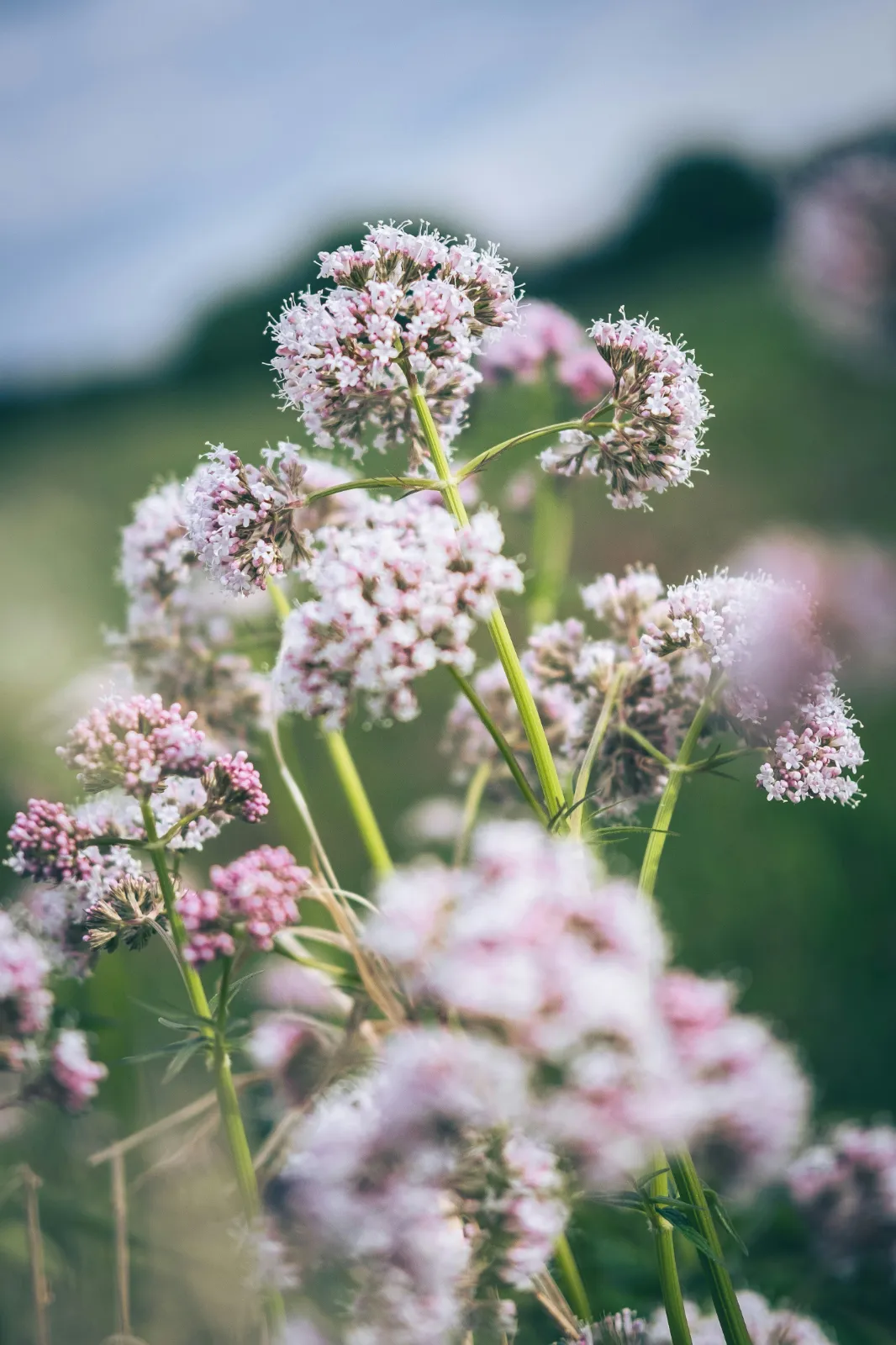
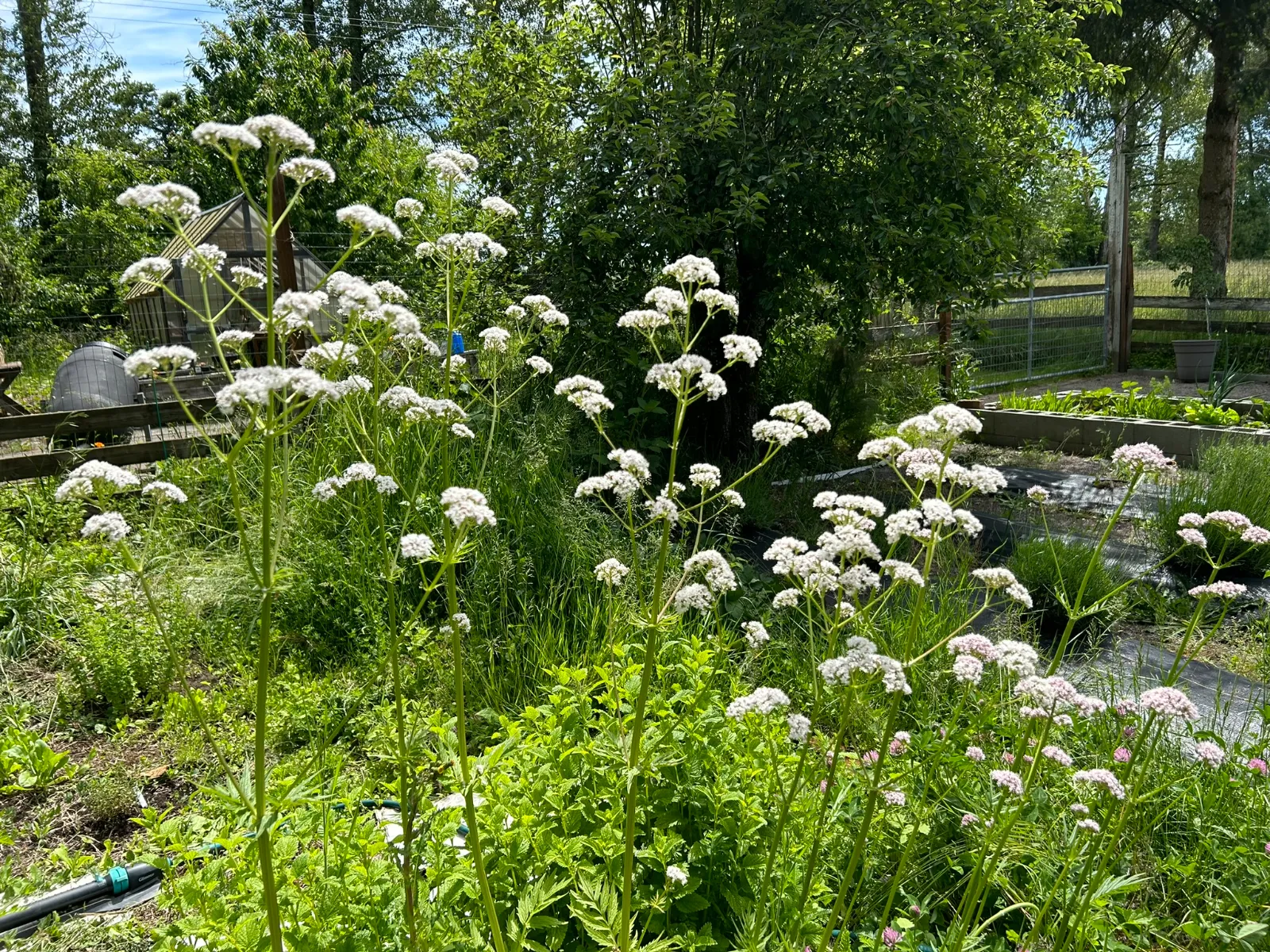
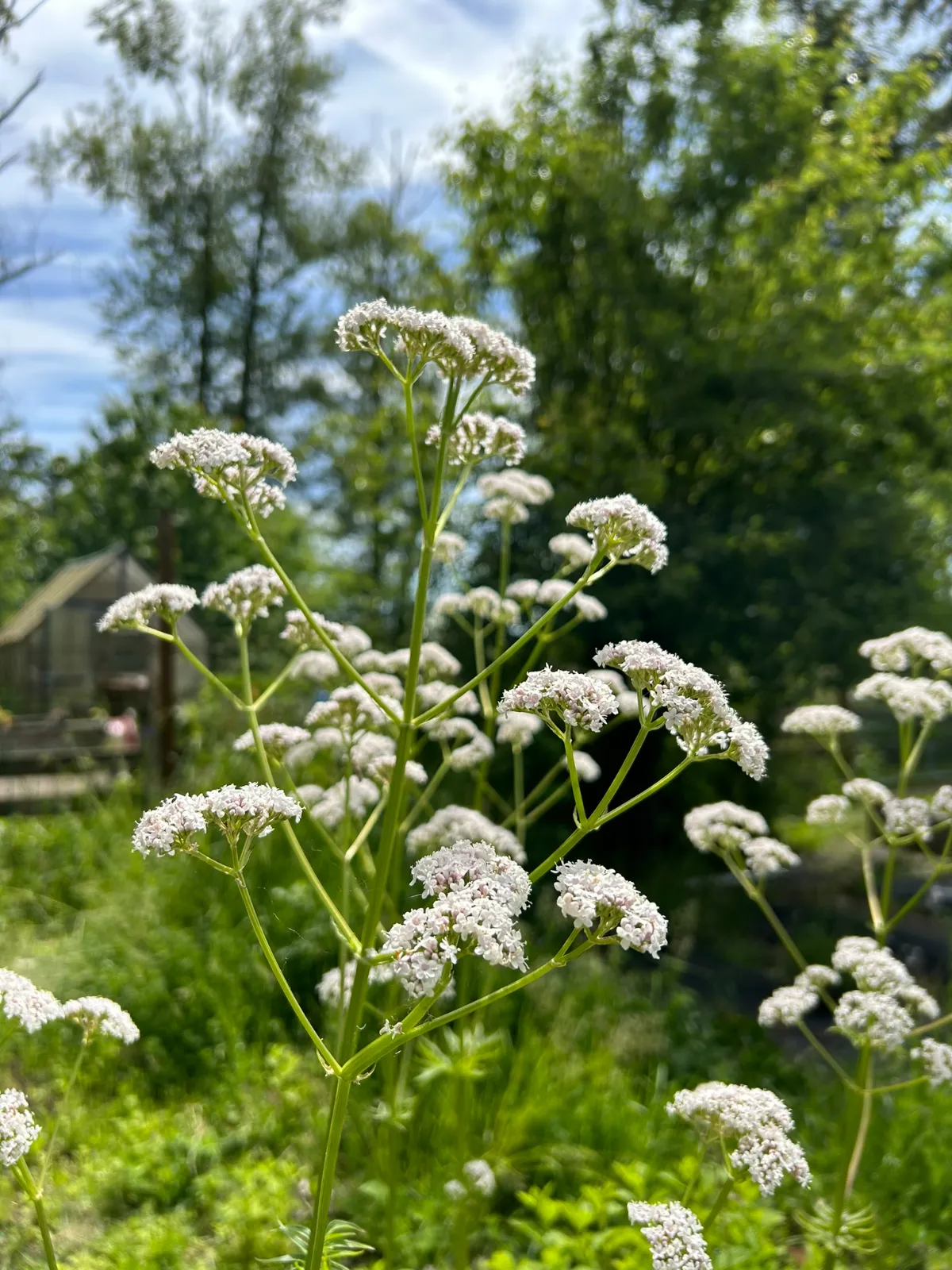
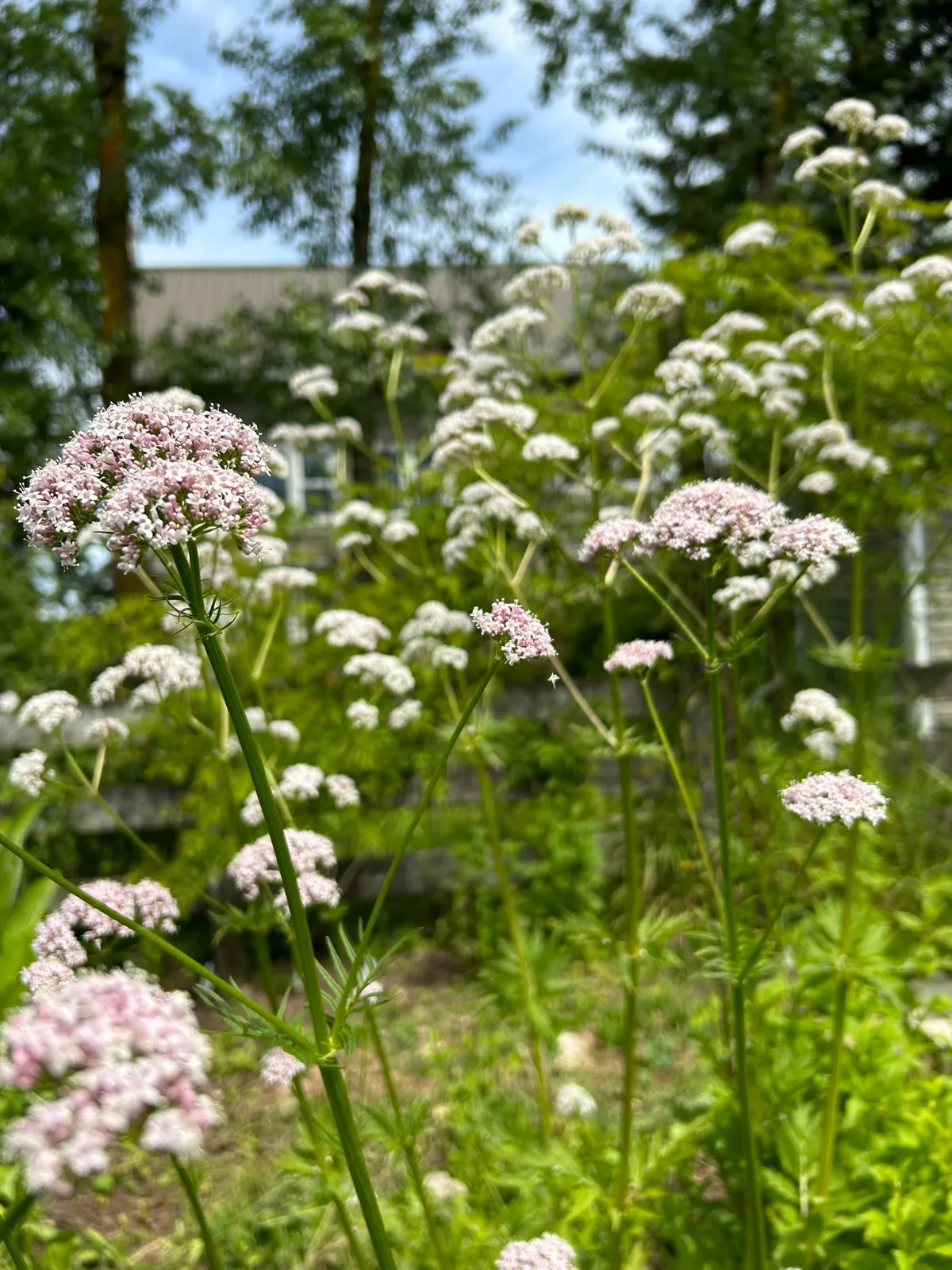
Native to Europe and parts of Asia, valerian is a tall perennial plant notorious for its pungent-smelling roots. The roots have been used in herbal remedies for centuries. Not to be confused with the ornamental red valerian, the common valerian, Valeriana officinalis, is known as the "sleep herb" for its ability to promote deep sleep. It is a good choice to grow in cottage-style gardens. Its white flowers dance in the breeze and are usually humming with insects, and it seems to be a favorite for bumblebees. Although its roots are very powerful smelling, the flowers give off a more mellow and sweeter version of the roots. Cats are known to love the smell of valerian. Valerian is hardy to USDA zones 4-8.
How to Grow Valerian
Quick Info

Put away the pen and paper
Plan your veggie garden in minutes with Planter's easy drag and drop planner.
Try Planter for Free
Related Articles
Pests
Diseases
Beneficial Critters
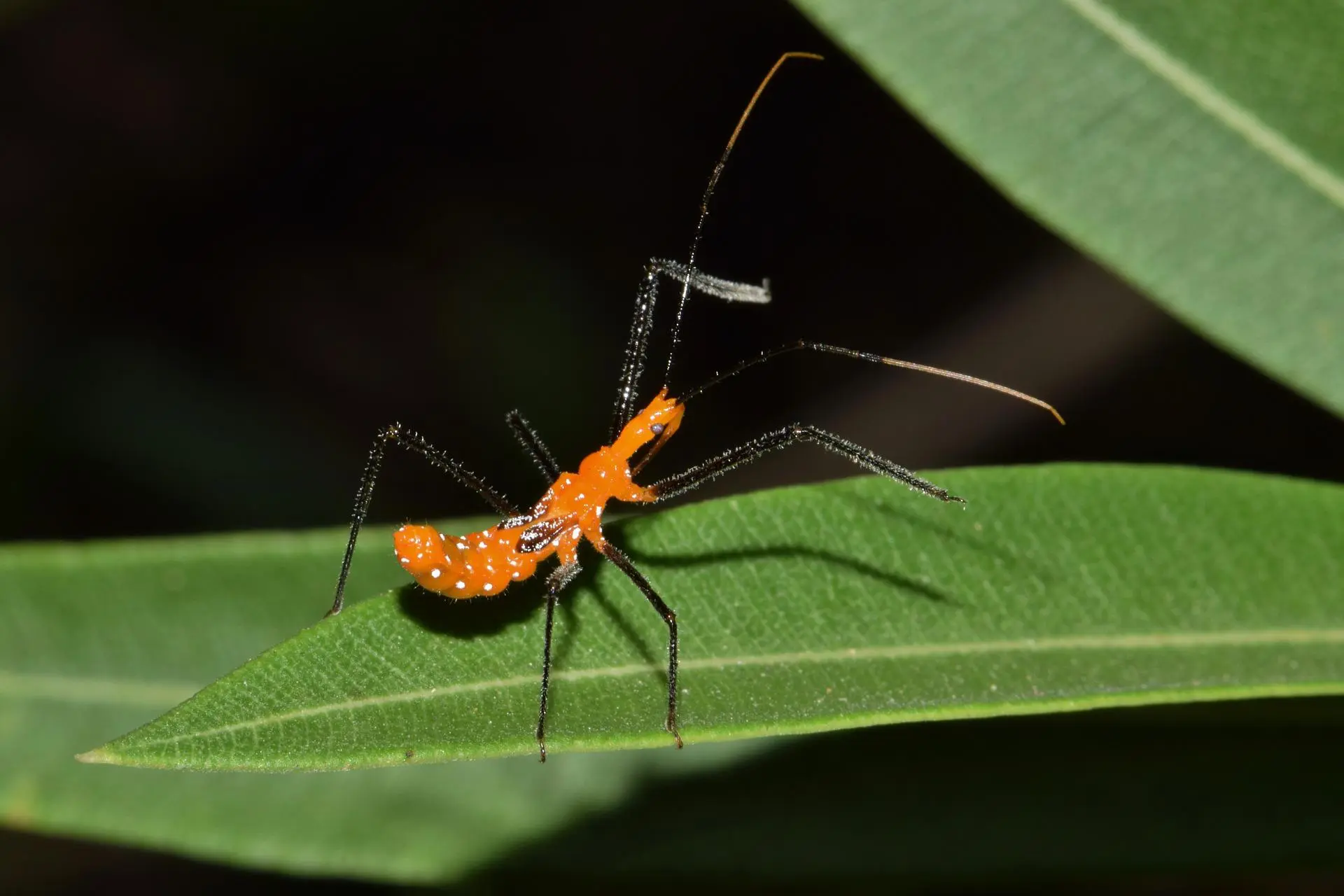
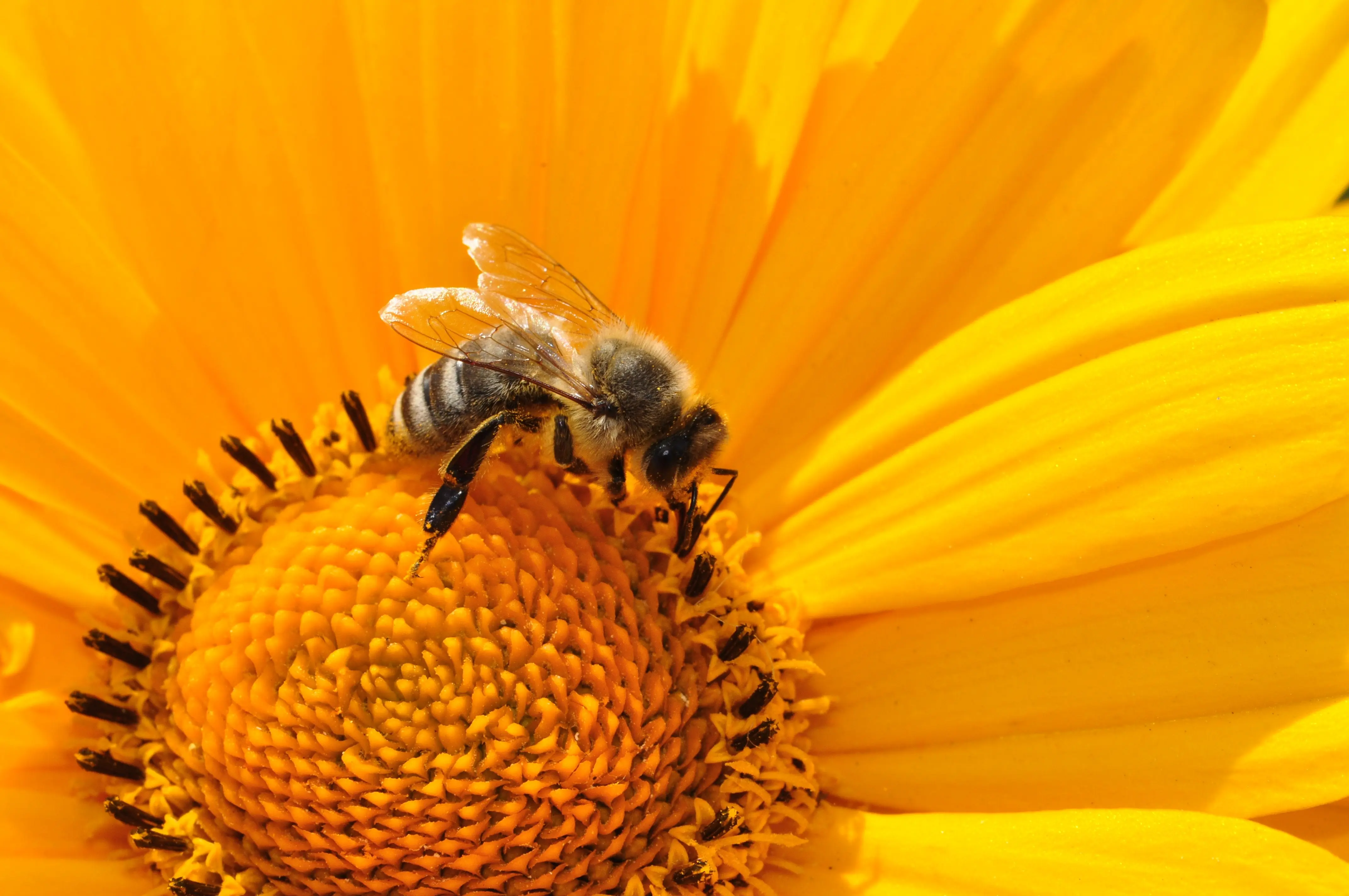
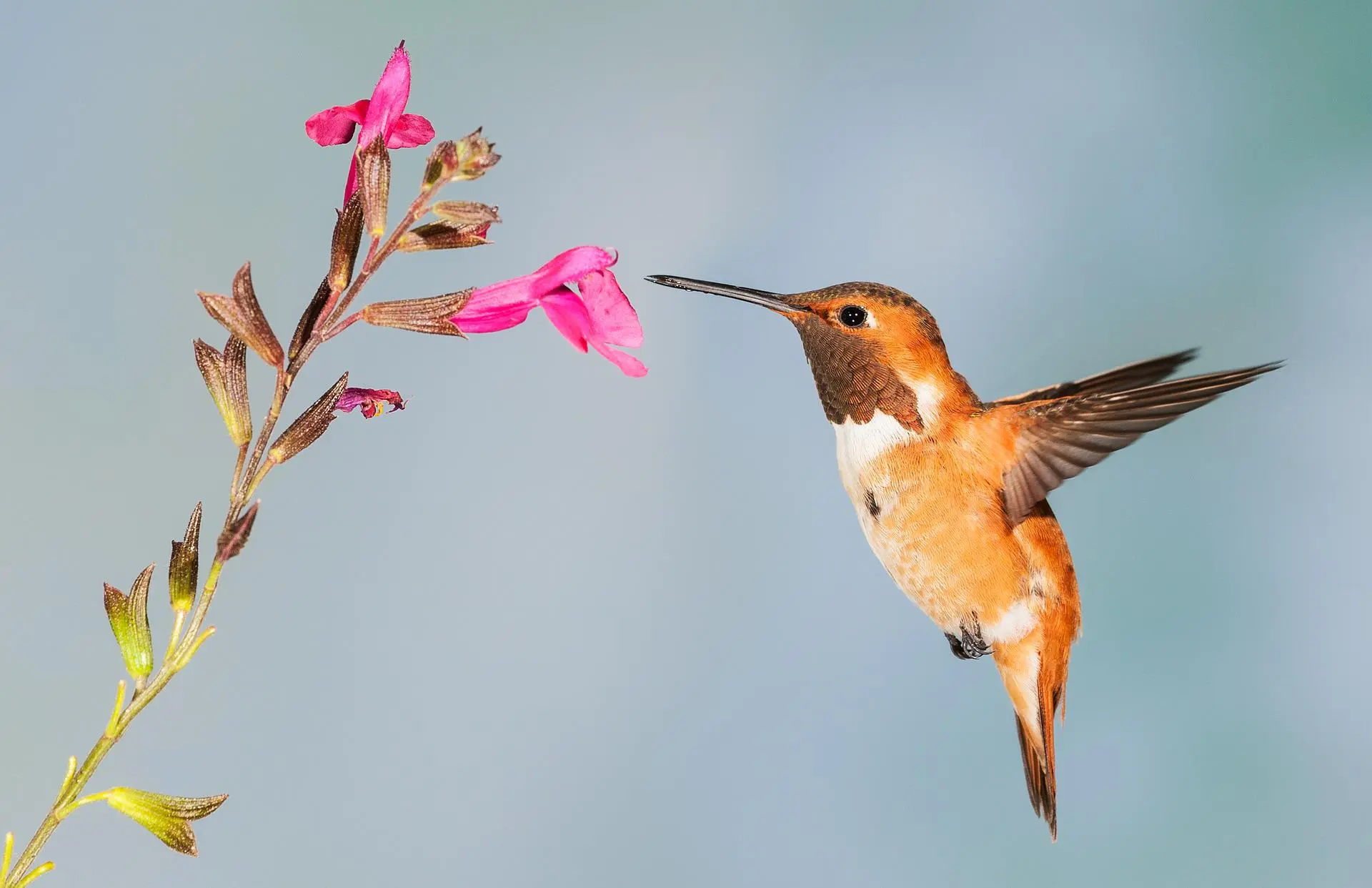
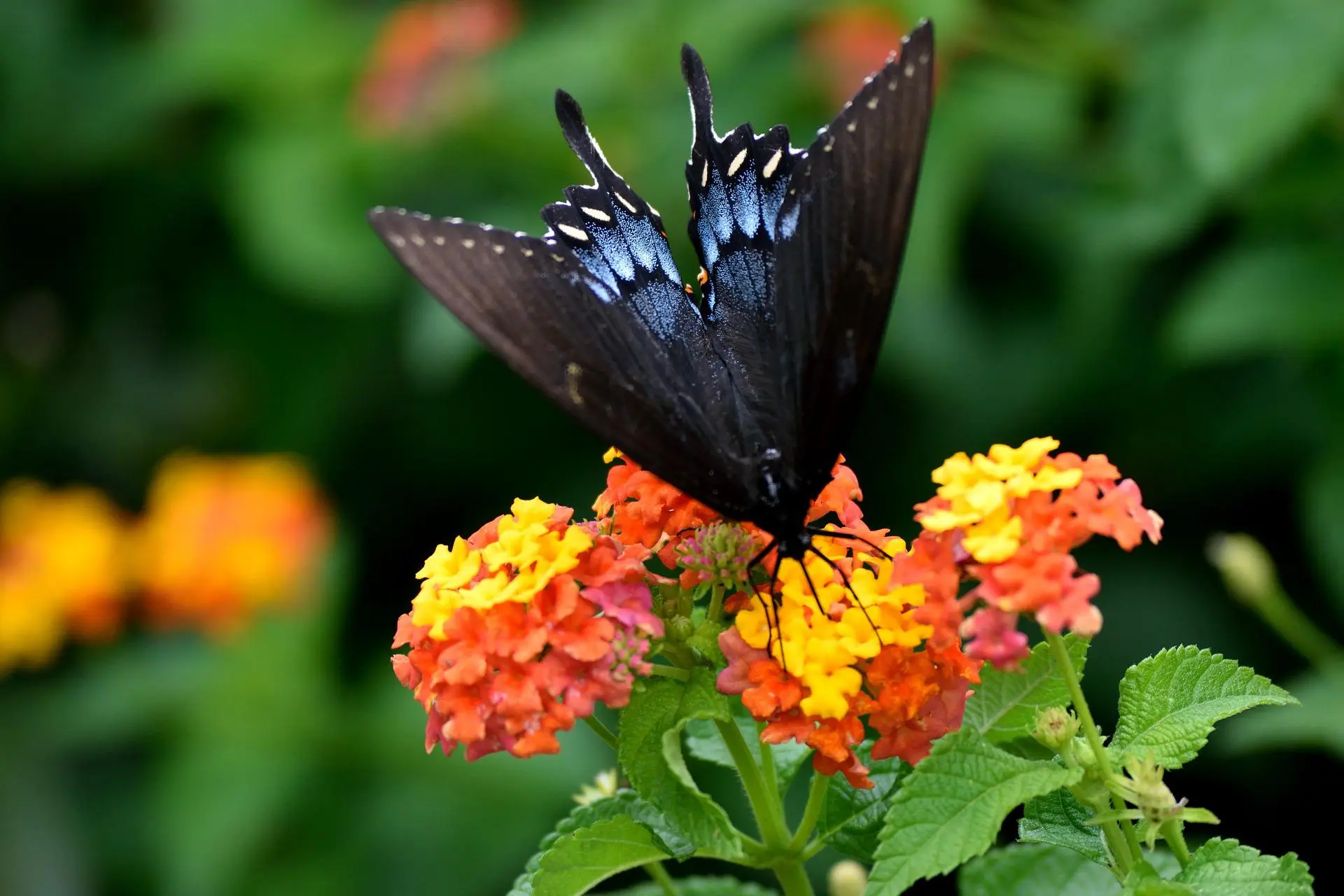
Growing from Seed
Valerian is a light-dependent germinator. Sow the seeds on the surface in early spring and barely cover them with soil. Since valerian tends to have low germination rates, consider root division to guarantee success.
Planting Considerations
Although valerian can have low germination rates, their flower heads produce abundant seeds that can readily spread through the garden and beyond. Remove the flower heads before they go to seed to prevent any unwanted spreading. It is reported that rats love the smell of valerian, so you may want to avoid growing it if you have a rat problem in the area. You may also attract cats to the garden since they love valerian. Valerian prefers rich and moist soil but adapts to various growing conditions. Valerian is banned in Connecticut. New Brunswick, Canada, lists valerian as a "plant of concern". The American Midwest considers valerian a noxious weed. Consider your ability to control valerian if you live near fields where livestock graze. Farmers in the US Midwest spend a lot of time trying to stop the spread of valerian.
Feeding
Regular feeding is not neccessary but valerian does well with a generous annual dose of compost at its base.
Harvesting
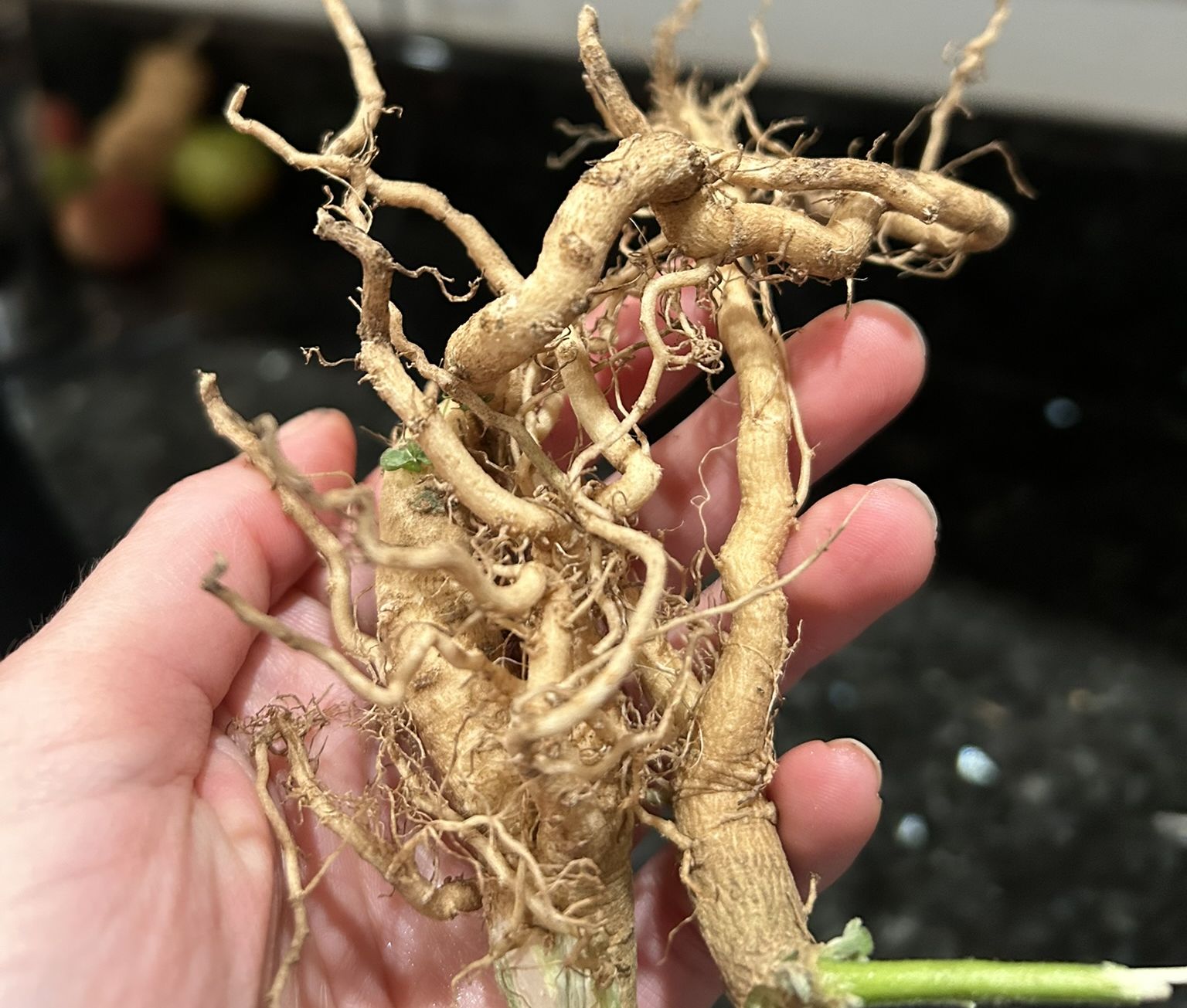
Dig up the roots in the fall of its second growing year. To clean the stringy roots, a blast from the hose helps a lot. After cleaning, chop the roots and use them fresh or dry for storage.
Storage
Store dried roots in glass jar in a cool and dark place. Valerian roots can maintain thier potency for up to three years.
Pruning
Cut off flower heads after the blooms start to form seeds to prevent unwanted spreading.
Herbal Use
The root of valerian has long been used for anxiety, headaches, and sleep disorders. Today, it's still used for these things. Herbalists recommend short-term use of valerian to help with nervousness, pain, and promotion of deep sleep. It has quite a strong flavor, so it's often blended with other herbs when making tea. When making valerian tinctures, it's preferred to use the fresh root. Avoid if you have liver disease. Do not use with medicines that cause drowsiness or if you are pregnant or breastfeeding. Some people experience a paradoxical reaction to valerian, where instead of feeling calm or sleepy, they feel more energized or excited. Always start with smallest dose of valerian to evaulate how it makes you feel. Always consult with your healthcare professional before using herbs.