Boysenberry
Rubus ursinus × R. idaeus
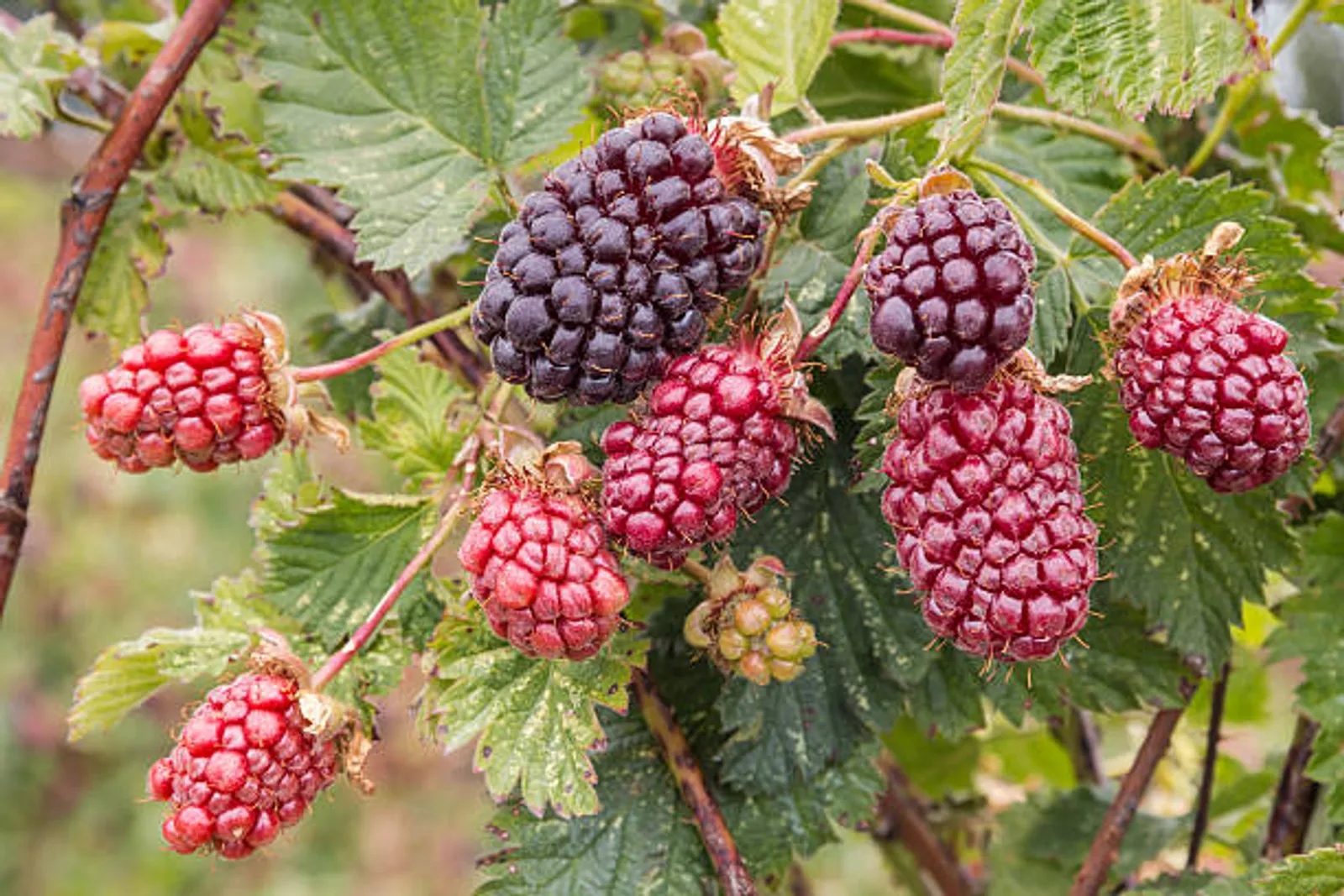
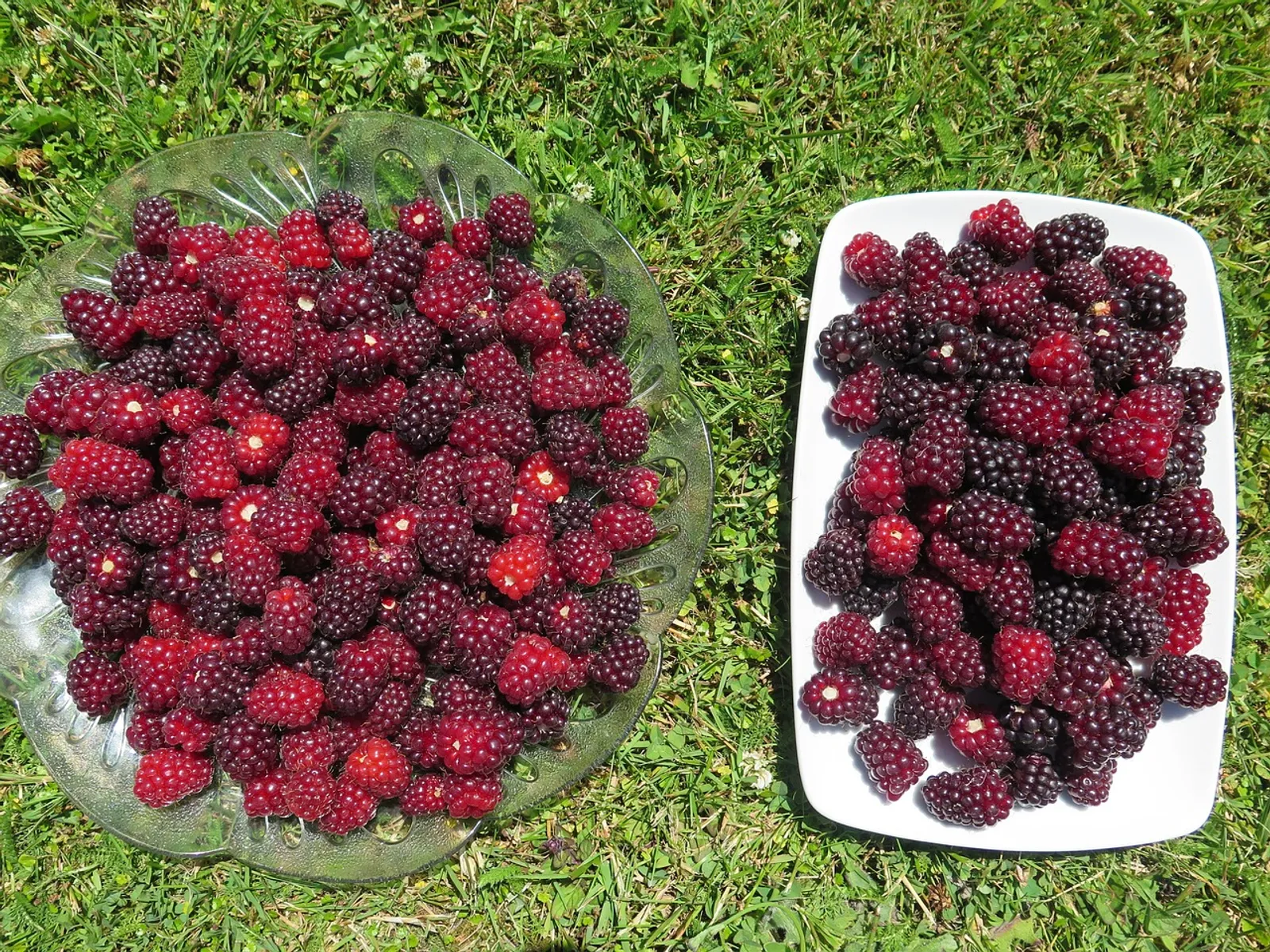
You probably haven't seen this berry in stores, and that's because of its short-lived beauty. Boysenberries, a hybrid between blackberries, raspberries, dewberries, and loganberries, only stay fresh for a few days after harvest, so they're often used in jams and pies instead. They taste much like blackberries, but are a bit more sweet and tangy with much larger fruits. You'll have the best luck in USDA zones 5-9!
How to Grow Boysenberry
Quick Info

Put away the pen and paper
Plan your veggie garden in minutes with Planter's easy drag and drop planner.
Try Planter for Free
Pests
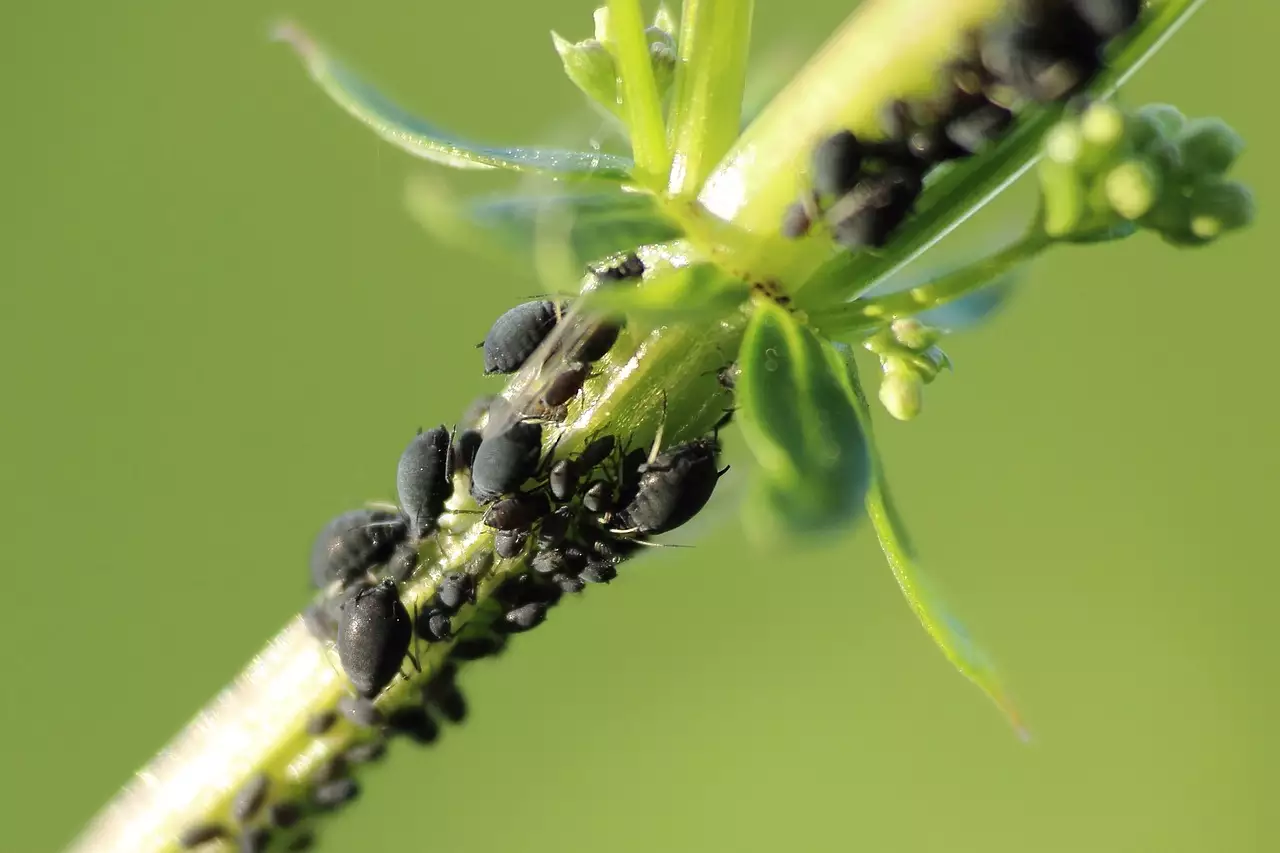
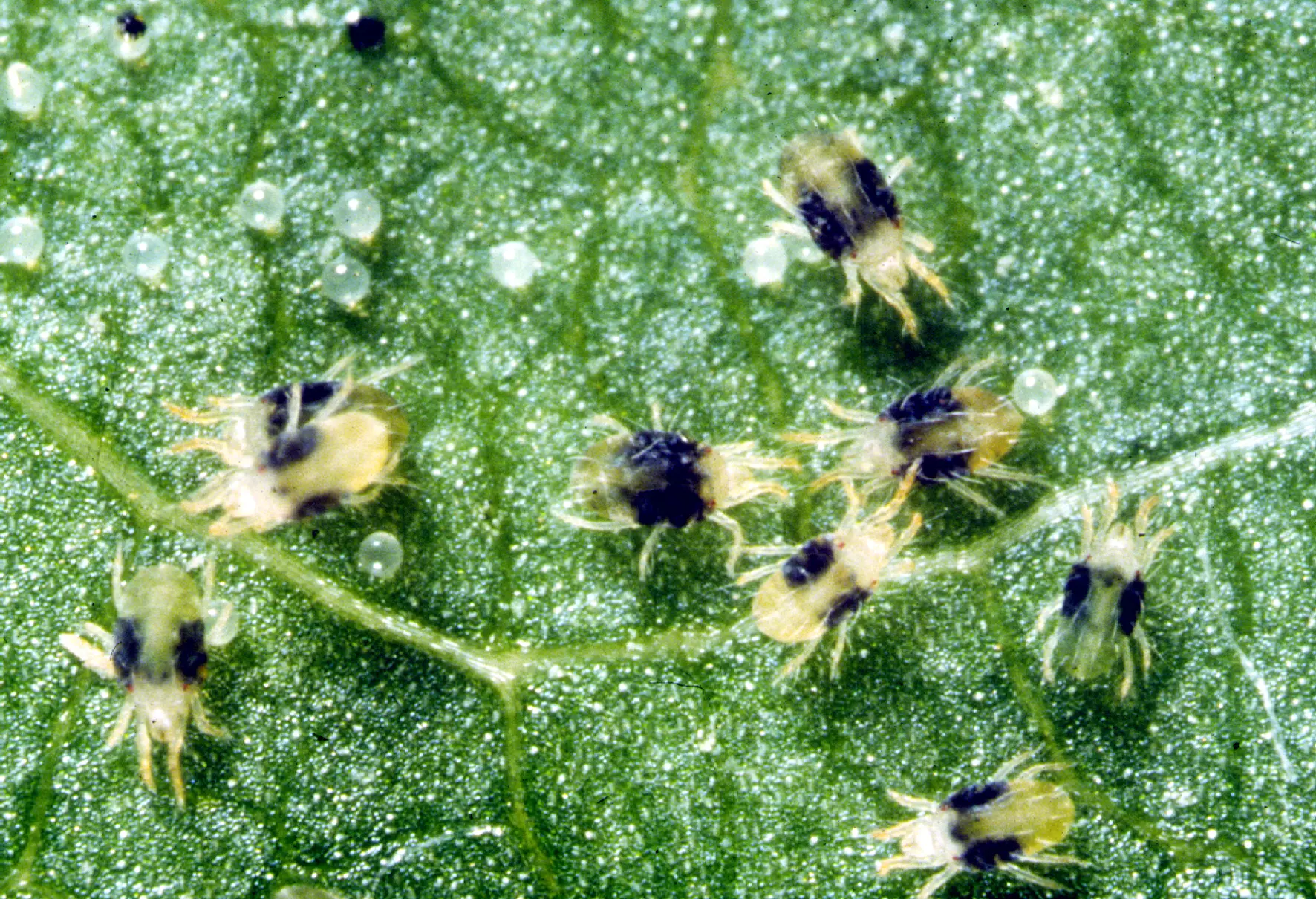
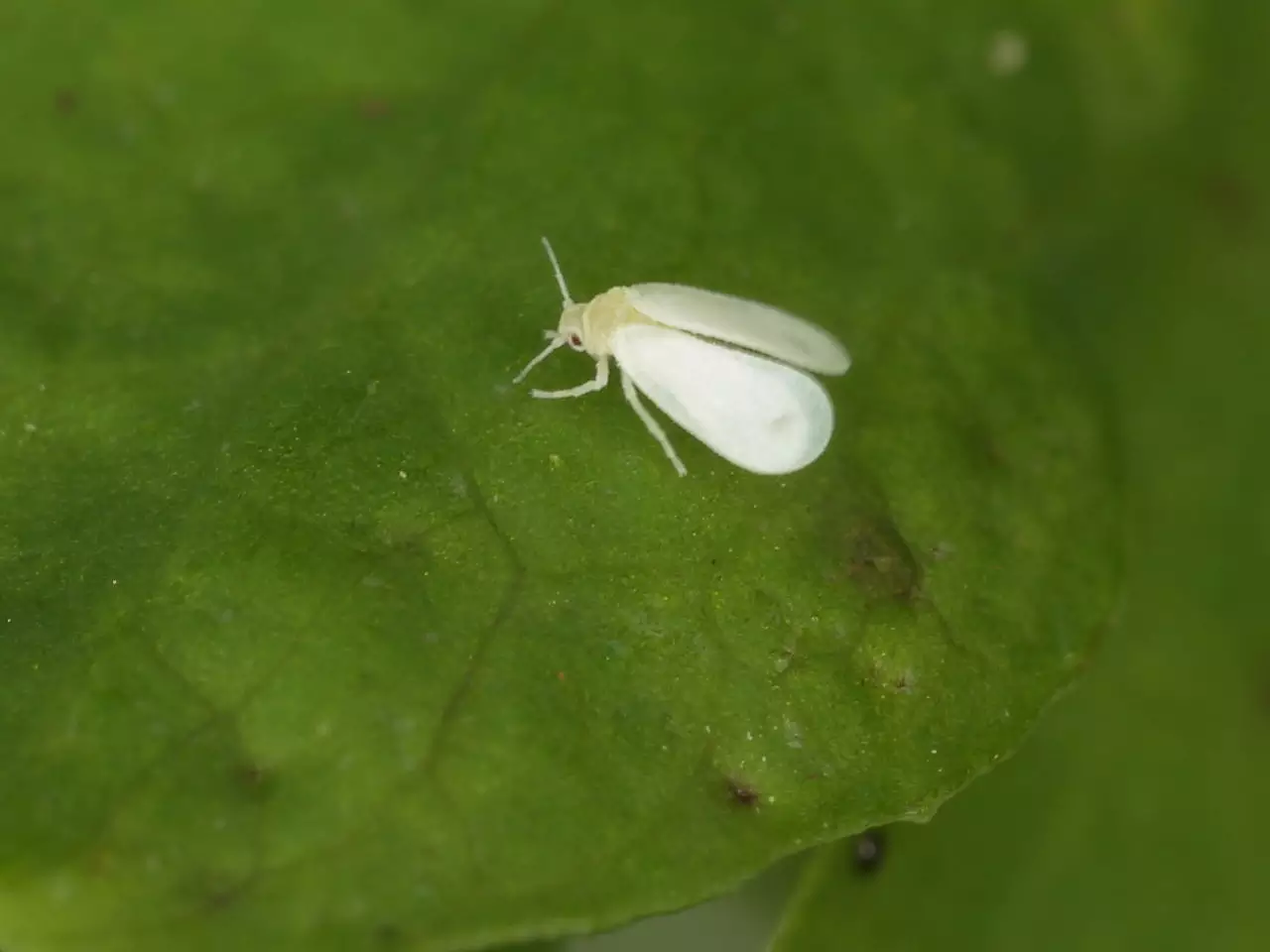
Diseases
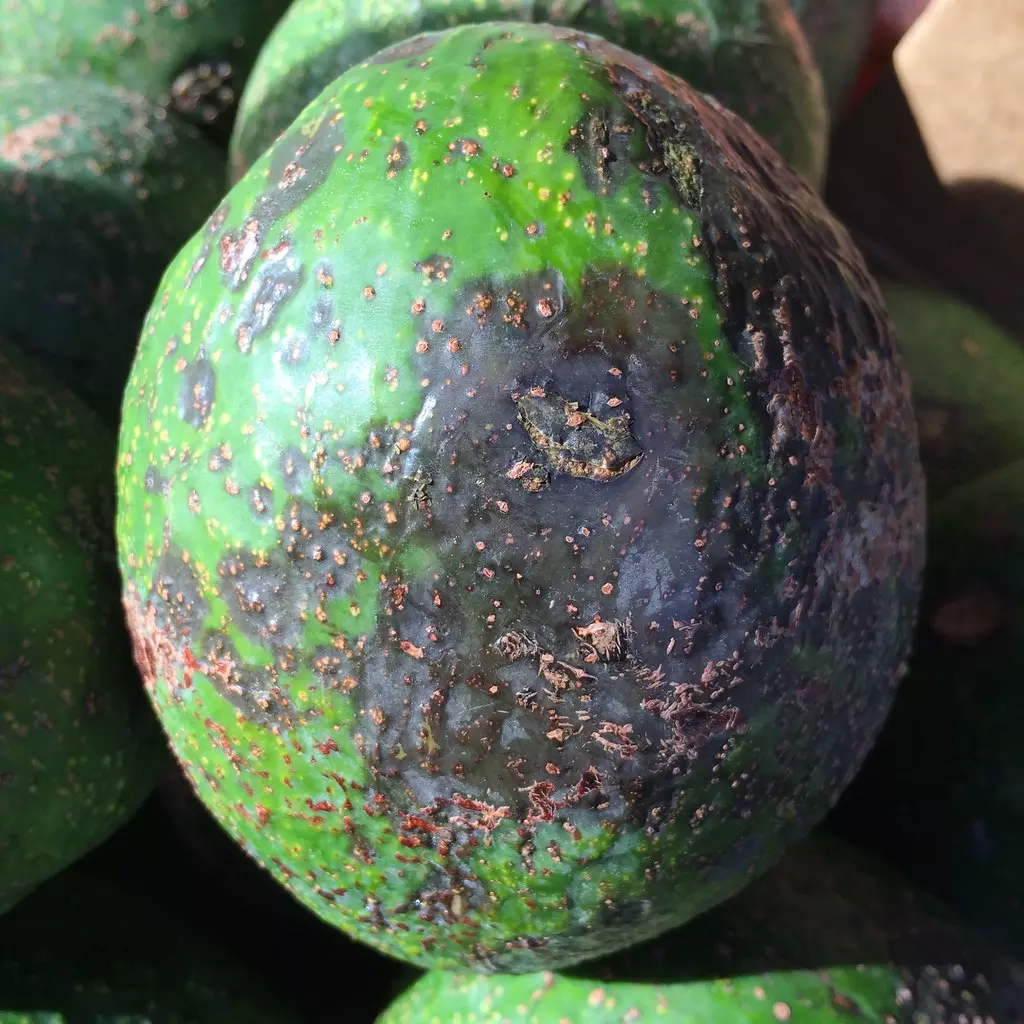
Beneficial Critters

Growing from Seed
Growing boysenberry from seed isn't recommended- it is typically grown from propogation, because of its hybrid genetics. Seeds will not produce a true Boysenberry.
Planting Considerations
Boysenberries are trailing vine plants, so will require trellising. Like raspberries, they can spread easily if given the chance, so be sure to prune off older, faded green-brown vines after the harvest season.
Feeding
You;ll only need to feed them with a balanced fertilizer when you transplant, and once every spring afterwards.
Harvesting
Like blackberries and raspberries, boysenberries don't all ripen at once, and you can harvest them throughout the late warm season. They're firmest in the morning, so that's the best time to harvest them!
Storage
These berries don't last long after harvesting, which is why they aren't commonly sold in stores. To extend their life, you can freeze them on a baking sheet and then store in an airtight bag for up to 6 months, or can them as jam in order to enjoy them beyond their short life.