Cranberries
Vaccinium macrocarpon
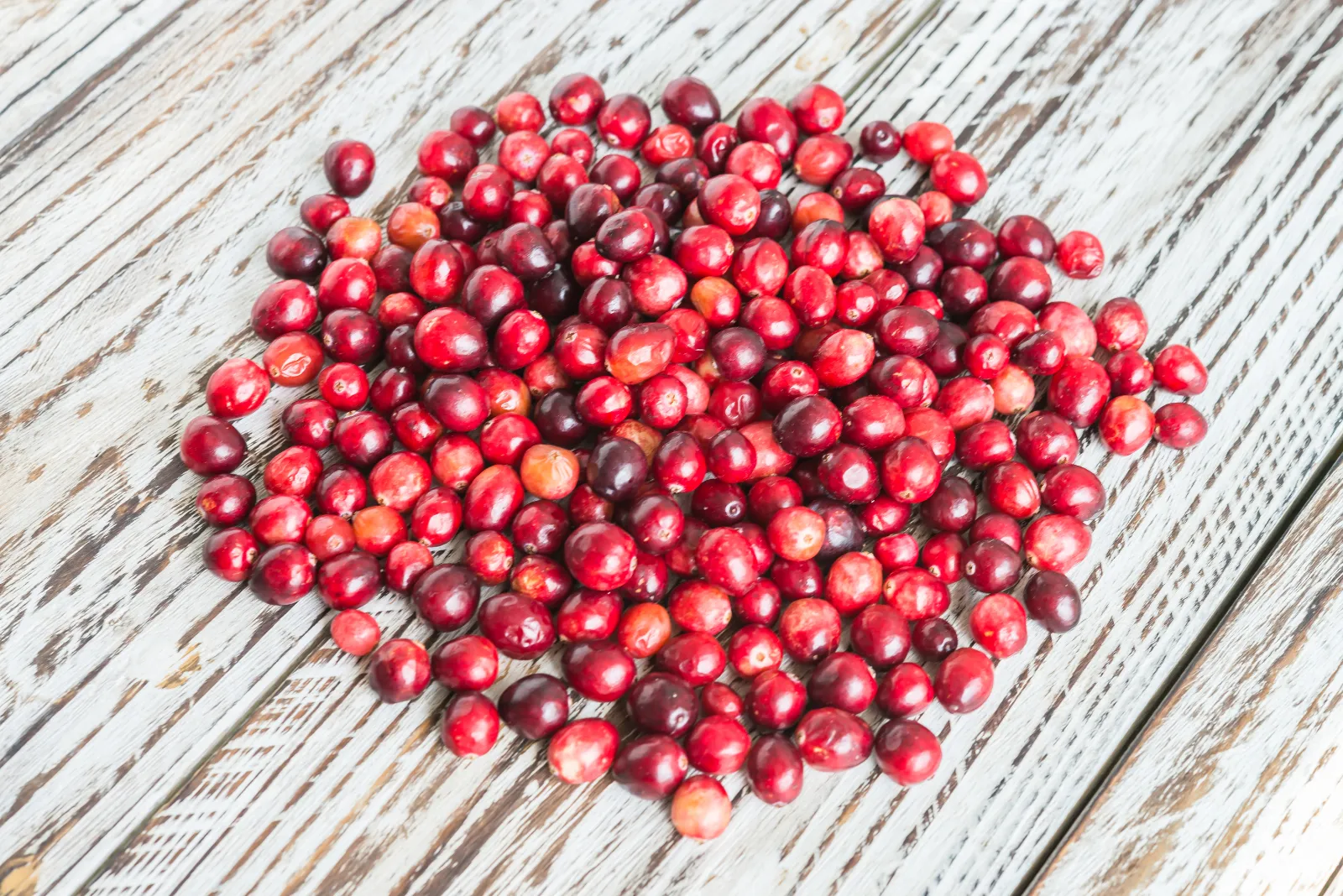
These bog plants native to the Northeastern US are some of the most festive fruits of them all! Cranberries hold their own well in so many applications- fresh or dried, juice or jelly! A staple in thanksgiving dinners, this sweet and tart berry grows in some challenging conditions that not every gardener may be able to achieve. However, with some hard work, you can have cranberries in your very own garden!
How to Grow Cranberries
Quick Info
Put away the pen and paper
Plan your veggie garden in minutes with Planter's easy drag and drop planner.
Try Planter for Free
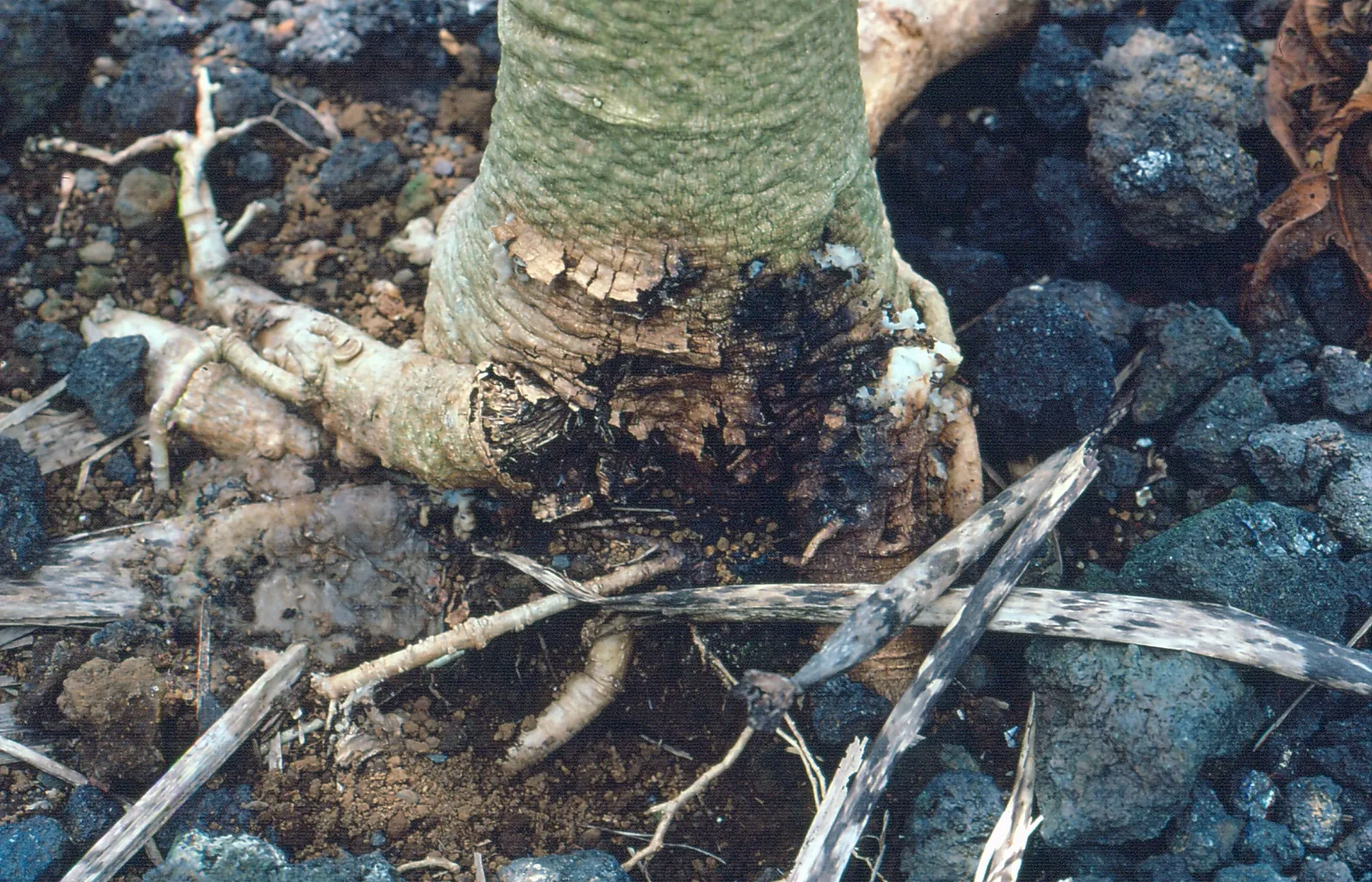
Diseases
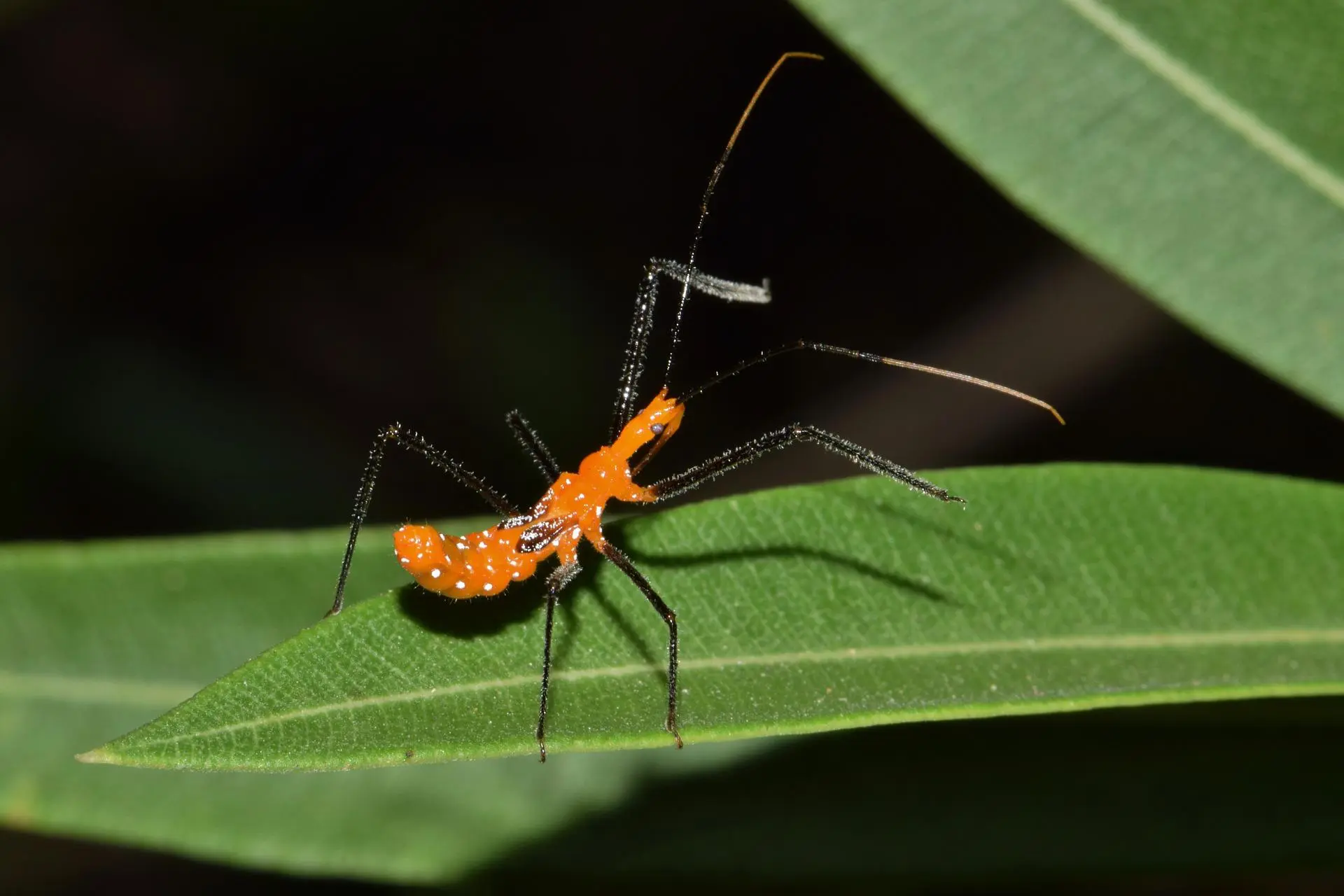
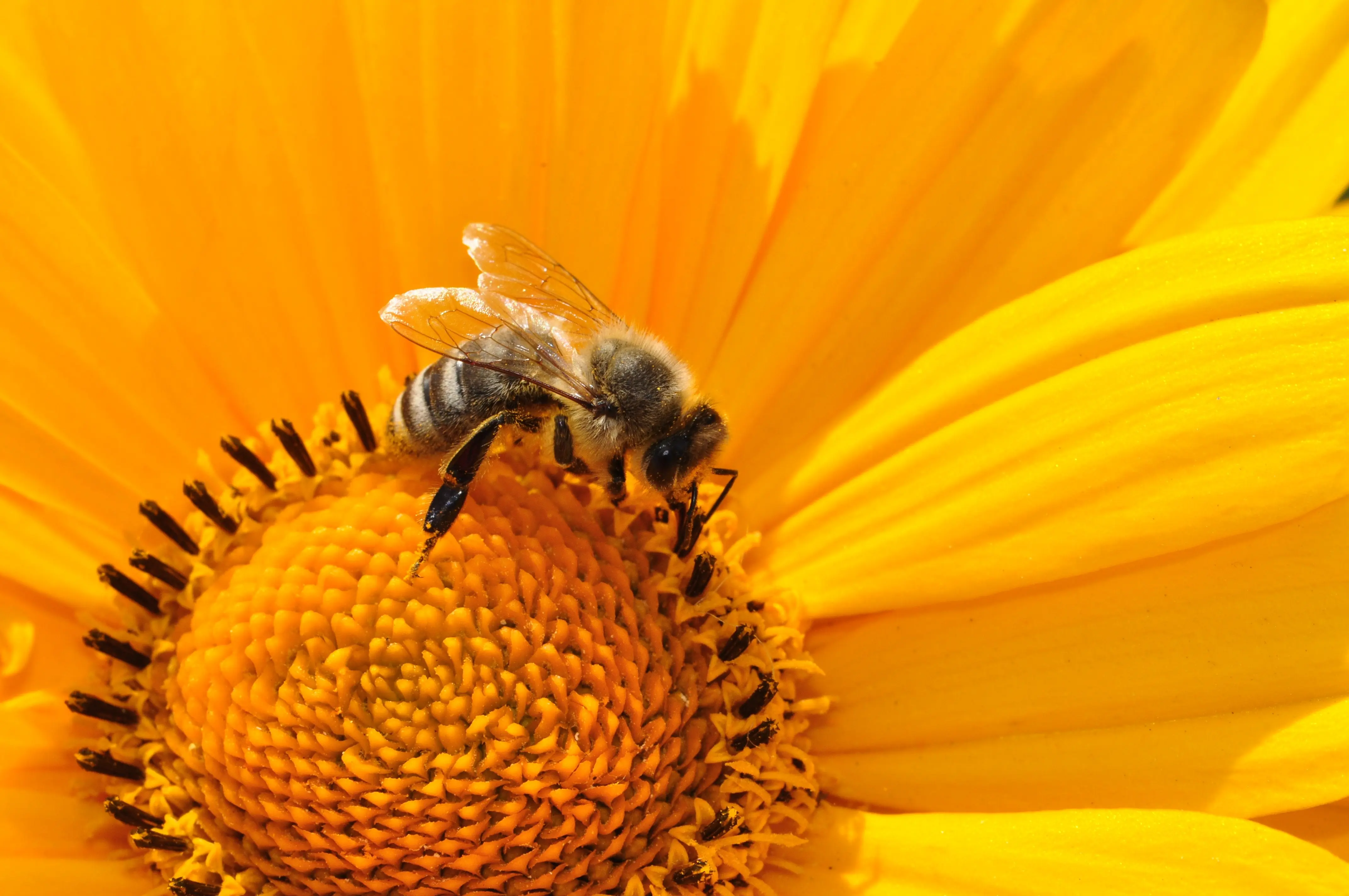
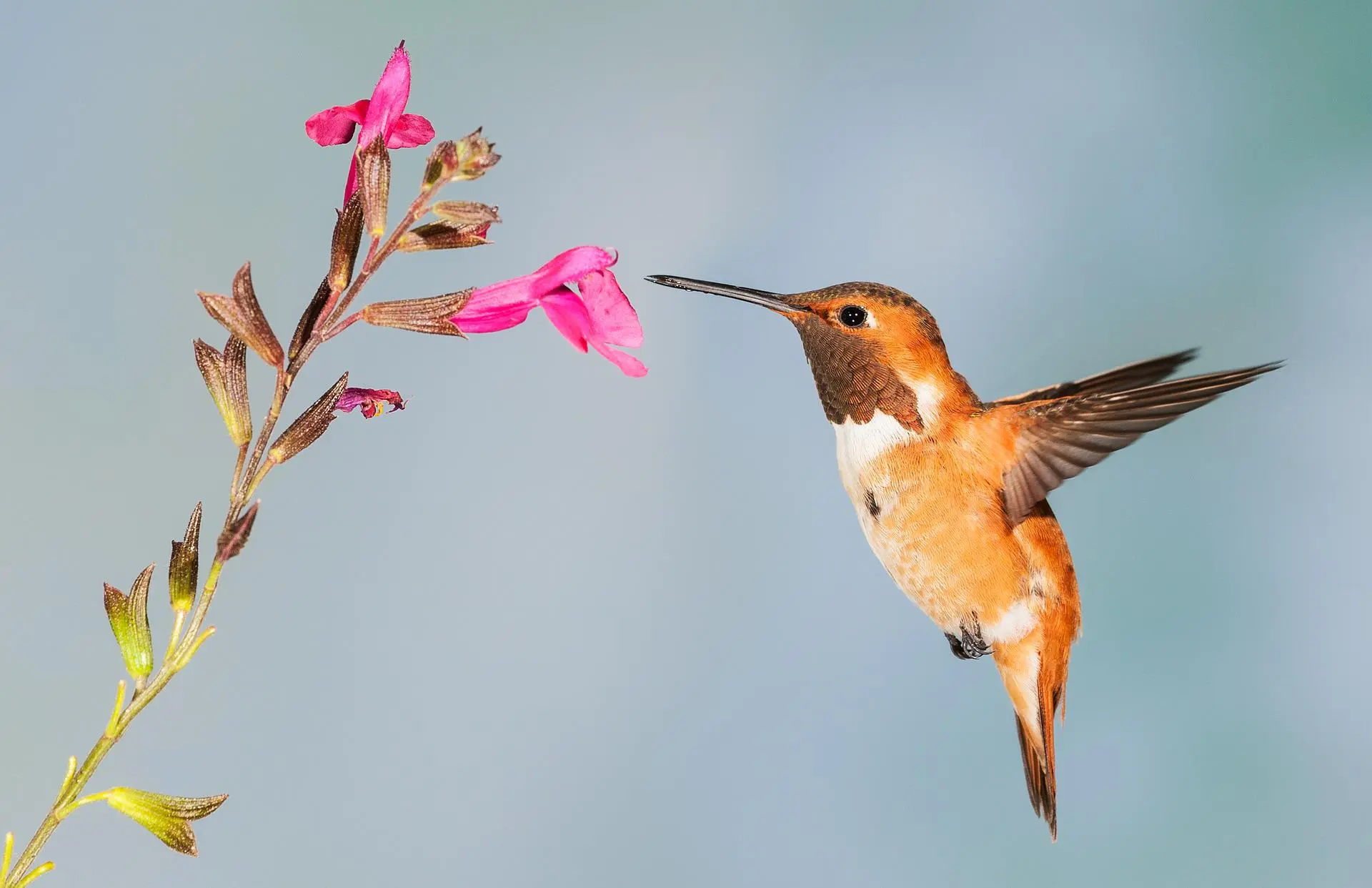
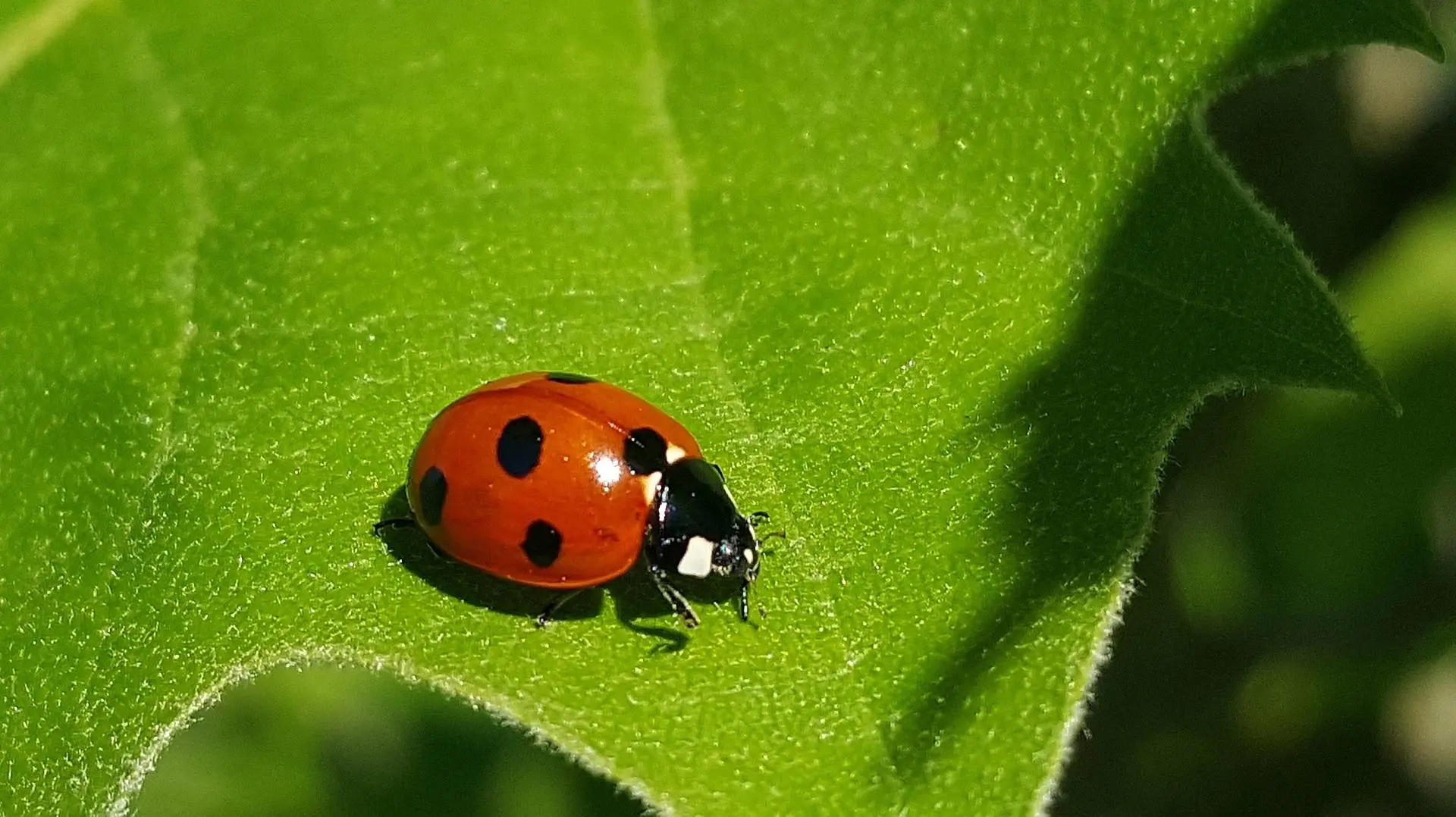
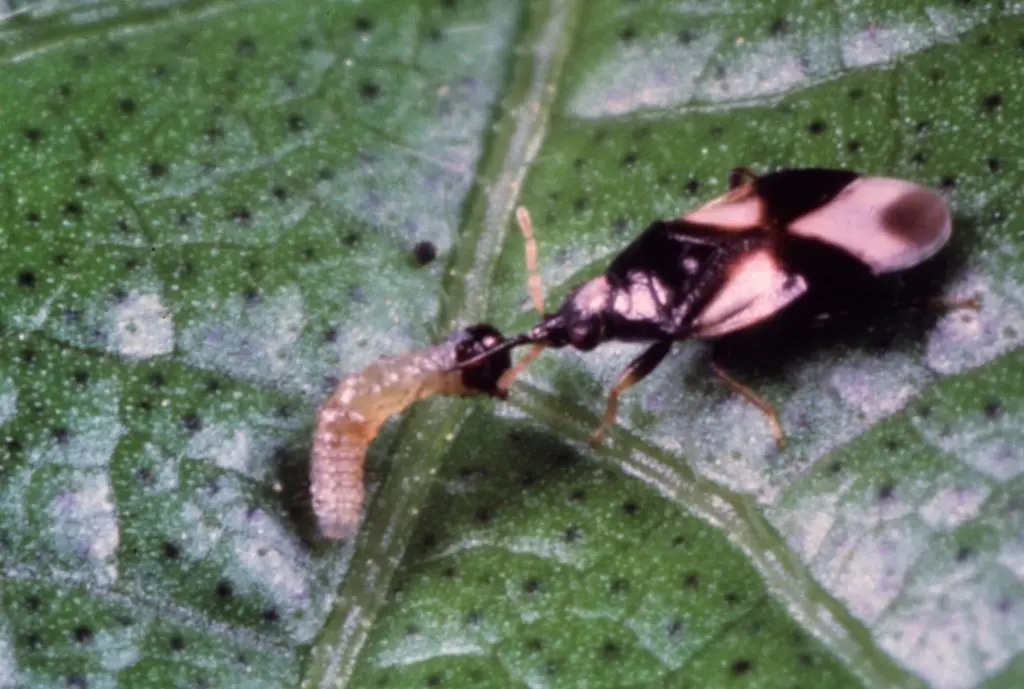
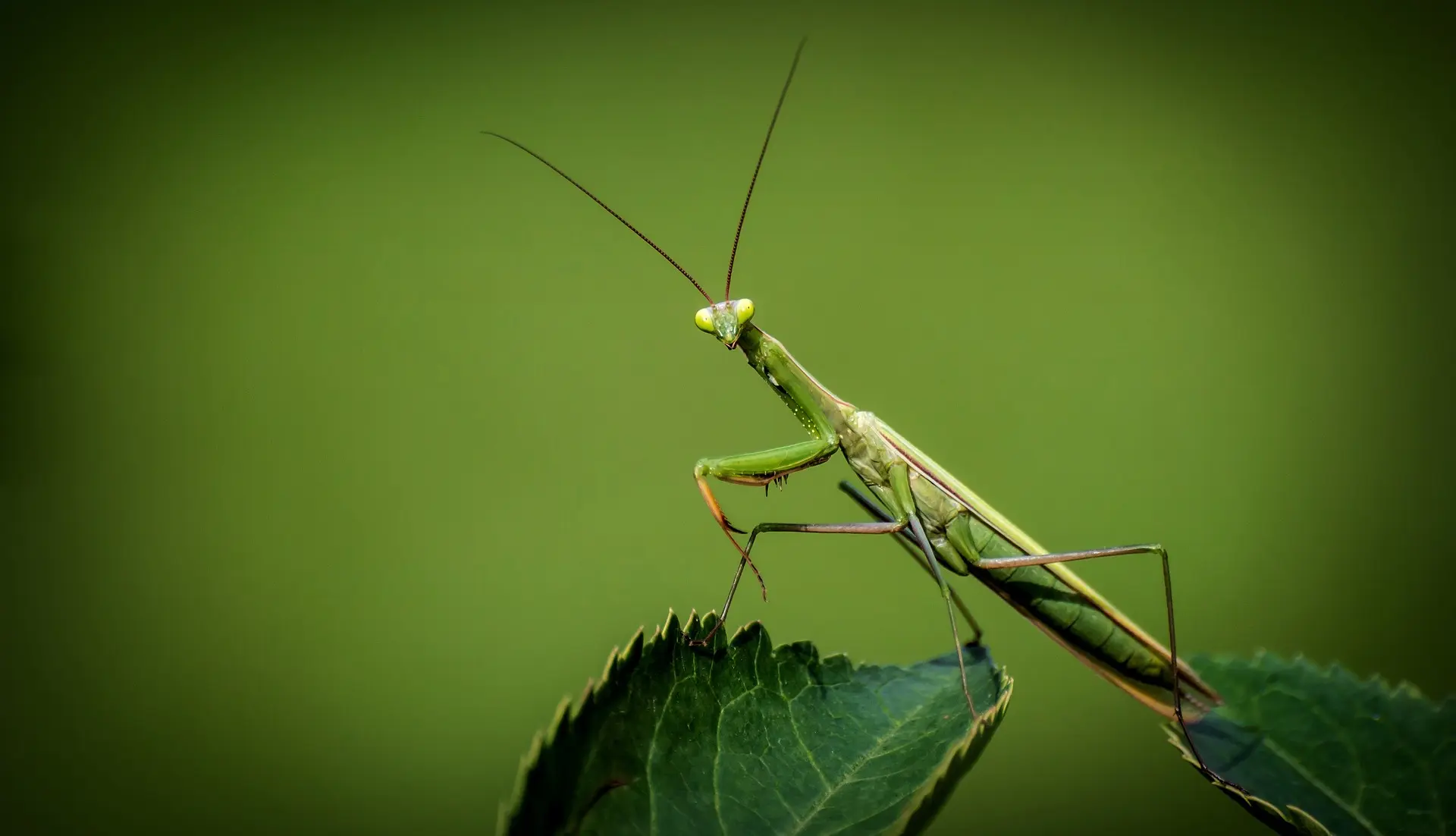
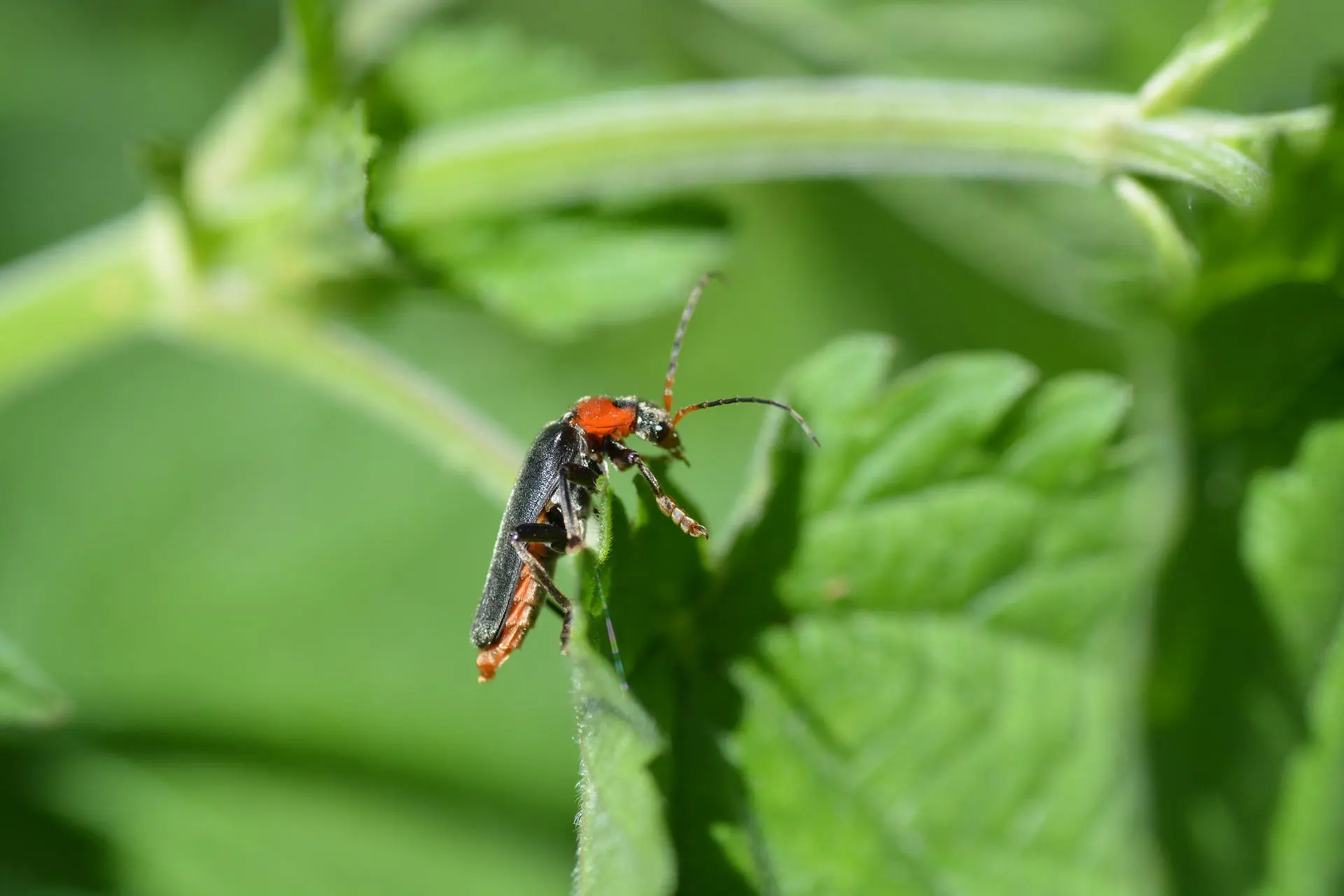
Beneficial Critters

Growing from Seed
Cranberries are not typically grown from seed.
Planting Considerations
Cranberry plants require acidic soil that retains moisture but does not become waterlogged. Container growing is a good way to give them those conditions in a controlled setting. Cranberries are self-fertile, so you don't require multiple plants.
Feeding
Cranberries are sensitive to over-fertilization. You can use high-nitrogen fertilizer to promote growth of the runners, if they are struggling to fill the bed/container, but otherwise they do not need regular feeding.
Harvesting
Cranberries are typically harvested in autumn, when the fruit is fully red and plump. You can harvest easily by hand, and ripe berries can stay on the bush for up to two months as long as there isn't a freeze to damage them.
Storage
The berries can keep in the fridge for 2-3 months, in an airtight container. They can be frozen to last up to 2 years in a well sealed bag.