Goji Berries
Lycium barbarum, Lycium chinense
While goji berries may seem like exotic fruits, they are actually part of the nightshade family along with common garden plants such as tomatoes, peppers, and potatoes. Goji berries are hardy in USDA zones 4-9. They are primarily grown for their highly nutritious and delicious berries, although the leaves and young shoots are edible. Goji berry is a surprisingly tough and low-maintenance plant considering how pricey the berries can be at the store!
How to Grow Goji Berries
Quick Info


Put away the pen and paper
Plan your veggie garden in minutes with Planter's easy drag and drop planner.
Try Planter for Free
Varieties
Nutrition
Vitamins


Nutrients



Pests
Diseases
Beneficial Critters

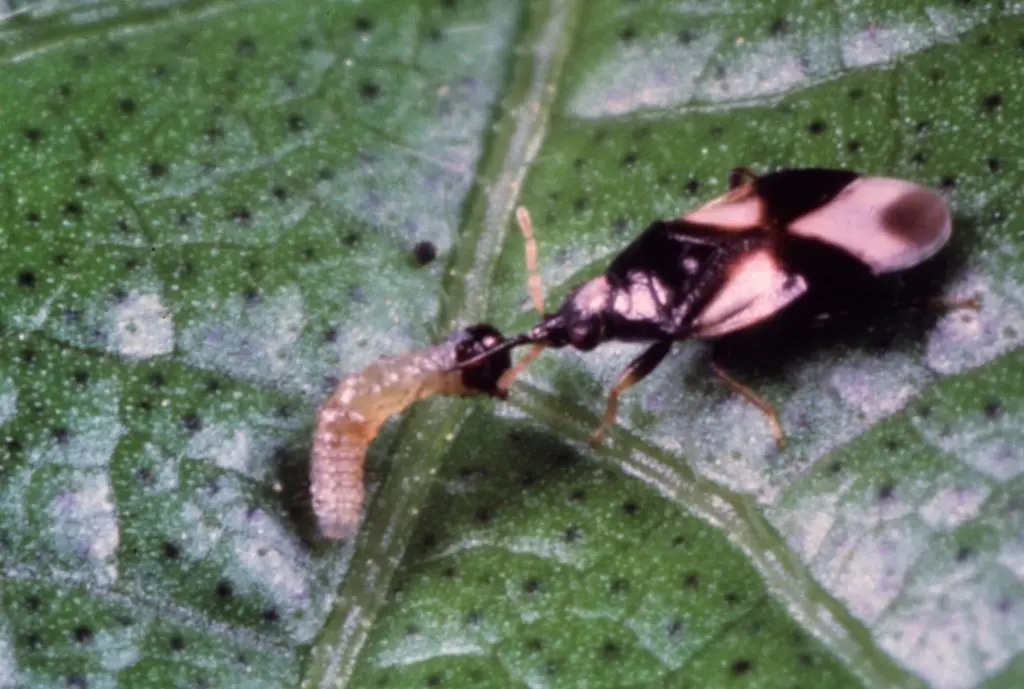
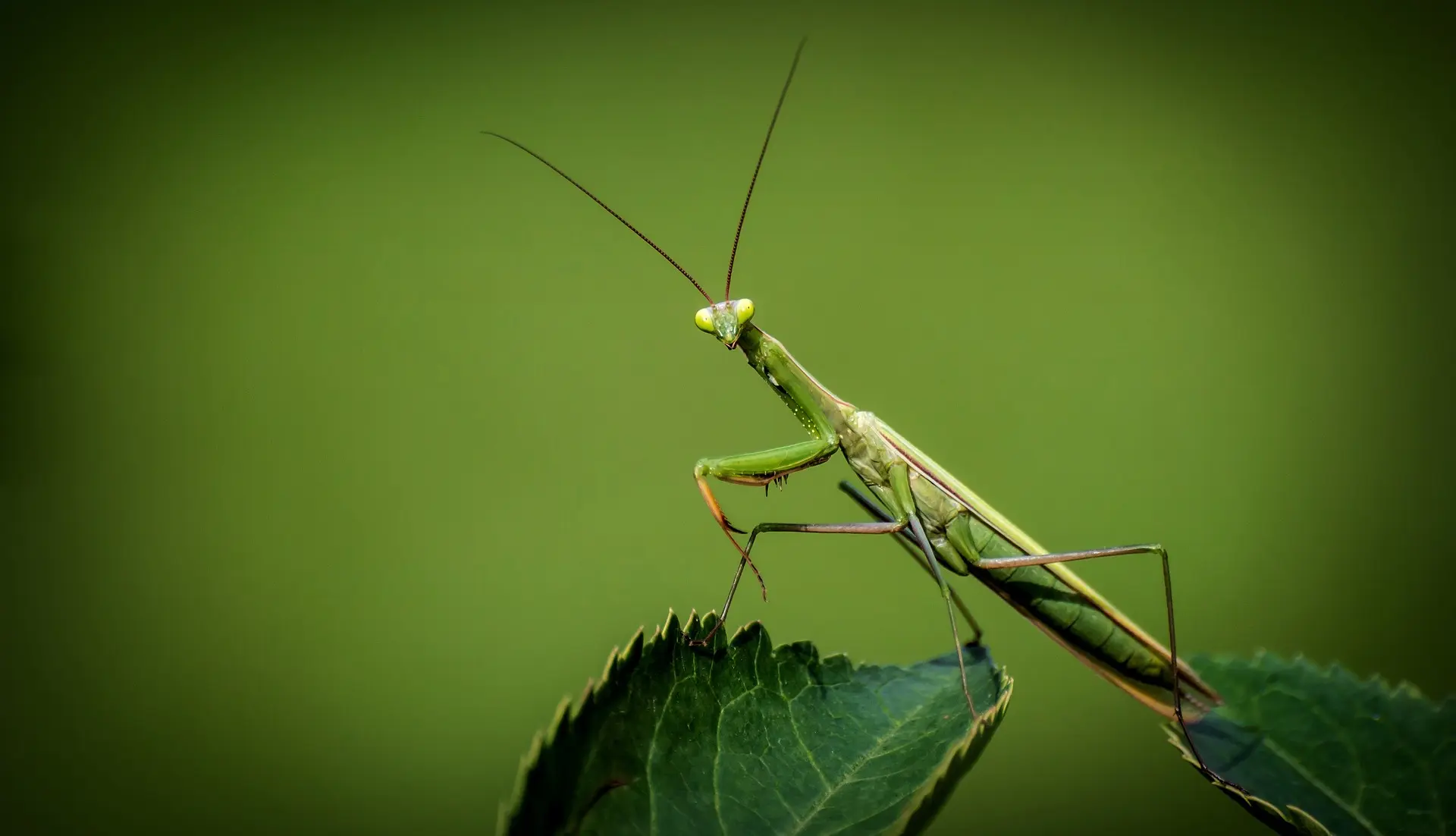
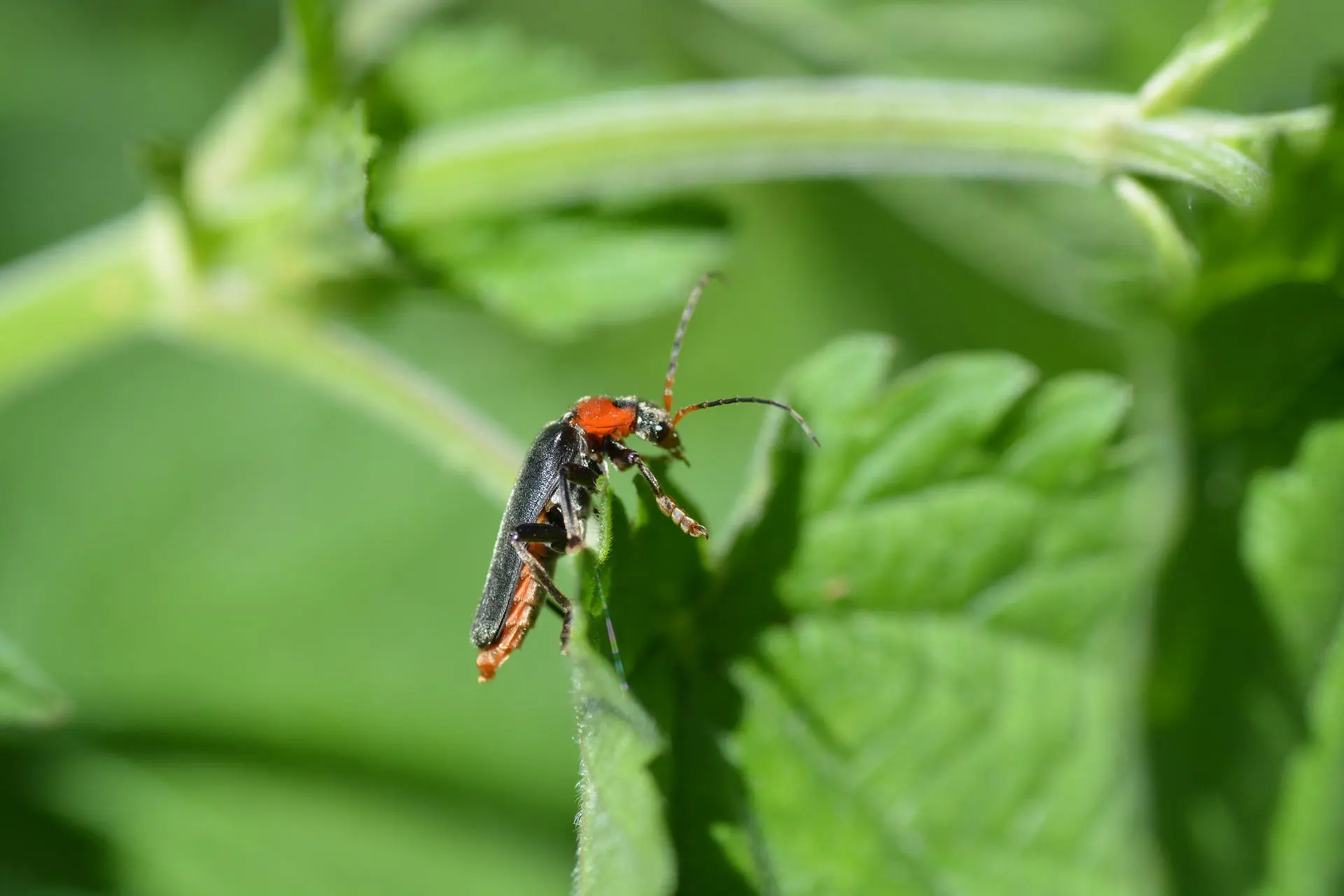
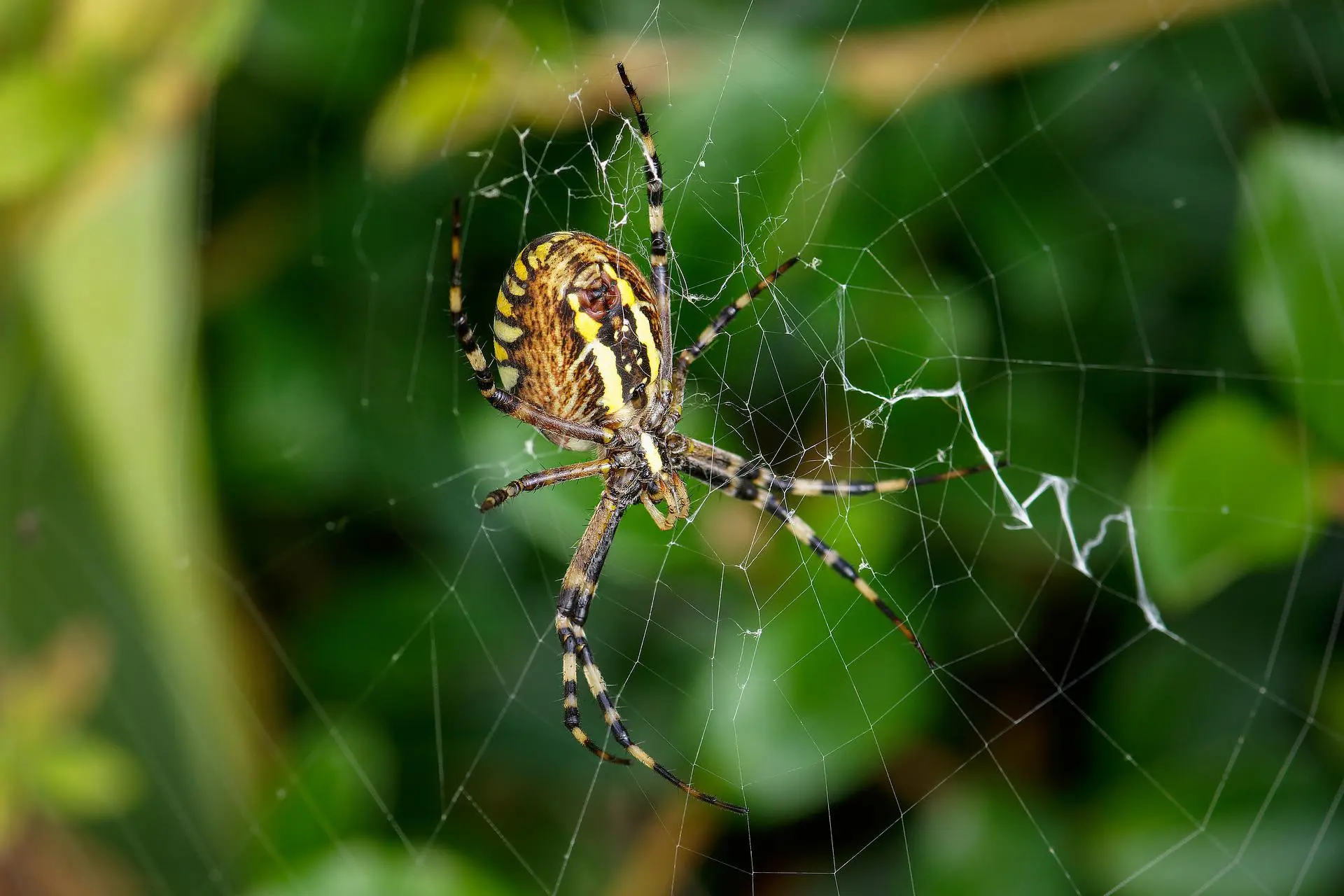
Growing from Seed
Start seeds indoors 6-8 weeks before last frost. Do not use seed starting mix with fertilizer and do not fertilize the seedlings. Keep the seed starting mix consistently moist until the seeds germinate. Use grow lights to provide supplemental light as soon as the seeds germinate. Pot up seedlings as needed to ensure they do not become root bound and be sure to harden them off before transplanting outdoors.
Planting Considerations
Goji berries are self fertile; only one plant is needed to produce fruit. Goji berry plants prefer loamy, well-draining soil although they can tolerate most soil types so long as they do not become waterlogged. Plant to the same depth as the soil in the nursery pot (or in the case of bare root plants plant to the soil line on the trunk). Soak bare root plants for 1-2 hours before transplanting. Goji berries can be grown in containers; choose a container that is at least 5 gallons as they have a large taproot. Some goji berry varieties have a vining habit and may require trellising or support to stay upright. Ripening berries may need protection from birds and other animals.
Feeding
Goji berries prefer infertile soil and over-fertilizing can be problematic. Avoid fertilizing altogether or top dress lightly with compost once a year in spring.
Harvesting
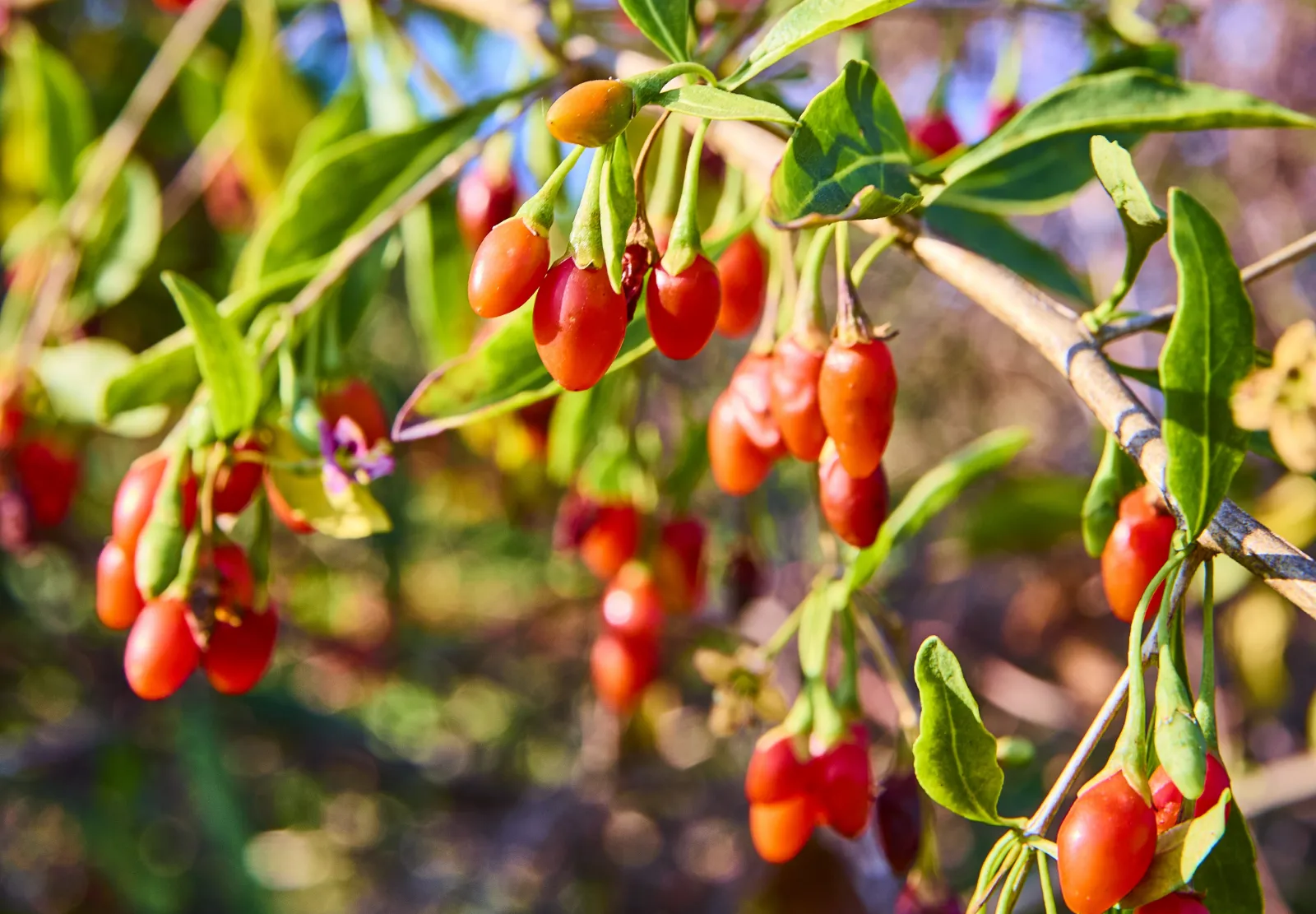
Most goji berry varieties have thorns so gloves may be needed for harvesting. Goji berries are ready to harvest roughly 35-40 days after flowering. Berries can be harvested in multiple successions or in one major harvest when the majority of the berries are ripe. Ripe berries are plump and fully red. Gently pluck ripe berries off the plant by hand. Do not pick berries when they are wet and handle them carefully as they are susceptible to bruising.
Storage
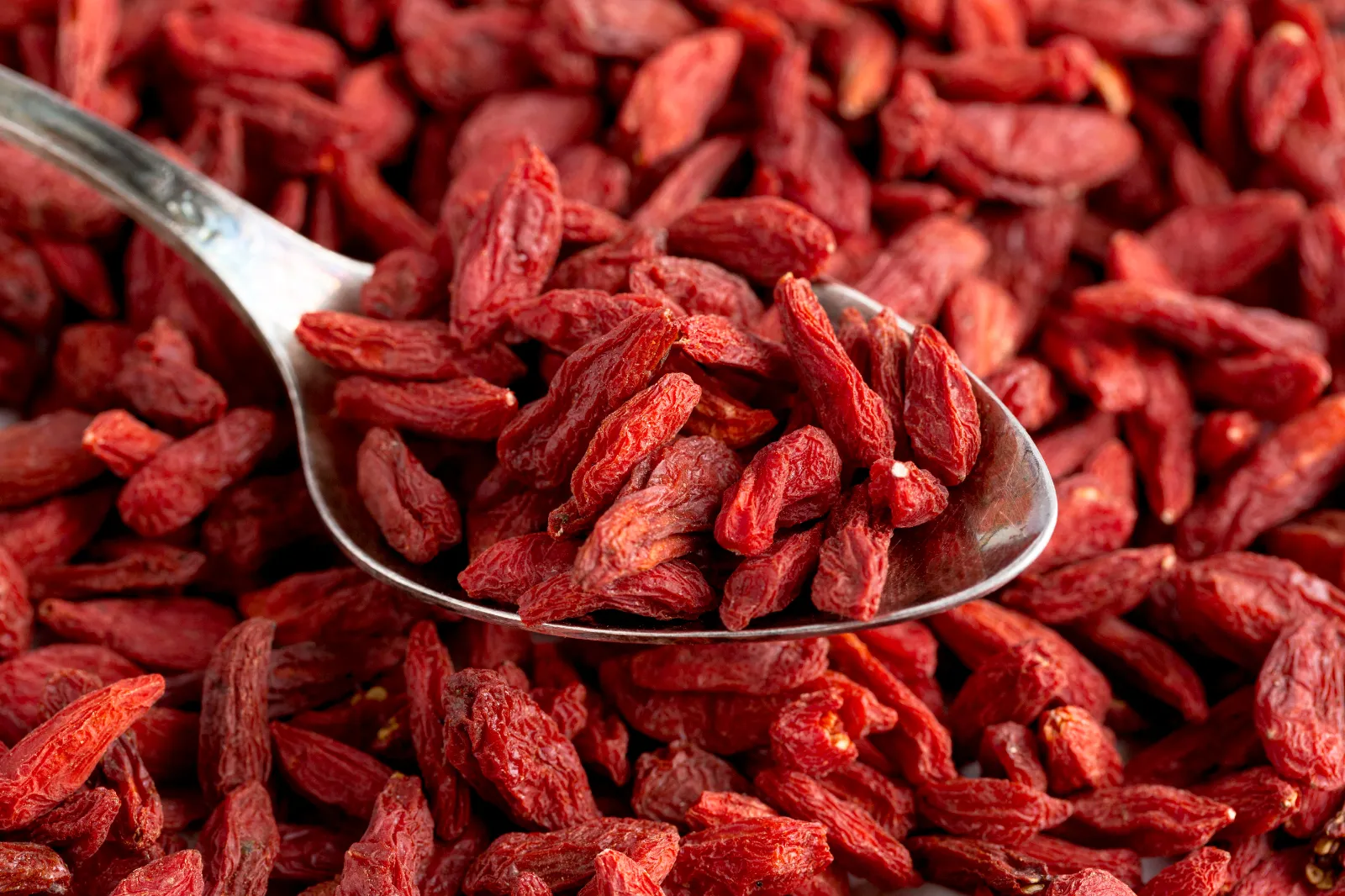
Goji berries are most commonly sun dried or dehydrated. Dried goji berries can keep for a year or more. Some people do not enjoy the texture of fresh goji berries. Fresh berries can be stored in the refrigerator for up to two weeks, or they can be frozen individually on a baking sheet then transferred to a freezer-safe bag and frozen for up to several months. They can also be turned into juice by soaking or steaming.
Pruning
Goji berries do not require pruning in the first year. Prune in winter when the plant is dormant to remove diseased and damaged branches, and crossing branches that could rub together and cause wounds. Prune in spring to early summer to manage the size and shape of the plant and to allow light into the canopy. Goji is often pruned to one main trunk with a cascading canopy shape. Trimming off 2-3 inches (5-7.5 cm) of the topmost growth will encourage the plant to create more branches rather than stretching out. Remove suckers that emerge around the base of the plant as needed (they can be propagated into new goji berry plants).