Honeyberries
Lonicera caerulea
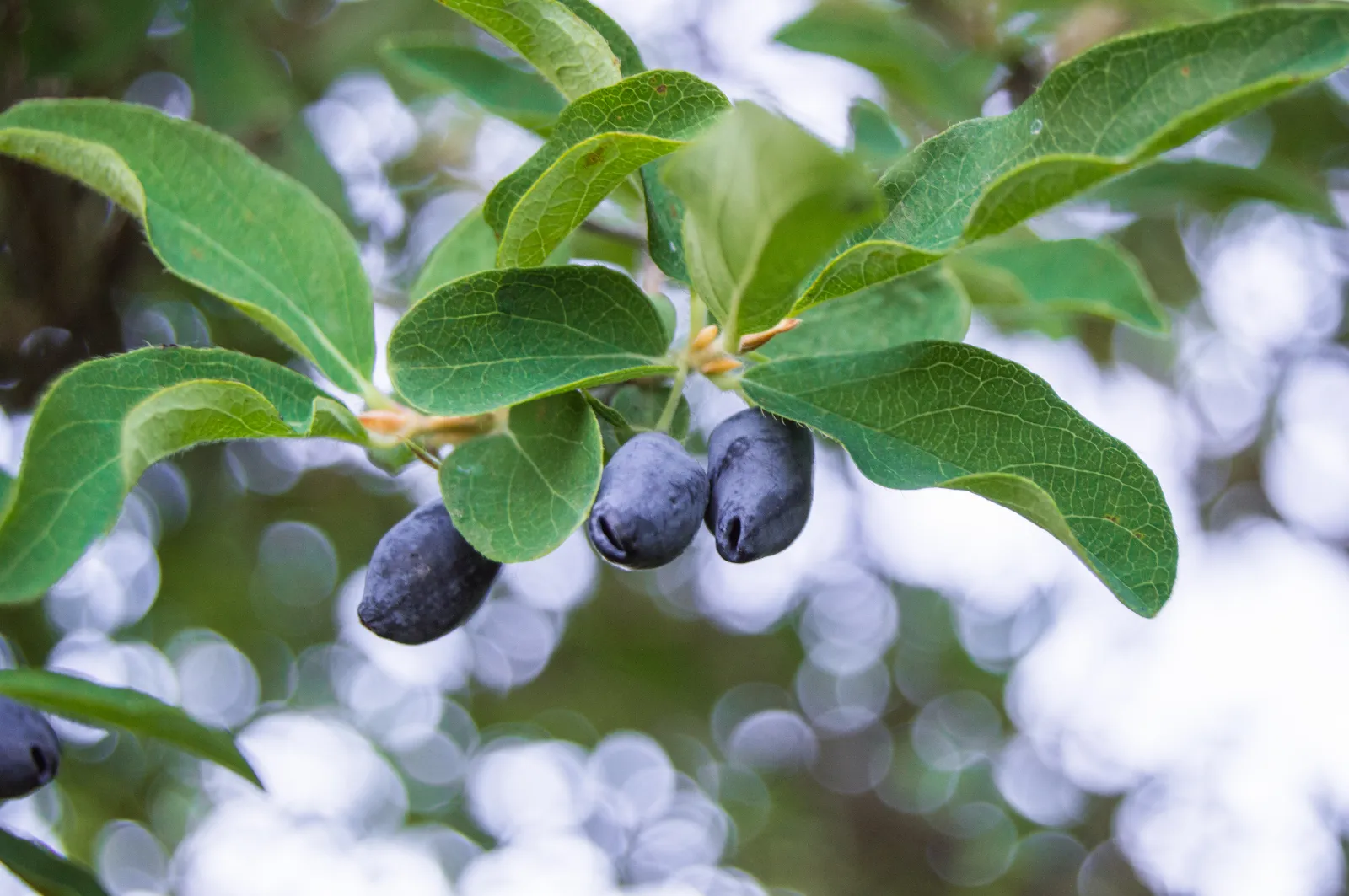
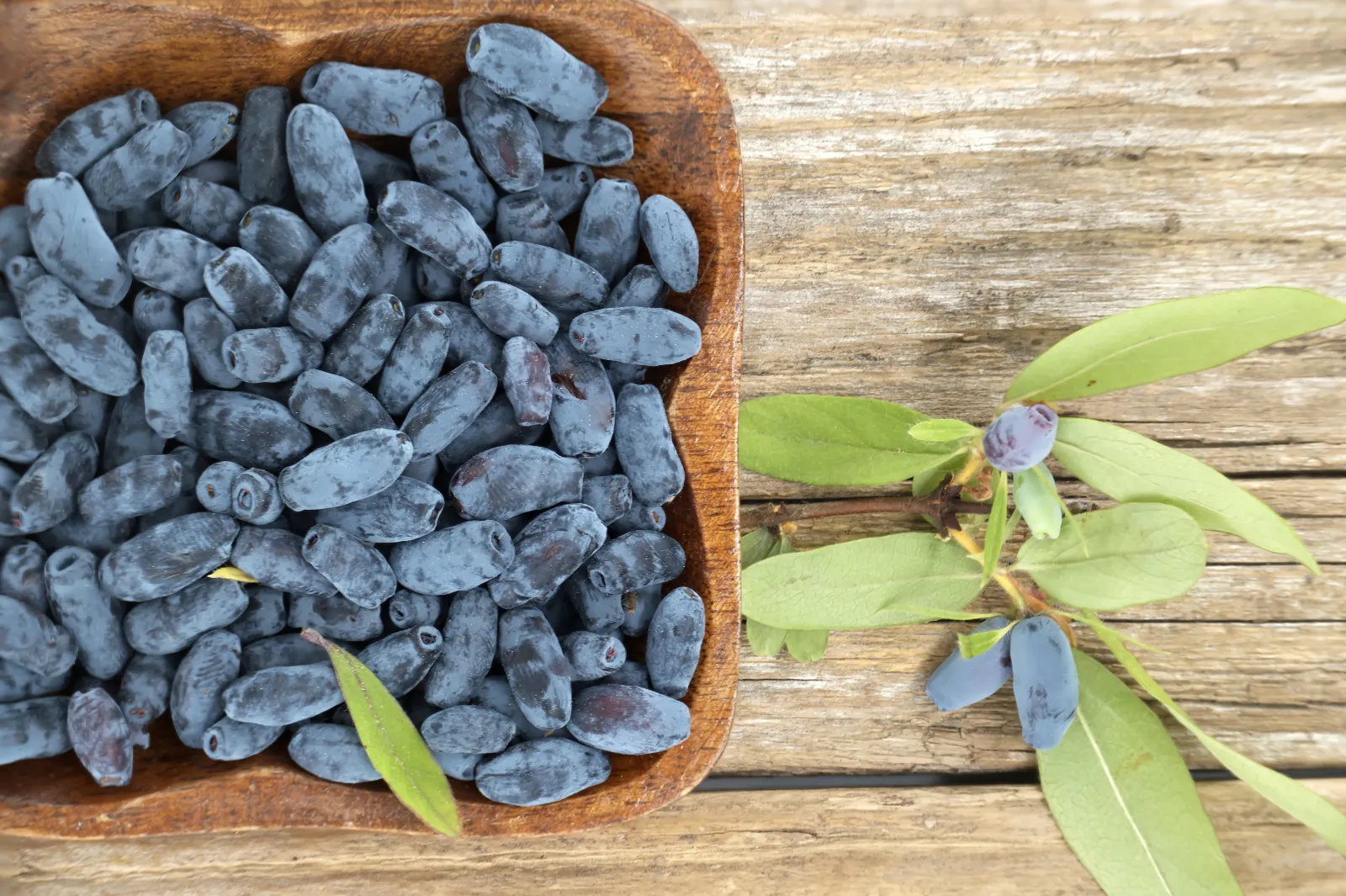
Honeyberries (often called haskaps) are gaining popularity as an easy-to-grow alternative to blueberries. While blueberries struggle in soil that is not highly acidified, honeyberries can be grown in almost any typical garden soil pH. Honeyberries are sweet and tart, although some varieties are more tart than sweet. Their flavor can be described as a mix between blueberry and raspberry. Honeyberries are extremely cold hardy - they grow in USDA zones 2-7. They perform best in cold climates and need a certain number of 'chill hours' each year to set fruit.
How to Grow Honeyberries
Quick Info

Put away the pen and paper
Plan your veggie garden in minutes with Planter's easy drag and drop planner.
Try Planter for Free
Nutrition
Vitamins

Nutrients



Pests
Diseases
Beneficial Critters
Growing from Seed
Honeyberries are not typically grown from seed. They are typically grown from nursery transplants.
Planting Considerations
Honeyberries prefer fertile, loamy soil although they can tolerate almost any soil type so long as they do not become waterlogged. Honeyberry varieties can be loosely grouped as 'Japanese' or 'Russian' which have slightly different bloom times and other traits. Honeyberries are self-incompatible; at least two unrelated varieties of honeyberries that bloom at the same time are needed for pollination and fruit set (both will produce fruit). Select varieties that will perform well in your area and that have your preferred flavor profile. Make sure the bloom time will not be too early for good pollination and that the plants will set fruit with the number of winter 'chill hours' in your region. Plant 1" (2.5 cm) deeper than the soil in the nursery pot. Mulch around the base of the plants to prevent competition from weeds which can stunt their growth. Ripening berries may need protection from birds.
Feeding
Honeyberries are light feeders with shallow roots and over-fertilizing can be problematic. Top dress around the base of the plant annually in spring with compost.
Harvesting
Honeyberries may produce a small crop of fruit the second year after planting but will reach full production in years 3-5. The fruits begin to ripen early in the season, around May-June. Ripe berries usually have a deep blue color through the whole berry (outside and inside) and will pull off the vine easily. It can take several days from the fruit turning blue on the outside for the flavor and sweetness to develop inside. Some varieties ripen mostly at once where others are more gradual.
Storage
Ripe honeyberries only store for a few days to a week at most in the fridge. Freeze or preserve any berries that cannot be eaten soon after picking. The berries can be frozen in a single layer on a baking tray then transferred to a freezer-safe bag and stored in the freezer for up to several months. Honeyberries can also be made into jam or dehydrated for long-term storage.
Pruning
Honeyberries should not need pruning in the first few years after planting unless there are dying or diseased branches to remove. After the first few years the plant can be pruned as needed in late winter to early spring (when the plant is dormant) to maintain a bushy, open shape and to remove any crossing branches that could rub together and cause wounds. If the plant is aging and becoming unproductive it can be pruned more aggressively to stimulate new growth.