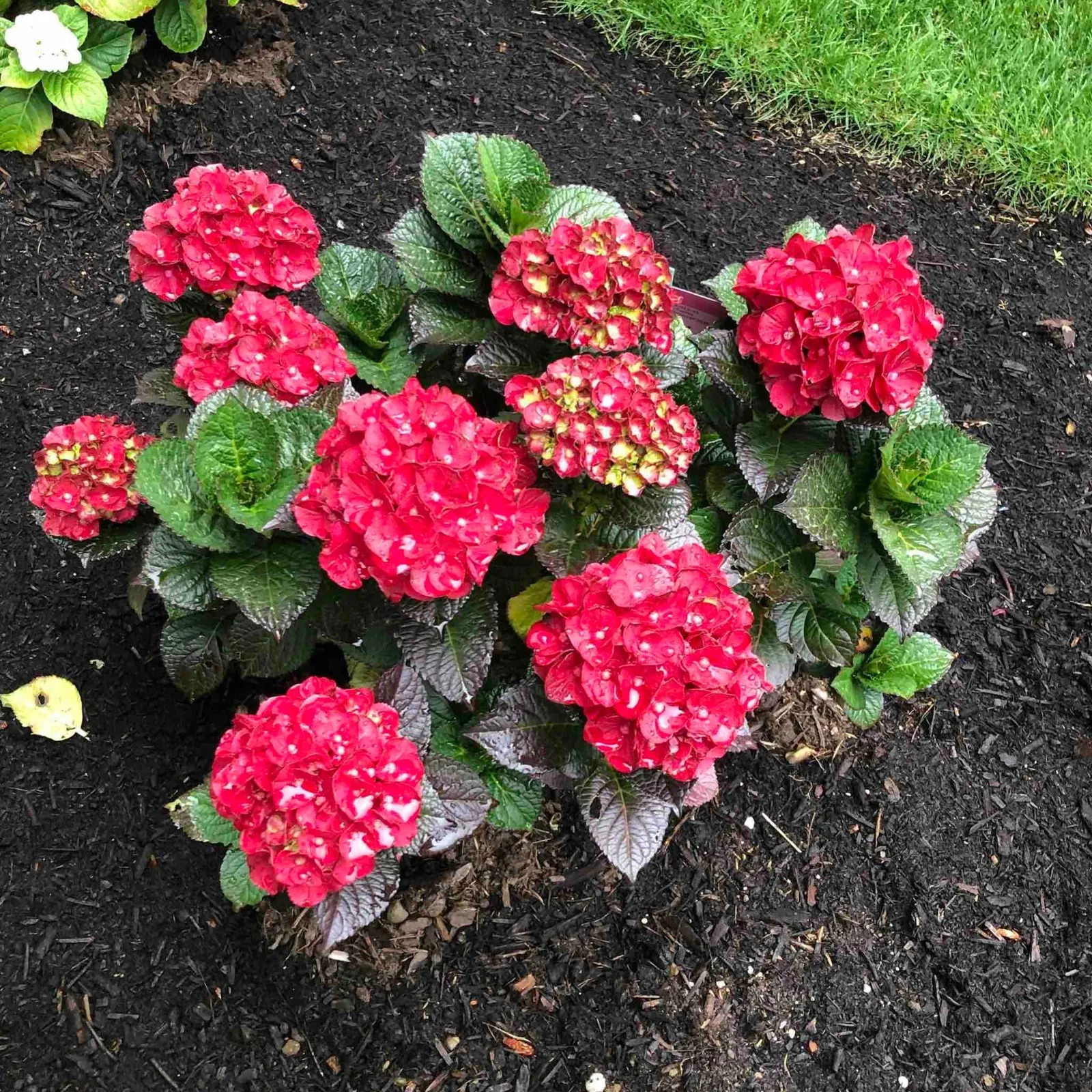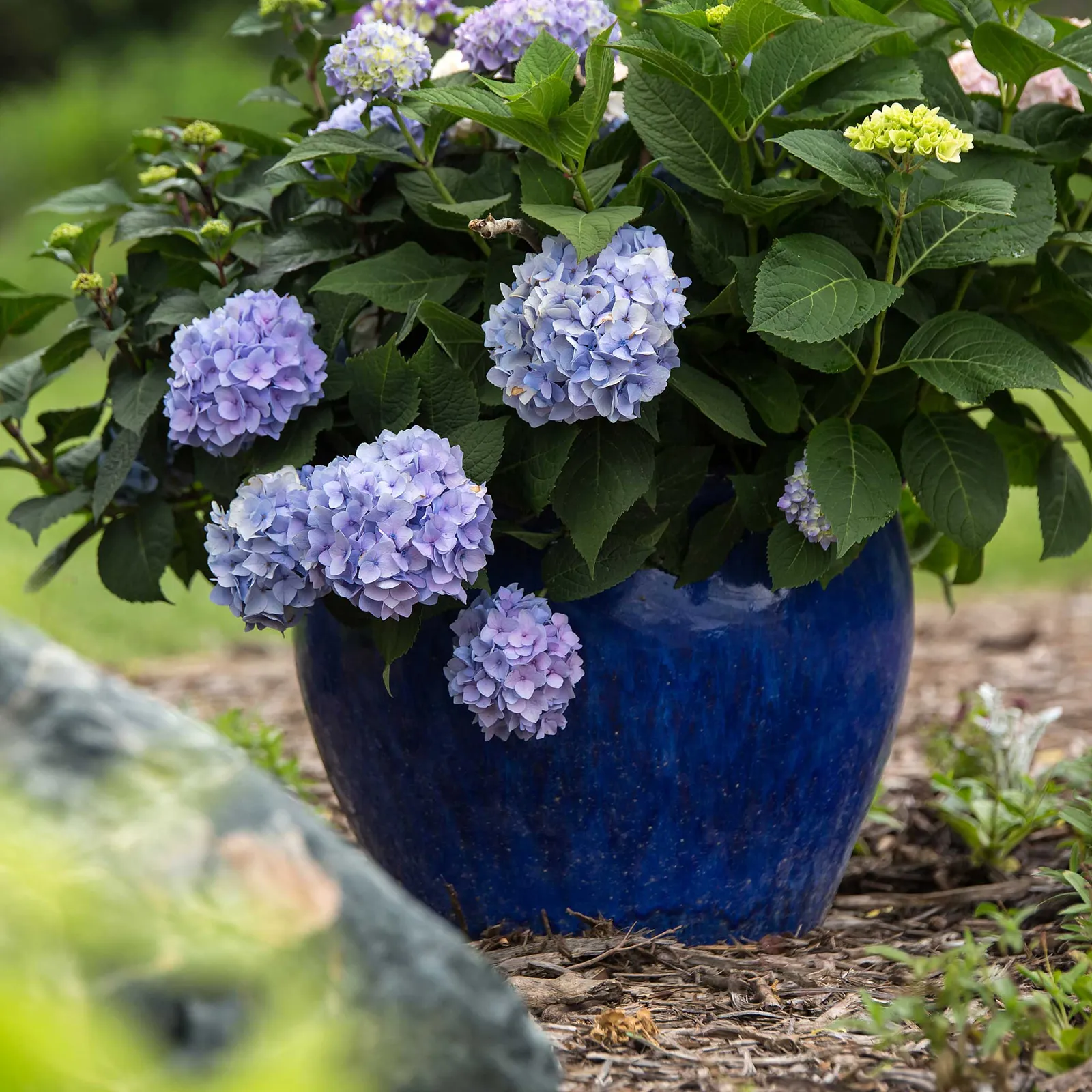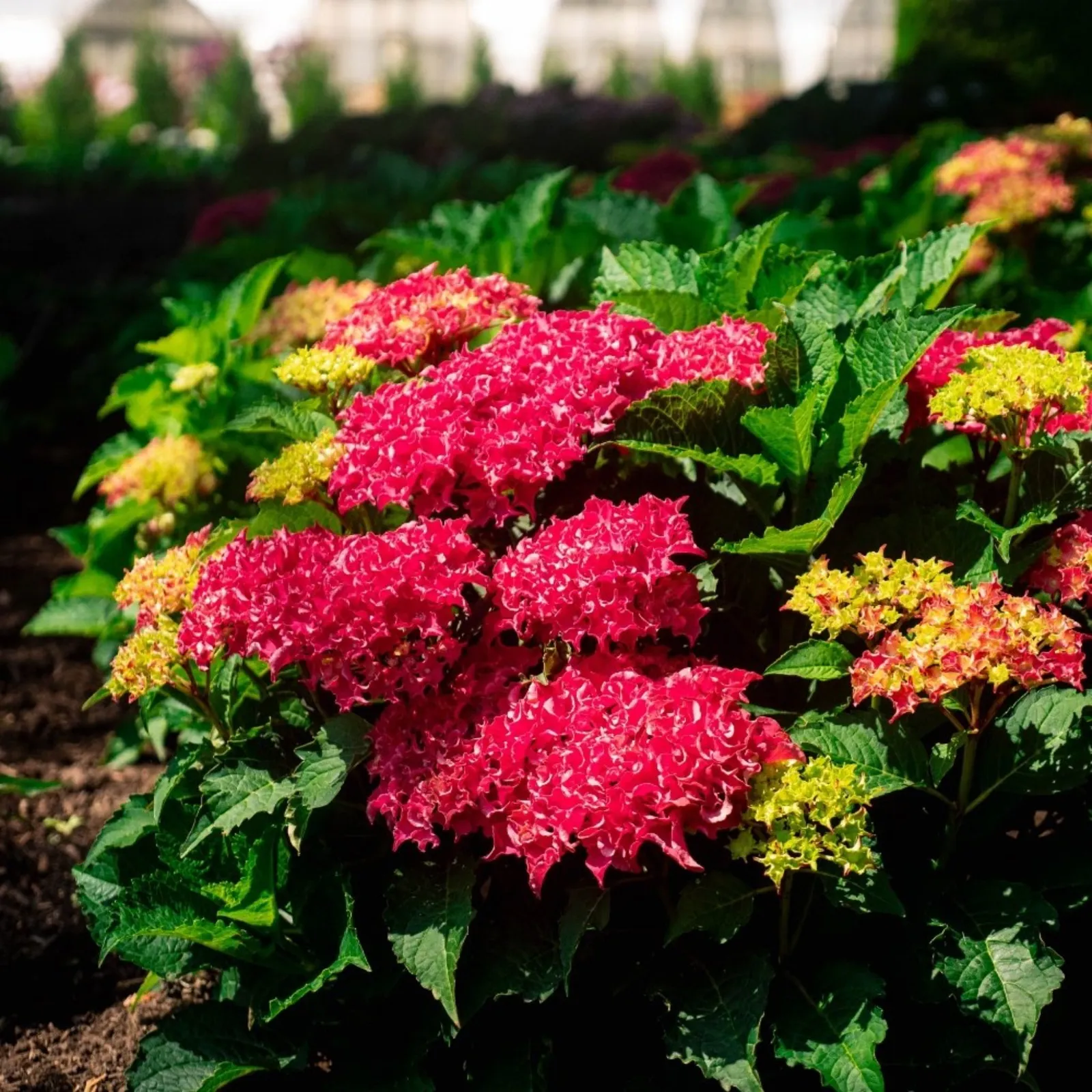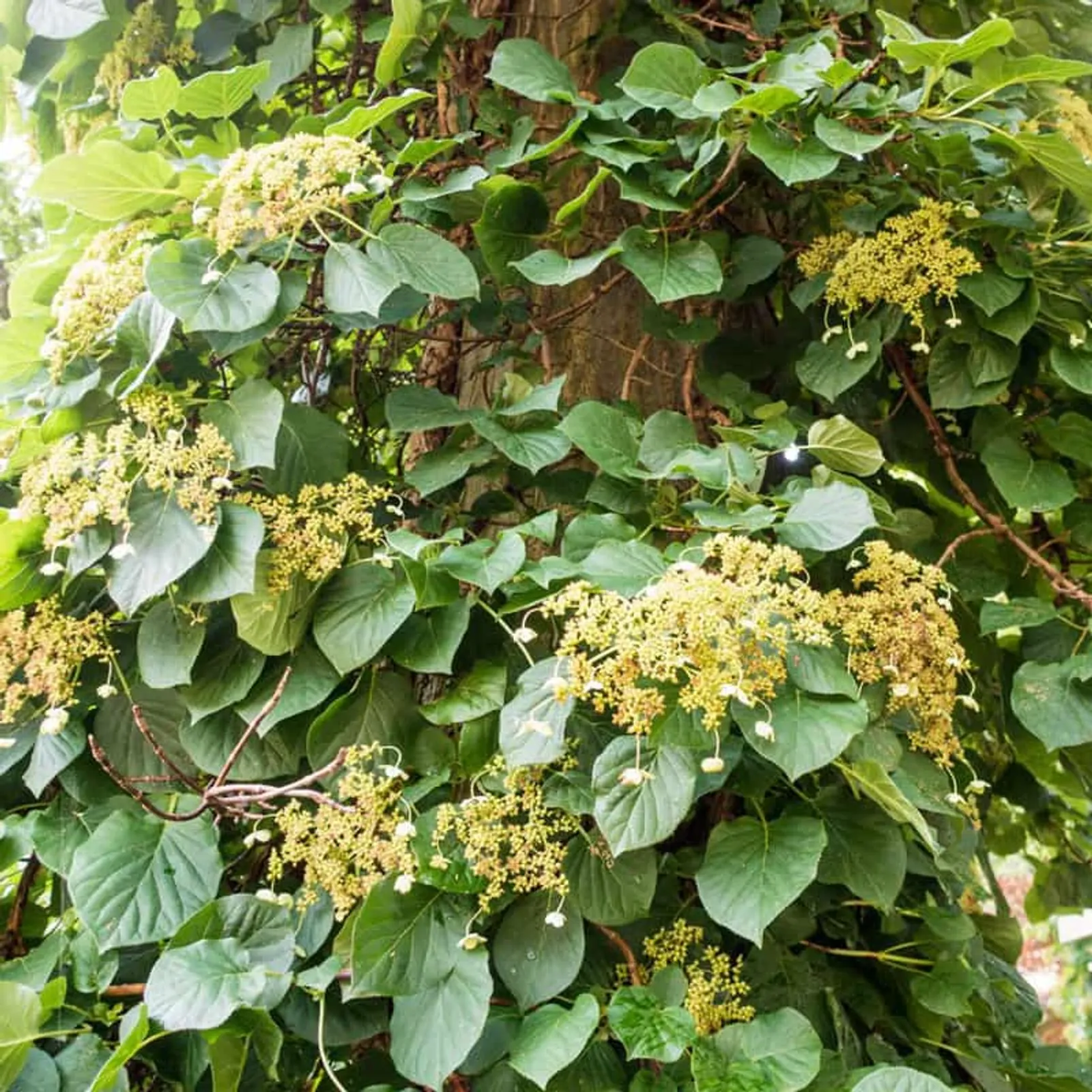
Hydrangea image 1
Hydrangea image 2
Hydrangea image 3
Hydrangea image 4

Hydrangea

Hydrangea

Category: Flowers

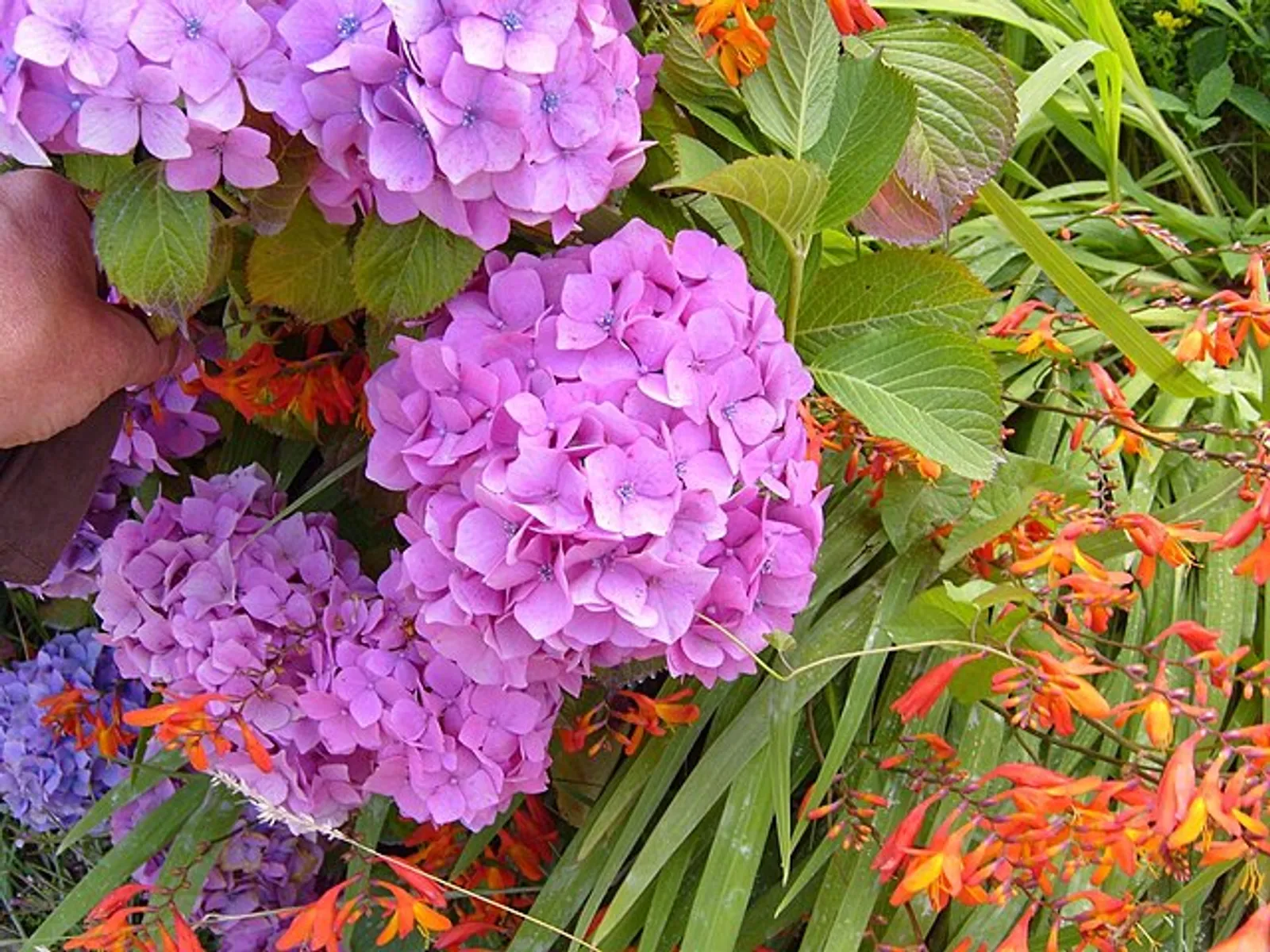
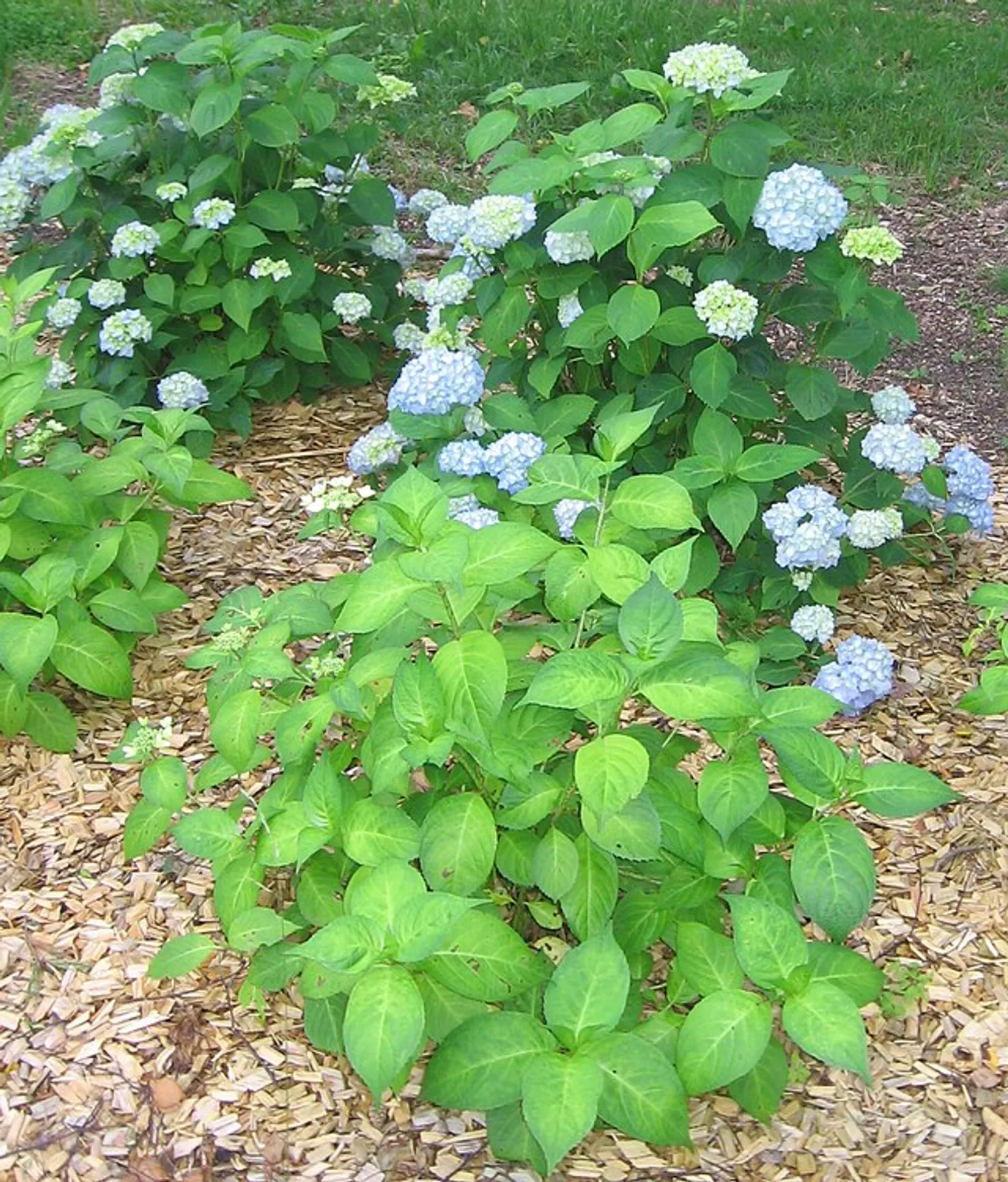
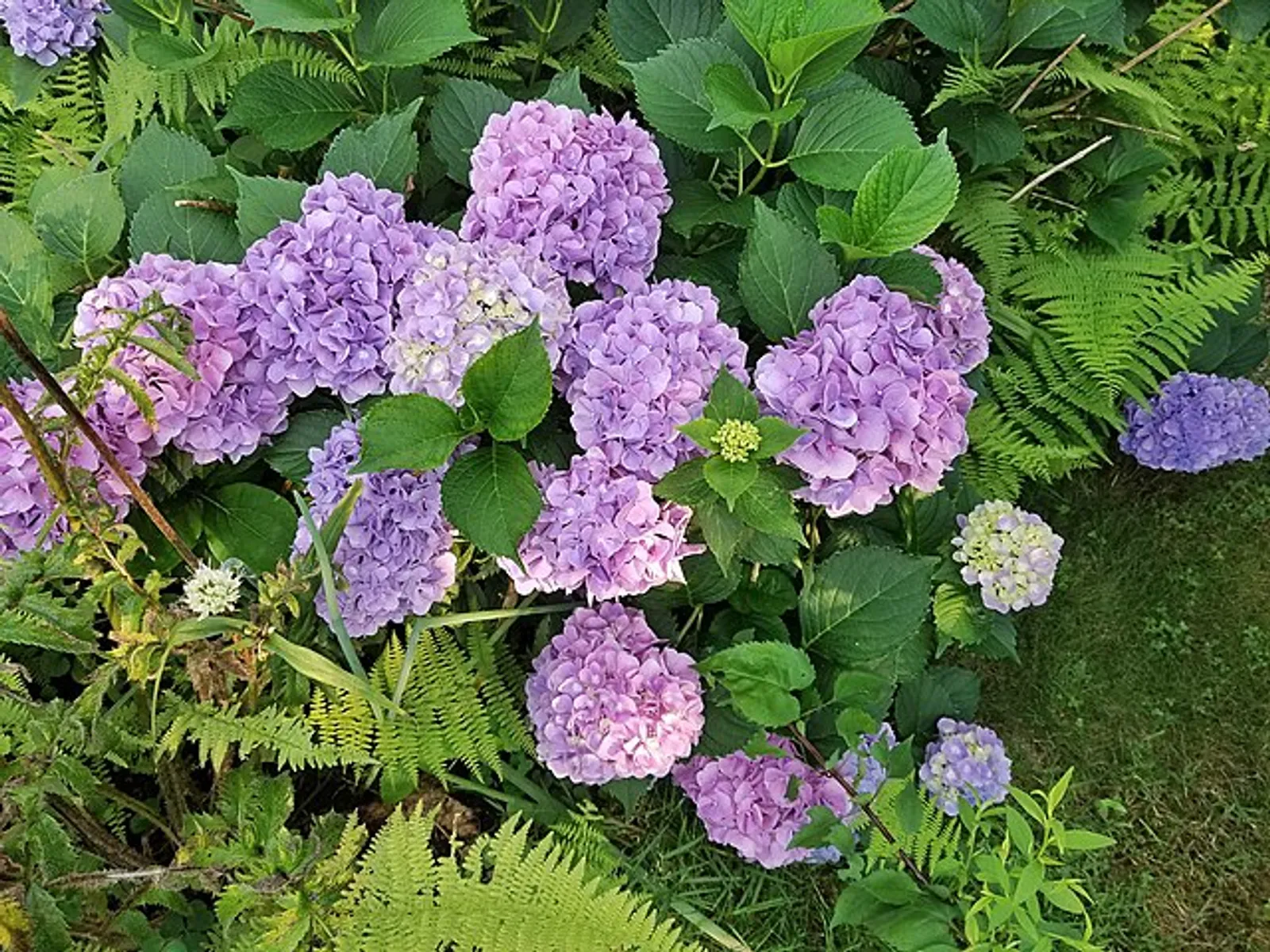
Hydrangeas are deciduous shrubs with flowers in terminal round or umbrella-shaped clusters in colors of white, pink, blue, green, or even purple. If they flower blue, your soil is acidic (having less than 5.5 pH) and if they bloom pink, your soil is alkaline (higher than 6.5 pH). Hydrangea's loose and airy branching habits are especially suited to natural, woodland, and cottage gardens and borders. Only H. macrophylla is known to be toxic to humans.

How to Grow Hydrangea

Quick Info

Spacing
2 ft spacing
Sun
Part Sun to Full Sun
Water
1 in/week
Season
Perennial
Frost
Tolerant
Height
4-12 ft
Soil pH
Acidic - Basic

Put away the pen and paper

Plan your veggie garden in minutes with Planter's easy drag and drop planner.

Try Planter for Free
Planter app garden planner preview

Varieties

H x anomala
H x anomala Climbing hydrangea is an mid-summer bloomer yellow fall color and striking, exfoliating bark in winter. It grows on brick or concrete walls or free-standing garden structures. This grows to 60-80ft, in sun or shade, with rich, moist soil.
H x macrophylla
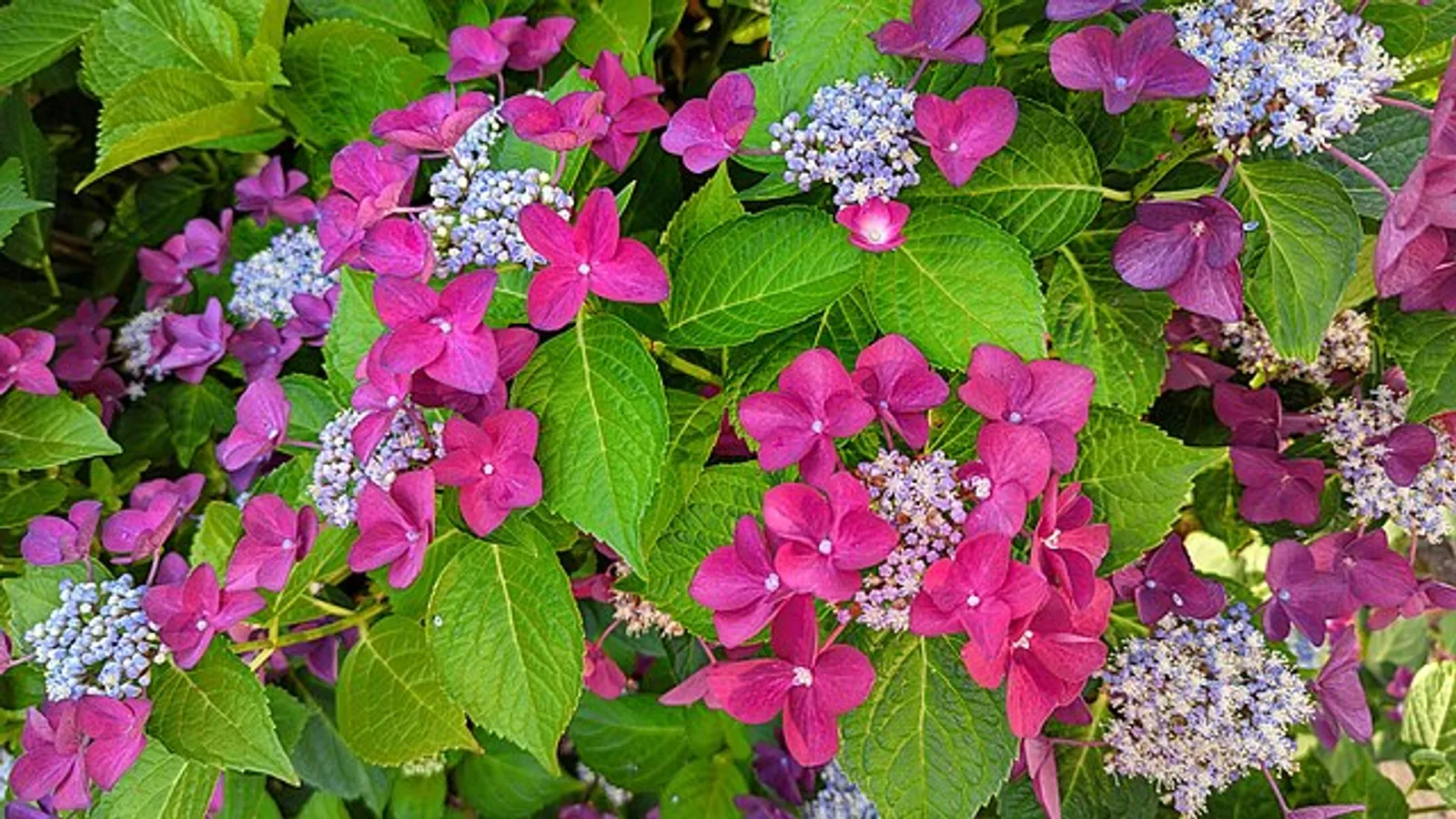
H x macrophylla Common names include Mophead, Lacecap, Snowball, or Bigleaf hydrangea, it prefers good drainage, tolerant of any soil condition, and has some salt tolerance. They generally grow 3-5ft tall and wide, and bloom on old wood (prune before August 1/ mid-summer). Bloom color depends on soil acidity.
H x paniculata
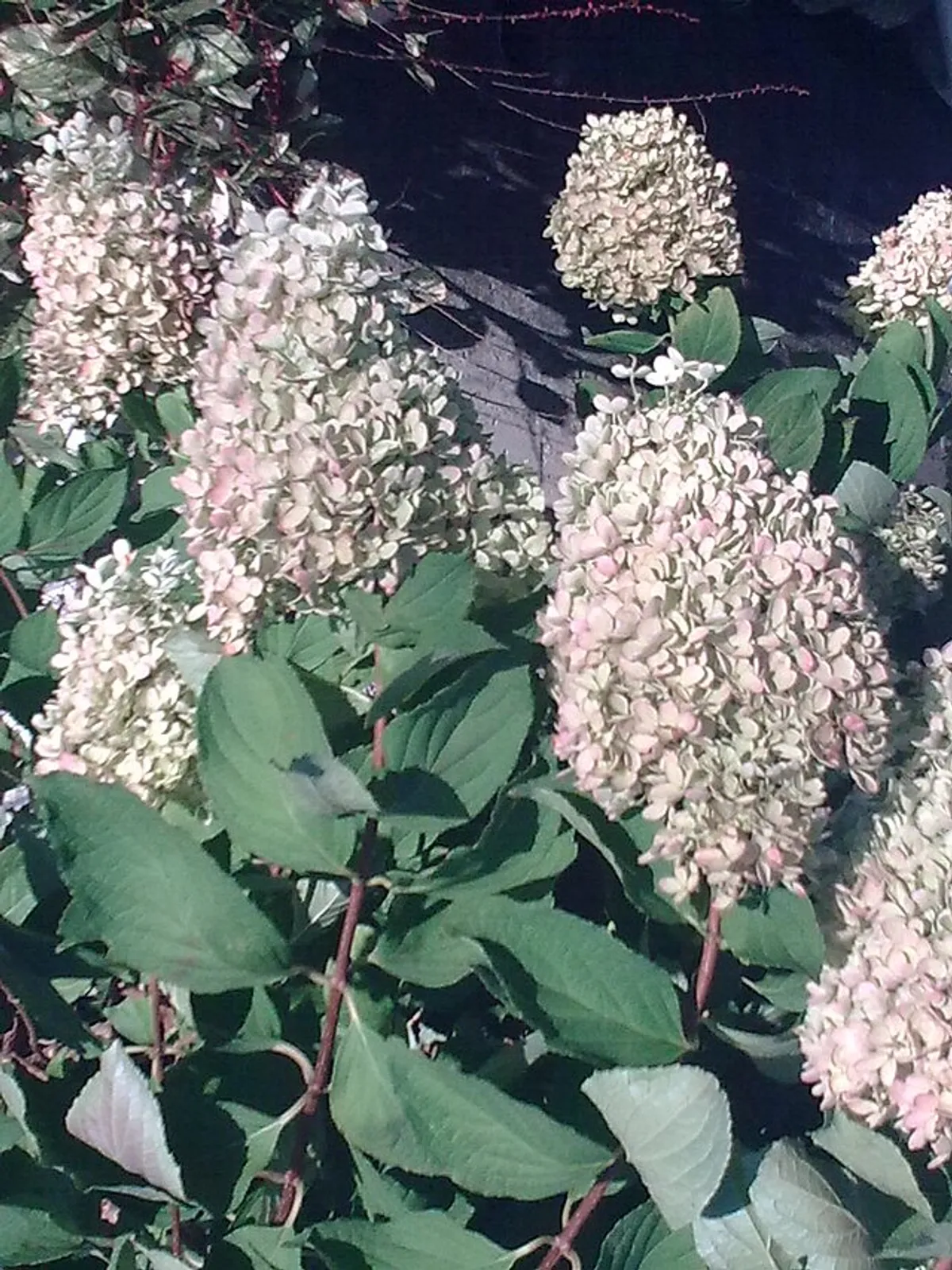
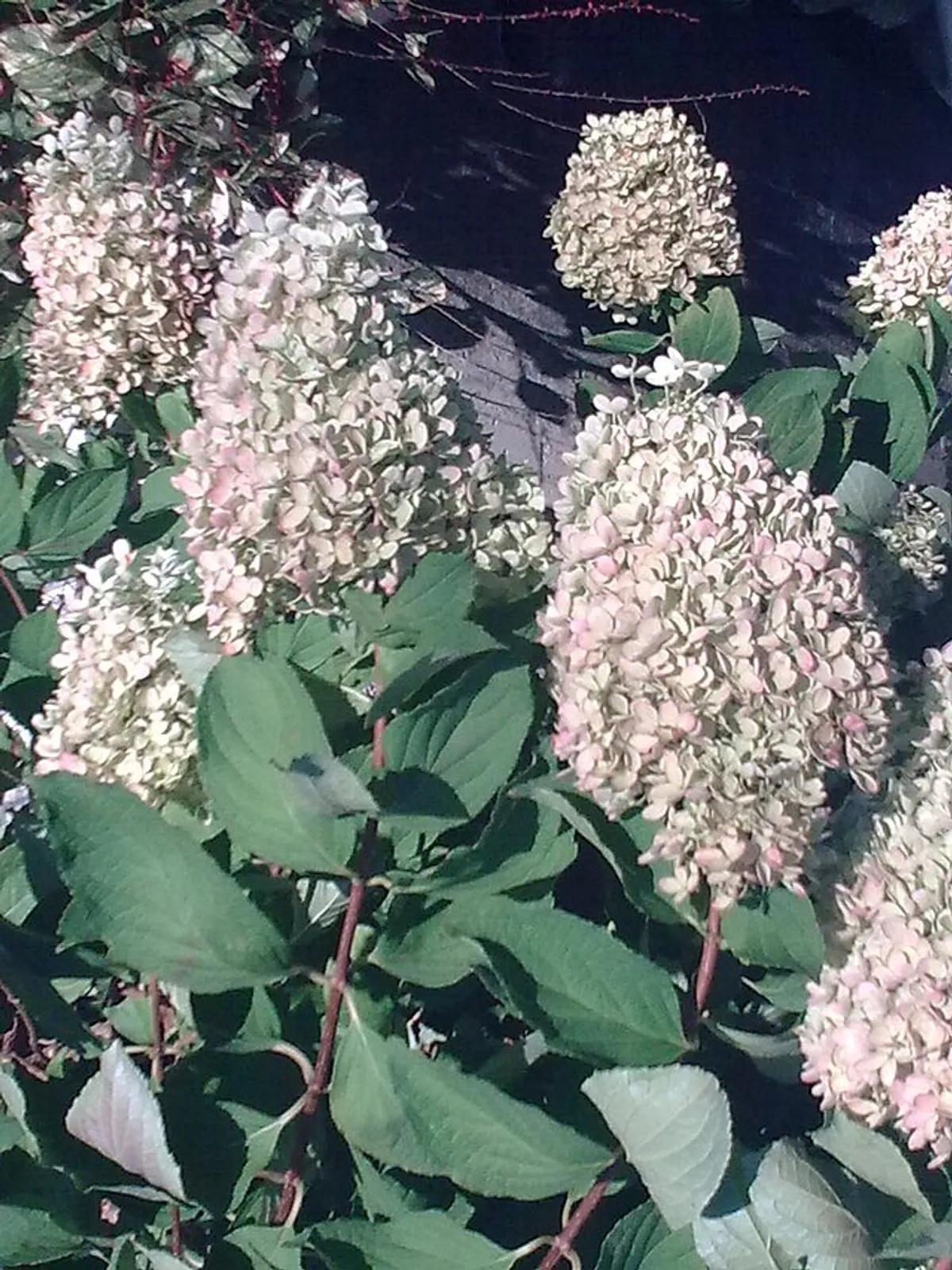
H x paniculata Panicle (also PeeGee) hydrangeas are a larger shrub or pruned into a small tree. Typical height is 8-15ft. It is a sun-lover and will flower on new growth with showy, pyramidal panicles of creamy white flowers that age to pink to brown (unrelated to soil ph). The most popular cultivar is 'Limelight.' Prune in late fall/early spring- pruning to ground will keep size in check. Makes a great hedge or border.
H x quercifolia
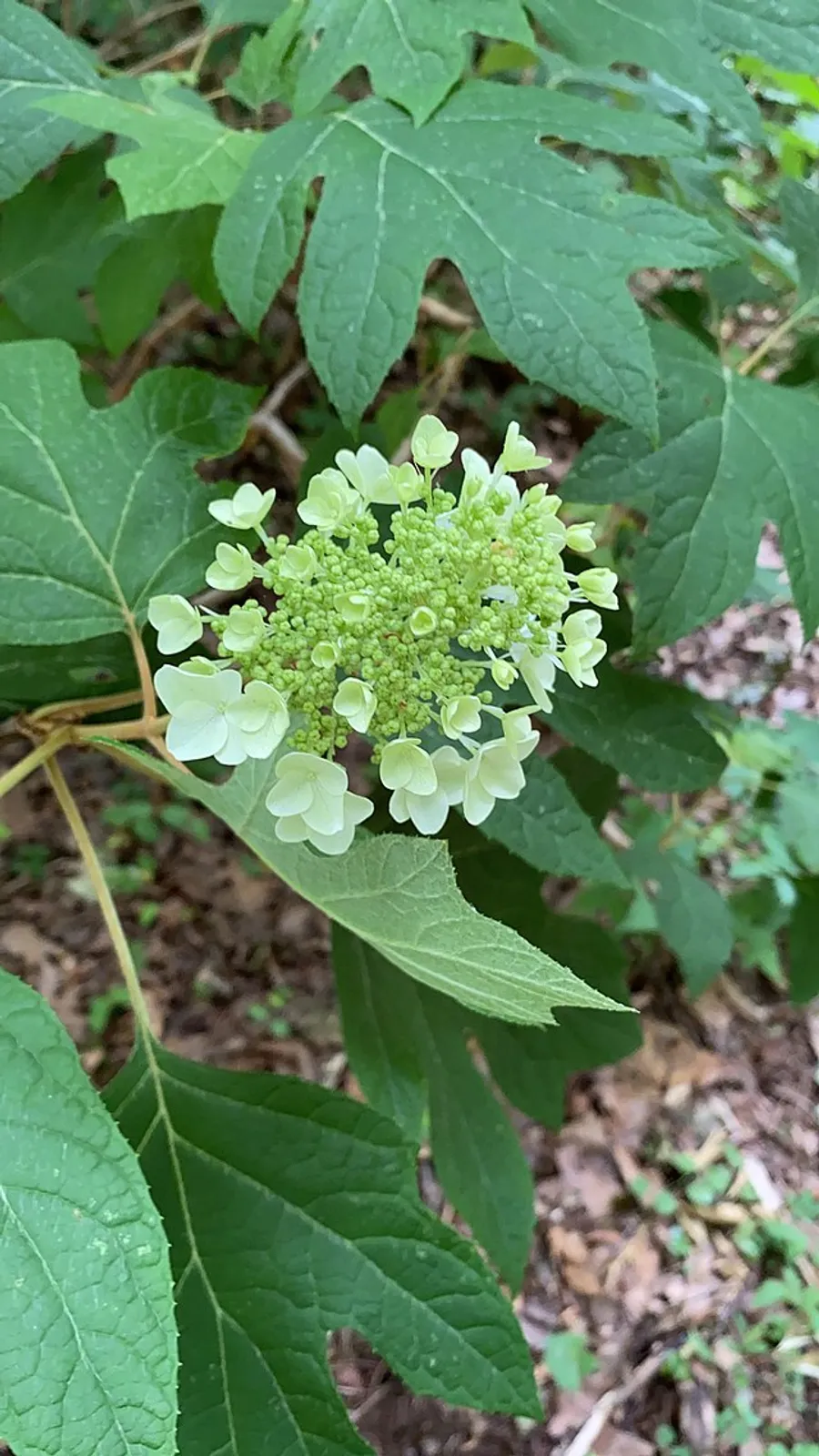
H x quercifolia The Oakleaf hydrangea sports an unusual leaf simialr to the oak tree. Native to southeastern US, its sprawling (6-8ft wide, 8ft high) habit with large white flower cones make it an excellent specimen plant. It does best in full or partial sun with heavy mulch to keep soil moist. It blooms on old wood, so prune in mid summer, if at all.
H x serrata
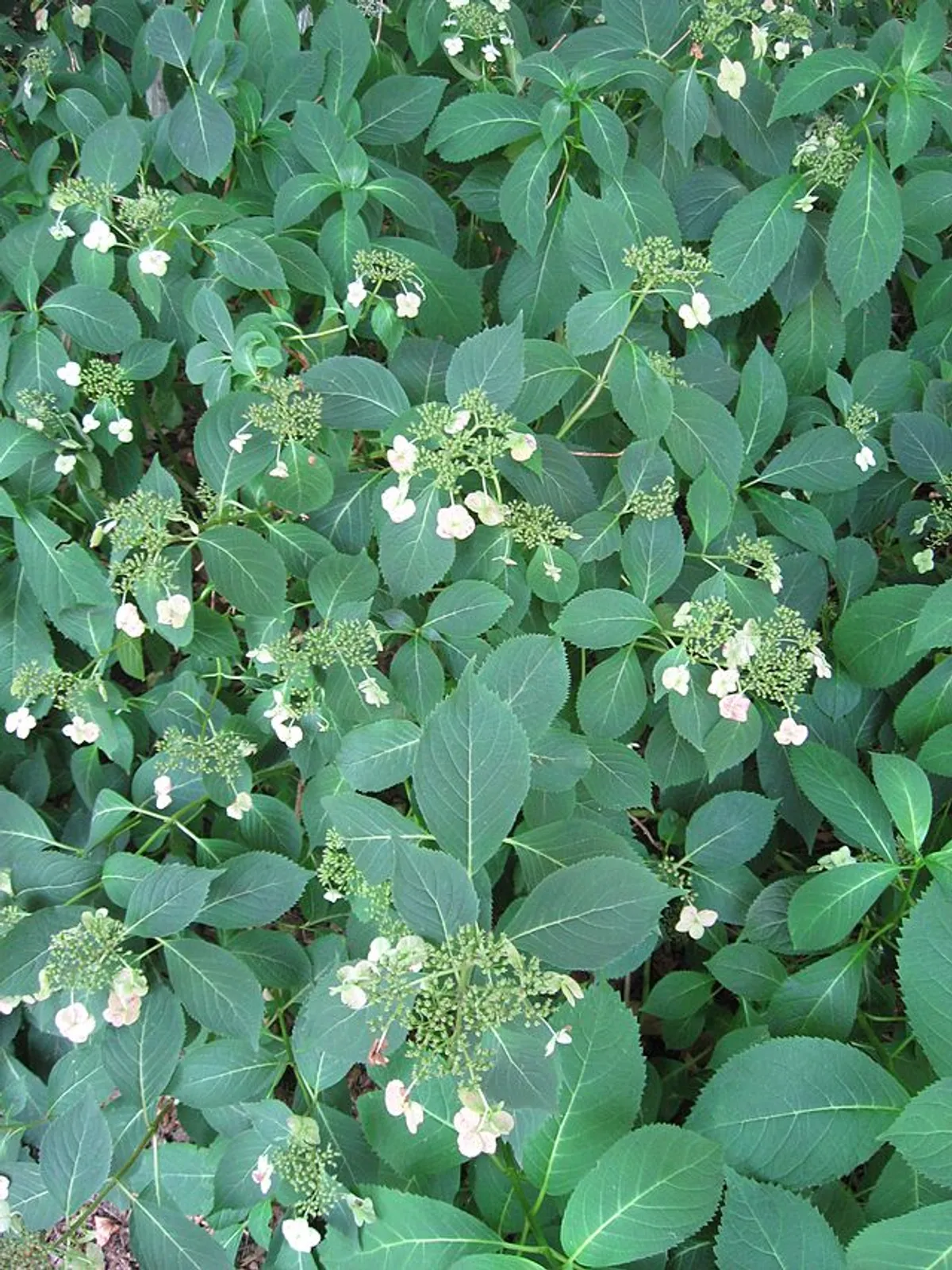
H x serrata Sawtooth or Mountain hydrangeas, (also known as Blood-on-the-snow or Tea of Heaven!) are the smallest species at 2-4ft high-wide and most commonly have lacecap type flowers. Flowering on old wood, little pruning is recommended for this type- if needs must prune after flowering. It grows best in light or dappled shade and flowers blue to pink according to soil ph.
H. x arborescens
H. x arborescens Commonly called Smooth Hydrangea, this species includes the popular series Invincibelle and Annabelle. It is a mop head hydrangea, blooming dark pink and aging to light pink independent of soil ph. It grows 3ft-5ft height and width, grows best in partially shady areas, and blooms on new wood (prune in late fall or early spring).

Pests

Diseases

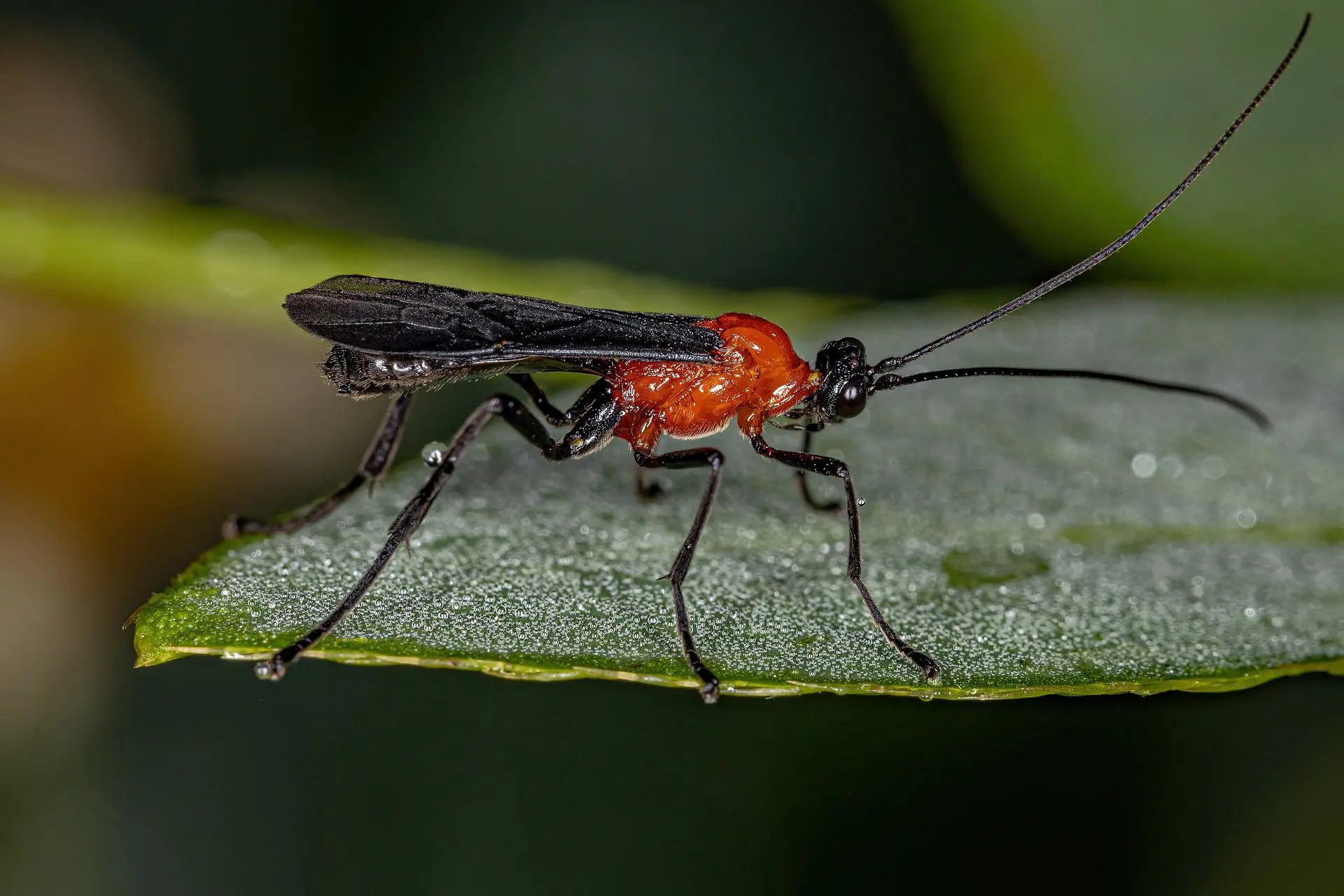
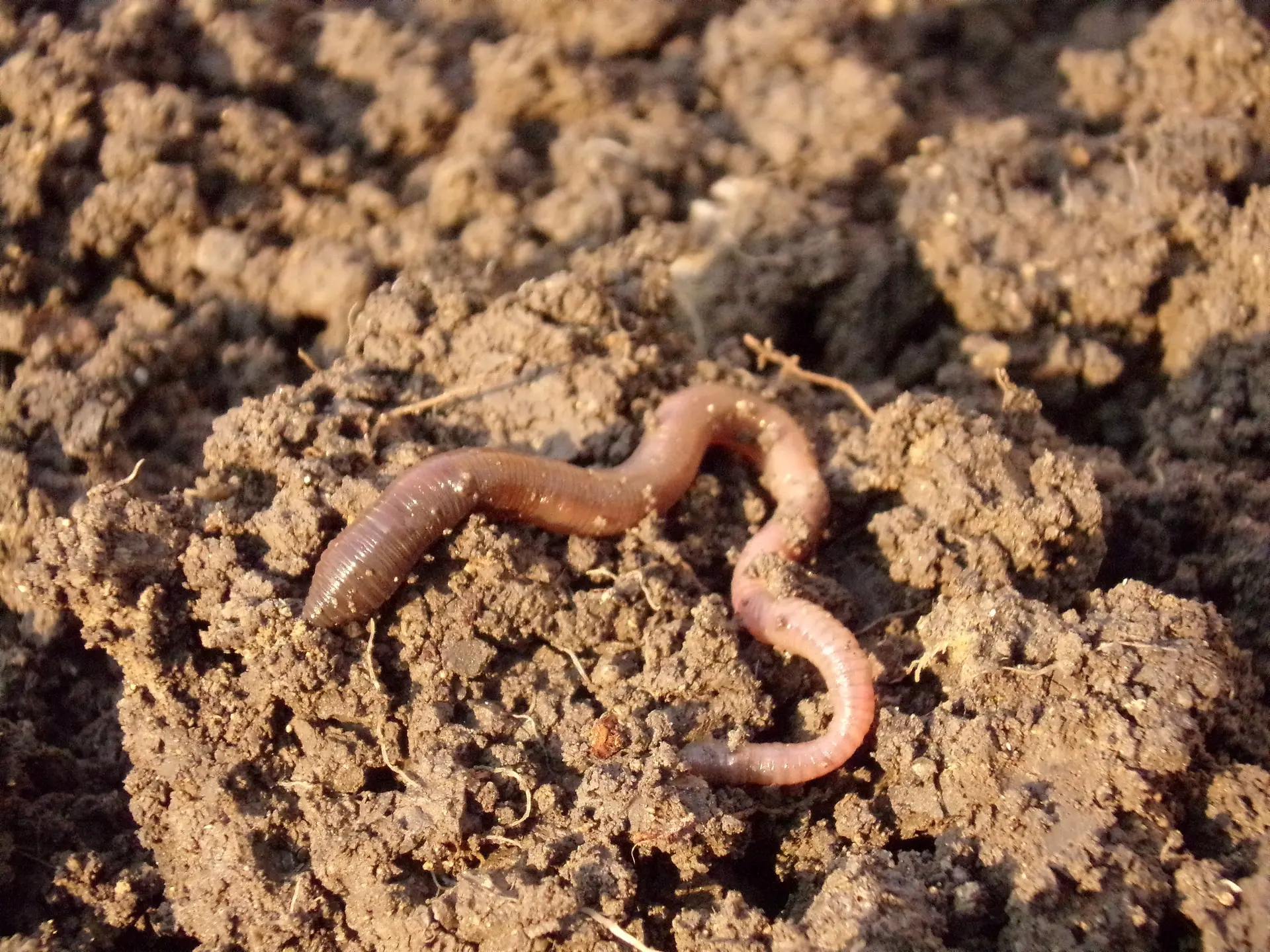
Beneficial Critters

Growing from Seed

Growing hydrangeas from seed is not recommended.

Planting Considerations

Acidic soil results in blue flowers and basic/alkaline soil produces pink flowers. Add aluminum sulfate to acidify soil, and lime for basic/alkaline soil.

Harvesting

Hydrangeas are notoriously prone to wilt. The older the panicle (all florets are open), the less likely to wilt. Put cut stem immediately in cool water and let rest in a cool area.

Pruning

Check cultivar: hydrangeas flowering on old wood need to be pruned directly after flowering (or do not prune). Varieties blooming on new wood prune in dormancy- late fall or early spring.

Get Planter

Available everywhere

Planter app on multiple devices