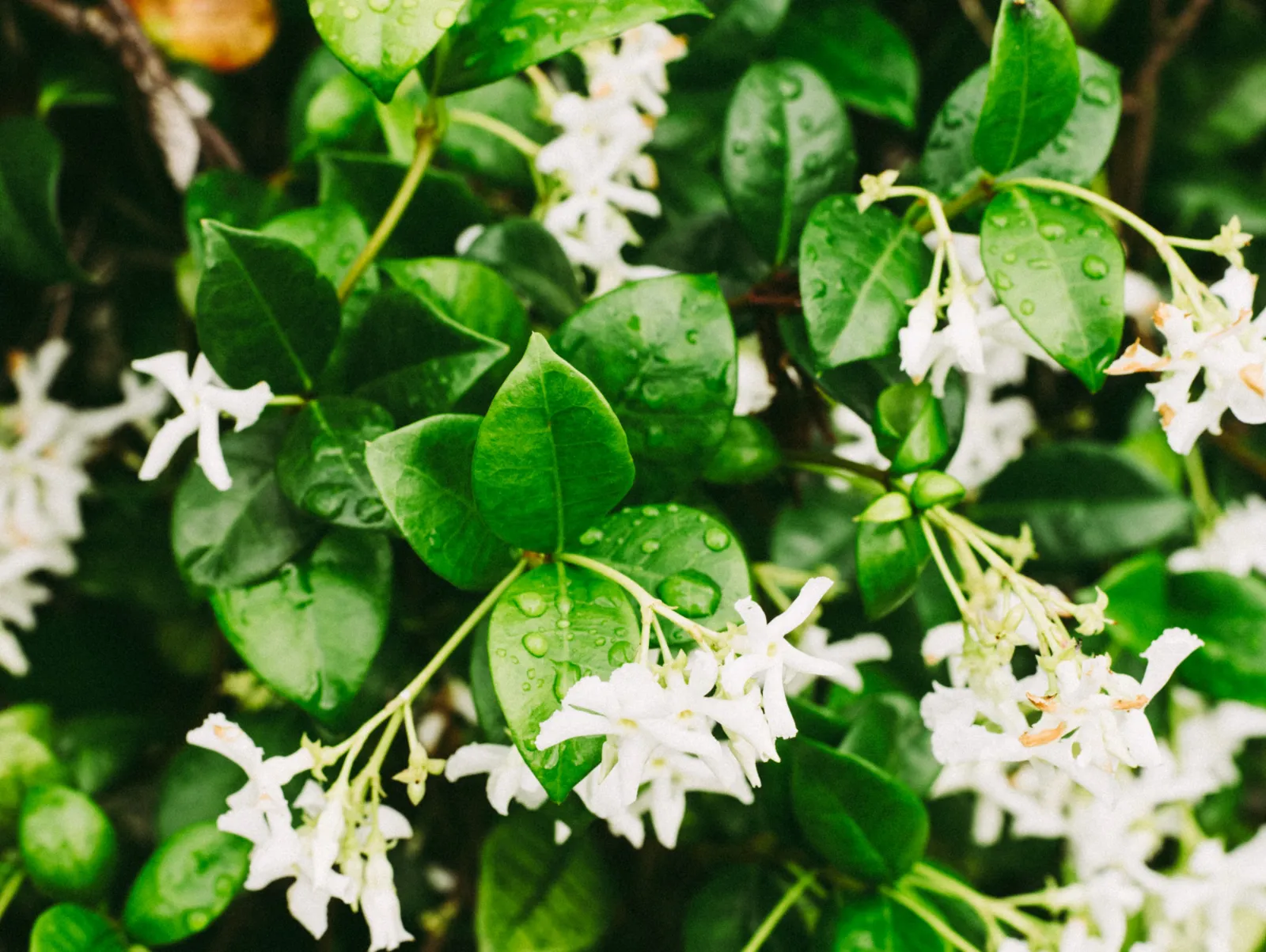
Jasmine
Jasminum spp.
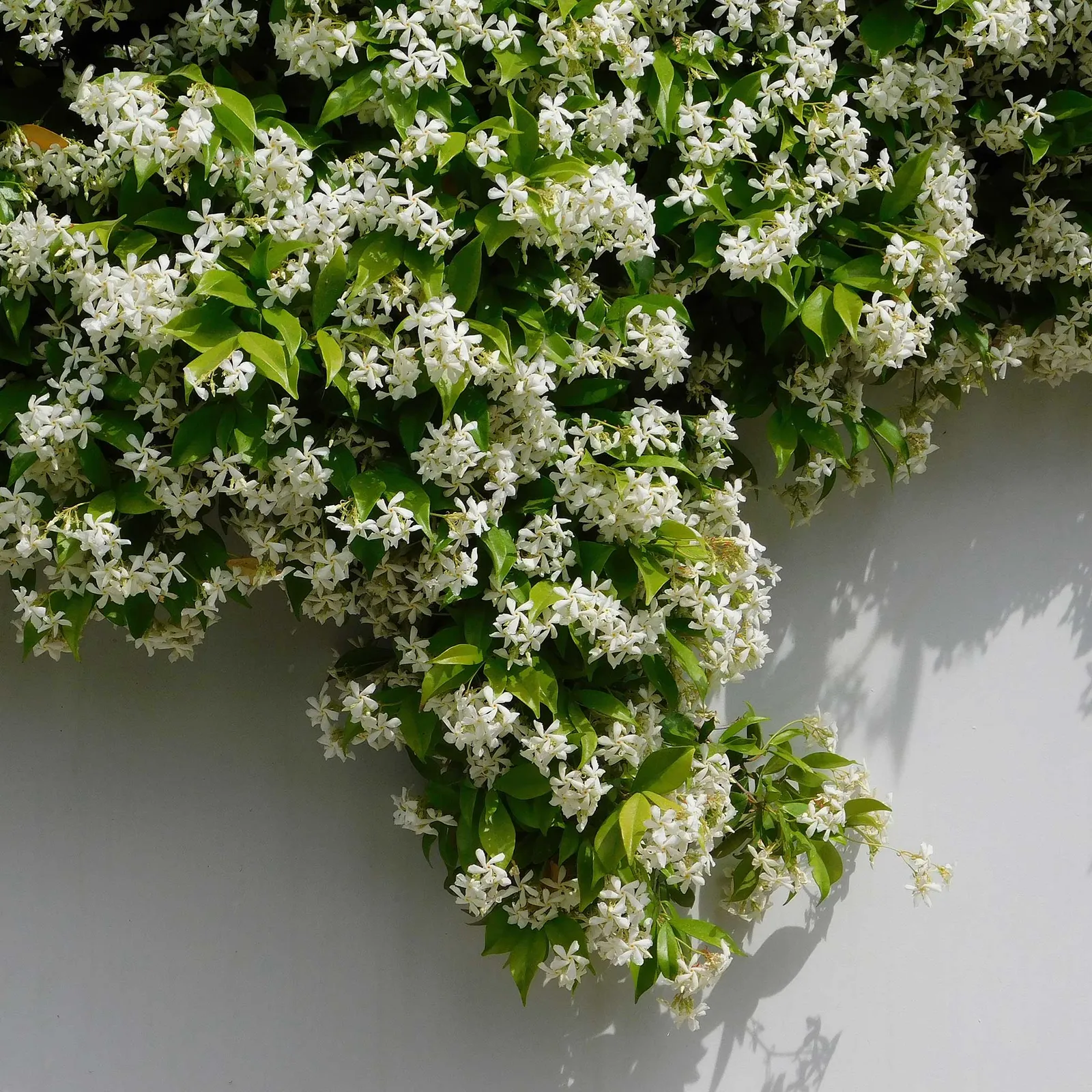
The Jasminum or Jasmine genus of plants comprises around 200 different species. Interestingly, some plants commonly referred to as 'jasmine' aren't even part of the jasmine genus! Most jasmine plants have a vining growth habit however some can be grown as shrubs or ground covers. If you intend to grow jasmine to flavor tea or other edible products be very cautious as most types of jasmine are toxic. Jasminum sambac or Jasminum officiniale are used for tea. Jasmine can become invasive in certain areas; be sure to check which types of jasmine are recommended for your area. Some jasmine varieties are hardy down to USDA zone 6 or 7, but this varies widely depending on the variety. Jasmine can also be grown as a houseplant, or as a container plant to be overwintered indoors.
How to Grow Jasmine
Quick Info
Put away the pen and paper
Plan your veggie garden in minutes with Planter's easy drag and drop planner.
Try Planter for Free
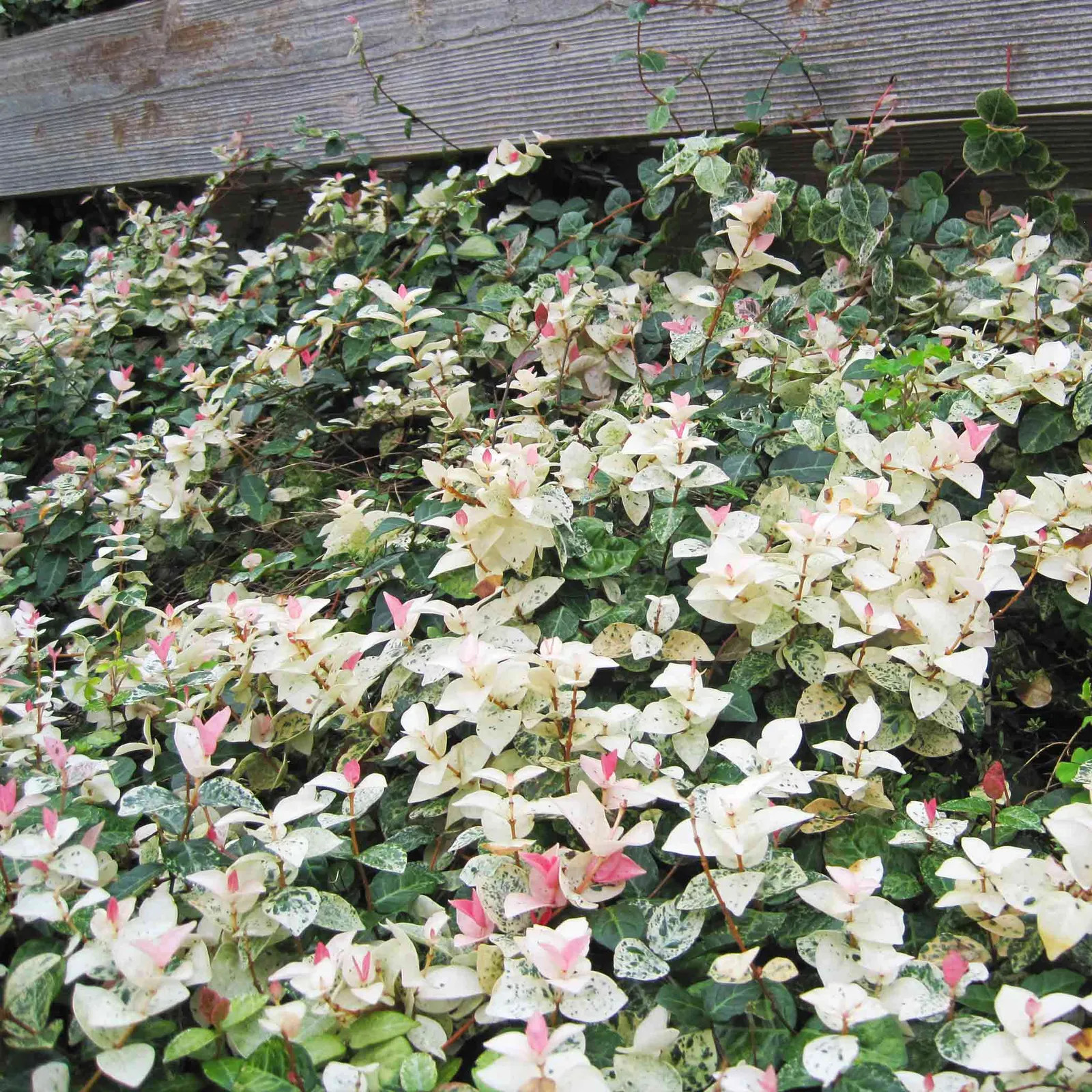
Varieties
Pests
Beneficial Critters
Growing from Seed
Jasmine is not typically grown from seed. It is typically grown from nursery transplants.
Planting Considerations
Jasmine prefers fertile, loamy to sandy soil that retains moisture but does not become waterlogged. Jasmine plants grown in-ground under the right conditions can become quite large and need 8-10 square feet of space or more. In favorable climates jasmine can be planted outdoors from early summer to late fall. Plant to the same depth as the soil in the nursery pot. Vining type jasmines need to be trained on a trellis or other support structure to stay upright. Jasmine can be grown in containers however it will need occasional repotting and trimming of the roots to keep the plant from becoming root-bound. There are compact varieties of jasmine available such as dwarf jasmine which may be better suited for containers.
Feeding
Jasmine needs regular feeding with a balanced fertilizer throughout the grown season. Use a fertilizer with ample phosphorus to encourage blooming.
Harvesting
Be absolutely certain that the variety of jasmine you intend to harvest is non-toxic and that no pesticides were used on the plant. Pick individual flowers in the morning while the buds are still closed.
Storage
Jasmine flowers can be used fresh or left in a cool, dry place with good airflow to dehydrate before storing in an airtight container. Dried jasmine flowers can be stored for a year or more. Dried flowers can be blended with green, white or black tea.
Pruning
Prune jasmine after flowering. Trim back spent flowers to encourage new buds to form for next season. Jasmine grown on a trellis can be trimmed to manage its shape on the trellis. Jasmine can tolerate a hard prune if necessary to control its growth. Dying or diseased branches can be removed at any point during the season.