Jicama
Pachyrhizus erosus, Pachyrhizus tuberosus
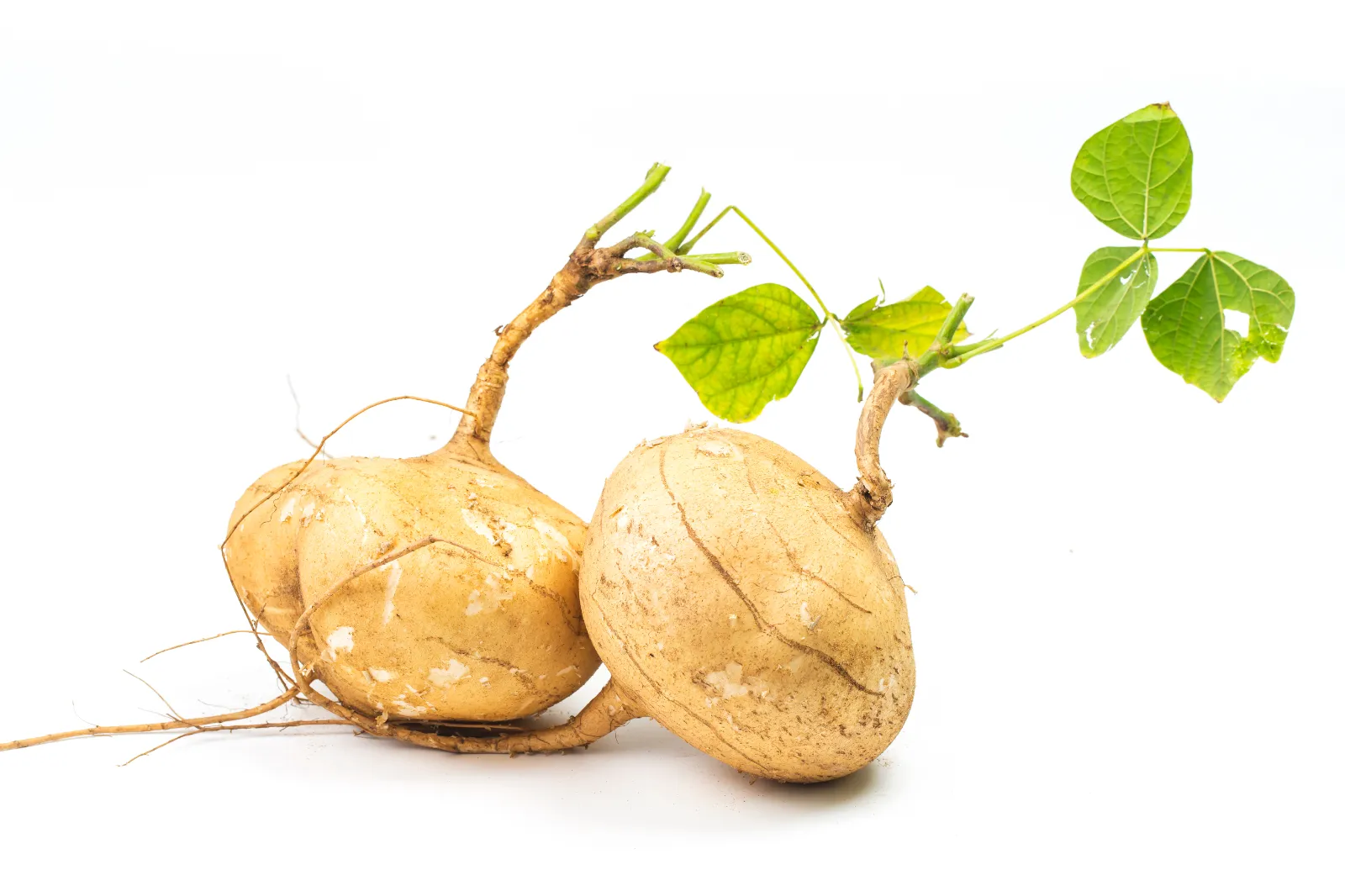
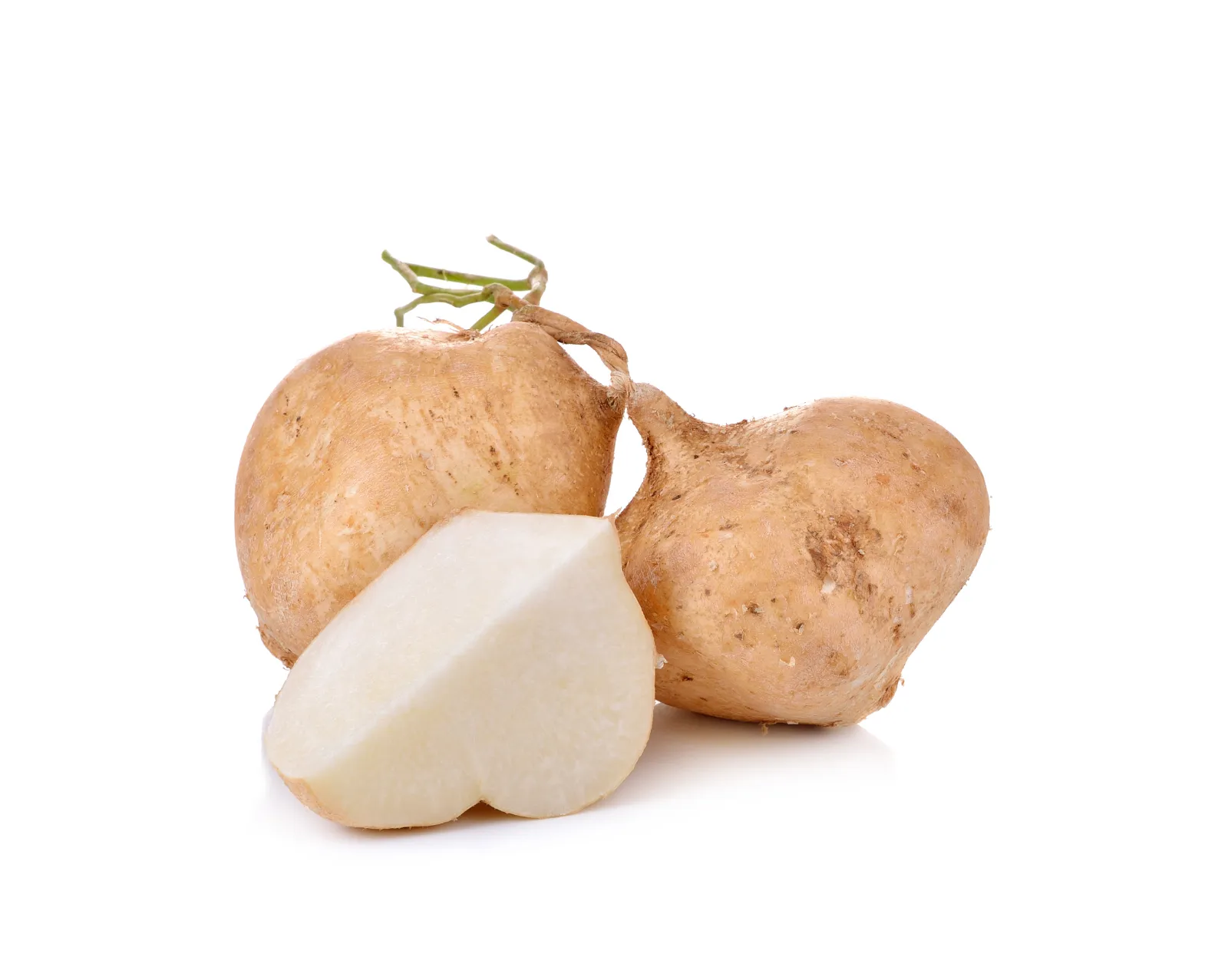
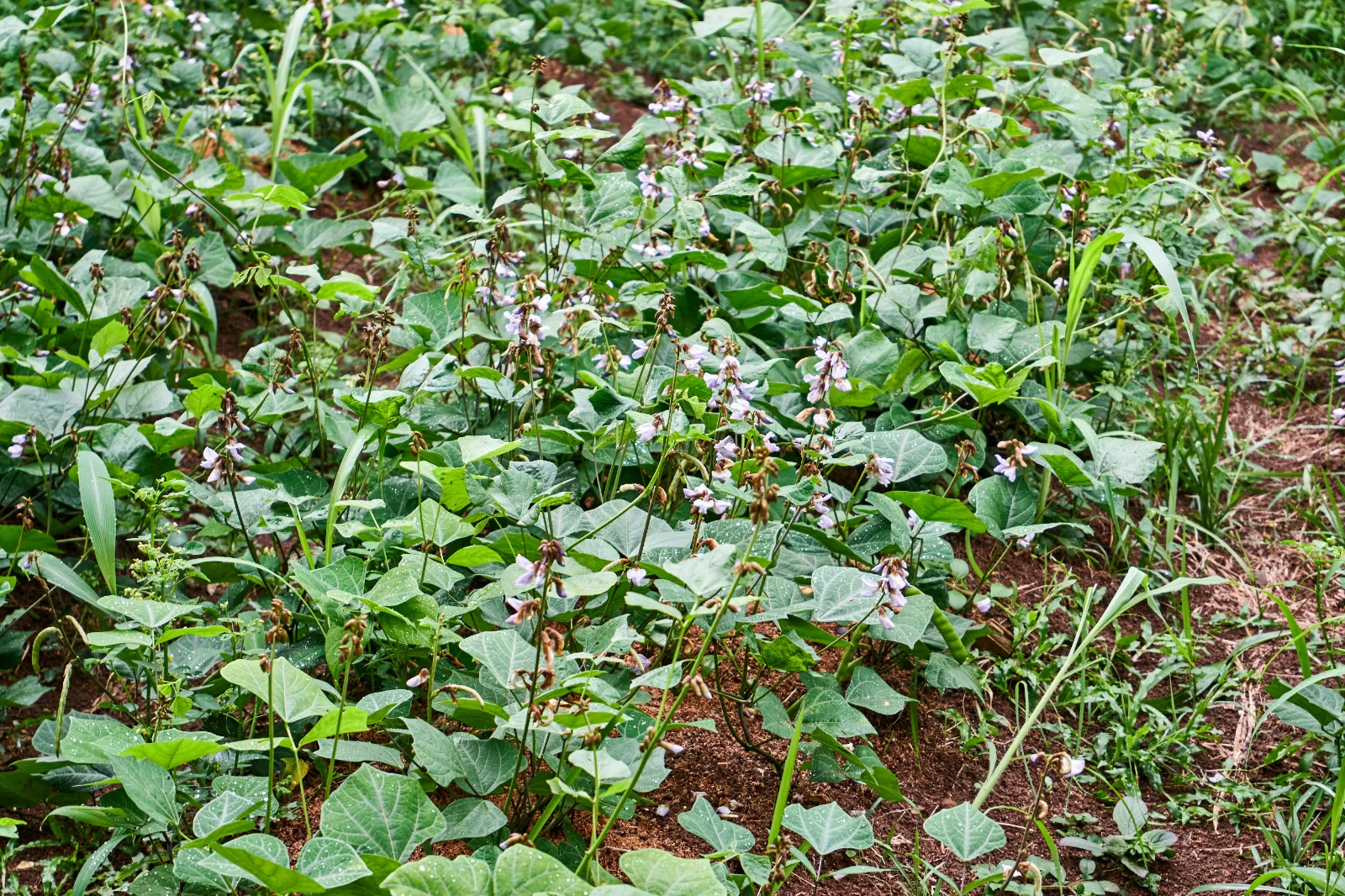
Jicama is a legume that is grown for its large, tuberous root. Jicama roots are often eaten raw, although they can be cooked and pickled. They are crisp with a slightly sweet yet slightly starchy flavor. Jicama grows best in climates with a long, warm growing season and shorter day lengths. If you live in a colder region you may still be able to get small tubers if you start the seeds indoors well ahead of your last frost date. Pachyrhizus erosus is the more commonly cultivated species of jicama. Within Pachyrhizus erosus there are two types of jicama: “jicama de leche” and “jicama de agua”. “Jicama de agua” is the type usually found in grocery stores and offered by seed companies.
How to Grow Jicama
Quick Info


Put away the pen and paper
Plan your veggie garden in minutes with Planter's easy drag and drop planner.
Try Planter for Free
Nutrition
Vitamins




Nutrients







Pests
Diseases
Beneficial Critters
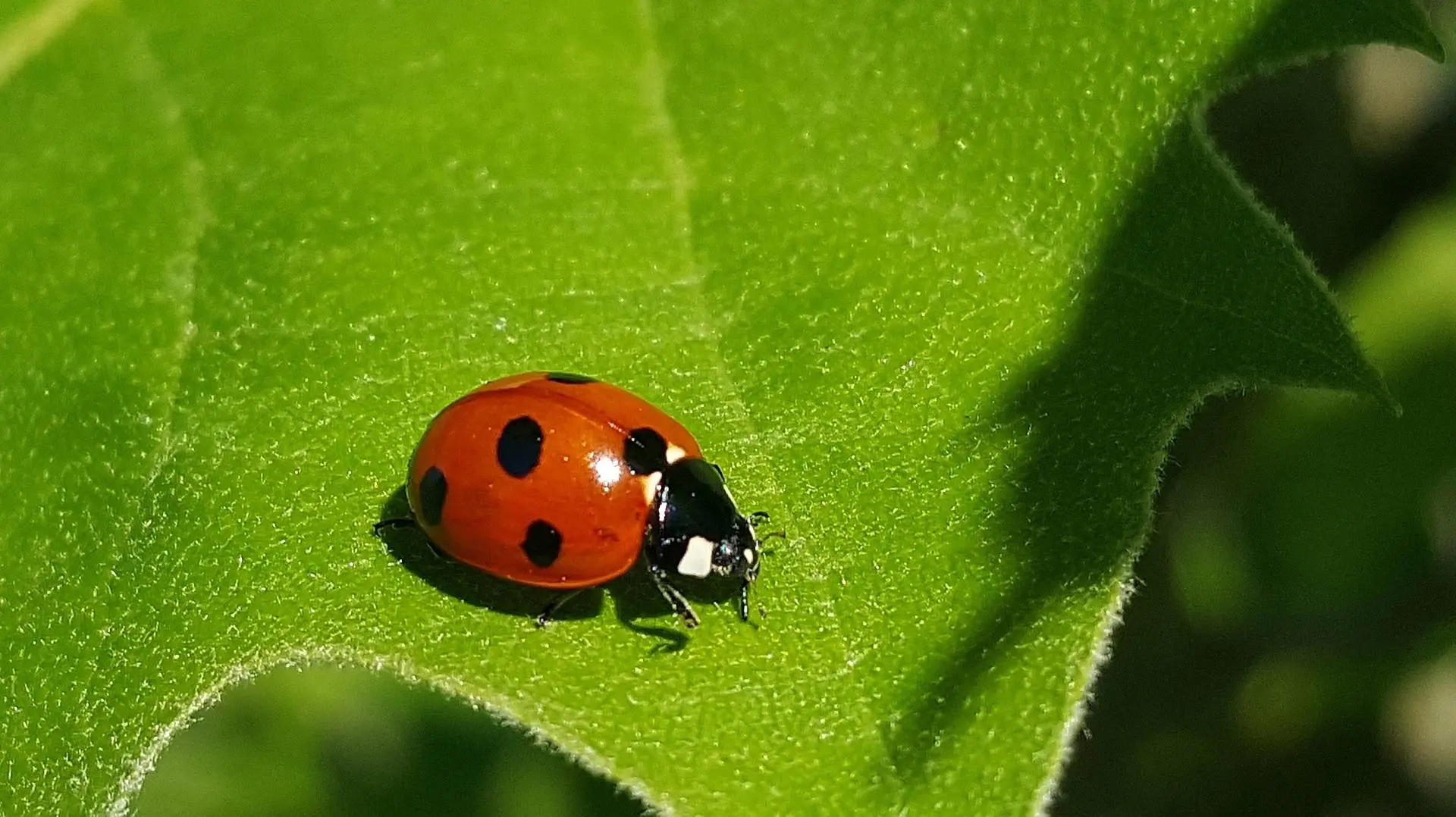
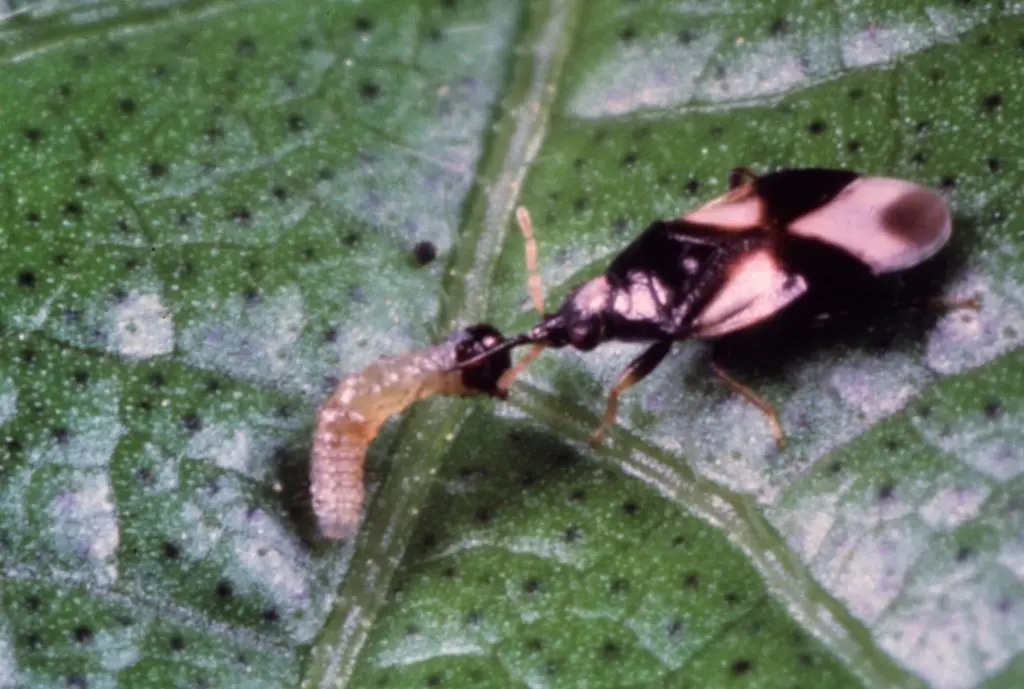
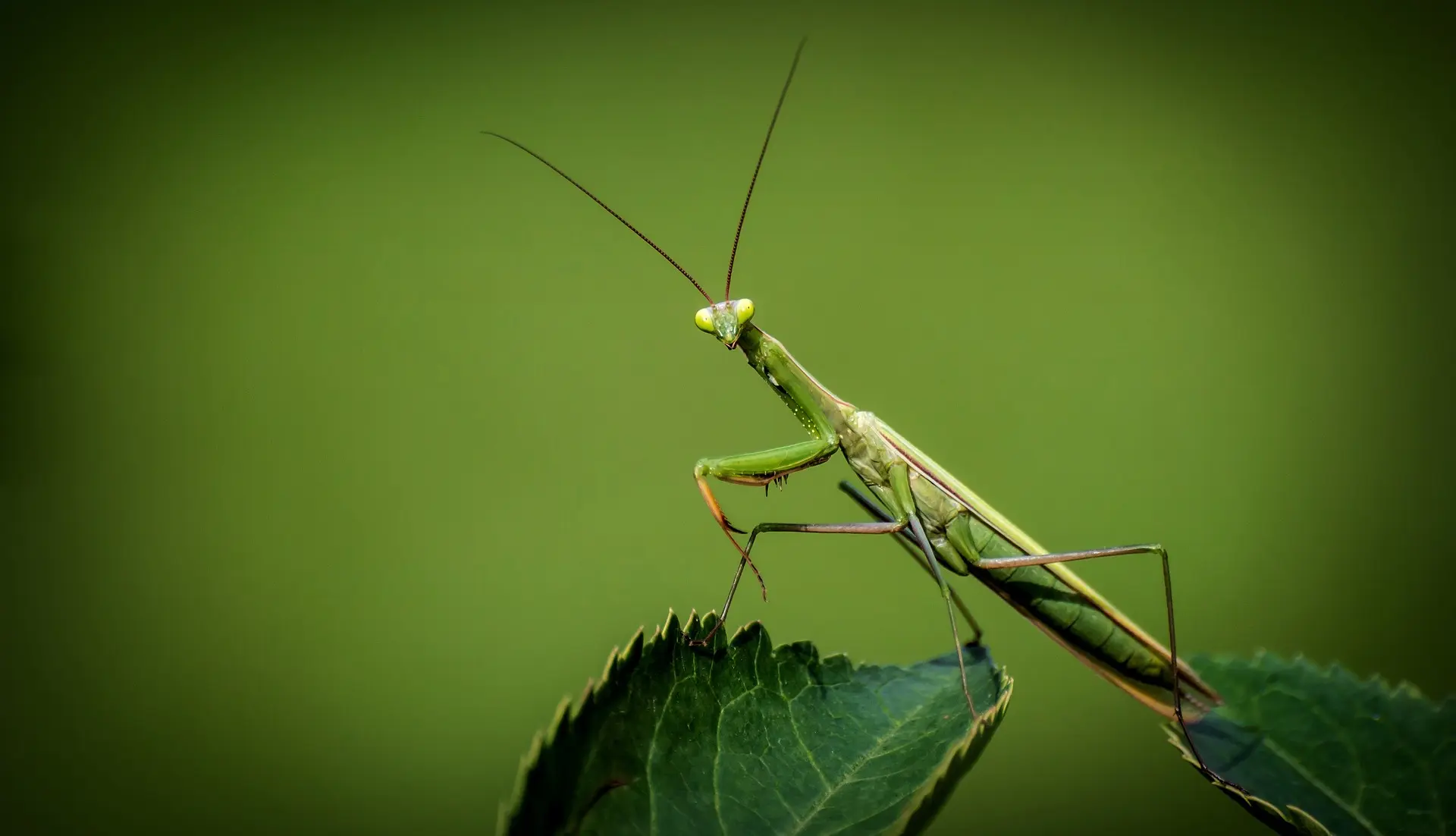
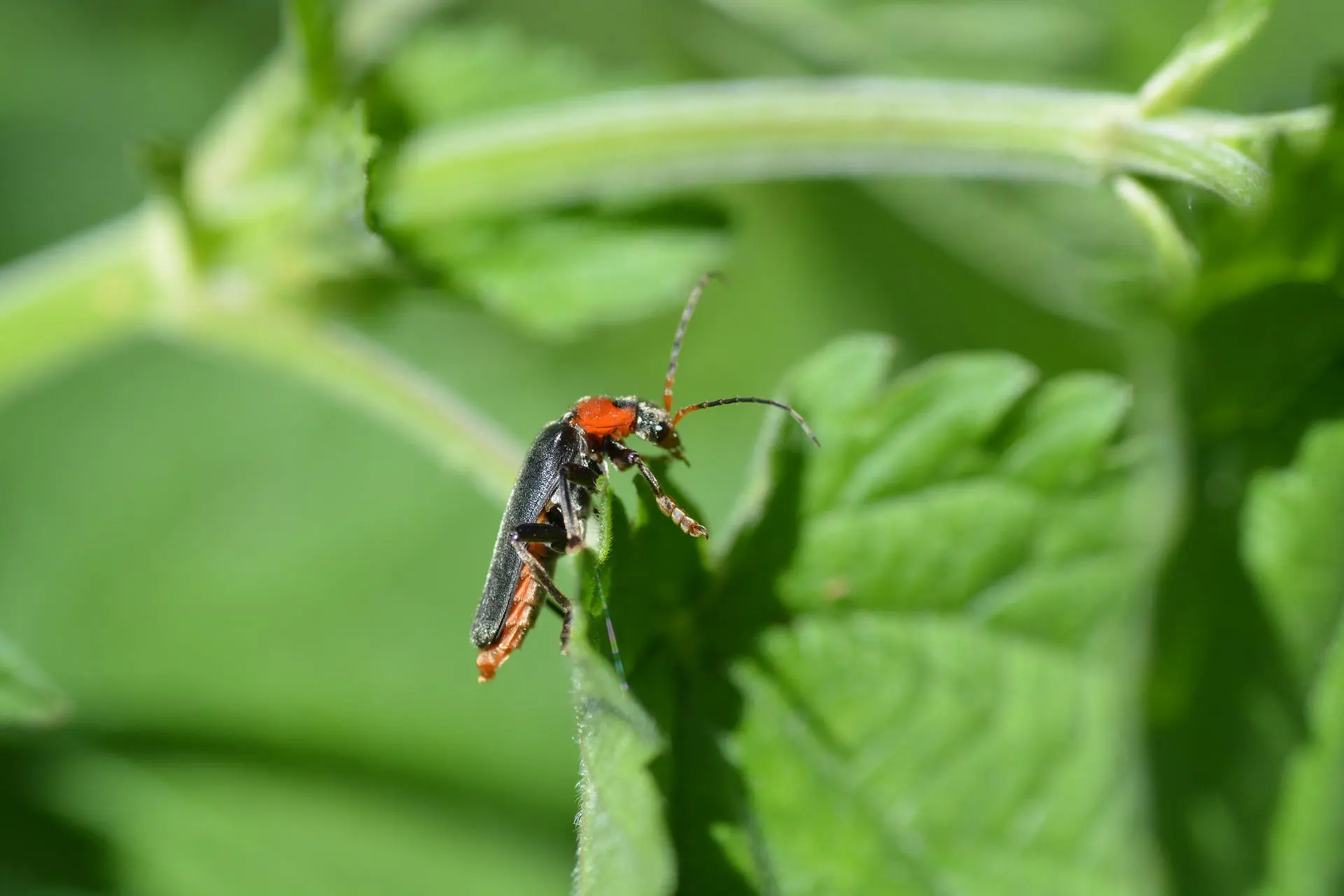
Growing from Seed
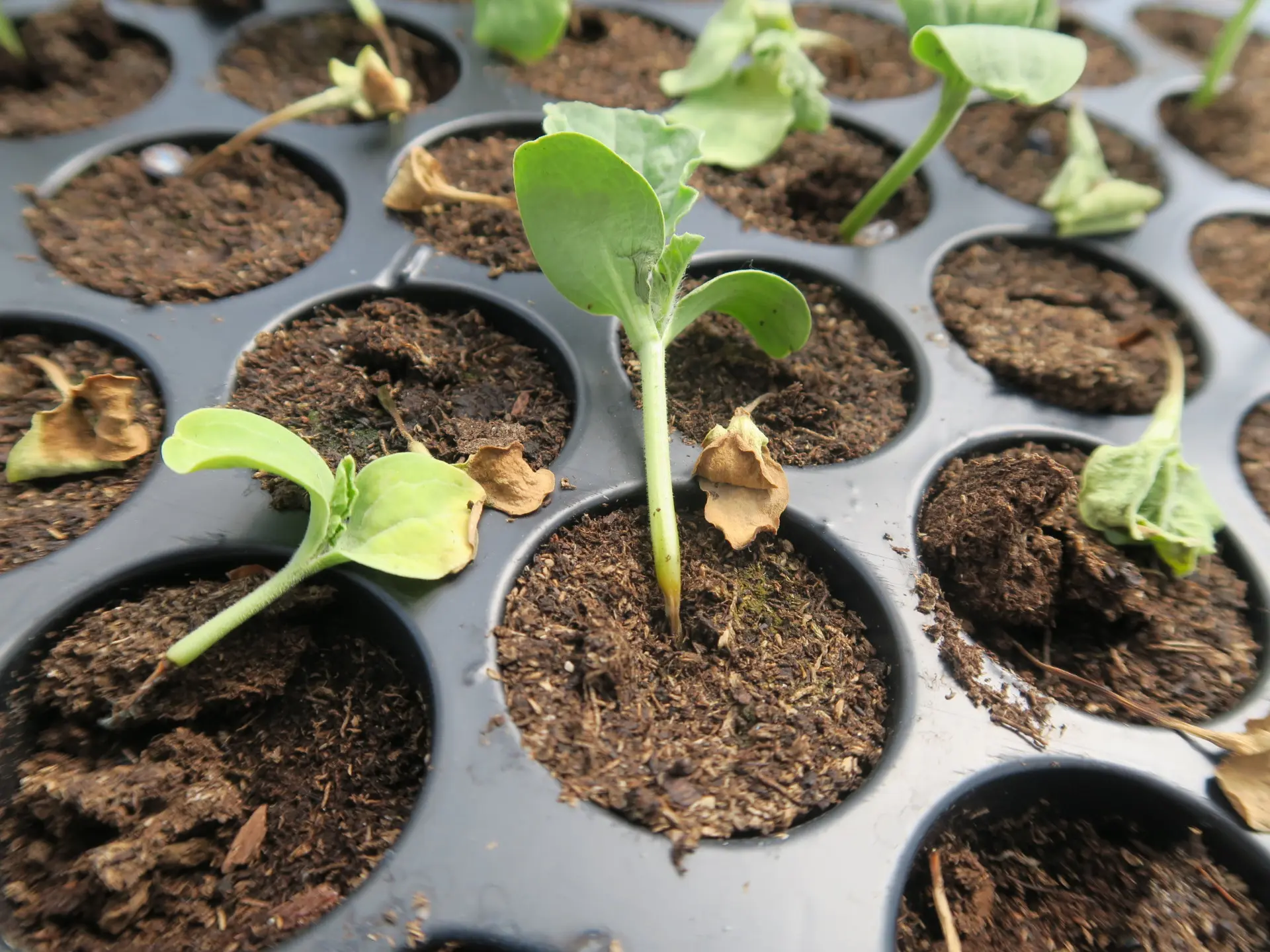
Jicama plants usually produce one large tuber per plant, so you may want to start several seeds. If you live in a very warm climate with a long growing season, jicama can be seeded directly outdoors. In cooler climates jicama should be started indoors several weeks before the last frost date. It is recommended to soak jicama seeds overnight before planting to aid germination. Keep the seed starting mix consistently moist but not wet. Heat mats may be helpful to maintain the optimal temperature for germination. Use grow lights to provide supplemental light as soon as the seeds germinate.
Planting Considerations
Transplant jicama seedlings outdoors after all risk of frost has passed and the weather is consistently warm. Jicama is very sensitive to cold; temperatures below 50ºF (10ºC) can cause the seedlings to suffer and potentially die. Seedlings should be hardened off before transplanting. Jicama prefers loamy, fertile, well-draining soil. Add compost to the soil prior to planting. Transplant jicama seedlings at the same depth as they were grown. Apply mulch around the plants to manage weeds and to help retain moisture (be sure the soil is warm before applying mulch). Jicama plants contain a natural insecticide so they are usually not bothered by pests. Roots can be prone to rotting if the soil is too wet. Row cover can be used early in the season while the plants are still small to help keep them warm.
Jicama can be grown in containers. Choose a container that holds at least 7 gallons for each plant. Jicama vines can be quite unruly so it is recommended to trellis them unless there is plenty of room for the vines to sprawl. Install the trellis at the time of planting.
Jicama tubers are day length sensitive and may not size up if you live in an area with longer day lengths (14-15+ hours) for much of the growing season. If you live in an area with longer day lengths you may want to experiment with using shade to artificially shorten the day length as the plant matures.
All above-ground parts of the plant including the beans are toxic so be sure to grow this plant with caution especially with children or pets around.
Feeding
Fertilize regularly throughout the growing season with a fertilizer that is higher in potassium. Excessive nitrogen can cause the plant to put energy into leaf growth at the expense of tuber formation. Since jicama is a legume it can fix much of its own nitrogen.
Harvesting
Roughly 2 weeks prior to harvesting, dial back on watering to prevent cracked roots. In a cool climate, jicama tubers can be harvested when the plant starts to die back or after the first frost damages the leaves. In warmer climates harvest time will need to be gauged by the days to maturity- do not leave the plants in too long or the tubers can become tough and woody. To harvest jicama use a garden fork to gently lift the soil around the plant, being careful not to pierce or damage the root while lifting it out. Cut off the plant stem where it connects to the tuber.
Storage
Brush loose soil off the roots but do not wash them until ready to use. For maximum storage life tubers can be cured for 1-2 weeks at 80°F (27ºC) When properly cured, jicama will keep for 2-4 months in a cool, dry spot. Remove shoots if they appear. Do not refrigerate jicama; tubers stored at less than 50ºF (10ºC) for an extended period can lose their quality and texture. Peel jicama before using.
Pruning
Flower buds should be removed as soon as they appear to encourage the plant to put energy into tuber formation (unless you intend to save seeds to re-plant).