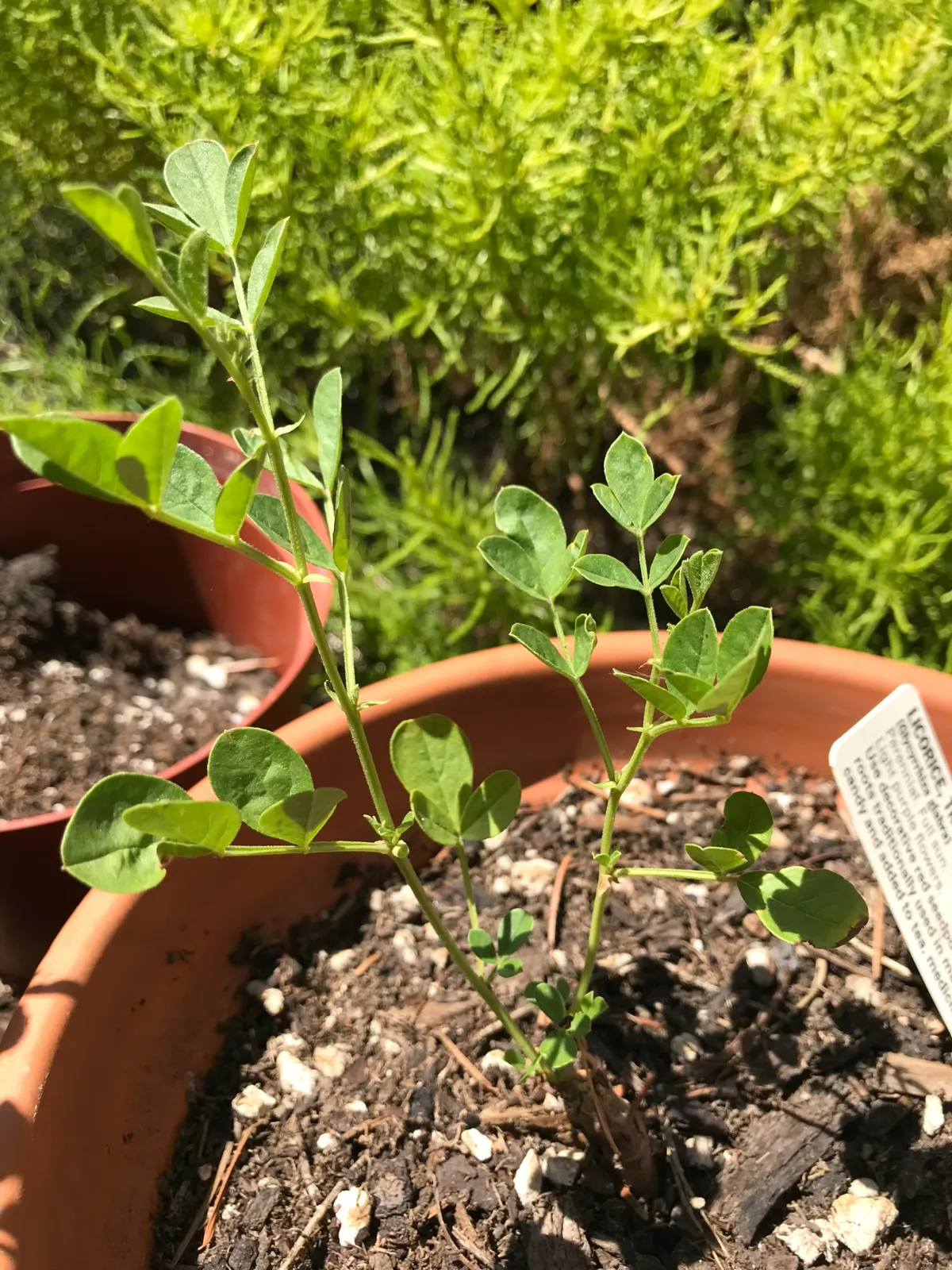
Licorice
Glycyrrhiza glabra
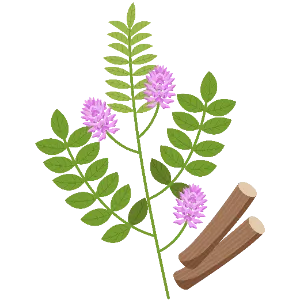
Hardy to USDA Growing Zones 7-11, licorice is a plant with centuries of history in traditional medicine. The sweet-flavored root was very popular in formulations for hiding the flavor of other bitter-tasting herbs. The root was also used in candy making and as a natural breath freshener. Today, licorice is still very popular in herbal preparations, especially teas. Licorice loves areas with a lot of sun and heat, but needs to be kept moist during the growing season. Proper drainage is essential for a healthy plant. In the late summer, violet flowers appear.
How to Grow Licorice
Quick Info

Put away the pen and paper
Plan your veggie garden in minutes with Planter's easy drag and drop planner.
Try Planter for Free
Related Articles
Pests
Diseases
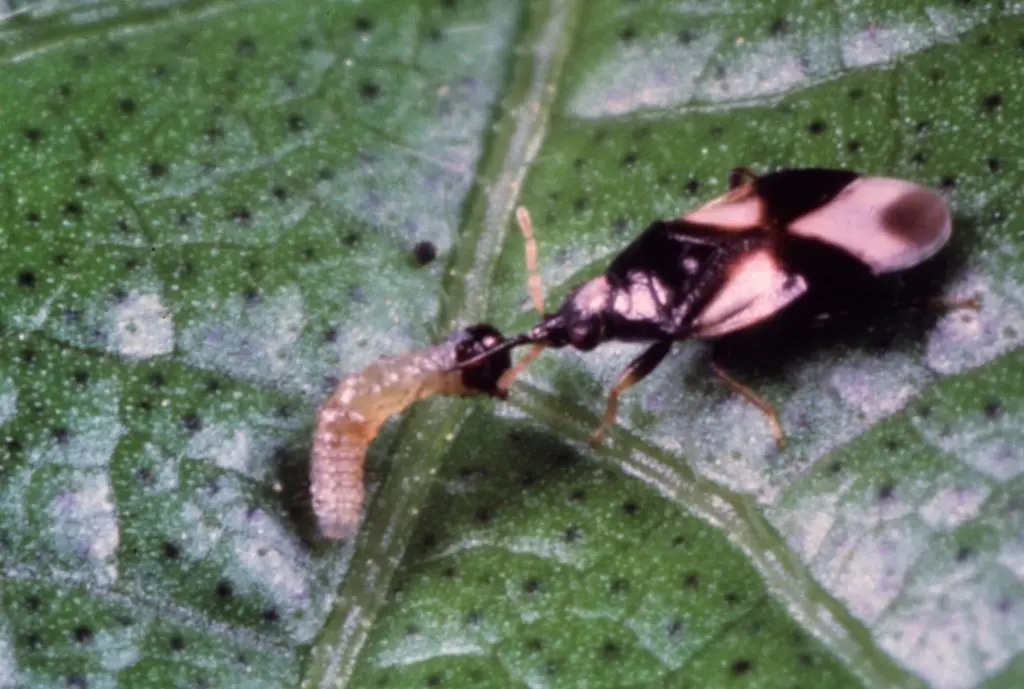
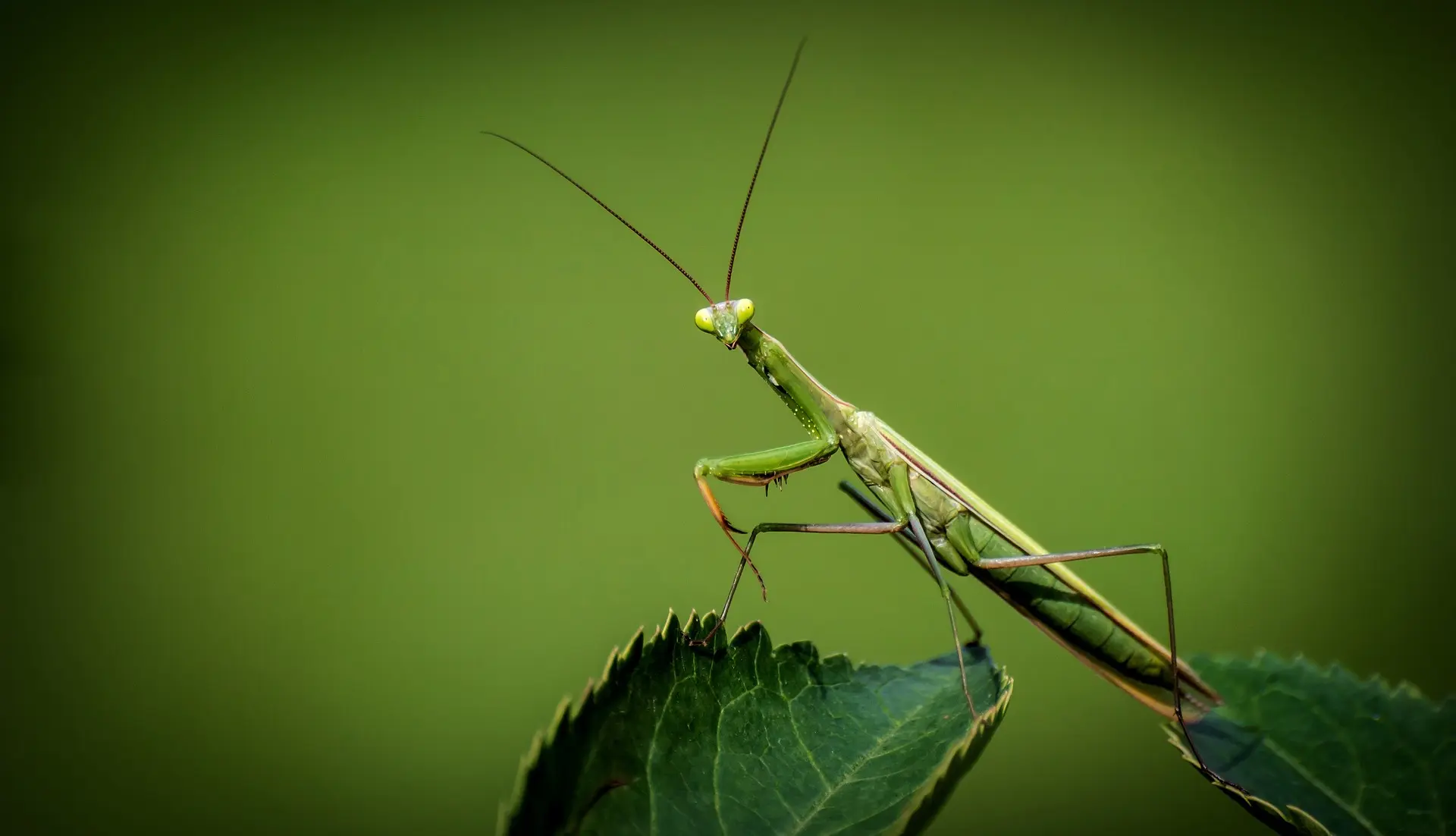
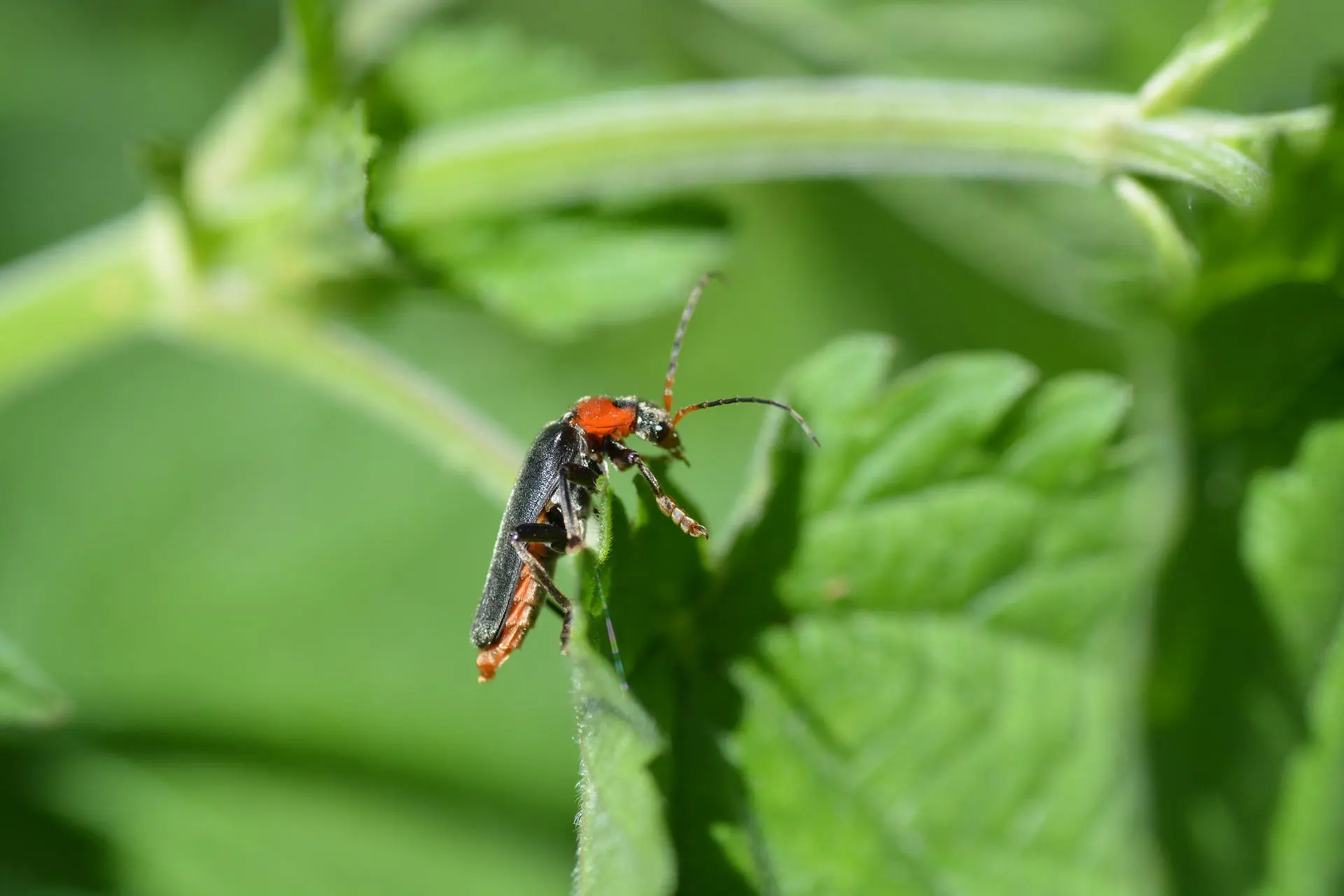
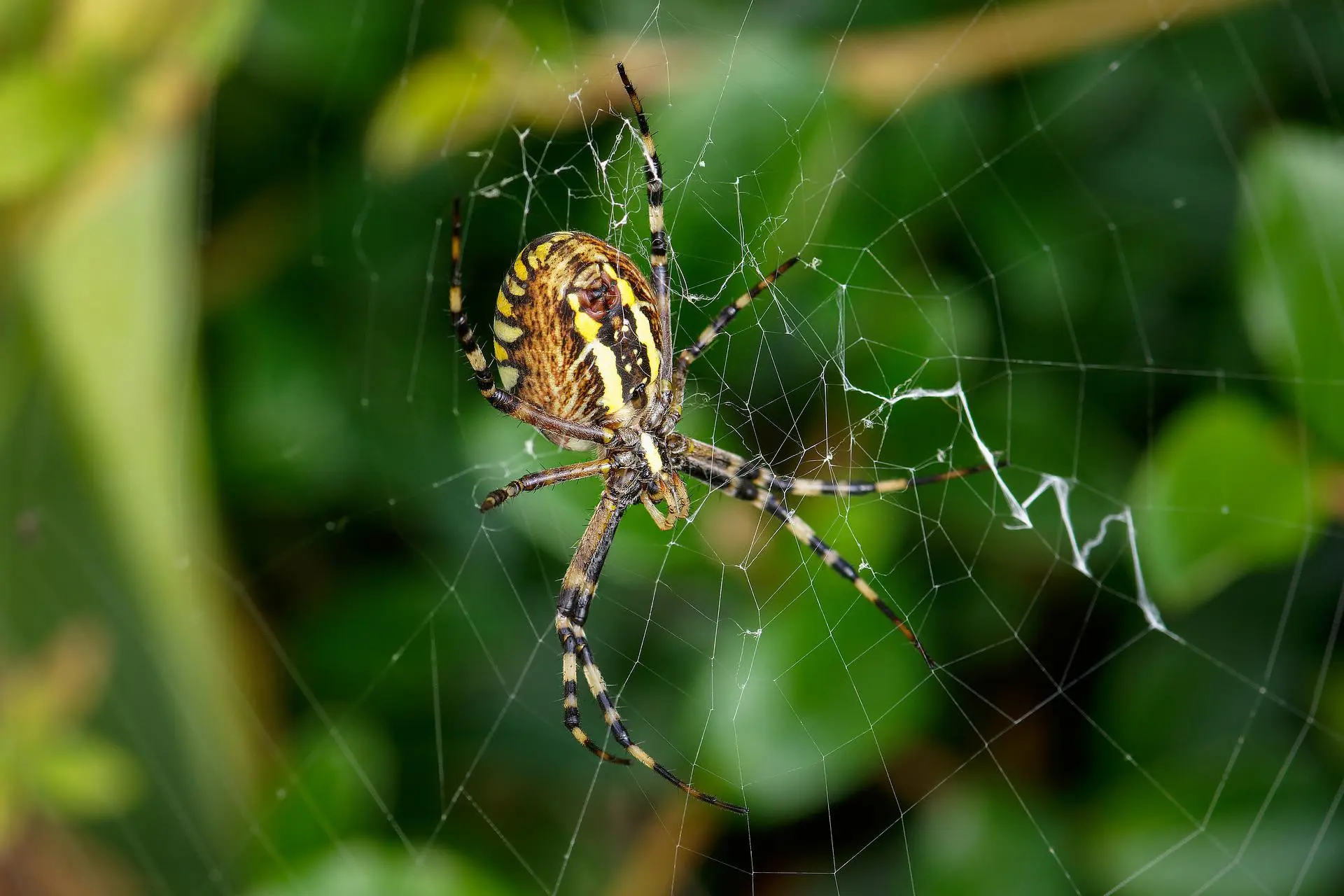
Beneficial Critters

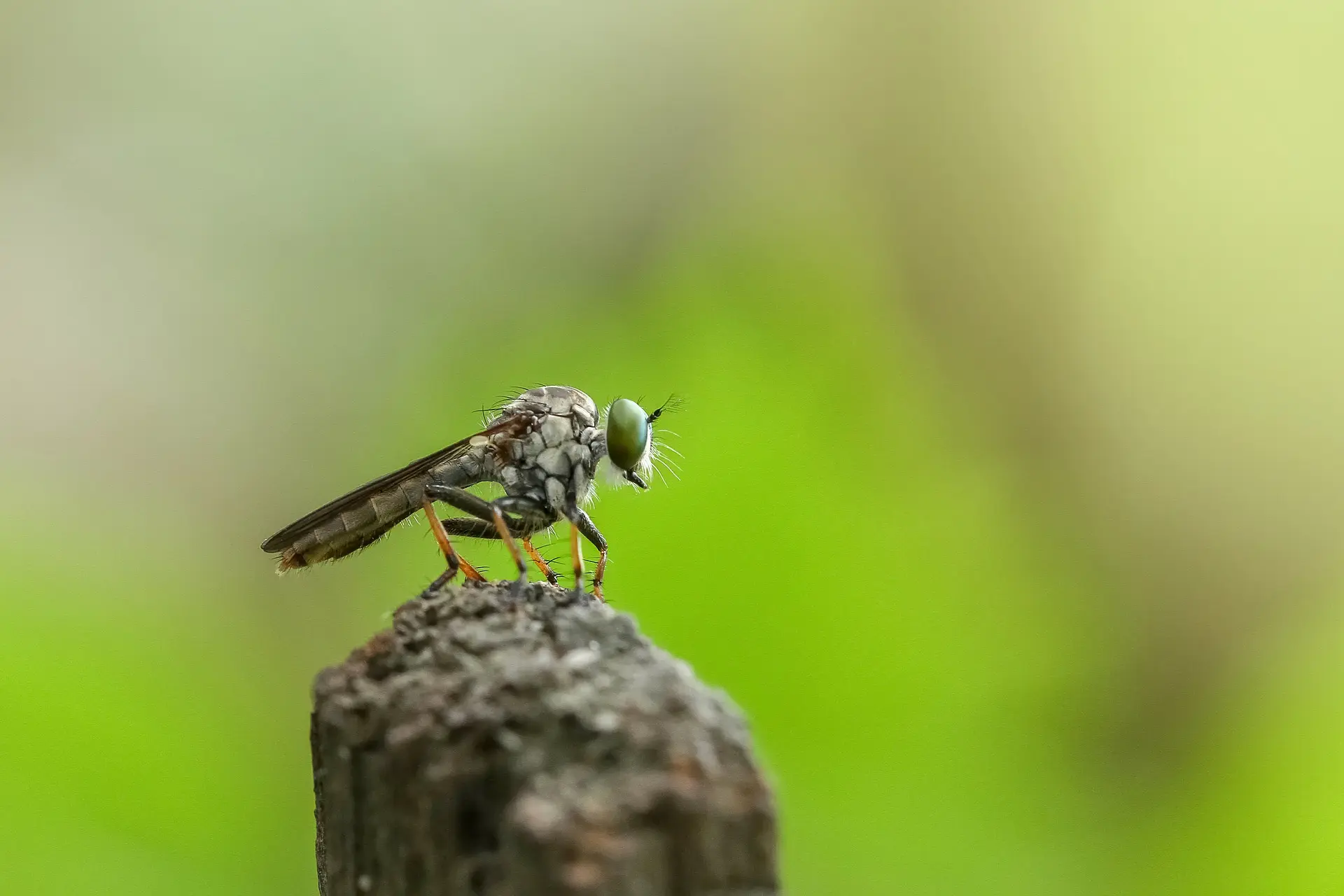
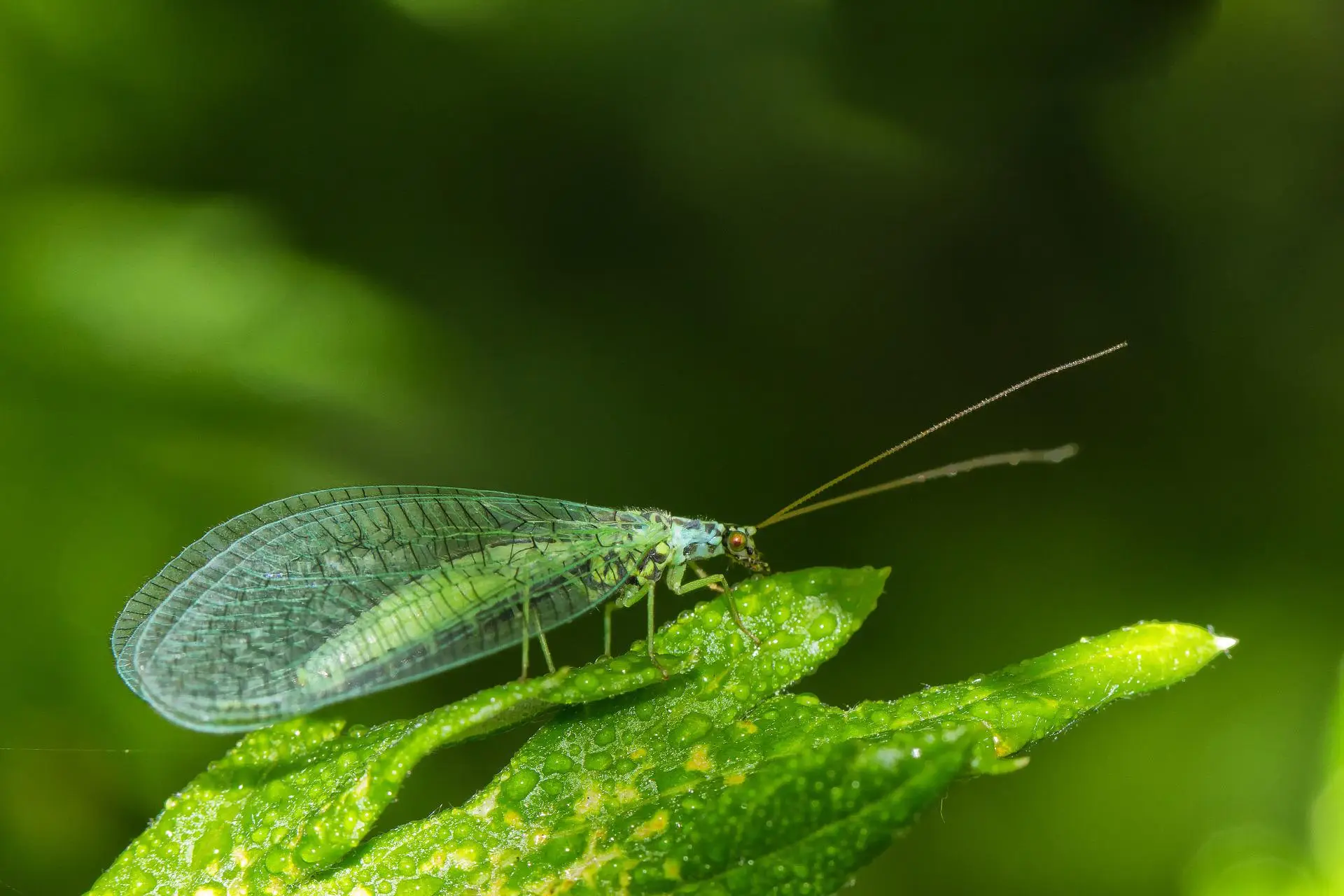
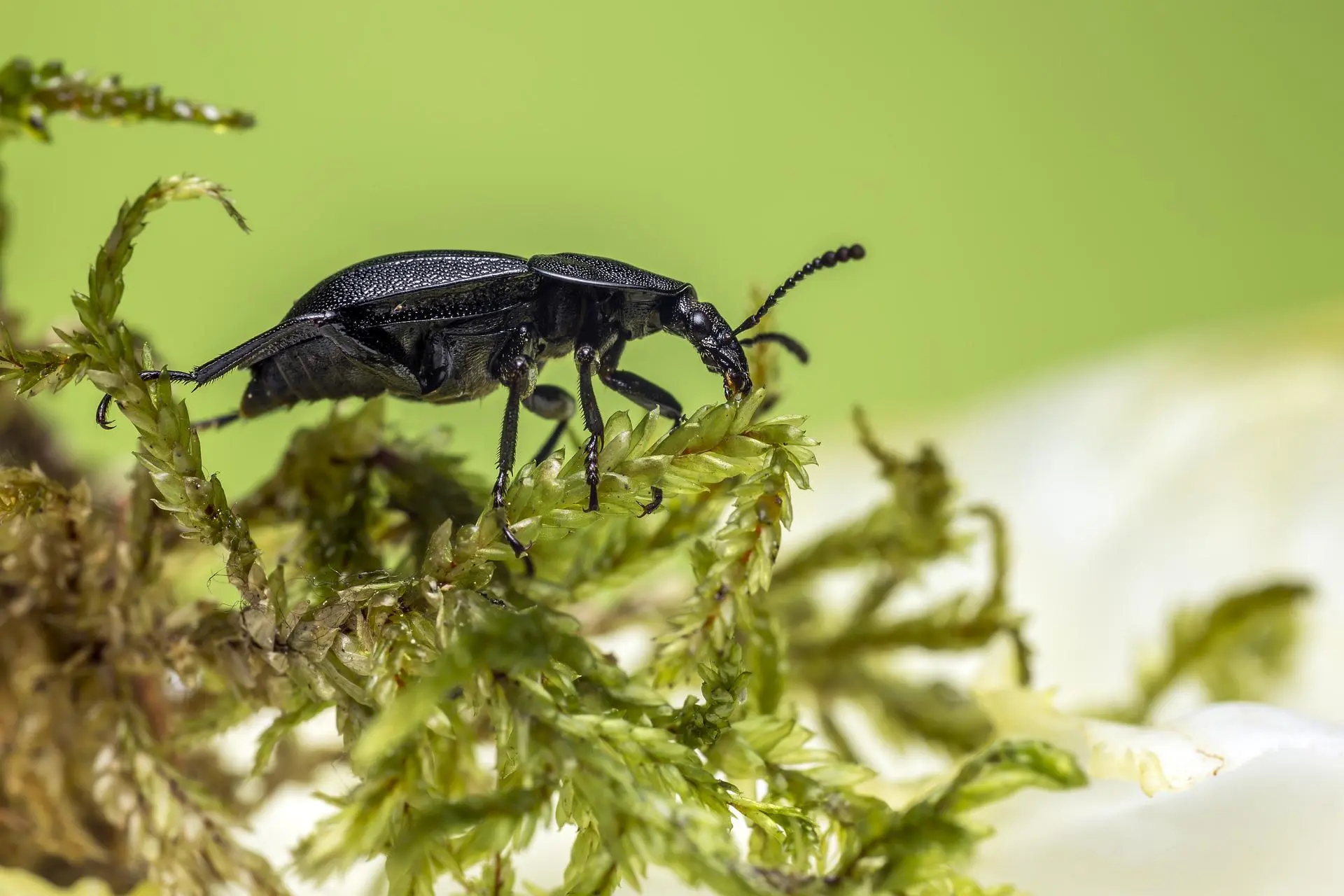
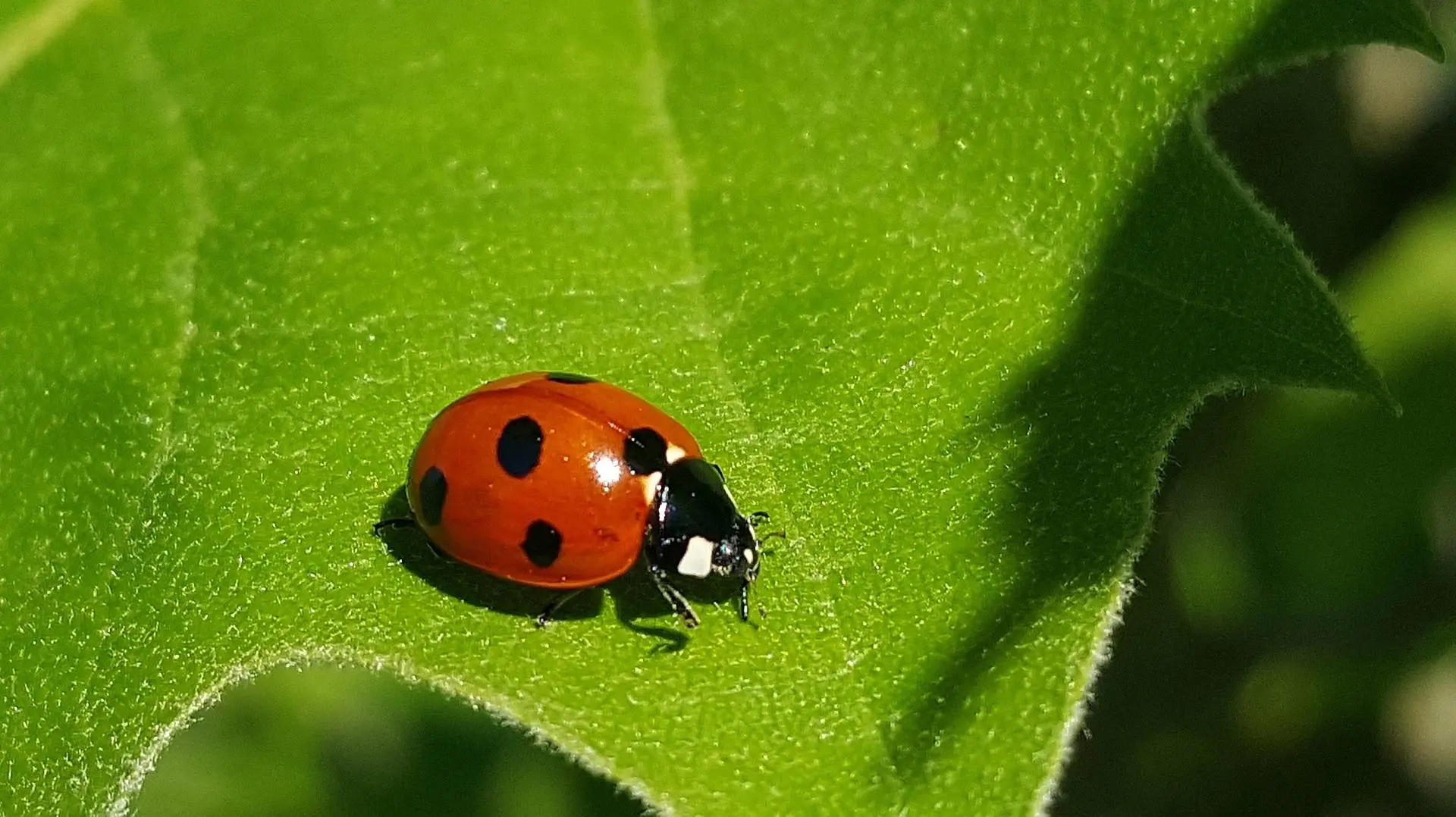
Growing from Seed
In the early spring or summer, scarify the seeds to improve germination rates. Soak the seeds in water for 1 day before planting. Plant seeds in a fast-draining soil and keep them warm. Seeds can be started in pots and worked up as they grow. Move to the garden after the danger of frost has passed. Thin seedlings to 1 every 2-3' (0.6-0.9 m).
Planting Considerations
Licorice plants prefer to grow in areas with plenty of sun, alkaline soils, and in soil where the roots can easily spread. Licorice will not do well in clay soil as it will become susceptible to root rot, and the roots won't be able to spread. Licorice plants can become quite large, averaging 3-4' (0.9- 1.2m) in height and around 3' (0.9 m) wide, so they need a lot of space. If you do not have the space, you can grow it in a wide pot that allows room for its roots to spread. Keep your plant moist by adding a layer of mulch after planting.
Feeding
Licorice plants do not require high levels of nutrients, but during the growing season, you can lightly feed plants every 4-6 weeks with a balanced fertilizer.
Harvesting
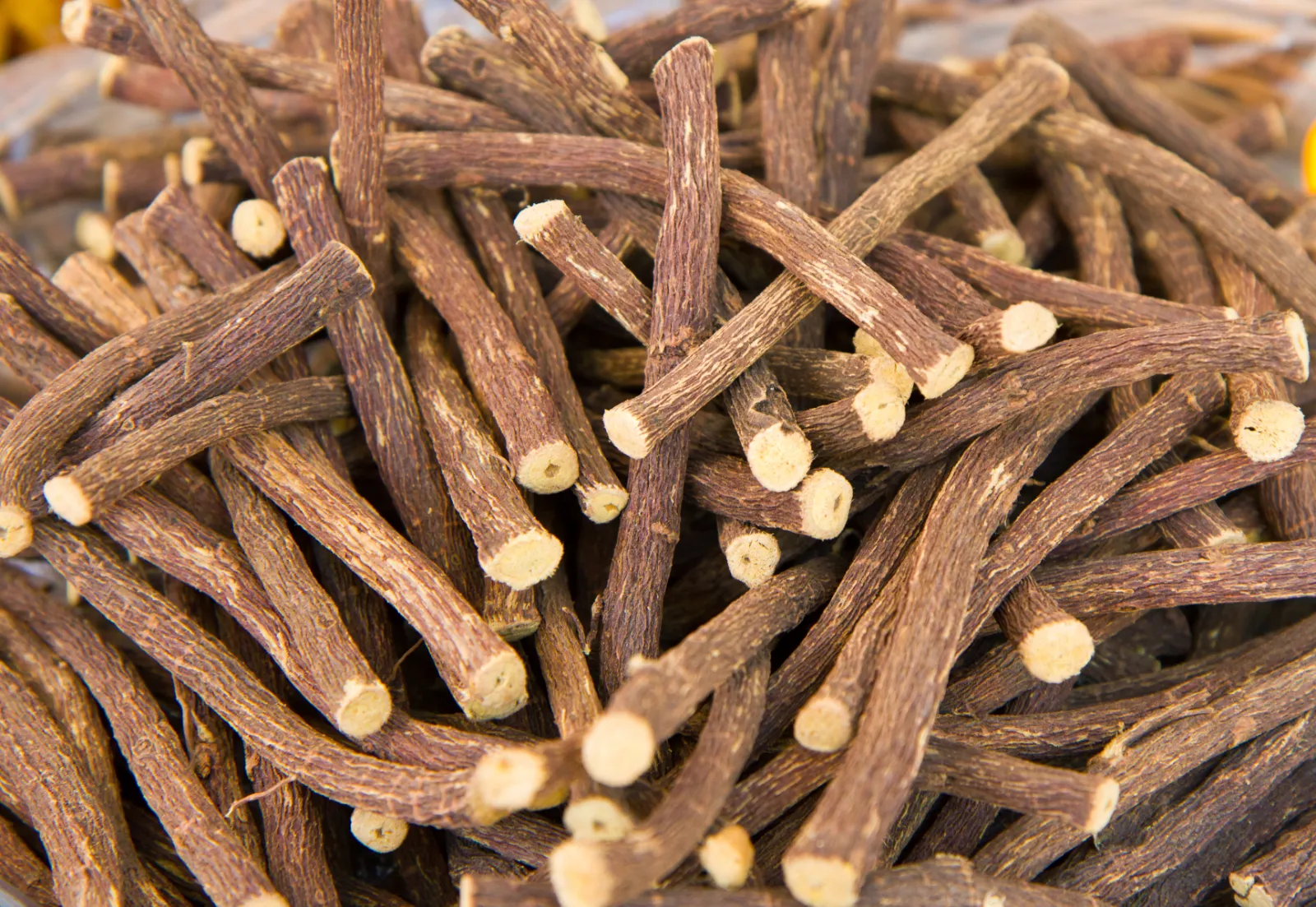
Harvest the roots after 2-3 years of growth. For the best yield, wait for the 3rd year. When the plant starts to die back in the fall after flowering, use a garden fork and carefully lift the plant up from the dirt. Use scissors or a sharp tool like a hori-hori knife to harvest some of the bigger roots, leaving behind the taproot and smaller roots. Replant and cover with dirt so the plant will continue to grow the next season.
Storage
Wash the roots and chop them up. Dehydrate the roots and store them in a glass jar, and keep them in a cool and dark place. Roots can be stored for 2-3 years, but they are best used within the first year.
Pruning
Lightly prune plants in the late winter or early spring before new growth appears to help maintain a bushy shape.
Herbal Use
Licorice root is often used in herbal formulas to make them more palatable, as it has a very sweet flavor. Licorice is a first-choice herb when your body systems need soothing, as it has demulcent qualities. Licorice root is commonly used in formulas for sore throats, irritated digestive systems, and respiratory issues. The expectorant properties make licorice root a common ingredient in herbal teas for congestion and coughs. Licorice root can be used in tinctures, powders, teas, syrups, candies, capsules, and more. Short-term use of licorice is best. Avoid if you have issues with elevated blood pressure or problems with your kidneys. Always consult with your healthcare professional before using herbs.