Lilac
Syringa
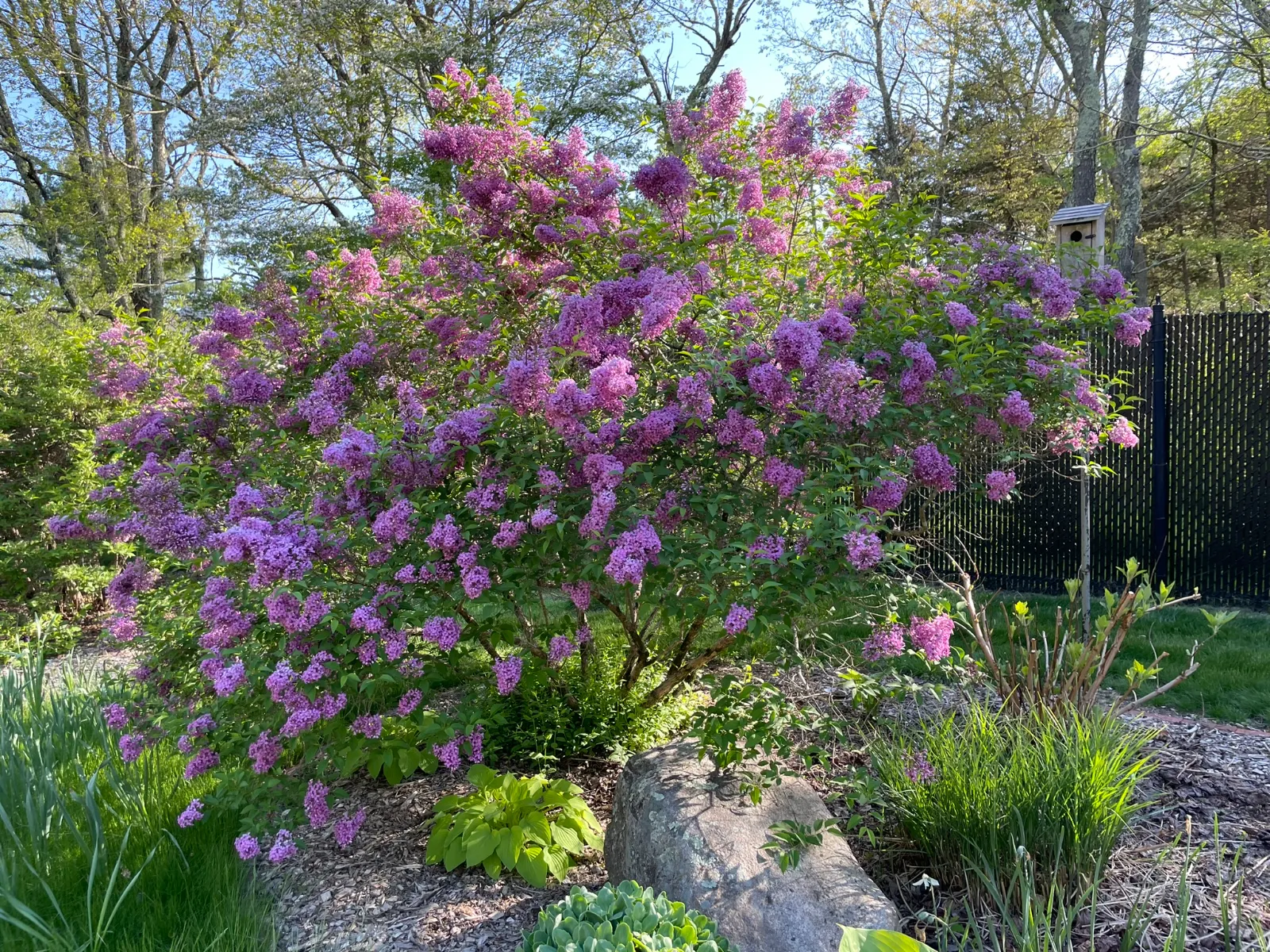
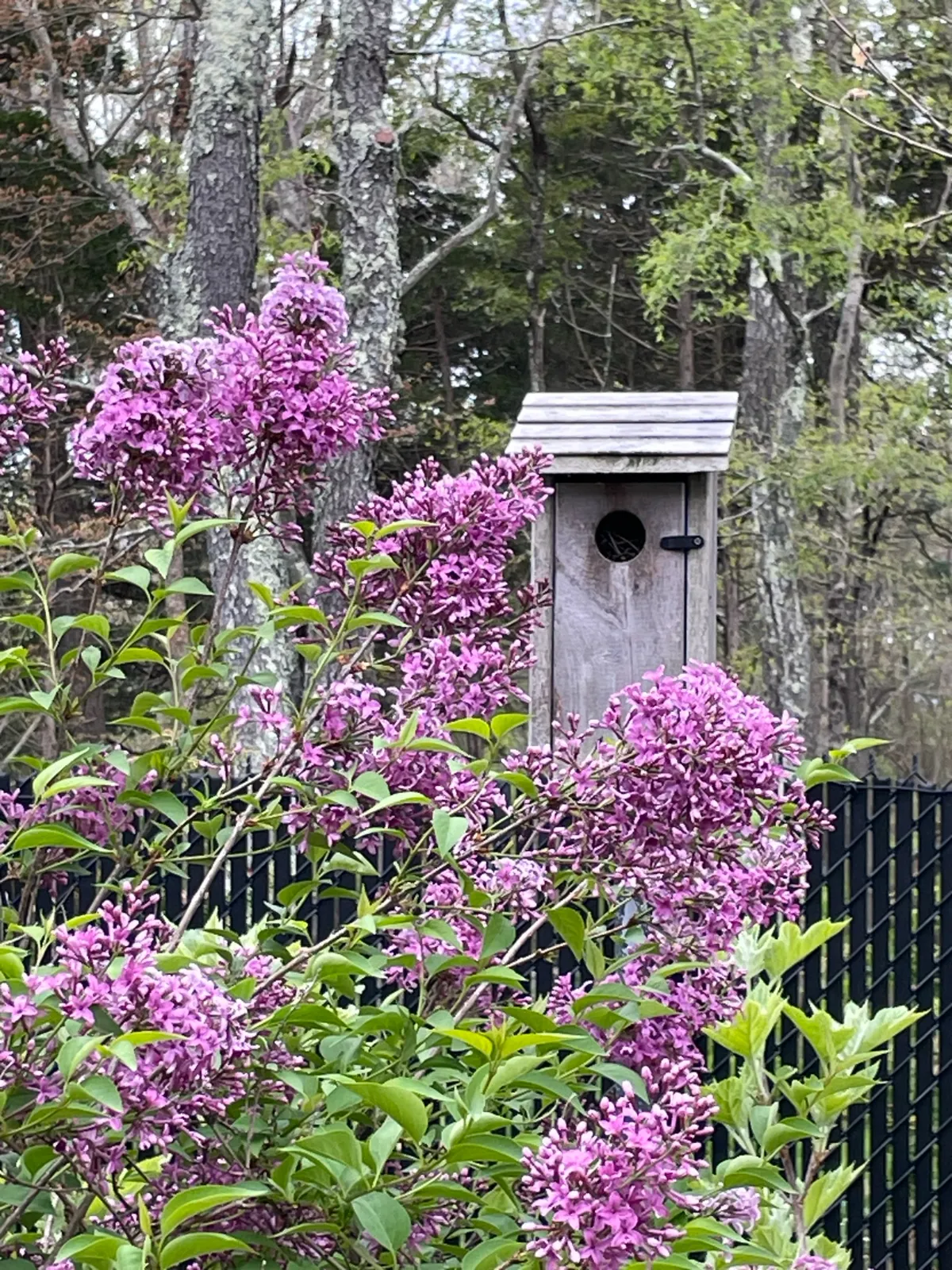
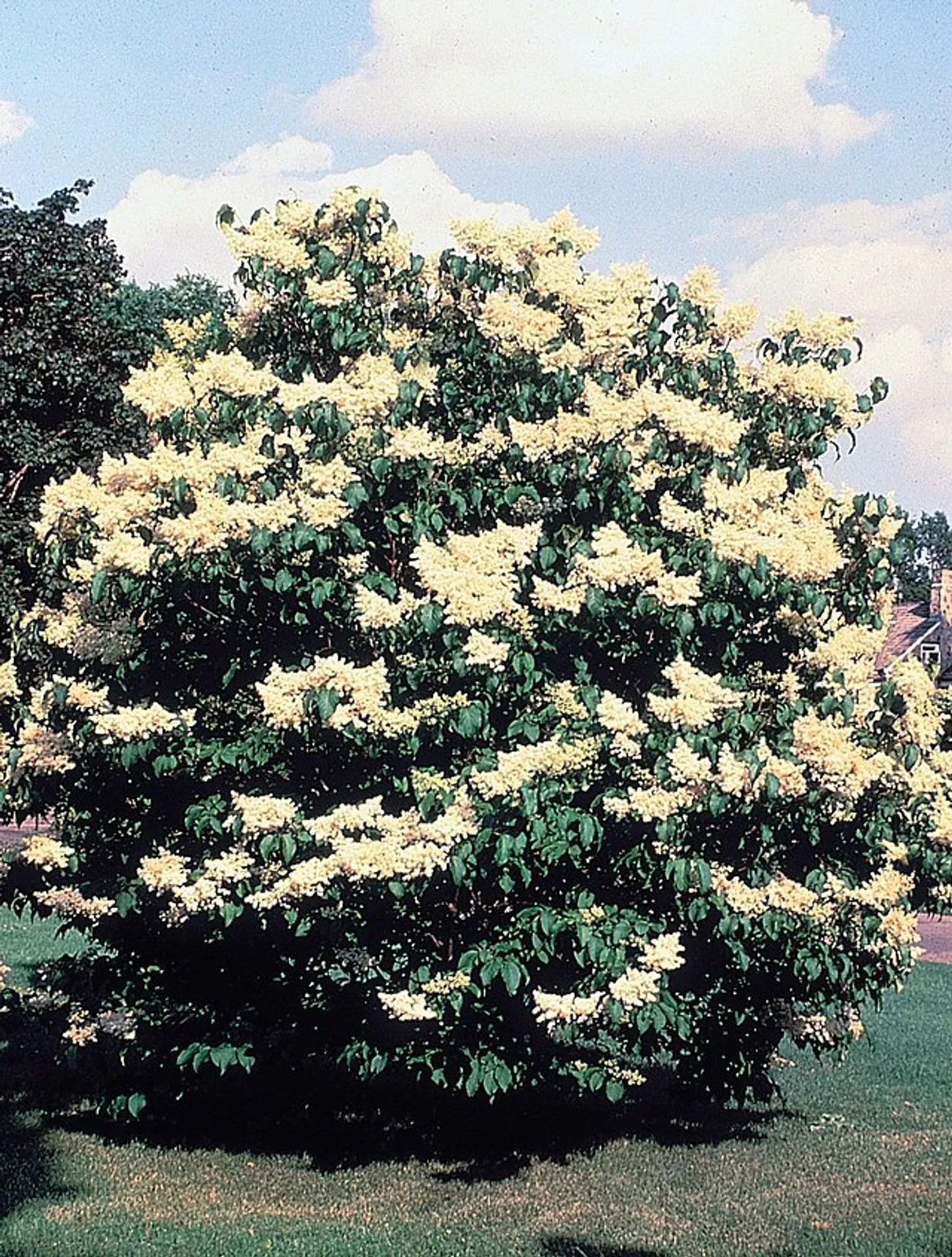
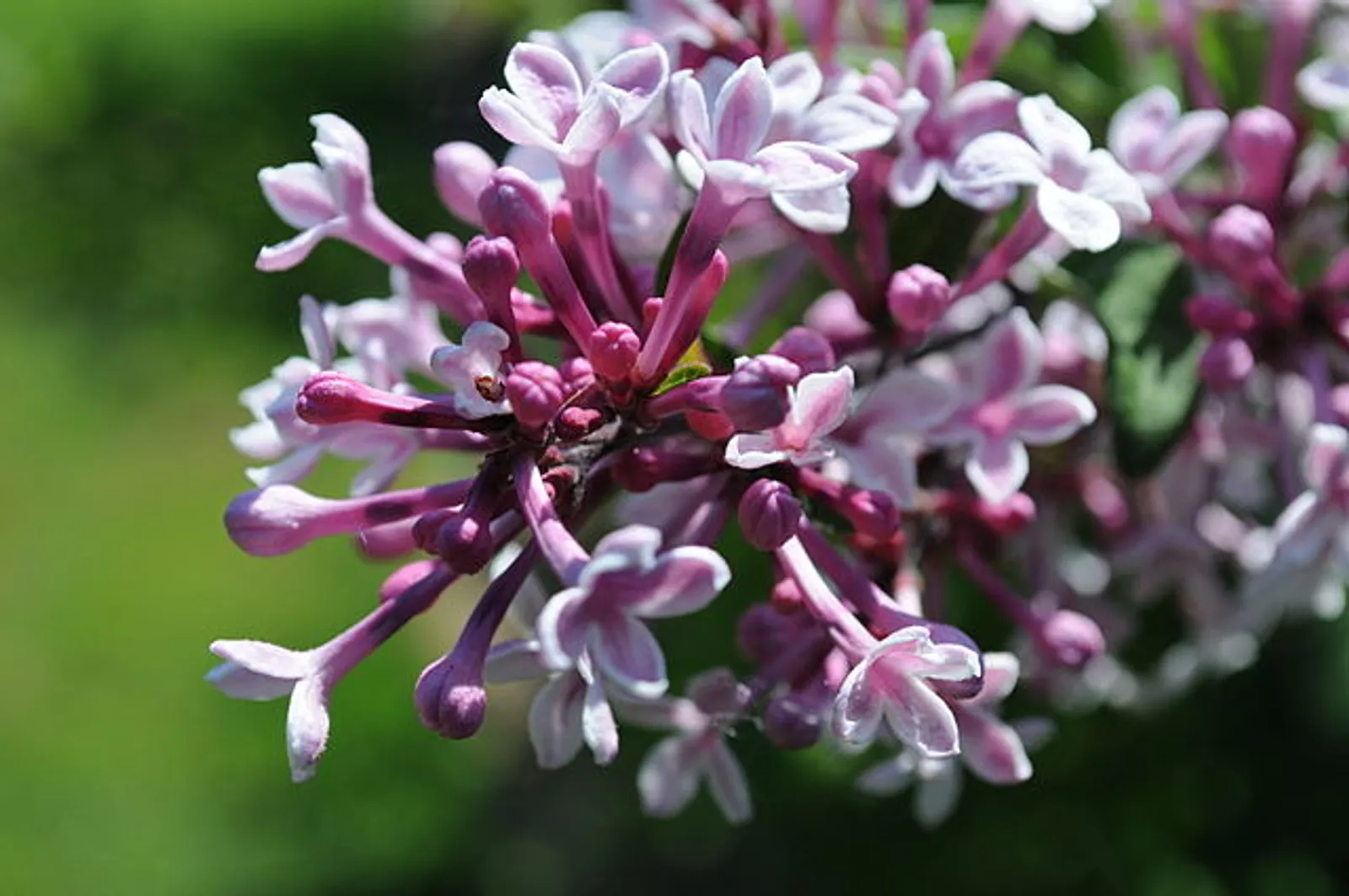
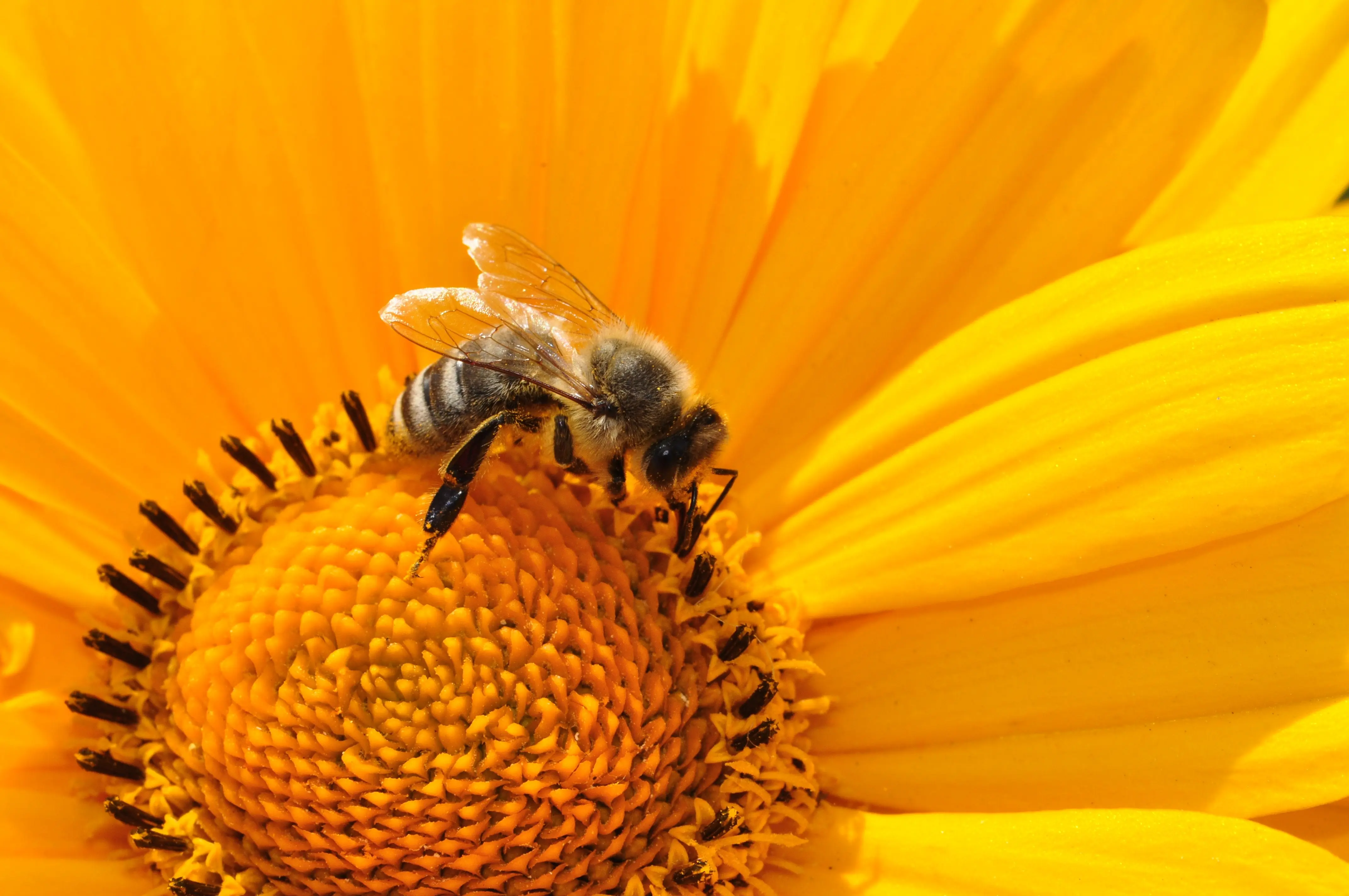
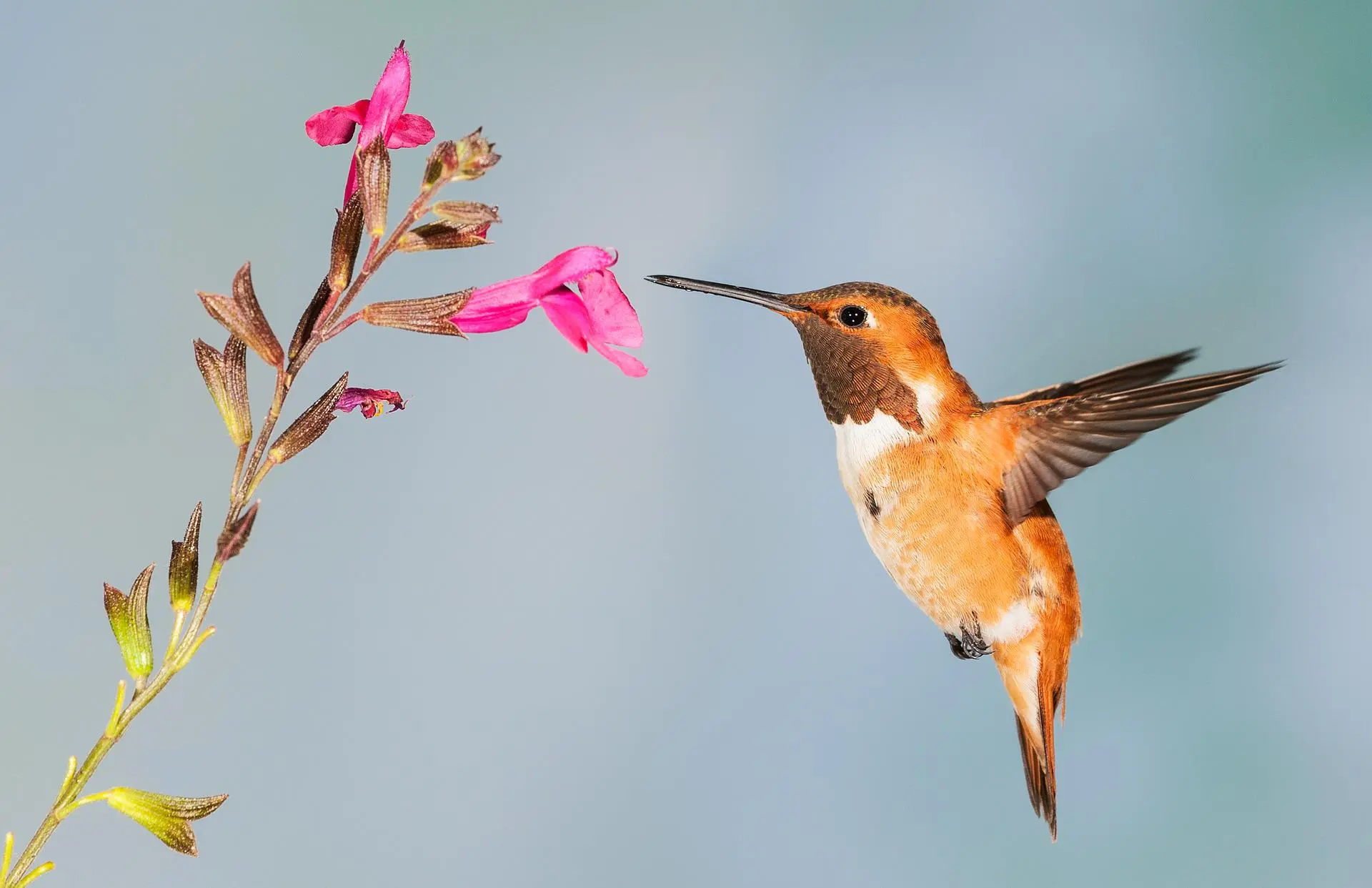
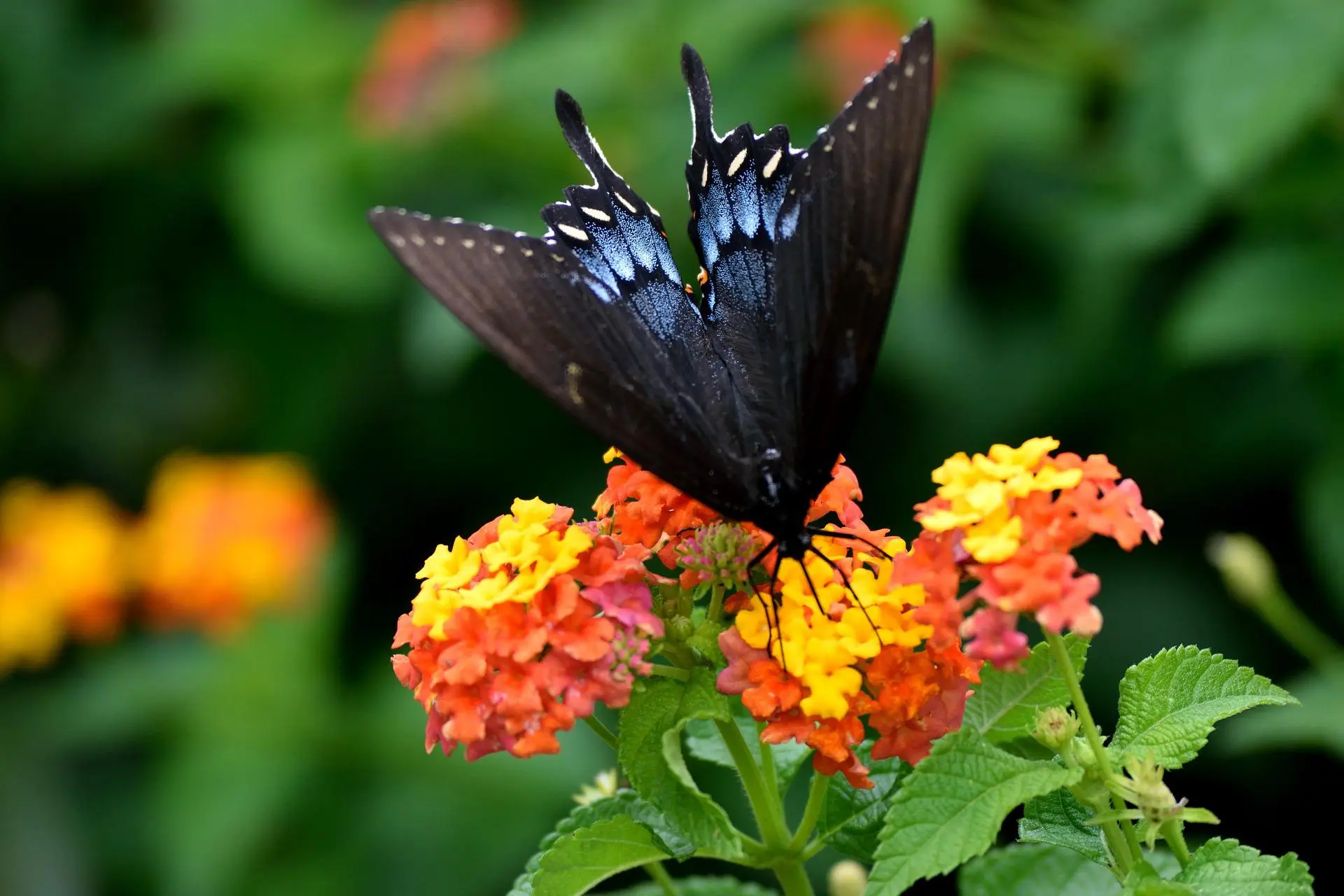
Lilac is a spring blooming shrub or small tree, known for its white, lavender, rose, or purple sweetly fragrant panicles. While the flowers are showy in spring, the shrub is nondescript the rest of the season. Plant in an area where the summer foliage will blend in with other shrubs or in the back of a border. Lilac is a beneficial pollinator, especially to hummingbirds and long-tongue butterflies, bees, and moths. It is host to several moth caterpillars. Korean lilac (S. x oblata) blooms earlier with fall color. Plant near a deck or patio to enjoy the fragrance. Fun fact: Common lilacs can live to 100 years or more!
How to Grow Lilac
Quick Info


Put away the pen and paper
Plan your veggie garden in minutes with Planter's easy drag and drop planner.
Try Planter for Free
Pests
Diseases
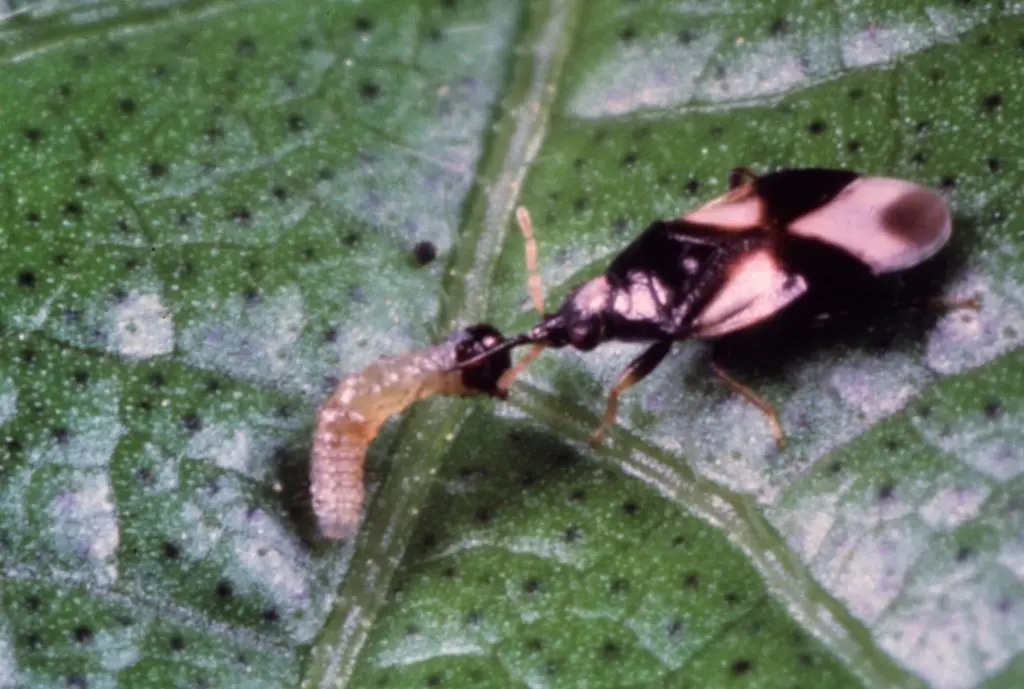
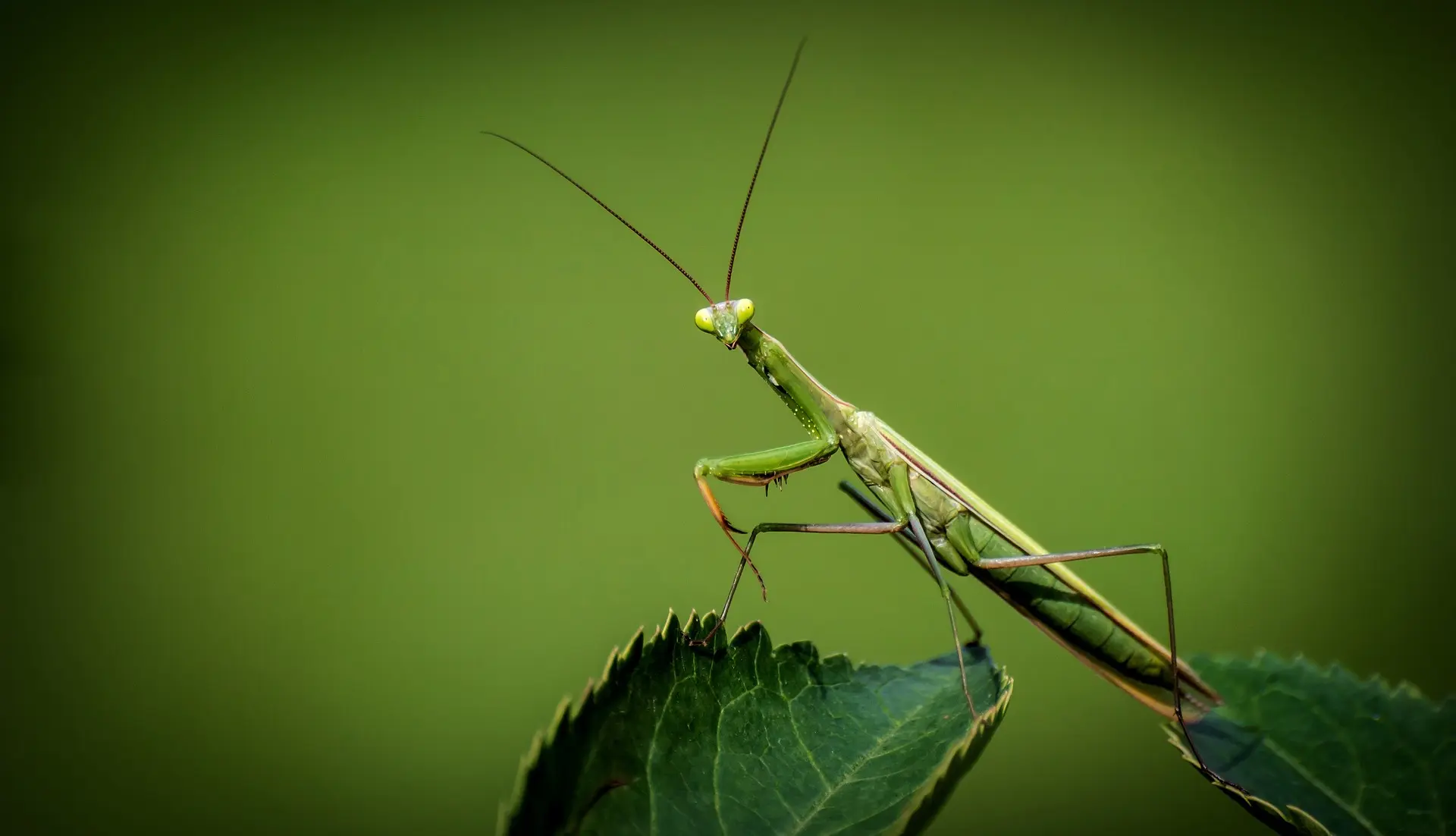
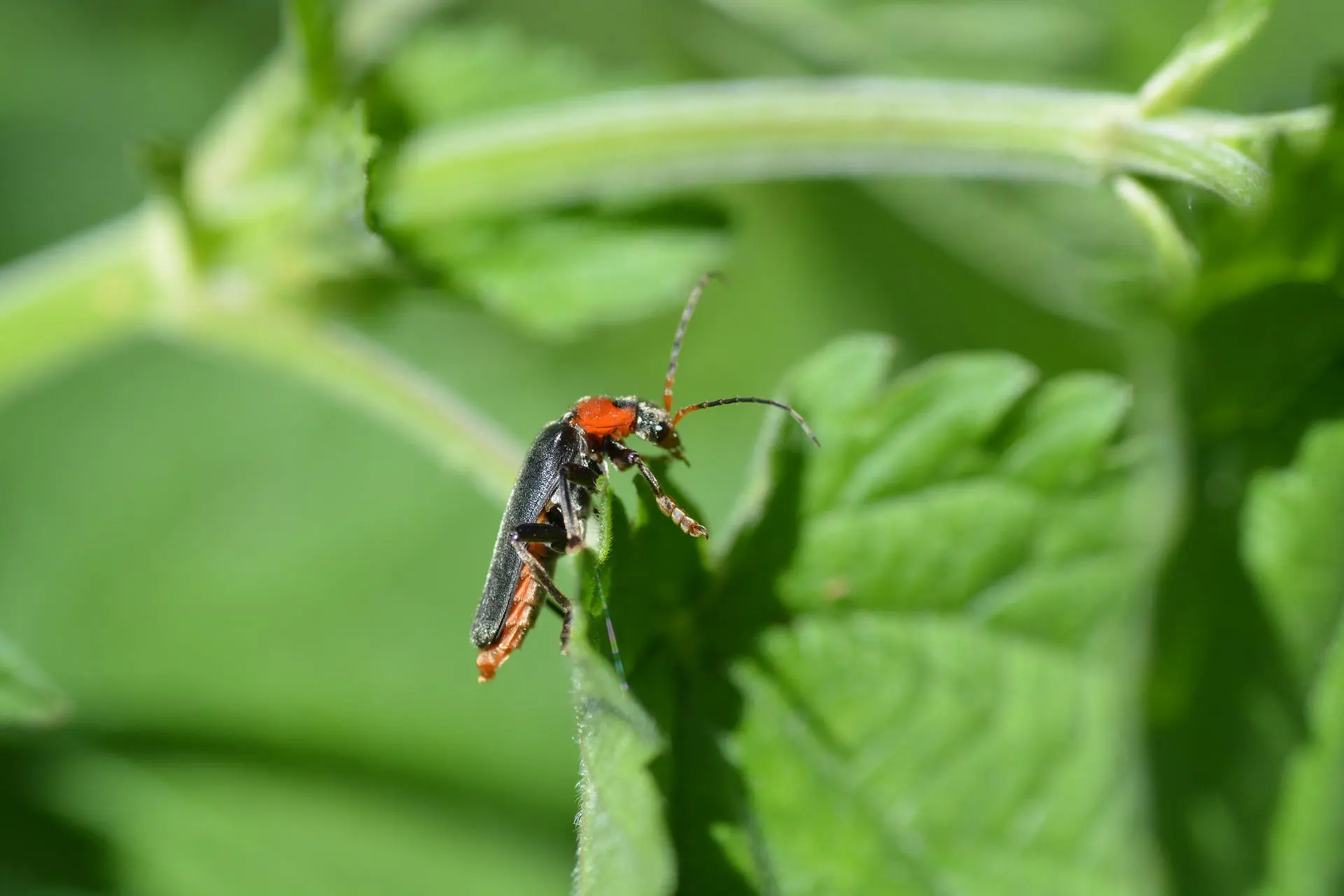
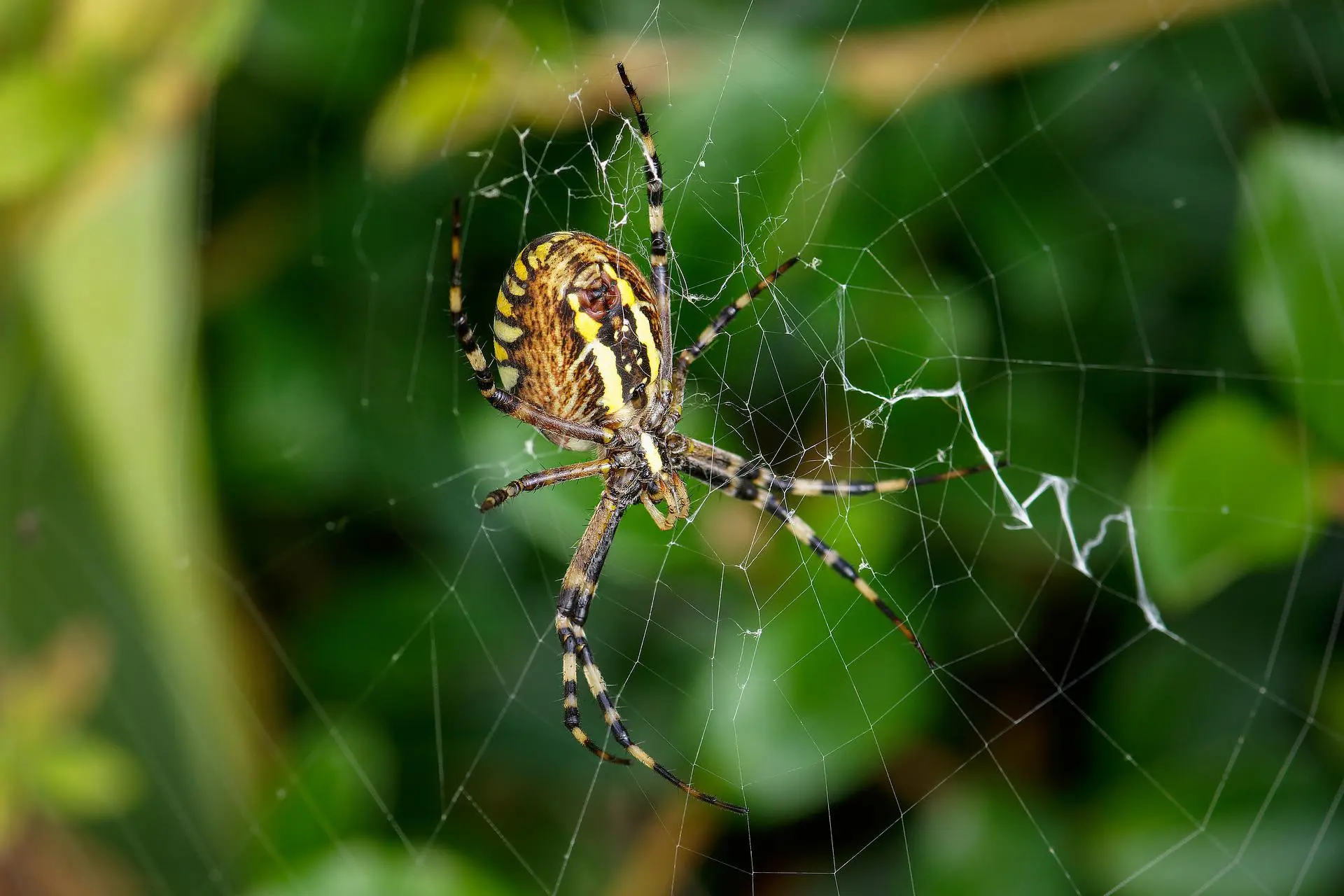
Beneficial Critters
Growing from Seed
Cold stratify seeds 60 days (outside through winter or in refrigerator) followed by 24 hour soak to soften seed covering. Allow seedlings to grow in pots 1 year before transplanting outside in late fall or early spring.
Planting Considerations
Lilacs need an extended cold rest to set blooms.
Harvesting
Cut stems when flowers are 3/4 bloom. Flowers are prone to wilt: set in water directly and let rest in a cool area.
Pruning
Prune directly after flowering (lilacs bloom on old wood) and cut away suckers vigorously.
Herbal Use
Lilac flower oil is used in perfumes.