Lingonberries
Vaccinium vitis-idaea
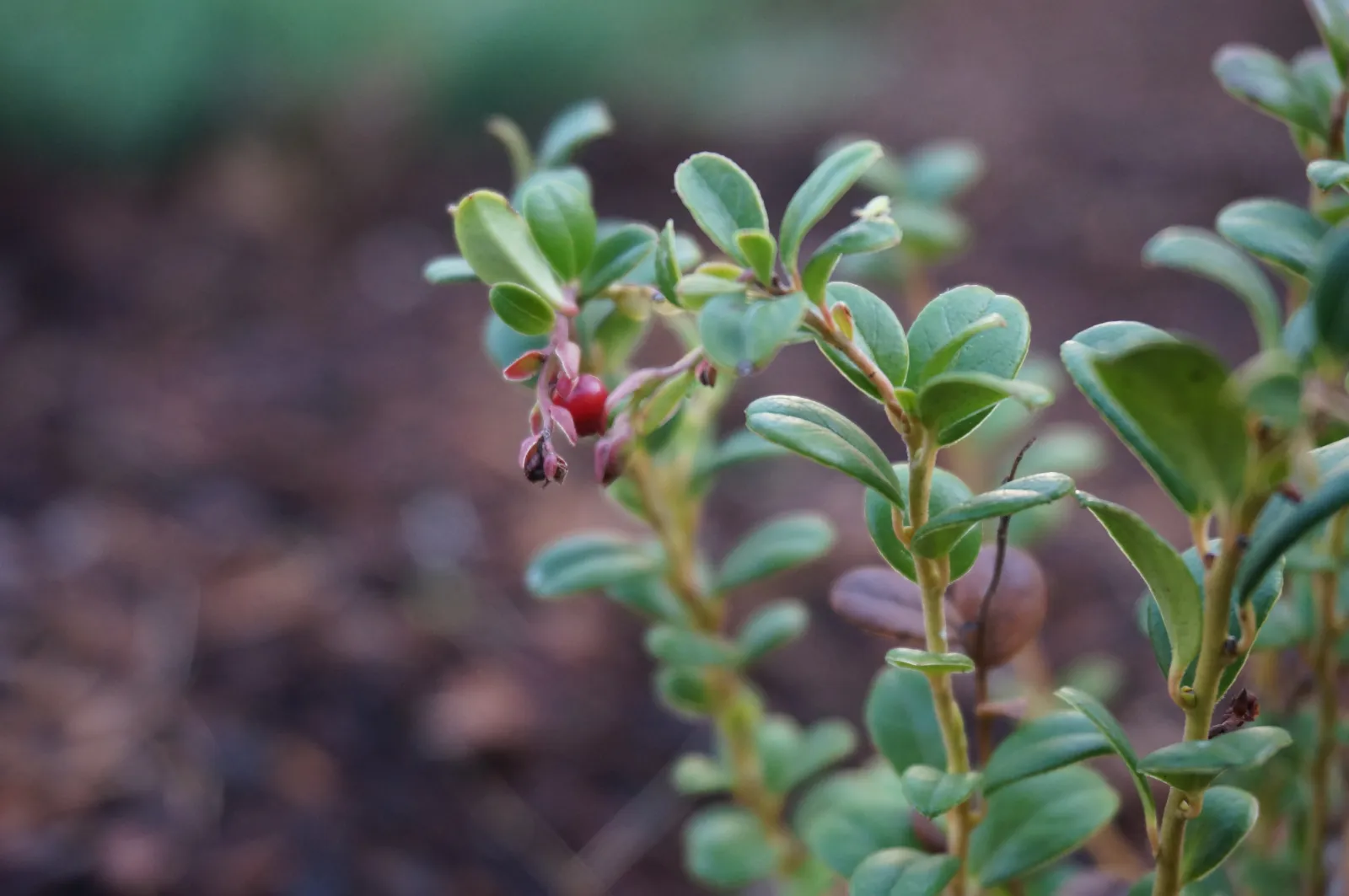
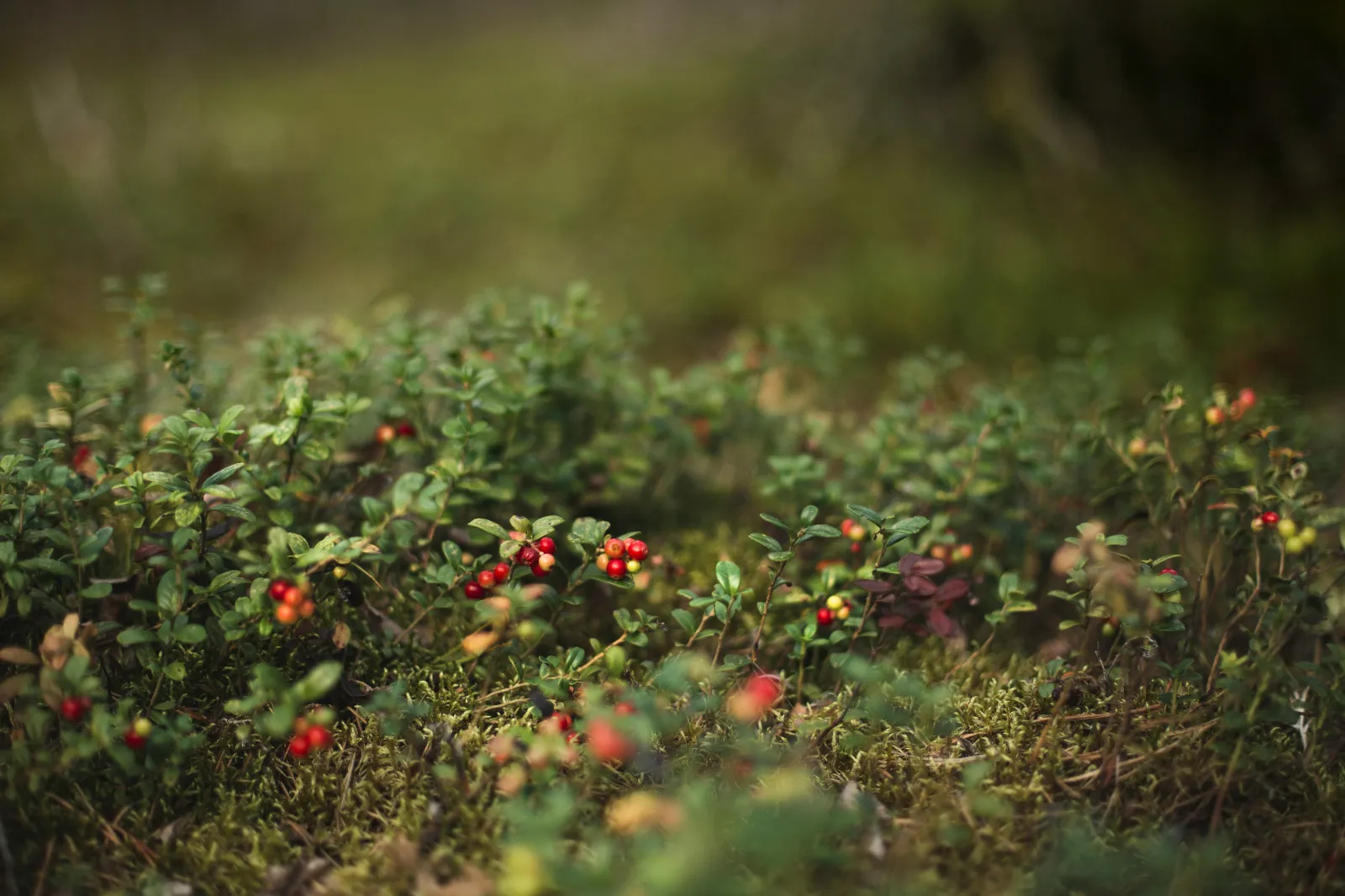
Lingonberries are a relative of cranberries and blueberries. These evergreen shrubs grow low to the ground and love moist, yet well-draining, acidic soil. Lingonberry plants have shiny green leaves year-round, and small red berries that ripen in the summer sun. Tart berries are a favorite in Scandinavian countries for making jam. Lingoberry jam is often combined with meat dishes. These little berries are packed with nutrition, too. Lingonberries do best in northern climates with cold winters. Lingonberries can be grown alongside blueberries, as they both require acidic soil.
How to Grow Lingonberries
Quick Info


Put away the pen and paper
Plan your veggie garden in minutes with Planter's easy drag and drop planner.
Try Planter for Free
Nutrition
Vitamins


Nutrients



Pests
Diseases

Beneficial Critters


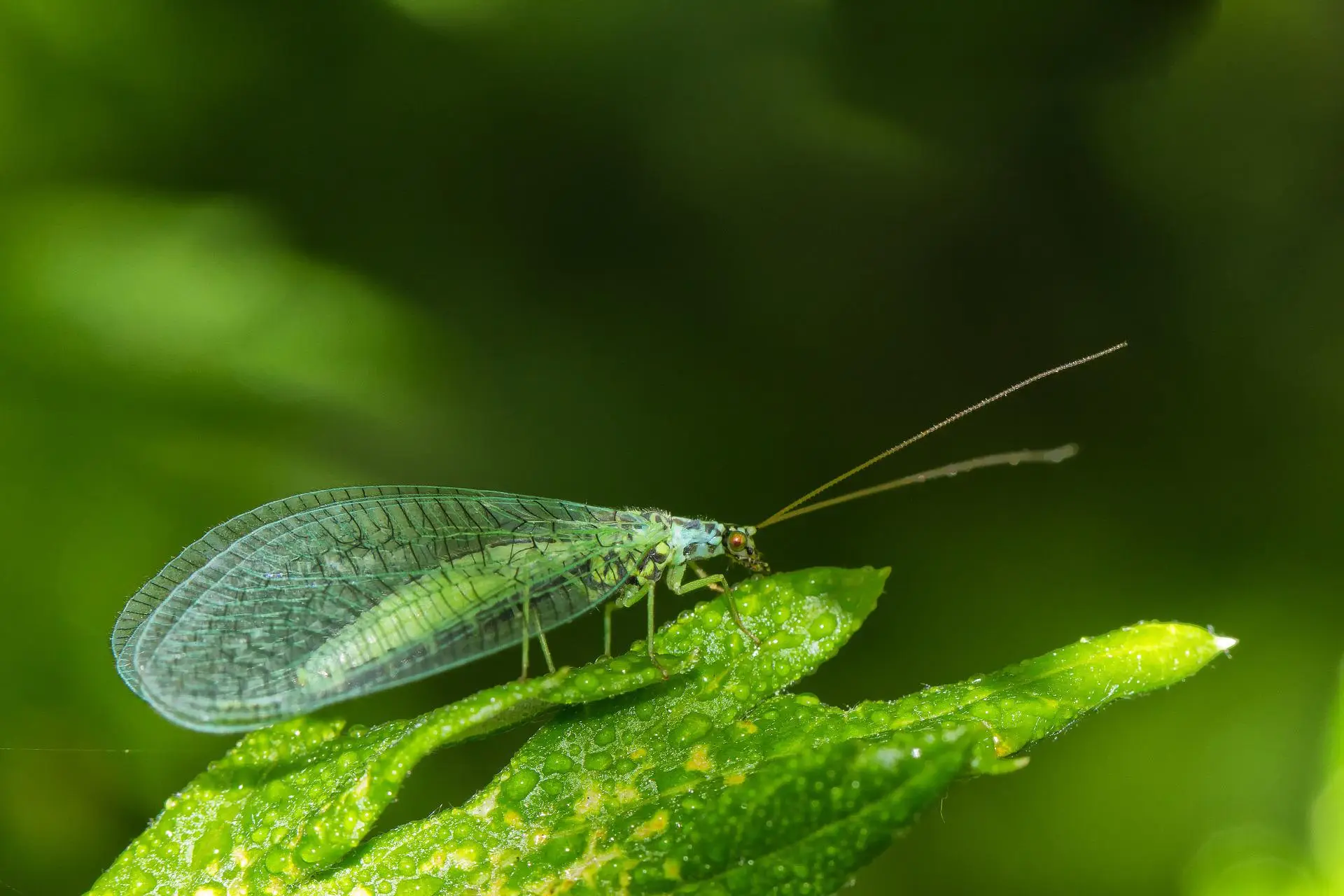
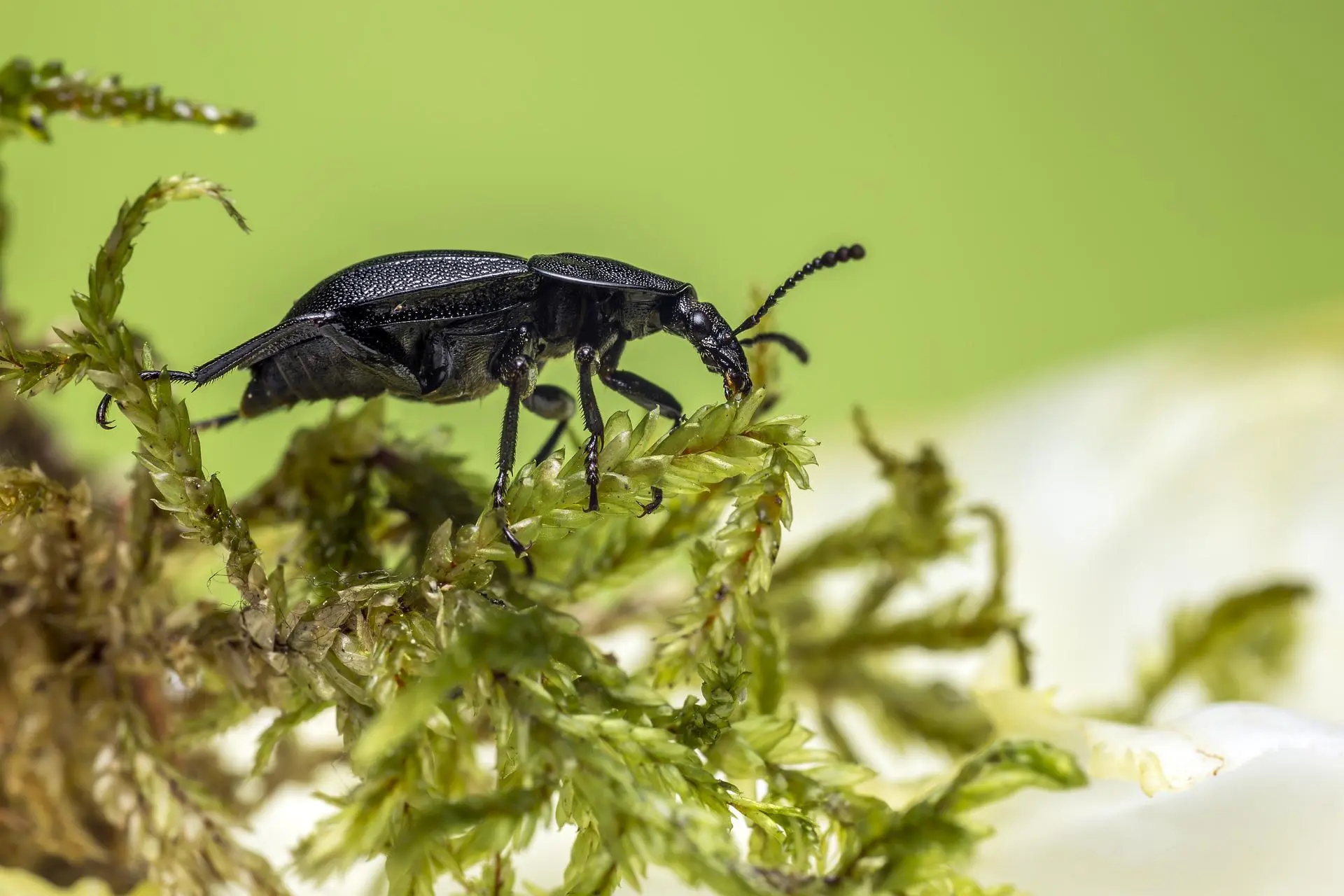
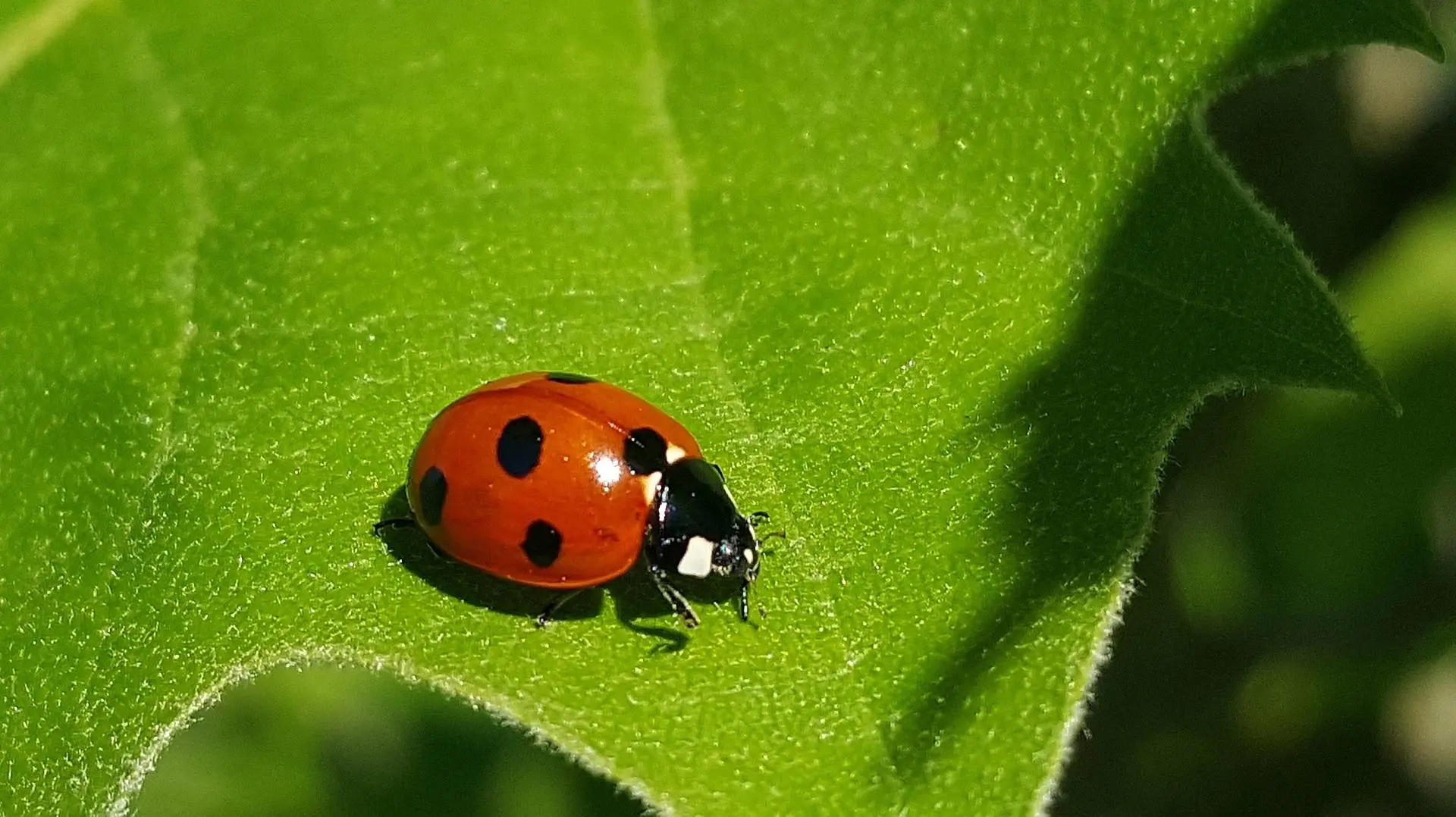
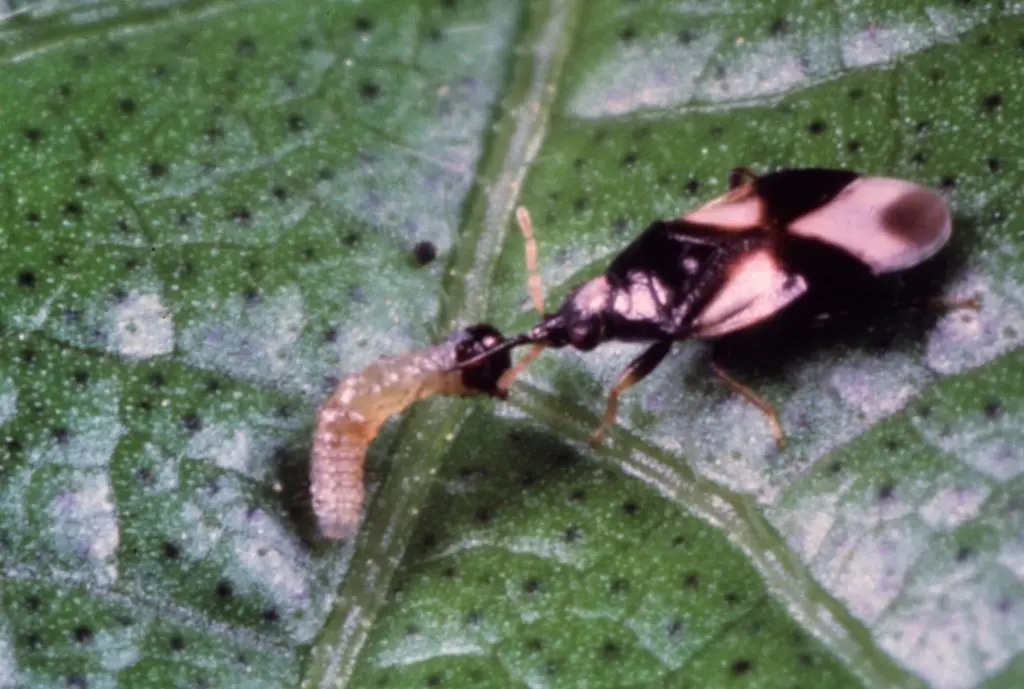

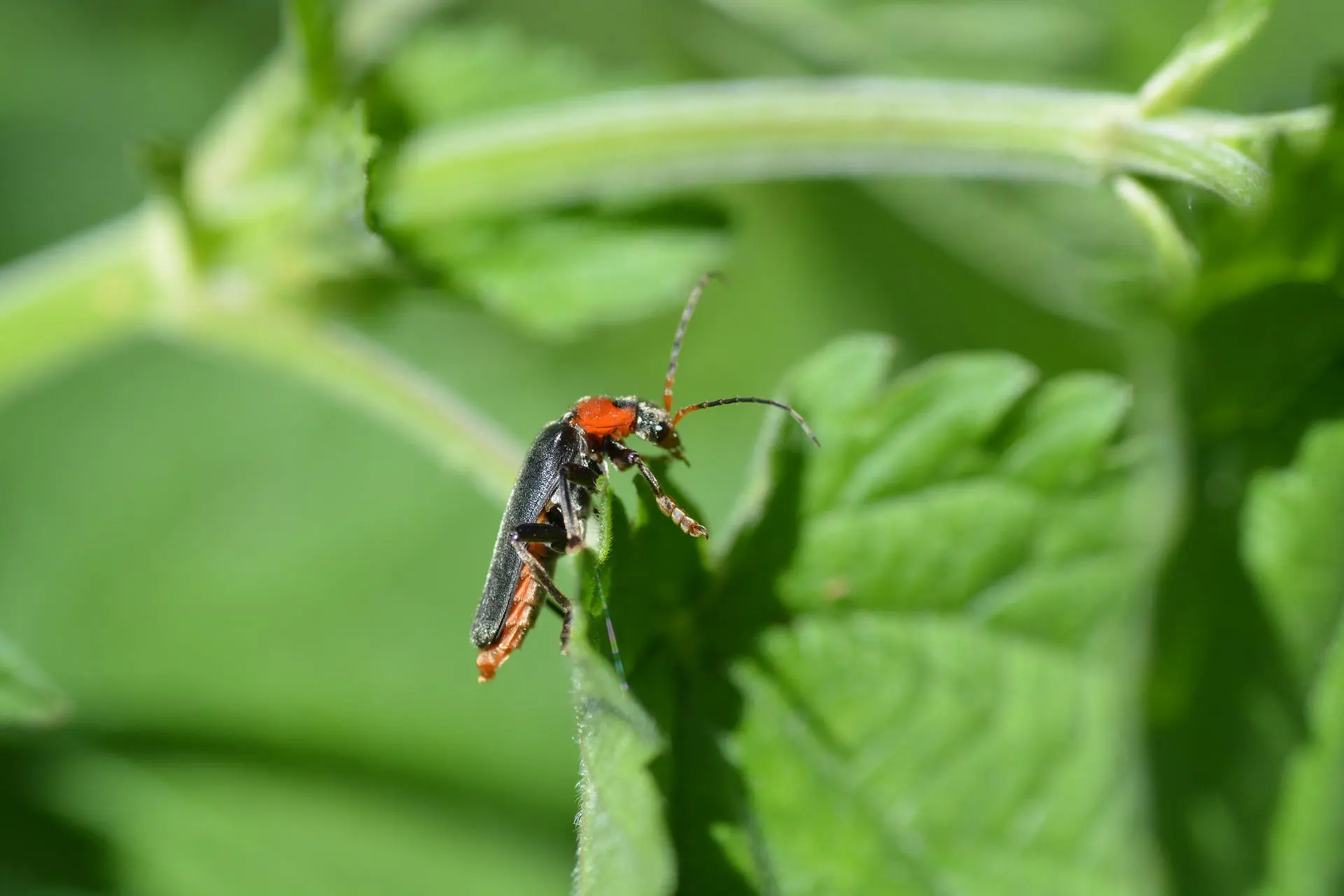

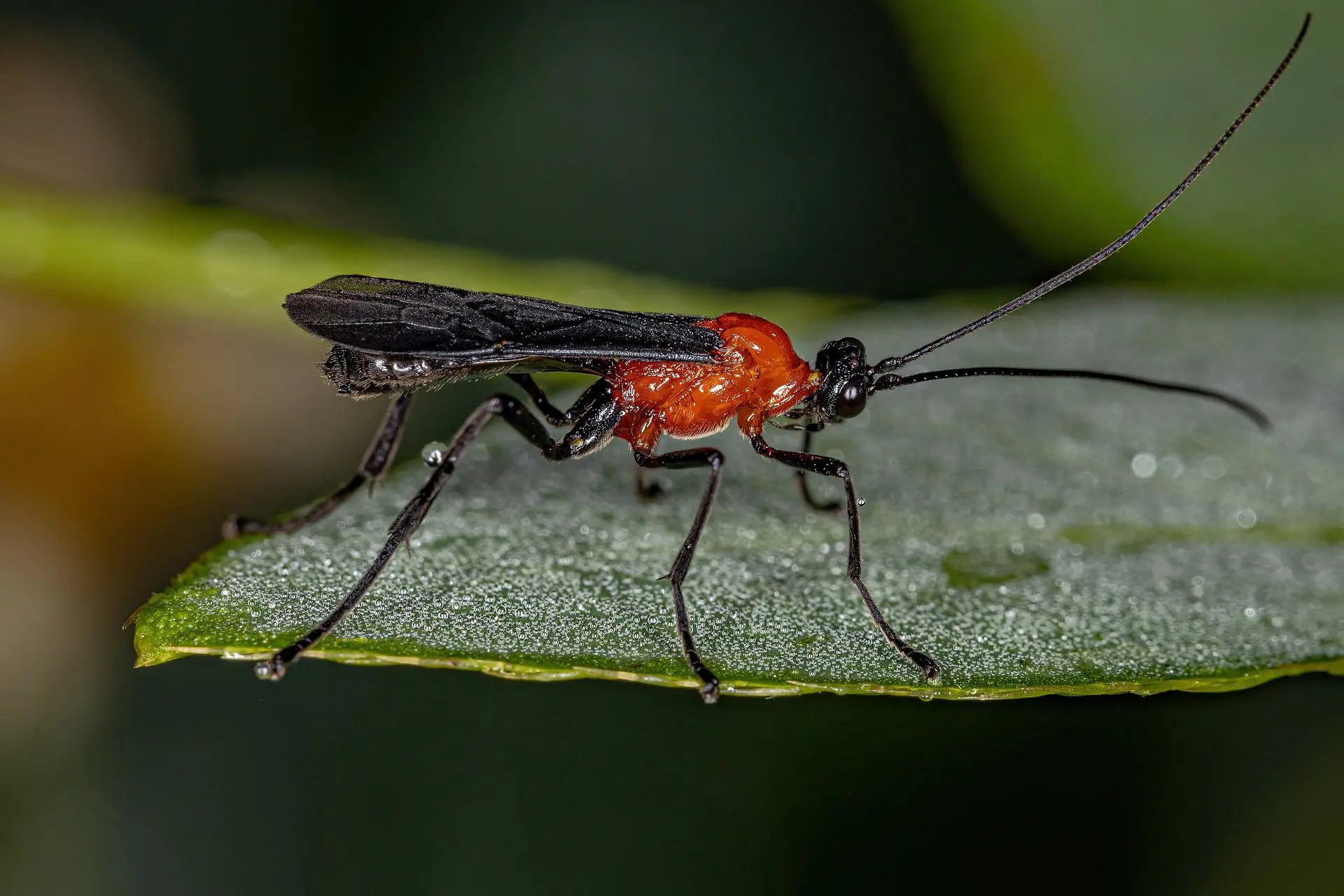
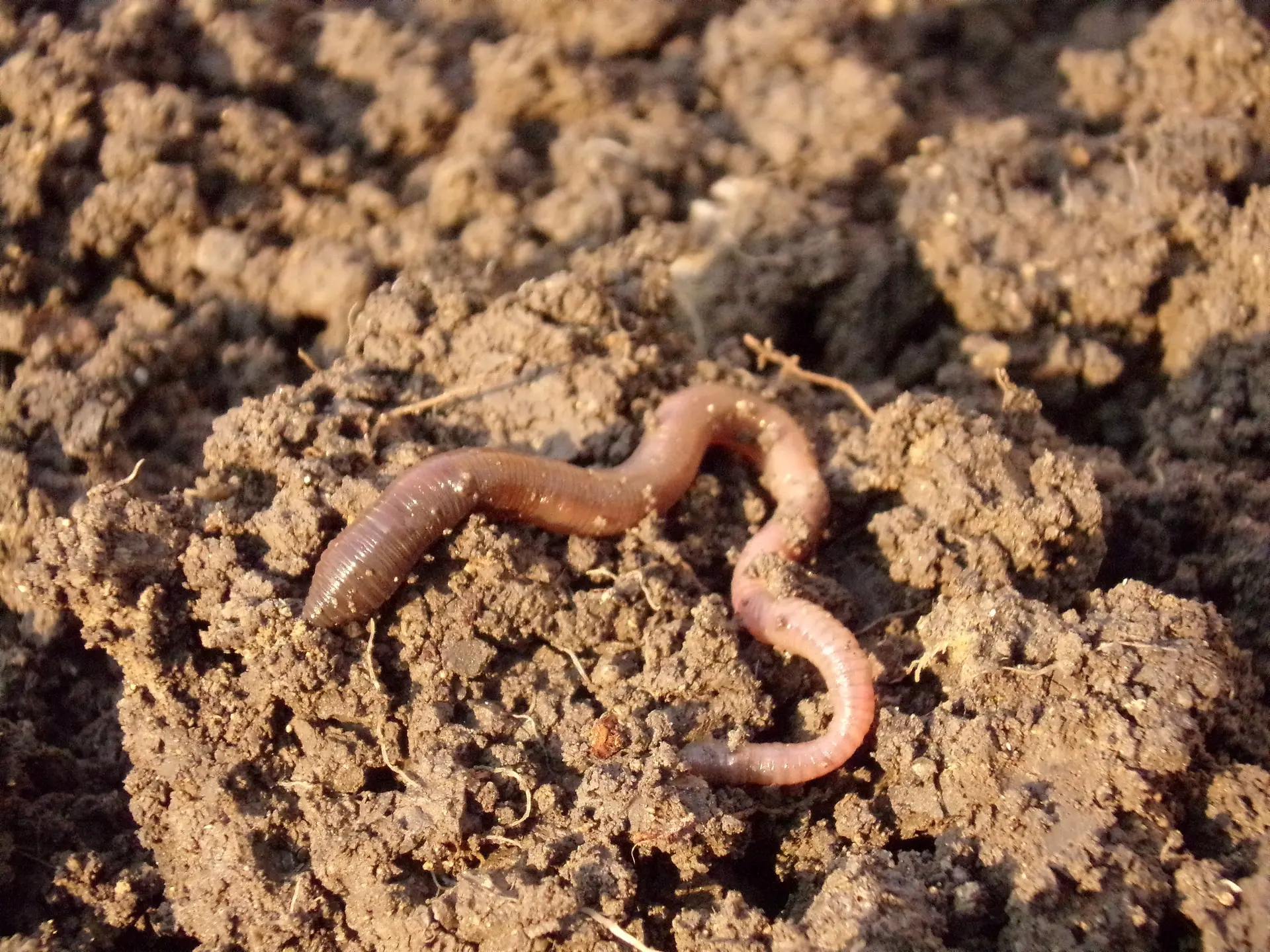
Growing from Seed
Lingonberry seeds can take weeks or months to germinate.Germination rates can be low. If starting seeds indoors, they will need a cold stratification period of at least 5-6 weeks. Seeds depend on light to germinate. Sow seeds on the surface of the soil or barely cover with soil. Keep the seeds moist, and with adequate light, either from a sunny window or a grow light. Alternatively, sow seeds in trays outdoors in the fall so they can experience the cold needed to germinate. In the spring, keep the seeds watered and in the sun.
Planting Considerations
Lingonberries tend to grow best in climates similar to their native habitat: the Pacific Northwest, Canada, and Scandinavia. Most varieties require a certain number of chill hours in the winter to flower and produce fruit. If you don't live in a northern climate with cold winters, look for a variety that requires less than 500 chill hours. Areas without cold winters can still grow lingonberries, but your plant may never produce any fruit. Choose a growing area with acidic soil. Plants need an area that receives around 8 hours of sun to ripen berries. Plants can handle a little bit of shade and often thrive as groundcover under blueberry bushes. To prevent scorched leaves, water from below at the base of plants. Do not overwater plants, as this can cause root rot; do not underwater them and let them dry out. Due to slow germination and growth, it's usually preferable to purchase a start rather than start from seed. You can easily propagate plants once they are established to grow your supply. You can take cuttings of the rhizomes ("runners") that the plant puts out as it grows, alternatively mature plants can be divided into two and replanted.
Feeding
Do not overapply fertilizers. This can cause dieback and brown or black leaves. It's recommended to use a fertilizer that contains ammonium sulfate, lightly in the first few years of growing, once a year.
Harvesting
Berries are ripe and ready to eat when they are dark red. If you harvest them before they are fully red, they will be bitter.
Storage
Ripe berries will stay fresh in the refrigerator for weeks. Over-ripe berries do not store well. Dry lingonberries in a dehydrator and store in glass jars. Berries can be enjoyed for months when turned into jam and properly canned.
Pruning
No pruning necessary. You may prune a mature plant if you want to enhance its shape.
Herbal Use
Berries and leaves can be dried and used in teas. Scandinavian and Native American herbal traditions use the berries for urinary issues, with properties similar to cranberries. Lingonberries are very high in vitamin C and flavonoids, so they can be used to support general health.