Purslane
Portulaca oleracea, Portulaca oleracea var. sativa
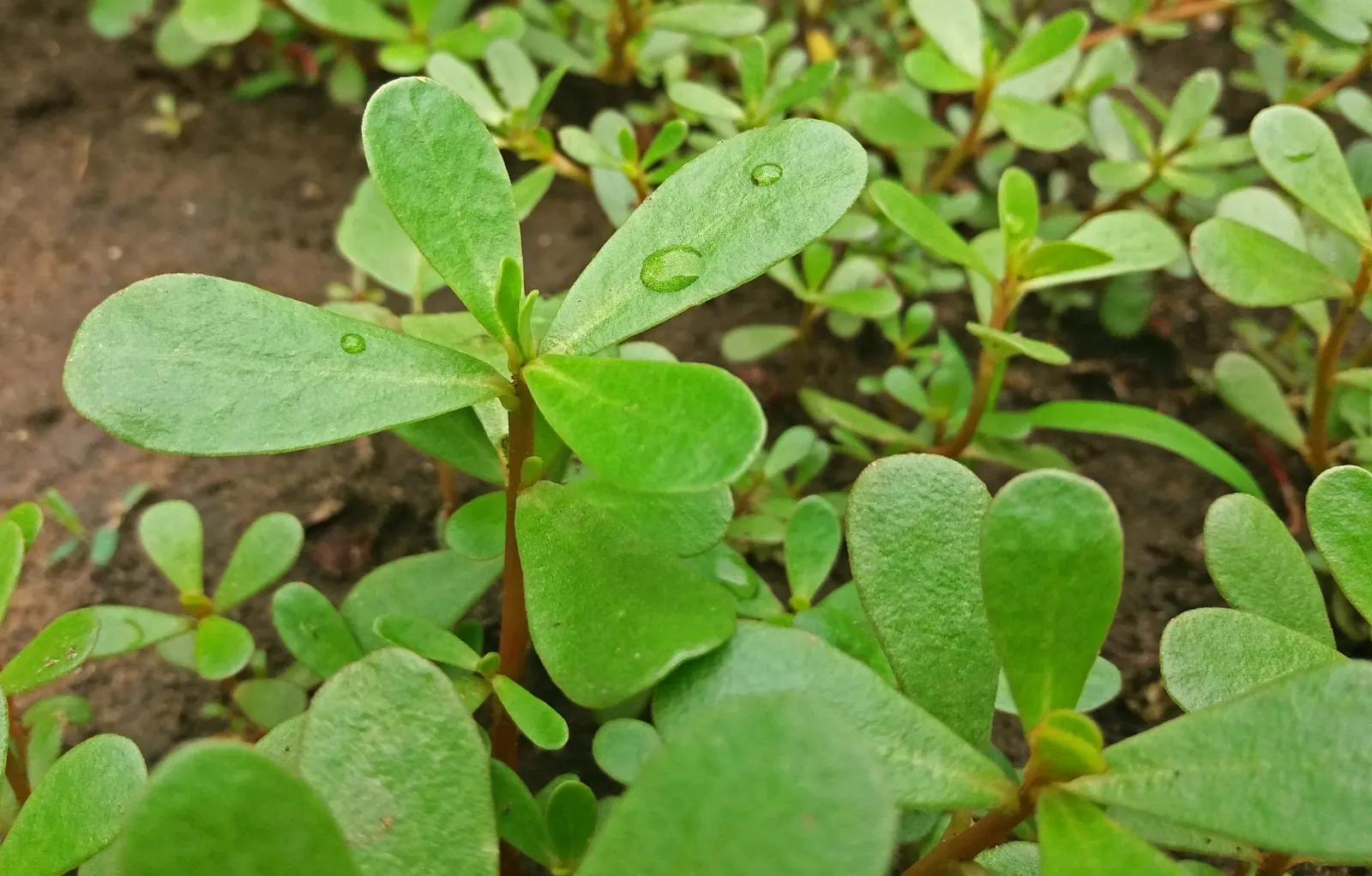
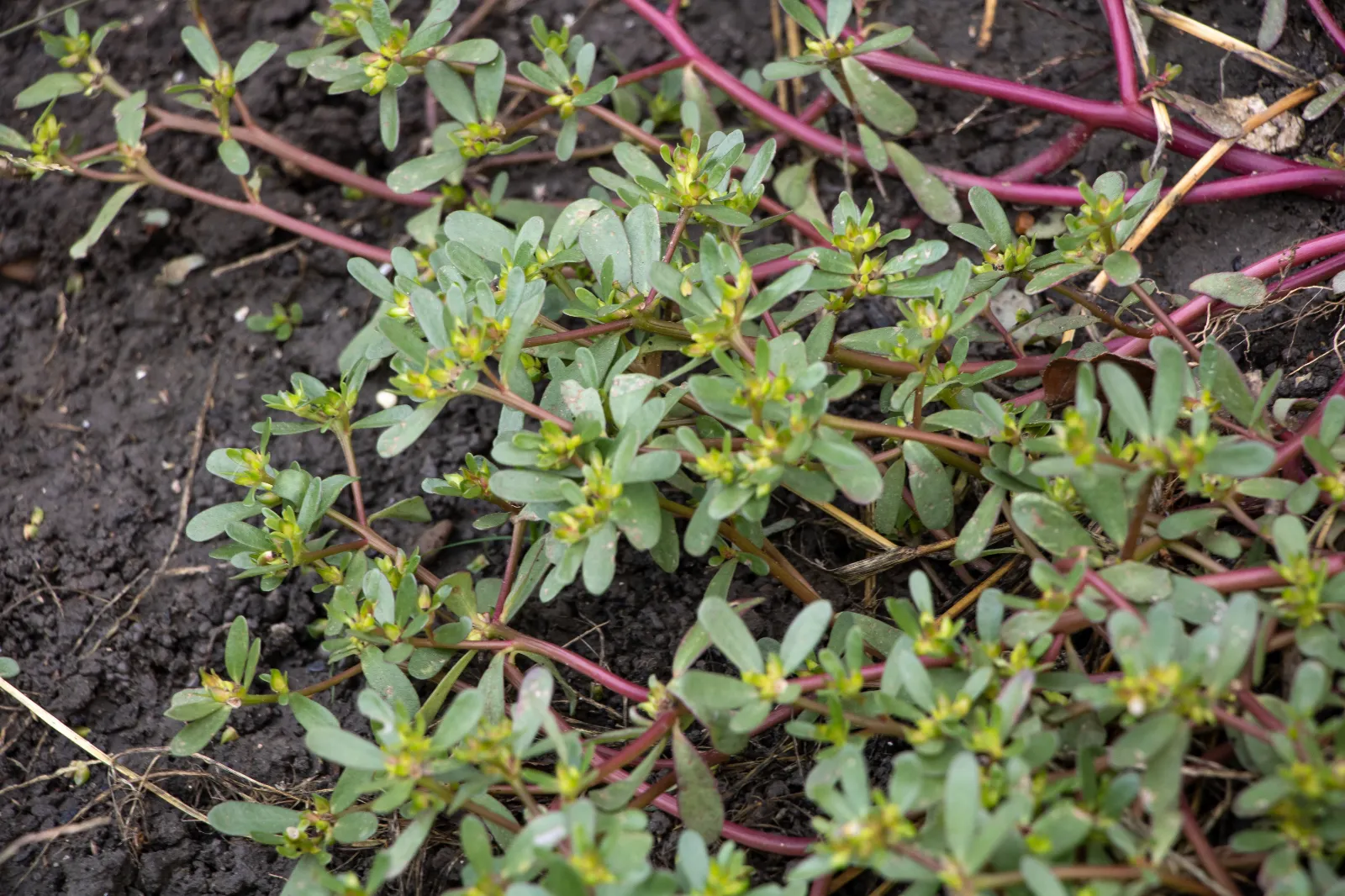
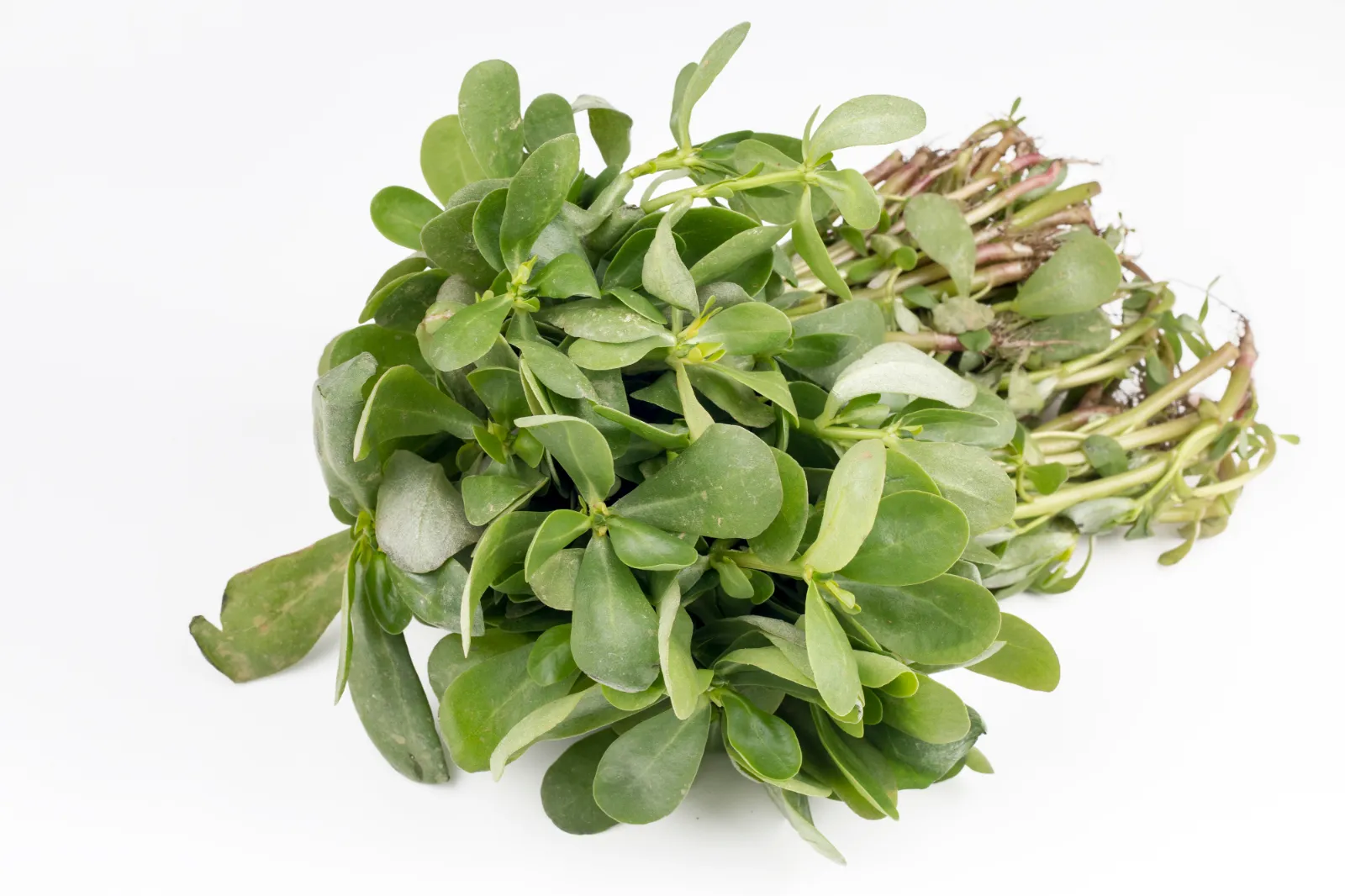
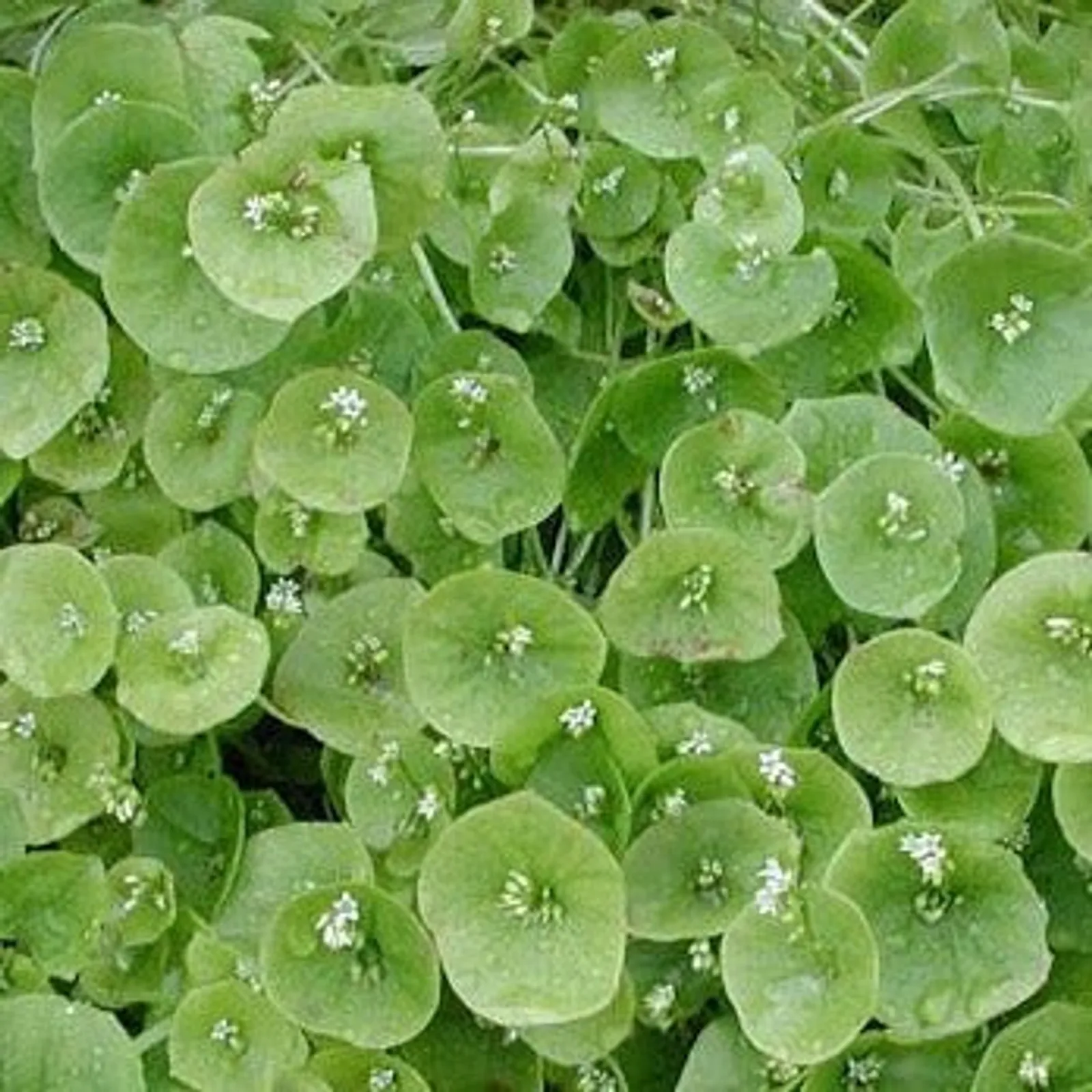
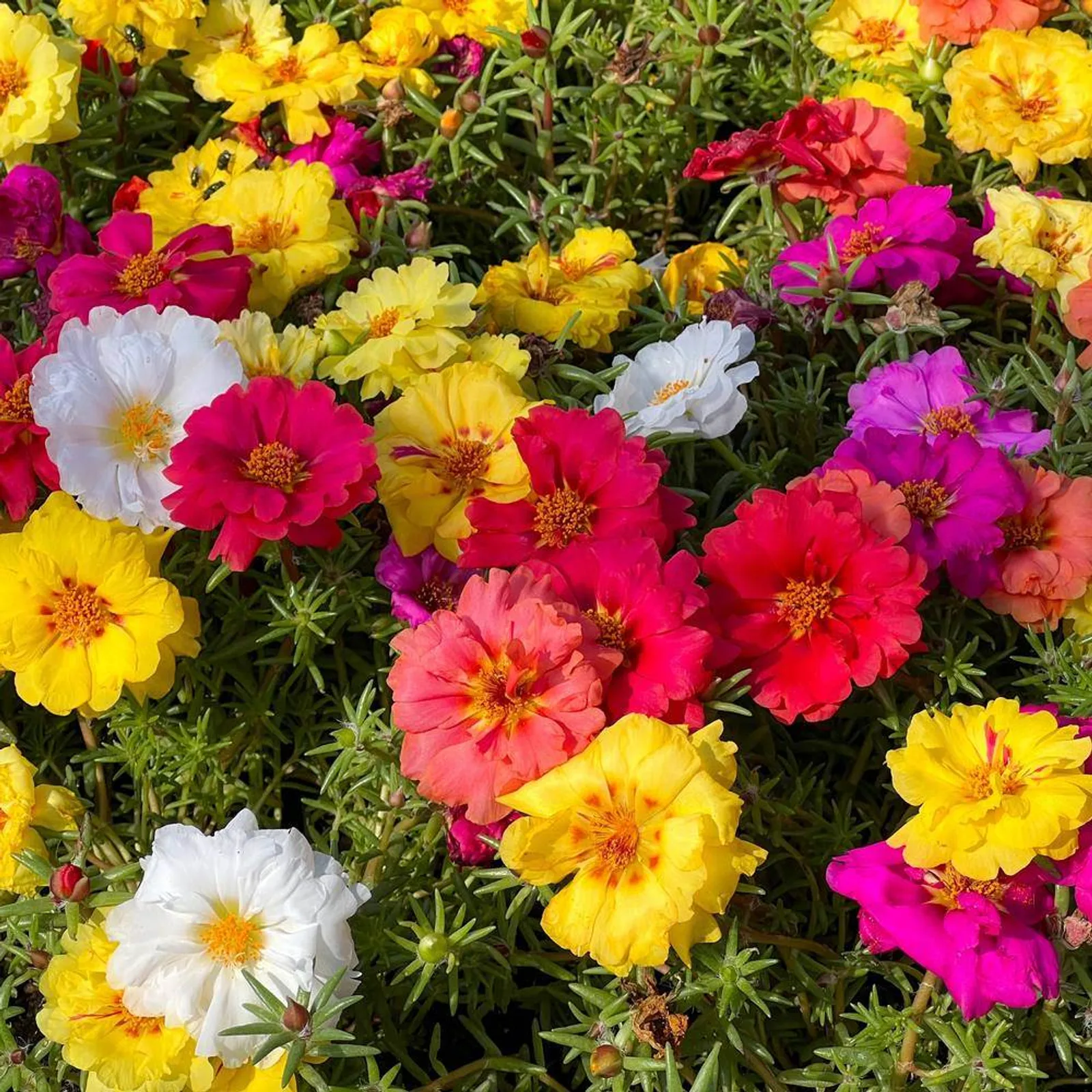
Purslane is a common garden weed that many gardeners try to get rid of, but it's also a nutritional powerhouse plant that is worthy of a place in the garden. Purslane is one of the best plant sources of omega-3 fatty acids and it is a good source of vitamin A and C amongst others. It has a sour and salty taste and is slightly mucilaginous ('slimey'). It can be simply sautéed with garlic in olive oil and it can be used in salads, soups, curries, dips, and juices. There are a few loosely related plants that are sometimes called purslane: moss rose, miner’s lettuce, and redmaids. Although purslane is an edible weed, to consume it safely it has to be properly identified and cannot be exposed to toxic chemicals and pesticides. Purslane seeds are available for gardeners that want to cultivate it or do not have it growing wild. Purslane can also be grown as a microgreen.
How to Grow Purslane
Quick Info


Put away the pen and paper
Plan your veggie garden in minutes with Planter's easy drag and drop planner.
Try Planter for Free
Varieties
Nutrition
Vitamins







Nutrients












Diseases
Beneficial Critters
Growing from Seed
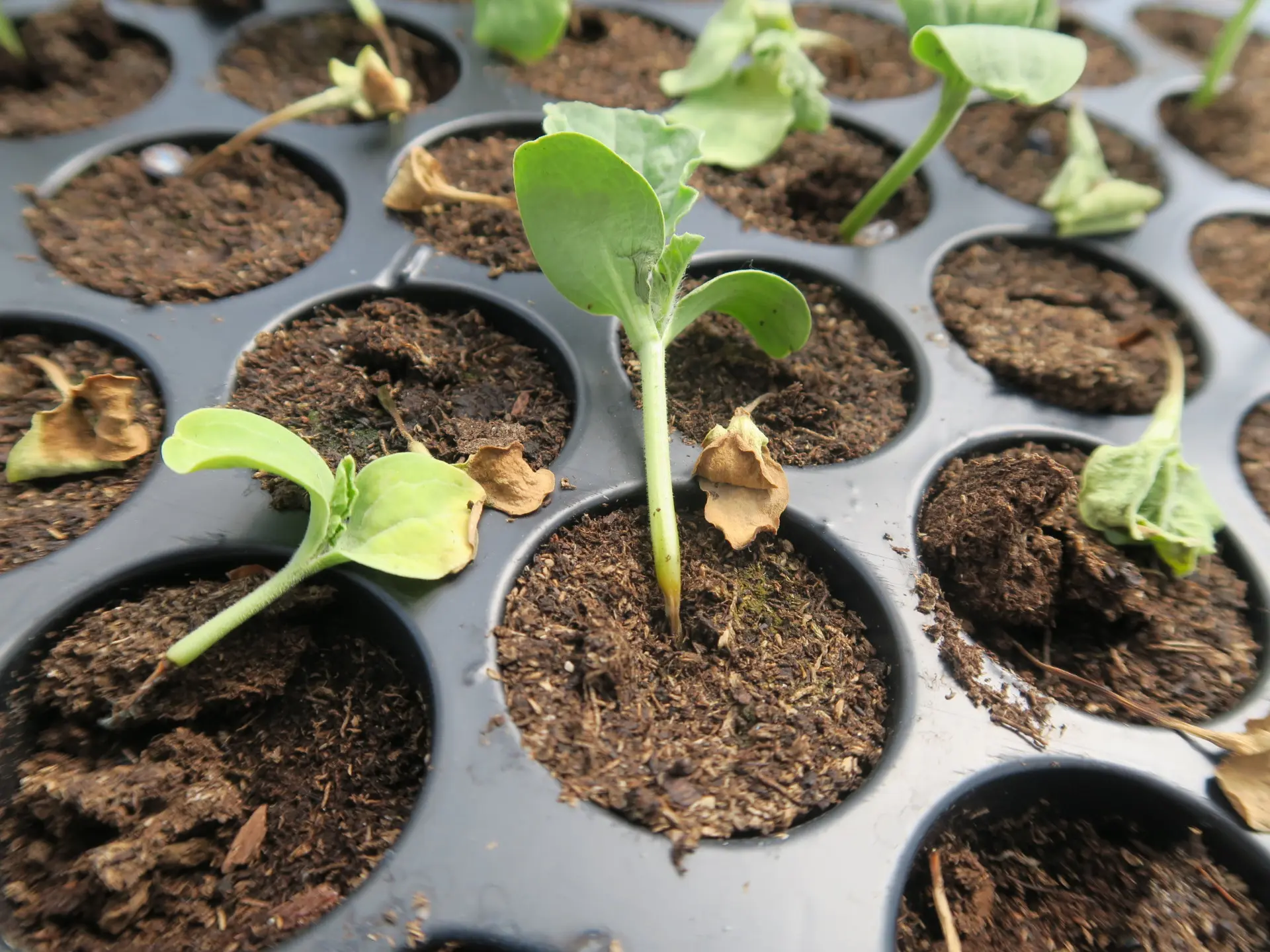
Purslane is fast-growing and easy to grow from seed. It is easiest to direct sow it in spring once the soil has warmed up and the risk of frost has passed. However if you want to get a head start it can be started indoors and transplanted outside.
Purslane seeds are tiny; they can be surface-sown and lightly covered with soil or seed starting mix. Water gently to avoid disturbing the newly-sown seeds. Keep the soil consistently moist. If starting indoors, a heat mat may be helpful to maintain the optimal temperature for germination. Use grow lights to provide supplemental light as soon as the seeds germinate.
Planting Considerations
Purslane prefers fertile, well-draining soil, but it can tolerate most soil types so long as the soil is not waterlogged. Purslane prefers warm weather; cool conditions can stunt purslane growth. Purslane is not prone to many pests or diseases.
Feeding
Purslane generally should not need additional fertilizer, unless the soil has severe deficiencies. Working in compost at the time of planting should provide ample fertility.
Harvesting
Purslane is best harvested while young, usually when the plant is about 6-8" (15-20 cm). Plants can be harvested whole or can be cut with 2" (5 cm) remaining above the soil to allow for regrowth. Multiple harvests are possible, although the first harvest may yield the most tender leaves.
Use snips or scissors to cut the stems to the desired length. Purslane flowers are edible although it is usually harvested before flowering for the best quality and to prevent self-seeding.
Storage
Purslane can be stored in the fridge in a container or bag lined with a paper towel for up to several days. Wash purslane just prior to using.
Purslane can also be washed, chopped or blended, and frozen in ice cube trays. Transfer the frozen cubes to a container or freezer-safe bag where they can be kept frozen for up to several months. Frozen purslane is best used in cooked recipes. Purslane can also be pickled and canned for long-term storage. Be sure to use safe canning techniques and follow recipes from reputable sources.
Purslane contains oxalates so be careful if you are on a low-oxalate diet.
Pruning
Pinch off flower heads promptly and regularly if you want to prevent self-seeding.