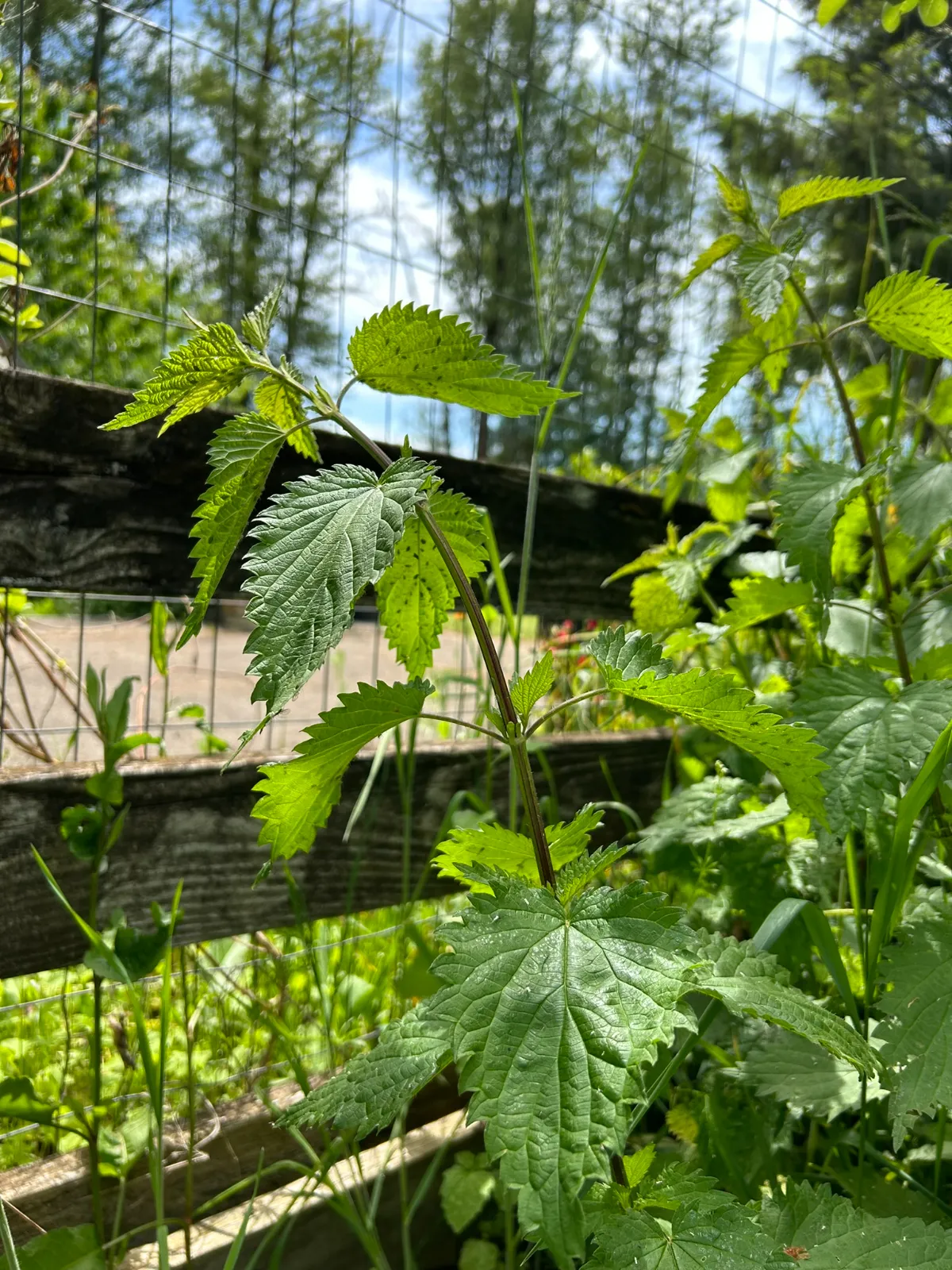
Stinging Nettle
Urtica dioica
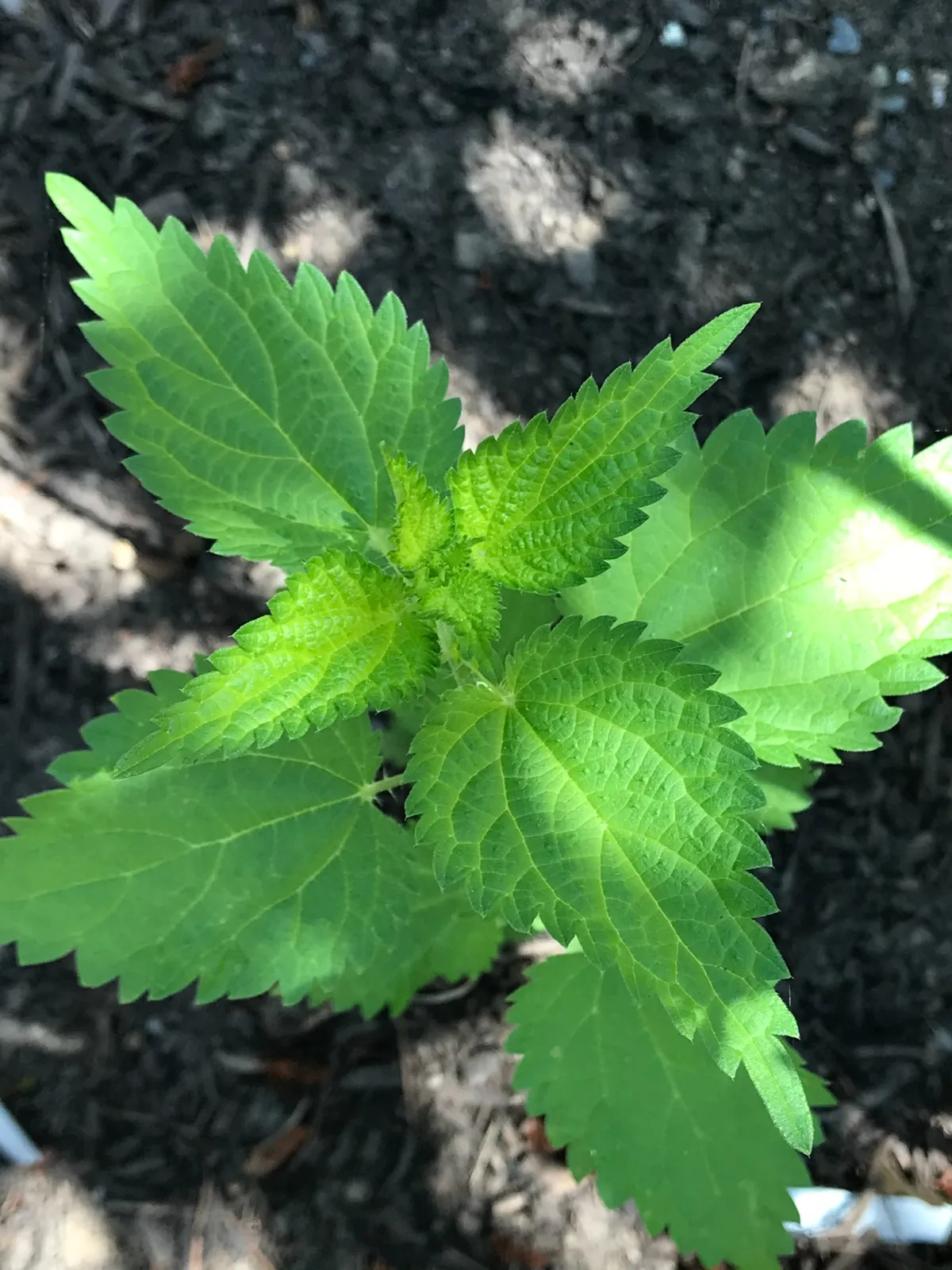
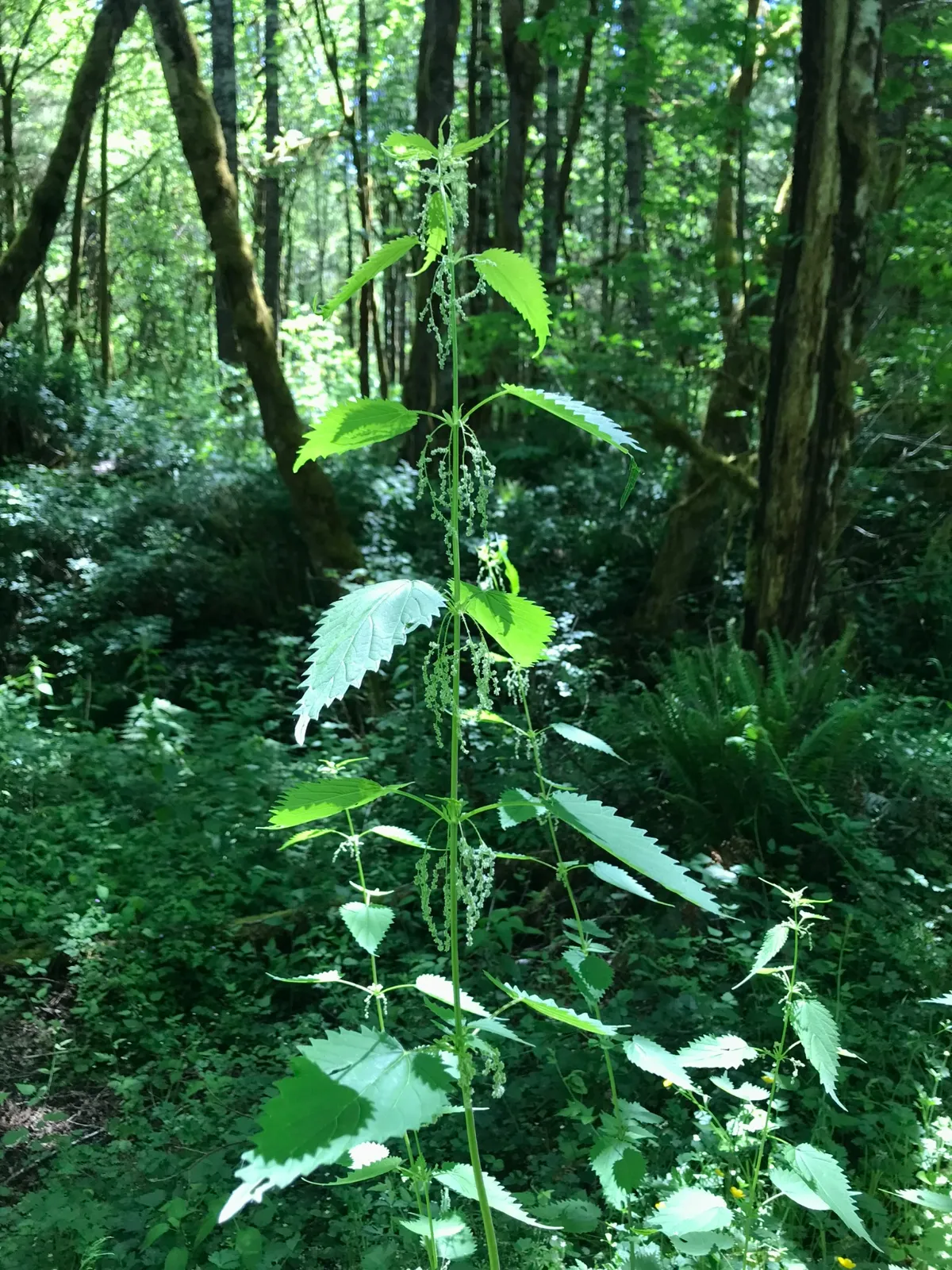
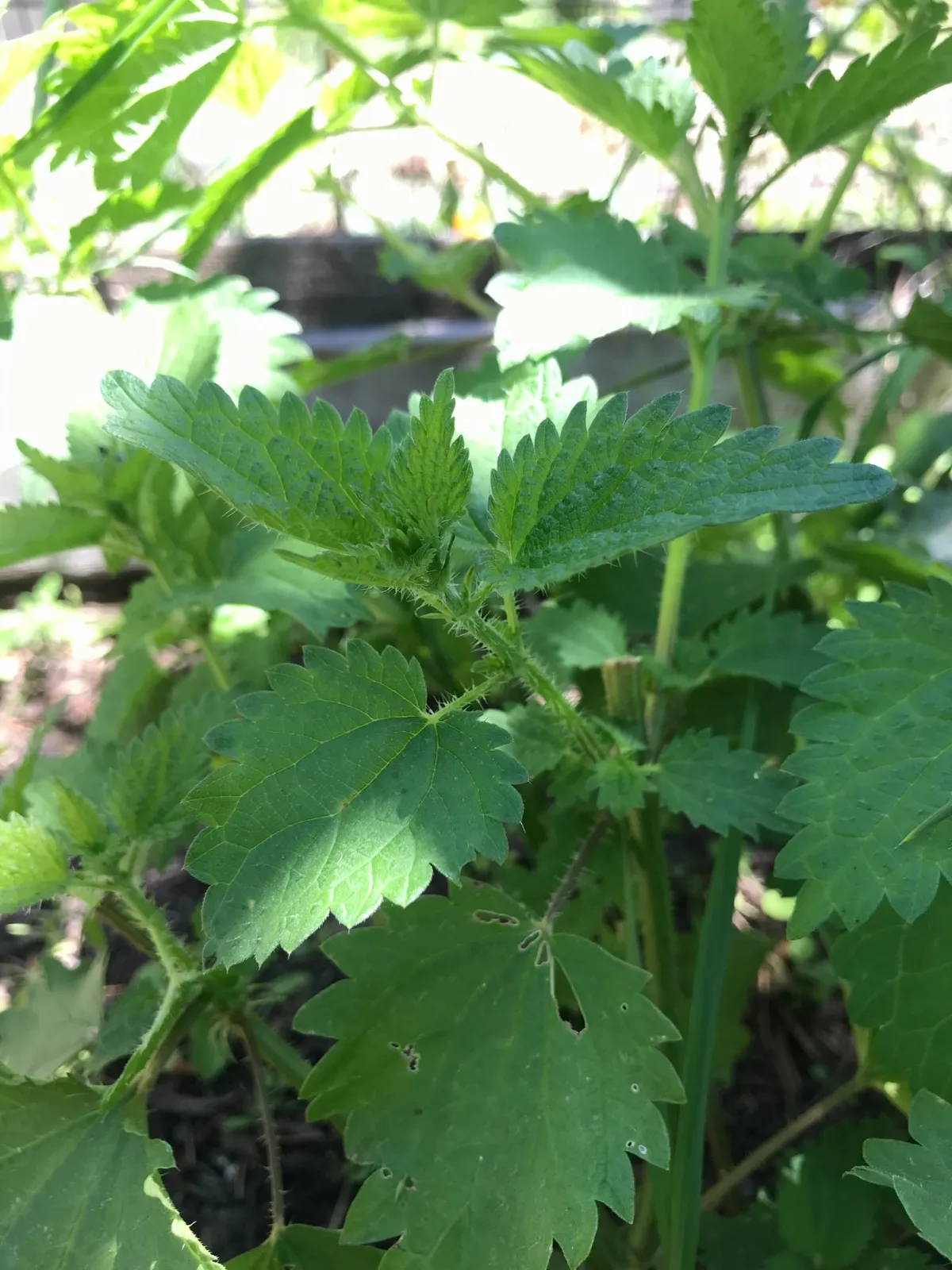
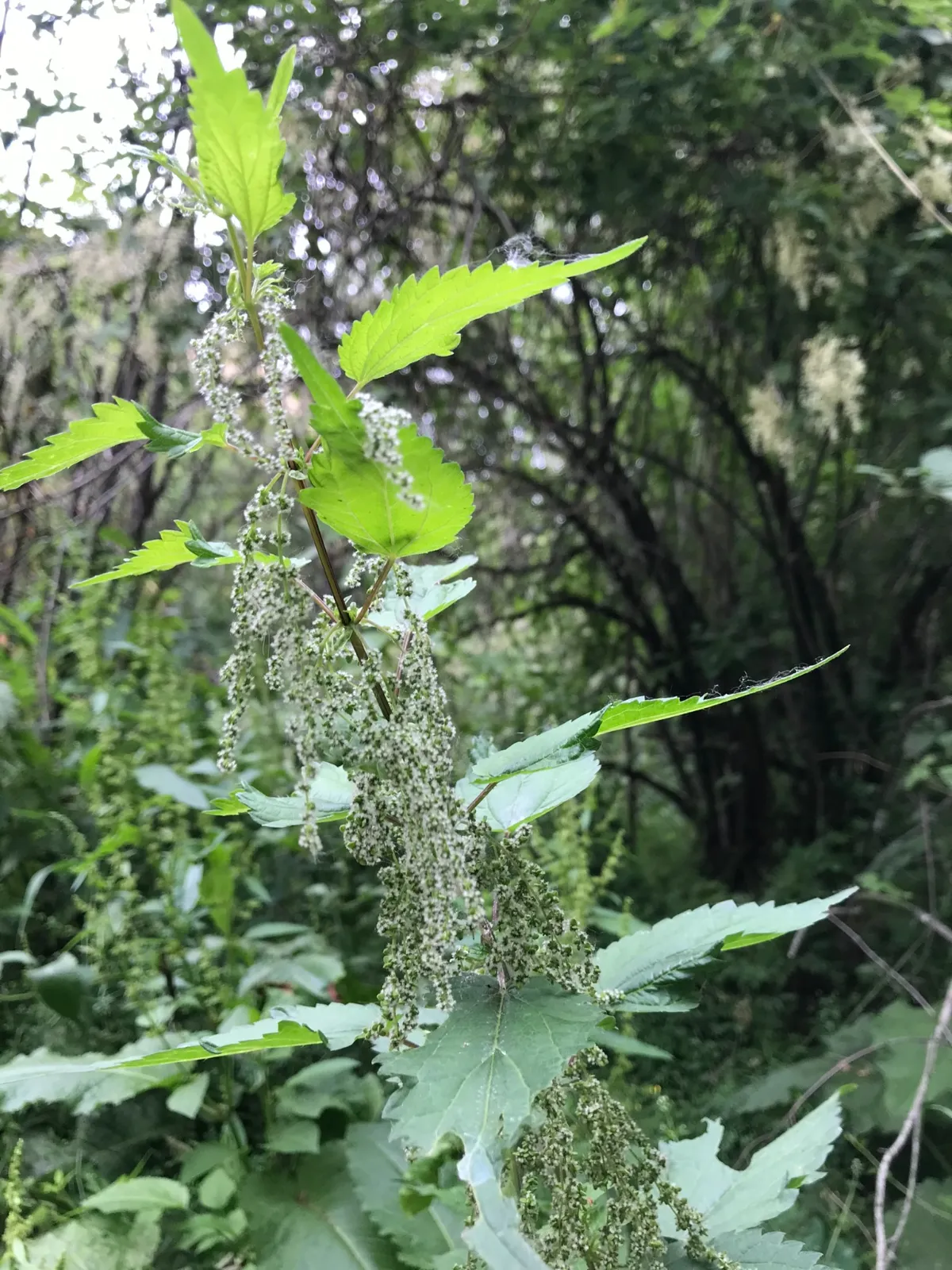
This herbaceous perennial grows in areas with rich, damp soil. In the wild, it prefers forests and areas with nitrogen-rich soils. Most gardeners who are familiar with this plant actively work to keep it out of the garden due to its ability to inflict a painful sting when touched and the potential to take over gardens. If you choose to bring in this plant, there are ways to keep it contained, such as keeping the root system contained in one bed and removing the seedheads before they drop their seeds. This highly nutritious herb makes excellent green spring soups. You can make a "compost tea" fertilizer for your garden with chopped-up nettles. There are numerous traditional herbal uses for this plant. If you are willing to put in some work, nettles will reward you with tasty, tender greens every spring.
How to Grow Stinging Nettle
Quick Info

Put away the pen and paper
Plan your veggie garden in minutes with Planter's easy drag and drop planner.
Try Planter for Free
Nutrition
Vitamins



Nutrients





Pests
Diseases
Beneficial Critters
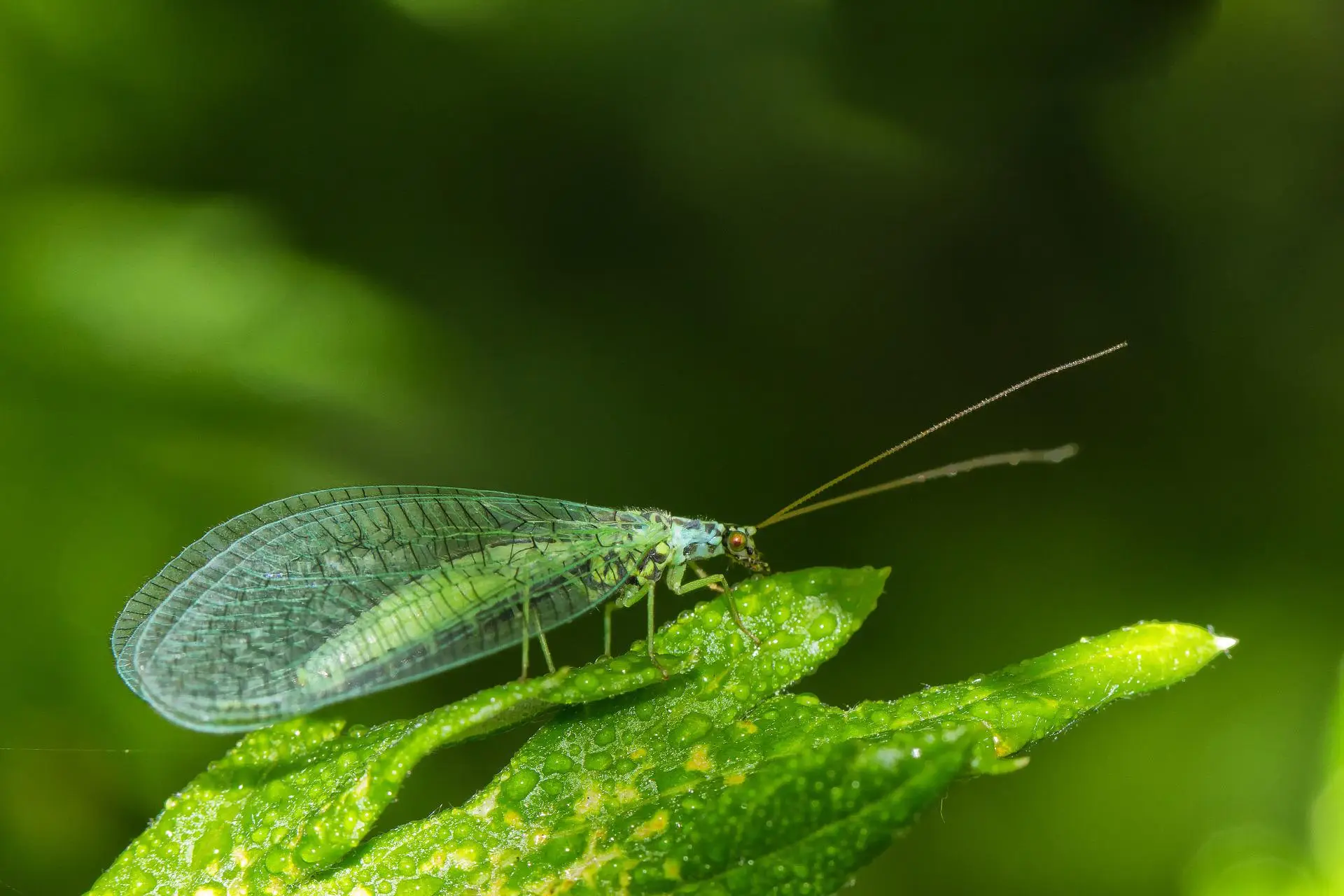
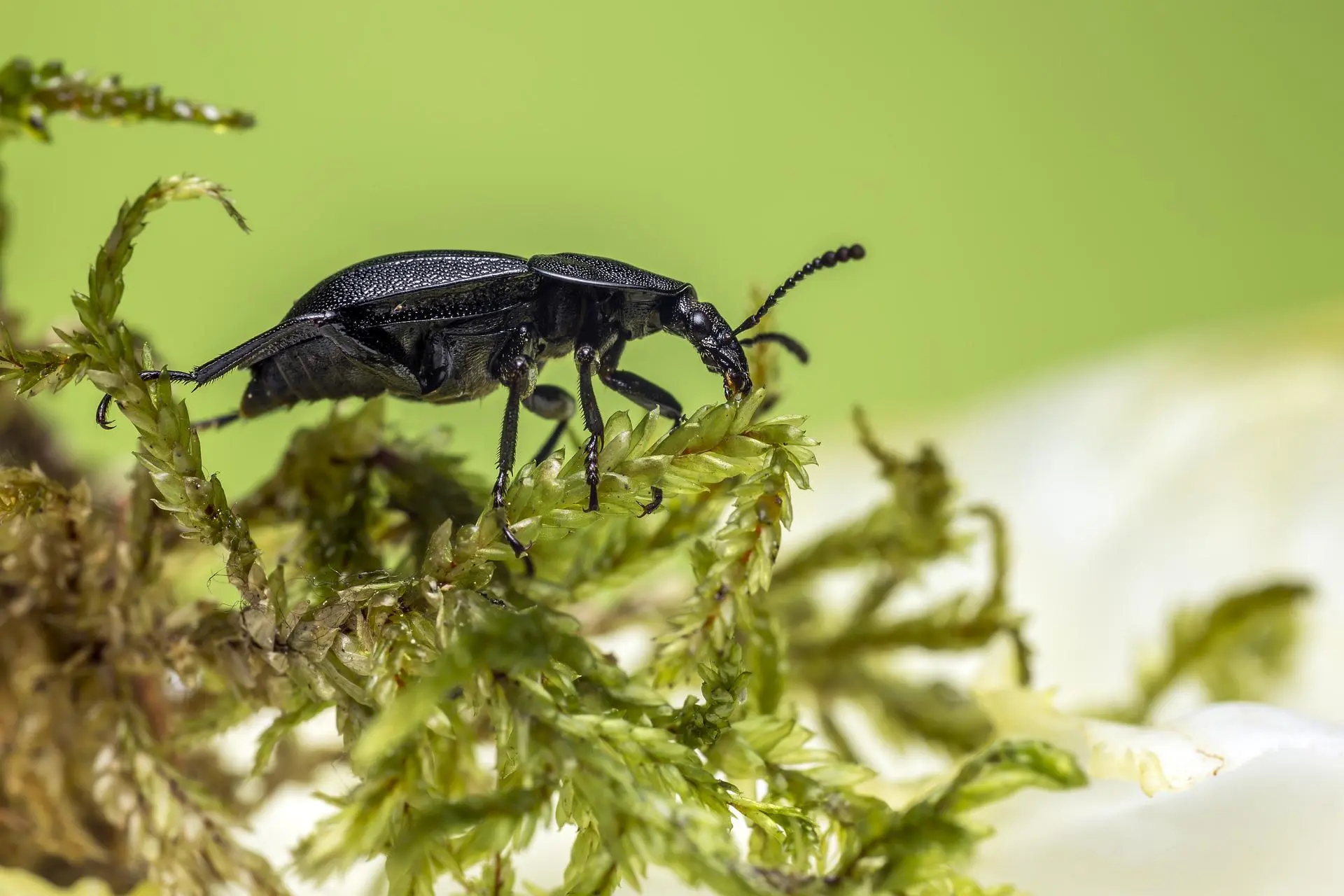
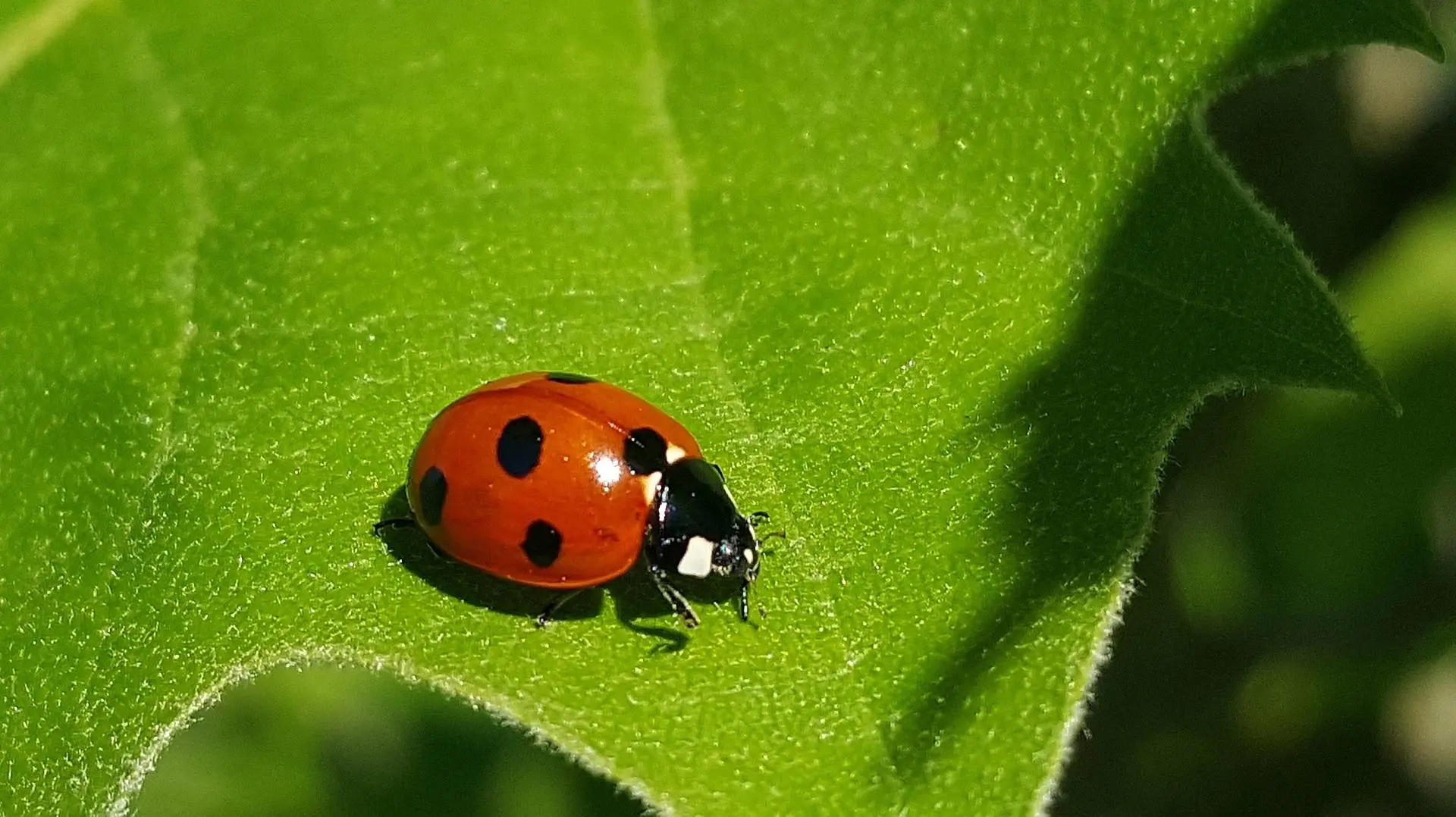
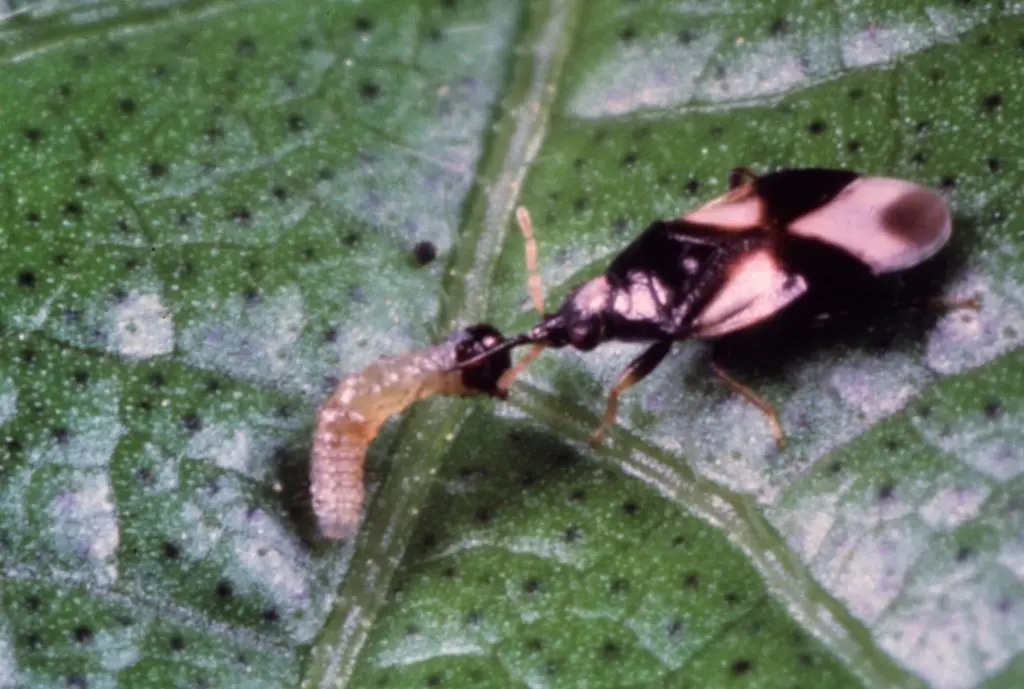
Growing from Seed
Direct sowing is recommended. In early spring, sprinkle seeds on the surface of rich soil and gently press them in. Keep them watered. In colder temperatures germination may take longer than 14 days. Indoors: start seeds in the late winter and transplant them in the early spring.
Planting Considerations
Stinging nettle grows well in damp areas. If you don't have a naturally wet area in the garden, give the plant base a good compost pile. Stinging nettles are known to bioaccumulate what is growing in the soil. Do not plant in an area with hazardous substances in the soil, like an area with high amounts of lead. Stinging nettles tend to spread quickly in an area. To help control their spread, consider growing them where their roots are contained, like in a garden bed. In some places, much time is spent trying to get rid of them. Consider this before you put them into your garden. Nettles do best in partly sunny or shady areas.
Feeding
Nettles love nitrogen-rich soil. Every year, add a fresh layer of compost to the roots. You may consider using fertilizer if you are growing nettles in poor soil.
Harvesting
Harvest young nettles in the spring when they are about 4-6" (10-15 cm) tall and tender. Do not harvest when they are in flower or have seedheads. Using scissors, clip above a leaf node. To avoid being stung, wear long sleeves and gloves while harvesting. Nettles lose their ability to sting after wilting or being cooked. You may be able to harvest tender nettle more than once in the spring.
Storage
Nettles can be dried or frozen. It's best to use them immediately when using them fresh.
Pruning
Pruning may be recommended to help control the spread of nettles. Prune nettles before or after they have developed seeds.
Herbal Use
Stinging nettles are wild green vegetables with many herbal uses. They are a highly nutritious plant perfect for soups, pestos, and spring tonic tea. Stinging nettles have been studied for their anti-histamine properties and may be helpful during allergy season. Nettles are considered a very "drying" herb and can be supportive during congestion. Some believe that the sting of nettle can help calm arthritic inflammation. Consult with a health care professional before using herbs.