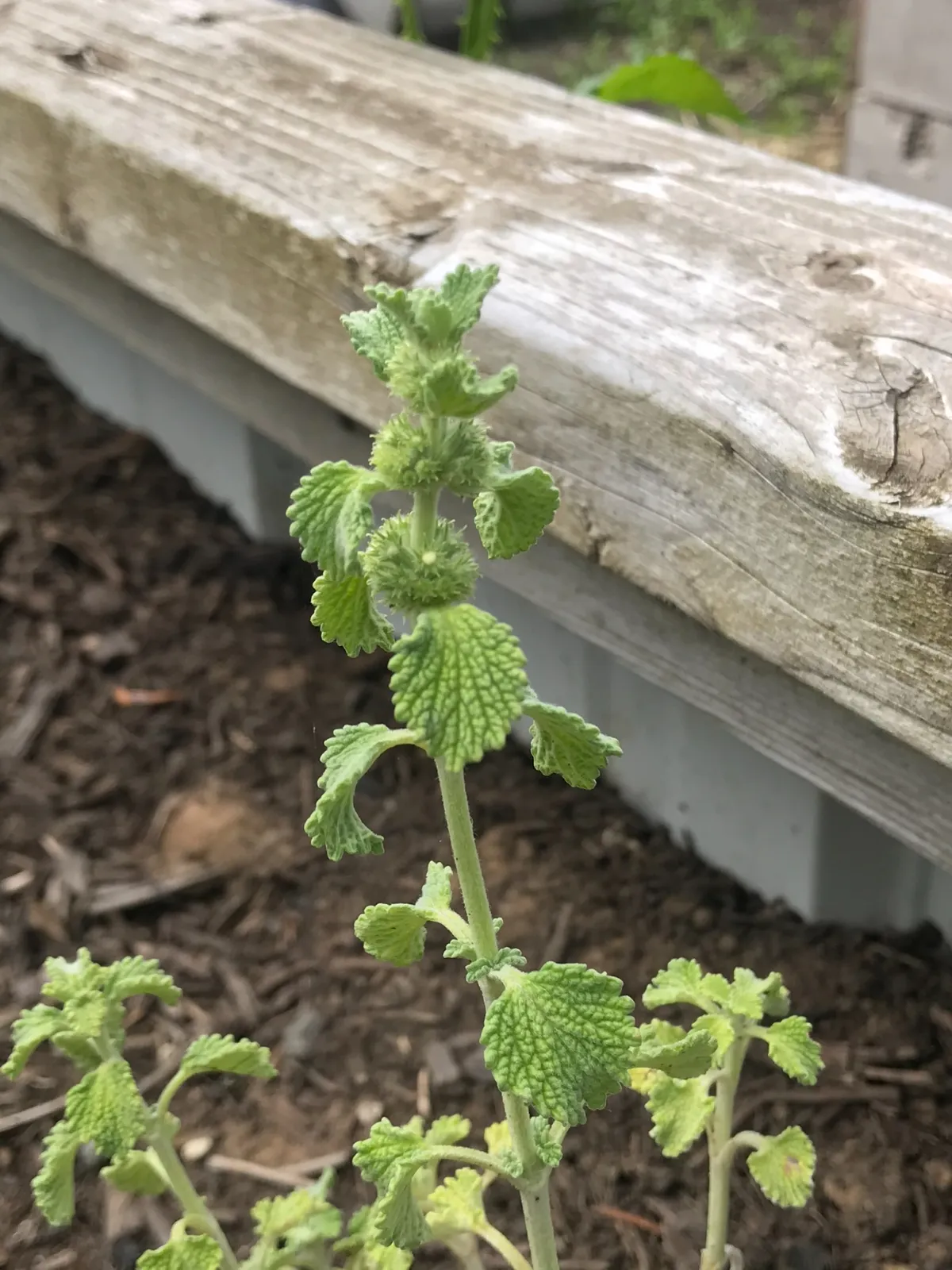
White Horehound
Marrubium vulgare
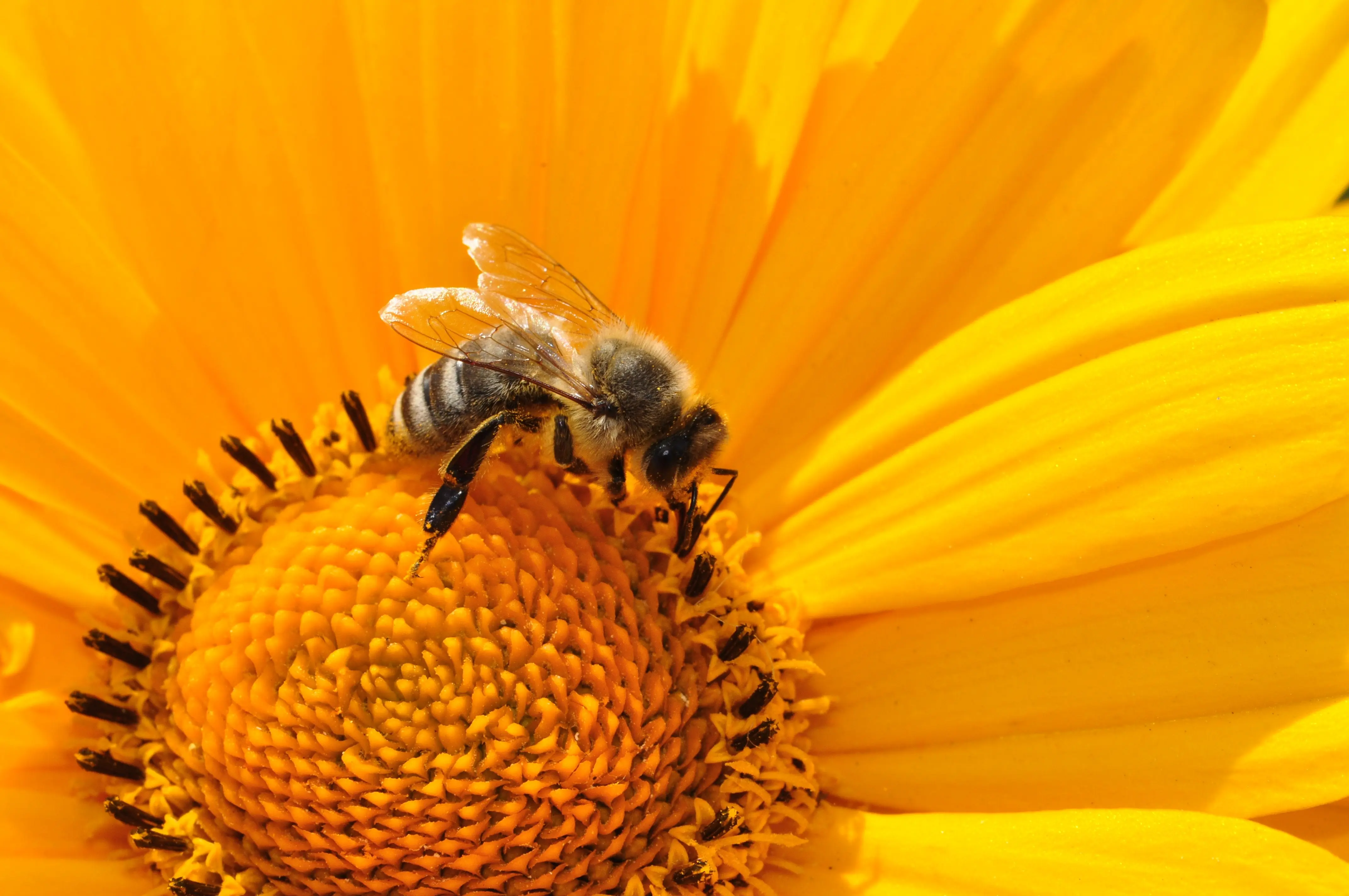
A member of the mint family, white horehound is a plant with thousands of years of medicinal plant history. The Greeks, Romans, and Egyptians all turned to this herb for respiratory and digestive ailments. White horehound is a perennial suitable for USDA zones 3-10. It does best in areas where the soil has lost its nutrients, as long as it gets enough drainage. Since white horehound can withstand heat, dry spells, and sandy condtions, it's perfect to grow in a Southwest garden. Southwest American natives used white horehound medicinally. The flowers are very tiny but bees love them.
How to Grow White Horehound
Quick Info


Put away the pen and paper
Plan your veggie garden in minutes with Planter's easy drag and drop planner.
Try Planter for Free
Pests
Diseases

Beneficial Critters


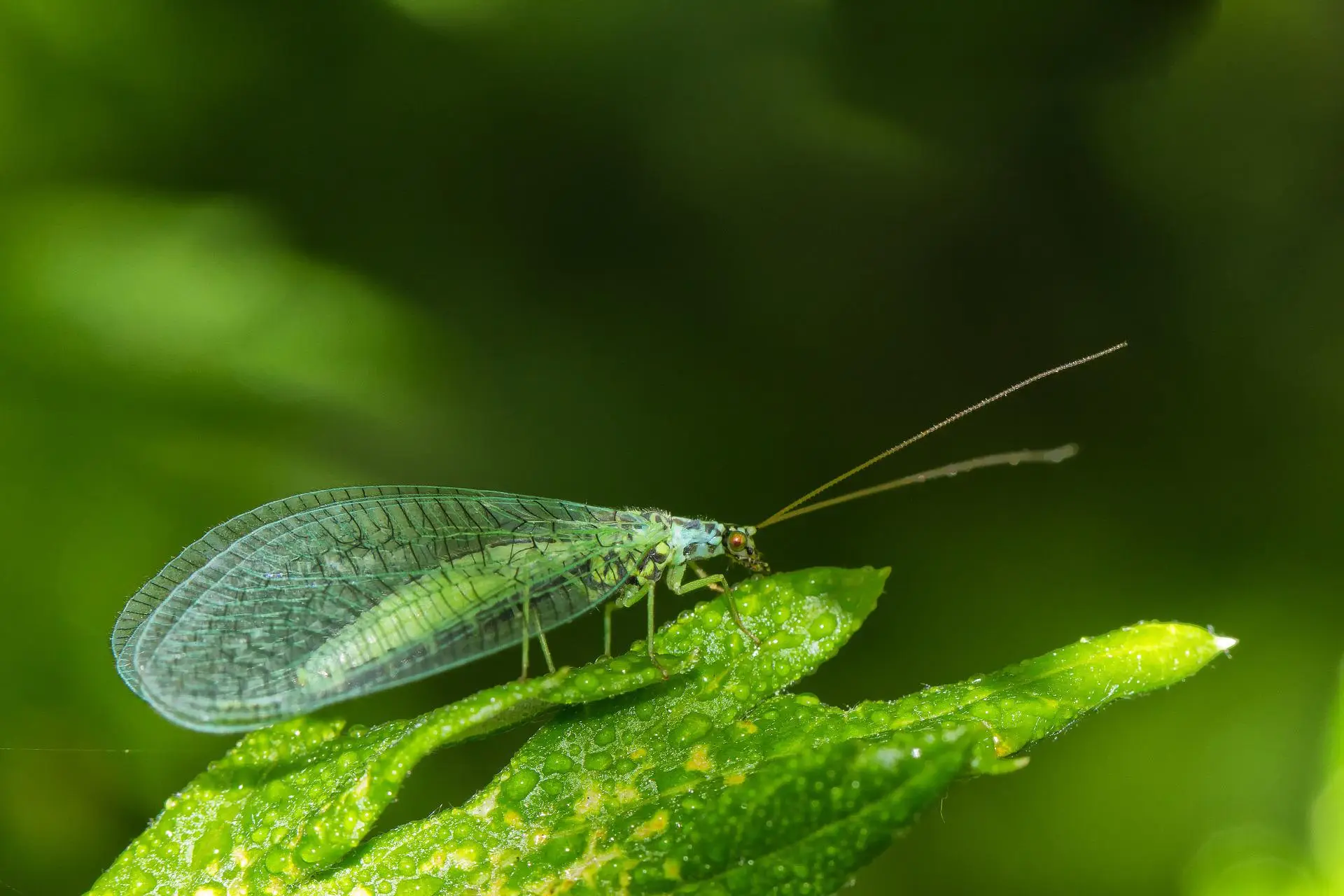
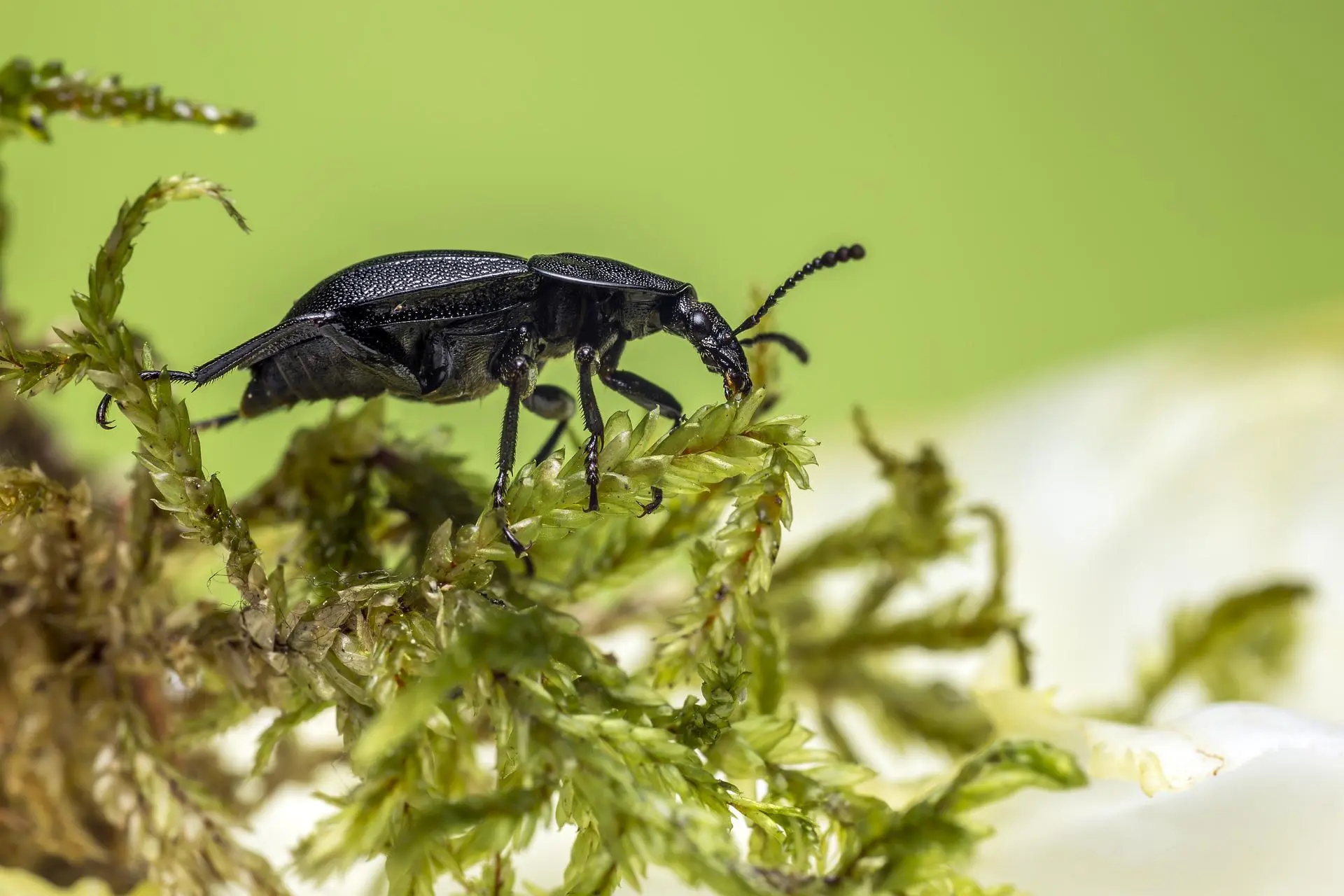
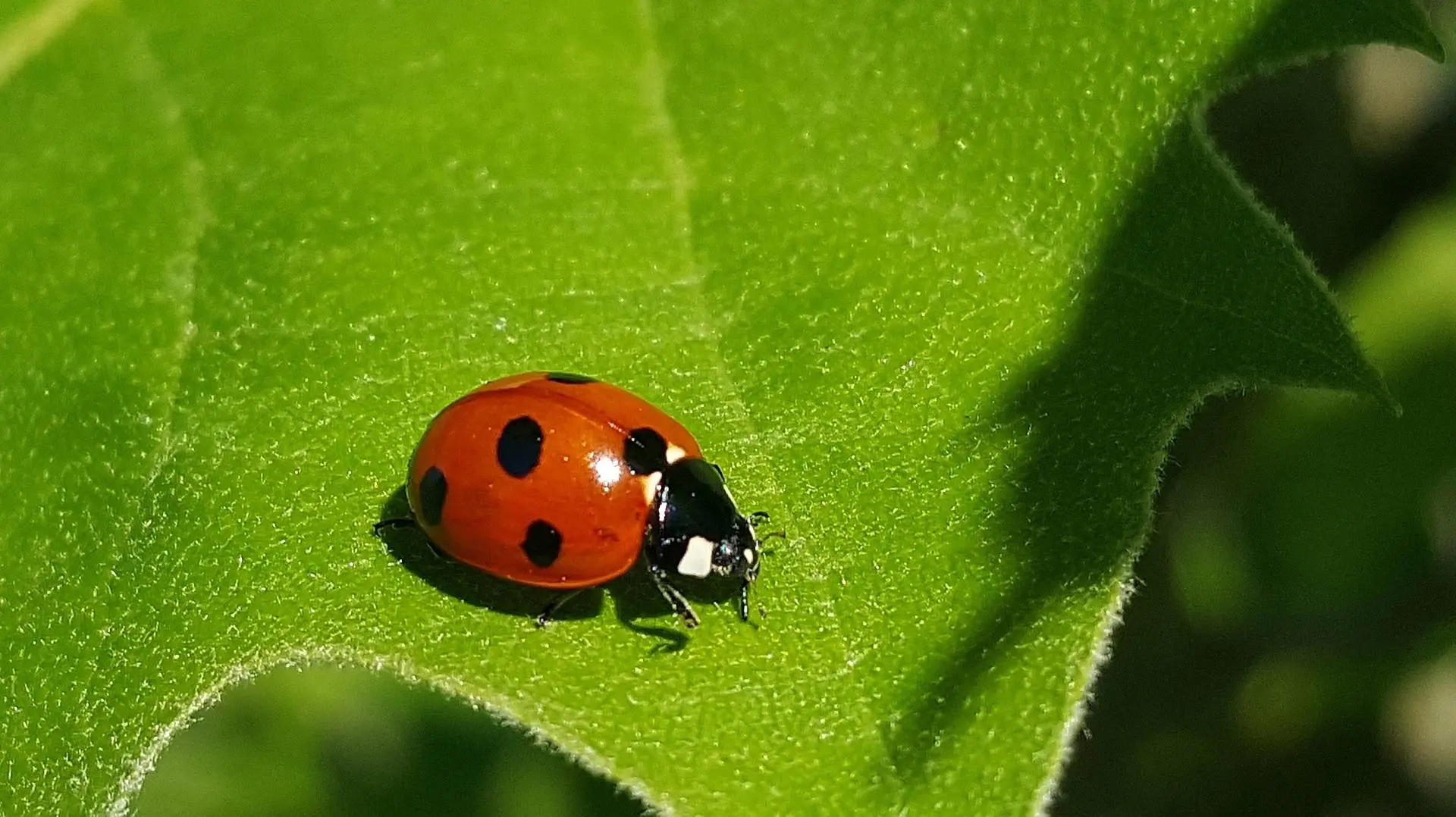
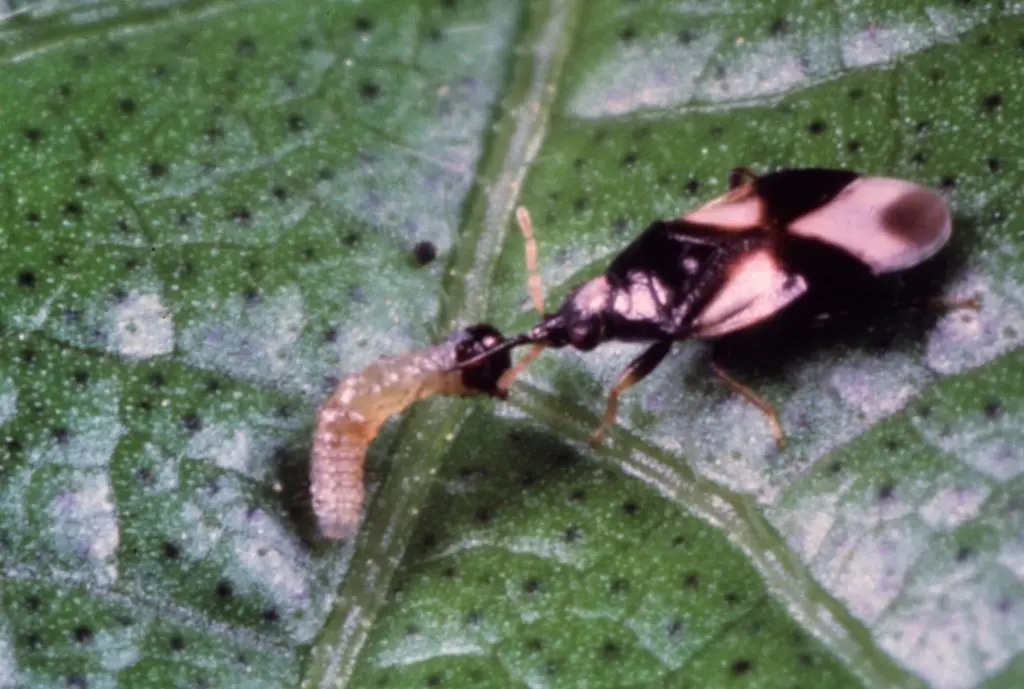

Growing from Seed
White horehound can be started indoors in early spring or sown directly outdoors. Scarifying the seeds on sand paper may help the germination success rate. Sow seeds and lightly cover them. Tamp them down and keep them moist.
Planting Considerations
White horehound grows well in soil that has been depleted of its nutrients, in areas with good drainage. When it is established, be careful not to overwater. In some places around the world, such as Tasmania, the growing of horehound is banned. In many other places, it is considered a "weed". Be mindful of where you plant. Since it's a member of the mint family, it can spread aggresively if it has the right growing conditions. To minimize spread you can plant it in a container or raised garden bed. This is a tough plant and it can tolerate some dry spells and neglect. New plants can be made through propagation by taking cuttings and letting them root.
Horehound is toxic to pets such as dogs, cats, and more. It is very bitter so most animals leave it alone, but if a pet ingests some contact a vet.
Feeding
Does not need regular feeding. White horehound thrives in areas with dry, depleted soil. If it gets too many nutrients it may not grow well.
Harvesting
White horehound usually does not get any flowers in its first year of growth, but you may harvest up to 1/3 of the leaves in its first year. In the second year, harvest the aerial parts of the plant just before or right after the flowers start to bloom, usually when it's about 1' tall (30 cm). Trim horehound as you would thyme or oregano, leaving enough stalk for it to regrow. Bundles of horehound can be tied and hung to dry or dried in a dehydrator.
Storage
After drying, store in glass jars, somewhere dark and cool. Best to use withing 1 year of storage.
Pruning
Prune after seeds start to form to prevent unwanted spread.
Herbal Use
A favorite cough remedy of the Egyptians, white horehound is most known for its use as an herbal experctorant and cough soother. In the late 19th and early 20th century, white horehound candy was a very popular medicinal treat. The US FDA has banned the use of horehound in cough drop products due to "no proven benefit", however you can still find it in cough drops around the world. Due to its extreme bitterness, white horehound is also used to increase appetite, ease indigestion, and bloating. Due to its intense bitter flavor, it is usually made into sweetened remedies like lozenges and syrups. It can also be used in teas, tinctures, and capsules. When used for short periods of time, white horehound is generally recognized as safe. Avoid if pregnant, breastfeeding, or if you have low blood pressure. Always consult with your healthcare professional before using herbs.