Ashwagandha
Withania somnifera
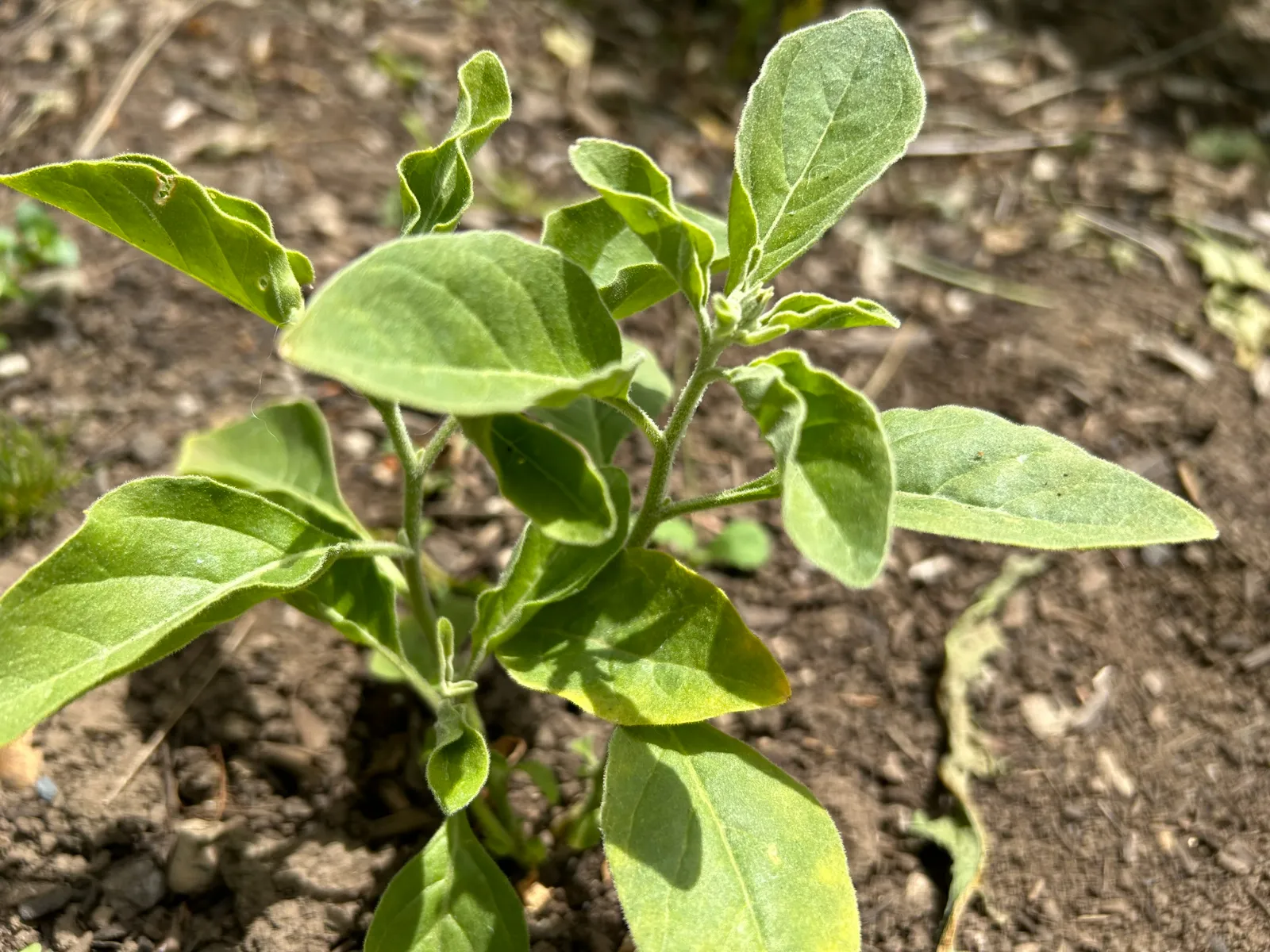
Ashwagandha is part of the Solanaceae family. This family includes tomatoes, peppers, and potatoes, so like these plants, ashwagandha loves the heat. In colder climates, it can be grown annually in the garden. It can be grown as a perennial in warmer climates, and the roots can be harvested for herbal use in its second year. The roots are the most popular part of the plant for herbal use. They have been used in India for many years, and ashwagandha is an adaptogenic herb famed for supporting the whole body. This plant is popular for those in need of natural stress support. After flowering, the plant produces attractive red seedpods, hence the nickname Winter Cherry. Vedic is the preferred type of ashwagandha to grow for herbalism.
How to Grow Ashwagandha
Quick Info


Put away the pen and paper
Plan your veggie garden in minutes with Planter's easy drag and drop planner.
Try Planter for Free
Related Articles
Pests
Diseases
Beneficial Critters


Growing from Seed
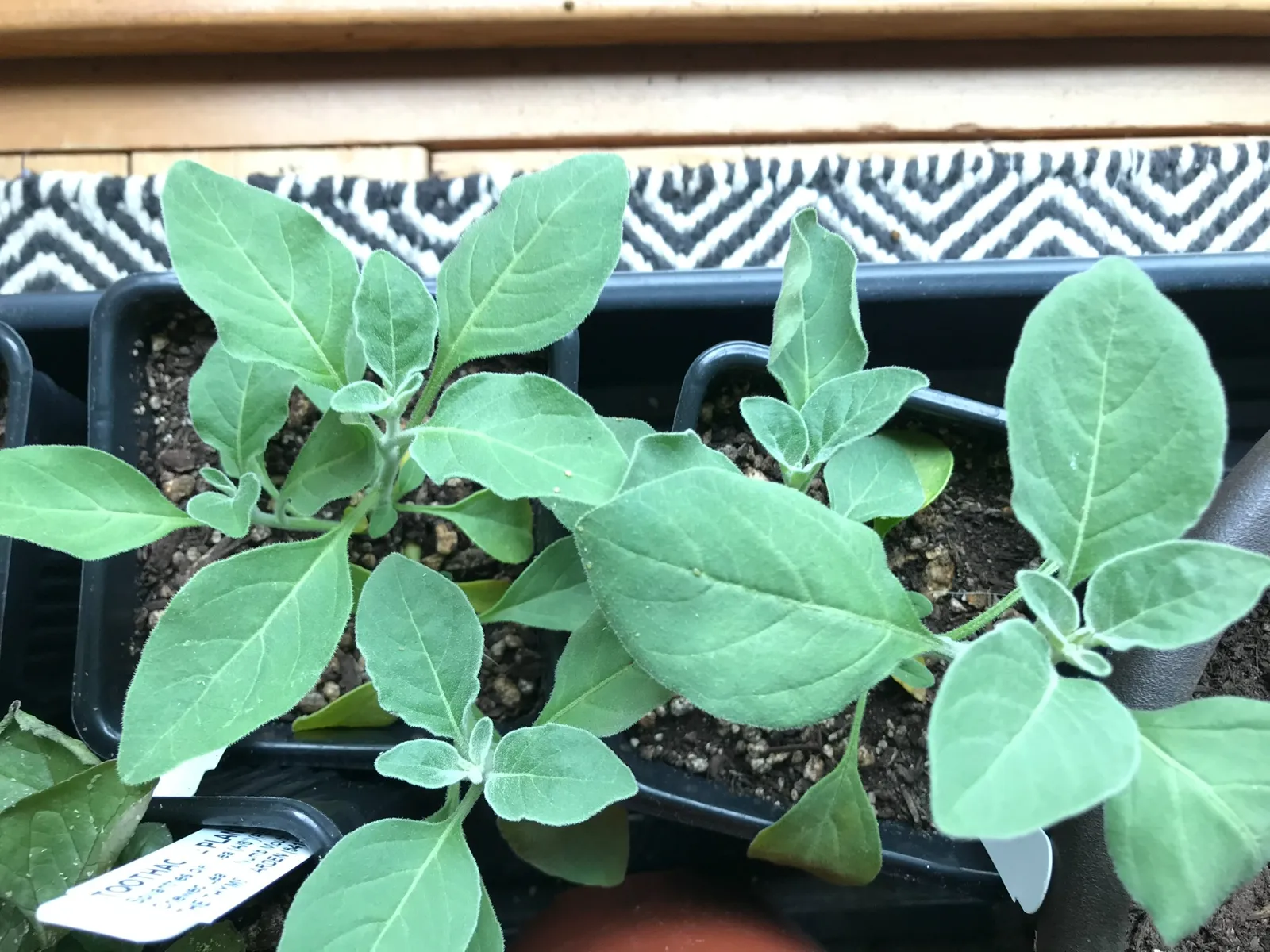
Ashwagandha is a heat-loving plant. Start seeds indoors 8-12 weeks before your last frost date. Seeds are dependent on light to germinate. Lightly press seeds on top of the soil and barely cover them up. Water regularly. You can sow seeds directly outdoors after the danger of frost has passed.
Planting Considerations
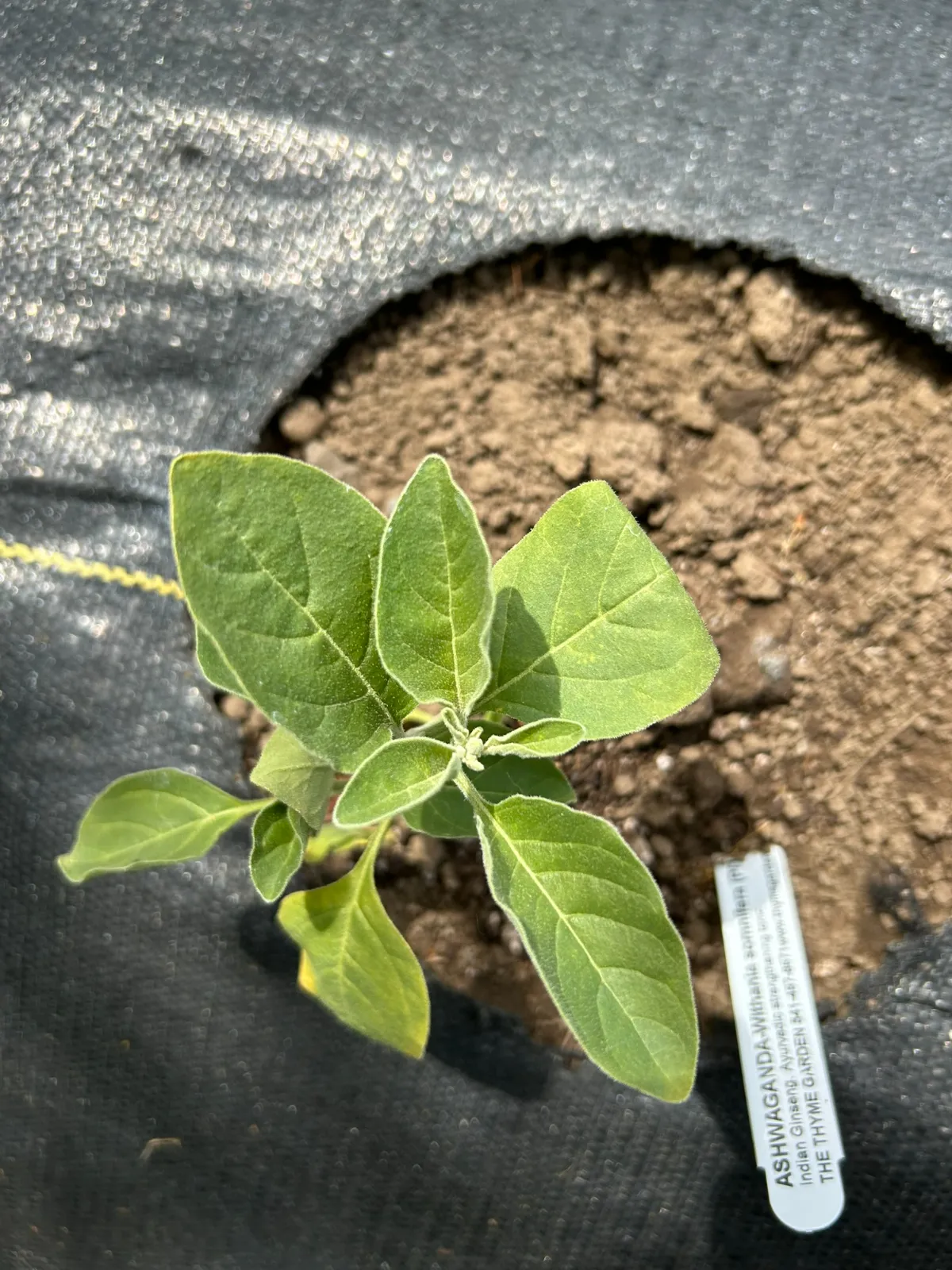
Ashwagandha can grow up to 3 feet tall and should be given at least 1 foot of growing space per plant. Avoid growing ashwagandha in the same spot where other members of the Solanaceae family grew the previous year. The same diseases and pests that affect tomatoes, eggplants, etc., can affect ashwagandha. Ashwagandha prefers slightly alkaline soil, so you can amend garden soil with lime if needed. Choose a place with well-draining soil. Once established, the plants can be somewhat drought-tolerant. Grown as an annual in USDA zones 1-7. It can grow as a perennial in USDA zone 8 if frost protection is provided. In USDA zones 9-13, it can be grown as a perennial.
Feeding
Ashwagandha does not require feeding if you use a nutrient dense garden soil.
Harvesting
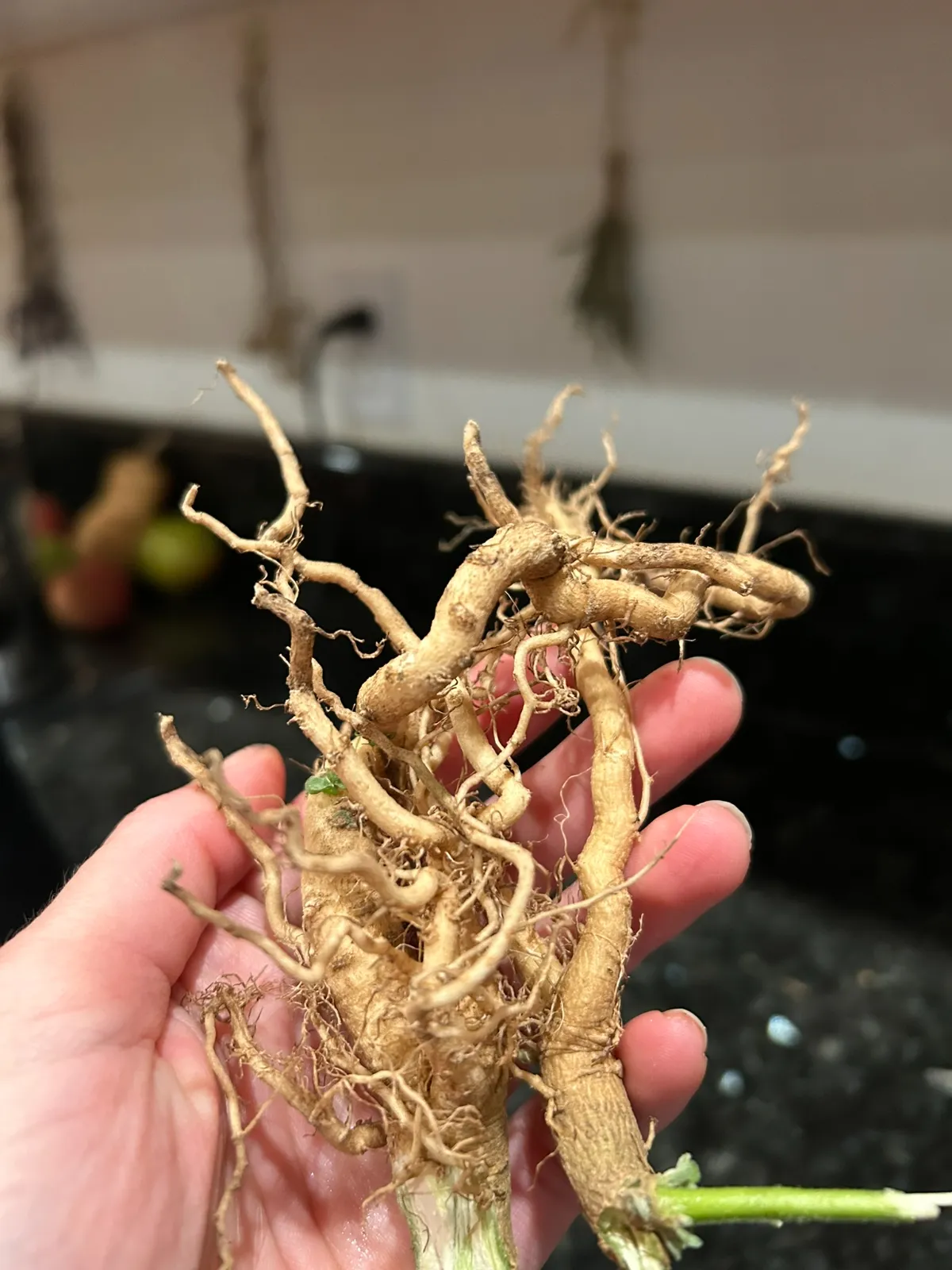
If growing as an annual, harvest after the first frost. Pull up the whole plant by hand and harvest the roots. If you live in a warm climate and are growing as a perennial, harvest the roots in the fall of its second year. Roots older than 3 years old tend to become very woody and not as desirable for herbal use.
Storage
Clean the roots and chop them into small pieces. The roots can be used fresh in herbal recipes or dried. For the best long-term storage results, use a dehydrator. Store dried ashwagandha in a cool and dark place. Roots can be stored for up to 3-4 years.
Pruning
No pruning is necessary.
Herbal Use
Ashwagandha is a superstar herb in the ancient Indian medical system known as Ayurveda. The roots of ashwagandha plants are harvested for their general tonic uses for well-being and health. Most herbalists avoid using the leaves and seedpods. Ashwagandha roots support calm feelings, promote healthy energy levels, and help balance hormone systems. Fresh or dried roots can be tinctured in alcohol or glycerine. Dried roots can be blended into teas, powdered, and added to capsules, among other preparations. Avoid during pregnancy. Always consult with your healthcare professional before using herbs. The consumption of ashwagandha is banned in Denmark.