Burdock
Arctium lappa, Articum minus
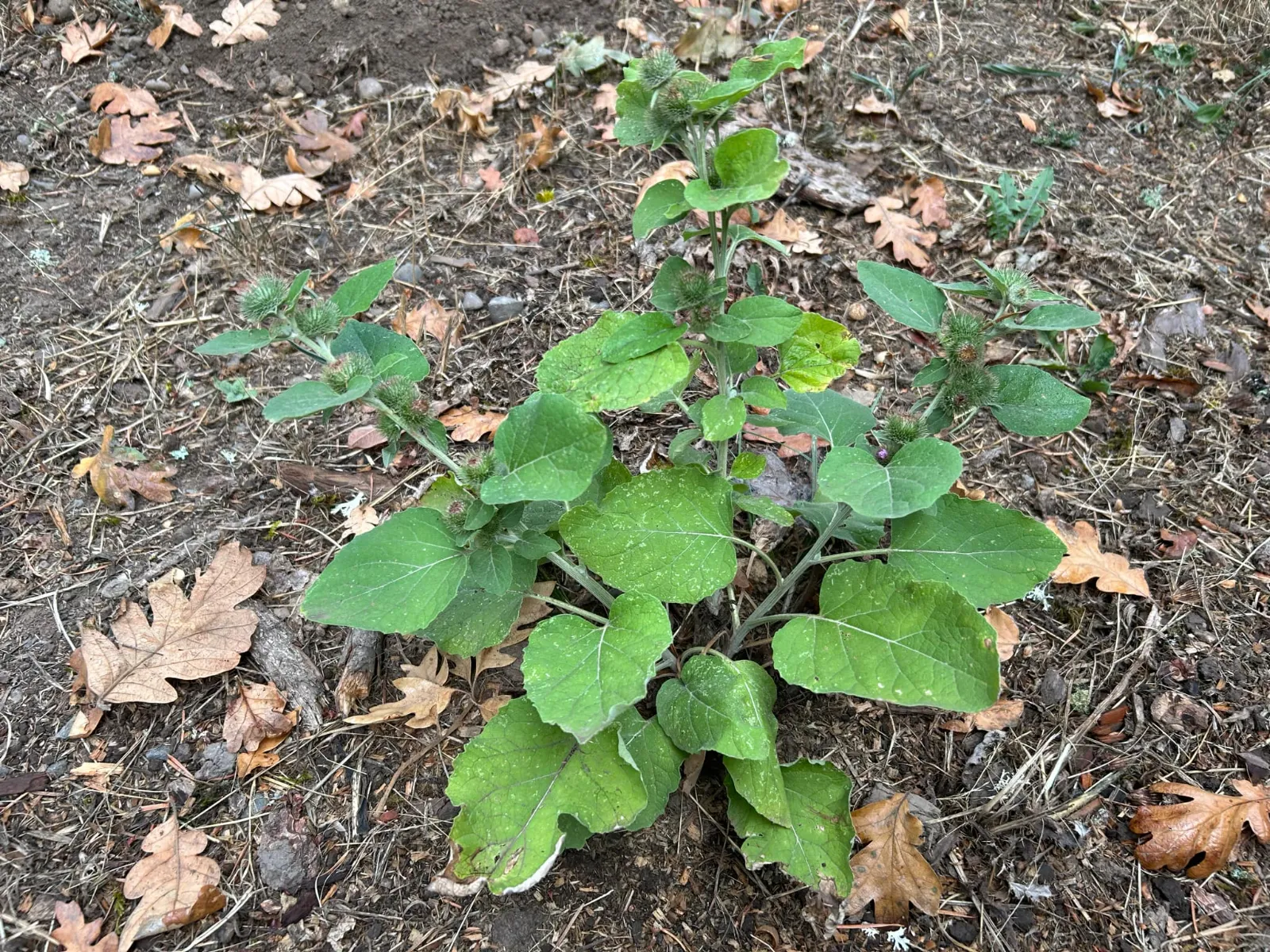
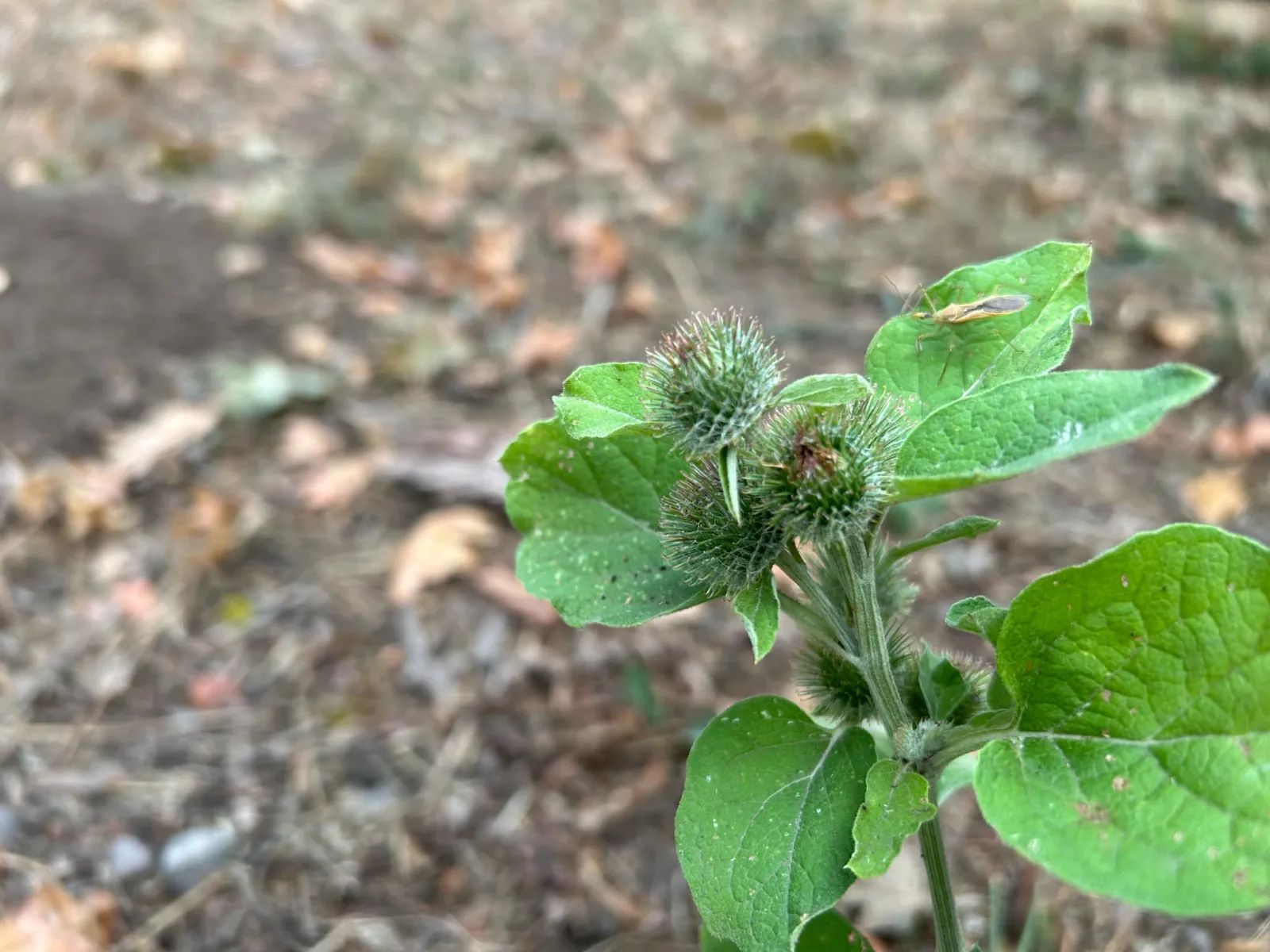
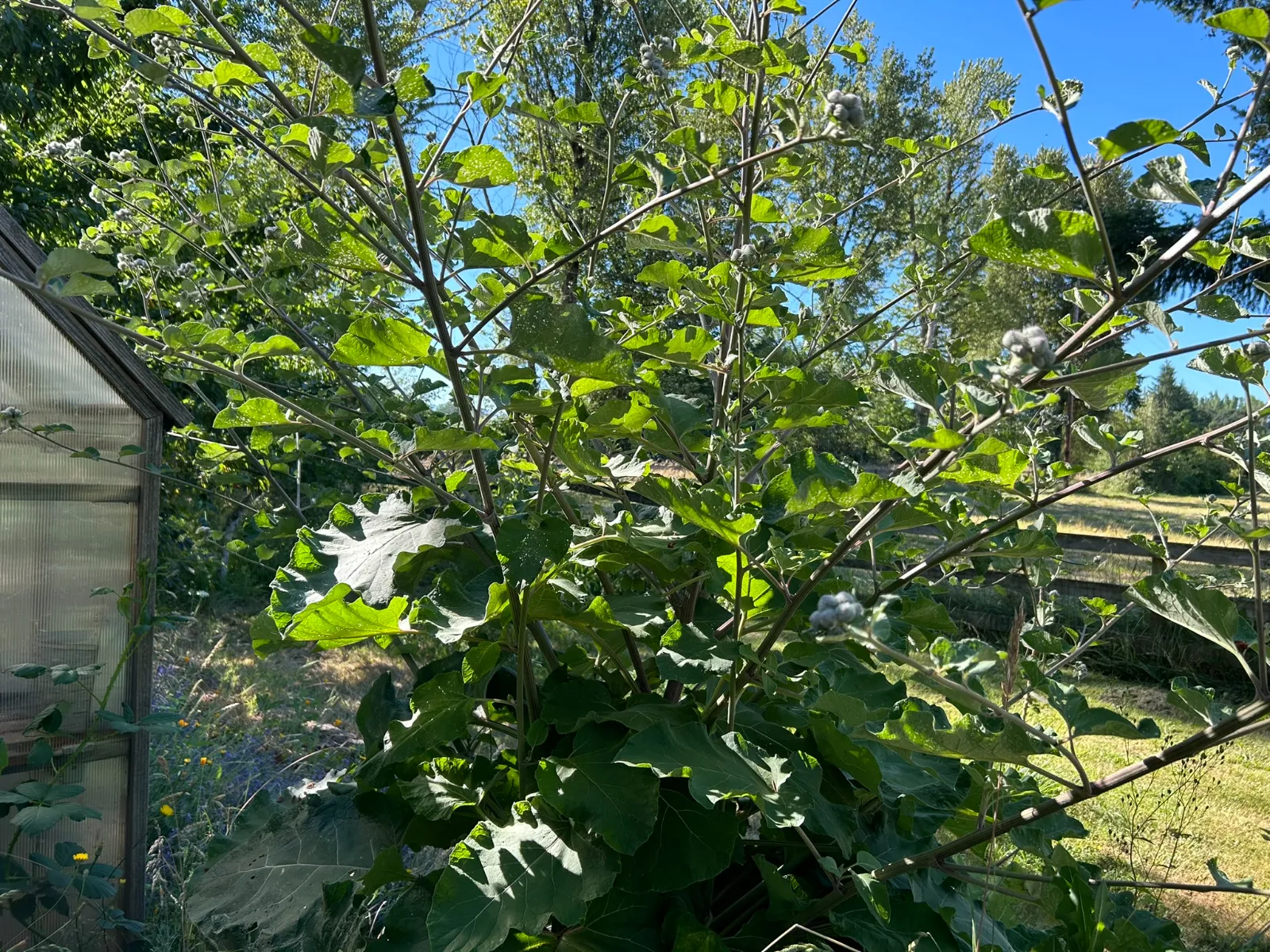
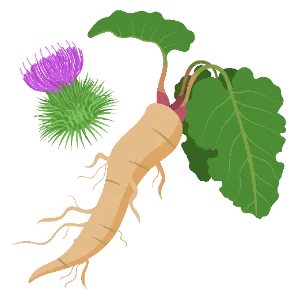
Burdock is a biennial plant native to Europe and Asia, and it can also be found around North America. To some, this plant is viewed as a pest to the garden. In Japan, burdock, or gobo as it's called there, is a staple in home cooking and upscale cuisine alike. Burdock plants can become massive and can grow several feet tall. They get very big leaves and pretty thistle-like purple flowers, which are highly attractive to pollinators. You should only grow burdock if you can keep your eye on it, as it can spread aggressively. The seeds, or burs, can hitch a ride on clothing, fur, and more and spread easily.
How to Grow Burdock
Quick Info

Put away the pen and paper
Plan your veggie garden in minutes with Planter's easy drag and drop planner.
Try Planter for Free
Related Articles
Nutrition
Nutrients



Pests
Diseases
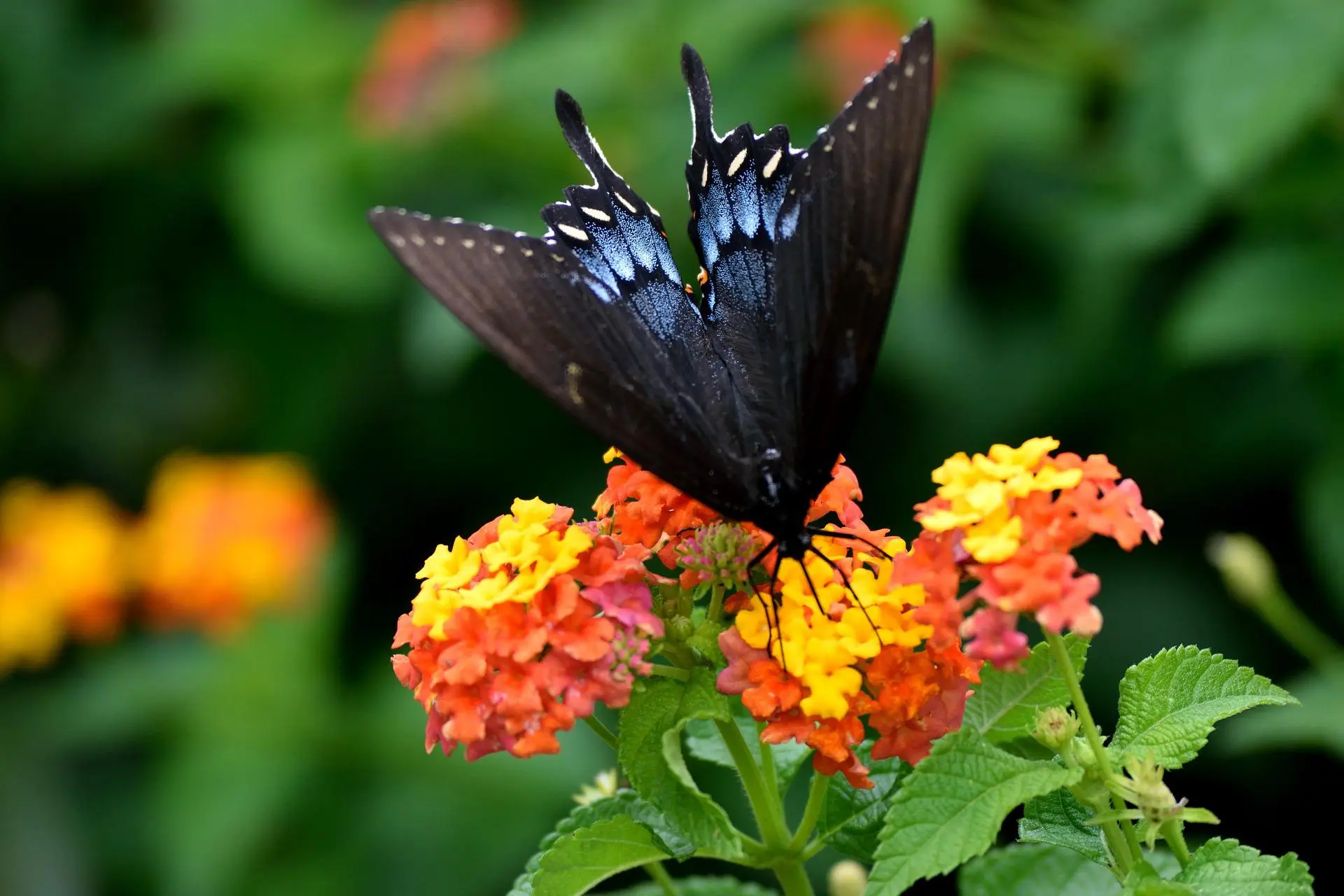
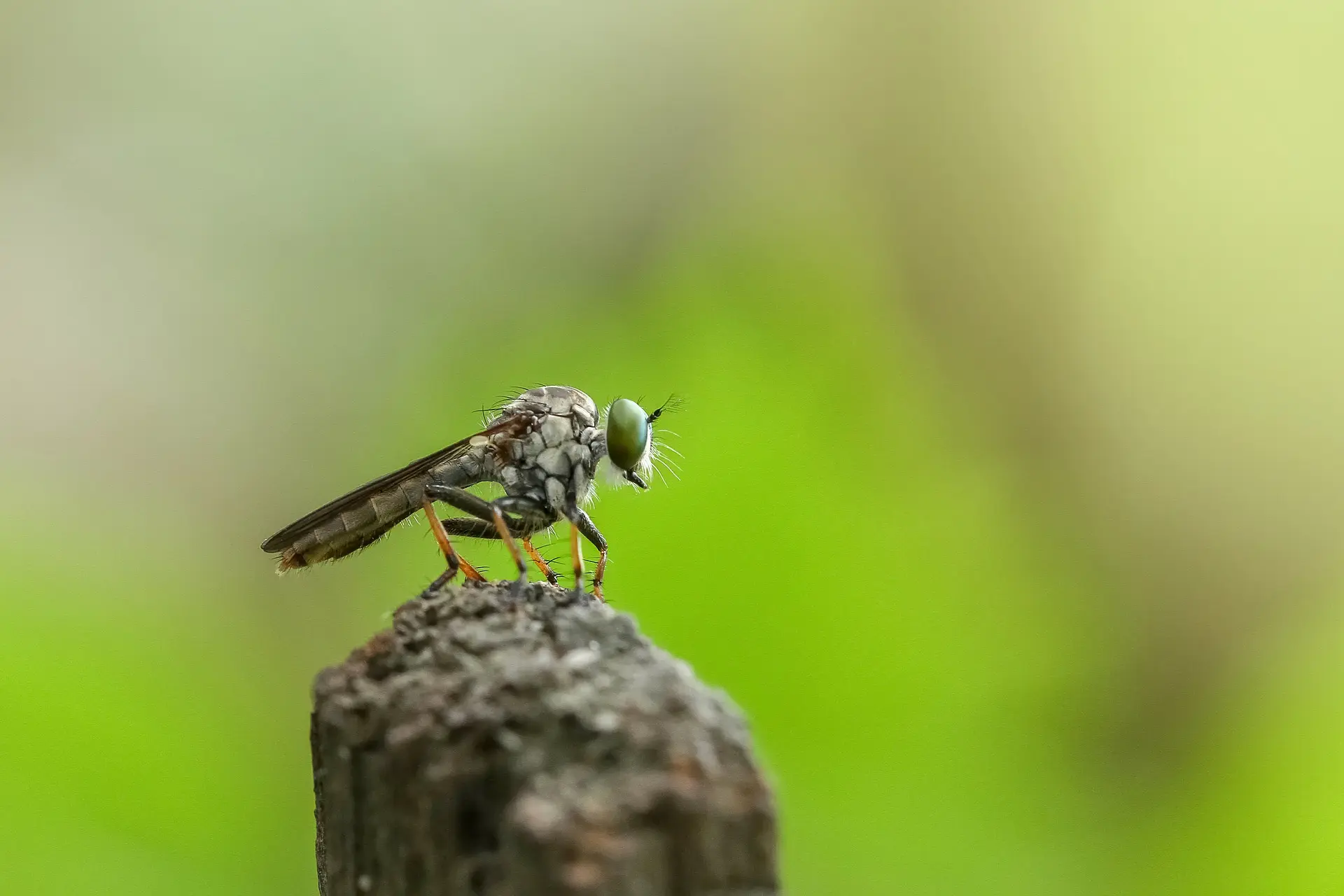
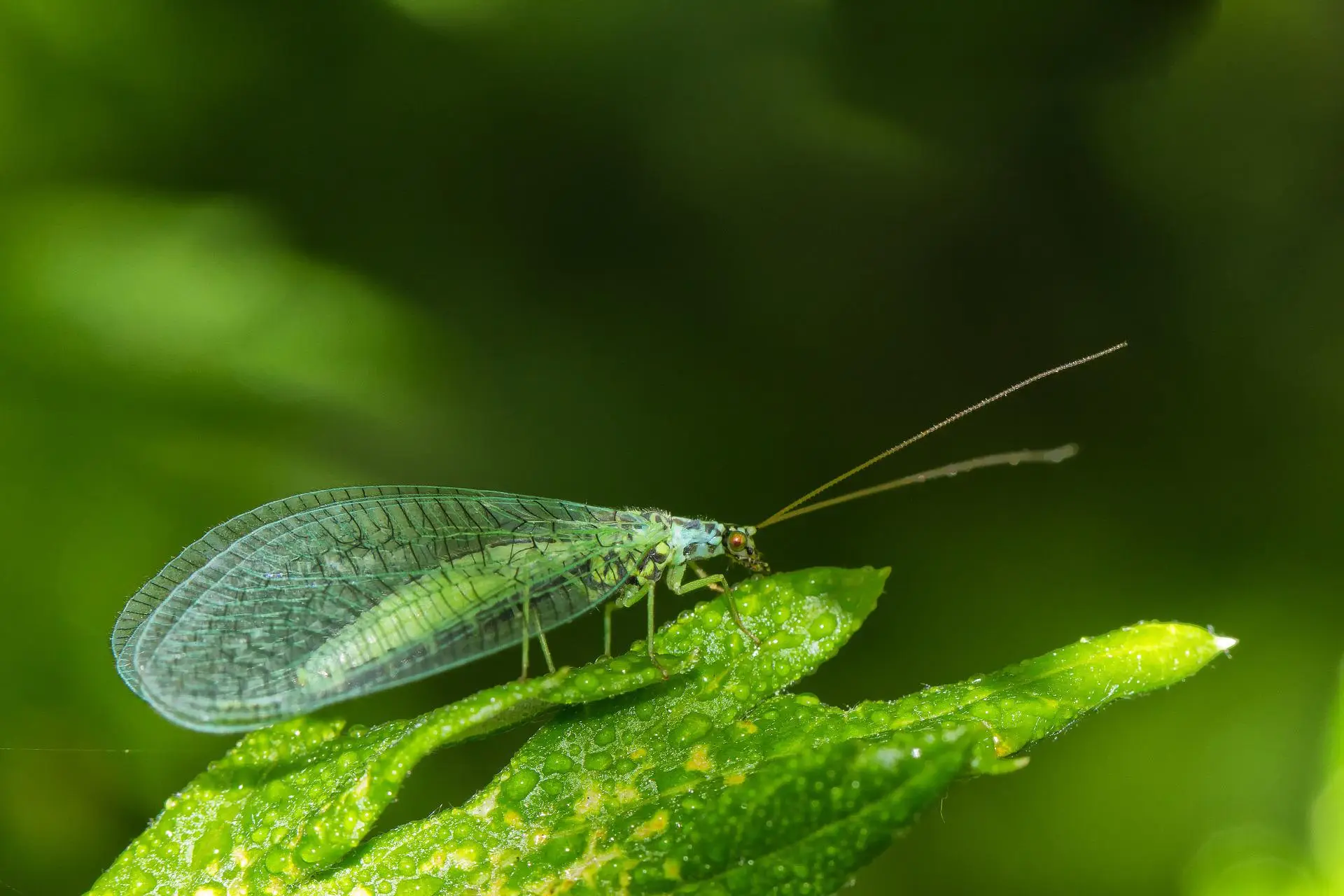
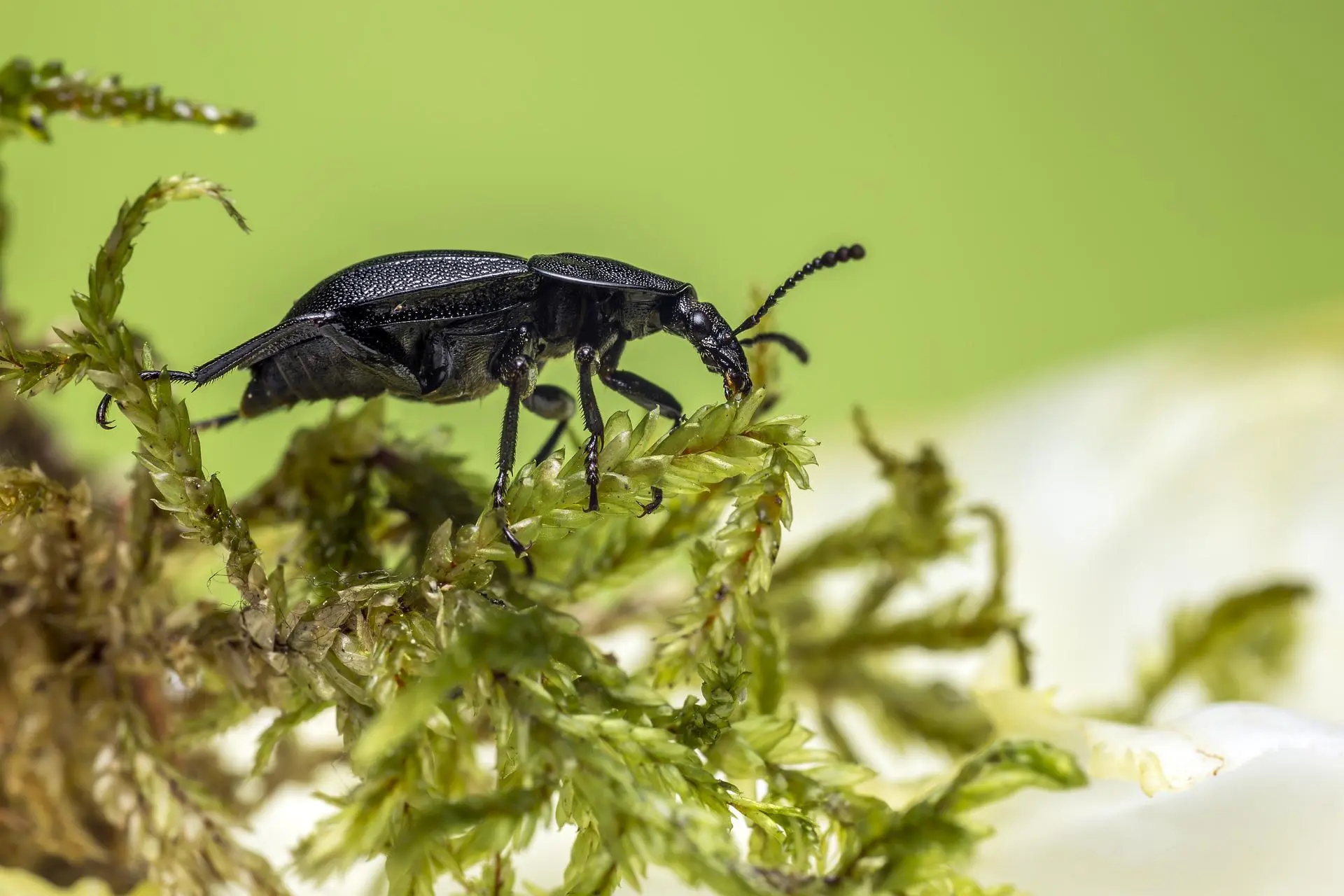
Beneficial Critters
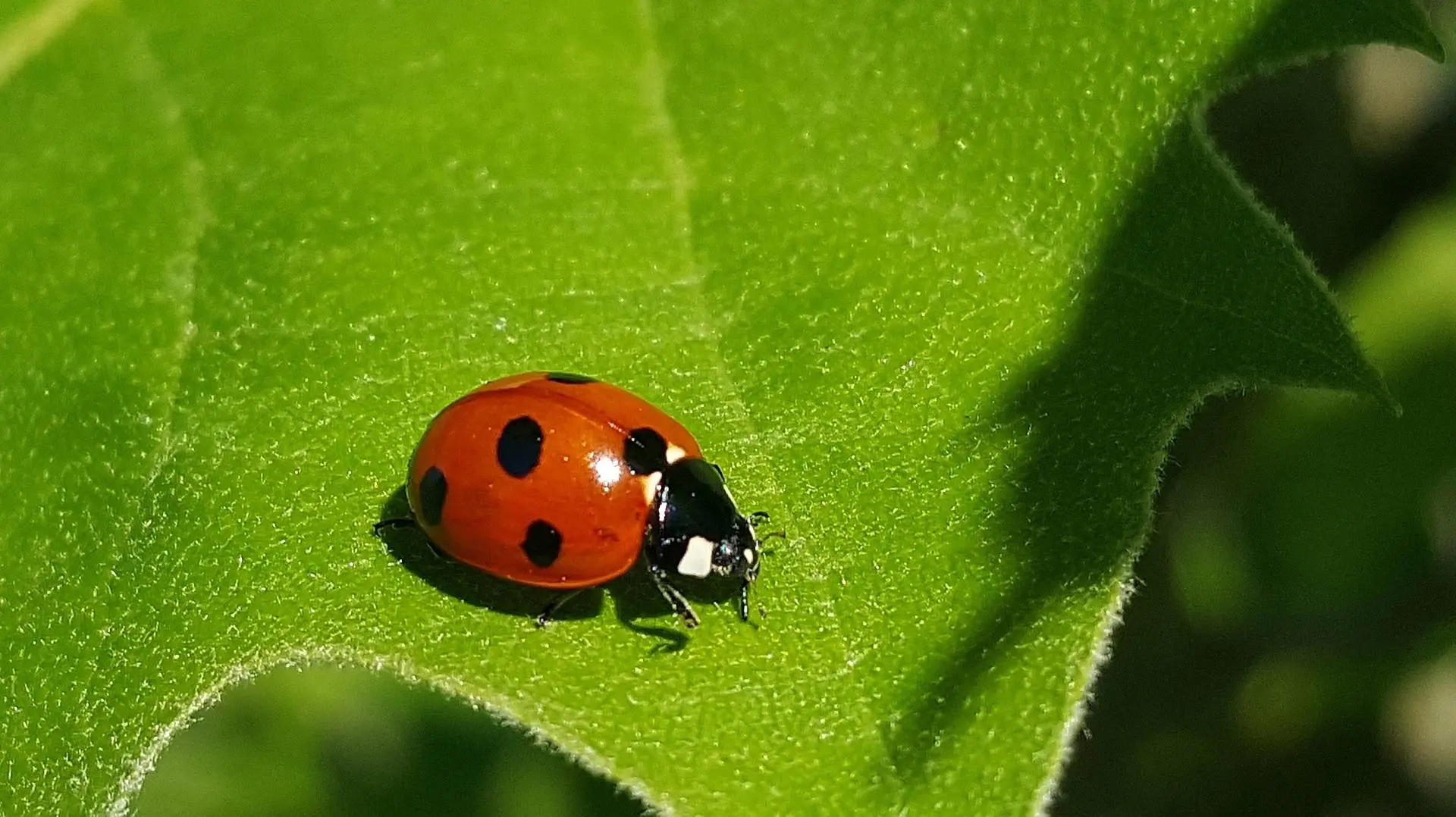
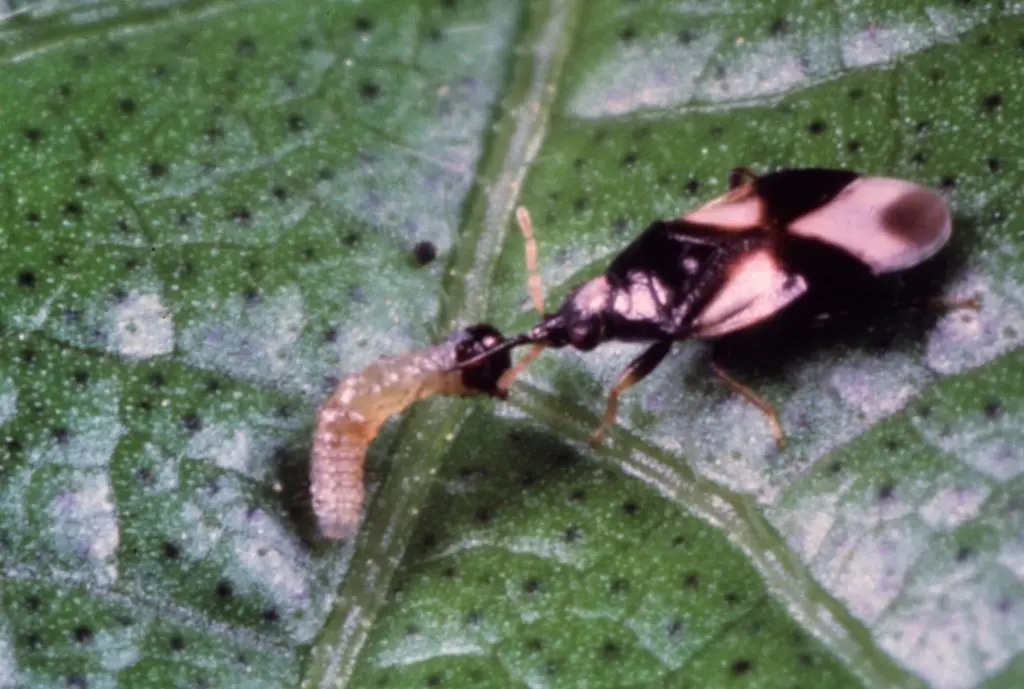
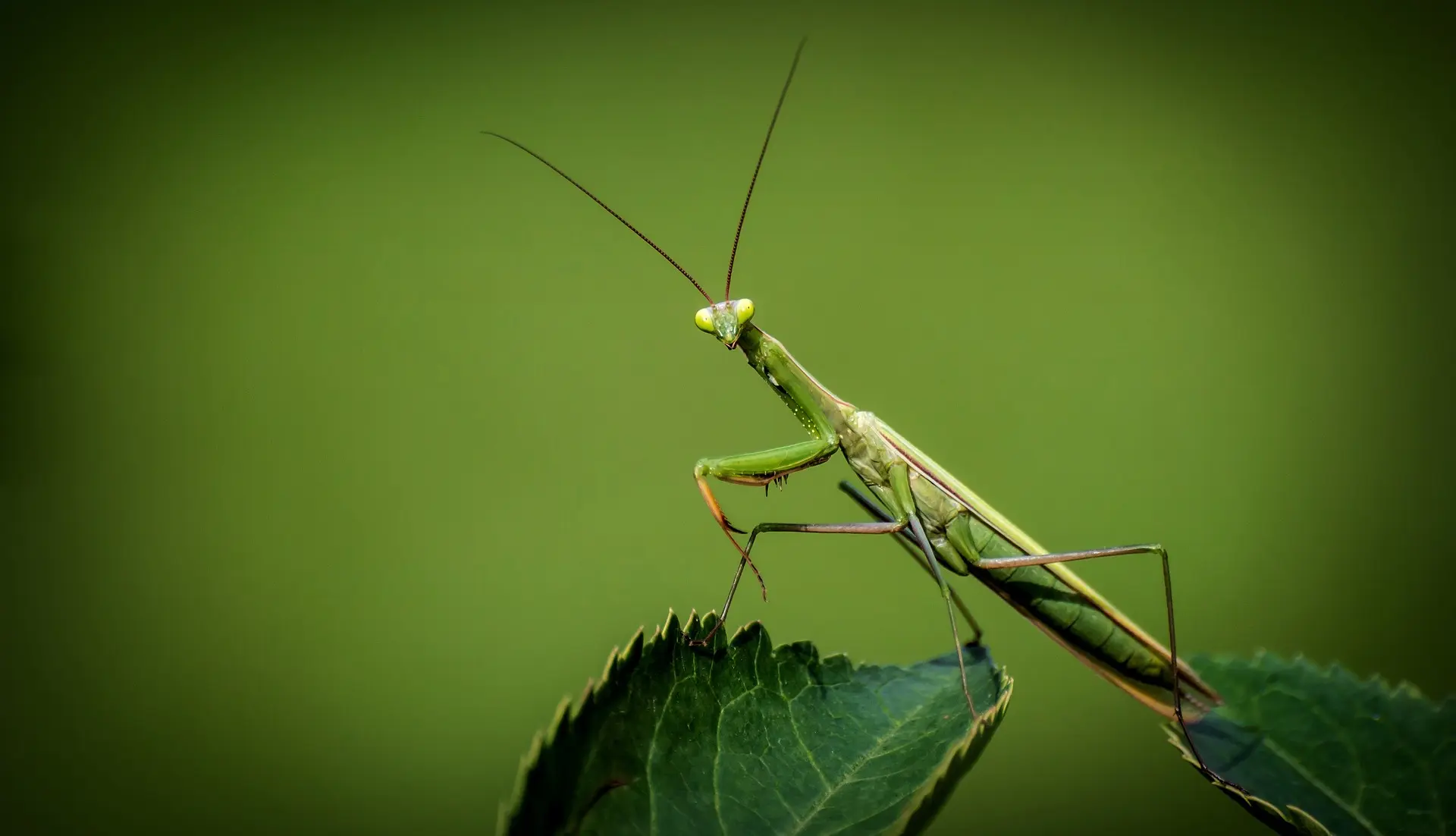
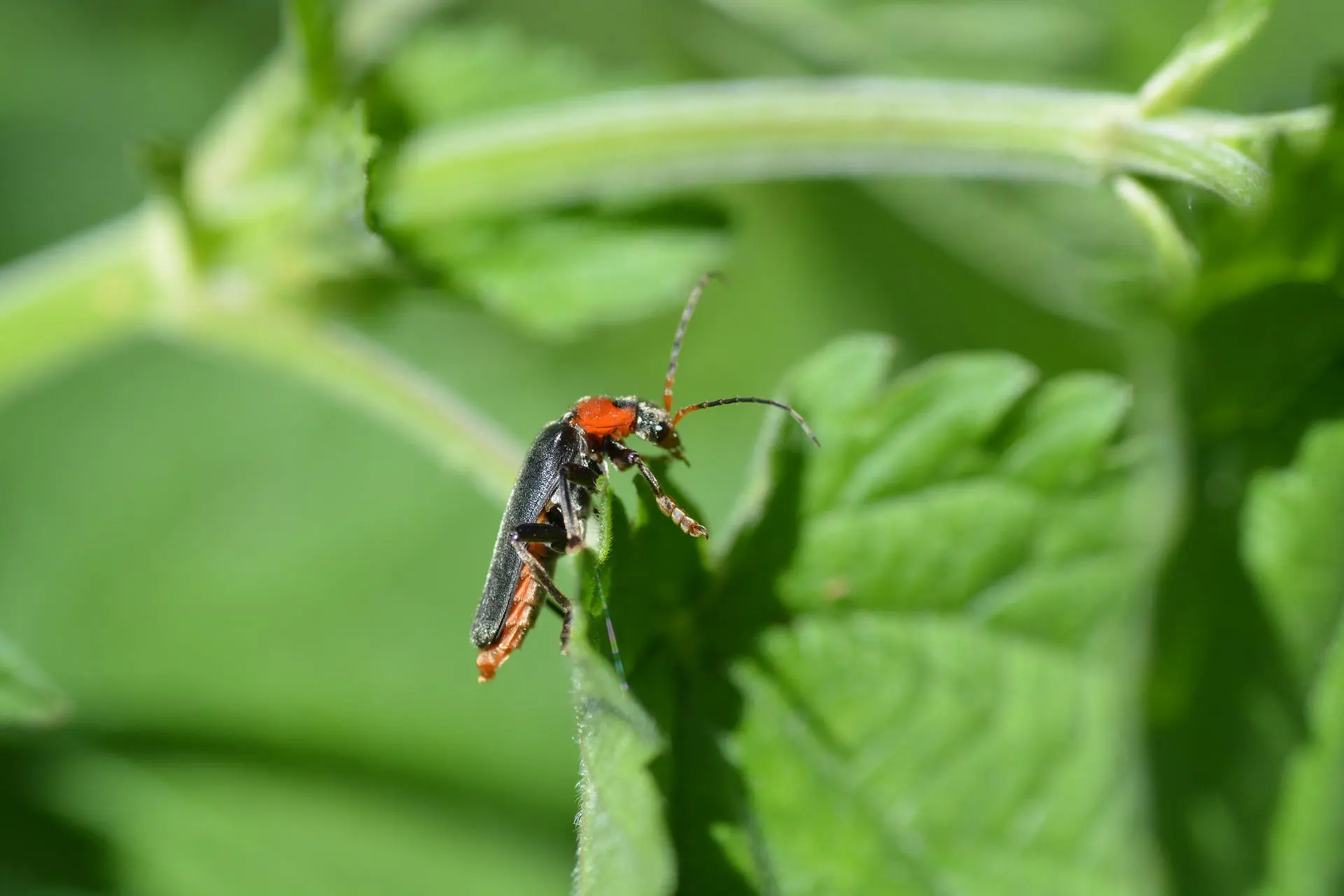
Growing from Seed
Burdock may be started 4 weeks indoors before the last frost. You may direct sow outdoors after the last frost. Sow seeds in rich soil. Keep seedlings watered.
Planting Considerations
Burdock prefers rich and loamy soil, but it's not too fussy. It prefers full sun but can grow in partial shade. Choose a site with very loose, workable soil where the roots can grow deeply. The Japanese grow plants in tall and narrow boxes so it's easy to harvest the roots. It's important to keep in mind that burdock plants can grow very large, and their leaves can shade plants around them. Burdock can quickly become a nuisance in the garden if left unchecked. To control unwanted spread of burdock, remove the seedheads early and often, ideally before they begin to dry. Do not put mature seeds into your garden compost.
Feeding
Not necessary. If your burdock plant seems to be struggling you can apply a light all-purpose feed.
Harvesting
Leaves can be harvested throughout the growing season. Leaves are at their best when they are young and tender. Harvest the root in its first year, and into the winter. Use a shovel to loosen the soil, then carefully wiggle the root. The root can be very long, you may have to dig deep.
Storage
Leaves can be stored in the refrigerator for several days. Fresh roots can be used as a vegetable. Sauté in your favorite cooking oil and season. Store unpeeled, unwashed roots in the refrigerator, wrapped in a damp paper towel and placed in a plastic bag, for up to 2-3 weeks. Store peeled and chopped pieces in the freezer for several months. Clean, chop, and dehydrate roots for herbal use. Leaves may also be dried and stored. Store in jars and keep in a cool and dark place.
Pruning
Remove seedheads regularly. Burdock is an aggressive spreader.
Herbal Use
Burdock root, also known as gobo, is a staple of Japanese cuisine. Use the root in soups, stews, rice dishes, stir-fries, and more. The leaves of burdock can be eaten as well. The leaves can be very bitter, so it's sometimes recommended to boil them before sautéing to help reduce some of the bitterness. Leaves can be used to wrap meat dishes, too. Burdock has many herbal uses as well and is a top choice for moving along stagnation in the body. Burdock is commonly recommended for skin conditions and for liver health. The root is rich in inulin, which feeds your gut's good bacteria. Always consult with your healthcare professional before using herbs.