Fenugreek
Trigonella foenum-graecum
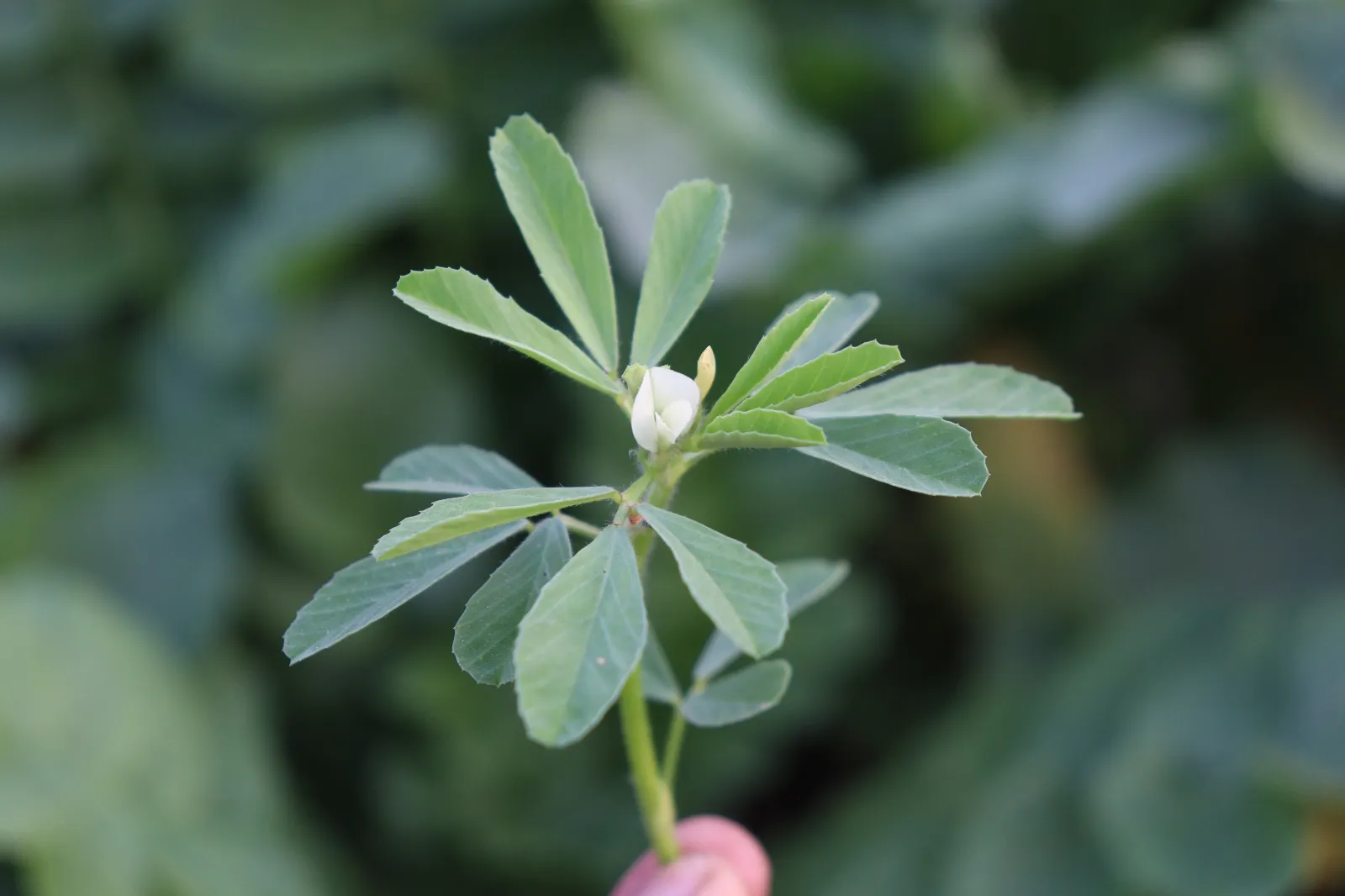
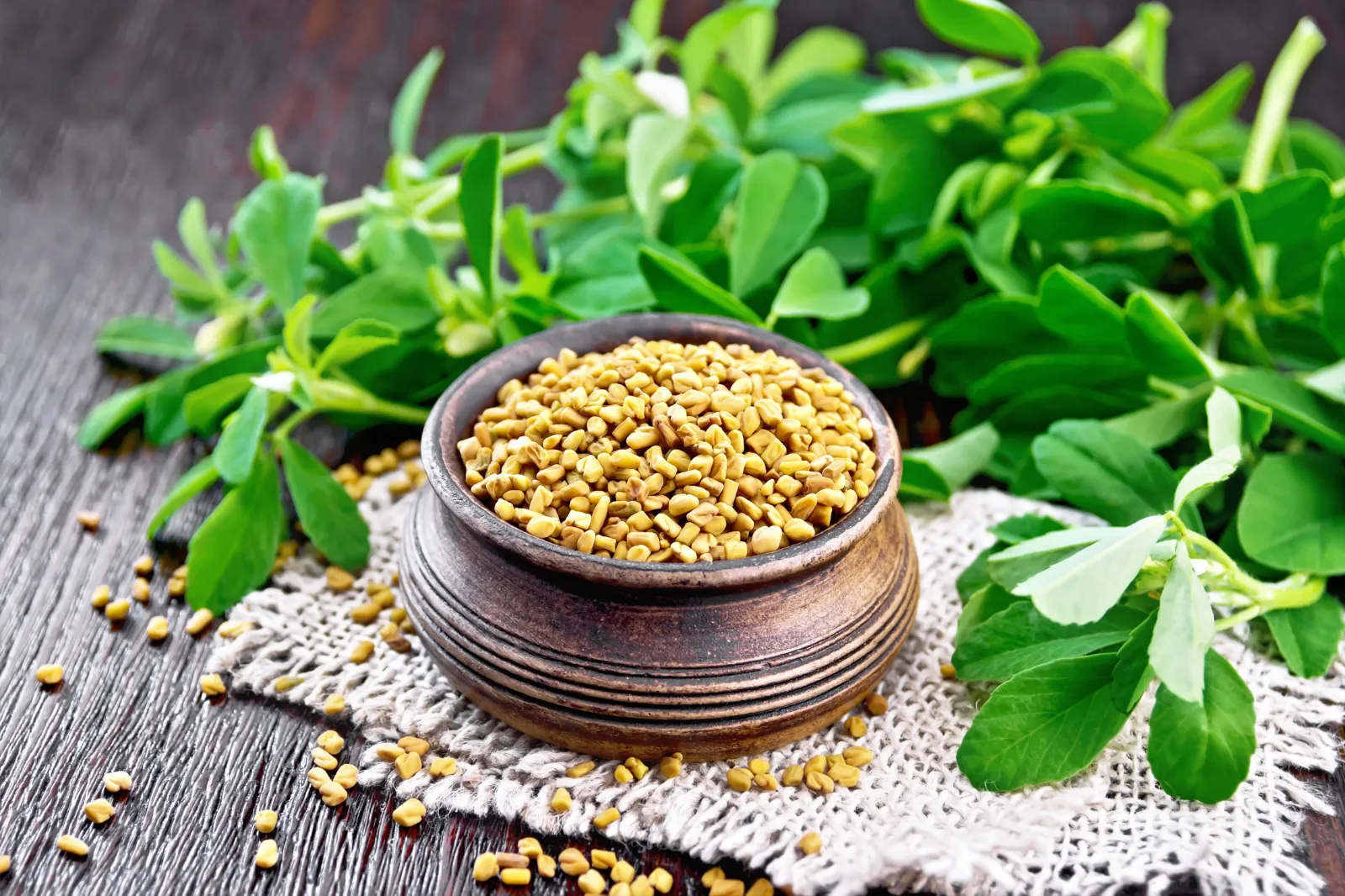
Fenugreek is a versatile plant that can be used in cooking, in teas, medicinally, for livestock feed, and as a cover crop! Fenugreek can be grown for its leaves and for fenugreek seeds, which are traditionally used in Indian, Middle Eastern, and African dishes. The smell of fenugreek is sometimes described as being maple syrup-like. Fenugreek is a legume and like other legumes it can help to fix nitrogen in the soil. While it's primarily cultivated in India, fenugreek is an easy-to-grow crop that can be grown successfully in most climates.
How to Grow Fenugreek
Quick Info

Put away the pen and paper
Plan your veggie garden in minutes with Planter's easy drag and drop planner.
Try Planter for Free
Varieties
Nutrition
Nutrients





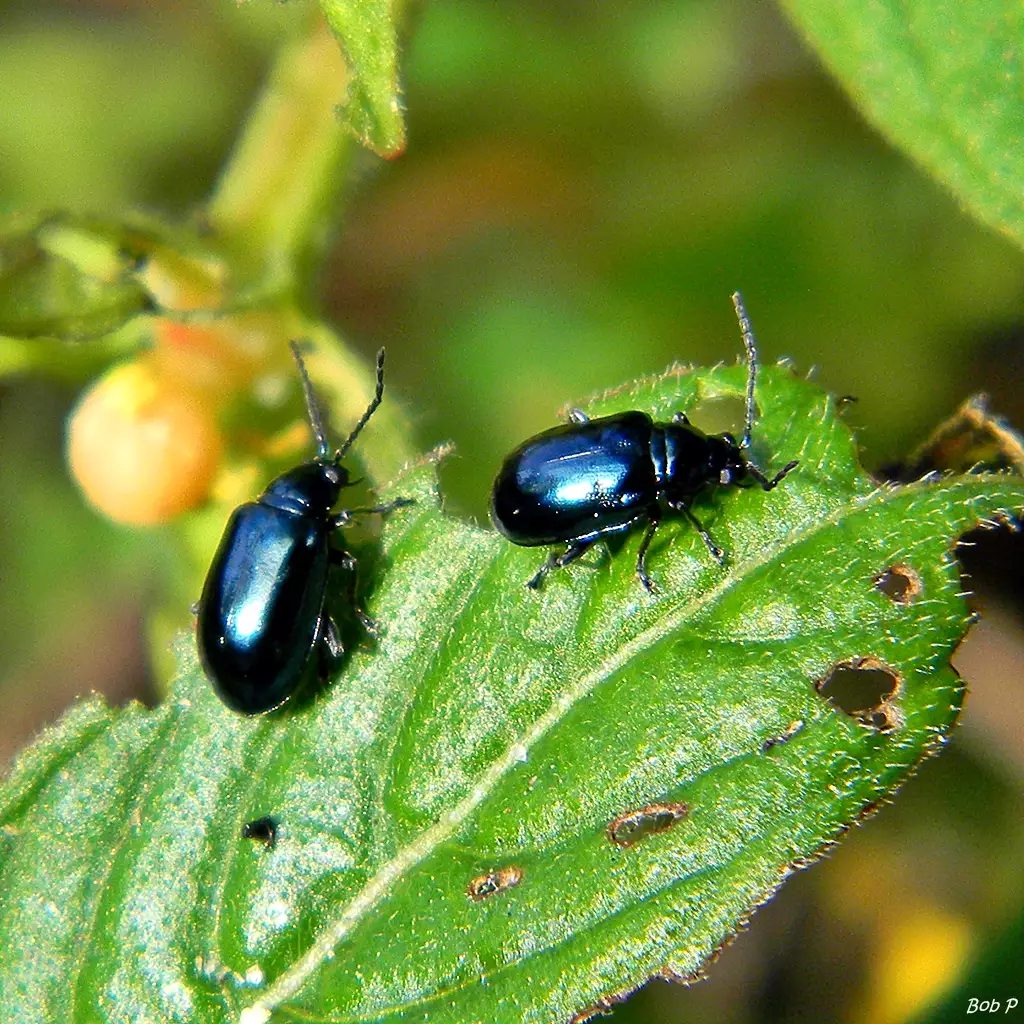
Pests
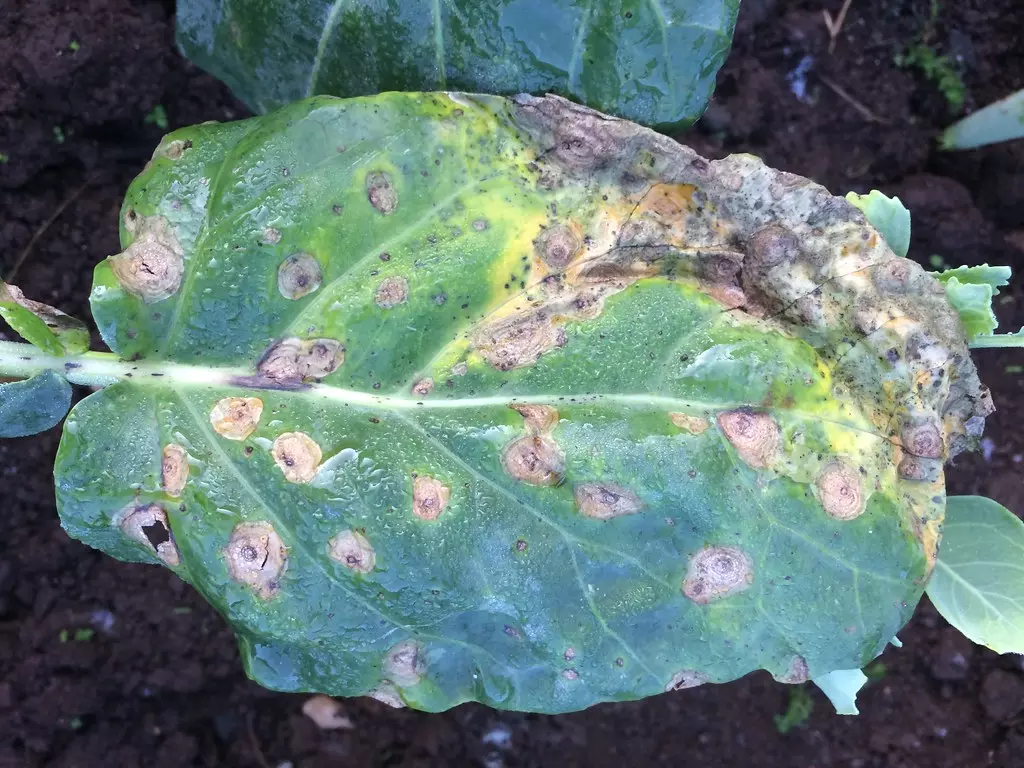
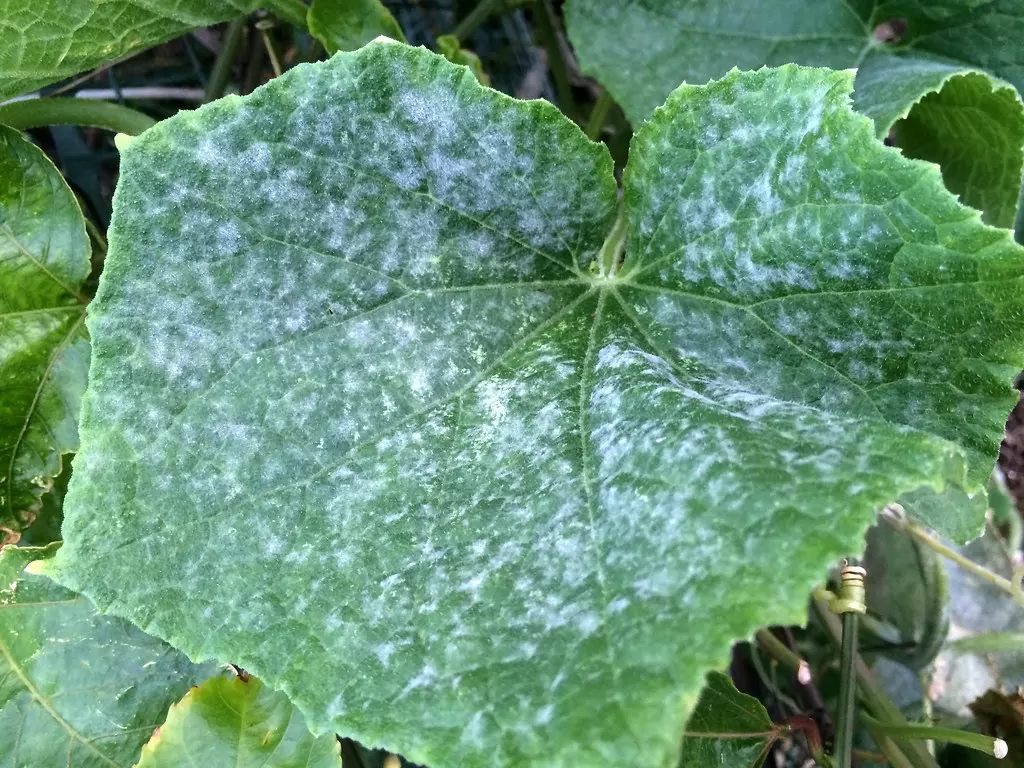
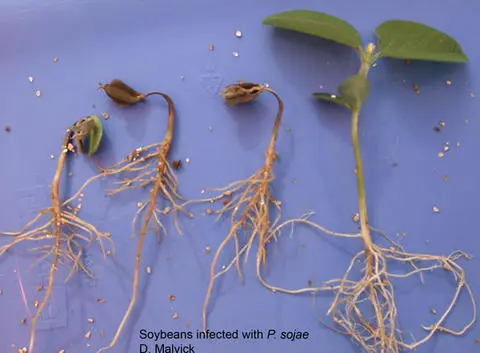
Diseases
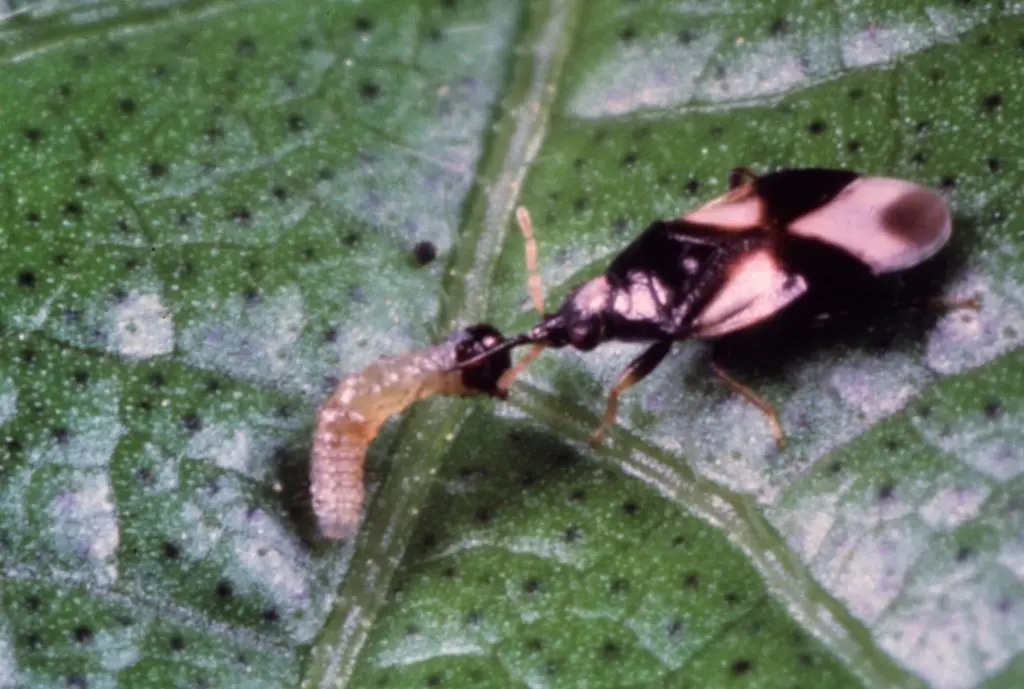
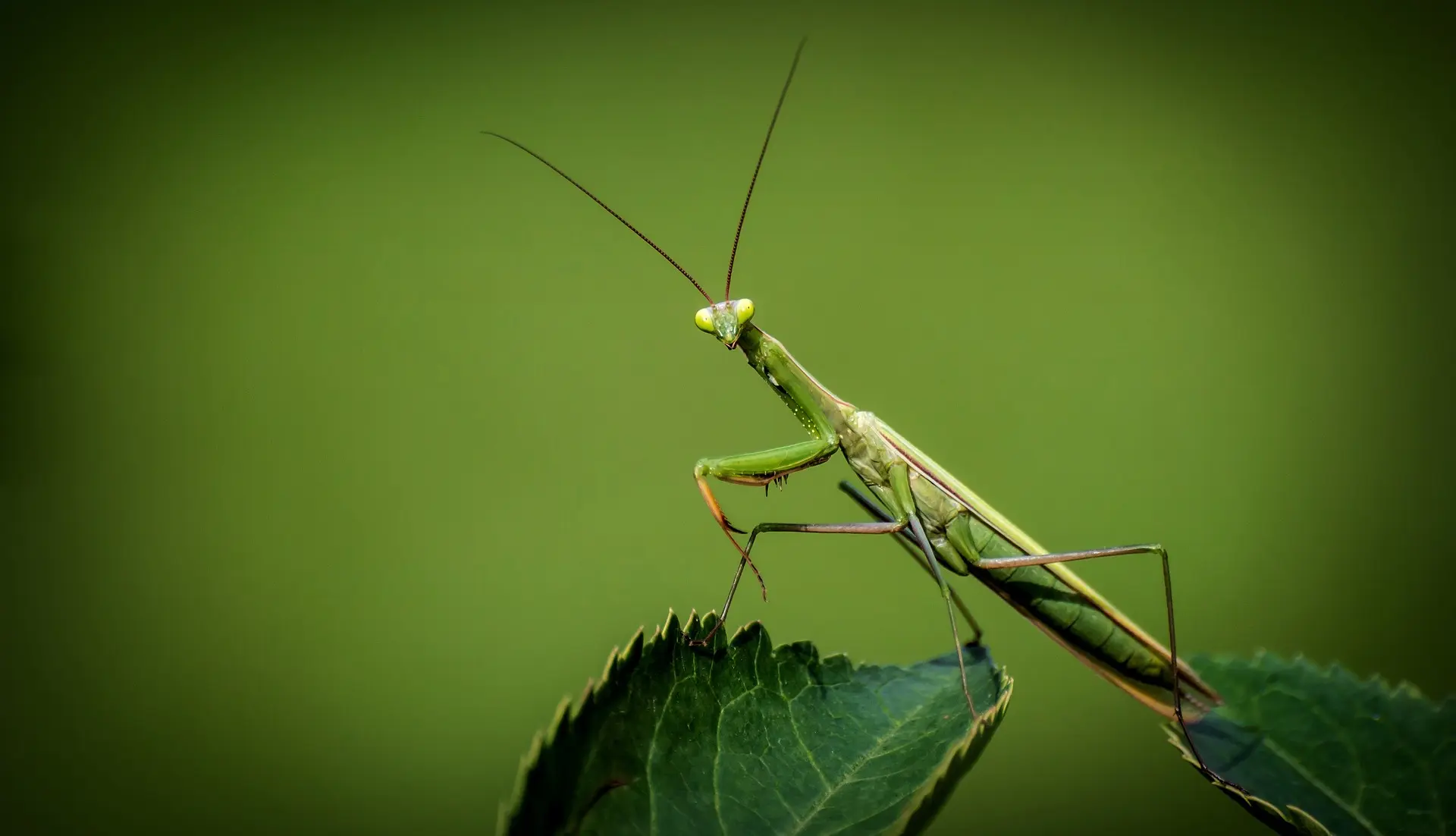
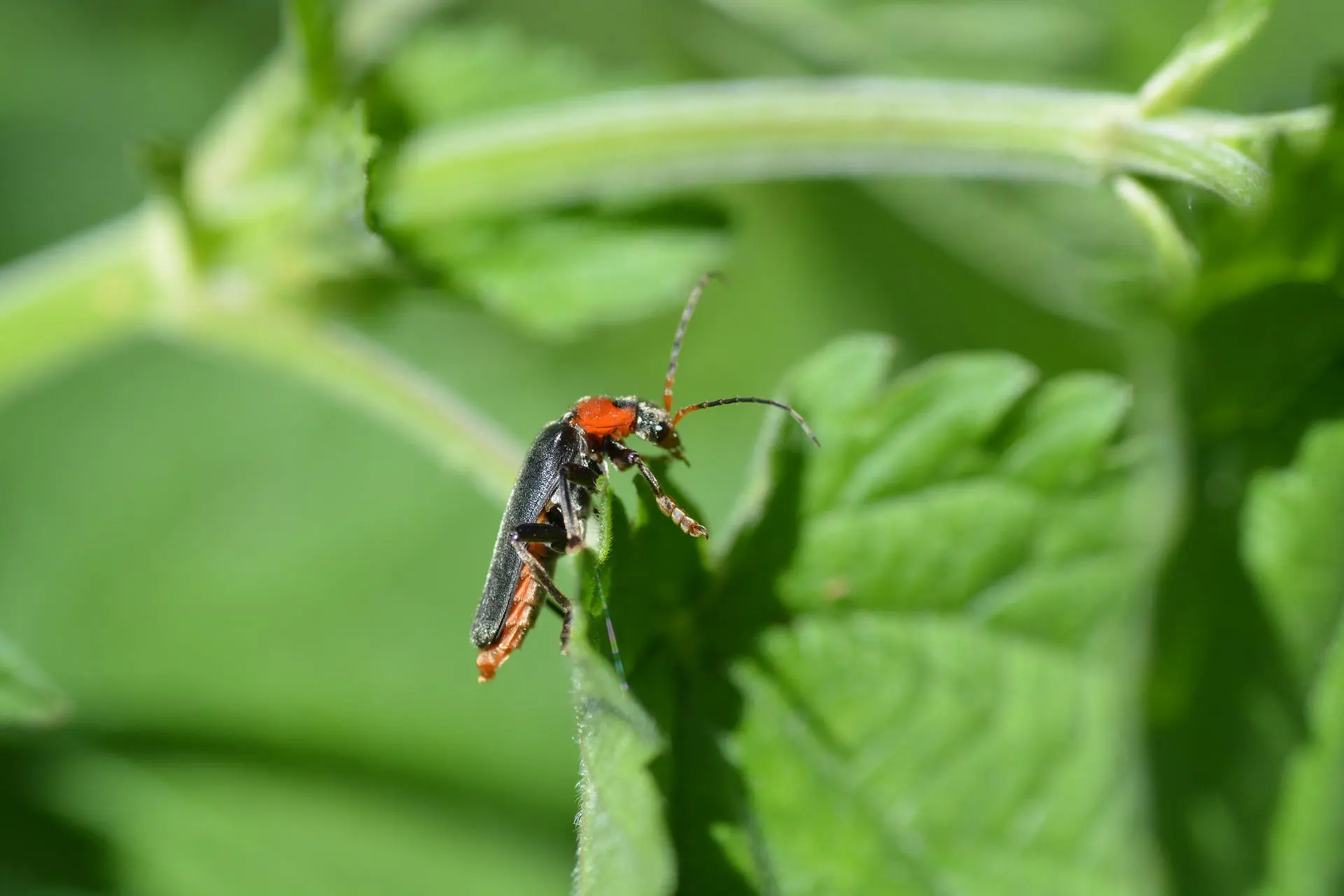
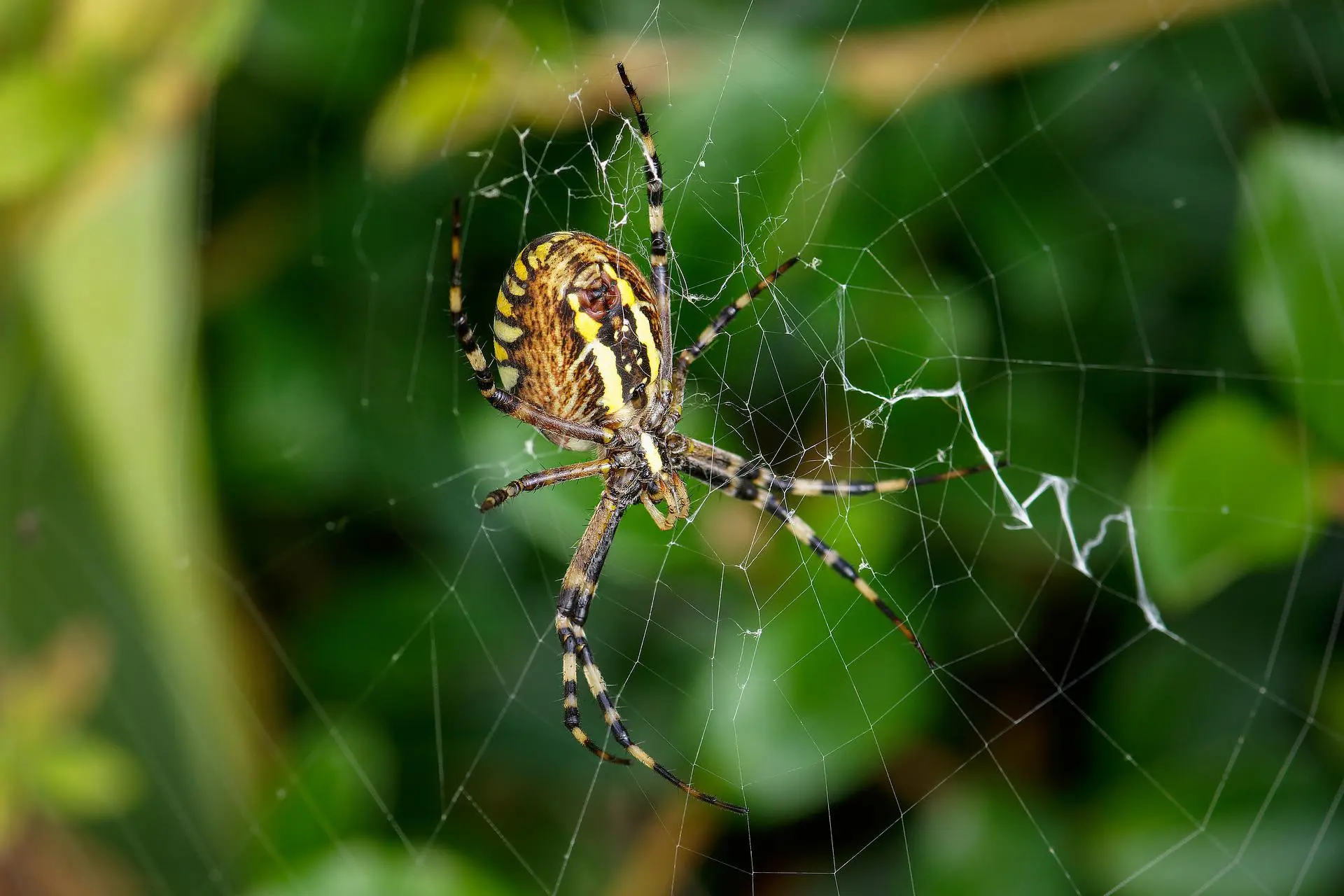
Beneficial Critters

Growing from Seed
Soak fenugreek seed in water for 24 hours before planting to aid germination. Fenugreek can be sensitive to transplant shock; while it is possible to start it indoors it may be easier to sow it directly outdoors. Fenugreek can be started indoors 3-4 weeks before the last frost date and transplanted after the risk of frost has passed. Fenugreek can be sown directly outdoors once soil temperatures are reliably above 50°F (10°C).
Planting Considerations
Fenugreek prefers loamy, well-drained soils that do not become waterlogged. It can be grown in part-shade to full sun locations. Fenugreek grown for cut-and-come-again greens can be spaced as intensively as 2" between plants (5 cm) whereas fenugreek grown for seed should be allowed more space- at least 6" (15 cm) between plants.
Feeding
As fenugreek is a nitrogen-fixing legume it needs minimal fertilizer. If needed, address any known soil nutrient deficiencies and incorporate compost into the soil at the time of planting.
Harvesting
Fenugreek leaves are ready to harvest 30-45 days after seeding once the plants are roughly 10" (25 cm) tall. Harvest in a cooler part of the day if possible to prevent wilting. Harvest by cutting the plant with a sharp knife roughly 2/3 of the way down- if the plant is cut too closely to the ground it may not grow back. Harvesting this way it's possible to get 2-3 harvests from the same plants. It can take 2-3 months or more for fenugreek to produce seed pods. Each plant will produce several seed pods which can be harvested once they begin to dry and left in a warm, dark area to fully dry for several days before extracting the seeds from the pods (the entire plant can also be harvested, loosely bunched with other plants, and hung to dry). Note that some people, especially those with peanut allergies, may be allergic to fenugreek.
Storage
Fenugreek leaves can be stored in the refrigerator for several days or chopped and frozen for up to several months. Fenugreek leaves can also be dried, crushed, and stored for several months to years. Dried fenugreek seeds can be stored for a year or more.